Category Archives: Turkeys

Selecting the most suitable breed of turkeys for your flock

Raising some friendly breeds of turkey is really enjoyable. Moreover, if you bring them up at your home based settings, then you would be able to enjoy a number of flavored meats. At the same time, this strategy is also useful in saving some money. In this regard, you can make use of a number of old as well modern breeds.  Glenn Drowns, a specialist in the domain of heritage poultry, asserts that the White Holland and related breeds are best suited for flocks which are below 20 and that the Bourbon reds are really useful in terms of pest control as well as for foraging. Frank Reese, another specialist in the domain of breeding turkeys, also suggests that the White Holland poultry breeds are quite competitive in terms of meat production and consumption. How to breed turkeys? This is the core question here.

Preference for Broad Breasted Breeds

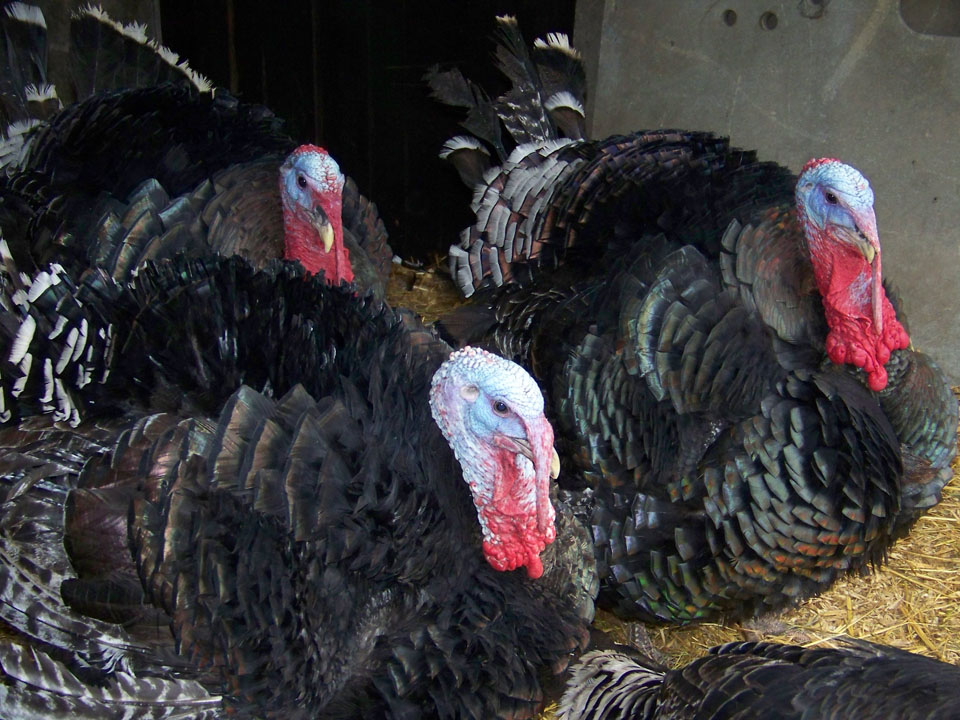
For those who plan to raise for sales, then the  breeds will come to be the most useful. However, these birds are available on a limited basis, all because of a respiratory disease outbreak that has effectuated thousands of flocks. The reason for which this bird is being recommended lies in the large amount of meat which is present in the areas of its breasts. In comparison to the wild turkey, the bird has 2 to 4 times more meat, due to which it is well suited for meat production purposes. These birds are able to achieve a weight of sixteen to twenty five pounds in a matter of 24 weeks. On the other hand, in order to reach the same weight, the heritage birds would demand nearly 2 years. The importance of this timing period is highly crucial in terms of poultry production, for which most of the poultry producers prefer to make use of this breed of turkeys.
broad-breasted-bronze

Tips for selecting the best breeds for you farms

In terms of selecting the most suited and appropriate breed, you need to be knowledgeable of the various facets including its capacity of natural reproduction, its ability to fly, its pace in terms of reaching the stage of maturity and many other related factors. The thumb rule here is that the most famous breeds might not be necessarily suited for the smaller farms and at the same time, the big size is also not an indicator in terms of the best breeds of domestic turkeys.

Classes of Production Type Turkeys

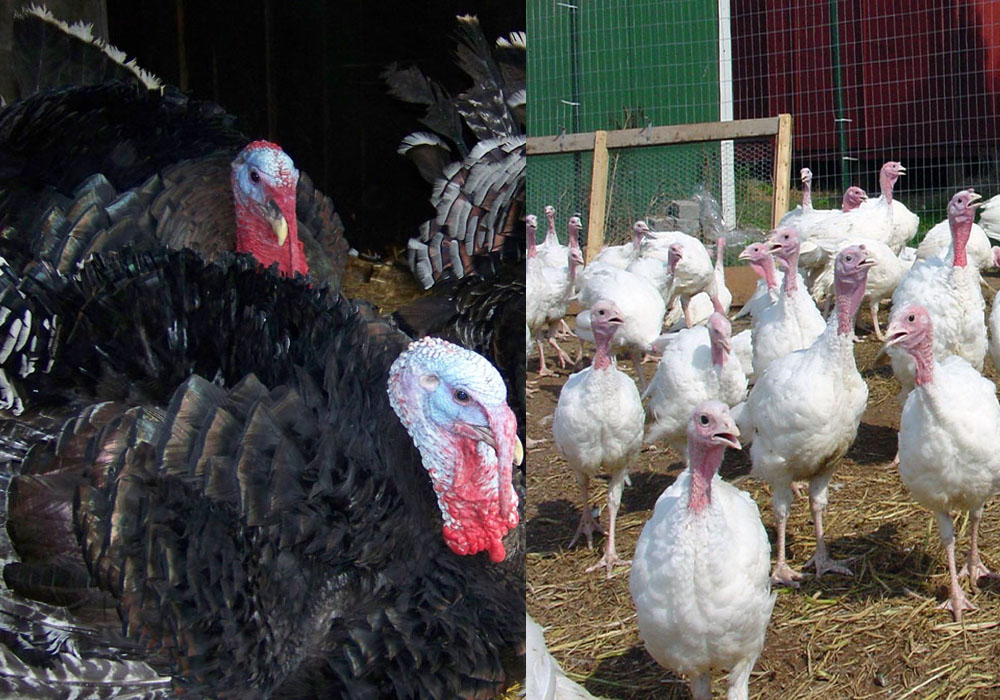
There are two basic types which will be discussed here including Broad Breasted Whites and The Broad Breasted Bronze. You can easily purchase them from a number of hatcheries in times of the spring season. In addition, the pace of their growth is also quite agile, due to which you would be able to have a massive turkey in the minimal time span. However, there is a single drawback in making use of these breeds of turkey i.e. they aren’t able to produce on a natural basis. The reason for this can be linked to the large sizes of their breasts, which limits their ability to reach out. So, for those who plan to breed some large flocks of turkeys, these two breeds might not be suitable. But if you have no sort of problem with their reproduction limitation, then you should go for them.
production type breed

Heritage Breed of Turkeys

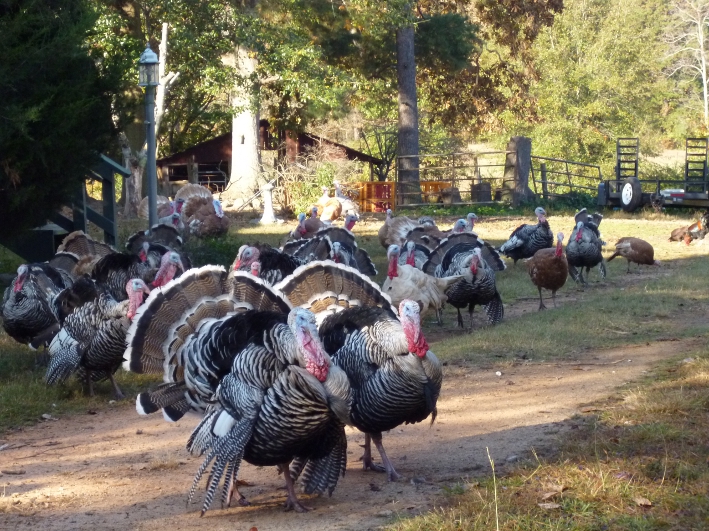
There are a number of farmers and poultry producers who prefer to utilize the heritage turkeys, all because of their well-developed reproduction capabilities. Moreover, they also come in various colors and sizes and are also able to brood a number of eggs. Below are some of the breeds which you might want to consider at the time of selecting the best breeds of turkey for your farms and poultry houses.
heritage type turkeys

Auburn: This heritage breed is believed to be similar to the bronze breeds, but happens to be more reddish in color. The origins of this breed go a few centuries back.

Beltsville Small White: This rare preservation breed is marked for being smaller in size. The breed is also more active in comparison to the other breeds, primarily because of its small size.

Spanish Black: Now here we have another rare breed which was mainly utilized by early settlers. The breed is also medium in size in comparison to other breeds of the same class.

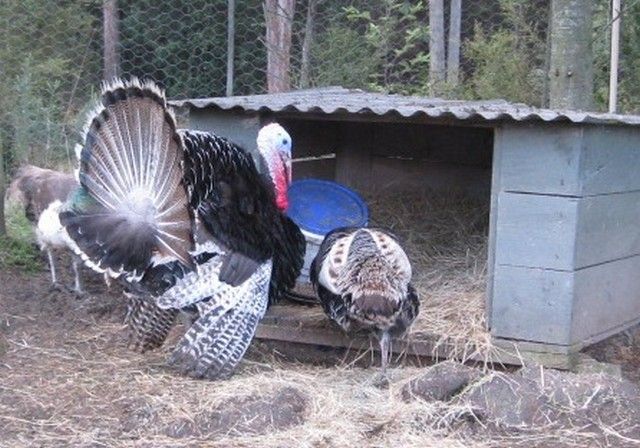
Bronze: This breed is quite large in size and is able to carry out the breeding process in a natural manner. Do remember to distinguish it from the broad breasted ones.

Midget White: The smallest breed of turkeys, Midget White, is really suited for small families. Furthermore, these birds are also quite active and are also able to fly.

Royal Palm Turkeys: Famous for being a show bird, Royal Palm is a small sized heritage turkey. The breed is marked for having black and white colors.

Narragansett Turkeys: Believed to be good foragers, natural calm, medium sized and excellent brooders, Narragansett is the breed which you might want for your small farms. In the past, the breed had come quite close to being extinct, but now it is believed to be more prevalent.

 

Famous Turkey Meat delights – mouth watering dishes


The bird Turkey, for many is only known as the festival bird. I would like to share a very interesting fact over here – National Turkey Federation (NTF) has mentioned in their publishing that 95% only prefer turkey meal on Thanksgiving occasion. It is also estimated that during this particular time, 46 million festival birds are consumed. This in other means indicates that about 675 million pounds of the bird are served on hundreds of dining tables. Also, a big, giant turkey means a good amount of bird’s leftover – this helps in cooking some of the mouthwatering dishes including both starters and main course.

This poultry meat is also low fat, it contains a good amount of proteins, so it’s healthy. Not only this, the turkey farming has also gained popularity over the years because it offers excellent nutritional value and tastes superb as well.

Many people fail to cook a good, tasty and appealing turkey meal for many reasons. Many complain that it looks burnt and tastes dry, when on the table, and it gets kind of embarrassing in front of the guests. This is why the culinarians get hundreds of calls from the housewives as well as other cooking experts. They inquire about how to sustain the natural liquidity of the meat and provide it better look. The world renowned chefs have the same comments, ‘it’s really simple and easy to cook a turkey; however, it’s just the game of concentration’.  This is a piece of advice for all the turkey lovers and also those who love cooking it.

Simple tips which can help you cook turkey meat products easily include;

  • Oven temperature must be accurate.
  • Many keep on checking the oven by opening it again and again; this spoils the meat due to the difference in the temperatures.
  • In order to obtain best taste, leave the turkey in marination for at least two days. Make sure you keep in the refrigerator.
  • In order to provide the aroma to the turkey, make sure you follow a good combination of wine, lemon, vinegar and other spices.

By bearing this in mind, now here you go with the most popular food that is made from the turkey meat; indeed, your mouth would get watery because they are a delight for the eye too.

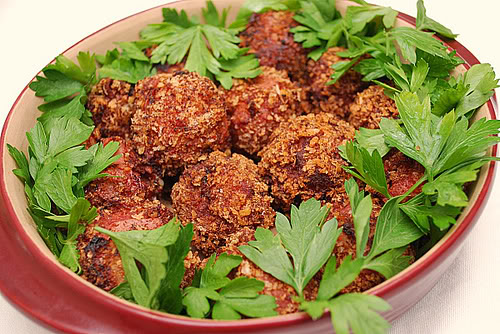
1: Turkey Cordon Bleu Croquettes

You can serve them as starters – tempting turkey meatballs are indeed something to die for; here you go with a quick recipe;

  • Take a bowl, add turkey breast meat, 1 chopped onion, baked ham (chopped) half plate, half teaspoon thyme, black pepper, salt and paprika; also, add a cube of cheese (shredded); this would help in forming the meatballs.
  • Once done, in a separate bowl make bread crumbs and coat each meatball in that. Lastly, heat some oil in a pan and fry the meatballs in that for 7-9 minutes. Serve with ketchup or green sauce.

Turkey Cordon Bleu Croquettes

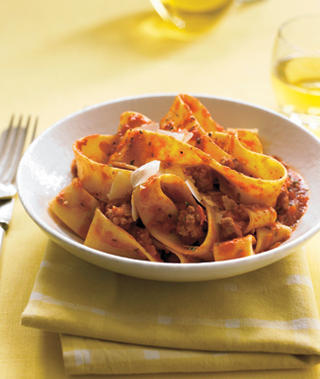
2: Papperdalle with Turkey Ragu

The yummy pasta indeed is one of the finest and tastiest turkey meals – it can be a main course for any good event as well. Here you go with a quick recipe;

  • Boil one packet of pasta as per instruction on the packet and keep it aside.
  • Mix 2 chopped carrots, one onion, 2 cloves of garlic, and 2 pounds of grounded turkey meat with all the necessary spices in a bowl. Also add 1 teaspoon of rosemary, lemon juice and 3 tablespoons of white wine.
  • Now, in a pan pour one jar of marinade sauce and add the mixture of turkey – let it cook for 10 minutes so that everything gets sauté; now add the pasta in the pan and mix the entire dish for 3 minutes. You can serve it with grated Parmesan or any other thing you like.

Papperdalle with turkey ragu

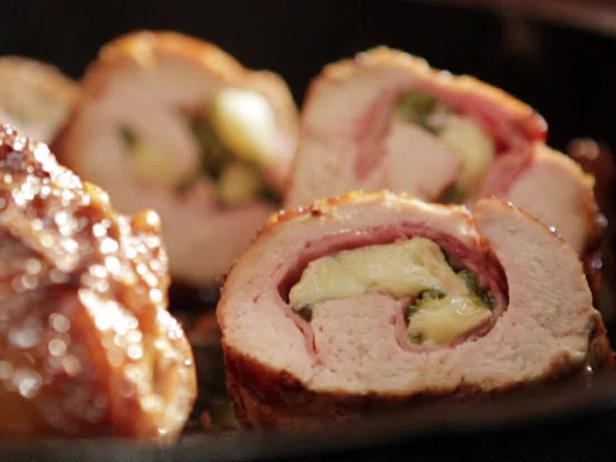
3: Roast Turkey Cordon Bleu

It is the most adored recipes and thanksgiving days seem incomplete without a tempting roasted turkey on the table. It can easily serve 10 guests at a time.

Roast Turkey Cordon Bleu

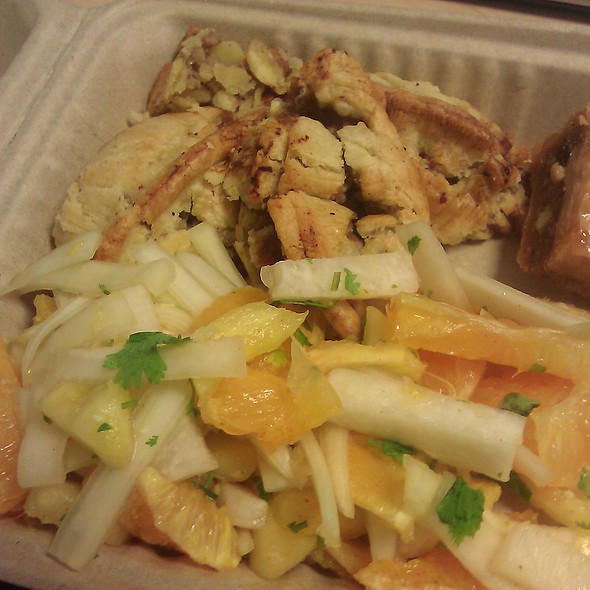
4: Turkey Empanadas with Salad:

Golden brown Turkey filled empanadas are perfect starters for a fine high-tea. Also, you can serve it with salad to increase the dish’s appeal – this would please the guests too.

Turkey Empanadas with Salad

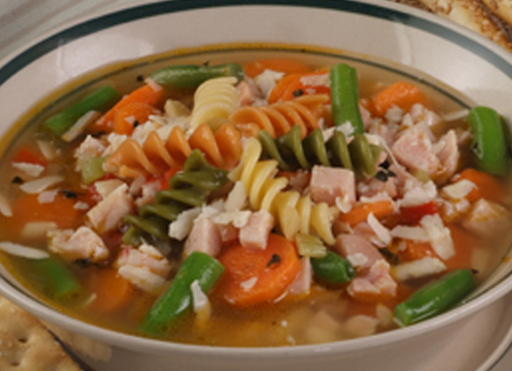
5: Turkey- Vegi soup:

With the basic vegetable soup recipe, you can make a delicious turkey soup easily.

Turkey- Vegi soup

Other than the mentioned ones, there are more than thousands of recipes and ways to cook and serve turkey. Usually the adored types are;

  • Turkey burgers
  • Turkey stuffed with vegetables
  • Turkey sandwiches
  • Turkey stews

Turkeys Brooding And Raising Guide

Raising of Turkeys

Turkeys are not popular in ASIA. Its cause may be ignorance about their nutritive value or disliking for their eggs and meat. In Western countries mini (smaller size) turkeys which are finished around 12-13 weeks weighing 4.7 kg and midi (medium size) turkeys, finished around 15-16 weeks weighing 6-7 kg are becoming popular nowadays. Like broiler, smaller turkeys are reared in intensive system, that too not fully controlled environment, while larger birds can be raised in simple shelters of pole-barn type or even on range.

Brooding

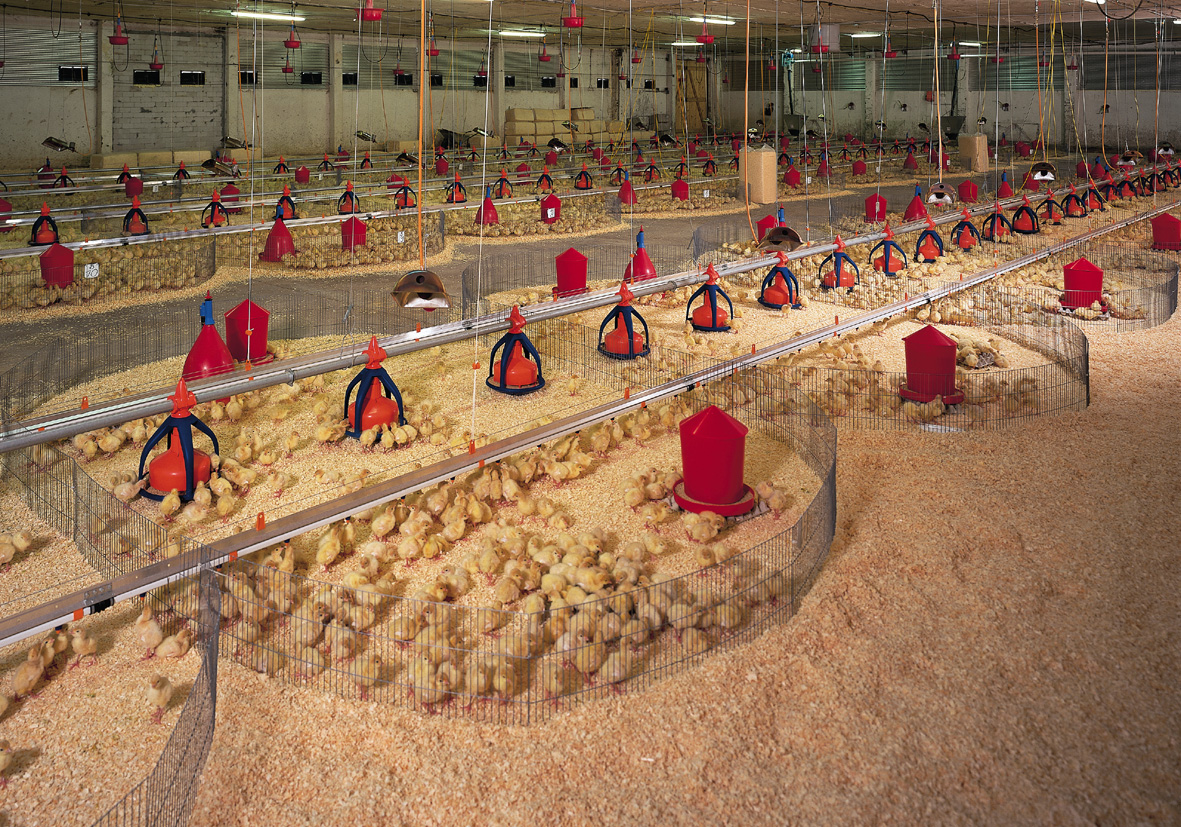
Brooding can be done on wire floor or on concrete floor with litter. The house must be draft-free and litter should be managed properly to keep it in dry condition to reduce the risk of parasite infestations. The brooding temperature in first week may be kept at 35°C with proper insulation of house to maintain house temperature at 25- 26°C with supplementary heating during initial stage of brooding. At the same time adequate ventilation should also be provided. The temperature difference of 8-10°C between brooder area and house is maintained for efficient growth. The mortality in poults during early stage many a times, may be because of lack of feeding and drinking facilities. So these facilities should be provided under bright light.

Once heat requirement is over at 8-9 weeks of age, turkeys can be reared at cooler temperature of 16°C. Raising turkeys on deep- litter is easier method and becoming popular. The health care is offered by preventive vaccination and essential medication from time to time.

Growing

Turkeys can be very well grown on range. But it requires clean fields on which poultry or turkeys have not been raised for previous two years. The land can be best partitioned into paddocks for 500 turkeys by fencing it around 3-3.5 in high for protecting them from predators. Simple thatched shelter of straw bales and roosts are sufficent for turkeys because of their hardiness. Feeders and waterers should be kept under roof to provide protection from animals, wild birds, climate and predators.

Intensive Rearing

Adequate floor area and ample fresh air should be provided for growing birds in intensive rearing. Turkey yard with roosters, feeders and waterers under lean-to roof attached to farm building can be used for rearing. Alternatively a pole shelter in the form fully covered compound consttucted out of rough poles of timber posts or discarded railway sleeper can be installed. The roof can be made by use of wire netting overlaid with corrugated roofing material or building felt. Side etiaS and back walls are totally or partially blocked with straw bales, polythene or other sheet but front portion is fitted with large mesh netting like chain link. Waterers and feeders are approachable from front. A section of 12 x 12 in can house around 250 to 450 turkeys.

Cage system is also used to raise turkeys above ground level on small scale. Now, lot of modem units rearing turkeys on large scale are using houses like that of chicken having effective insulation,mechanised ventilation system, supplementary heating and light with other arrangement to provide controlled environment. Since turkey is a fast-growing bird, they should be provided adequate management facilities (Table 20.1) in respect of floor, feeding and watering space, as more space is always beneficial.

Because the poults grow faster they should be provided increased head room under brooder, floor space, feeding and watering space and ventilation depending on size and age. Around 7-8 weeks of age they are shifted to growing sheds to achieve still faster growth. If turkeys are to be reared in closed shelter, before shifting their bills should be trimmed to prevent cannibalism. They can be very well managed in groups of 240-270 with adequate management facility for next 12-24 weeks. When roosters are not used, some straw bales can prevent young turkeys from congregating, when groups have more strength.

Intensive rearing needs skilled management because incidence of vices and disease is on higher side in confinement. Hygiene. sanitation and cleanliness at feeding and watering places and supply of adequate clean litter are essential. Overcrowding and inadequate ventilation, many a times results in poor performance.

Feeding 

Even though management of turkeys in respect of housing, lighting, sanitation and hygiene and health care is similar to chickens but feeding of them differs significantly from that of chickens (see Chapter 10 of this book).

Pouits are very slow in accepting their feed which is well-known fact. Therefore, they should be invoked to eat by providing easy access to feed with supply of ample feeders and bright light. The same thing holds good for drinking water also. All growers are supplied with ad libitum feeding pattern. Sometimes grains in measured quantity are offered in addition but at fixed timings. In case of range rearing feed should be given in measured amount with decided times, so as to be consumed by birds within short time to avoid feed consumption by wild birds or vermins.

In brooding stage upto 8 weeks, poults are provided mash containing 23-24 per cent protein, which can be reduced to 19-20 per cent by 10 weeks and 15 per cent by 17 weeks. The finishing diet is offered generally 3-4 week prior to disposal of birds. When grain ration is provided it should be necessarily supplemented with oyster shell.

Managing Health of Turkeys

Early stage (starting) of brooding is of crucible importance for poults as they are reluctant to eat and drink, hence have more tendency to perish than chicks or ducklings for unknown reason. Therefore, they should be provided with ample facilities for feeding, drinking, and lighting.

Intensive rearing has made turkey more susceptible to various infections and control measures through preventive Managing Health of Turkey is the best principle to minimise disease risk. Turkeys must be immunised against diseases like RD, turkey rhinotracheitis, pox, pasteurellosis and erysipelas. The necessity for full or partial immunisation depends on disease prevalence in the area of turkey raising as well as on their population. In case of isolated rearing units little protection can suffice the purpose, while in thickly populated areas complete preventive vaccination protection may be essential.

In recent years, the main ailment affecting turkey badly is turkey rhinotracheitis, which is latest viral entity causing losses in turkeys all over the world. It leads to serious deleterious effects on birds of all ages predisposing them to secondary invaders like viruses, bacteria, etc. to cause severe trouble.

Mortality upto 25-30 per cent is common with heavy loss of production in survivals. Fruitfulness of treatment is uncertain. Management improvement by supplying increased floor space, adequate ventilation, fresh litter, better sanitation and hygiene along with toxic principles free enriched diets is of greater help to control the ailment.

Rearing of Turkeys at Your Backyard

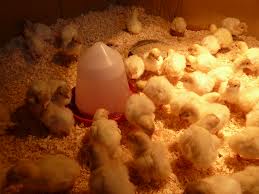
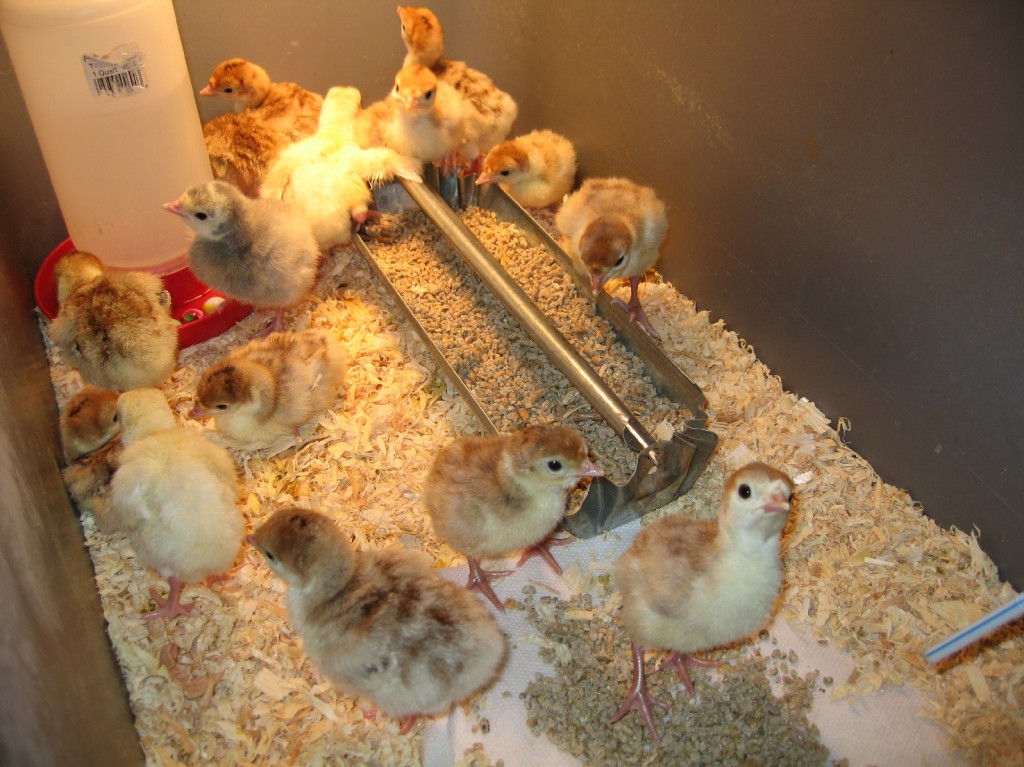
Most of the private and home based farmers widely consider raising turkeys for meat. The best and most affordable manner in which the goal can be achieved is by making use of the day old turkeys. But before your consignment of turkeys arrives, you should prefer to set up an area for the brooding process. The same is done at the Locust Grove Farm, which is a top notch professional poultry producer. Moreover, it is also crucial for making arrangements for keeping the birds and other domesticated animals warm at all times. In lines to this, the temperature should be maintained in the range of 90 to 100 degree F. After keeping the birds in this temperature for a week, next you should make use of the lamps for lowering down the floor temperature.

day old turkeys

At the same time, you also need to make use of some sufficient number of feeders and water kits for the birds. For example, if you have 25 birds to look after, 1 or 2 kits would be more than enough. For the second week, you would need to increase the roaming area of the birds. As the birds grow at an agile pace, their need for more open areas is notched. Very soon the birds start to climb the water kits and feeders which is a clear indicator that the birds need to roost. These facets hold a great deal of significance in terms of raising baby turkeys or raising turkey poults. The birds should only be confined after this time period if you feel the temperatures outside can get aversive and dangerous for them.

Pre-requisite Field Operations

Making use of a more developed roost assembly and allowing the birds with some more pen area is imperative for the normal growth of the animals. Now here, by growth, I mean the development in physical and psychological dimensions. The turkeys must be allowed to live outside in the range. Range is used to refer to the grazing or the area for pasture. For optimal results always make use of the area that has no sort of trees. The same applies for farm raised turkeys. Medium red clover together with the Kentucky bluegrass should be used for the pasture area. The idea here is to offer the birds with a humane treatment. The area which is allocated to the birds should be large enough for the needs of all the birds that are being domesticated in it. Nearly a dozen turkeys can be allowed to roam in an area which is about 1/8th of an acre.

open area for turkeys

Fresh Supplies-Food and Water

For the free range turkeys, the feeders and water kits should be in access to the birds. Moreover, you are also required to ensure some fresh supplies of poultry feeds and water all around the day. For this reason, you can also make use of the automatic water kits which are going to cut down the time required to do the process manually. In case if you have a number of mature organic turkeys, then you should use at least 2 gallons of water for their needs. The feeders and turkey growers used should be able to load 100 pounds of feed. The mature turkeys demand the consumption of some large amounts of feed.

waterer for turkeys

Visiting the Flocks

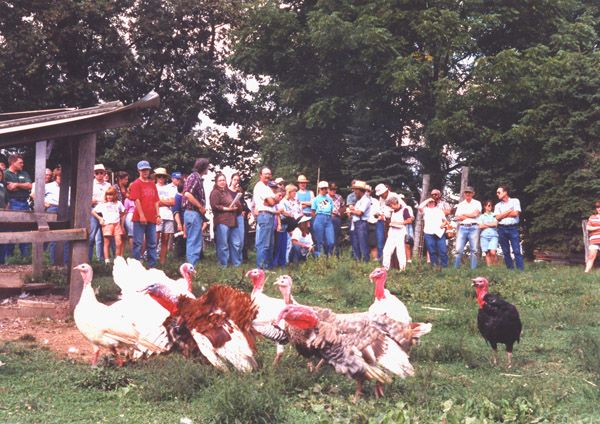
Rearing of turkeys also demands that you make regular visits to the animals, as they love to be in the company of some people. Moreover, backyard turkeys raising need company of human beings also happen to be well suited and adapted to all environments. At the same time, the strategy also ensures that no sort of violent behaviors are initiated in the mature turkeys.

human friendly turkeys

Raising the Entire Roost

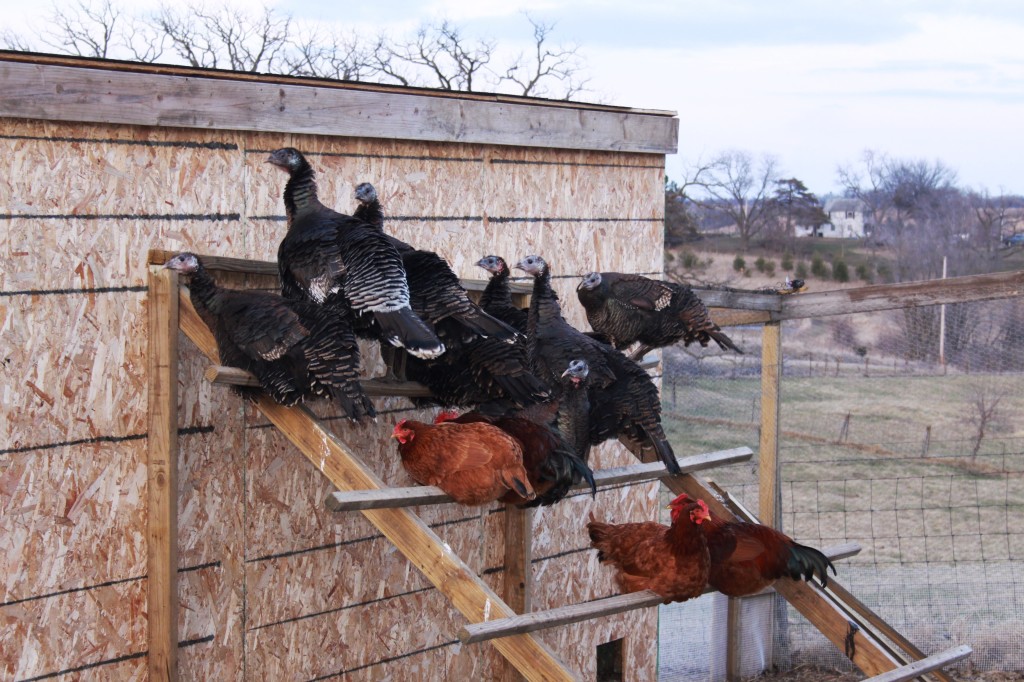
You should make use of a moveable turkey roost. In addition to ensuring the manure deposits do not get accumulated in a single area, the moveable roosts also come in handy for other purposes. For this reason, you will need to use a number of materials for raising the roost including frame supports, side frames, front and back end footers. In terms of the roof you can make use of the fiber glassed panels. The kind of roost you will need depends on the number of turkeys you plan to keep in the shelter.

turkey roost

Wild Turkeys Facts and Hunting

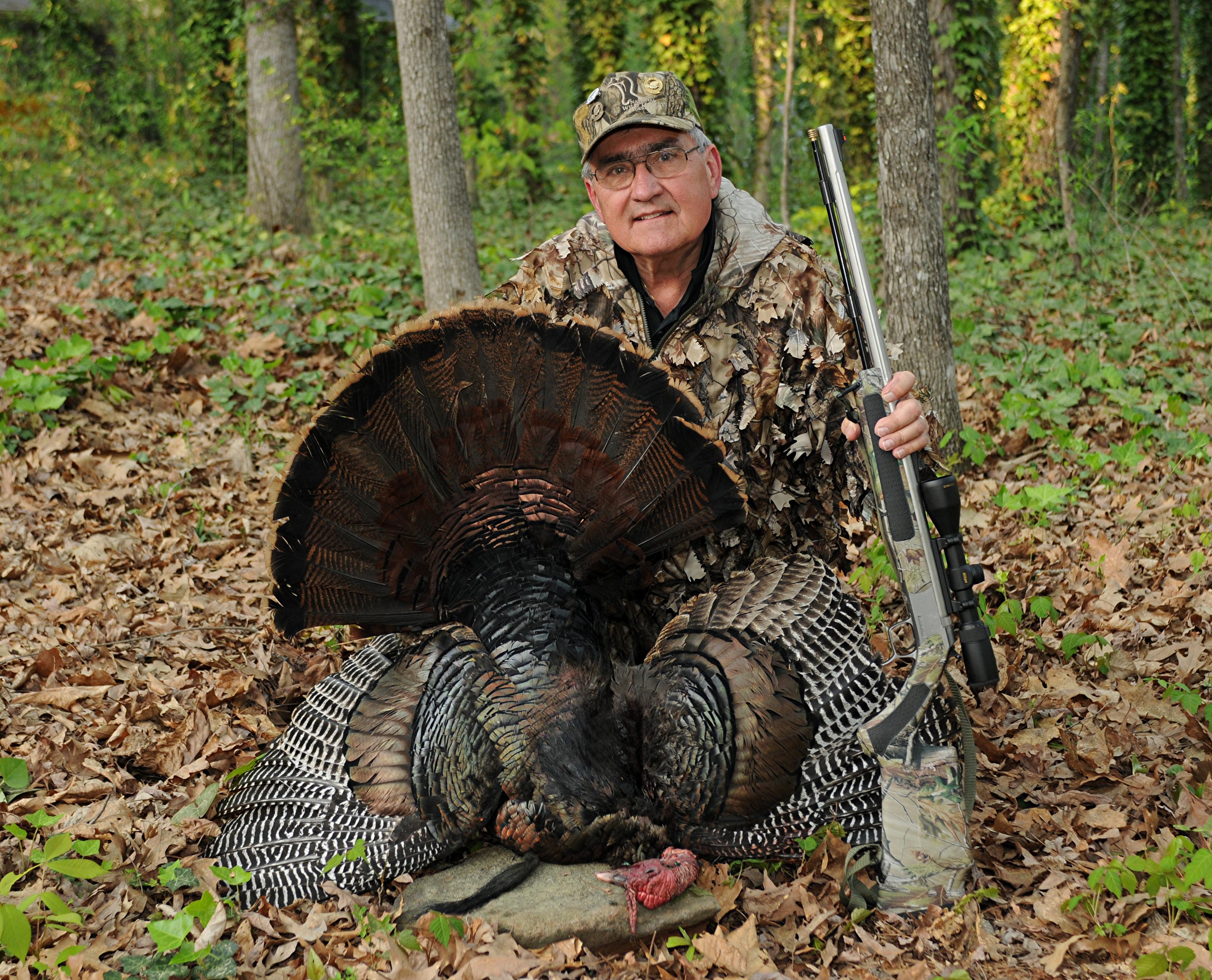
Hunting Wild Turkeys is a game that has always attracted a number of hunters from all corners of the world. Have you ever imagined going on a turkey hunt in order to find that there are no turkeys left? It would indeed be shocking to see something like this happen. In the 1930’s there did came a time where the wild turkeys had been pushed to the verge of extinction. But thanks to the collaborative efforts of a number of wild lives restoration programs that now the turkeys are present in abundance. Hunting Turkeys is like no other game, but you need to well aware about the policies and regulations in some areas before you plan to go for it. Below you are going to find some sound levels of  information about turkeys.

Facts about Wild Turkeys

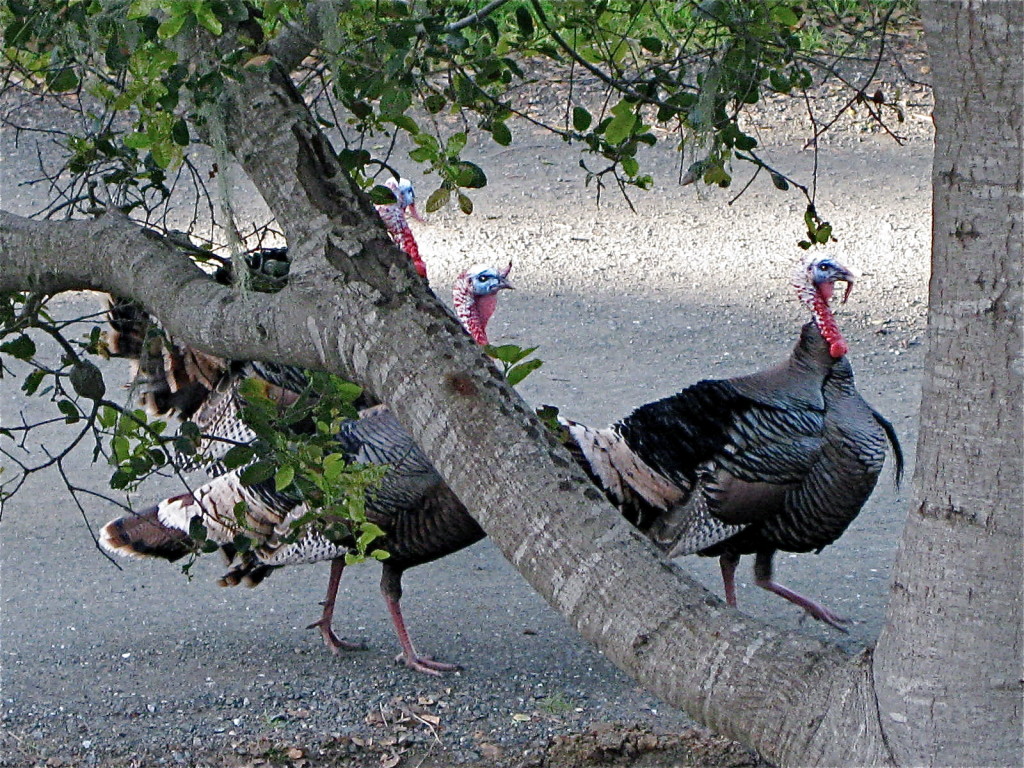
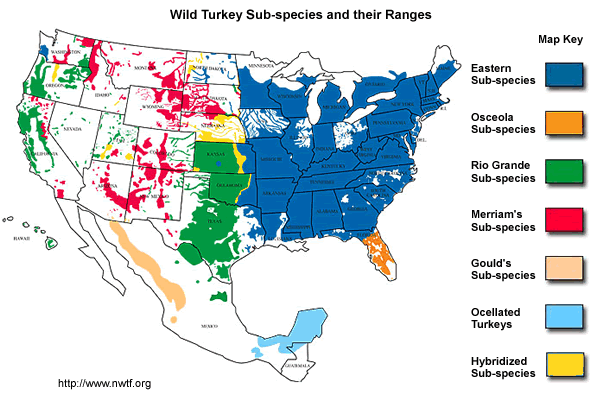
The wild turkeys are considered to be native to the regions of North America. They have been classified into 5 sub species including Rio Grande, Gould’s, Merriam’s, Osceola and the Eastern. All of these species are distributed across different regions of the continent. The most common among them is the Eastern which now ranges in more than half regions of the United States. On the other hand, the Osceola (Florida) ranges in the regions of the Florida Peninsula with Rio Grande that is concentrated in the Texas and Oklahoma regions.

wild turkeys habitat

In terms of the physiological makeup, an adult turkey has around 5000 to 6000 feathers that cover its whole body in the forms of patterns which are known as feather tracts. In addition to providing a warmth and dryness to their skin, these feathers are also useful in terms of numerous other survival functions. Moreover, its head and various other regions of the neck are featherless, but on taking a closer look you are going to find a number of bumps on its skin. The metallic glittering which is exhibited by the feather is known as iridescence, which can be seen in a number of colors like copper, red, bronze and green.

Distinguishing between the Males and Females

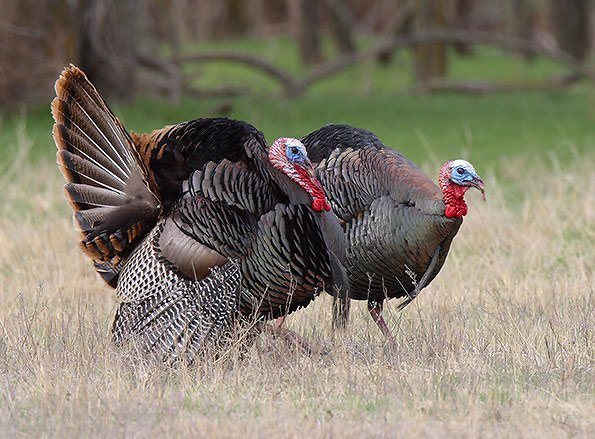
The two prime characteristics that can help level out the males from the females include spurs and beards. Both of them happen to have pretty strong legs that are covered with scales all over. Furthermore, both of them also have a small sized button spur at the back of their legs. Very soon after the birth, the spur on the body of the turkey gobbler starts to grow curvy and pointed. It can grow for about 2 inches in an agile manner. The gobblers also have a beard which grows out from the areas of the chest and appear to be like modified feathers.

wild turkeys

Visual and Running Abilities

In terms of their visual span, the turkeys are able to see clearly at the day time, but may not be able to do the same at night. Not to forget; their speeds of running which can reach to 25mph and about 55 mph while flying.

Patterns of Mating and Egg Laying

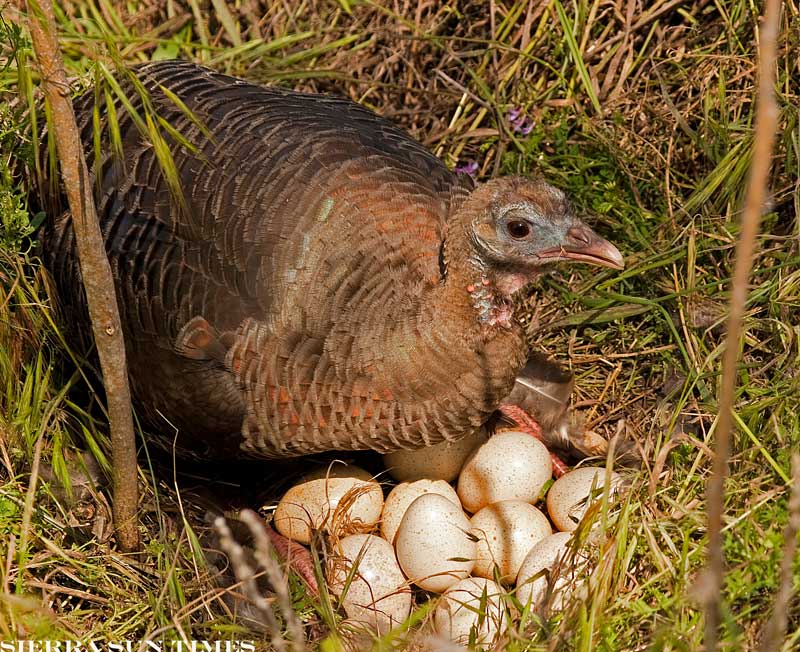
When the mating seasons approach ranging from the months of February and April, the turkeys are still flocked or grouped together in the areas where they were kept in winters. After the mating process has been carried out, the females start looking for the areas where they would be able to lay their eggs. Moreover, the hens are also able to lay around 10 to 12 eggs within a 2 week period. She would also incubate her eggs for a period of 28 days while turning and arranging them in a specific manner until they hatch out.

wild turkey eggs

hunting the turkeys

The question about how to hunt turkeys can be better grappled by using the information elucidated below.

So, where do the wild turkeys live? Well, these birds are believed to be in excess in US and Canada. In addition to honing your tracing skills, you would also need a number of tools to hunt them down. You should begin with locating their food source. In times of the summer and spring seasons, the turkeys are more easily found on the forest edges and in the open meadows, primarily because of the abundance of insects in these areas. After finding the area where their hunting is allowed, you should begin hunting at the onset of evening. Try to use the sounds of their wings and cackling in order to know their current whereabouts. Once you have traced them out, remaining quiet and still is what you should do. At the same time, do not forget to bring some 10×50 binoculars with you.

hunting turkeys