Category Archives: Poultry Management Guide

A brief guide to broiler management/factors considered for broiler rearing

MANAGEMENT OF BROILERS

The desired weight at earlier age with efficient feed conversion ratio (FCR) with minimum mortality is prime objectives of broiler rearing. The management system used for commercial broiler  rearing  is probably more standardized  nowadays than any other arrange­ments in poultry production.

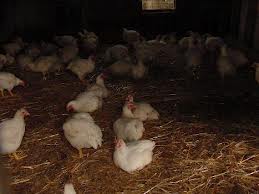
They are preferably reared on deep-litter to prevent bruising of muscles due to cages. A trend of growing lighter broilers of 1.25 to 1.35 kg at 37-40 days age has become common in recent years. The FCR is highly economical at this early age which ranges from 1.9 to 2.10 depending on breed, season, disease incidence and management on farm. The management in respect of brooding, feeding, watering, litter management, lighting and disease remains same as that of layer chicks with little variation for floor space, feeding, vaccination and other managemental   practices.

Floor Space

This is the type of bird in chicken, which requires minimum floor space. A floor space of 450 cm2 upto 4 weeks and 750-850 cm2 from 5-7 weeks is sufficient to achieve maximum performance. Inadequate space will lead to slower growth, increased respiratory ailments and sometimes cannibalism also. Therefore, floor space allotment plays an important role in growing efficient broilers.
Feeding

Broilers are fed special feeds to cope up their faster growth. They are offered broiler starter mash from day old to 4 weeks of age and broiler finisher mash from 5 weeks onwards till disposal. These are high energy and high portentous rations when compared to layer and breeder diets.

Vaccination

Only few vaccinations as recommended in the schedule in the ‘Practical Manual for Avian Production and Management’   serves   the  purpose  of rearing broilers under normal conditions. However, the vaccination schedule can vary from area to area depending on the disease prevalence.
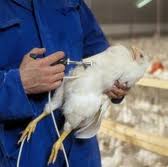
Debeaking and Deworming

Usually these are not required due to short span of life.
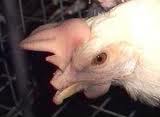
Separate Sex Rearing

Broilers are straight run chicks that  is they are not sexed at day-old age, while supplying to farmers for commercial broilers farming. However, visual sexing is possible at four weeks of age by earlier appearance of combs in case of males. Some of farmers adopt separate sex rearing from four to five weeks onwards to take the added advantage of faster growth in males for earlier disposal by 5-6 days to enhance profitability.

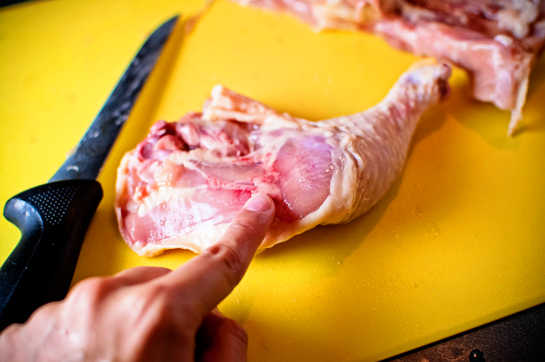
Nutrition Guide of Broiler for High Quality Meat

Introduction

Poultry producers all around the world are now focusing on the production of some high quality meat. The prime reason for this can be linked to the increase in the consumer concerns about the quality of poultry they consume. Due to the rapid growth of the HACCP, it is now vital for them to standardize all the phases of poultry meat production so that the customers can be satisfied in a more effective manner. Moreover, there is also a growing need to maintain the environment, poultry broiler management operations in addition to the broiler chicken feed and production strategies so that all of the products might come to meet the retail requirements in the present times. The consumers are also now widely interested in knowing about the kind of food the birds are fed at the broiler grower settings.

Growth and Development

The challenge here is to provide the domesticated animals with such an environment that would come to encourage their growth and well being. The amount of muscles and the fat ratios seem to be the concern of the poultry consumers nowadays. Moreover, little importance is being paid on the skeletal development of the animals. It happens because of the physiological growth of the animals that lead to the increase of meat in the body of the animals while feeding chickens.

Energy Intake

Birds try to make adjustments among themselves in order to control the amount of energy they consume. But for better control, the poultry Producers are also required to monitor the nutrient requirements of broilers and broiler feed consumption at all times. If the energy intake is less or greater, then an increase in meat deposition might be observed. Moreover, the overall weight of the animal’s body is going to increase, not because of the presence of more proteins, but due to the fat deposition which consumers do not demand presently. Most of these deposited fat goes down to the abdominal section which is indeed the least desired by the consumers. It is evident from this that the producers need to optimize the energy take in a more controlled manner so that some extra fat might not accumulate.

chicken fat

Intake of Minerals, Vitamins and Amino Acids

In the formation of proteins and broiler feed intake, the amino acids do play a vital role. There are some studies that assert than increase in the consumption of amino acids for getting the maximum levels of breast meat, may exceed beyond the amounts that are required for optimal growth. There are a number of variations and synthetic forms of the amino acids that are available in the market which can be brought to some practical use in controlling the amount of energy the birds need for normal performance. These include tryptophan, Lysine and some others, all of which have been proved to be effective in leading to proteins deposition. It is also due to the excessive availability of such synthetic forms that might lead to a more complex formulation of the foods for the animals. In addition to amino acids, various minerals and vitamins are also important for the growth of the animals in the poultry settings. In order to achieve the maximum amount of bone mineralization, some knowledge about the use of macro minerals is also essential. These minerals include calcium and phosphorous which have been used in the poultry houses for quite some time now. But in these times, these minerals should be presented in a more controlled amount to comply with the needs of the poultry birds. Moreover, they are also important for the improvement of the immune systems of the animals which helps them in combating the various diseases and virus attacks that are quite common in the underdeveloped farms and poultry houses.

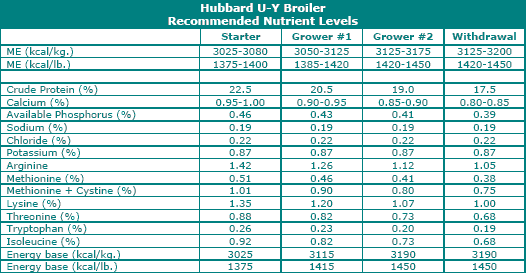
energy intake of broilerrecommend nutrient level

Creation of Superior Retail Products

Manipulation of the dietary supplements and foods in addition to the increase in the carcass quality, are the two strategies which are crucial for taking the quality of the retail products many notches up. But here in increasing the carcass quality might also lead to the deposition of unsaturated fatty acids which are also the least desirable by the poultry consumers of the present era. Thus it is imperative here that all such foods and supplements are stabilized in order to ensure that the fat deposition remains the minimal in the poultry feed and nutrition.

Summary

Innovation and control, on the poultry products, especially the broiler started feed, is the need of the times for ensuring that all forms of poultry productions come to be higher in quality.

Brooding And Rearing Of Ostrich Chicks,Poultry Management Guide

Brooding and Rearing

The brooding period is a very critical time and can be a time of high mortality, if proper management is not used. The brooding  arrangement must protect chicks from predators and  inclement weather  . The arrangement should be  sanitary, dry and well-ventilated. The floor  pen must be rough enough to provide firm  footing for the chicks. Not  to cover the litter with slick materia  or  newspaper , as chicks would develop “spraddle legs” which is fatal.

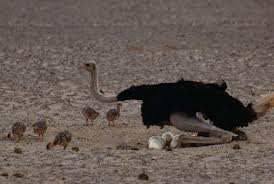
brooding ostrich

The temperature at chicks level should be 31.1 to 33°C in the 4- by 5-feet pen foe the first two weeks. Gradually reduce heat upto 23.5°C from the third  to the eight week. At 6-8 weeks of age, chicks can be left in range outside in good weather, but shelter at night. They can be managed in groups of 25 to 50 birds.

General Management Tips
  • Provide adequate shelter in pasture plots.
  • Pens should protect adults and older juveniles from extreme
    climate such as snow, ice, heavy winds, cold rain and sleet.
  •  temperaturer should be located inside shelter to condition birds to enter the shelters freely.
    • Feeder and waterers should be in open type and adjustable so that they can kept at chest height of the birds. Clean the waterers daily.
    • Caretakers should spend time with chicks and young tame- them.·      Move gently among the birds, taking care to avoid the possibility of  frightening and hand-feeding of tidbits o juveniles is recommended.
    • Never make overcrowding in the pen. First few days provide sanitised water along with anti-stress agents.
    • Ensure proper mineral and vitamins in the feed for healthy growth of chicks and to void leg deformities.
    • Do not handle the birds during hot hours,as Birds get immediately excited. Hence calm and quite environment in the pen is required.
    • Never keep the sharp objects, pebbles accessible to the birds. Birds are mischievous and grab anything that comes in their vicinity.
    • Spraddle condition of the legs that is  commonly seen can be managed by holding the legs together during the initial 72 hours of chicks. This can be done particularly in the incubator.
    • Commercial feed is absolutely essential.
    • Birds require at least 1 acre floor space with six feet high chain link fence.
    • Birds produce hide, leather or feather are sold at high price.


The Significance and use of poultry manure as a fertilizer

The use of Poultry manure fertilizer is becoming a common practice (especially Chicken manure as fertilizer) with many farmers throughout the world as this matter content has in store various nutritional elements for various fields or crops. These nutritional elements are very effective in increasing the productivity and rapid growth of farms e.g. farms that produce vegetables. What manure basically is, its significance and various other factors related to it can be thoroughly understood under the following headings.

1. What is poultry manure and what are some of its components?

Chicken manure is basically a waste material which is organic in nature and comprises of urine and feces of animals which are related to poultry e.g. chicken.Poultry manure is a mixture of certain types of bedding material such as sawdust or wood shavings.The manure is acquired by cleaning of the poultry houses on regular basis where thin bedding layers are removed along with such manure. So the manure which is basically the waste from chicken dropping and other mixtures ,when used as fertilizer is called Chicken fertilizer.  Now the components or constituents found in the manure are dependent on the types of birds, their feed ration and proportions of droppings to litter, the handling systems of the manure and the types of litter. However, the most common components are Potassium, Nitrogen and phosphorus.

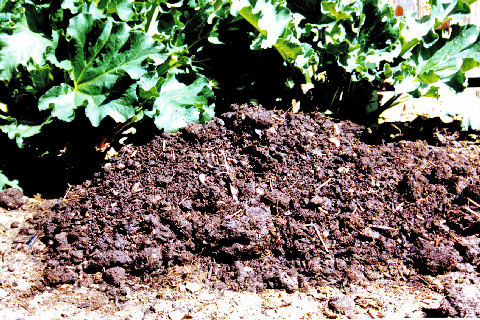
poultry manure and its components

2. Why fresh manure not to be used, timing of usage and 
precautions involved?

It is preferred to use manure after within 120 days of the harvesting of crops. Similarly it is preferable not to use fresh manure because it may contain certain bacteria which are harmful for human health and may cause diseases. It is therefore suggest that the manure should be used after it is composted because composting not only enhances the nutrients but also avoids the risks of your exposure to different diseases. The composting procedure may involve 3 to 4 weeks after which such manure can be used as fertilizer in gardens and for crops. Always wash your hands thoroughly after they come in contact with the manure or the compost and especially before eating so that no bacteria can enter your body.

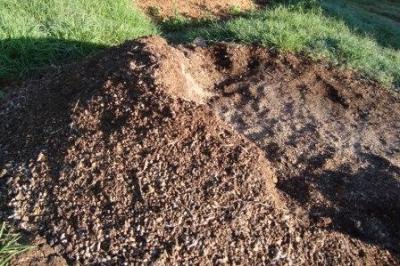
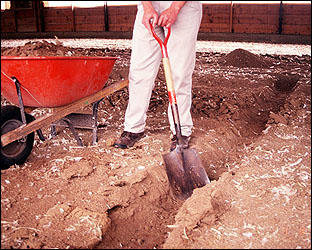
fresh manure

3.advantages of poultry manure fertilizer in comparison 
with other fertilizers

Poultry manure fertilizer or a Chicken fertilizer has some of its distinct benefits in contrast to the synthetic or the inorganic fertilizers available in the market. The first benefit of their use is that they are more economical for the cause as compared to inorganic fertilizers. They have the tendency to condition the soil better then the inorganic ones. This better conditioning of the soil will result in an extra yield. Research has shown that the yields of crops like Cotton was significantly higher when a Chicken manure organic fertilizer was used.  The use of Chicken manure for fertilizer not only brings ecomical benefits to farmers but is also less harmful to the environment in comparison to inorganic fertilizers.  Not only can it be used for the fields but it can also be used as garden fertilizer.  Poultry manure or a Poultry fertilizer or litter as fertilizer is basically a mix of droppings of chicken or birds like pigeon, ducks and turkey. They are generally hotter as compared to other organic fertilizers like those of cow and horse. They need to be composted first or else they have the tendency to burn plants. They are high in nutrients like Nitrogen and potassium. Horse manure is on the other hand not as rich in Nitrogen as chicken manure but is richer when compared with cow manure. So a Chicken litter fertilizer you can say is rich in some components in contrast to others but the usage of fertilizers can vary according to the crops.

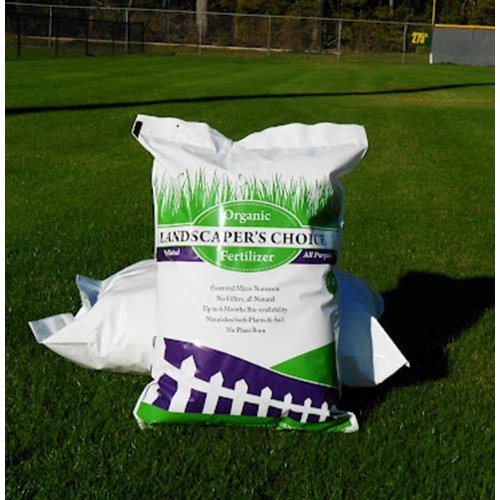
organic poultry fertilizer

4. Deep litter in commercial farms and backyard poultry

Deep litter is a housing system of animals which is based on repeated or continuous spreading of sawdust or straw material. The initial layer is made as bedding for animals and the other layers are added when the litter gets soiled. They are also known as backyard litter or domestic litter when used in domestic poultry.Chicken manure pellets which are used as fertilizers are obtained from the manure of the chicken in the cages or coop.

deep litter


Poultry by Product meal-Food for Pets

Poultry/Chicken by product meal is a highly protein component which is manly used in pets food.it has many components in it such as bones,undeveloped eggs and other poultry wastage. Poultry meal and poultry by product meal is mainly used in preparation of dog food in many western countries.

Technique for Preparation of Hatchery Byproduct Meal

The main aim during processing hatchery waste is destruction of pathogens, reducing moisture % improvement of storage and handling  qualities of material along with maintenance of nutritive value and palatability of finished product to the maximum possible extent_

De-hydration technique have been found quite successful for this purpose. This involves pre treatment, treating with chemicals like formalin, paraformaldehyde, propionic acid and acetic acid. Common – 0.7 per cent formalin – preservative, bactericidal, fungicidal, grinding, heating and drying in a tripple pass rotary drier to a moisture level of 5 per cent in the end product. Heat is applied in the form of steam to evaporate moisture and separate the fat. The time for cooking ranges between 2.5 and 10 hours depending on the size and charge used. The cooked material can be dried at 100°C for 10 hours in a forced draft oven.

Nutrient Composition of Hatchery Waste

Vendepopuliere (1983) has reported that hatchery by-product meal with 65 per cent moisture on an average contained 22.20 per cent protein, 24.60 per cent calcium 0.33 per cent phosphorus and 9.90 per cent fat on dry matter basis.

Verma (1974) concluded that hatchery by-product meal prepared from infertile eggs, contained 35 per cent protein, and 5250 kcal/kg metabolisable energy with gross protein value of 86.5.

Utilisation of Hatchery Waste

After converting hatchery waste into hatchery by-product meal, it can be safely and efficiently used as poultry feed ingredient. It can be used to replace partly soyabean meal, fish-meal, meat or bone meal and dried skim milk in various poultry rations; preferably starting, growing and laying diets. Only its palatability and acceptability should be maintained by using proper technique of processing.

Further, its utilisation helps in reducing poultry feed cost directly with indirect utility in reducing pollution problem improving hatchery operations and saving space used for dumping waste.

Deep Litter Method and Litter Management Guide

The nutrition value of poultry is best preserved through the proper and careful management of litter. Furthermore, it is also useful for preventing the surface and the surrounding areas from being contaminated. The importance of all types of litter management including chicken deep litter method, chicken coop deep litter method etc. is best understood in the farm house settings. So, if you plan to get the best out of your investment in poultry, then you should try to follow the standards as well as some modified strategies. There are a wide variety of maneuvers and measures when it comes to litter management. There are a number of disadvantages and damages that might be inflicted due to improper handling and poor storage techniques of the poultry litter. These effects include:

  • Loss of the nutrients value from the fertilizers
  • Spread of various diseases
  • Odor and other related issues
  • Contamination of the land and water
  • Deterioration in the health of the domesticated animals including chickens, ducks and others
Deep Litter Material

Deep material is indeed the most widely and successfully used housing system for the poultry based settings. It involves spreading dust and other sawdust materials on the floor for different purposes. The initial layers of deep litter system helps provide a bedding sheath or layer for the animals which are always exposed to the environmental changes. Furthermore, the farmers continue to add more and more layers while cleaning out the previous layers. These mechanisms helps in keeping intact, the health of the animals as well as more conducive farm house environment for the growth of the animals.


deep litter material


Tips for Deep Litter and keeping the litter un-wet

Deep litter method is based on allowing the coop and other forms of litter to grow with the passage of time. No matter you have backyard chickens, ducks or any other domesticated animals, the litter materials help provide a great amount of heat to the animals, especially in times of the winter season when the animals happen to be at great danger at the hands of the atmosphere. Here are some tips for the deep litter:

  • Adding substantial amounts of food grade at the top layer, so that the poop may dry out in no time.
  • Proper ventilation for the coop. The Importance of ventilation is really important for the respiration of the animals and for the materials to dry up. In order to estimate the levels of moisture you can pick up some litter and squeeze for seeing some change in the normal levels.
  • Try to make small ventilation holes inside the farm or the room in which the animals are being kept. It is crucial that the litter should remain dried and should be removed at set time intervals.
  • The chicken can also in keeping all the litter turned over. This maneuver is best done by adding some pieces of bread or any other material so that the chickens might also help in the litter management. For those of you who are new to farming, chickens also help in the processing of the litter and litter bedding by digging holes in the ground.
  • Furthermore, chicken poops also come in handy for making fertilizers and chicken manure. Also try to keep the water in a running position and not in the coop. But if you do want to keep it into the coop than try to make sure that the water isn’t spilled on the litter.
  • Try to make the maximum use of pie shavings and related materials for the litter management in poultry.


litter management


Disadvantages of Wet Litter

Wet litter has been proved to cause a number of harmful emissions and diseases in animals. In other words, the more wet the litter is, the higher are the chances for the spread of pathogenic bacteria. Furthermore, the overall broiler production is highly effectuated by the ammonia emissions which are given off as a result of the wet litter.(A part from this it also produces bad smell in chicken house) There are various farms all over the world that have suffered detrimental effects and losses caused by the ammonia emissions. Opposite to this, the litter should also not be kept as very dry, as it might lead to problems such as dehydration. In addition, wet litter might also increase the chances of breast blister.

bacteria and fungal diseases-disadvantages of wet litter


Feed and Nutrition Guide for Laying and Breeding Hens

Getting Started

When the question arises about what to feed chickens or about the raising of chicken hens, then there are a number of points to consider. Poultry nutrition and feeds are made in order to fulfill the needs of the chickens in a more effective manner and also for the sake of increased egg production. There are a number of types of feeds that are used in the poultry settings. For example, chicks that have just hatched are given starter feeds. In comparison to this, grower and other forms of feed are given to the chickens in their adolescence. It is quite clear from this that chickens require varying levels of feeds and nutrients in order to grow and develop naturally. Although the ingredients that are used in the making of these feeds might be similar, still they come to impact the development of the birds in a different manner. It is an established fact that the amount of nutrients required by chickens vary in terms of their age and requirements. For example, chickens that lay eggs are required to be given some more effective feeds so that they might continue at the same pace. In terms of the specific nutrients which the chickens and birds requires, all of the feeds must contain proteins, carbohydrates, vitamins, fats and much more, all of which are really crucial for their normal development. Any lack in the fulfillment of these nutrients might lead to numerous problems in the health of these animals. Below are the types of feeds used in the farm settings for  feeding chickens.

Starter Feeds

For a period of 6 weeks after hatching, the chicks are reared making use of these chicken feeds, designed specifically for them. These starter diets and nutriments are made in order to boost the speed of growth for newly hatched chicks. In terms of proteins composition, these feeds contain nearly 18 to 20 % of them. Some more efficient diets might also be used for the meat chickens which demand more amounts of proteins and other forms of nutrition for chicken.

starter feed for chicken

Developer and Grower Feeds

At the time the birds reach the age of 6 weaks, it is now time to change the feeds that are being used. Grower feeds typically contain about 15 % proteins which come in handy for maintaining the levels of growth which the animal is going through. By the time the chickens reach the age of 14 weeks, you might replace the grower feeds with the developer nutrients and feeds. The developer feed is really crucial for preparing the chickens for the stage of egg production. Here it is also important to consider that both of these feeds can also be interchanged within the time spans specified above.

grower feed for chicken

Layer and Breeder Feeds

As soon as the chickens start laying eggs, you have an option of introducing these feeds in the diets given to the chickens at these times. The choice for the required feed depends upon the purpose for which the eggs would be used. The layer feeds are specially designed for the hens laying eggs for home or table use. These feeds contain 16 % levels of proteins and high amounts of calcium so that the chickens might be able to produce better layers for an egg or the eggs with stronger shells on them. On the other side breeder feeds are given to the best laying hens and birds that produce eggs for hatching. These feeds are more or less like the layer feeds, but vary in terms of the higher levels of proteins they contain. In addition, they are also believed to contain some extra vitamins for the chickens in comparison to the layer feed for chicken.

layer feed

Medicated Feeds

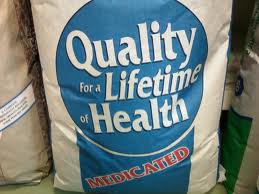
Most of the medicated foods and diets are prepared to make the animals immune to the various diseases and virus attack that might come their way. In almost all of the farms in the developed countries, these feeds are offered to the flocks. These feeds aren’t normally present in the layer and breeders feeds. Those which contain some substantial amounts of such feeds are labeled. These medications are also subject to some major researches and analysis due to which you can be assured of their safety. At the same time you can also make use of the non-medicated feeds which are easily and widely available on order.
medicated feed for chicken

Water and Scratch Grains

Water is also crucial in terms of the growth and development of the eggs, due to which it should be provided in adequate amounts. Moreover, chickens also love to engage in the process of scratching by making use of their feet. So by making use of such grains, this kind of behavior can be easily reinforced. The feeds used for this purpose are either cracked or rolled.

scratch grains for chicken

Managing Health of Turkeys

Early stage (starting) of brooding is of crucible importance for poults as they are reluctant to eat and drink, hence have more tendency to perish than chicks or ducklings for unknown reason. Therefore, they should be provided with ample facilities for feeding, drinking, and lighting.

Intensive rearing has made turkey more susceptible to various infections and control measures through preventive Managing Health of Turkey is the best principle to minimise disease risk. Turkeys must be immunised against diseases like RD, turkey rhinotracheitis, pox, pasteurellosis and erysipelas. The necessity for full or partial immunisation depends on disease prevalence in the area of turkey raising as well as on their population. In case of isolated rearing units little protection can suffice the purpose, while in thickly populated areas complete preventive vaccination protection may be essential.

In recent years, the main ailment affecting turkey badly is turkey rhinotracheitis, which is latest viral entity causing losses in turkeys all over the world. It leads to serious deleterious effects on birds of all ages predisposing them to secondary invaders like viruses, bacteria, etc. to cause severe trouble.

Mortality upto 25-30 per cent is common with heavy loss of production in survivals. Fruitfulness of treatment is uncertain. Management improvement by supplying increased floor space, adequate ventilation, fresh litter, better sanitation and hygiene along with toxic principles free enriched diets is of greater help to control the ailment.

10 Guiding Principles To Optimize Poultry Processing

Poultry processing should be taken seriously, especially when you plan to optimize the yield and the profits. In other words, you need to make use of a number of standardized procedures and plans in order to get the best value for your investment in broiler processing. For example, if the lighting is too much in the farm setting, then there are high chances that the birds might come to be stressful and engage in irrational behaviors. For your convenience here are the 10 guiding principles to optimize poultry processing, all of which are to be used in an effective way for increasing the workflow and outputs from the processing plants.

1. Harvesting

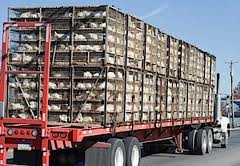
Harvesting is one of the most crucial components in poultry and chicken processing. In caging the birds, it must be ensured that the cages are not too small and not damaged in any away. Furthermore, door less cages are also used, as having a door in them might slow down the output when closing and opening the cages. In times of transportation, it is better to make use of big cages for the accommodation of a large number of birds.

poultry transportation

2. Transport

Having adequate and impressive transport facilities is another key to the success of the poultry processing. There are a number of broiler and chicken processing plants that are unable to obtain substantial results from the yield, all because of the limited transport facilities to various areas. The trucks should also be equipped with proper temperature control mechanisms in summer or winter, so that the birds might not be at risk. Furthermore, proper arrangements should also be made on the arrival of the birds at the respective locations.

3. Hanging the Birds

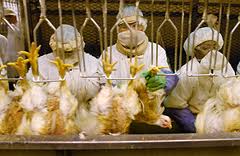
Before going to the full fledge chicken slaughtering process, the process of stunning is performed. So, here it is imperative that the route leading to the stunner should have moderate levels of light. The hanging should be done in a way that the birds may not damage their wings from the nearby metal and also kept safe through the use of breast comforters. The timing for reaching the stunning site is also important here and should not be prolonged.

hanging the birds

4. Stunning and pre-wash before scalding

The place where the stunning is done should not be wet and it should also be ensured that the birds might not get an electric shock from the floor. In other words, the birds should be kept away from having a pre shock that might create a number of problems. When the chickens are slaughtered, a fecal material can be seen on the body, thus creating a need for washing.

stunning

5. Scalding

Afterwards, scalding is done to loosen the weather and for the dilation of the body parts, so that the slaughtering process might come in quick and easy. Moreover, the timing between the movements of the animal from scalding to plucking should also be minimal.

scalding

6. Plucking

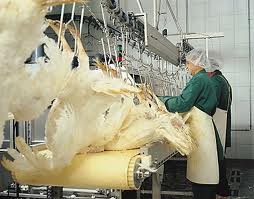
The body temperature of the chicken should be higher on entering the plucking process. It is because the follicles tend to open and loosen on high temperature which makes the plucking process easier. If the body temperature of the animals falls before reaching the plucking machine, then this might lead to the deposition of the fecal material on various parts of the body.

plucker

7. Evisceration

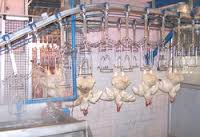
In this phase, the organs and parts of the animal’s bodies are separated on the basis of suitability for human consumption. On collection of these parts, proper chilling should be done for the reduction of bacterial deposition and growth on these organs.

evisceration

8. Chilling Carcasses and Giblets

The poultry processing plant managers should ensure that the water used for chilling should be maintained at 0C, in order to keep the body of the products are prepared for the next phase. Furthermore, an increase in the temperature should be controlled.

chilling

9. Packaging

On completion of the previous processes, the products are then selected for specific type of bins. Each of the products should be packed and processed properly for keeping the quality intact and for minimizing the bottlenecks. Extreme cold temperatures should also not be used, as this might lead to the darkening of the animal skins.

10. Coolers

The ideal temperature on which the carcasses and giblets should be allowed to enter into the coolers is about 4C. Here also, the temperature should always be monitored, as higher body temperatures might slow down the efficacy of all other processes.

These principles are going to act as a poultry processing management guide for you, but only if you follow them respectively and carefully.

Modern System For Drying Poultry Manure To Protect The Environment

 Numerous farmers are in search of solutions to decrease the emission Ammonia and other  fly problems which are caused due to the layer operation they carry out. Many others are    searching out for options to earn money by selling litter as a Chicken litter fertilzer.  Chicken litter as fertilizer has some of its distinct benefits which are not found in other commercial fertilizers. VDL Agrotech has brought advantages to both the groups of farmers by devising a system for the purpose of drying of Poultry manure. It is important to carry out composting of Chicken litter because fresh manure should not be used as it contains different Bacteria. Chicken litter compost takes about 2 to 3 weeks before its  ready.  According toWiebe Van Der Sluis, Rooster45, Doetinchem, the Poultry litter of the  Netherlands can prove a nuisance, and especially when they are not handled well or are left on some pile within or outside the poultry house. It emits high levels or concentrations of Ammonia in the environment and makes it unhealthy for birds, workers and the surrounding neighbors. Government also prohibits such emission of Ammonia into the atmosphere as it damages the environmental conditions.  So proper litter management in Poultry is essential for preventing risks to both human and bird’s health.

poultry manure system

Such a place becomes suitable for the growth of wet litter flies and their population increases in large numbers which is not liked by both farm workers and the neighbors.  Therefore both large and medium scale producers of poultry are now showing keen interest in keeping the Poultry droppings dry whether they are in a poultry house or outside it. Majority of the housing systems of poultry provide means to drying out the droppings or Poultry Waste within the house at manure belt. However, the capacity of such Poultry waste management systems is a limited one and gives rise to large proportions of dust which is the reason why farmers normally opt for drying manure outside of the poultry or fowl house. The Fowl manure is transferred by farmers on daily basis or after two days in order to cut down on the emission of ammonia and dust production and to cut on the moisture which is produced in the house. Drying of manure in an environment which is specifically conditioned to capture dust and ammonia will call for lesser energy consumption.

Using steel plates to dry manure

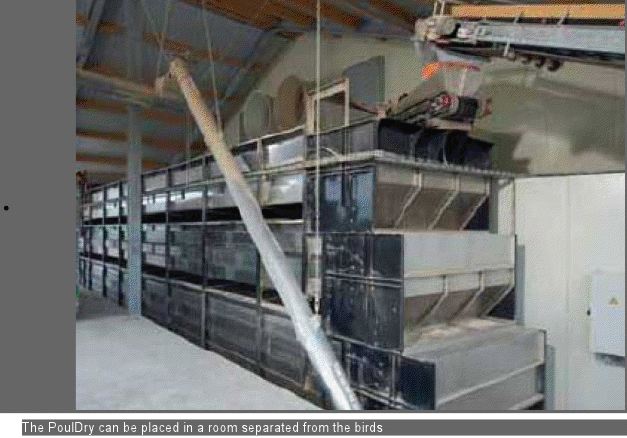
Many systems are present in the market for drying out manure but they have their own features and drawbacks. VDL Agrotech Company which has rendered numerous installation of large and small scale projects of poultry have devised a new Poultry management system of manure drying and they have named the system as ‘PoulDry’.  The manufacturing of this effective drying system from Agrotech is the result of cooperation of various experienced engineers who have also been behind the development of various other drying systems. A separate location close to the poultry house is normally chosen to place PoulDry system. The system comprises of one, two or more levels which are linked to direct chain that revolves around powder coated and galvanized steel plates. The plate’s compromise of perforations which keeps almost 35 percent of the systems surface open and this allows air to pop in easily and facilitate fast drying. The system has been designed in such a manner so that no moving part comes in contact with the manure, and this protects them from damage. Similarly the direct chain system driver ensures an easy motion of the drying system.

poultry manure system

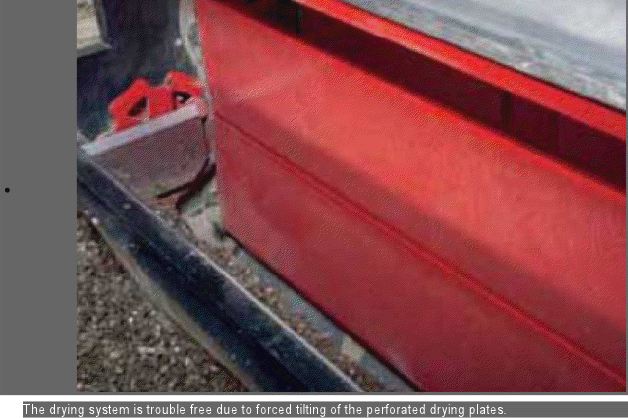
Forcing of tilt

The droppings in the poultry house which comes via the manure belt are dispersed on the top layer of the drying tunnel which is in circular motion. When the Chook manure is on the edge of the top layer, the perforations on the layers tilt and drop the manure on plates which are at the second level below and this continues its movement to the opposite path via the tunnel so that more moisture can be released.  Clogging and sticking of the manure on the plates is prevented by forcing the perforated plates to tilt.  High pressure of air is blown throughout the system which results in 80 to 85 percent dryer manure within maximum 72 hours which also depends on the humidity in the atmosphere. The process also causes a reduction in the release of dust particles by almost 70 percent.  It has now been learned through experience that the process requires a lesser consumption of energy and can be controlled very easily and effectively via touch screen system. A system with a length up to 40 meters can be installed easily and it has the capacity to dry 200,000 layers of manure. 80 percent drying of manure content which is facilitated through this system reduces fly problems, Ammonia and odor, and such content can be sold easily as field fertilizer. A Poultry management guide should always be consulted for various aspects of poultry such as Chicken litter, manure nutrients analysis etc, and many such guides are available in the market and on the internet.

poultry manure4

contact supplier E:mail:g.camps@vdlagrotech.nl

Karin Jonkers
Marketing Communications Manager
VDL Agrotech
Phonen: : +31(0)40 29 25 577
E-mail: k.jonkers@vdlagrotech.n