Tag Archives: FEATURED

Green Roof Chicken Coop Plans

The living green roof is more like a structure having an over parking, which is used primarily for management of environmental problems that may arise from time to time. Raising chickens in the backyard is not something new to humanity. It is one of the top growing trends in the urban as well as rural areas. The reason for this might be the profits linked to the sector. Having a normal or a green chicken coop may not be conducive for you at all times, as the normal chicken coop designs come to undermine a number of environmental effectuations in raising backyard chicken. These environmental effects may cause a great deal of damage to the health of the domesticated animals. Furthermore, there are also high chances that the animals might also be exposed to a number of diseases in making use of the normal or poorly made chicken coops. Not to panic, as there are a number of green roof chicken coop plans and chicken coop ideas that provide the solution to all your problems.
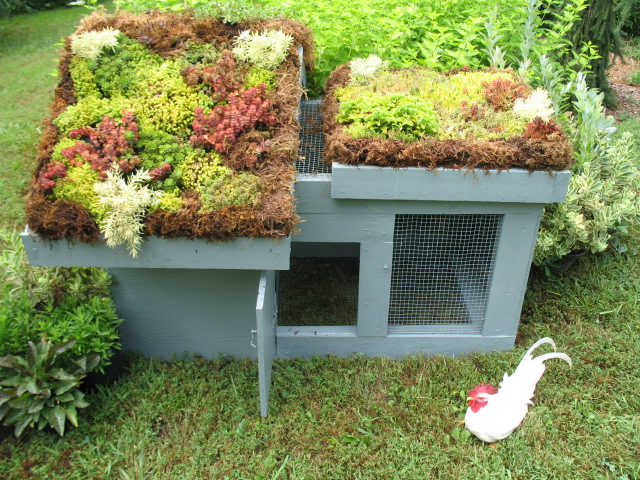
green roof chicken

Benefits of Green Roof

Using a green roof is one of the best decisions you are ever going to take for the domestication of the animals. It comes to provide a more breathing space in general and also helps in transforming the entire dull space into something more appealing. Furthermore, it also empowers you to make use of some weather hardy and durable plants of your own choice and also the ones that are advantageous for the health of the animals at all times. They also come to offer thermal insulation for the domesticated animals that are to be kept beneath them. In addition to this, they also come in handy in reducing the effectuations of the urban heat that may have a negative impact over the health of the animals. Every now and then you might have heard that most of the animals kept in the poultry setting die all because of the use of some poor roofs. Here comes the question of how to build a green roof and the top chicken coop designs.
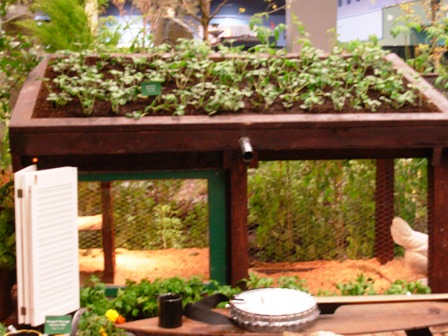
benefits of green roof

Steps in Building a Green Roof and Materials Needed

First of all build the upper portion with some wood retaining edge so that it may hold the plants and animals in place. You can vary the size and height of the edges depending upon the weather and the materials you make us of. You can also secure the corners by using L Brackets which are designed for the purpose of being used in making green roofs. Secondly, spread out the entire weather proof membrane directly on the inside of the roof. Furthermore, make use of some equal portions of sand, gravel and other materials for adding the recommended depth for being used in drainage and related purposes. Also make use of some mulch with the soil for the plants. It is best here that you make use of the plants that can grow best in this setting. Now here it is crucial to note that the roofs having even the slightest of slant might come to facilitate the collection of water. This collection of water can really cause a big problem for the entire structure.
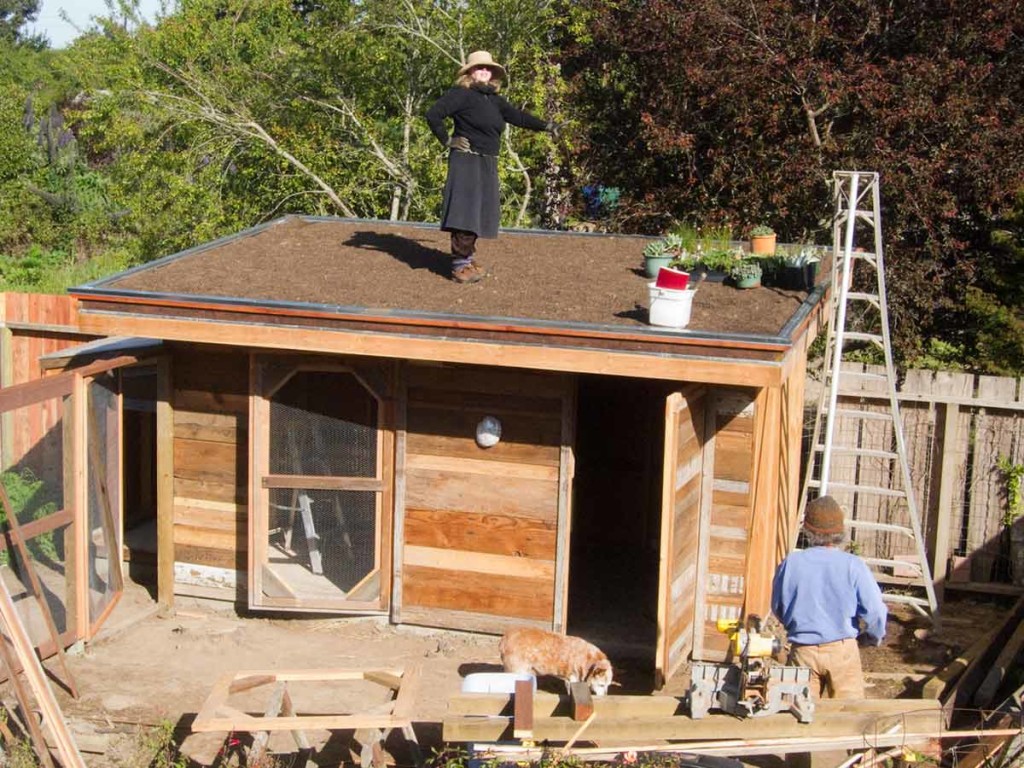
building a green roof chicken coop

Cost Estimate

The costs for building such a roof might vary depending upon the cost of the materials, the payment to be made to the lumbers and also on a number of other factors. If you make use of the materials with the highest levels of quality for a cool chicken coop, then the rough estimate might come to be around $ 400 to $ 500. “But here you can also make use of the green wood which would be useful in lowering down the costs. There are also a number of chicken coop plans which can be used all of which depend on the number of birds to be kept, environmental factors and personal finance are shaping up for such a project.”

10 Best Egg Laying Chickens To Keep In Your Backyard

Poultry birds have been domesticated for thousands of years now. These birds have existed since times when the process of selective breeding was first initiated by man. The physical and physiological traits that are used for classifying and categorizing chicken breeds are size, skin color, levels and amounts of feathering, the color of the egg and plumage color. In the 21st century, the chickens are being breed by making use of several standardized patterns of breeding, due to which a number of breeds of poultry have come into existence. These standards have been brought into practice by various countries including USA, UK, Russia, China, India and many more, just for the production of different breeds of chicken.

You may like to see other types of chicken breeds such as white and black chicken breeds, heritage chicken breeds, rare chicken breeds, and small chicken breeds.

Now here we have the 10 most famous and best egg laying chicken breeds.

Barnevelder

The reason, for which this best egg laying chickens breed has been named in this way, is due to its specific area of origin, which is situated in Holland. The city, after which it has been named, used to be a dominant and the primary center for egg production in the country. This chicken breed is able to lay nearly 200 caramel and brown colored eggs on an annual basis.

Barnevelder breed

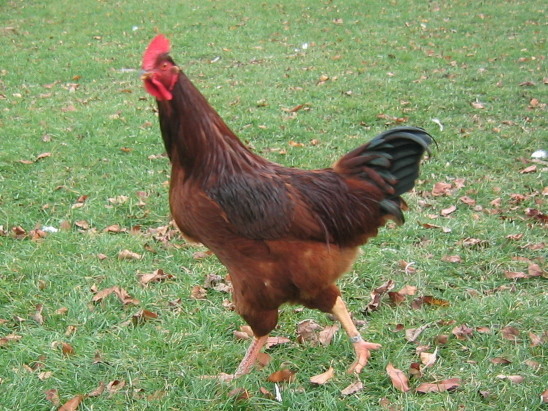
Rhode Island Red

This is one of the best egg laying chickens breed that is known to be the most famous farmyard class. It lays around 260 per eggs on a yearly basis, thus taking it to the number 1 spot in terms of the best laying chicken by any pure breed. The origin of this backyard chicken breed is the Rhode Island area in The United States.

rhode island

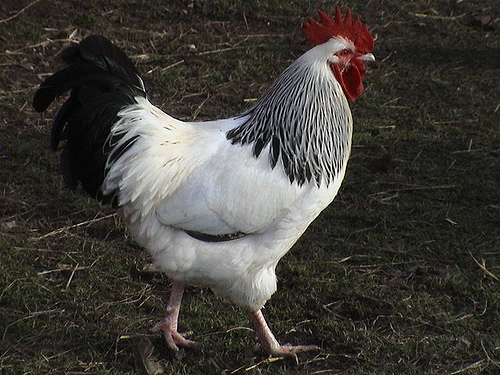
Light Sussex

The eggs laid by this egg laying breed are light brown or cream colored being around 260 on annual basis. It is considered to be a well-known show bird and generally friendly in comparison to other common chicken breeds.

light-sussex-rooster

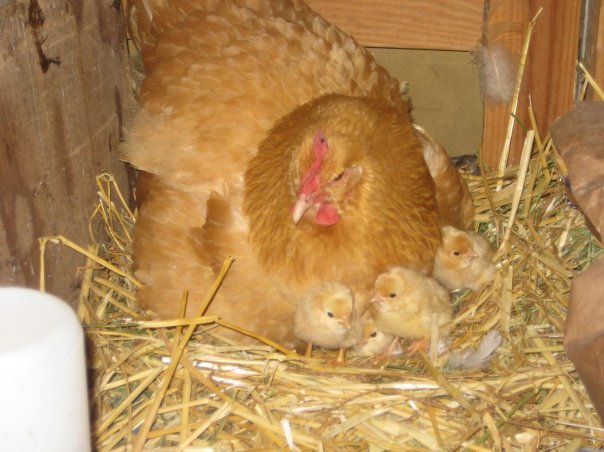
Buff Oprington

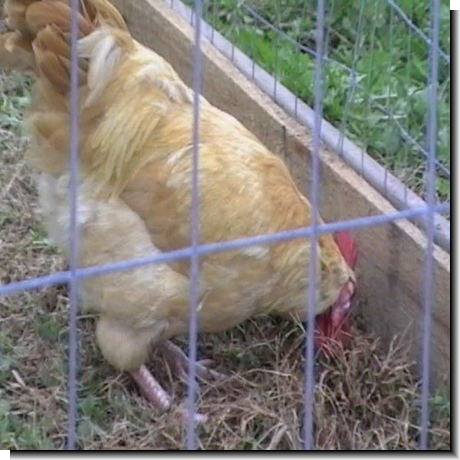
The egg laying capacity for this chicken is lower in comparison to the other breeds on the list but on the other hand are good mothers,as they often go broody.

buff orpington

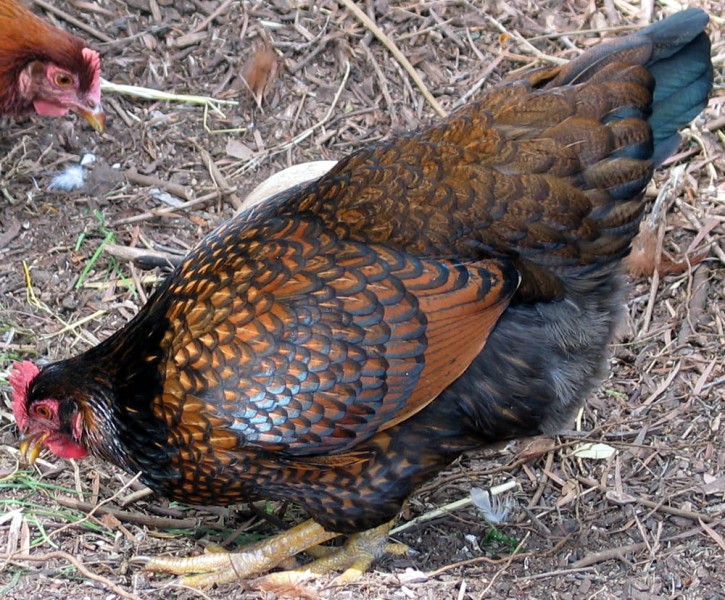
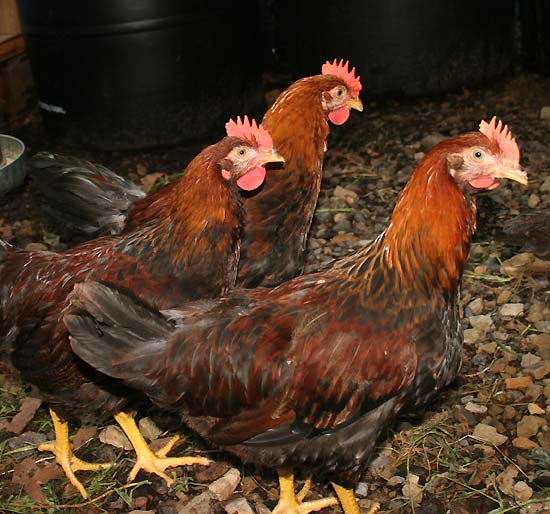
Welsummer

The origins for this egg laying breed also traced in Holland, in the village named Welsum. They are able to lay nearly 200 eggs yearly and are in fact, a cross breed of Barnevlder and Rhode Island Breeds.

welsummer

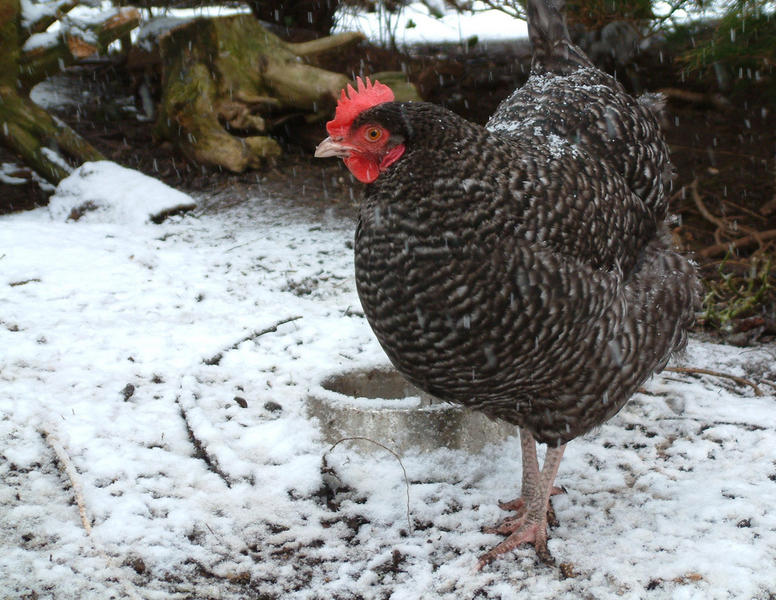
Black Rock-Hybrid

This one of the best egg laying chickens breed which is more like a hybrid of the Rhode Island and the breed of Plymouth Rock. Their plumage and the high egg laying rate make this breed as one of the most desirable as well as affectionate.

black rock (hybrid)

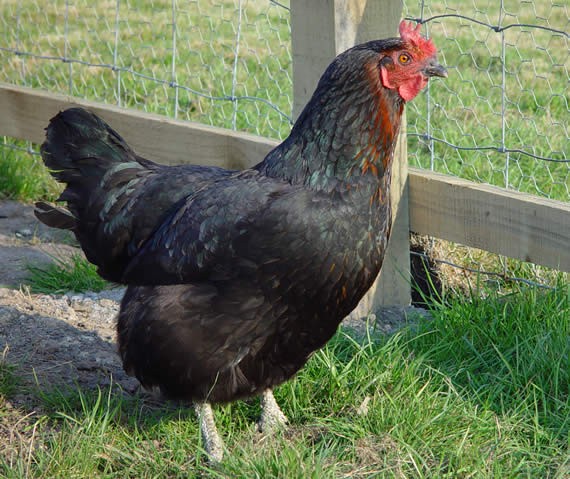
Specklady Hen-Hybrid

In addition to laying nearly 260 eggs per year, this egg laying breed was formed using the French Maran Hen. The eggs laid by them are dark brown in color. But it is imperative to remember here, that this breed consumes more food and nutrients in comparison to others.

Speckledy Hen (Hybrid)

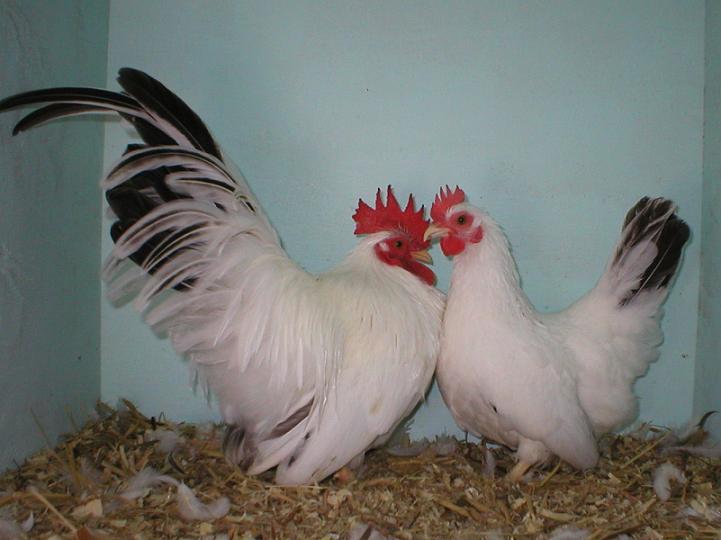
Japanese Bantam

Being a Bantum Breed, these chickens are one of the small chicken breeds and also come to lay smaller number of eggs on a yearly basis. Most of the times, they are used as pets.

OLYMPUS DIGITAL CAMERA

Polish Bantam

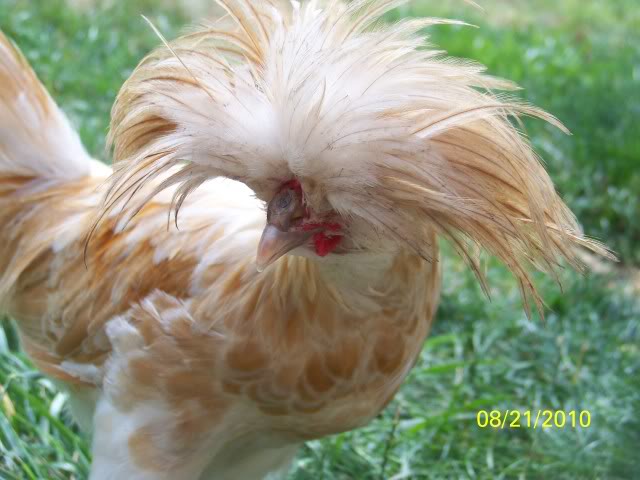
The reason, for which this breed is costly, is all because of its puffball crest. In addition to have a good egg laying capacity, this breed is also tamer than others.

polish bantam.67pg

Araucana

The eggs laid by this hen range from pale blue to green colors. It is marked by having no tail and is also a bit difficult to find, but is still included in the most popular chicken breeds.

Araucana


types of best/ideal poultry feeding systems and Top suppliers

Poultry Feeding System Overview

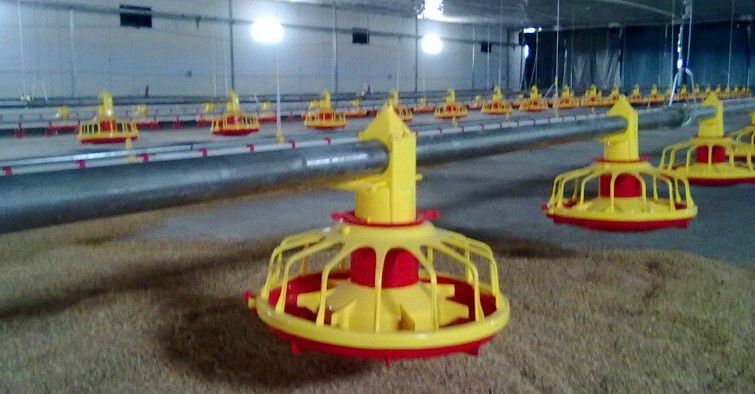
In the past few years, a dramatic change has been seen in the use of poultry feeding systems and the nutrients used in carrying out the process. This development can be seen resulting from the increase in the demand of materials and foods that are used at the poultry farms. Every guide to the poultry feeding system makes use numerous integrating poultry feeding programs and techniques that come to guarantee the most optimum results. A great deal of importance should be paid to the use of various mechanisms and programs in the feeding systems, as they come to determine the levels of profit you can generate from the investment you have made in making the poultry farm. The various types of systems that are now being used include automatic pan feeders, chain feeders, round and hanging tube feeders each of which depend on the number of animals and birds you have on the farm. When it comes to the list of poultry feeders, suppliers and equipment, then China, Denmark, America and some other third world countries lead all others. Let us now have a look at the functions performed by the various feeding systems. It is now more than obvious that the feeding systems are of extreme importance and should be given due priority at all times.

Feeding Systems

Automatic pan feeder

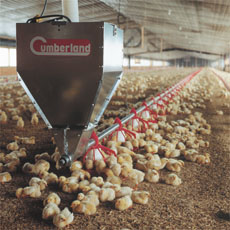
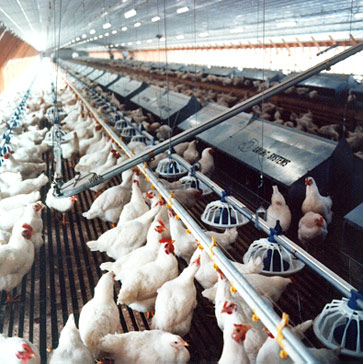
Automatic pan feeders are one of the most reliable when it comes to broiler and animal domestication and rearing. Knowledge about these feeding systems is of crucial importance, especially when you plan to have thousands of birds and animals on the farm. These feeders might include feed hopper, champion and integrated feed chain systems and various automatic feed scales all of which are designed to reduce the human effort and to ensure that all the animals are fed properly and adequately.

Chain feeding systems

Chain feeding systems are also used for floor and layer management. The prime function of the chain feeder system is to provide the powdered poultry feed from the external feed directly into the poultry house in a balanced and pre-determined amount.

round and hanging tube feeders

In terms of the round and hanging tube feeders, the levels of efficiency and the element of even distribution is reduced, thus it is not the ideal feeding system, but can be used for a number of purposes.  The automatic systems in contrast function under the control of a number of switches and devices each of which has a specific function to perform. Keeping in view the functions of the systems, the breeder must be a person who has some experience in working and dealing these machines and devices. The best and most effective feeding system program is the one which feeds a controlled and balanced amount of nutrition to the birds and animals. Furthermore, it is always useful to hire a professional animal nutritionist who has some adequate knowledge about all the dietary nutrition requirements which must be met at all times.

Best Suppliers and Vendors

As mentioned above, China and United States are one of the top countries when it comes to the feeding system suppliers and vendors. Here is the list of some of the companies which are known for the kind and quality of systems they manufacture and export.

1)    Chore-Time Feeding Systems

http://www.choretimepoultry.com/products.php?product_id=1

2)    Cumberland-Complete Poultry Systems

http://www.cumberlandpoultry.com/english/overview.ht

3)    Cablevey Poultry Feeding Systems

http://www.cableveyag.com/poultry/broilers.html

4)    Jinan Lionpower Poultry Feeding Systems

http://cnlionpower.en.alibaba.com/

Poultry Nutrition Guide for Backyard or Free Range Chicken

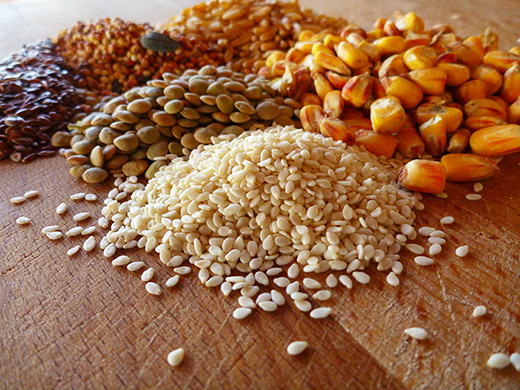
Providing the flocks with some effective and proper nutrition is indeed a crucial factor that determines the success of a poultry business. In addition to this, a good management strategy is also useful for getting the most out of it. Moreover, the type of nutrition to be provided depends on the type of flock to be reared and raised. The chicken feed and nutrients which are required for bringing up the free range or the backyard chicken are quite different from the ones that are used for the commercially domesticated animals and birds. The backyard chickens and flocks are also able to acquire their diets from the environment in which they live in. Now here, some of the poultry producers might want to ask about the DIY method of preparing the food. It is recommended that you always go for the ready made diets which are supplied by some reliable poultry diet companies. The reason for which DIY is not quite conducive is all because of the amount of expertise and time that is required for doing the job with the maximum levels of perfection. Depending on the amount and type of birds you have, you would be advised on the type of feed you should make use. All of the nutrition and feeds which are used at the poultry farms consist of various components.

Nutritional Components and Their Role-What do Chicken eat

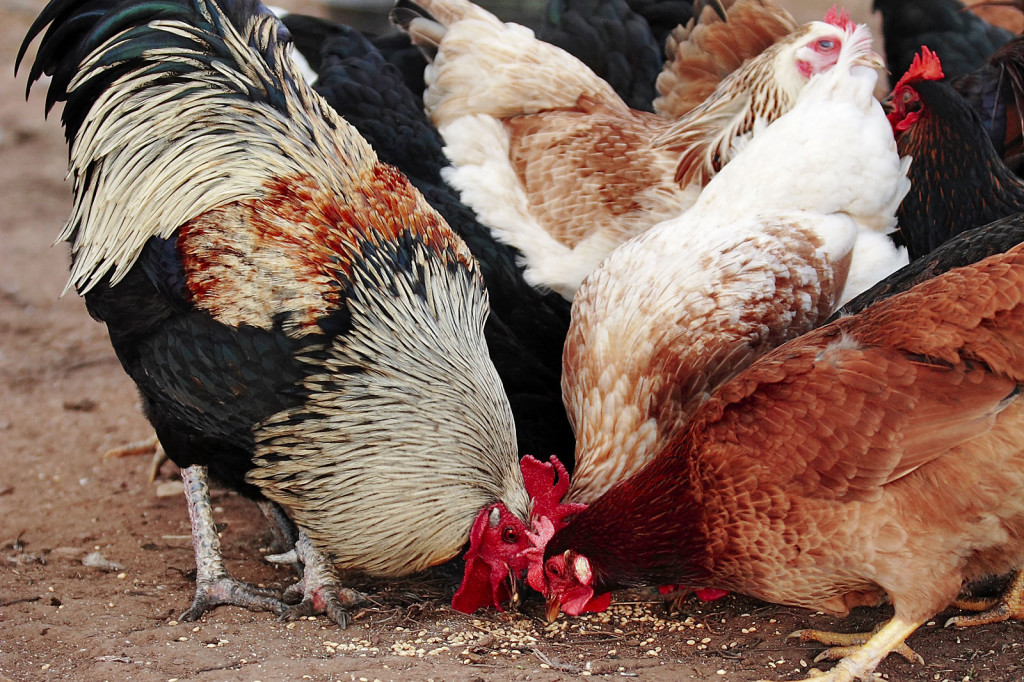
Almost all of the diets used in the poultry settings contain proteins, carbohydrates, various minerals, vitamins of all forms and fats, all of which play specific roles in the health of the birds and animals. As mentioned earlier, these feeds do vary for the commercial flocks and for those brought in the open environment. These backyard flocks are not brought up in an intensive manner and may also not involve using large amounts of nutrients. But the component which is required for both of them is the protein. Proteins play in a vital role in the process of egg making and in the meat of the animals. The same also applies to the use of calcium by these chickens, so that they might develop stronger bones and for making the shells around the eggs that are laid. These components are also important in facilitating the animals in combating the various diseases and virus attacks that might attack them at times. It is through the use of some vitamins, proteins and other nutrient components that the birds might come to form immunity against these recurring attacks.

feeding chicken

Nutritional Requirements for Broiler and Layer-
What to Feed Chickens

All forms of broilers and layers require proteins and other components of poultry nutrition and feeding which they use in carrying various survival and reproduction functions. In addition to the role of protein in egg production and shell formation for laying birds, it also ensures that all the resulting amino acids are supplied to the regions of the animal’s body where they are required. Furthermore broiler requires the use and consumption of proteins in terms of their overall growth and in the process of feathering. It is the reason for which the meats of the broiler which lack in proteins are not considered to be suited for the use by humans. Lack of proteins and amino acids has shown to cause a number of abnormalities in the physiological mechanisms of the birds and chickens.

what to fedd  chicken

Tips for Feed Selection and Storage

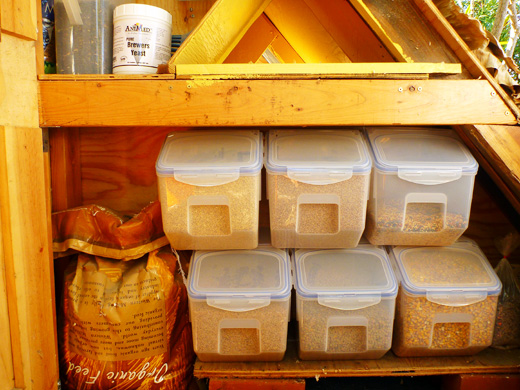
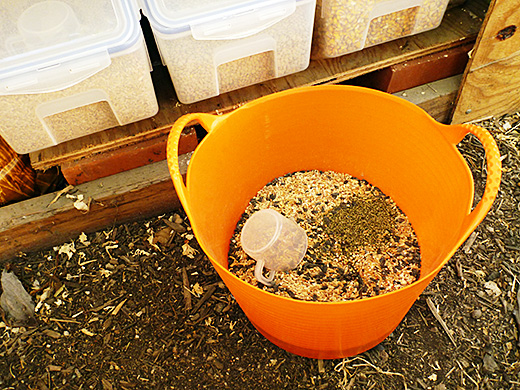
In selecting the livestock feed, you should ensure whether or not it is suited for the birds that you are keeping at the farm. Try to buy only those amounts of feed which you would easily be able to store at the premises of the farm. Furthermore you should also ensure that all possible arrangements are made, so that the feed might not get old. Now here the temperature at which the feed is kept is also important, as you would be required to keep the storage cool and dry for minimizing the chances of humidity. The high humidity levels (above 12% to 14% in feed) can lead to the formation of molds and for the growth of other microorganisms on the feed.

feed storage

What not to feed to the Backyard Chicken

How to Make Chicken feed

Just like some of the components can come to impart a good health and growth for the birds, there are also various other components that can generate the opposite reaction. You would need to make sure that the birds are not able to jump into the feeds and do not leave any sort of waste materials on it. The feeders should be cleaned and maintained on a daily basis, so that the animals might not come to consume the intoxicated foods. The fecal materials can also initiate the formation of a number of viruses and pathogens that can really pose some great harm to the health of the feeding chickens and birds. Moreover, if all the birds do not get an access to the feeders, this might also effectuate the health of these birds in a bad manner.

how to make chicken feed

All of these poultry nutrition facts need to be followed in the way they have been indicated.


Rearing of Turkeys at Your Backyard

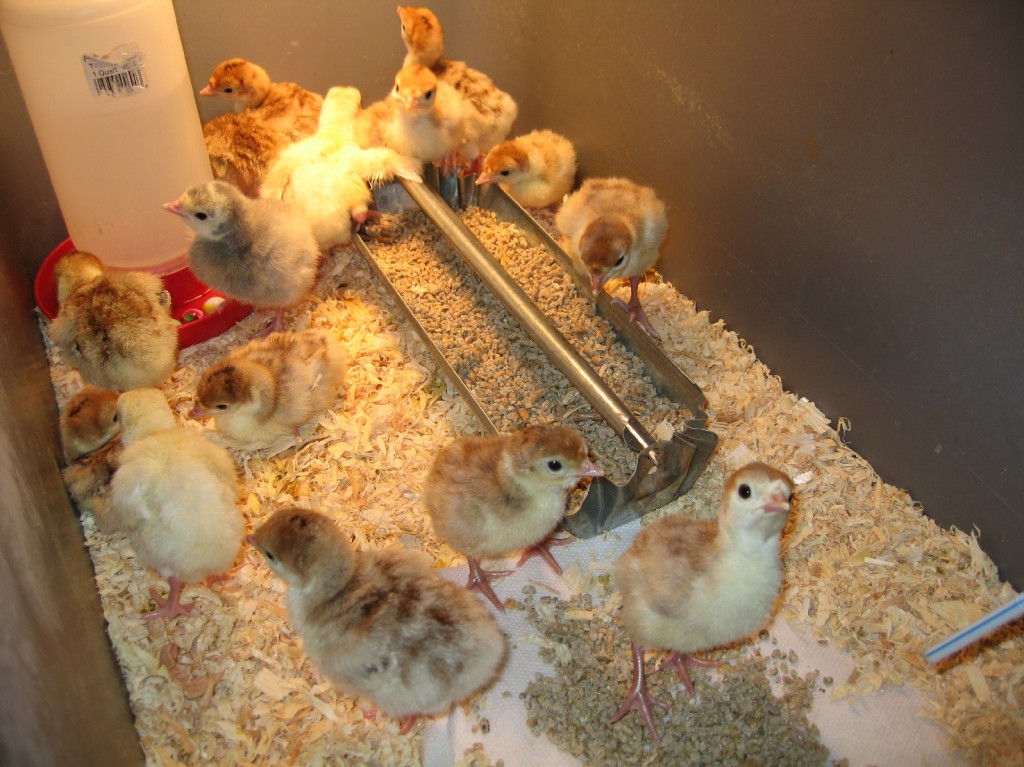
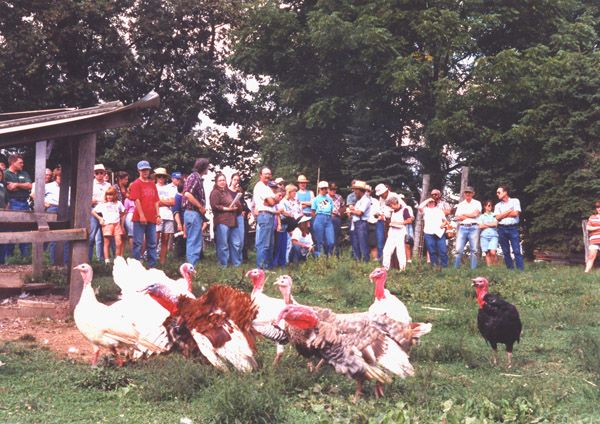
Most of the private and home based farmers widely consider raising turkeys for meat. The best and most affordable manner in which the goal can be achieved is by making use of the day old turkeys. But before your consignment of turkeys arrives, you should prefer to set up an area for the brooding process. The same is done at the Locust Grove Farm, which is a top notch professional poultry producer. Moreover, it is also crucial for making arrangements for keeping the birds and other domesticated animals warm at all times. In lines to this, the temperature should be maintained in the range of 90 to 100 degree F. After keeping the birds in this temperature for a week, next you should make use of the lamps for lowering down the floor temperature.

day old turkeys

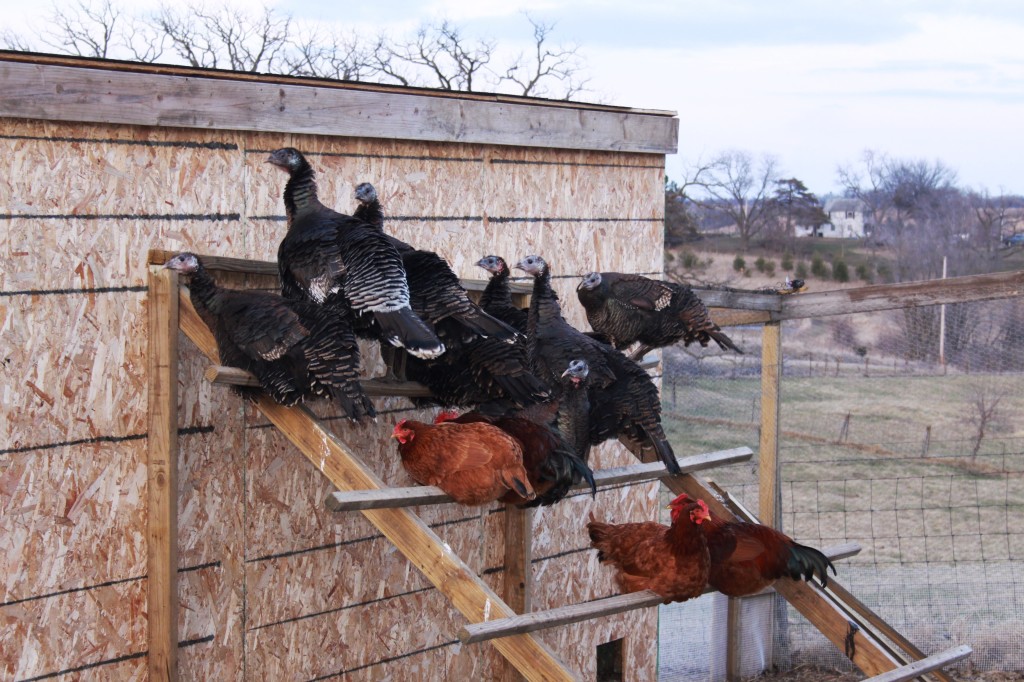
At the same time, you also need to make use of some sufficient number of feeders and water kits for the birds. For example, if you have 25 birds to look after, 1 or 2 kits would be more than enough. For the second week, you would need to increase the roaming area of the birds. As the birds grow at an agile pace, their need for more open areas is notched. Very soon the birds start to climb the water kits and feeders which is a clear indicator that the birds need to roost. These facets hold a great deal of significance in terms of raising baby turkeys or raising turkey poults. The birds should only be confined after this time period if you feel the temperatures outside can get aversive and dangerous for them.

Pre-requisite Field Operations

Making use of a more developed roost assembly and allowing the birds with some more pen area is imperative for the normal growth of the animals. Now here, by growth, I mean the development in physical and psychological dimensions. The turkeys must be allowed to live outside in the range. Range is used to refer to the grazing or the area for pasture. For optimal results always make use of the area that has no sort of trees. The same applies for farm raised turkeys. Medium red clover together with the Kentucky bluegrass should be used for the pasture area. The idea here is to offer the birds with a humane treatment. The area which is allocated to the birds should be large enough for the needs of all the birds that are being domesticated in it. Nearly a dozen turkeys can be allowed to roam in an area which is about 1/8th of an acre.

open area for turkeys

Fresh Supplies-Food and Water

For the free range turkeys, the feeders and water kits should be in access to the birds. Moreover, you are also required to ensure some fresh supplies of poultry feeds and water all around the day. For this reason, you can also make use of the automatic water kits which are going to cut down the time required to do the process manually. In case if you have a number of mature organic turkeys, then you should use at least 2 gallons of water for their needs. The feeders and turkey growers used should be able to load 100 pounds of feed. The mature turkeys demand the consumption of some large amounts of feed.

waterer for turkeys

Visiting the Flocks

Rearing of turkeys also demands that you make regular visits to the animals, as they love to be in the company of some people. Moreover, backyard turkeys raising need company of human beings also happen to be well suited and adapted to all environments. At the same time, the strategy also ensures that no sort of violent behaviors are initiated in the mature turkeys.

human friendly turkeys

Raising the Entire Roost

You should make use of a moveable turkey roost. In addition to ensuring the manure deposits do not get accumulated in a single area, the moveable roosts also come in handy for other purposes. For this reason, you will need to use a number of materials for raising the roost including frame supports, side frames, front and back end footers. In terms of the roof you can make use of the fiber glassed panels. The kind of roost you will need depends on the number of turkeys you plan to keep in the shelter.

turkey roost

An insight of Geese


The geese which are used for the poultry related purposes are known as domestic geese. They are used in the poultry industry for the purpose of eggs, meat and for their down feathers. Since the olden days, they have been used for a number of purposes. Some people used to keep as pets while others made use of them for their delicious meat. In the present times, the poultry industry does make use of the meat and eggs derived from this domesticated animal.Below are some facts about geese which will come to be useful for those who are planning to raise them at the farms or as pets

Origins and the Regions of Geese

It is widely accepted that the geese, which belong to the family of Anatidae and to the genus named as Anser, were indeed one of the first animals in the world that were used for the domestication purposes. The domestication had probably started nearly 3000 years ago in Egypt. Some of the researchers are of the view that it all had started much before that, but there is a general consensus among them in terms of Egypt. Despite of their ancient origins, they have never been used on a large commercial scale like the ducks and chickens have been used.

geese origin

Features and Characteristics

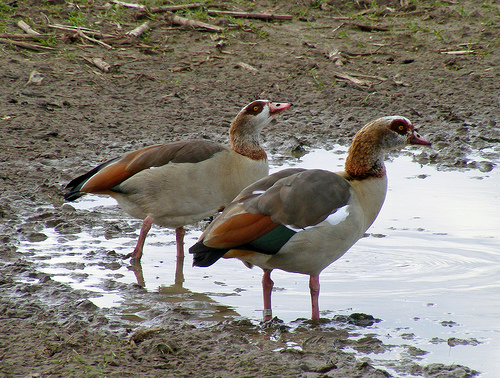
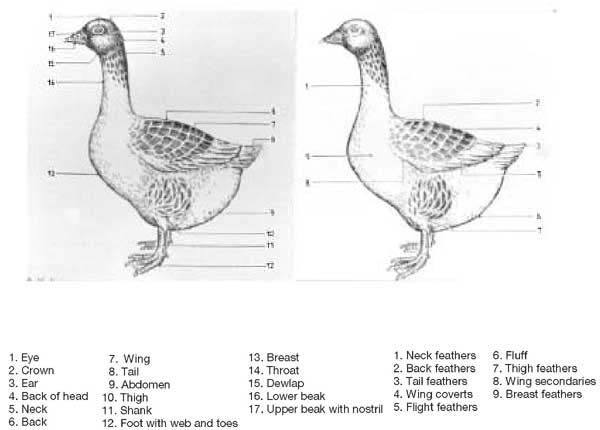
The geese are found all over the world. In terms of their physiological makeup, they are well suited for all seasons. In other words, they are able to adapt themselves to warm as well as cold climates. Moreover, they also come in a number of different colors and sizes. In comparison to their wild ancestors, the domestic geese happen to be quite larger in size. The same applies to their egg laying capacity which is higher in comparison to the other breeds. In addition to having varying levels of feathers on their bodies, the male goose also happens to have a very strong neck. It is also said that these animals are quite hardy i.e. they are immune to a number of diseases due to which they fall sick less often. All the geese have a sharp edged beak in addition to having a pointy tongue. Their digestion mechanisms are also quite agile due to which they are able to digest their food in a matter of 20 to 30 minutes. The domestic geese can be of any color ranging from white to gray. The domestic geese are termed to be the descendants of the wild geese. Moreover, they also happen to have short legs and beaks. The desired features for which they had been bred was to obtain a number of features including heavier weight, white plumage, body posture, more egg laying capacity and much more.There is a lot of other information about geese which you should prefer to have, if you plan to raise them in a more effective manner.

characteristics of geese`

Production and Consumption of Geese

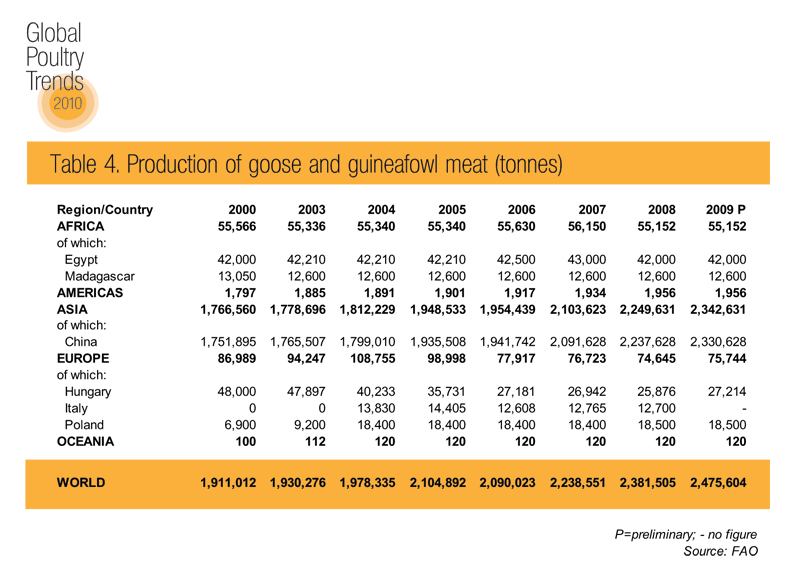
The production and the success in the domain of goose poultry rearing depend largely on the amount of attention that the young birds are given at the time of brooding. A slight decrease has been seen in the geese production since the year 2002. More of the geese are being raised in the major poultry production companies, but few of them are being sold. In the year 2007, nearly 339,000 geese had been raised in USA only. Geese production has also been rapid in Poland, Hungary and Eastern European regions. Moreover, in Asia the goose production is on the rise which makes it the only continent which is in the lead in terms of geese production and consumption. The total goose meat production had been nearly 2.5 million tons in the world as of the year 2010. In terms of the consumption, there is no substantial data which can offer a clear picture, but it is believed that the consumption is about 0.4 KG per person on an annual basis.

goose production

Geese Products and Marketing

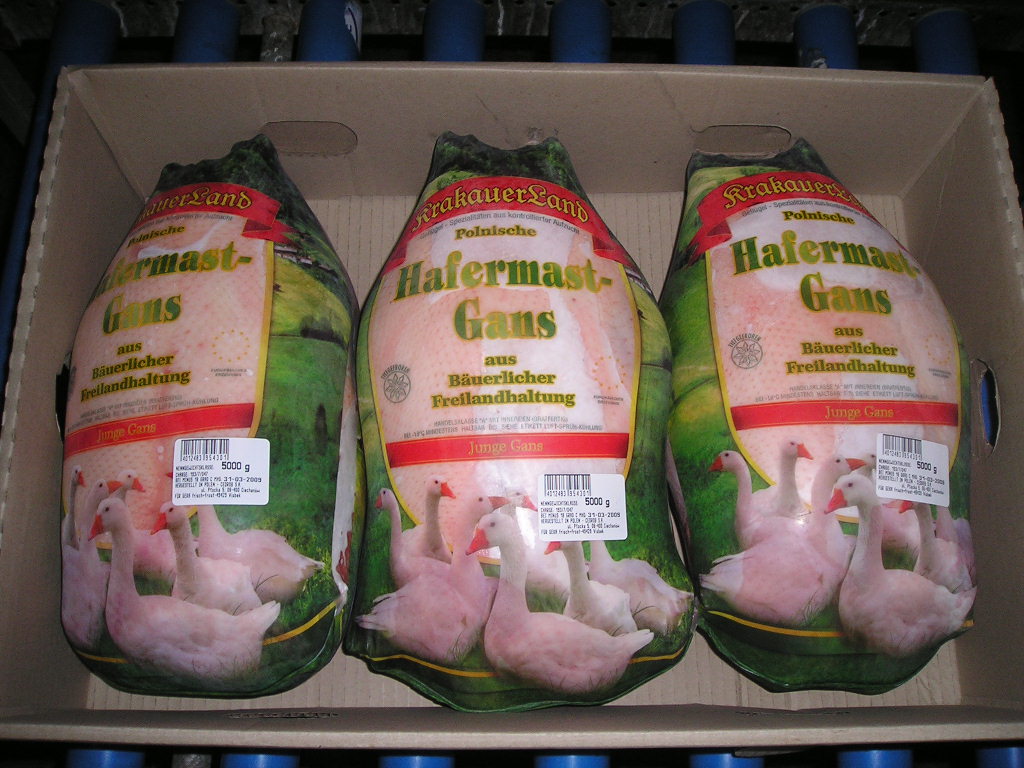
The goose products are available in Europe, Asia, and in the United States. A number of goose products like the ones made from the legs and thighsoffer a complete presentation of the exports.The Geese feathers are one of the first feature which can help distinguish them.Some other special goose products include goose pelts, stripped skin of goose, goose tongue, goose fattened liver and many more. The costs for other poultry products have been increasing, but at the same time, the prices of the goose products have been seen to be showing a regressive tendency. It is a fact that these products have not been marketed on a large scale relative to the marketing of chicken and duck products. The countries which happen to be in the lead in terms of the geese farming and marketing include USA, Hungary, Poland, Canada, China and in many other countries.

 OLYMPUS DIGITAL CAMERA

Overview of Poultry Industry in South Africa

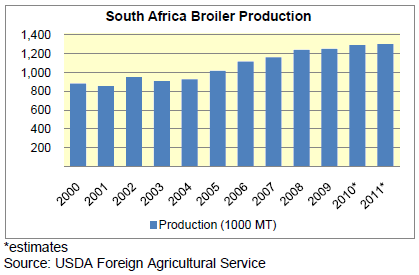
In lines to the increase in the poultry production all over the world, poultry farming in South Africa has also shown a major growth in its poultry sector. Keeping in view the last 10 years, the estimated number of birds have increased to about 49 million. Presently, the total number of birds the poultry sector in the country has is more than 160 million. Out of these, nearly 80 % of the birds were brought to use in terms of meat production while the remaining ones had been used for egg production. These consumption patterns also offer an indication towards the consumption of meat in the country, which has been increasing since the inception of the sector. Moreover, it is also important to note here that South Africa is also a major poultry producer in the continent of Africa. In addition to this, the compounded growth seen in the broiler production domain has also increased for about 38 % over the span of the past 10 years in the poultry industry of South Africa.

Layer, Broiler and Egg Production

Due to increased import of poultry from the countries like Argentina, Brazil and some others, the prices have decreased dramatically. Furthermore, due to the decrease in the prices, the consumption of meat and eggs is now on the rise. The broiler industry of SA comes to provide more than 50 % of the proteins that are consumed all over the country. But in terms of the agricultural GDP, it accounts for only 1/4th the total. The earnings that are being generated through the sales of these products in the country include R32.7 Billion in terms of the farming level and about R54 Billion in the retail sector of egg and broiler consumption.

broiler production in south africa

Famous Breeds in South Africa

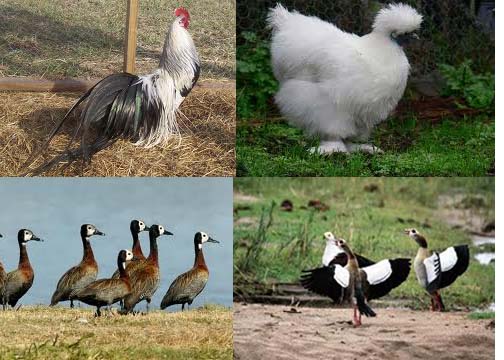
There are a number of breeds that are being used in the poultry sector of South Africa. The famous breeds of the region include large soft feather, true bantams, large hard feather, bantam hard feather, geese, ducks and turkeys. Moreover, a number of breeds from other regions are also been exported into the country, in order to have a variety of breeds. The farmers and poultry producers prefer to keep the bantams only if they wish to accommodate a large number of birds in a small area. There are also a number of indigenous breeds of chicken that are utilized in SA including Venda, Naked Neck, Natal Game, Zulu and many more. The potential of egg production for these breeds has also been subject to some latest researches. In lines to their findings, the egg production is quite low in comparison to the famous chicken production breeds in the world.

breeds of poultry in south africa

Rural and Urban Production

Most of the farmers in the rural settings prefer to keep a small number of birds by making use of some extensive and semi-extensive mechanisms for poultry production in South Africa. One reason for this might be the little attention and funding the government does for the growth of the sector in the rural area. Most of the poultry farms in South Africa are located in urban areas. There are some poultry houses that are located in the rural areas, but still they are not enough in comparison to the ones found in the urban settings.

rural poultry producion in south africa

Problems in South African Poultry Industry

problems in south african poultry

The sector indeed faces a lot of problems relating to disease control, lack of funding and problems related to sanitation. The one solution to this problem can be offered by the government which should now focus on the development of the sector. Keeping in view the role of the poultry sector in terms of the overall economy of the country, the government should endeavor in offering extensive production and health systems for the domesticated animals. The poultry producers in the country now demand a pro-growth system for large and small scale poultry production. Moreover, the need of a regulatory framework and some new price control policies are also needed. Below are the arrangements the government needs to make:

  • Quota Policy for poultry association of South Africa
  • Control on the imports and the pricing formula
  • All forms of safeguards in terms of TDCA
  • Tariff review teams for South Africa Poultry
  • Resolution of all the trading patterns
  • Equalized regulation of the rural and urban production sectors
  • Prevention of the sale of the previously frozen meat
  • Establishment of some public private dealings and partnerships
  • Introduction of a new procurement system for the benefit of the new and old farmers
  • Increase in the health facilities and medications produced for the sector

What is Organic/non organic chicken its realities,requirements/ how organic chicken are grown


What is Organic Chicken

We all know about organic fruit and vegetables but did you know that you can now buy organic chicken?

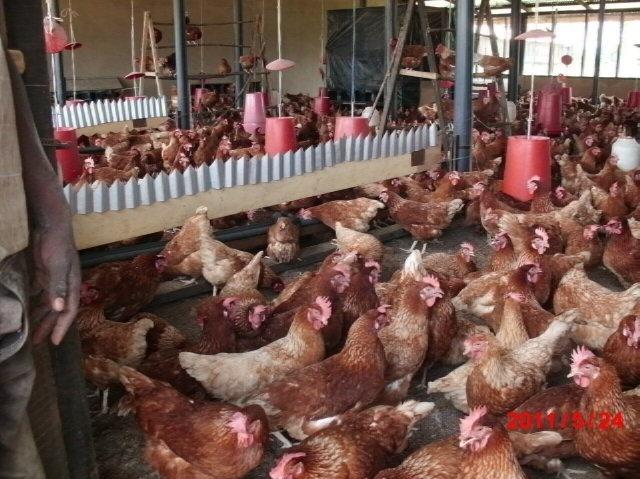
People must have heard about the nasty conditions which broiler chickens – which are bred for their meat – are raised in? These chickens have no more floor space than a sheet of A4 paper. Chickens are over-fed to reach slaughter weight in six weeks, when it would normally take four months.

Modem intensive systems of poultry production have produced cheap meat for the consumer – but at a price. Inside the intensive chicken houses, which are appearing in increasing numbers in the countryside, up to 40,000 birds are crammed, at 2 birds to the square foot, into a single windowless building, with almost continuous low levels of artificial light, they are then given drugs to speed up their rate of growth. Keeping so many animals packed together in such a stressful environment can only contribute to their rates of infection. It seems logical that the Chinese flu infections that we were seeing transmitted to humans comes from this same intensive farming. It isnt necessary to produce food in this way.

Organic farmers do a number of things to ensure that chickens are reared as naturally as possible. For starters, antibiotic growth promoters cannot be used but sick organic birds must be treated with appropriate veterinary medicine, so they can be given antibiotics if theyre very poorly. But they cannot be given drugs on a regular and routine basis, something that almost all non-organic poultry have to endure. Organic poultry is reared on a specially formulated feed containing only cereals, vegetable protein, a small amount of fish meal, and a vitamin/mineral supplement. These chickens are often guaranteed to be fed on feed which is free from genetically modified feedstuffs (GMOs). To be fully organic, chickens must be fed a diet containing grain which has been grown organically, without artificial fertilisers or sprays. Such feed is expensive, and therefore organic chicken is more expensive as well.

Also, on Soil Association registered farms, the number of chickens housed in a single shed is restricted to 1,000. A non-organic intensive chicken farm may have as many as 40,000 in the same shed. Organic birds are kept free-range, having continuous daytime access to clean pasture, except in adverse weather. Non-organic birds are almost always locked up night and day.

In addition, the Soil Association insists on full and clear labeling of processed chicken products. They are able to trace back to the farm all ingredients used in any Soil Association chicken products. Their organic certification standards state that food must undergo as little processing as is practical.

Organic standards are legally binding. All organic businesses must be licensed by law, and are fully inspected at least once a year. So if you want to see for yourself how organic animals are reared, why not visit an organic farm?

Davinos Greeno works for the organic directory This green directory lists 100s of Organic Food and Drink Companies and Eco Jobs and Community Videos

Raising Chickens for Dummies

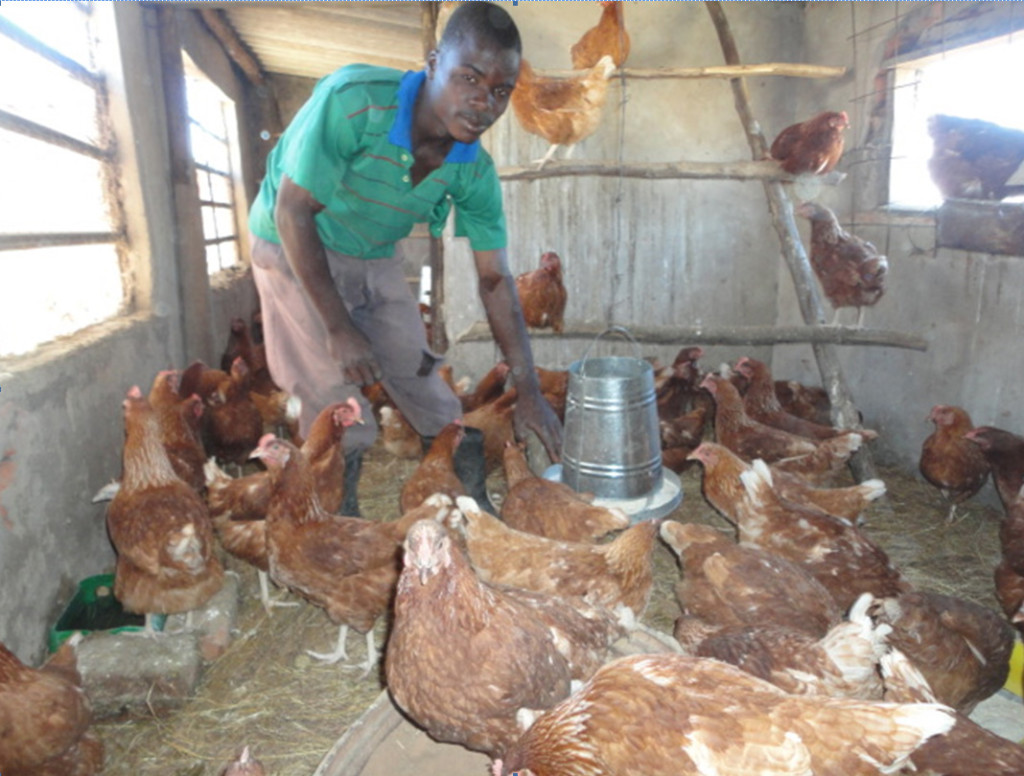
Raising chickens for dummies is quite an easy process, but only if you make use of some expert advice and specialized measures for the betterment of the animals in the farmhouse environment. There are some useful techniques and tips which might come in handy in bringing up chickens in the best manner possible. More or less, the tips I would be sharing you are like the ones that are used in the commercial poultry farms. First things first, so before you go on for buying chickens to be kept in your home or near to your home, you should first make sure whether or not there are certain laws that prevent you from keeping chickens in the home based settings. The good news here is that almost all of the cities in the US are allowed to keep chickens at any place they want. Furthermore, you should know about the chicken feeds and the way they should be given to the animals. One reason for this can be the growing pressure from the side of the public who want to earn some money from the chickens they keep. Below are the steps you need to follow before you buy some chickens for your home or any other setting.

Familiarizing yourself

It is meant here that you must have all forms of information about the chickens you would be keeping. Most of the farmers and poultry house owners do have sound levels of knowledge about the chickens , they keep. At the time of raising the chickens, you should also be able to tell that whether or not the chicken is healthy. In short, in order to know about the exact needs of the chickens, you should keep track about they eat, drink and sleep. The same applies to having an understanding about the chicken’s behaviors, so that you may know in advance about their complex behavioral patterns.

needs of chicken

Knowledge about the different type of Chicken Breeds

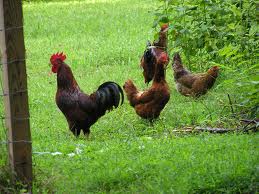
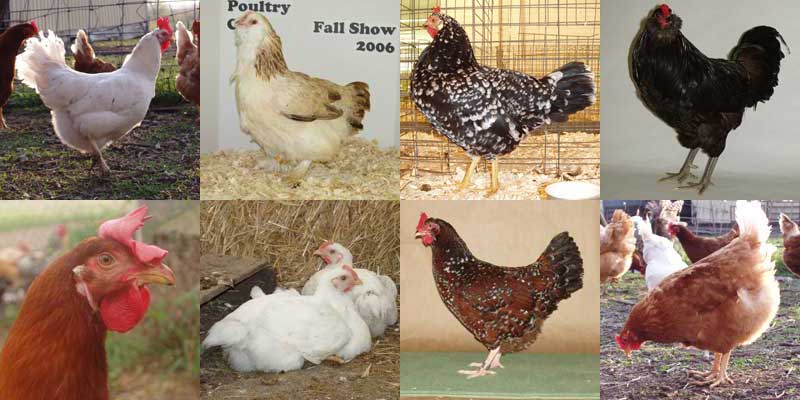
As you start to explore the complex world of the type of chicken breeds, you are more likely to find a number of terms which are used for them like hybrids, pure breeds, mixed breed and mutations. In simple, pure breeds are those who are bred to chickens that are similar and have been in the process for generations and generations. Most of the breeds we know these days are in fact hybrid breeds i.e. they are resulted from the crossing of two pure breeds. They come in handy for end use or in other words, they can be used best for a single purpose only. Moreover, both the pure and hybrids can be further categorized as strains. Mutations are the breeds that appear to be different from the breeds they were produced. In other words, they behave in a manner which is quite different from the original breeds. Lastly, mixed breeds in simple are those whose blood lines or ancestry are not known, as they have originated from various breeds. In all, taking care for chickens and all their breeds is crucial.

hybrid chickjen breeds

Number of Chickens and Cost

If you are new in the business, then it is always thoughtful to start out small.  After having some experience with these birds, you would be able to slowly increase the number of chickens you can keep. Even if you are equipped with sound levels of experience, still you would need to go to the larger numbers in steps. As chickens are social animals like us, it is better to start with a minimum of 2 chickens. In terms of cost, you can start a flock with minimal cash of $ 50, unless you do not want to keep some rare and expensive breeds. Furthermore, for saving some money try to share your order with someone at the time of transport and also try to make use of a hatchery for placing the order. You can  use this strategy for raising backyard chickens.

small flock of chicken

Building a Housing System or Chicken Coop for dummies

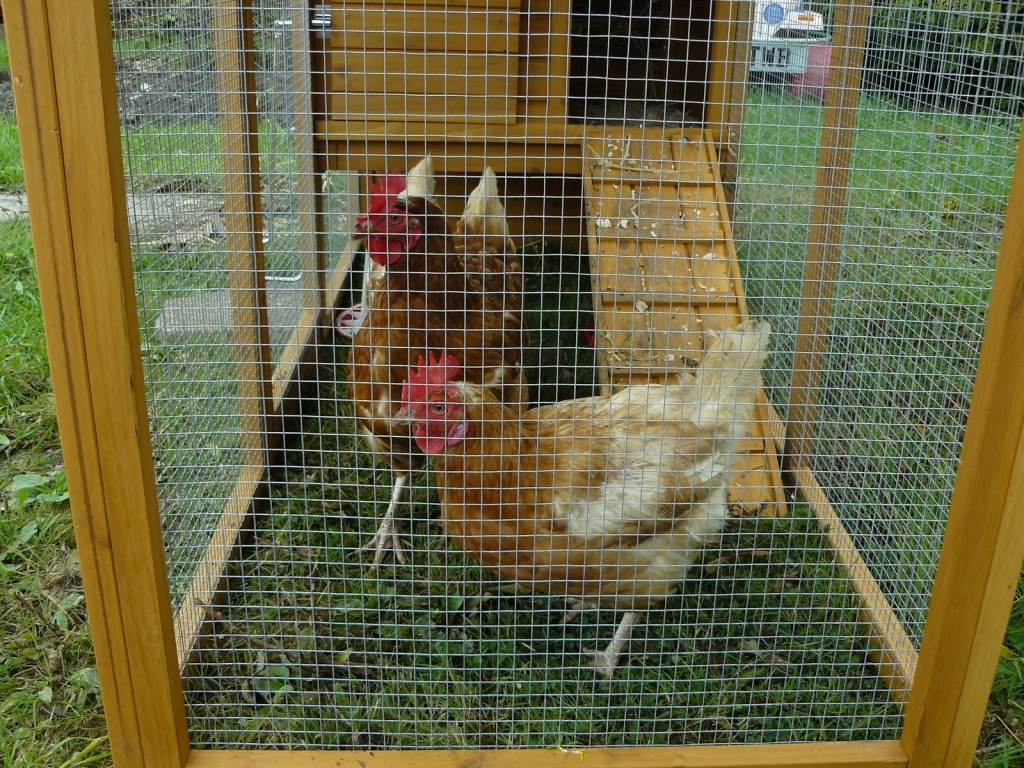
At the time of buying a chicken coop or making one on your own, you should consider the following factors in mind for building chicken coops for dummies:

  • Shelter from the rain and all changes in weather
  • 24/7 protection from the predators
  • Mechanisms for temperature control
  • Sufficient space for the movement of the chickens
  • Fresh air and optimal levels of lighting
  • Clean surroundings
  • Choosing the right location and material for the coop
  • Always go for the materials that are inexpensive and at the same time sufficient for the protection of the animals
  • Relaxation of the animals
  • Being mindful and equipped with knowledge about the materials

chicken coop

All these tips would really prove to be helpful in keeping chickens for dummies if you are able to follow them strategically.