All posts by Farhan sheikh

My name is Farhan Ahsan,I am web enthusiast, writer and blogger. I always strive to be passionate about my work. I started my work at the beginning of 2007 by engaging myself with detail reading and exchanging information with others. Since then things and times have changed, but one thing remains the same and that is my passion for helping and educating people, building a successful blog and delivering quality content to the readers. The particular interests that brought me in the world of blogging are gardening, wildlife, nature, farming and livestock.

10 Tips for keeping chickens warm in the cold weather

With the start of the winter season, it is vital for the people who manage a backyard Chicken coop or are in the poultry business to take necessary steps to ensure the health and hygiene of their Chickens. So it’s important for them to understand the precautionary measures needed for raising Chickens in winter. As the winter season kicks off, the Chickens have to face difficulties like cold water and their bodies also tend to get cold which cuts down on their egg production to low or zero level. So how to keep Chicken healthy and happy in the winter season is what this exposition deals with. The Chickens which are free ranged surely outweigh those which are controlled reared during winter season. The basic theme behind this exposition is to how to develop suitable Chicken coops for winter, and this can be done by bringing some changes in your existing coops so that the Chickens remain warm. Following are some tips which can be used for the purpose:

1.       Chicken roosting

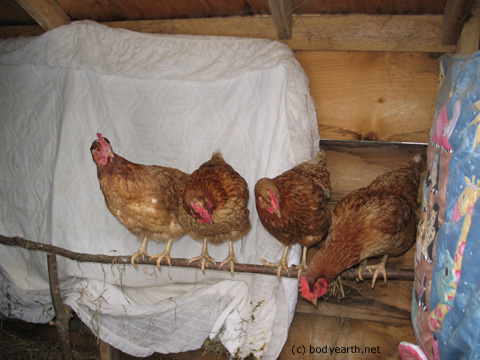
Chickens have a natural way of keeping warm and they achieve it by keeping their feathers fluffed at the night time. This natural methodology is called Roosting and Chickens do it in a group by roosting together and sharing the heat of their bodies. To facilitate their method, the caretaker of the coops should increase the space for roosting by 8 inches for every chicken. Increase the level of comfort in the coops, and it’s also good if one adds more Roosts to the coops.
rooster

2.       Light control

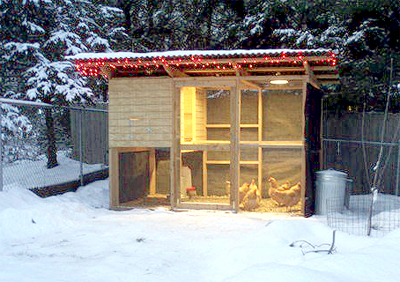
Pineal glands of Chickens have a strong influence on their laying ability and these glands are controlled by daylight. Sixteen hours of light are needed for facilitation of maximum egg production, and such light is short in winter as compared to summer due to short days and infrequent sun exposure. So for keeping Chicken in winter at a suitable level of egg production, caretakers need to add 1 or 2 bulbs of incandescent light and the bulbs should have a power of 60 watts. A timer can also be used to prevent the effort of switching the lights on and off.
light in coop

3.       Warm water

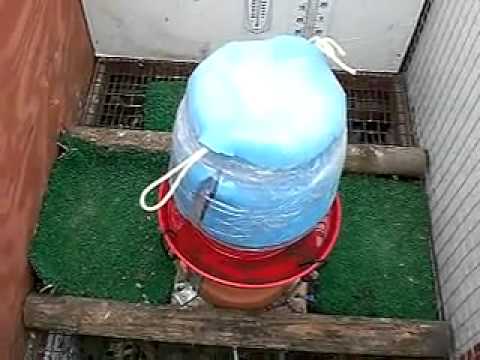
Water in the Chicken coops tends to get very cold in the winter nights and they drink such water in a lesser quantity which cuts down on their desired level of intake. This can be prevented by adding heater bases under the galvanized metal containers in which the water is placed. Such heaters are easily available in the market.
water heater

4.       Provision for insulation

Insulation materials should be used on the inner surfaces of the coop to facilitate conservation of heat.
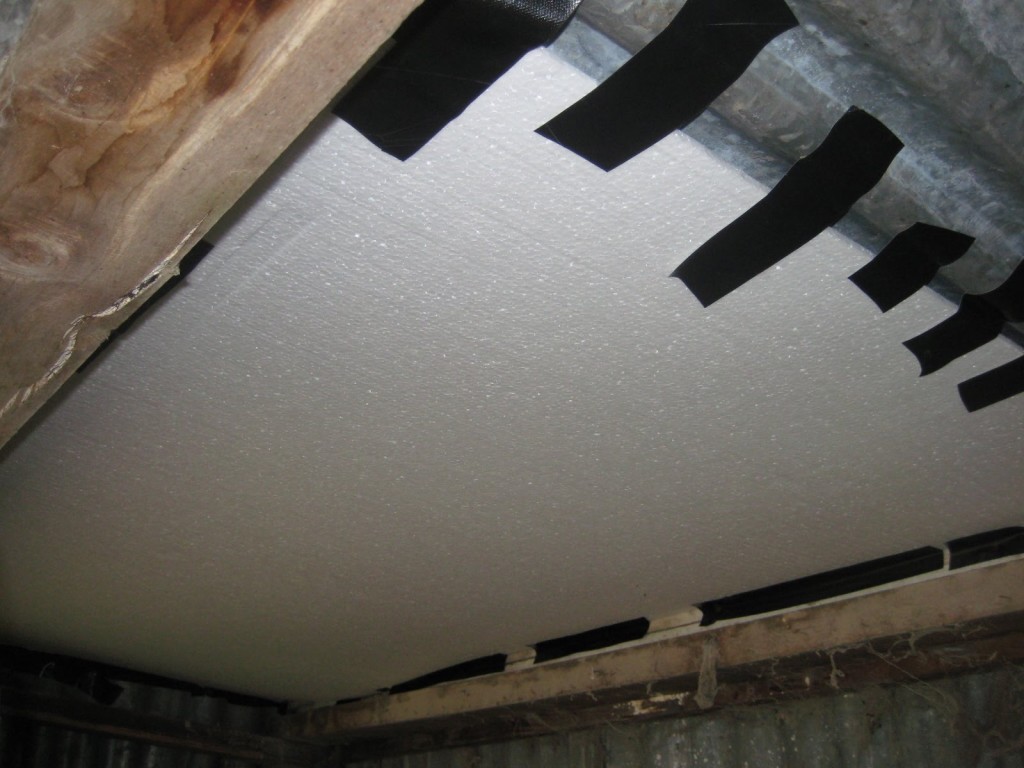
insulation in chicken coop

5.       Proper Ventilation

The coolers which are normally used in the coops to prevent it from overheating during summer, should be utilized in winters as well because they are necessary to remove out the stale or dry air which blows in winter. This also ventilates the coop and provides it with fresh air which is important for healthy growth of Chickens.
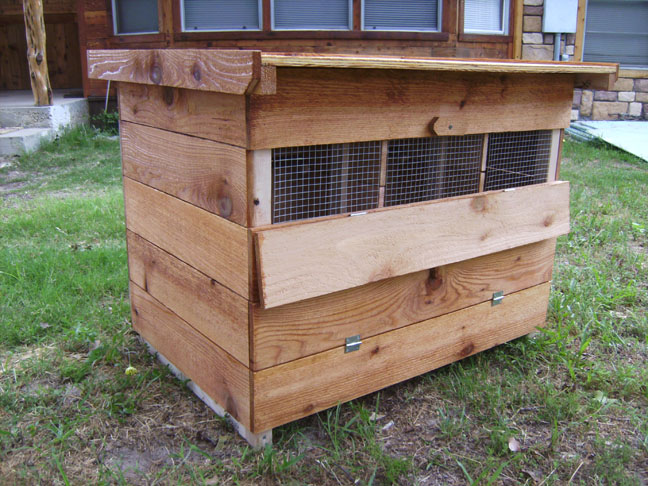
ventilation in coop

6.       Depth of litters

Another easy provision which one can make to keep Chickens in the winter warm is the utilization of deep Litters. Slow composting of the litter and manure emits back heat into the coops and keeps them warm. Use about 4 inches Litter in the coops at the start or the summer season. Then add enough quantity to make sure that the coops remain dry and clean throughout the summer.  By the start of winter, the depth of the litter will reach about ten inches deeper and this will facilitate the release of proper heat in the coop. when the Chickens scratch on the litter, it turns and aerates it. This can be done by spreading out some grains on the surface of the litter in the coop for inviting Chickens to eat.  Pitch fork can also be used for turning them.
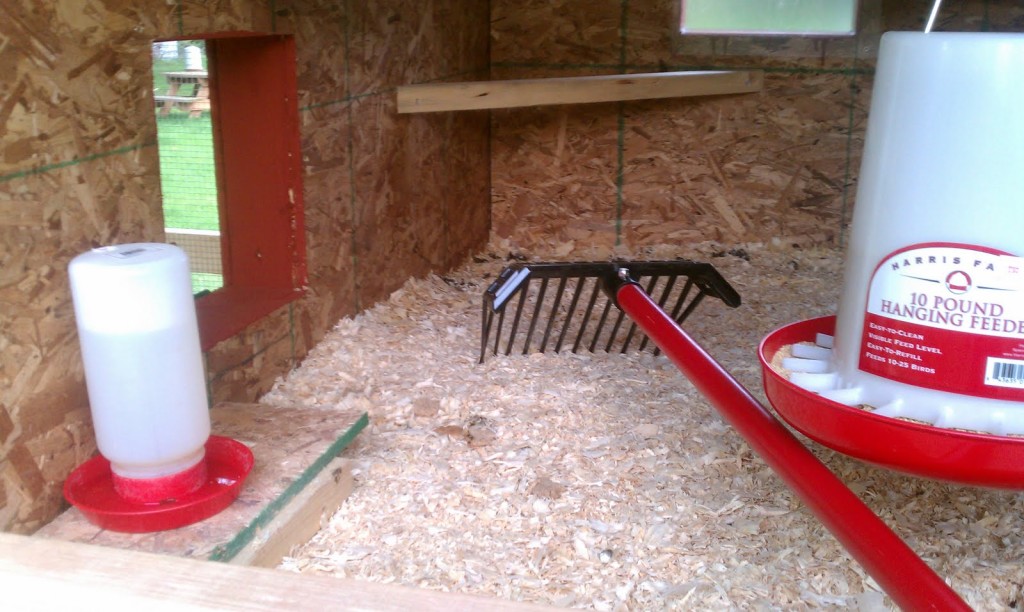
deep litter in chicken coop

7.       Provision of corn

Providing Chickens with some cracked corns to eat in the evening will ensure that their digestion process continues in the night because this process keeps them warm and happy.
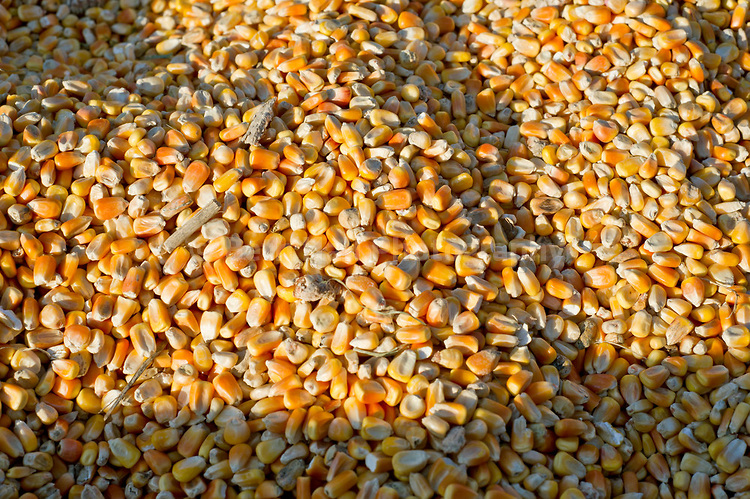
corn to chicken

8.       A space to move around

A little exercise or walk here and there is good for the health of the Chickens and it makes them happy. If you have a congested coop, you can always built a greenhouse style shelter or a cold frame other than their coop. Give them some time out of the coop under the aforementioned shelter where they can move around and get knotty with their feathers. This allows them to obtain some fresh air which is good for growth.
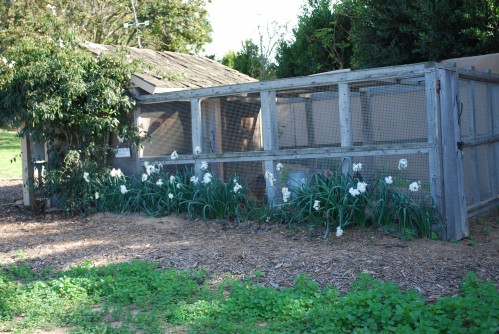
provision of space

9.       Provision for protection from frostbite

Many breeds which feature wattles and large combs are normally vulnerable to frostbite in severe winter climates. This can be prevented by smearing the wattles and combs of such breeds with petroleum jelly.
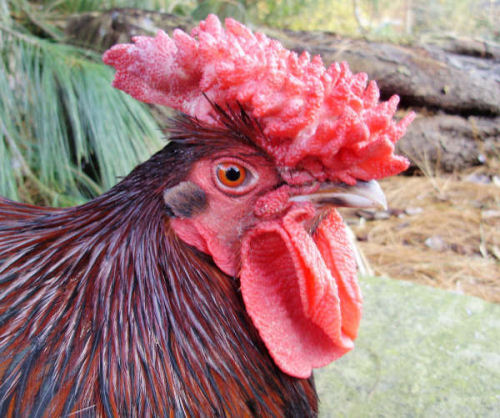
chicken with large comb

10.   Provision for snow

Backyard Chickens in winter or the other Chickens do not like to walk on the snow when the temperature is in the range of 20 degree Fahrenheit. The best thing to do here is to scatter or spread Straw or Hay on the surface for making it more acceptable for them. However, the case is different when the temperature is around low 30’s as they don’t seem much hesitant or reluctant to walk on snow at such temperatures.
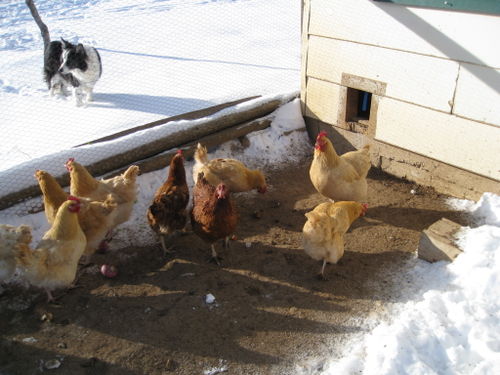
provision of snow

So Chickens and winter season or Chickens in the winter requires you to be extra cautious and proactive.

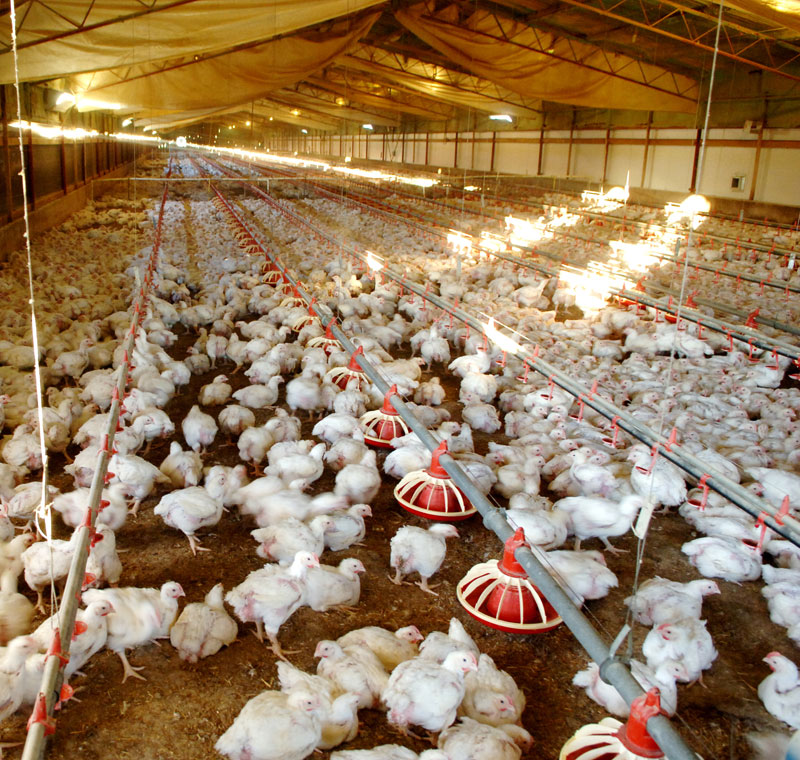
Current picture of poultry farming in India 2012

The poultry farming sector of India has attained a lot of success over the past few decades as it has been among the most rapidly growing industries here. The growth and progress has been due the investment that has been poured in by the government and private sector. This exposition is to give you an idea about the various features and trends of development in this industry, the driving forces behind such trends, and developments and the predictions which can be derived about its future.

History and development of poultry industry in india

If you gather the statistics of the past three decades or so, you will find that Poultry farming in India has been a huge success. Stats show a 2 percent increase per annum in the agricultural production during the last 30 years, while the rate of increase or growth in the poultry sector has been a dominant 8 and the recent trend is 12 percent which gives an idea about how well this industry is doing. Its annual turnover is closing in on 10,000 US dollars. If you look at the statistics of the growth in the population of livestock exclusive of poultry, the trends are mixed because there have been a rise and fall. But if you move towards the livestock population of poultry, the rate is continuously on the rise with every passing year. Poultry business in India is now going through various structural changes among which most of them are just in the discussion phase. Emphasis are being laid on devising methods for enhancing vertical coordination between the supply channels that will enable to lower the transaction costs even further. Similarly steps are being taken to maintain the balance between production and imports of poultry item so that the local producer is not harmed and neither the prices are inflated. The main structural change has been the increase in the integrated producers which are merging feed milling, breeding contract growing and are fostering improved production and reduction in marketing costs. So the gist is that the present is showing the same positive indications as the past and the rate of growth is expected to increase even further.

Poultry production and consumption trends in India

Poultry production and consumption trends in India

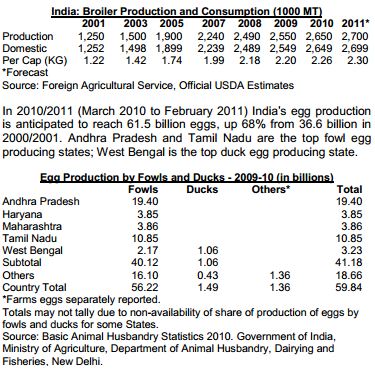
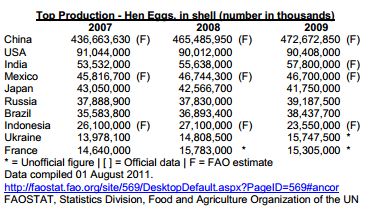
A population of more than one billion and an increase in growth of 3 to 4 percent in per capita income on annual basis, India is proving its potential for commercial Poultry farming. The production and consumption figures for poultry meat and other poultry items have been continuously on the rise. Though the government very rarely publishes authentic data on the growth and production of this sector, the market research by different experts have suggested a substantial increase of 15 percent as compared to the past 10 years. India is among the top three largest egg producers of the world and is also a very prolific broiler producer. The rise in the consumption and production trends has also to do with the approach of the people as they are now getting more inclined towards the use of poultry meat rather than veal, beef and the Buffalo meat. This shift has given investors the urge to invest more and more into this industry and the result is the increased Poultry production in India.

india poultry

Broiler and Layer growth trends and investment opportunities

The annual average growth which is being shown by the broiler industry is about 10 percent and has been characterized as steady but volatile. This steady and effective growth is the result of the expansion in the middle class of this country and the rise in their demands for protein affluent food. Though the demand is increasing but the production faces fluctuations due to factors like overproduction and avian influenza. Year 2008 saw a rapid fall due to A1 outbreaks and rebounded back on the path in 2010 after which the trend has again been a rising one with average between 10 and 15. 2012 has set a new record of broiler production i.e. 3.2 million tons.  Similarly the layer industry is showing increased growth due to increasing demand for protein with low costs. Products of egg powder of India have a strong demand in Africa, Middle East and Asia and this is also promoting the growth. So the country has many opportunities for investment in the broiler and layer industries.

egg and layer production

Significance of poultry meat and eggs in country’s export

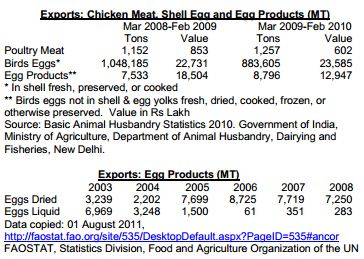
Though India is the leader when it comes to the population of cattle and animals, its exports of poultry meat is not at the most convincing level as compared to its potential. The reason is the undeveloped meat processing industry. Egg exports and exports of other powder egg products have always been on the rise which is due to factors like cost competitiveness and other logistical advantages. The low cost poultry meat which furnishes people with desired protein has increased its importance as compared to other meat like veal and beef. The poultry exports of India for the current year have been on the higher side with 503154 million tons but are low as compared to the potential of the industry here.

poultry exports

Various positive reforms are being introduced to promote the industry even further and provisions for effectiveness of facilities such as environmentally poultry control houses/shed in India are being made.  Poultry farms in India or India poultry farming industry is taking the country to new levels of progress.


Modern System For Drying Poultry Manure To Protect The Environment

 Numerous farmers are in search of solutions to decrease the emission Ammonia and other  fly problems which are caused due to the layer operation they carry out. Many others are    searching out for options to earn money by selling litter as a Chicken litter fertilzer.  Chicken litter as fertilizer has some of its distinct benefits which are not found in other commercial fertilizers. VDL Agrotech has brought advantages to both the groups of farmers by devising a system for the purpose of drying of Poultry manure. It is important to carry out composting of Chicken litter because fresh manure should not be used as it contains different Bacteria. Chicken litter compost takes about 2 to 3 weeks before its  ready.  According toWiebe Van Der Sluis, Rooster45, Doetinchem, the Poultry litter of the  Netherlands can prove a nuisance, and especially when they are not handled well or are left on some pile within or outside the poultry house. It emits high levels or concentrations of Ammonia in the environment and makes it unhealthy for birds, workers and the surrounding neighbors. Government also prohibits such emission of Ammonia into the atmosphere as it damages the environmental conditions.  So proper litter management in Poultry is essential for preventing risks to both human and bird’s health.

poultry manure system

Such a place becomes suitable for the growth of wet litter flies and their population increases in large numbers which is not liked by both farm workers and the neighbors.  Therefore both large and medium scale producers of poultry are now showing keen interest in keeping the Poultry droppings dry whether they are in a poultry house or outside it. Majority of the housing systems of poultry provide means to drying out the droppings or Poultry Waste within the house at manure belt. However, the capacity of such Poultry waste management systems is a limited one and gives rise to large proportions of dust which is the reason why farmers normally opt for drying manure outside of the poultry or fowl house. The Fowl manure is transferred by farmers on daily basis or after two days in order to cut down on the emission of ammonia and dust production and to cut on the moisture which is produced in the house. Drying of manure in an environment which is specifically conditioned to capture dust and ammonia will call for lesser energy consumption.

Using steel plates to dry manure

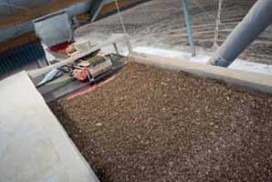
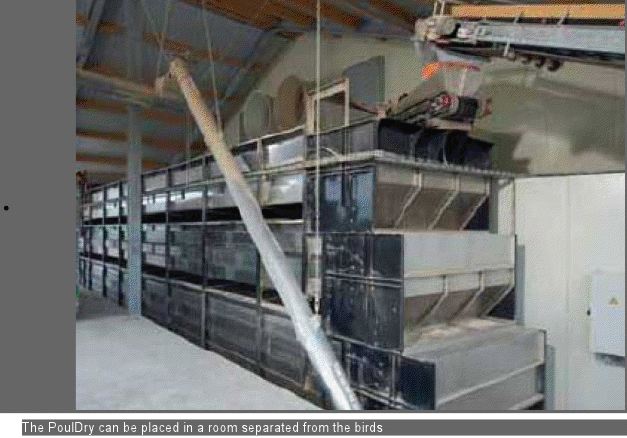
Many systems are present in the market for drying out manure but they have their own features and drawbacks. VDL Agrotech Company which has rendered numerous installation of large and small scale projects of poultry have devised a new Poultry management system of manure drying and they have named the system as ‘PoulDry’.  The manufacturing of this effective drying system from Agrotech is the result of cooperation of various experienced engineers who have also been behind the development of various other drying systems. A separate location close to the poultry house is normally chosen to place PoulDry system. The system comprises of one, two or more levels which are linked to direct chain that revolves around powder coated and galvanized steel plates. The plate’s compromise of perforations which keeps almost 35 percent of the systems surface open and this allows air to pop in easily and facilitate fast drying. The system has been designed in such a manner so that no moving part comes in contact with the manure, and this protects them from damage. Similarly the direct chain system driver ensures an easy motion of the drying system.

poultry manure system

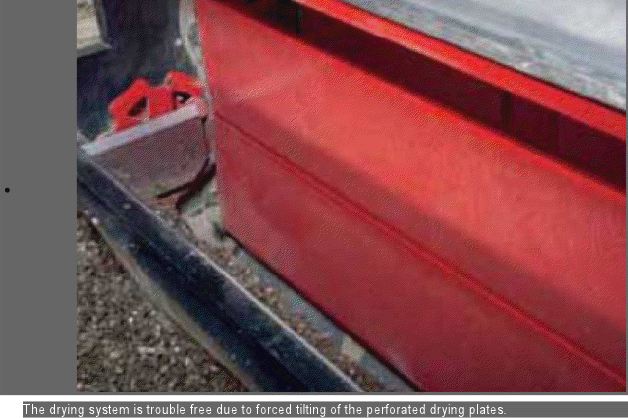
Forcing of tilt

The droppings in the poultry house which comes via the manure belt are dispersed on the top layer of the drying tunnel which is in circular motion. When the Chook manure is on the edge of the top layer, the perforations on the layers tilt and drop the manure on plates which are at the second level below and this continues its movement to the opposite path via the tunnel so that more moisture can be released.  Clogging and sticking of the manure on the plates is prevented by forcing the perforated plates to tilt.  High pressure of air is blown throughout the system which results in 80 to 85 percent dryer manure within maximum 72 hours which also depends on the humidity in the atmosphere. The process also causes a reduction in the release of dust particles by almost 70 percent.  It has now been learned through experience that the process requires a lesser consumption of energy and can be controlled very easily and effectively via touch screen system. A system with a length up to 40 meters can be installed easily and it has the capacity to dry 200,000 layers of manure. 80 percent drying of manure content which is facilitated through this system reduces fly problems, Ammonia and odor, and such content can be sold easily as field fertilizer. A Poultry management guide should always be consulted for various aspects of poultry such as Chicken litter, manure nutrients analysis etc, and many such guides are available in the market and on the internet.

poultry manure4

contact supplier E:mail:g.camps@vdlagrotech.nl

Karin Jonkers
Marketing Communications Manager
VDL Agrotech
Phonen: : +31(0)40 29 25 577
E-mail: k.jonkers@vdlagrotech.n

10 Guiding Principles To Optimize Poultry Processing

Poultry processing should be taken seriously, especially when you plan to optimize the yield and the profits. In other words, you need to make use of a number of standardized procedures and plans in order to get the best value for your investment in broiler processing. For example, if the lighting is too much in the farm setting, then there are high chances that the birds might come to be stressful and engage in irrational behaviors. For your convenience here are the 10 guiding principles to optimize poultry processing, all of which are to be used in an effective way for increasing the workflow and outputs from the processing plants.

1. Harvesting

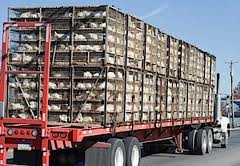
Harvesting is one of the most crucial components in poultry and chicken processing. In caging the birds, it must be ensured that the cages are not too small and not damaged in any away. Furthermore, door less cages are also used, as having a door in them might slow down the output when closing and opening the cages. In times of transportation, it is better to make use of big cages for the accommodation of a large number of birds.

poultry transportation

2. Transport

Having adequate and impressive transport facilities is another key to the success of the poultry processing. There are a number of broiler and chicken processing plants that are unable to obtain substantial results from the yield, all because of the limited transport facilities to various areas. The trucks should also be equipped with proper temperature control mechanisms in summer or winter, so that the birds might not be at risk. Furthermore, proper arrangements should also be made on the arrival of the birds at the respective locations.

3. Hanging the Birds

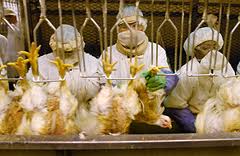
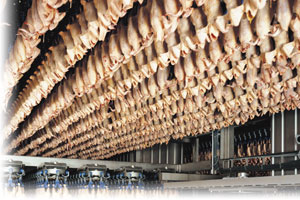
Before going to the full fledge chicken slaughtering process, the process of stunning is performed. So, here it is imperative that the route leading to the stunner should have moderate levels of light. The hanging should be done in a way that the birds may not damage their wings from the nearby metal and also kept safe through the use of breast comforters. The timing for reaching the stunning site is also important here and should not be prolonged.

hanging the birds

4. Stunning and pre-wash before scalding

The place where the stunning is done should not be wet and it should also be ensured that the birds might not get an electric shock from the floor. In other words, the birds should be kept away from having a pre shock that might create a number of problems. When the chickens are slaughtered, a fecal material can be seen on the body, thus creating a need for washing.

stunning

5. Scalding

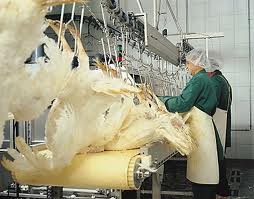
Afterwards, scalding is done to loosen the weather and for the dilation of the body parts, so that the slaughtering process might come in quick and easy. Moreover, the timing between the movements of the animal from scalding to plucking should also be minimal.

scalding

6. Plucking

The body temperature of the chicken should be higher on entering the plucking process. It is because the follicles tend to open and loosen on high temperature which makes the plucking process easier. If the body temperature of the animals falls before reaching the plucking machine, then this might lead to the deposition of the fecal material on various parts of the body.

plucker

7. Evisceration

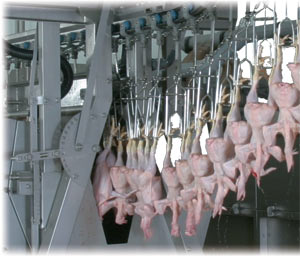
In this phase, the organs and parts of the animal’s bodies are separated on the basis of suitability for human consumption. On collection of these parts, proper chilling should be done for the reduction of bacterial deposition and growth on these organs.

evisceration

8. Chilling Carcasses and Giblets

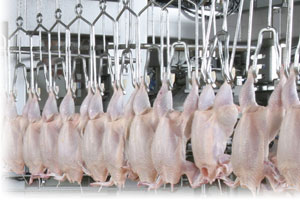
The poultry processing plant managers should ensure that the water used for chilling should be maintained at 0C, in order to keep the body of the products are prepared for the next phase. Furthermore, an increase in the temperature should be controlled.

chilling

9. Packaging

On completion of the previous processes, the products are then selected for specific type of bins. Each of the products should be packed and processed properly for keeping the quality intact and for minimizing the bottlenecks. Extreme cold temperatures should also not be used, as this might lead to the darkening of the animal skins.

10. Coolers

The ideal temperature on which the carcasses and giblets should be allowed to enter into the coolers is about 4C. Here also, the temperature should always be monitored, as higher body temperatures might slow down the efficacy of all other processes.

These principles are going to act as a poultry processing management guide for you, but only if you follow them respectively and carefully.

Free Range Chicken As Alternative Poultry Production Systems

When it comes to poultry alternative production systems in Australia, then there are three strategies that poultry producers make use of. These include free range, barn and organic systems used for the production of eggs and meat. It is through the use of these three systems that the customers have a wide array of choices to select while keeping in view the element of taste, personal and animal welfare and environmental sustenance. Although these modern systems are seen to be complimentary to the use of the conventional methods, still both of them have certain drawbacks. The original intent of the poultry industry is to create some sort of bond between the production systems and the amount of confidence the consumers have on the use of these products. Below are the three modes of production.

Free Range

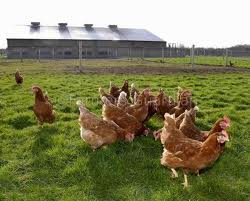
Now for those who do not know, this mode of production is one of the most widely accepted and popularized among all the welfare groups. The free range hens in Australia account for about 11% of the total number of hens. The market share of these hens in terms of grocery sales is about 14.5%. The revenue generated from the use of these hens is about $ 71 on an annual basis. Furthermore, the principle of limited stocking density ensures for the animals, freedom from discomfort, pain, hunger and thirst. Here are some of the distinguishing features of this specific mode of production as stated by the Model Code of Ethics for the Welfare of Animals.

  • Maximum exposure to the natural environment
  • More chances of growth
  • Larger space for roaming, minimal risks for the environment
  • Free from antibiotics
  • Compliance with the set standards

free range chicken

Barn Poultry

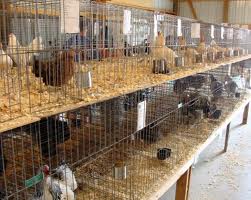
This system involves the use of the cage as well as the free range measures. In other words, the system is more like an amalgamation or merger between the two farming practices. This mode is encouraged because of a number of its positive points with compliance to the Model Code of Practice in poultry. Here are some features of the system.

  • Use of weatherproof sheds and safe farming practices
  • Limited Density of the stock for encouraging the natural behavior from the animals
  • Freedom of movement and flying
  • Less chances of predation among the birds
  • Access to private and secured areas for the process of egg laying
  • Limited human contact through the use of automatic systems
  • Limited feather pecking and lower chances of cannibalism

poultry barn

Certified Organic Poultry

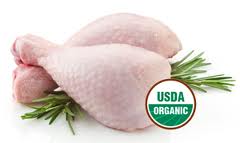
When it comes to the production of certified organic eggs and meat, then free range hens are the ones to be used. But here, the system is to be administered in lines with the National Standards and safe farming practices with no use of artificial colors and other chemicals that might come to cause any harm to the animals. Let us take now take a look at some of the features and requirements of this system, all of which follow the set standards.

  • The birds are fed by making use of certified organic nutrients
  • No use of antibiotic measures and medication
  • Varied use of diets and feeds
  • Certified organic meat chickens need to be fed with only the certified organic nutrients and are not to be cured through the use of the routine modes of vaccination.

certified organic poultrycertified organic poultry1

Managing Health of Turkeys

Early stage (starting) of brooding is of crucible importance for poults as they are reluctant to eat and drink, hence have more tendency to perish than chicks or ducklings for unknown reason. Therefore, they should be provided with ample facilities for feeding, drinking, and lighting.

Intensive rearing has made turkey more susceptible to various infections and control measures through preventive Managing Health of Turkey is the best principle to minimise disease risk. Turkeys must be immunised against diseases like RD, turkey rhinotracheitis, pox, pasteurellosis and erysipelas. The necessity for full or partial immunisation depends on disease prevalence in the area of turkey raising as well as on their population. In case of isolated rearing units little protection can suffice the purpose, while in thickly populated areas complete preventive vaccination protection may be essential.

In recent years, the main ailment affecting turkey badly is turkey rhinotracheitis, which is latest viral entity causing losses in turkeys all over the world. It leads to serious deleterious effects on birds of all ages predisposing them to secondary invaders like viruses, bacteria, etc. to cause severe trouble.

Mortality upto 25-30 per cent is common with heavy loss of production in survivals. Fruitfulness of treatment is uncertain. Management improvement by supplying increased floor space, adequate ventilation, fresh litter, better sanitation and hygiene along with toxic principles free enriched diets is of greater help to control the ailment.

Problems faced by small scale poultry farmers in developing countries

According to the reports and surveys conducted by UNDP all over the world, more than 1000 million people suffer from the problem of mal nutrition and come to earn less than 1 US $ per day. One of the major modes of earning for the people of Africa is poultry.

Problems Faced in Family Poultry

Family poultry makes up nearly 80 % of all the poultry products in the developing countries, especially the ones located in Africa. This mode of poultry is indeed of great importance for the people who are in some ways linked to this discipline for their survival.

Water, Electricity and Disease Control Problems

The sector now faces a number of issues and difficulties including water, food, electricity and other major problems. In addition to the challenges posed by the various pathogenic diseases, the farmers also face the problem for low capital. Help from the side of the government and other investment institutions, is all that is needed by them for ensuring health growth and development conditions for the domesticated animals.

High Production Cost and Low Return

Most of the farmers of the third world countries are forced to sale their products at low costs to the suppliers, which in turn earn some large profits from them.

Limited Access to the Core Markets

It is all because of the limited access to the worldwide markets which is barrier in the way of these farmers. As they get little return on what they sale, so they never try to improve the quality of the poultry products and farms. Various significant improvements can be made in these production systems through the use and implementation of the most advanced and scientific practices.

Possible Solutions

In order to provide a solution to the poultry problems, some investment is now being made in those countries and proper steps are being taken to ensure the introduction of scientific research in these countries. But here an important thing to note is the specific economic and social environment of the area which is quite different from the rest of the developed countries.

Technical Training and Assistance for the Farmers

In order to solve the issues, specialized poultry networks and training programs should be introduced in order to provide awareness to the famers about the various diseases, health conditions, strategies and techniques which are necessary to ensure the quality of poultry products and for the better health of the chickens, ducks and other domesticated animals. The poultry producers in Asia and Africa are the ones which face the most number of challenges in comparison to the ones in EU and America.

Implementation of New Policies

Furthermore, the poultry sectors in Africa and Asia should be given due attention by the agricultural policy makers and scientists. Unfortunately, small scale poultry farms are not given due regards by the researchers. It is all because of the fact that there these researchers find no sort of political significance in working in some of the underdeveloped and backward areas of Asia and Africa. In order to ensure the betterment for all, policy makers and poultry tycoons should take some measures for changing the lives of the poultry farmers in the developing countries. The poultry producers should also change their attitudes and efforts in managing the quality of the products and the welfare of all the animals on their farms.

types of best/ideal poultry feeding systems and Top suppliers

Poultry Feeding System Overview

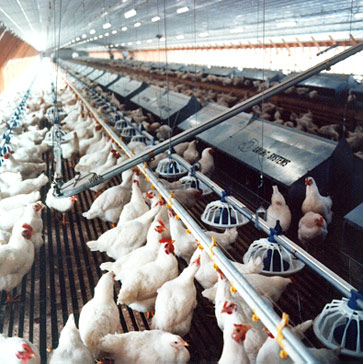
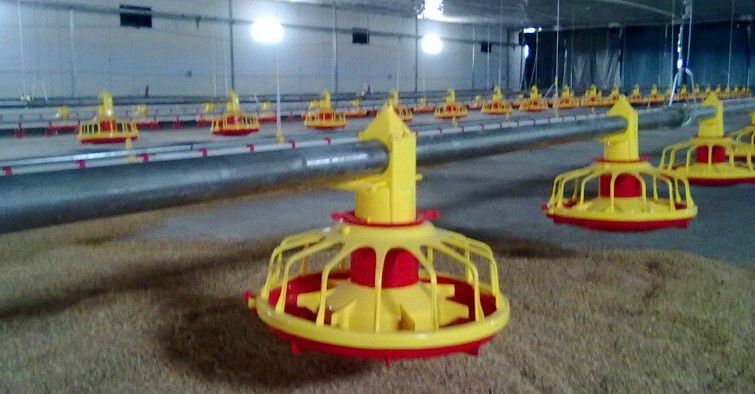
In the past few years, a dramatic change has been seen in the use of poultry feeding systems and the nutrients used in carrying out the process. This development can be seen resulting from the increase in the demand of materials and foods that are used at the poultry farms. Every guide to the poultry feeding system makes use numerous integrating poultry feeding programs and techniques that come to guarantee the most optimum results. A great deal of importance should be paid to the use of various mechanisms and programs in the feeding systems, as they come to determine the levels of profit you can generate from the investment you have made in making the poultry farm. The various types of systems that are now being used include automatic pan feeders, chain feeders, round and hanging tube feeders each of which depend on the number of animals and birds you have on the farm. When it comes to the list of poultry feeders, suppliers and equipment, then China, Denmark, America and some other third world countries lead all others. Let us now have a look at the functions performed by the various feeding systems. It is now more than obvious that the feeding systems are of extreme importance and should be given due priority at all times.

Feeding Systems

Automatic pan feeder

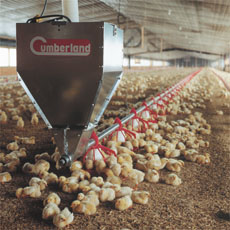
Automatic pan feeders are one of the most reliable when it comes to broiler and animal domestication and rearing. Knowledge about these feeding systems is of crucial importance, especially when you plan to have thousands of birds and animals on the farm. These feeders might include feed hopper, champion and integrated feed chain systems and various automatic feed scales all of which are designed to reduce the human effort and to ensure that all the animals are fed properly and adequately.

Chain feeding systems

Chain feeding systems are also used for floor and layer management. The prime function of the chain feeder system is to provide the powdered poultry feed from the external feed directly into the poultry house in a balanced and pre-determined amount.

round and hanging tube feeders

In terms of the round and hanging tube feeders, the levels of efficiency and the element of even distribution is reduced, thus it is not the ideal feeding system, but can be used for a number of purposes.  The automatic systems in contrast function under the control of a number of switches and devices each of which has a specific function to perform. Keeping in view the functions of the systems, the breeder must be a person who has some experience in working and dealing these machines and devices. The best and most effective feeding system program is the one which feeds a controlled and balanced amount of nutrition to the birds and animals. Furthermore, it is always useful to hire a professional animal nutritionist who has some adequate knowledge about all the dietary nutrition requirements which must be met at all times.

Best Suppliers and Vendors

As mentioned above, China and United States are one of the top countries when it comes to the feeding system suppliers and vendors. Here is the list of some of the companies which are known for the kind and quality of systems they manufacture and export.

1)    Chore-Time Feeding Systems

http://www.choretimepoultry.com/products.php?product_id=1

2)    Cumberland-Complete Poultry Systems

http://www.cumberlandpoultry.com/english/overview.ht

3)    Cablevey Poultry Feeding Systems

http://www.cableveyag.com/poultry/broilers.html

4)    Jinan Lionpower Poultry Feeding Systems

http://cnlionpower.en.alibaba.com/

The Effects of Avian Flu(bird flu) on Poultry Sales/humans/birds and its treatment/precautions

The outbreak of any epidemic or the widespread of any disease leads to an inevitable slump in the market. Be the sale in direct or indirect relation to it, the market is affected greatly in any case. So, you can very well analyze the affect on the market if the sale is directly proportional to the epidemic. The product here is directly proportional to the epidemic so you can very well imagine the severe effect.

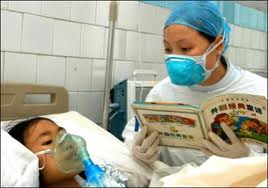
The greatest risk factor for Bird Flu, seems to be contact with sick birds or with surfaces contaminated by their feathers, saliva or droppings. The World Health Organization (WHO) has confirmed a handful of cases of limited human-to-human transmission of bird flu. But unless the virus begins to spread more easily among people, infected birds or material present the greatest hazard. Migratory waterfowl and ducks in particular, carry the viruses that cause bird flu. Often unaffected themselves, the host birds can spread the infection to susceptible species, especially domesticated chickens, turkeys and geese, resulting in severe epidemics that sicken and kill large numbers of birds – sometimes in a single day.
Avian viruses generally don’t affect humans, but in 1997, an outbreak of bird flu in Hong Kong infected 18 people, six of whom died. Since then, human cases of bird flu have been reported in the Netherlands, Canada and throughout Asia. Most were traced to contact with infected poultry or surfaces contaminated by sick birds.

BBC news said that: The \”intense interest\” in the risk of a UK bird flu outbreak could seriously damage chicken and poultry sales, the National Farmers’ Union have warned. This was the headline of an article in the BBC news front page. David Salisbury, head of immunization at the Department of Health, said an assumption was being made that one in four people would be affected by any such outbreak \”The risk is very real, we’re very aware of what’s happening in south-east Asia and are monitoring very carefully the spread of disease amongst birds,\” he told BBC News.

Another date the BBC news front page said: Poultry producers in Wales say their businesses are at risk following a ban on bird sales and shows to lessen the potential spread of avian flu. \”We go to the sales to keep the cash flow going, but this ban has taken 80% of our market away\”. Said the Poultry producer Chris Taylor, which very clearly states the condition of poultry sales due to the ban levied on it.

Hence, the above-mentioned reports very well sum up how the sales have been affected in case of poultry due to this bird flu. This viral infection has been the cause of so many problems. The H5N1 virus currently infecting birds in this avian flu have caused human illness and death is resistant to amantadine and rimantadine, two antiviral medications commonly used for influenza. Two other antiviral medications, oseltamavir and zanamavir, may treat flu caused by the H5N1 virus. Tamiflu is the most effective medicine against this perilous disease. And remember Tamiflu is most effective if treatment is started within 48 hours of symptom onset. So Don’t Loose Time Buy Tamiflu.

When Hen Starts Laying Egg,Peak Time,Factors Affects Egg Production

When does the hen produces egg?
If you have a group of little champs, I mean hens in your backyard, then you must have the desire to get eggs from them. Truly, its an ideal breakfast mode but more than that, it can help you generate money for extra expenses or may be savings. However, this is frequently inquired question that when would the hen start laying eggs? Especially flock keepers seem to be interested in knowing about the egg production for the pullets (young hens). They also want to know do all hen lay eggs? This excerpt in detail discusses various types of breeds and types of hen’s egg production – continue reading in order to know more:
Age of the hen which lying eggs:
How old chickens have to be to lay? Normally or you can say in most of the cases, the hen lays eggs at the age of 6 months or 25th week of age. This is a generalized statement irrespective of the type of breed (the earlier age may be 18 or 20 weeks).Young and healthy hens are more reliable or heavier egg production(the oprimum or peak production on an average is 2 years) than those, which are at maturity. They tend to develop virus and infections, which ultimately reduce or stops the egg laying capacity.
Best egg laying breeds:

Rhode Island Red:

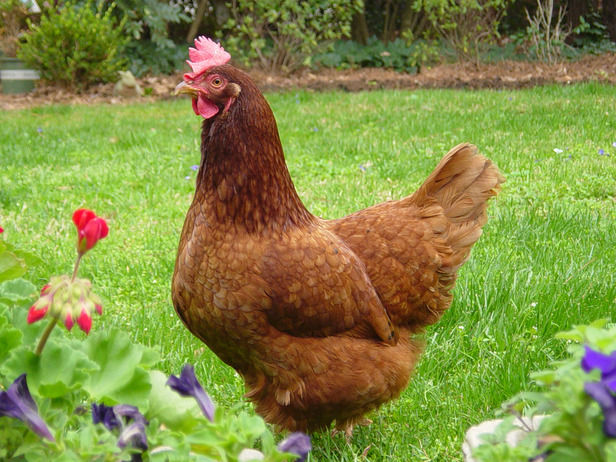
This type of breed remains popular amongst the small dwellers and lays average amount of eggs. Due to a high tendency to bear both hot and cold temperatures, the hen remain in the best behavior in all types of weather. In fact, this aggressive breed is ideal for both meat and eggs, so if you want to cater this need in the simplest way, make sure you have them in the flock.
rhode island red hen

Buff Orpington:

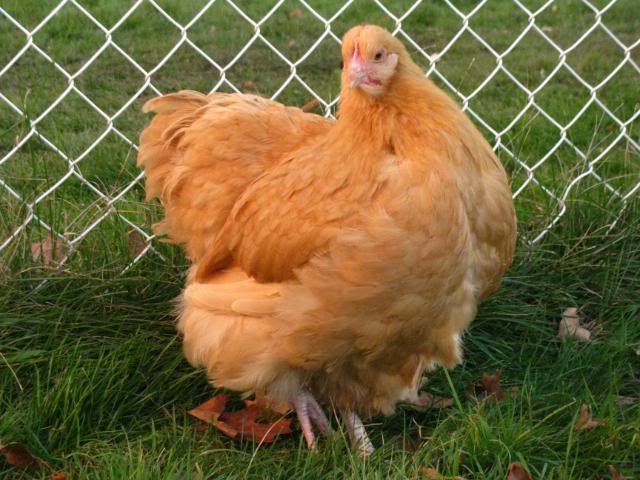
If you want big brown eggs, you must have this breed in your backyard – however, the egg production would be moderate. They are known as excellent chickens because they bear varying temperature conditions. Also, this type of chicken is an amazing brooder as well a great mother.
buff oprington  chicken breed

Leghorn:

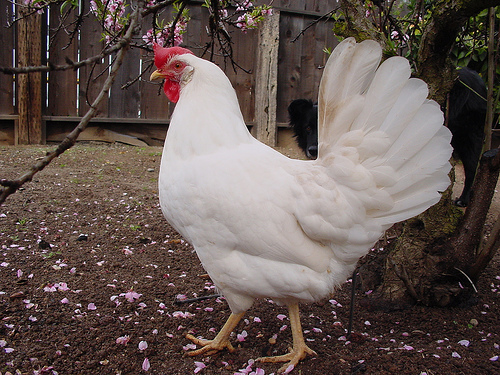
If you want great white eggs, you must have this breed as necessary – it can produce up to 300 eggs in a year. Not only this but you can use this chicken for meat too.
Leghorn

Ameraucana:

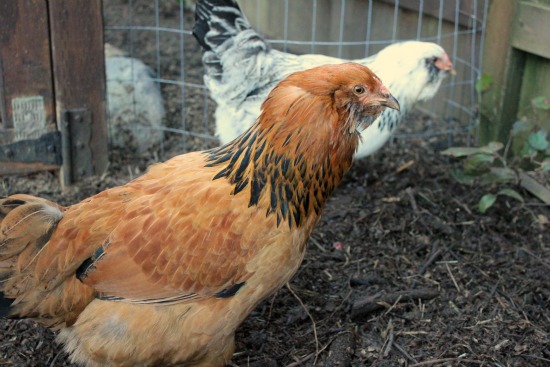
Another name for this breed is  Easter Eggers – they are known to produce alluring eggs in colors of cream, green and blue. The eggs are medium sized and this type of hen produces almost moderate to high eggs in a year. This type of hen is mostly adored in families with kids because they love collection these kind of colorful eggs.
Ameraucana

Black Star:

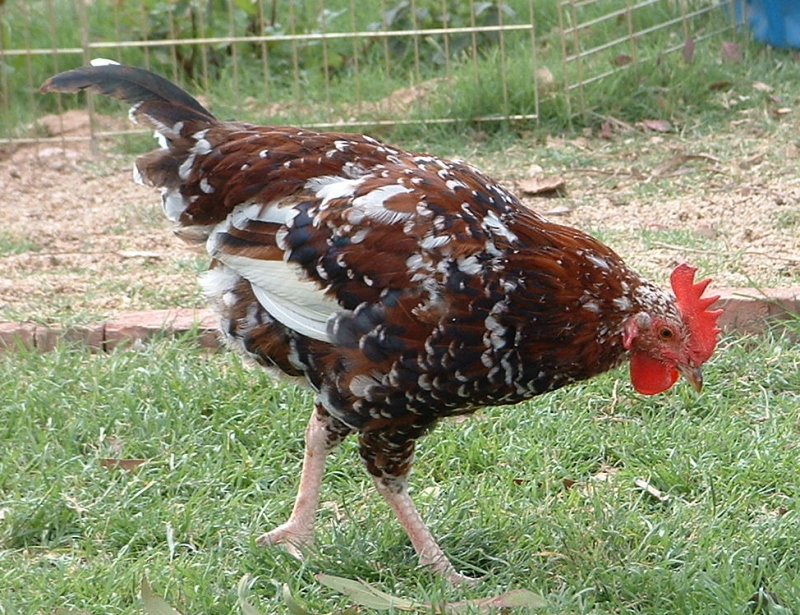
A hen of this breed starts to lay eggs only at the age of 5 months – it is basically a cross breed of Rhode Island Red roosters and Barred Rock hens. They have a calm nature and tend to produce an average amount of eggs which are medium sized.
Black Star hen
What age does hen start laying eggs?
If you talk about juvenile hens or pullets basically, they start laying eggs at the age of 6 months – however, it may depend upon the type of breed. For example, heavyweight chicken breeds tend to produce eggs a little later – it includes breeds like Orpingtons and Wyandottes. In contrast, lightweight breeds like Black stars, Leghorns and Australops produce eggs quickly, relatively.
How to identify cokerals from pullets?
This is one of the most bothering query because many fail to understand the major difference between a cockerel and a pullet. A cockeral would be slightly taller with a large wattle and a tail. Over the time you would be able to see a comb growing at the top of the head.
cokeral
Factors affecting quality and production of eggs:
Firstly, if the feed is not healthy enough, the egg production would be low, and the quality of the egg would also be affected. The major reasons for fall in egg production may be:
Poor intake of water
Decreased intake of daily feed
Poor calcium intake
Low salt intake
Diseases that effect the egg production include:

Egg drop syndrome – An infection affects the reproductive organs of the healthy chicken.

Moltingmolting in chicken also affects the egg production because it is a killer infection. There are many small farmers who experience that hen’s stop their egg production when they are about to molt and that is during winter or fall specially. However, as soon as the molting stage is over, the egg production is resumed. The best part is that a pullet will not molt until it is one year of age.

Epidemic tremor – it is a kind of viral infection

What conditions chickens like?
There is a lot that must be considered in order to provide a cozy and comfortable environment to the hens so that they produce quality eggs. Firstly, commercial feed is essential for of pullet, which ages between 18 weeks – this is the way through which, it will produce quality eggs; and the rate of production would depend upon the quality feed. The supply of fresh water and organic feed is also very essential. In fact, the homemade complete nutritious feed is an excellent option.
Another important factor is lighting, as it remains an essential factor for egg production. Mostly, the chickens start to lay eggs during 25th week, this is during summers. However, in winters, if 14 hours of lighting is provided, than even egg production remains consistent.
Do hens secretly lay eggs?(what are the signs
 the hen shows when she is ready for laying eggs)
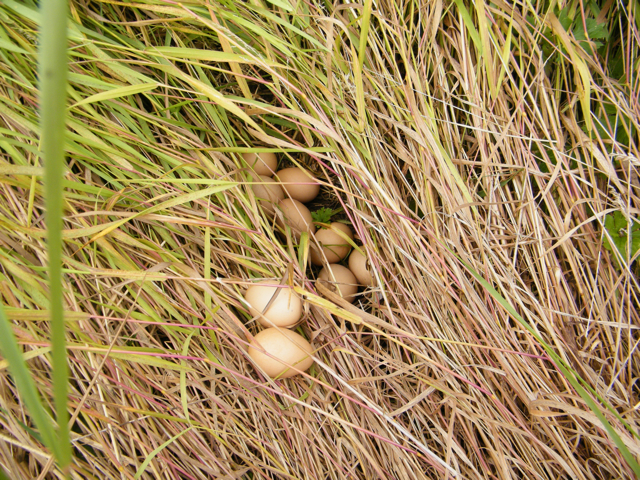
During the hot summer seasons the hens usually lay eggs in the coop or any other place that they usually adore. However, the scenario completely changes when winters are around – people worry about the eggs because they don’t find them in the coop areas. Many times hens don’t use the nest boxes for laying eggs because maybe they just want to bother or tease you. You really need to train pullets to lay an egg in her nesting box because they are very naughty – they lay eggs wherever they feel like, and leave rest to you.
hen hiding egg
The sings that the hen shows before 2 or 3 weeks of egg laying are; they get noisy and their comb really get redish.You must simply use the training technique to teach the pullets regarding the egg laying habits. You can either restrict them into coops only so that they learn to do so, or make the nesting boxes cozy and comfortable so that they simply lay eggs in them. It would reduce your time and energy of finding the eggs in darker backyard corners.