Tag Archives: chicken egg

12 ways to preserve chicken eggs to prolong its freshness

I get really amazed when I see fatty chickens running through the driveway. My friends and family members keep on arguing that why I am spending much time in this hobby? True that it consumes a lot of time and taking care of these cute little fellows is troublesome to some extent. However, I never felt anything troubling, maybe because I was in love with my adorable bird babies. I wasn’t much into keeping the chickens for poultry purposes, because I was attached to my fellows. However, with time my father made me understand that at times we can use the fresh eggs and the meat for the dining table.

Also, the father told me that I can introduce newer chickens to the family so in a way I won’t lose my fellows; I liked the idea, and I must confess one thing over here – since my father told me to use the fresh egg for my breakfast, from the backyard chickens coop, I fell in love with the taste of the egg. It was really very different from those which I used to get from the stores. However, I was quite suspicious to know that how can the egg taste differ when both comes from the hens? Gradually I realized that the egg I obtained from the backyard chicken was fresh, the yolk was more tasty and nourishing, and the outer shell was much harder.

I have noticed some behaviors in these little fellows; hens keep on laying eggs even if there is no rooster available for the fertilization. The conventional breed of hen would lay only one egg per day; however, some people have collected even 8 eggs per week. Summers and springs are considered to be the best periods for hens, while autumn and winters are not much egg laying seasons. With artificial environment and proper lights you can make the cycle work. In order to make the most of the spring and summer seasons egg lying, ample amount of preserving fresh eggs methods have been evolved.

1: For long term storage, the mixture of sodium silicate is quite popular. This is a conventional farmer way for storing fresh hen eggs. In water the powdered sodium silicate is mixed and the fresh eggs are covered completely with the paste; these covered eggs are safely kept inside the stoneware crock. you can keep the eggs fresh up to 2 years with this simpler method.

2: As per the USDA recommendation, it is suggested  to cover the eggs with lime solution and keeps them in stoneware crock; this is another method which is used for keeping eggs fresh for at least 15 months.

3: Never change the temperature of the hen eggs. For example, if you have bought the un-refrigerated eggs from the farm, than make sure you keep them stored in such a place which does not provides difference in the temperature. This would help the egg retain its freshness. In case the egg is refrigerated once, than make it under the similar conditions till use.

4: Backyard chicken eggs can be kept fresh for a year if you opt the freezing technique. Practically it is not possible for one to store four or more dozens of eggs in the refrigerator at a time, but you can do it by keeping the mixture of beating eggs. Consider it as if you are making the scrambled eggs; this mixture if placed in an airtight jar properly, can retain its freshness for 12 months easily.
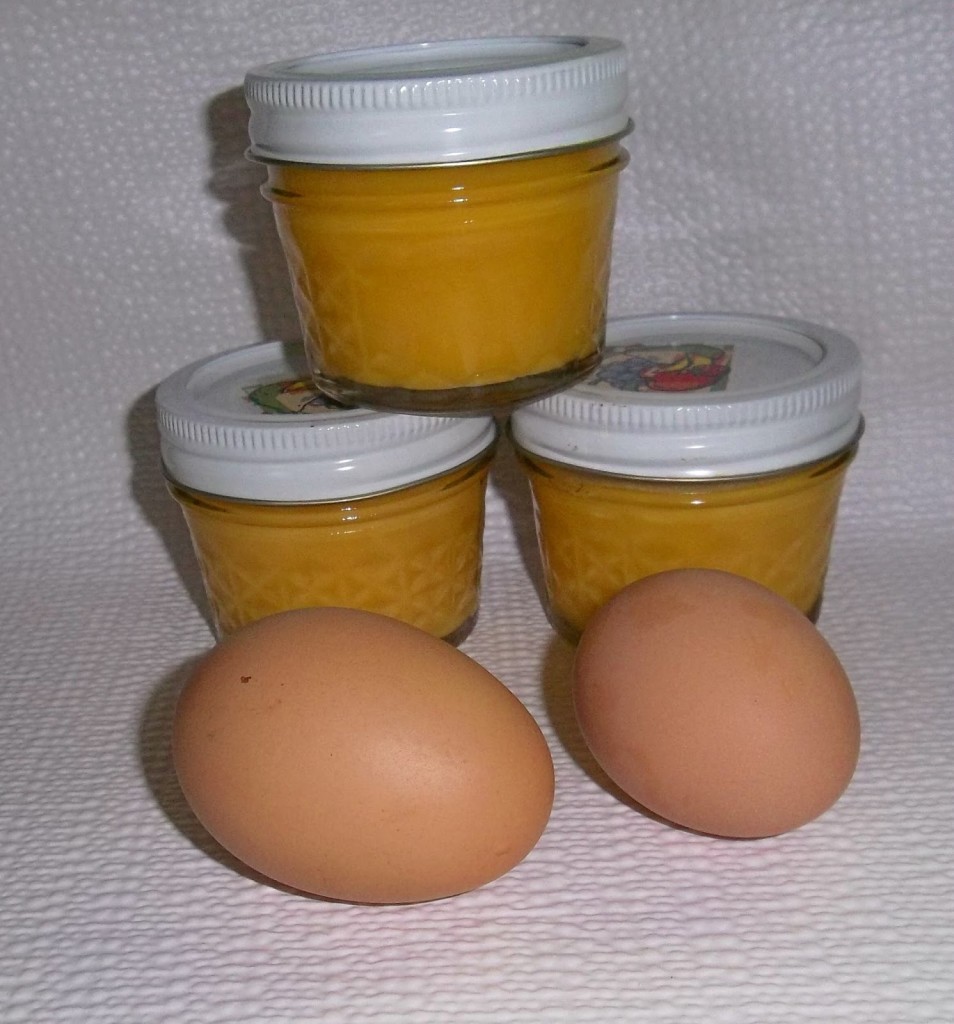
freezing egg

5: You can even preserve the egg yolk for a longer time period. Those who are interested in baking and cooking can add salt or sweet accordingly in the beaten yolks, and keep them in the refrigerator in any airtight bottle. This would help in sustaining the freshness for a year at least.
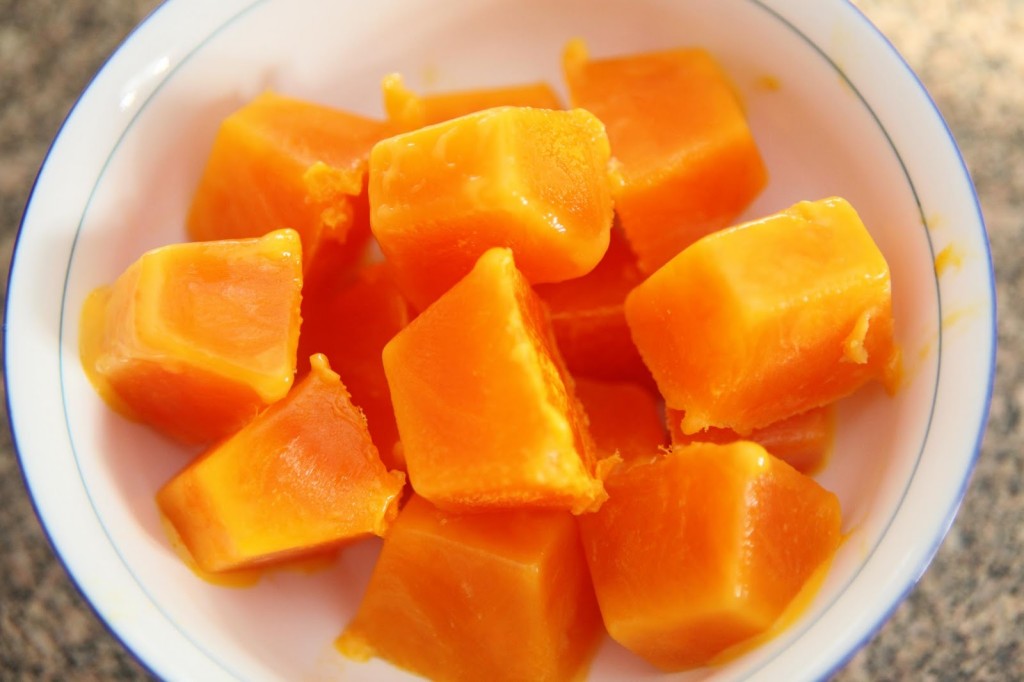
presrving egg

6: In order to keep the egg white useful for a year, you can simply pour them in the ice cube trays and get them freeze. Later, you can keep those egg white cubes in the airtight shopper and leave in the refrigerator at night.This would provide you with fresh egg  for up to 9 months

7: You can simply take help from mineral oil; slight heat some mineral oil and rub each and every egg so that it gets coated. Now you can place the carton in the room temperature or even in the fridge as per your choice. Don’t worry, the chicken eggs freshness would be retained for at least 8 months.
mineral-oil-on-eggs

8: You can take a container and fill it with natural preservative like chopped oats, salt or may be bran and charcoal mixture. Now add the eggs in the container containing this mixture.

9: Unwashed eggs retain their freshness for longer time period; there is a natural protection known as bloom around the egg, if it remains undistributed the egg won’t lose its freshness till months.

10: The ideal temperature for retaining the eggs freshness is 35° to 40°F – At that temperature the egg would remain fresh even after 6 months.

11: Unwashed eggs when placed under dry sand retain their freshness for moths easily.

12: By pasting the coat of Vaseline, you can keep the eggs fresh under normal room conditions.

Feed and Nutrition Guide for Laying and Breeding Hens

Getting Started

When the question arises about what to feed chickens or about the raising of chicken hens, then there are a number of points to consider. Poultry nutrition and feeds are made in order to fulfill the needs of the chickens in a more effective manner and also for the sake of increased egg production. There are a number of types of feeds that are used in the poultry settings. For example, chicks that have just hatched are given starter feeds. In comparison to this, grower and other forms of feed are given to the chickens in their adolescence. It is quite clear from this that chickens require varying levels of feeds and nutrients in order to grow and develop naturally. Although the ingredients that are used in the making of these feeds might be similar, still they come to impact the development of the birds in a different manner. It is an established fact that the amount of nutrients required by chickens vary in terms of their age and requirements. For example, chickens that lay eggs are required to be given some more effective feeds so that they might continue at the same pace. In terms of the specific nutrients which the chickens and birds requires, all of the feeds must contain proteins, carbohydrates, vitamins, fats and much more, all of which are really crucial for their normal development. Any lack in the fulfillment of these nutrients might lead to numerous problems in the health of these animals. Below are the types of feeds used in the farm settings for  feeding chickens.

Starter Feeds

For a period of 6 weeks after hatching, the chicks are reared making use of these chicken feeds, designed specifically for them. These starter diets and nutriments are made in order to boost the speed of growth for newly hatched chicks. In terms of proteins composition, these feeds contain nearly 18 to 20 % of them. Some more efficient diets might also be used for the meat chickens which demand more amounts of proteins and other forms of nutrition for chicken.

starter feed for chicken

Developer and Grower Feeds

At the time the birds reach the age of 6 weaks, it is now time to change the feeds that are being used. Grower feeds typically contain about 15 % proteins which come in handy for maintaining the levels of growth which the animal is going through. By the time the chickens reach the age of 14 weeks, you might replace the grower feeds with the developer nutrients and feeds. The developer feed is really crucial for preparing the chickens for the stage of egg production. Here it is also important to consider that both of these feeds can also be interchanged within the time spans specified above.

grower feed for chicken

Layer and Breeder Feeds

As soon as the chickens start laying eggs, you have an option of introducing these feeds in the diets given to the chickens at these times. The choice for the required feed depends upon the purpose for which the eggs would be used. The layer feeds are specially designed for the hens laying eggs for home or table use. These feeds contain 16 % levels of proteins and high amounts of calcium so that the chickens might be able to produce better layers for an egg or the eggs with stronger shells on them. On the other side breeder feeds are given to the best laying hens and birds that produce eggs for hatching. These feeds are more or less like the layer feeds, but vary in terms of the higher levels of proteins they contain. In addition, they are also believed to contain some extra vitamins for the chickens in comparison to the layer feed for chicken.

layer feed

Medicated Feeds

Most of the medicated foods and diets are prepared to make the animals immune to the various diseases and virus attack that might come their way. In almost all of the farms in the developed countries, these feeds are offered to the flocks. These feeds aren’t normally present in the layer and breeders feeds. Those which contain some substantial amounts of such feeds are labeled. These medications are also subject to some major researches and analysis due to which you can be assured of their safety. At the same time you can also make use of the non-medicated feeds which are easily and widely available on order.

medicated feed for chicken

Water and Scratch Grains

Water is also crucial in terms of the growth and development of the eggs, due to which it should be provided in adequate amounts. Moreover, chickens also love to engage in the process of scratching by making use of their feet. So by making use of such grains, this kind of behavior can be easily reinforced. The feeds used for this purpose are either cracked or rolled.

scratch grains for chicken

Basic Nutritional Facts of Chicken meat and Eggs

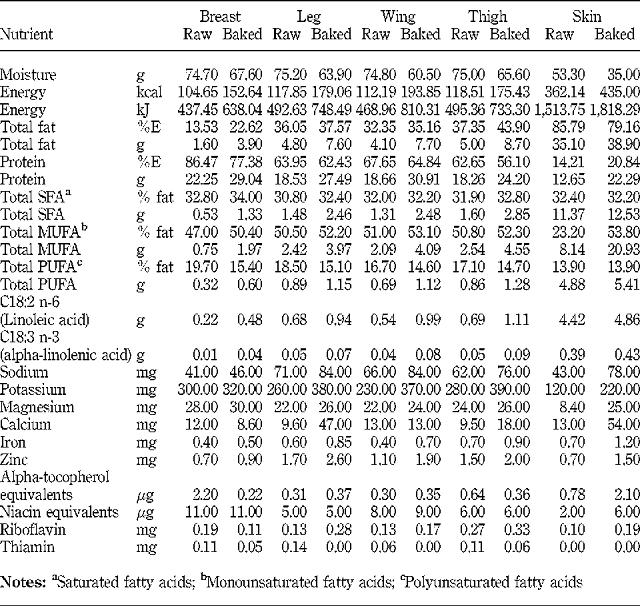
Chicken happens to be the kind of poultry which is high in terms of the nutriments and all other minerals it comes to offer. In terms of the fat levels, the skinless white chicken food is the one which is best suited for those who love to exercise a control on the fats they consume. Surely, human health is best determined in terms of the minerals, vitamins and all other useful nutrients that are available in a certain poultry products. Below are some of the most useful nutrition facts about chicken meat.

Nutrients in chicken

Proteins

Just like the fish, beef and other meaty products, chicken is also rich in terms of the essential proteins. For each ounce of the meat that is offered, 7 grams of proteins is present. In terms of the typical portions that might be consumed, the protein supply falls around 28 grams. In short, the chicken is an all in one protein based product which can comply with all your health related needs. In addition to honing the performance of all the bodily muscles, the proteins in chicken meat is also crucial for the growth of the tissues. The protein in eggs is also one of the reason for which people prefer to use the poultry based eggs.

protein in chicken

Calories, Carbohydrates and all Other Fats in Chicken

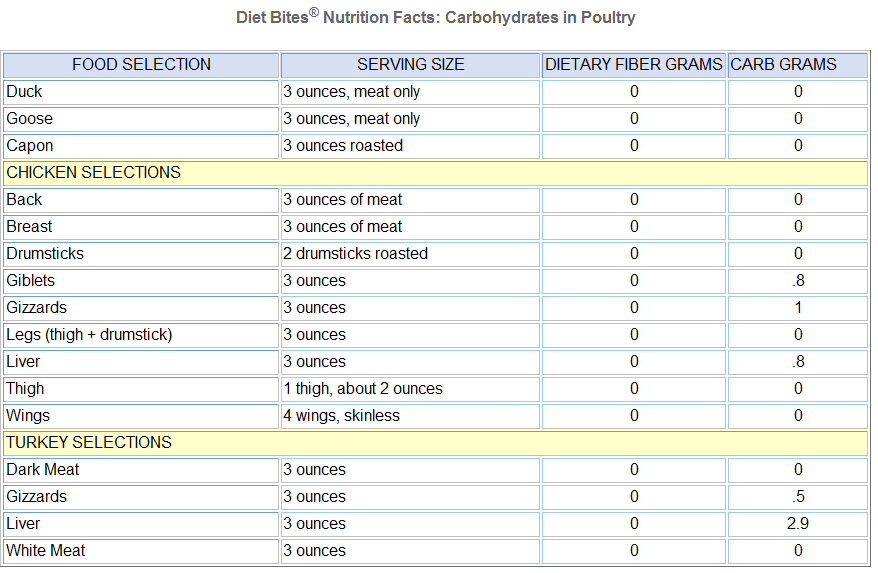
For those who pay a great deal of heed to the levels of carbohydrates they consume, Let me tell you that chicken meat happens to be free from them. According to the most recent nutrition data, the skinless chicken diet ensures that the least amount of fat and calories are allowed to enter into your body. On the other hand, the dark meat is marked for having some higher substantial levels of fat, which can really cause a number of physiological issues. To be precise, if you consume 86 grams of dark meat, then conversely you would be absorbing 165 calories together with 8 grams of fat. Not to forget the 2 grams of saturated fats that you would be consuming.

carbohydrates in chicken

Vitamins in chicken meat

Chicken can be termed to be a prime source of two classes of vitamins i.e. Vitamin B3 and B6. In terms of the recommended daily value of the vitamins, a 4 ounce portion can do it all for you. The Vitamin B3, also known as Niacin, also comes to facilitate the release of the energy from the consumed carbohydrates. At the same time, it also comes in handy in elevating the formation of the RBCS or red blood cells. The role of the niacin based nutriments for the protein metabolic processes can also never be undermined. Making use of the poultry food is definitely worth your health.

Minerals

The 2 prime source minerals, phosphorous and selenium can easily be utilized by making use of a 4 ounce portion of chicken meat. Both of them come to meet nearly 16 and 30 % of the daily optimal or recommended value. The role of the phosphorous involves facilitating the durability and growth of the bones and in strengthening the cell membranes. Moreover, it is also useful in activating the b vitamins which the body requires. In addition to regulating the activity of the thyroid hormone, selenium is also crucial for the performance of the immune system.

Nutrition Facts about Eggs

The eggs happen to be a core substitute to the meat based products. They are not only low in the calorie composition, but are also desired for other basic needs. There are numerous minerals in eggs for which they are widely consumed all over the world. It is one of those versatile foods that were once shunned for the high levels of cholesterol, are now considered to be an integral component of any healthy diet for the individual.

Nutrition Facts about Eggs

Basic Nutriment Values

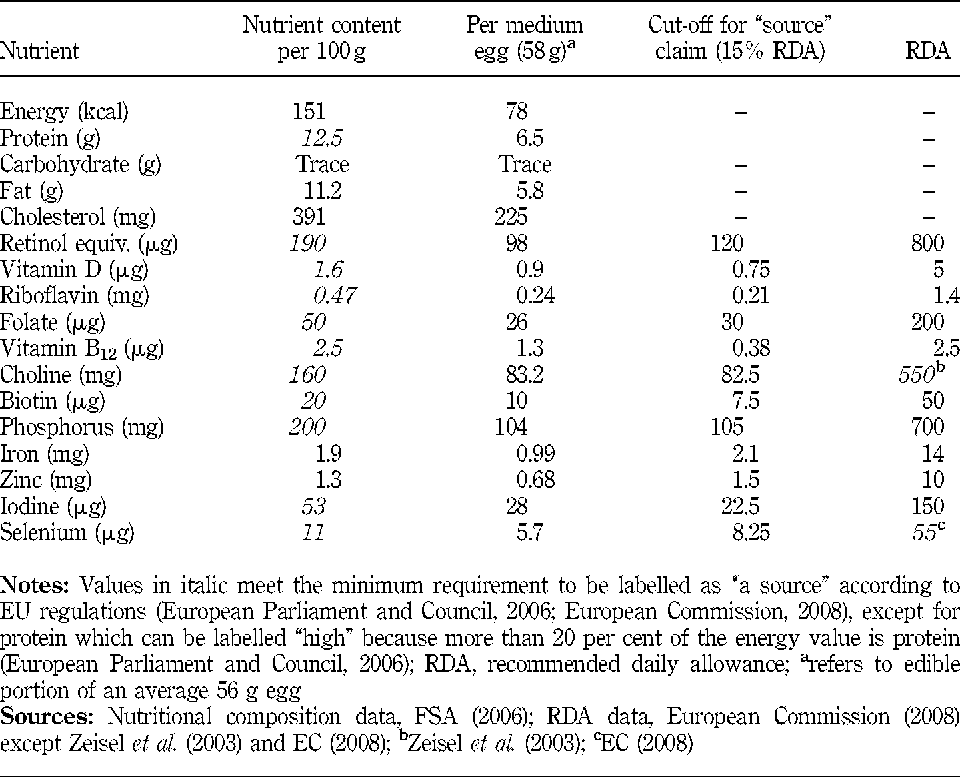
In terms of the nutrient values, one egg contains around 1 oz proteins for red meat. As specified by the US Department of Agriculture, 1 large egg helps in providing 75 calories, 5 grams of fat, 6 grams of proteins, 63 mg of sodium and around 213 milligrams of cholesterol. Moreover, the eggs also happen to be high in terms of the B2 vitamins which they offer. At the same time, the egg yolks have also been proved to be rich in terms of having the presence of 2 antioxidants including zeaxanthin and lutein. Eggs are also considered to be an efficient source of trace minerals including selenium, iodine and molybdenum.

nutrient value of egg

15 uses for Egg Shell-Don’t throw away Egg Shells after having your Breakfast

It is a common perception among us that we think of egg shells nothing but the waste. This perception is completely wrong. A person should know how these shells could be utilized efficiently so as to make the most out of these shells. There are numerous benefits of egg shell. So, don’t throw away those egg shells after taking your breakfast. Below are some of the uses of egg shells.

Help To clear out your drains

You don’t need to use costly, strong and poisonous chemicals to clear out your drains now. Egg shells are great for this work. They work without damaging your hands, sinks, pipes and drains. The procedure is just crushing the shells and then put them in your sink basket. When the water will run, each time egg shells will move along with water into pipes and reach your drains. Egg shells perform as a secure cleanser to remove grease and any other accumulated dirt.

Egg Shells for the Garden

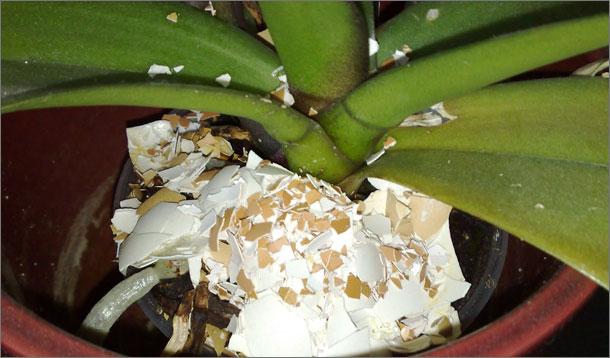
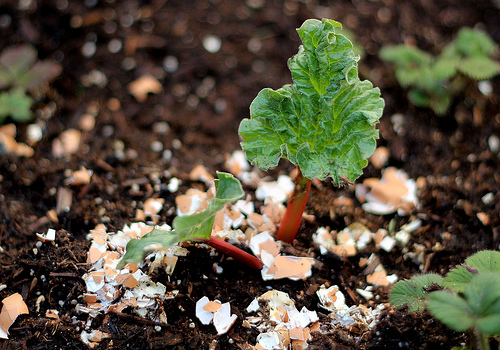
Egg shells are not only useful to clear out your drain but there are important uses of egg shells for the garden as well. Use some of the crushed egg shell and then put them to the bottom of the holes of plants, particularly for the plants of tomatoes, eggplant and peppers. These plants are liable to flourish and also if there is any decay in the plants, it also stops as calcium deficiency is the reason of this decaying and rotting that is being fulfilled by the egg shells.

egg shell for plants

Deter the pests

Using crushed egg shells can help in removing garden pests for example snails and cutworms etc. These pests are really troublesome because they attack at the roots of the seedlings. So the best thing to do is to put egg shell in soil, especially near the roots of the plant which will help in providing prevention from such pests.

egg shell for pest cotrol

 Feeding the birds

As egg shells are a very good source of calcium and proteins, it is also advisable to feed egg shells to chickens, especially to female birds that are ready to lay eggs or have finished laying eggs. Since they need additional calcium so it will work a lot.

Deter the animals

Scatter crushed egg shells all over your gardens to keep the animals like cats from damaging it. These shells akin to the broken glass and will irritate animals’ smooth paws.

Removes Tea Stains

Place the ground egg shell into thermos or the tea pot that is stained with the tea. Leave it for whole night, then next day rinse it with water. The stains will immediately be removed. It does this job very well and leaves no bad odors like cleaning agents and bleaching etc.

 Fertilizer

Since egg shells are filled with calcium and many other mineral deposits, therefore they work greatly as fertilizer for the gardens. And can help in growing of plants more quickly.

egg shell for composting

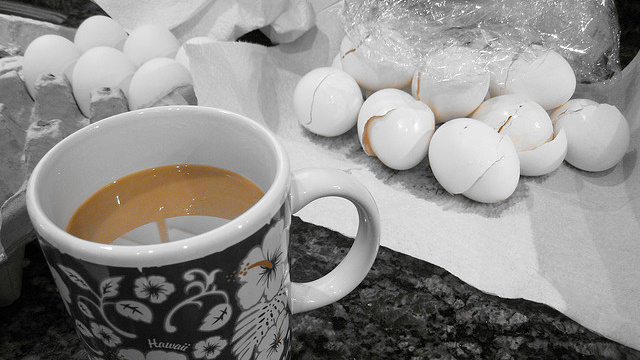
 Smoother Coffee

When crushed egg shells are added to the coffee, it helps in reducing the level of acidity in it and makes coffee more enjoyable.

egg shell in cofee

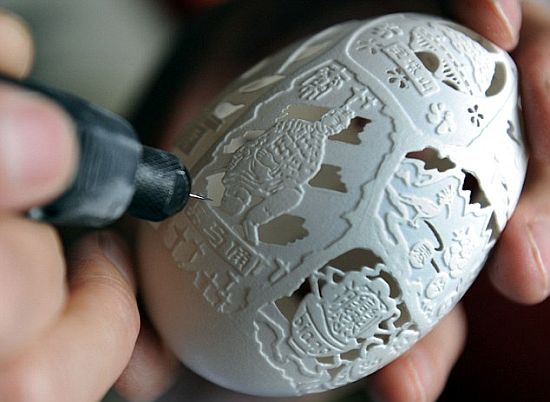
 For Artistic work

Egg shells can be used for artistic purposes as well. From egg shells you can design beautiful carvings. Similarly you can draw the paintings on egg shells for decorations.

egg shell for artistic work

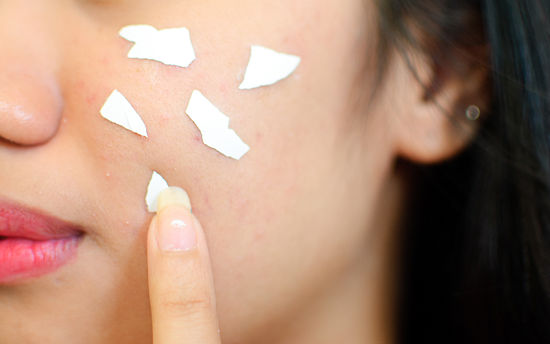
 For Skin treatment

Dried and crushed raw egg shells help to restore a young-look and shine of your skin, mix the egg shell powder with egg white and rub it onto your face. Wash it when it dries.

egg shell for skin


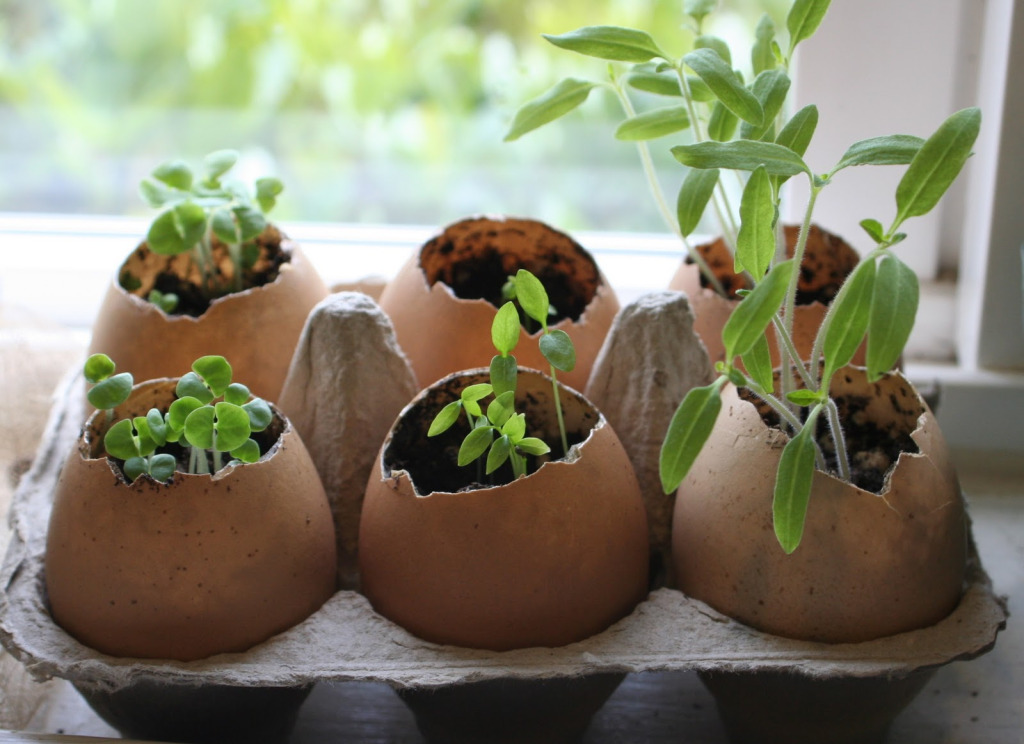
 For starting seedlings

They are excellent to start seedlings. It not only works as the great pot but the calcium carbonate in the shell gives the growing plant additional minerals and nutrition. Crack the shell at the bottom to remove it when the seedlings are big enough for planting in the garden.

Egg shells as Seed Pots

You don’t need to buy some special pots to begin your seeds at home. All you have to do is just fill up half of the egg shell with fertilized soil, and add seed in it. Egg cartons would work best for this purpose.

egg shell for plants


 Egg shells as Household Abrasive

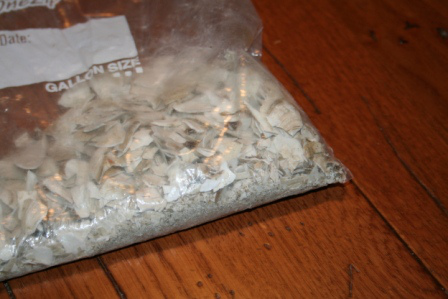
Egg shells can also act like a stain cleaning agent. All you have to do is use some crushed egg shells and add some soapy water to it and clean your vases or thermoses. These egg shells also acts as nontoxic abrasive and can be helpful in cleaning pots and pans.

Membrane Home Remedies

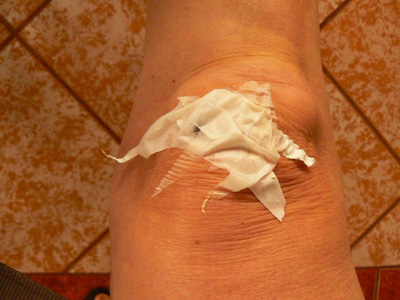
The extremely thin membrane that is present inside the egg shell can also be used for healing of any cuts and treatment of ingrown toenails. This is a best home remedy element found in egg shells.

egg shell for healing

Egg shells – fuel for future

Researchers at Ohio State University have discovered that beside all these uses, egg shells can also be used as hydrogen fuel that will be easily affordable and will help in overcoming the shortage of fuel and its increasing prices.


little homesteading on the hill

10 tips for hatching chicken egg in an incubator

When I was a kid I couldn’t understand the difference between a fertile egg and the non fertile one. It didn’t make any sense to me at that time; I have been brought up in a family which adored poultry the most. With us three siblings, my father had dozen of chickens in the backyard too, and he took care of them as if we all are a family. When I was eight I used to bring a fresh egg from the dad’s farm every day for my breakfast; I always wished to get a chick when I break the shell, but that didn’t happen either. It caused me frustration many times; one fine dawn I looked at my father, he was sorting out the eggs. I could see him packing a box with fresh farm eggs which he was about to send to the grocery store. I inquired about this entire thing and that was the day when I was able to understand the clear difference between a fertile and non fertile egg.

The eggs which we consume are non fertile – this means they cannot be used for incubation. In simpler terms, incubation means egg hatching. In order to obtain fertile eggs farmers need to get them from hatcheries – this means getting the chicks from the eggs under your controlled circumstances.

You don’t need any professional help for incubating chicken eggs; in fact you can do the entire thing on your own. The excerpt would now help to know the ways through which you can hatch hen egg in an incubator.

1: Take equal care of eggs before incubation:

The egg hatchability declines, if proper attention is not paid to the egg before putting it for incubation. A few things to note down here;

  • Practically you may not place the eggs immediately in the incubator, when received.
  • You must not leave the eggs for more than 7 days, after receiving.
  • Make sure the eggs are not prone to changing temperature. Make sure it’s about 50 degree Fahrenheit.
  • The relative humidity level must be between 70 t0 80 percent in a room.
  • Alternatively you can place all the eggs in the vegetable section of the refrigerator – this temperature remains ideal for eggs before they enter into an incubator.(hatchability reduce below 40 degree Fahrenheit. Or 4 C
  • The embryo will start develop when the temperature  reaches at 27 degree Celsius.
2: Placement of incubator:
  • The room must have a temperature of 70 to 75 degree Fahrenheit for better chicken egg hatching.
  • The room where you have placed the incubator must not vary its temperature.
  • Never place the incubator where sun rays have direct access.
3: Organizing incubator for proper working:

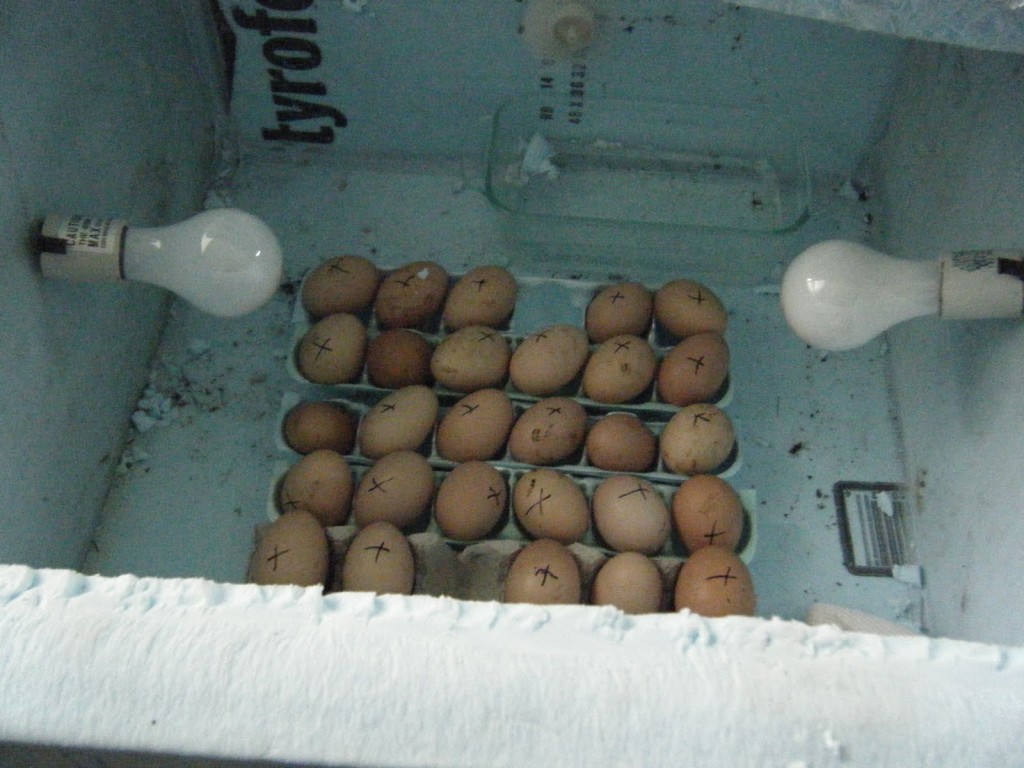
You must have a flawless working incubator; otherwise, all your chicken eggs wouldn’t be worthy for you. In order to provide necessary heat inside the incubator, you may place a few small or large size bulbs. Most of the farmers use 40 watt bulbs because they work best. Also, make sure none of the pores are left open otherwise the entire heat would escape.

4: preparing the eggs for hatching:

Turning the eggs inside the incubator is very essential for better hatching. What you can do is, marking alphabets on either side. For example, you can write ‘Z’ on one side and ‘Y’ on the other – this would help you know which side you turned the last and what should you do at the real time.

marking eggs

5: Humidity:

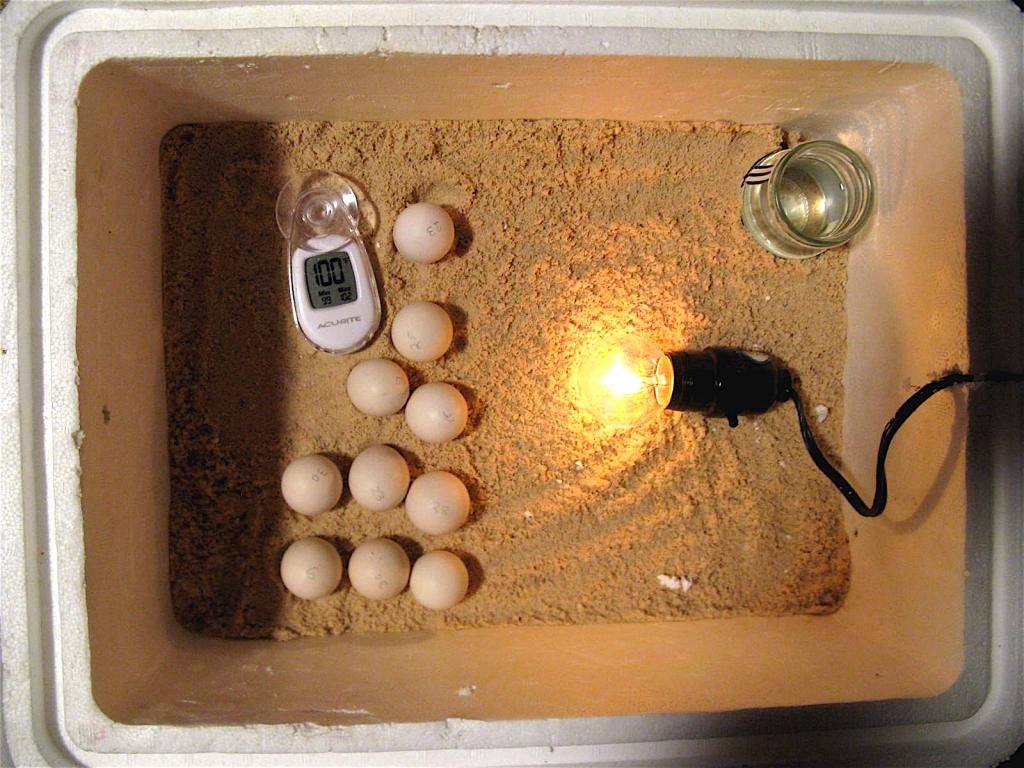
Once the eggs have been placed in the incubator, it tends to lose its moisture during incubation. Therefore, maintain humidity in the egg incubator is very pivotal. Make sure all the time there is a small pan of water inside so that it retains the needed moisture. The changing weather would also affect the humidity inside the incubator, so you would have to adjust it accordingly.

water in egg incubator

The incubation period may be up to 21 days – so what you need to do is maintain the humidity percentage about 55 to 55(83o – 87o F (28 – 31 C). This should be done for first eighteen days, and for the last 3 days it can be near to 65 percent (89o – 90o F (31 – 32 C).

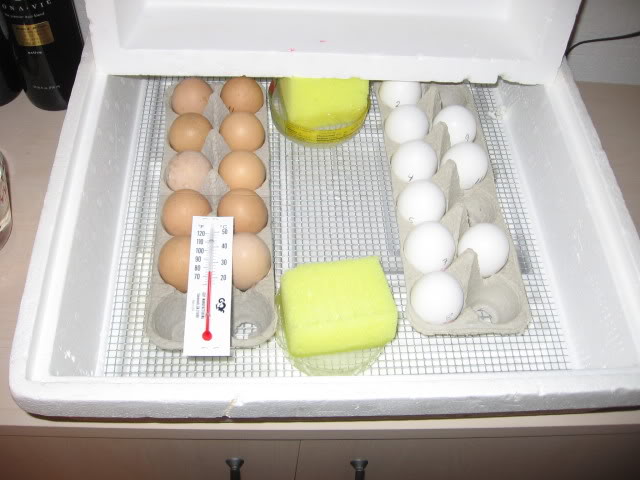
Note: placing a wet sponge inside the incubator can also increase the humidity.

sponge in egg incubator

6: Ventilation:

You need to maintain the flow of air inside the incubator – the shell takes in fresh oxygen to the growing embryo and releases the carbon dioxide. When the egg is about to hatch, the need for getting fresh oxygen increases.

7: Incubation duration:

The incubation period for a chicken egg should not be more than 22 days – usually the chicken egg hatching process ends in 21 days.

8: When to turn the eggs:

You should turn the eggs three times a day – once in the morning, then afternoon and then at night before going to bed. If you won’t do that, the embryo tends to get stuck inside the shell.

9: Eggs candling:

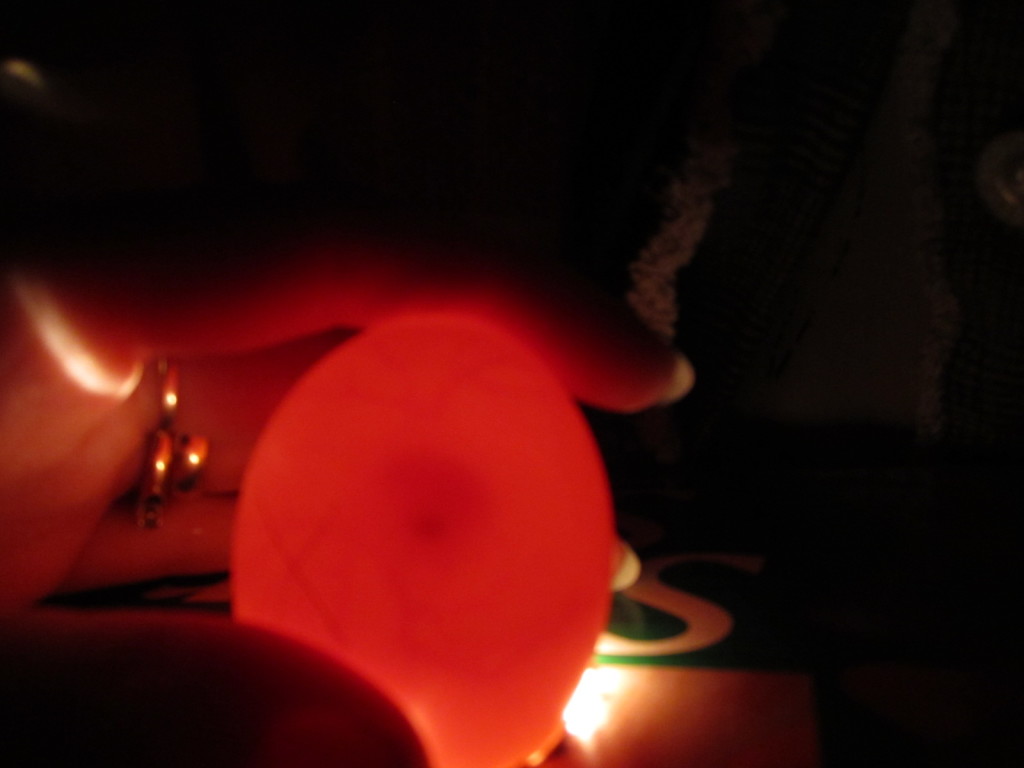
With this procedure you would see the embryo development inside the egg, and remove those which are of no use. However, you must carry this procedure after 8th day or 10th, and not after that. All you have to do is, darken the room, fit a big bulb in a small box and cut it in a manner that you can place one egg over it  if  you see head and eyes of chicks as a dark spot in pinkish color it shows embryo is live and if the color is brownish the embryo is dead.

candling egg

10: Incubation ending process:
  • You must not turn the eggs once they have been in the incubator for more than 16 days.
  • Don’t open the incubator if you don’t have anything important to place inside.
  • The chick obtained beyond 22 days are usually unhealthy.

When Hen Starts Laying Egg,Peak Time,Factors Affects Egg Production

When does the hen produces egg?
If you have a group of little champs, I mean hens in your backyard, then you must have the desire to get eggs from them. Truly, its an ideal breakfast mode but more than that, it can help you generate money for extra expenses or may be savings. However, this is frequently inquired question that when would the hen start laying eggs? Especially flock keepers seem to be interested in knowing about the egg production for the pullets (young hens). They also want to know do all hen lay eggs? This excerpt in detail discusses various types of breeds and types of hen’s egg production – continue reading in order to know more:
Age of the hen which lying eggs:
How old chickens have to be to lay? Normally or you can say in most of the cases, the hen lays eggs at the age of 6 months or 25th week of age. This is a generalized statement irrespective of the type of breed (the earlier age may be 18 or 20 weeks).Young and healthy hens are more reliable or heavier egg production(the oprimum or peak production on an average is 2 years) than those, which are at maturity. They tend to develop virus and infections, which ultimately reduce or stops the egg laying capacity.
Best egg laying breeds:

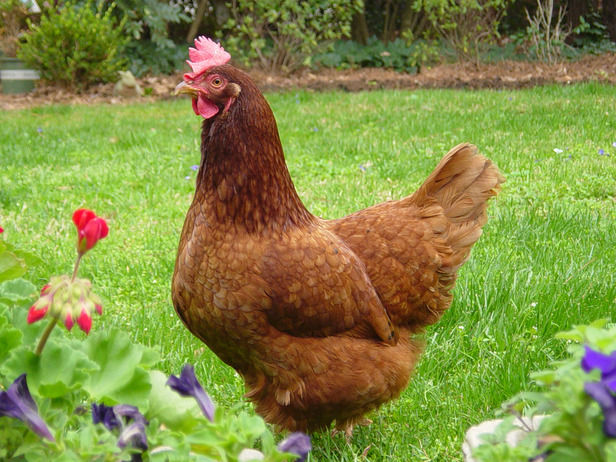
Rhode Island Red:

This type of breed remains popular amongst the small dwellers and lays average amount of eggs. Due to a high tendency to bear both hot and cold temperatures, the hen remain in the best behavior in all types of weather. In fact, this aggressive breed is ideal for both meat and eggs, so if you want to cater this need in the simplest way, make sure you have them in the flock.
rhode island red hen

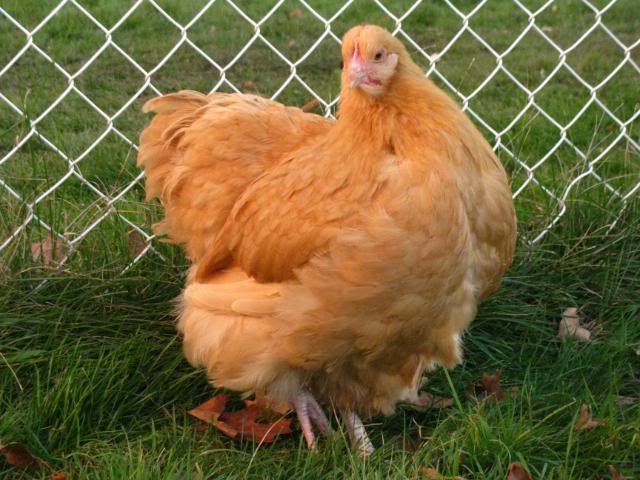
Buff Orpington:

If you want big brown eggs, you must have this breed in your backyard – however, the egg production would be moderate. They are known as excellent chickens because they bear varying temperature conditions. Also, this type of chicken is an amazing brooder as well a great mother.
buff oprington  chicken breed

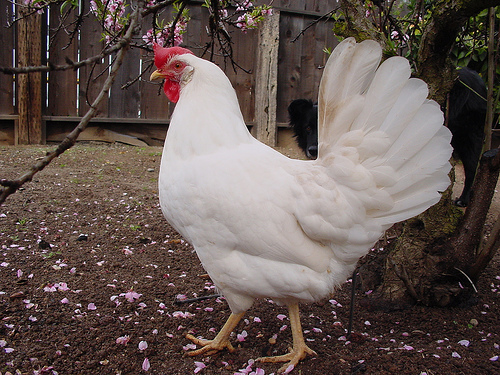
Leghorn:

If you want great white eggs, you must have this breed as necessary – it can produce up to 300 eggs in a year. Not only this but you can use this chicken for meat too.
Leghorn

Ameraucana:

Another name for this breed is  Easter Eggers – they are known to produce alluring eggs in colors of cream, green and blue. The eggs are medium sized and this type of hen produces almost moderate to high eggs in a year. This type of hen is mostly adored in families with kids because they love collection these kind of colorful eggs.
Ameraucana

Black Star:

A hen of this breed starts to lay eggs only at the age of 5 months – it is basically a cross breed of Rhode Island Red roosters and Barred Rock hens. They have a calm nature and tend to produce an average amount of eggs which are medium sized.
Black Star hen
What age does hen start laying eggs?
If you talk about juvenile hens or pullets basically, they start laying eggs at the age of 6 months – however, it may depend upon the type of breed. For example, heavyweight chicken breeds tend to produce eggs a little later – it includes breeds like Orpingtons and Wyandottes. In contrast, lightweight breeds like Black stars, Leghorns and Australops produce eggs quickly, relatively.
How to identify cokerals from pullets?
This is one of the most bothering query because many fail to understand the major difference between a cockerel and a pullet. A cockeral would be slightly taller with a large wattle and a tail. Over the time you would be able to see a comb growing at the top of the head.
cokeral
Factors affecting quality and production of eggs:
Firstly, if the feed is not healthy enough, the egg production would be low, and the quality of the egg would also be affected. The major reasons for fall in egg production may be:
Poor intake of water
Decreased intake of daily feed
Poor calcium intake
Low salt intake
Diseases that effect the egg production include:

Egg drop syndrome – An infection affects the reproductive organs of the healthy chicken.

Moltingmolting in chicken also affects the egg production because it is a killer infection. There are many small farmers who experience that hen’s stop their egg production when they are about to molt and that is during winter or fall specially. However, as soon as the molting stage is over, the egg production is resumed. The best part is that a pullet will not molt until it is one year of age.

Epidemic tremor – it is a kind of viral infection

What conditions chickens like?
There is a lot that must be considered in order to provide a cozy and comfortable environment to the hens so that they produce quality eggs. Firstly, commercial feed is essential for of pullet, which ages between 18 weeks – this is the way through which, it will produce quality eggs; and the rate of production would depend upon the quality feed. The supply of fresh water and organic feed is also very essential. In fact, the homemade complete nutritious feed is an excellent option.
Another important factor is lighting, as it remains an essential factor for egg production. Mostly, the chickens start to lay eggs during 25th week, this is during summers. However, in winters, if 14 hours of lighting is provided, than even egg production remains consistent.
Do hens secretly lay eggs?(what are the signs
 the hen shows when she is ready for laying eggs)
During the hot summer seasons the hens usually lay eggs in the coop or any other place that they usually adore. However, the scenario completely changes when winters are around – people worry about the eggs because they don’t find them in the coop areas. Many times hens don’t use the nest boxes for laying eggs because maybe they just want to bother or tease you. You really need to train pullets to lay an egg in her nesting box because they are very naughty – they lay eggs wherever they feel like, and leave rest to you.
hen hiding egg
The sings that the hen shows before 2 or 3 weeks of egg laying are; they get noisy and their comb really get redish.You must simply use the training technique to teach the pullets regarding the egg laying habits. You can either restrict them into coops only so that they learn to do so, or make the nesting boxes cozy and comfortable so that they simply lay eggs in them. It would reduce your time and energy of finding the eggs in darker backyard corners.

15 tips for collecting and cleaning fresh eggs

Keeping chickens in the backyard is amongst the most beneficial hobbies; I have adopted this habit of raising chicks and chickens from my forefathers. It is indeed very exciting and rewarding, as the cute little fellows run here and there through the driveway. Sooner, the day would come when your little fellows would transform into big beautiful hens and you would be able to grab a few eggs from their nest for breakfast. Indeed, you will actually feel the difference in taste and look of the fresh farm egg that you obtain from the backyard chicken and the one you used to bring from the grocery store.

I have variety of chicken breeds in my farm so I get the chance to enjoy both white and brown eggs; there is particularly no difference between the tastes of the two, but I enjoy white egg more. It’s my personal experience, the weather is warm usually the summer and spring seasons, the hens lay more eggs. I have a small flock of ten hens and they almost lay 8  eggs on a daily basis. However, this small flock provides with lesser amount of eggs when its winter and autumn. Even the age of the hen affects the egg production; the older hens start producing lesser number of eggs than before.

When it’s the peak time of egg production, you must pay special attention to your flocks. It’s ideal to store more eggs during the time and store eggs for prolonged winter and autumn seasons. You must be wondering about the tips on collecting and cleaning eggs. The excerpt highlight important and useful tips that can help you achieve your goal easily;
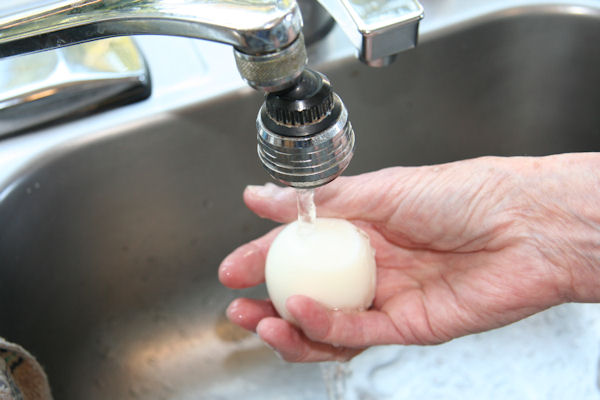
Even before the process of cleaning chicken eggs the process of collecting the eggs matters. You cannot simply disturb the hen and get out the eggs just like that; it can even destroy the egg while making it dirty at the same time.
1: The nest must be maintained:

A raw nest would never be robust enough to take care of the hen’s egg. You should make sure that the nest is fully covered with straws or feathers. In case the nest is not having any gaps than immediately fill it with feathers again.

2: Collect the eggs as soon as laid:

There are many chicken raisers which keep the eggs in the nest or under the hens overnight – this many times lead to the breaking of the eggs. So, during the peak egg production time, you must collect the eggs twice a day.

collecting egg

3: Keep hens away from the nest when eggs have been laid:

You must make sure that the nest is at a height that chicken does not get on it after laying the eggs. If the hen will rest again on the eggs, the chances of getting dirt and murk are more; also, the eggs are prone more to damage.

4: Play with the hen:

As soon as the hen has laid eggs, distract her by providing her delicious meal. She would get busy eating the meal and meanwhile you can collect the eggs easily.

5: Always keep the eggs in a plastic tray:

Whenever you collect the fresh eggs place them in a plastic tray, so that they do not get damage while taking to the kitchen.

6: Keep clean and dirty eggs separately:

While collecting eggs make sure you keep clean and dirty ones separately.

7: Egg cleaning:

Try your best that you get the cleanest form of eggs from the nest. On collecting the eggs on time it is very simple of finding the fresh and warm hen eggs.

8: Washing eggs is not suggested:

Washing fresh egg leads to removal of the egg bloom – it is the natural protective layer on the egg which ensures that it retains the fresh and acts like a germ shield too. However, if the egg is extremely murkier than you can opt simple ways of cleaning it.

9: Dry cleaning eggs:

It may sound weird to you but buffing the egg with fine sandpaper helps in removal of the dirt. By doing so, you can also make sure that the egg bloom remains protected.

10: Wet cleaning

As the name suggests, it is the process of washing the eggs with water for removal of darker stains and dirt. But wash it under running water just warmer then the egg not in cool water.

11: Rubbing eggs with a cloth:

This is another simple tip of egg cleaning – whilst collecting the eggs from the nest keep a cloth with you; the warmer eggs can easily get rid of stains of murk in any.

12: Run eggs under lukewarm water:

The dirt and murk would easily wash away by putting the eggs in lukewarm water bucket. Never ever think of washing the eggs in the cold water, it leads to bacteria development.

washing egg under water

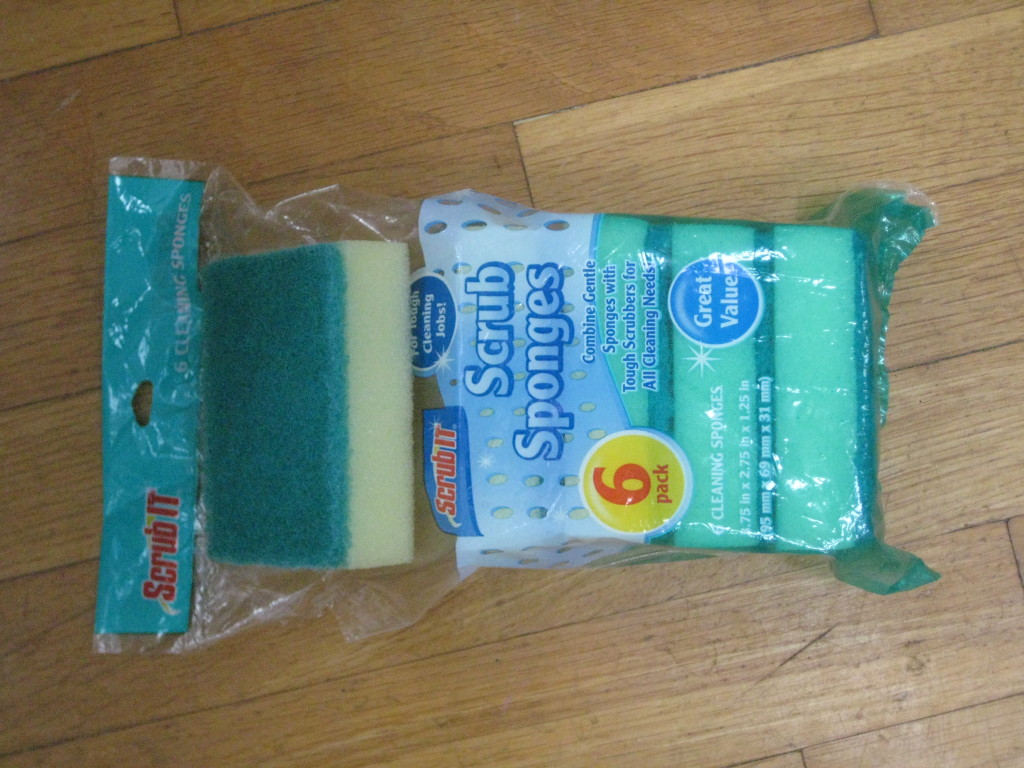
13: Use non-abrasive sponge:

Sometimes the stains are quite irritating and they don’t wash away easily. At such points you can use a non-abrasive sponge dipped in any detergents and wash the egg smoothly.

14: Scrubbing helps:

Raw eggs with stains and chicken’s dirt must be softly scrubbed with a sponge or sandpaper. This helps in removing the stains without much effort.

sponge

15: Keep your coop clean:

If you would work hard on cleaning the coop clean, you would easily get cleaner eggs. If you would leave the broken eggs and dirt in the nest, newer eggs would get the same dirt and cleaning them would get compulsory.