Category Archives: Knowledge Centre

Poultry Layer Management,A Guide To Optimal Egg Production

MANAGEMENT OF LAYERS

Maximum hen-housed egg production with fair egg size, feed efficiency and minimum mortality are the prime goals of layer farming. Beside good genetic make up of bird, management during laying plays an important role to achieve the above-mentioned targets in egg production. Following are the vital aspects of efficient layer management:

Segregation and Transfer of Pullets

Ready to lay pullets should be shifted from grower to layer sheds around 16 to 18 weeks to allow 1 to 2 weeks adaptation period before laying starts. During pullet rearing it is quite possible that inspite of providing highly suitable management facilities, some pullets may lack in size and development of body. In real sense, genetics itself allows one to two per cent culling. Such under­developed pullets should be segregated while transferring them to layer sheds and be housed in separate compartments of cages or sections of house in case of deep-litter, to allow them to avail extra nutrition to achieve normal standard of growth. These segregated pullets are fed 2 per cent extra protein along with the additional minerals and vitamins including liver tonics to gain normal growth within 3-4 weeks. The pullets which are blind, crippled, emaciated, injured, and infected are discarded at the time of shifting.

Floor, Feed and Water Space

Floor space of   1800  to 2200 cm2 per bird on deep-litter and 337 to 375 cm2 per bird in cages is recommended for layers. Breeders are provided with little higher space of 2300 to 2700 cm2 depending on size of birds. About 12 to 15 cm linear feeder space and 2.5 cm water space per bird is adequate during laying. On deep-litter system one laying nest for every 4 to 5 hens with perch at entrance is provided for comfortable laying and clean egg production. Inade­quate management facilities leads to reduced egg production and feed efficiency; increased disease incidence and mortality and sometimes cannibalism also.

Temperature in Layer House

The comfortable temperature for optimum laying ranges from 18.3 to 21.5°C (65°-70°F). Both higher and lower temperature affect the egg production and quality of eggs adversely. Egg production starts declining when temperature rises more than 27°C while egg size starts reducing from temperature of 24.5°C onwards only. The higher temperature in general is more harmful to birds than lower temperature. The effects of cold whether become more prominent when temperature drops below 12.8°C.

Supply of Artificial Light

From 21 weeks onwards, the layers should be provided with artificial light, starting with total 14 hours duration and gradually (1/2 hour/ week) be increased to reach to 16 hours and kept constant upto 42 weeks of age.

At the age of 43 weeks it is again gradually increased to 17 hours. The day length is considered to be 11 hours in winter and rainy season while 12 hours in summer season for providing total light. The total artificial light may be divided equally in morning and evening.

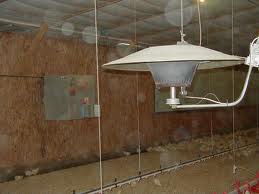
The appropriate lighting schedule stimulates egg production by 4 to 6 per cent, while irregularities in lighting can cause drop in egg production. The intensity of light at birds eye level is important to stimulate egg production, which is 0.9 to 1.2 foot candle. A bulb of 40 watts with reflector hanged at height of 2.2 m above floor level for 3.5 m2 floor space, provides correct intensity. But the bulbs must be cleaned for dirt periodically (once in 15 days) for bright illumi-nation. Layers should never be exposed to reduced light schedule which lowers down production considerably.

Breeder management is similar to layer management except their diet contains extra protein, Mn and Vitamin E to ensure desired fertility and hatchability. Breeder males and females should be reared separately from day-old age, which ensures uniformity in growth, reduces culls and gives better production during laying.

Reducing Stress

Factors such as vaccination, medication specially antibiotics, disease outbreaks, improper and restricted feeding, extreme weather changes, starvation, high production and shifting from one to another house induces stress in chickens. This results in drop in egg production, poor growth and increased susceptibility to diseases. Administration of electrolytes, vitamins, minerals, controlling effects of weather changes helps to reduce or combat the stress on birds.

Feeding and Watering

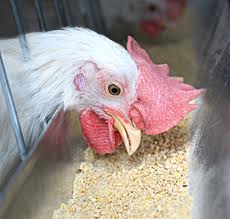
Not only the quality but quantity and methods of feeding adopted also play an important role in making profits from layers. The chickens like white leghorn layers should consume about 105-110 gm of feed/day/bird, while dual purpose breeds like RIR, New­hampshire, etc. will eat around 115-120 g/day/bird on an average. Higher or lower intake less than recommended requirement indicates impairment in quality of feed or stress/disease condition which should be corrected accordingly. Minimum two feedings should be followed to avoid staleness and wastage of feed. All mash or pallet feeding is good method of feeding to achieve optimum performance of layers.

Birds should be provided fresh, clean, cool and potable drinking water all the time. As a thumb rule bird drinks 2.5 to 3 times of water of feed consumed depending on season and size of birds.

Vaccination

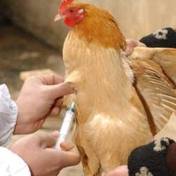
From 42 weeks of age onwards, every 3 months, layers should be vaccinated lasota vaccine through drinking water to boost up immunity and to maintain proper titre levels of antibodies against Ranikhet disease. Automatic vaccinator is being used nowadays

Culling

It is one of the constant and important operation to be practiced at- least bimonthly to improve economy of farming and to remove focus of infection.

Record Keeping and Analysing

Relevant record keeping of feed intake, egg production, vaccination, medication, mortality, culls, receipts and expenditure and periodical analysis of them helps in correcting mistakes and improvement in management to increase profitability.

Housing

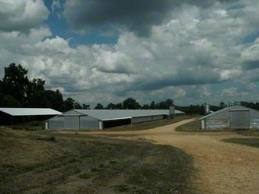
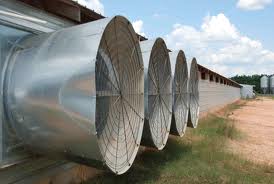
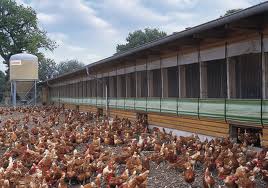
The layer houses should be well-ventilated, reasonably cool in summer and warm in winter but free from drafts. The open-sided poultry sheds which are popular in our country, fulfills above requirements with specific management in summer and winter. They are cheap for construction and easy for maintenance also.

A beginner guide for building a chicken coop

Masses in many countries are getting inclined towards the idea of backyard chicken coop. The idea of raising your own chicken can be used as a very interesting hobby and it also allows you to attain fresh eggs that these chickens produce. There are various aspects which you need to study about chicken coops to build the most suitable coop. Now the basic ingredient of raising chickens is a chicken coop which can be made by a person at home or can be easily acquired from the market. Making a chicken coop at home is though not simple for the one who has no idea about the technicalities involved and the features which need to be incorporated in the coops. You can use various plans to build a chicken coop but some important factors need your consideration. So here are some important pointers for the beginners who are going to give this idea a go:

1.Characteristics of chicken coop

There are various characteristics which need to be considered while going for an easy to build chicken coop. First of all decide the size which you need to come up with as this will decide the number of birds which you can keep in it, and it also gives you the idea of the space requirement. The other features or characteristics of a chicken coop are the proper provisions of ventilation, provision for natural sunlight, perches, nesting boxes, feeder location, windows and mobility etc. All these characteristics are must to be incorporated in a coop.

characteristics of a chicken coop

2. Design of a house(moveable or fixed)

Before making a chicken coop, one needs to understand the designs which can be used for this purpose. You will find that manufacturers are making chicken coops in unlimited designs but all are based on the idea of making them viable for healthy growth and productivity. So care should be taken while you design e.g. proper location for the feeder so that it is easily reachable by the birds. Now chicken coop or houses can be made both fixed and portable but the portable ones are more preferable as you can easily change its location whenever you need to. The purpose can be achieved by incorporating tires beneath the structure.

design of a house moveable or fixed

3.Space requirement for chicken

Building a chicken house comes with proper space requirements because you not only need the primary area where they will be kept but also a chicken run area where they can roam, as it is a necessary exercise for their growth and productivity.  So, building a chicken run with suitable space is mandatory.

space requirement for chicken

4. Proper lighting

When building a chicken house, always be aware of the fact that proper availability of light is very important for their egg laying ability and their proper health. So always incorporate a proper window in your chicken house and make your chickens happier and healthier.

proper lighting

5.Ventilation requirement

Being amazing producers of ammonia, heat and moisture which they surely are, chickens need proper provisions for  ventilation in their houses as it removes humidity and dampness. They get rid of the water they drink in the form of vapors through their breathing and this makes the environment in the coop air-humid or unhealthy for easy breathing. So, proper ventilation is something which is vital.

ventilation requirement

6. Roost

When making plans for chicken coop, also keep in mind that chickens like to sit or perch on limbs or rods, this is called chicken roosting. So always incorporate a rod into your chicken coop and make sure that the rod has enough space available for all your chickens to roost. These little things may sound irrelevant to you but all have their impact on the chickens growth and productivity.

roost

7. Nests

Now this factor is what complies with the basic aim of building coops i.e. eggs production. Chicken for laying eggs need to have nesting boxes placed in their coop. Always provide at least one box per two to three chickens and ensure that the roof or top of such nesting boxes are not in the access of the chickens or else they will use it for the purpose of perching.

nest boxes

8.Fencing requirements to protect from predators

Skunks, raccoons, cats and untamed dogs can always pose a threat to the chickens as it is always a good dinner option for them. Mere chain linking fence is not a proper ploy as raccoons and skunks can easily sneak in through the wholes which are normally found in an average fence of chain links. So always go for the ones with small holes. Here are 15 tips to protect your chickens from predators.

fencing requirements to protect from predators


9.Protection from uncongenial weather condition

Now this is subject to the region in which you live in. if you are at a place which receives plenty of rain, place the coop at a higher position to prevent them from flooding because wet chicken can result in a seriously ill or dead chicken. Similarly the climate will decide the breed that you can keep or the breed which can survive.

protection from uncongenial weather condition

Bedding Material choices for Chickens Coop

Raising chickens is just like raising the little babies – they require extra attention, affection and care, indeed. When you see your baby chickens and the adult ones roaming here and there in the backyard, a strike of happiness comes out of the heart. My father was right; raising chickens is an interesting yet addictive hobby. My experience of raising chickens is not really vast, but within a short time span I have done a lot for my little babies. I loved the coop building part and yes, decorating it even was an interesting end. Similarly, setting up the food containers and building territories was even something I enjoyed a lot.

I don’t have a larger flock of hens and chicks but that does not mean my efforts towards the maintenance are low. Irrespective of the number of fellows you have, you cannot compromise on the chicken coop materials; similarly, the bedding options in the coop are something that cannot be even overlooked. A comfortable chicken coop consists of lots of bedding. You must be thinking why is that so? Have a look at major perks of beddings;

  • It absorbs the urine
  • It absorbs the other chicken droppings (waste)
  • Acts as a nesting material – hens comfortably lay eggs there


Different and popular types of bedding:

Pine shavings:

All those who are into small farming or backyard chicken keeping, adore pine shavings, this makes it a popular type of chicken coop bedding. The most attractive feature of these pine shavings is that they have the ability to absorb the entire wetness and smell as well. This acts perfectly in litter management irrespective of the skin of the coop. Also, these pine shavings are quite lightweight and soft, and when the hens lay eggs on these, they remain prevented from being damaged. Also, these shavings are easy to remove and replace. As a whole these are ideal type of bedding options – they are one of the cheap chicken coop beddings and costs between $6 and $9. You can easily shop for them online; however, make sure you don’t get puzzled between the pine chips and shavings. Chips are not a very good option, so refrain from its purchase.

The only problem with this bedding is its dusty nature – it can cause issues to other flocks if you have any, but chickens remain safe.

Pine shavings

Hay or straw:

The second choice of many homesteaders is hay or straw when it’s about choosing the chicken coop nest or floor  bedding. Due to less in price and durability, many backyard raisers have bunches of straws in their garages. They act more or less like the pine shavings – they act as good absorbent of the chicken dropping and also prevent the bad odor from taking over the coop. However, you must not compromise on the quality of the straws or hay – many complain that the straws remain moist and that is why after a day or so the coop began to stink. Many even speak against the idea that nothing like this happens. So, potentially the major fault is seen with the quality of the straw. Make sure you inquire from the seller about the A and B categories. Since years people have been using these hays in the nests of the hens where they lay their eggs.

straw

Shredded newspaper:

This is an amazing bedding alternative; truly, it is the most cost effective technique too. My father had a lot of newspapers and we thought of recycling them this way – by shredding the newspaper into smaller bits, they can be used as chicken coop flooring easily. Many different types of ideas must be prevailing in your mind at the moment, I am sure – all your doubts regarding this bedding type would clear by going through the research findings;

  • Just like all other bedding options, newspapers have higher absorbing capacity.
  • The newspaper ink is of no harm to the chickens or any other coop bird
  • By adding some soiled bedding on the newspaper you can restrict from decomposing

However, many times it has been seen that the chickens are not much comfortable with the newspapers flooring – so, if that’s the case you try using sand on it too. If this technique does not work, then accept the fact that your fellows are quite arrogant.

Shredded newspaper

Add a little DE

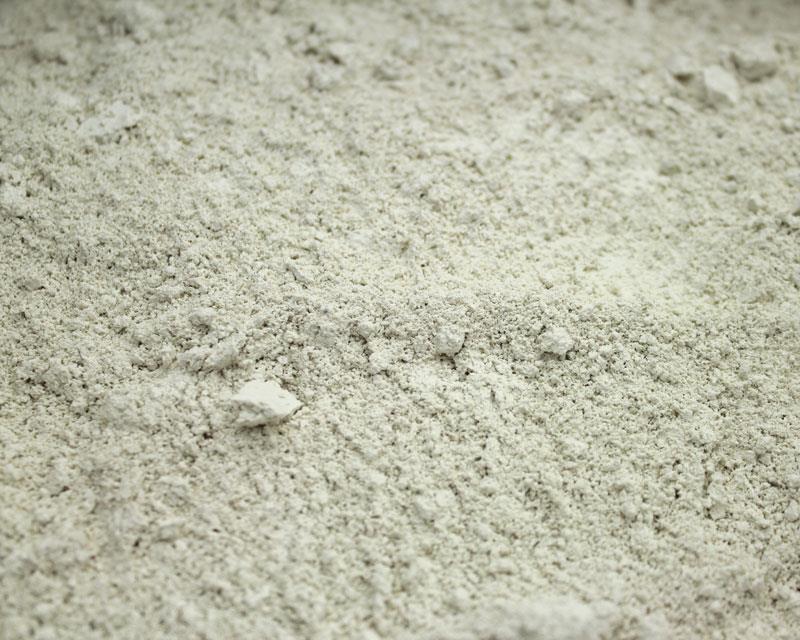
Many backyard chicken raisers add DE, also known as Diatomaceous to the chicken coops. Many haven’t heard about DE as yet – it is a white abrasive powder substance that is obtained from a distinctive type of ‘algae’. It acts as a wonderful odor controller and also helps prevent the coop and the birds from getting mites and lice. In order to keep your birds healthy, always use the food-grade DE.

Diatomaceous earth

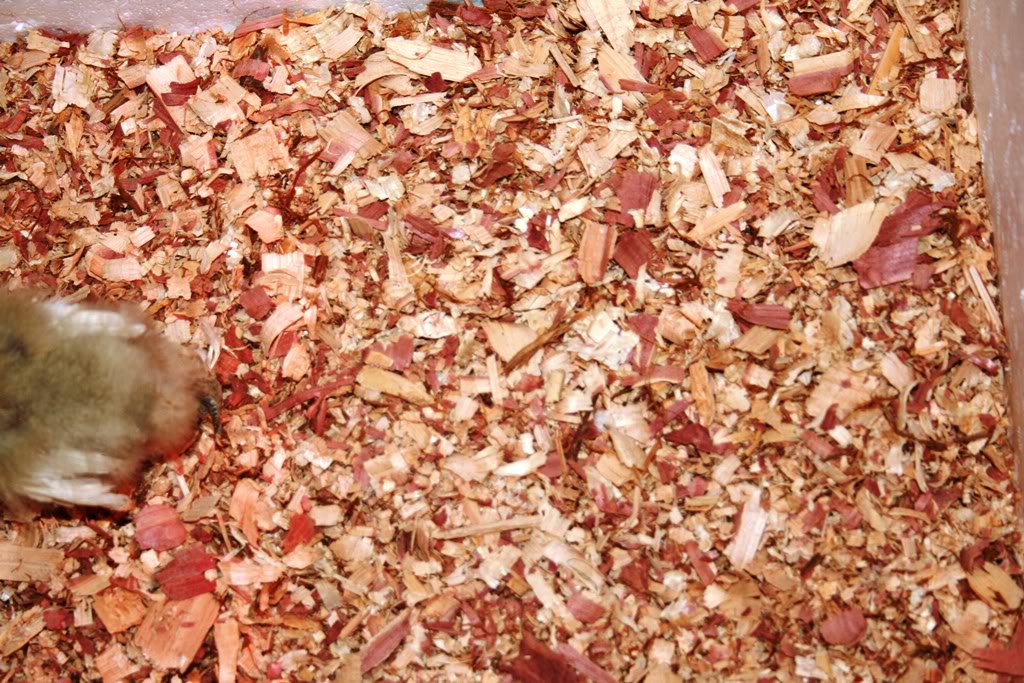
Cedar shavings:

Cedar shavings also act perfectly to fill the needs of the chicken bedding. They carry very pleasant aroma, but it is said that they can even affect the birds.

Cedar shavings

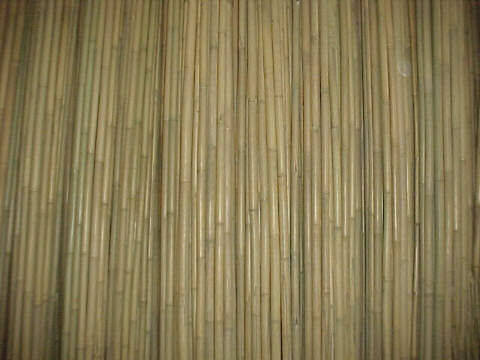
Bamboo sticks:

For chicken coop floor covering ideas, bamboo sticks can even be used. Due to massive production of these sticks in the market, you can obtain them on very feasible rates. They work as sheets on the floor and help in gathering the litter in a better way. Chickens even adore walking on such bamboo stick floorings.

Bamboo sticks

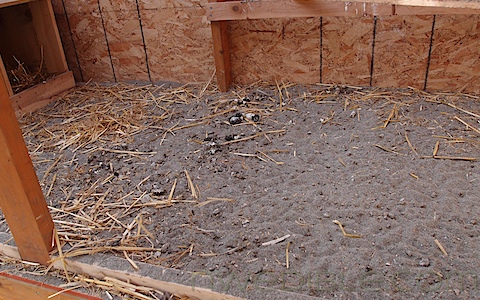
Sand flooring:

The idea of proving the chicken coop with sand flooring is indeed amazing. Firstly, the sand being a natural component does not affect the health of the birds, and also contains all the great advantages that you have been looking for. However, the choice of the sand is something really important to consider here. If you have small farms you can use the litter contain sand as fertilizer there – many do so because it’s really effective.

sand bedding

Sawdust:

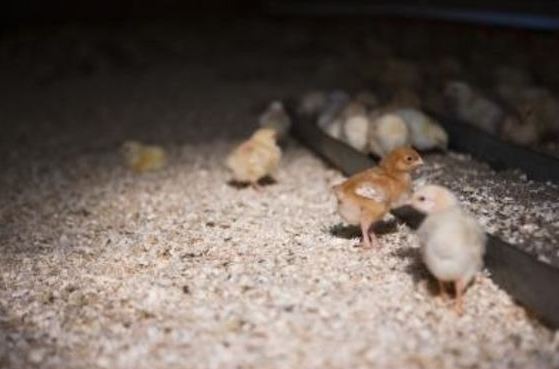
The use of sawdust in the chicken brooder is also an amazing option. It has a very soft and natural smell that keeps the internal environment of the coop lively. Also, if you use them during the winters, the chicken coop  would remain warmer. However, sawdust can create trouble if it gets really wet. It is then prone of bacteria too – so, in case it gets wet, you would have to change the flooring on alarming basis.

sawdust

10 most common diseases in backyard chickens- symptoms,treatment

I don’t need to accentuate on how more and more people are getting into the habit of raising backyard fellows – this activity is indeed of more interest to people because of its mesmerizing benefits – poultry provides with fresh yummy eggs as well as meat; everything is right there in your backyard, wow, so economical. However, this pocket friendly option may turn into cost if you fail to take care of the little fellows. You may have enough experience in dealing with chicken daily care, but no knowledge of chicken health. Spreading of pathogens amongst the flocks is really common, but with proper care and attention the chances can be minimized. Although the smaller backyard setups are lesser affected by poultry diseases but the owners must know about the basic symptoms and necessary preventions so that a cure can be provided before the worst happens.

1: Fowl Pox:

In layman’s language this disease can be referred to chickenpox, but is way different from the ones which affect humans. It’s a viral and contagious disease which can spread directly or by mosquito – the basic chicken disease symptoms are the visibility of warty bumps near the legs; also, you may see the formation of lesions in the mouth area. Vaccination is the only prevention, in worst cases; it may kill the chickens too.

fowl fox inchickens

2: Infectious Bronchitis:

This is one of the chicken illnesses which are really painful and dangerous – it not only destroys the esophagus (respiratory pipe) but also spreads amongst the healthy fellows. The major symptoms include;

  • Lesser egg production – the laid eggs would be dry, rough and whites would be watery
  • Loss of appetite

Unfortunately, this disease is viral, so there is no such treatment for chicken recovery.

Infectious Bronchitis in chickens

3-External Parasites:

It may include even the simplest parasite which you may not even pay attention too – for example, fleas have a real enemy of backyard birds as well as other pets. You must treat these parasites with proper medication so that chickens ailments can be avoided. Proper fumigation against the following may help;

  • Tics
  • Mites
  • Lice
4-Internal Parasites:

Internal parasites usually refer to worms inside the body – they are of no harm usually, but in many cases they turn into bad shape. Mostly, newly born chickens are affected by this because of weak immune systems. Loss of weight, appetite or diarrhea is a clear indication that something is wrong. Take the affected bird to the vet; he may help you with this.

However, in severe cases the internal parasite may cause Coccidiosis in younger birds.If symptoms of coccidiosis are found in birds; treat them with 9.5cc of liquid amprolium (brand name Corid) per gallon of water for 4 days.the droppings will be free of blood within 24 hours however you must carry it for 3 additional days within 2 weeks.

In order to prevent your backyard from these hassles, you must carry out following instant measures;

  • Keep the chicken coop clean and cool
  • Always buy vaccinated chickens
  • Never keep viral infected chickens with healthy ones
  • You must provide herbs for chickens (for fighting with parasites in chickens by  boosting their immune system)
5: Marek's disease:

It remains the most common yet contagious disease because it affects birds intensely – it’s fatal and still untreated. Usually it affects the younger chickens because of their weak immune systems – basically, the white blood cells begin to destroy and this leads to cancer and other fatal diseases. It is spread by the loss of feathers and dust – also, the symptoms include;

  • Difficulty in breathing
  • Paralyzed neck, wings and legs
  • Weight loss


Marek's disease

6: Nutritional deficiencies:

Feed for backyard chicken must be healthy and full of nutritional value – if you fail to provide them with what their need is, they would suffer from various diseases and issues. For example, lack of calcium would result in rickets and poor bone structure. Similarly, if the birds won’t get enough energy they would not lay eggs effectively. Vegetables, fruits and grains may help to provide complete nutritional value.

7: Reproductive Problems:

Many times chickens are not able to produce eggs according to their capacity because of reproductive problems; it includes egg binding – the condition in which birds are unable to pass out eggs. Similarly, there gets inflammation in the shell gland and oviduct which is known as metritis – all this stops the egg productions and cause swollen abdomen.

8: Exotic Diseases:

This chicken disease refers to severe flu, avian influenza and respiratory track diseases – this causes severe depression and irritation in the flocks – it further makes the system complicated by slowing down egg production and collapse of the nervous system.

9:  Frostbite:

If you are living in colder region, you must be aware of this annoying chicken disease. Cold weather chicken breeds tend to remain protected from this because of their tendency to fight against the temperature – however, conventional types suffer from frostbite. Winterizing the chicken coop may help, in fact it would definitely help. Black spots appear in the toes, legs, combs and necks which are a clear symptom of this disease (more often in roosters because of their large comb). You need to take the birds to the vet; message with jelly or oil may not really help.

froste bite in chickens

10: Cannibalism:

Many times chickens tend to put them into trouble – for example, they would go around and intentionally put their toe on the wounds of other birds – this is how the infection develops. This tendency may develop from overcrowding, lack of feed and water, heating, improper ventilation and insufficient nesting. Therefore, you must keep the infected birds separately so that you can minimize the chances of cannibalism.

BREEDING OF POULTRY

Genetic composition is a major factor which governs the productive performance in variousaspects of livestock. About 80 per cent performance of poultry is dependent on genecomponents and 20 per cent on environment component in exploiting genetic potential to itsmaximum possible extent. Basically if birds are of poor genetic make-up, whatever may bethe highly scientific management conditions prevail, they may not be desired economical andprofitable producers. The combination and fixing of high quality genes in specific breeds,varieties and strains involve consistent scientific and skillful breeding practices. It ishighly technical skilled job which requires persistent continuous efforts for long-time.Gregor Mendel is supposed to be the father of genetics who has formulated some offundamental laws in genetics on his observations on which most of today’s genetic skills depend.

BASIS OF VARIABILITY

No two individuals are similar. Each individual differs from another due to the genetic variation. This is because each parent transmits one gene or pair of genes to its offsprings and variability depends on the heterozygosity of number of gene pairs ofparents. A sample half of inheritance of each parent and sample half of environment isreceived by each offspring. The chicken has total 39 pairs of chromosomes and each carries many genes, some probably 100 also. The number of gametes produced are abundant resulting into enormous hereditary combinations. The expression of character is due to one or moregenes. The basic unit of inheritance is gene and not the character.

INHERITANCE AND ENVIRONMENT
As already stated earlier variation in any flock is not only due to genetic component but environment component is also responsible for it. The exploitation of genetic variation is rather slow because several genes are involved in expression of each character in addition to which environment, hormones, and management conditions are also responsible for producing response. The hatchability, fertility, viability (liveability), resistance to disease, egg production, flesh production are the characters of economic and fundamental importance, where environment frequently plays its role for full exploitation of these characters. For example, inspite of high hatchability genes, poor hatching can be obtained due to faulty incubation conditions or low egg production can be noted in highly genetic potential birds because of imbalanced diet and poor housing conditions.

SEX RATIO AND FERTILITY
The fertility in poultry to large extent depends on genetics and selection of bird as an inherent character, but it is equally affected by better management than inheritance. The most important management point for it is sex ratio formating. On an average one male for 15 to 16 females for replacement pullets and one male for 10 to 12 females for broiler breeders is optimum for good fertility, depending on light or heavy breeds.

SELECTION
The choice of allowing individuals to become parents for next generation is selection. In other words differential rate of repro-duction is also called as selection. It is necessary to maintain or increase variation in population and one of the important force for geneticimprovement.

Kinds of Selection:
There are two kinds of selection, viz. natural or artificial.

 Natural Selection

In case of random mating nature itself selects individuals for mating in flocks or population by preferential mating.

Artificial Selection
The selection applied by man with records and by adopting different methods is artificial selection. This involves intrapopulation and interpopulation selection.

Basis of Selection (Systems of Selection)

Depending on the base used for selection it is divided into the following systems:
Individual Selection
It is also called as mass selection. Because the individual is selected from mass (flock or large number) on its own phenotypic value and put together in mass for mating, it is known as mass selection. The system is adopted for traits of high heritability and expressed in both sexes, where it results in faster genetic improvement.

Family Selection
The individuals are selected on the performance of their whole family. It is useful in case of low heritability characters like egg production and which is expressed in females only; similarly viability, where phenotype is not reliable indicator of genotype. The sire or dam family averages are compared to population mean and the whole family is either selected or rejected for higher or lower means, respectively. The system involves two types of selection, viz, progeny testing and sib selection:

Progeny testing

The individual isselected on the basis of performance of it’s progeny, i.e. sons and daughters. But thebiggest problem with this system is the time consumed to obtain performance values of progeny. The part year production values, e.g. egg production upto 40 weeks of age can be efficiently used to overcome the difficulty of time consumption as it is positively correlated with full year production to make use of this selection system.

Sib testing

Sisters and brothers of individual are called as sibs. To avoid time consuming problem in progeny testing, individuals are selected on the basis of performance and appearance of their brothers and sisters. Similarly, to select birds for traits which are expressed in one sex only, for example, egg production which is expressed in pullets or hens, cockerels or cocks are selected on performance of their sisters.

Pedigree Selection:

Pedigree is the record of an individual’s ancestors including parents. This selection is also important because sample half of genes from each parent is transmitted to each of it’s offsprings. It is of immense importance in selection at earlier age, when traits in question might have not expressed themselves, i.e. it’s greatest applicability is in initial selection of sex-limited traits.

Methods of Selection on Phenotypic Values

The net value of an individual depends on many traits having varying economic importance.
The heritability and magnitude of genetic variance of traits differ from traits. The various traits may have phenotypic and genetic inter-relationships among themselves. Therefore, if too many traits are to be selected at a time, it may result in less improvement in specific traits. In this connection, Hazel and Lush have examinedsuperiority of the following selection methods:
Tandem Method
This method involves selection of only one trait at a time for improvement till satisfactory level of improvement in it, selection efforts are then relaxed for this trait and concentrated on second trait, and so on. The improvement is simultaneous for traits which are positively correlated and vice versa for negatively correlated traits. But this is again time consuming method.
Independent Culling Levels
Selection for many traits can bedone at a time or simultaneously by setting up minimum standard level for each trait. Any
individual below of any one or more levels is culled irrespective of meritorious performance in other traits. Such method of selection will result in favouring of medium type of birds and may reject outstanding individuals in many economic important traits as they may not qualify themselves in traits of lesser economic importance.
Selection Index
Hazel and Lush (1943) have invented this method wherein selection for several traits at a time can be done by rectifying drawbacks in previous methods. It is also called as total score method as it includes estimation of the bird’s total breeding value (net merit) for two or more traits at a time. Each trait is given weightage depending on its economic importance, heritability and inter-relationships (genetic and phenotypic) among traits. The score of index of each trait is added to arrive at total score index. The method is more efficient in all circumstances, as it saves superior individuals in important economic traits even they are inferior in less important characters.

IDEAL BREEDING PROGRAMME
As seen earlier most of selection systems have some or the other limitations. Therefore, ideal breeding programme consists of combination of various selection systems, and method can be better used along with individual, family and pedigree selection systems. The traits like egg production, viability, fertility, etc. which have low heritability, can be
improved by adopting family selection. On the other hand successful improvement in characters like egg weight, shell quality, sexual maturity, growth rate, confirmation can be achieved by using individual selection. Therefore, a wise breeder fixes required characters in his bird by combining useful methods for his operation.
Selection of Birds for Breeding
Selection of Egg Type Lines
The suitable age for selecting egg type birds is 10 to 14 weeks where inferior birds are removed from the flocks. The body confirmation and development of structural body parts are given more weightage than body weight in selecting these breeders. Thebirds from each lines are selected separately and most of breeding procedures involve mating of males and females from various lines. The chicks from each line are sexed at day-old age and inaccuracies in sexing may lead to mixing of cockerels with pullets and vice versa. These birds of sexing error should be removed prior to mating. The unwanted males must be removed as early as possible to reduce the cost.

Basis for Selection of Individual Males and Females
1. The pedigree in past is assessed for several pedigree generations.
2. The appearance and performance of individual and its sibs in present is used for making final judgement.

3. The appearance and performance of individual in future is judged by appearance and performance of its progeny, generally of sons and daughters.

Selection of Meat Type Lines
As there is high correlation between weight of meat type parents and their broiler offsprings at eight weeks of age, their selection preferably is done at this age. The selection pressure required for males is more than that of for females. The correlation between weight of parents at sexual maturity and broiler offsprings is little due to which selection on weight basis of birds going into lay or after eight weeks is very difficult. Even though same percentage of birds are removed from each sex, more selection pressure

(culling) is applied for males than females. This does not result in any differences in the effects for next generation as males required are fewer than females.

Selection of males
First of all we should know percentage of males to be retained at eight weeks of age which is more than the requirement of sexual maturity. Usually 60 per cent males are retained at day-old age. Forty per cent at eight weeks and 12-15 per cent at sexual maturity. The percentage is more at initial and middle stages because of depletion due to mortality and culling in later period. For selection at least weigh 15 per cent birds individually in a flock or in pen as representative of all birds at eight weeks of age.Record these weights on a separate sheet starting from heaviest and ending with lightest.According to percentage required count the number of males to be kept out of these 15 per cent, starting from heaviest with counting towards lightest. The figure of weight at which percentage of retaining is reached becomes the minimum weight for selection. Now discard the males weighing below minimum standard weight fixed by individual weighing. The sample weight must be taken in every pen of house to nullify effect of variation.

Selection of females
The selection for females is done with lesser selection pressure than males. About 80 per cent females are retained at eight weeks of age. Body weight is not much exerted for selection of females. The selection some times may be done with same procedure adopted for males but usually it is done by following the normal method of culling, i.e. birds are selected on the basis of general appearance, body condition, confirmation, moulting pattern, etc.

Methods of Mating
The methods of mating play major role in obtaining fertility of eggs from breeder birds.There are five commonly used methods of mating, out of which pen mating and flock mating are of commercial importance. While stud mating, shift mating and artificial insemination (AI) are important from research point of view.

Pen Mating
Generally followed for pedigree hatching where parents of offsprings can be determined with trap nesting of females. More number of females are allowed to mate with single male in small flock in separate pens for each male. But fertility may not be as good as of flock mating due to likeness in mating, i.e. the male heading the pen may not like to mate with particular female and vice-versa.

Flock Mating
This is the common method of mating used in most of the breeding practises. About 20-30 males are run with 250-300 females in flocks in a section of house. This reduces the chances of likeness or social order in mating and very good fertility is obtained, but parentage of offspring cannot be known.

Stud Mating
The male is housed in a pen or coop and females are individually kept one by one with male for mating time only and removed. The method is excellent for increasing the utility of outstanding males to increase the offsprings mating, and therefore, it is more expensive.

Shift Mating
In this method males are shifted from one pen to another after certain period of time, which helps in thorough testing of females as they are exposed to several males for mating.But to maintain accuracy of parentage this method is little difficult because fertile eggs can be produced for one to two weeks even after removing male from that pen. The recommendation for overcoming this problem is to discard eggs for one week after shifting of old male and housing of new male in particular pen. By adopting shifting after short span of time, large number of males can be tested with adequate assessment of females also for breeding.

Artificial Insemination
The method is not commonly used in chicken but it is quite common in turkey breeding due to lower fertility problems. The reasons for not becoming it common may be the non- availability of trained personnel, more labour involved and handling stress to birds. But if practised, it is excellent method to increase the efficiency of breeding programme. Because it increases the utility of outstanding males, eliminates completely social order in mating, minimises risk of disease spread and increases accuracy in parentage determination, it is more advantageous.

Breeding  Season
In fact poultry birds are prolific breeders and they bred in all seasons. Therefore, there is no specific breeding season for poultry unlike that of other livestock but fertility percentage may vary in different seasons. For that also only season may not be the sole cause for reduced fertility. The season may act as minor contributing factor to lower down fertility. For example in summer season fertility is little bit reduced than mansoon and winter. That is excessive heat in summer may reduce breeding instinct of birds adding to causes of lowering down of fertility. Therefore, it may be said that rainy and winter seasons are comparatively better seasons for poultry breeding than summer.

BREEDING SYSTEMS IN POULTRY
The object of any breeding programme is to improve genetic make-up of progeny by maintaining genetic variance, for increasing the productive performance along with descent appearance. For keeping the variation, which is effect of heterozygosity, homozygosity is also essential to induce variation. At time of reaching of selection limit or selection plateau, status and condition is maintained to obtain highest production for some period and selection with breeding system in opposite direction can be adopted to avoid drastic deterioration of genetic composition which may result in sudden drop in productive performance. Therefore, the breeding systems used in any breeding programme should have the following objectives:

i. Increase in homozygosity which constitutes inbreeding,
ii. Increase in heterozygosity which involves outbreeding.
iii. Maintain the status quo position which is done by random mating. Ultimate result of breeding in term of genetic language is alteration of gene and genotype frequency, either in forward or backward direction as per desire and requirement.

Systems to Enhance Homozygosity
Any breeding system that increases homozygosity within breed or variety is known as inbreeding or rather to increase homozygosity inbreeding is adopted. Inbreeding is mating of closely related individuals wherein relationship is more close than the average of population. In inbreeding there will be one or more common ancestors from which part of gene samples (gametes) are drawn. Depending on closeness of relationship among the individuals, inbreeding can be grouped into three types, viz, close inbreeding, line breeding, and foi !nation of strain.

Close inbreeding
The mating of parent and progeny of mating between sibs is known as close inbreeding. This is followed for formation of inbreed lines and if relationship is less closer than that of cousins then inbreeding effect is very mild which cannot be counted also. As stated earlier with breeding of close relative the heterozygosity can be brought down to 10-12 per cent or even below it in 10-12 generations.

Line Breeding
It is inbreeding within the highly admired sire or dam ancestoral line to increase number of individuals of outstanding male or female in population. The daughters of different generations are mated back to outstanding sire or sons of various generations are mated back to outstanding sire or dam, so that resultant progeny has more and more percentage of genes of these outstanding parents. An inbred line should have at least 50 per cent inbreeding co-efficient. Mating of full sister-brother for three generations or of half, brother-sister for six generations can produce inbred line with 50 per cent inbreeding co-efficient.

Formation of Strain
This involves mating of double cousins, hence it is called as milder form of inbreeding.This is done to establish high productive traits in population to use it for production of commercials. It is adopted within the breed, so that selection can be carried out within and between strains to evolve better commercials. It also reduces heterozygosity but a slower rate than close or line breeding.

IMPORTANT ASPECTS OF BREEDING

Heritability:

the capacity of quantitative character to be transfered from parents to offspring is called as heritability.In terms of real genetic language the ratio of additive genetic variance to total phenotypic variance is heritability, i.e. h2 = va/vp. The improvement in progeny is fast, when heritability of that character is high and vice-versa. But inspite low heritability, a significant improvement in specific character can be achieved by using suitable selection procedures.

Hybrid-vigour:
As stated earlier any deviation from expected mean performance is called as heterosis, and positive heterosis is generally known as “hybrid-vigour” or “nicking”. Heterosis can arise from out-crossing in between various lines of same breed or strain crossing or cross-breeding.

Selection pressure:
The rigidity or intensity of selection is known as selection pressure. It is designated in terms of percentage of flock retained for breeding purpose. Higher the percentage of flock retension, lower will be the selection pressure and vice-versa. For example, selection pressure will be much more, when superior 15 per cent birds in flock are retained for breeding as compared to 50 per cent use of birds as parents.

Sexual maturity:
The age of laying first egg or the distance between day of hatch and first egg laid, is termed as sexual maturity. Earlier is the sexual maturity, more productive the bird is because it gets additional period to lay in its laying cycle of year. But some times in specific breeds pullets are presented from early sexual maturity to avoid production of smaller size eggs, egg bounds and prolapse before proper development of body.

Intensity of lay:
It is capacity of bird to lay in defined period of time. It can also be termed as rate of lay and what breeder is interested is high intensity of lay, which is the ability to lay at rapid rate. The better is intensity of lay, the more will be financial returns. In this connection the size of clutch is important. The number of eggs laid on consecutive days without gap, is known as clutch. The longer is the clutch size, the higher will be theintensity of lay. One way of measuring intensity of lay is to calculate simple percentage of production while other way is the size of clutch. It is important genetic trait but management also governs intensity of lay.

Precosity:
It can be defined as early sexual maturity.
Persistency:
The ability of hen to continue laying for longer period in her first laying cycle. In other words it is measure of length of Laying year of hen. The laying is generally terminated by moult in late summer. The longer is the length of laying cycle, more persistent the hen is. Once again it is important genetic trait associated with egg production. Persistency is highly (+ve, 0.75) correlated with annual egg production and hence important contributing factor to hen-housed egg production of bird

4 Ways to Insulate Your Chicken Coop for Extreme Weather Conditions

Insulating the chicken coop, is a must for those who live in the windy and cold regions. If you are one of those people who happen to reside in these areas, you might have had a number of plans for chicken coops in your mind. Moreover, you might have also stumbled towards the question that why is the need for weather insulation so imperative? The answer to this question lies in the specific needs of the birds. In other words, your profits in terms of raising backyard chicken lie in the usage of some crucial and top of the line weather resistance measures. The process is really easier than some of you might think of it. All it demands is a bit of devotion and a planned strategic approach from your side. There are numerous cold weather chicken breeds that might not demand extreme insulation measures, but not all of the breeds have been equipped with the potency and immunity to withstand the extreme effectuations of weather at times, so you should think about the winterizing the chicken coop.

Cold Weather Chicken Breeds

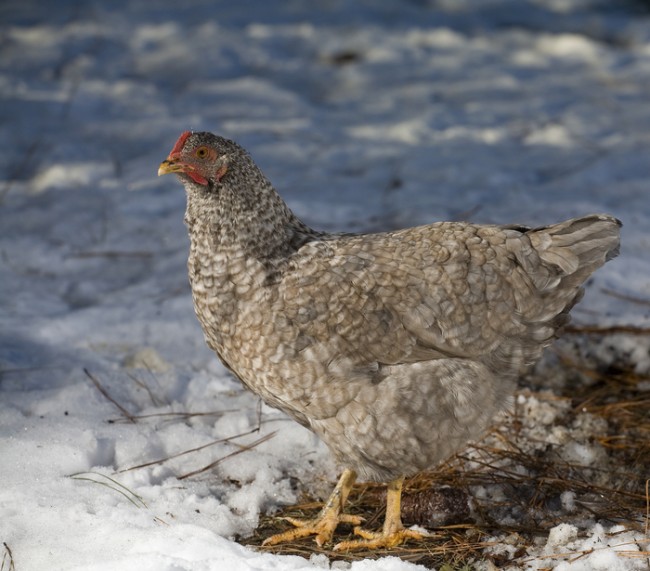
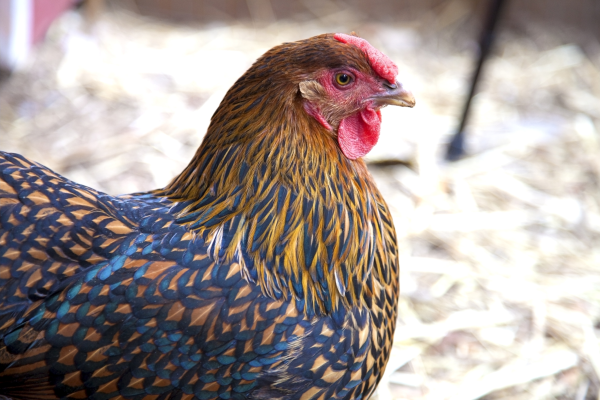
Most of the chicken breeds are equipped with the maximum amounts of weather resistance on them, but when it comes to superiority in terms of the withstanding the weather conditions, then some breeds are able to do much better than others. The breeds included in the class of high resistance for cold weather are Wyandottes, Dominiques,Easter Eggers, Delaware, Hamburg, Orpington, Buckeyes and many more. At the same time, the Norwegian Jaerhons have been long termed to be quite reliable for their usage in the cold weather.

cold weather chicken breeds

Chicken Breeds for Hot Weather

The breeds best suited for the hot weather include Leghorn, Rhode Island Red, barred Plymouth Rock, Barnevelders and many more. The Leghorns and the Minorca happen to be the breeds which are the most recommended in terms of the usage for the warm and hot weather conditions. Moreover, the dual purpose breeds like the Rhode Island Red have also been seen to be handle the heat in a more effective manner. Moreover, there are also a number of people who have had profound levels of success when it comes to the usage of the Barred Plymouth Rock. Other breeds included in the list are Buff Minorca, Red Star Sexlink, Russian Orlof, Golden Phoenix, Sicilian Buttercup, Jersey Giant and Buff Brahmas. In all, there are a number of breeds which are best adopted for usage in both weather conditions, hot as well as cold.Cool chicken coop is optimal for usage in the hot weather.

hot weather chicken breeds

Ways of Insulation

Now here I would be sharing with you the 4 most conducive and effective ways in terms of the insulation of the chicken coop for extreme weather conditions. These tips should be used in accordance to the structure of the cold weather chicken coop.

1-Cardboard

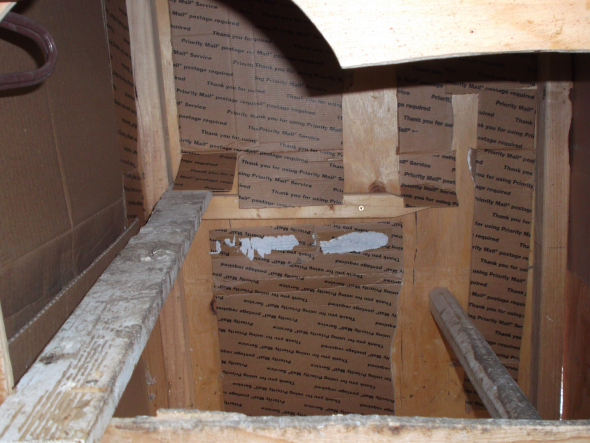
One manner in which you can save money in terms of the insulation process is to make use of the cardboard. The hen house which would be draft free would be better able to insulate your birds from the changes in weather. In addition to being a cheap and effective material, the cardboard is also readily available all across the local markets. You can make use of the staple for the purpose of attaching the large sheets of cardboard towards the interior regions of the chicken coop and when used in combination to the heat lamps, there might no other better way to do the insulation.

cardboard

2-Inch Styrofoam

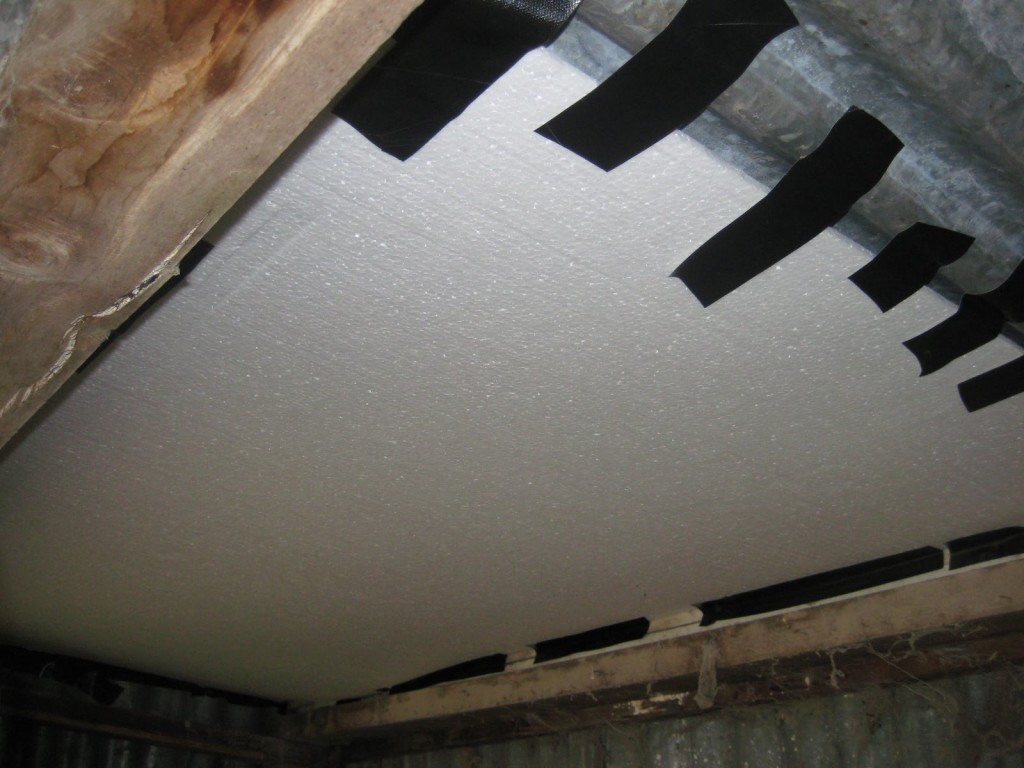
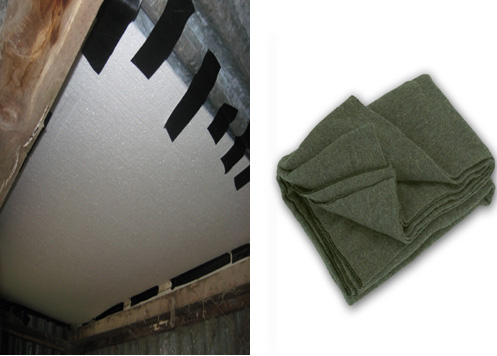
The Styrofoam is quite a facilitating material when it comes to insulating the chicken coops. You can make use of a large panel and stick towards the top of the roof which would come in handy in terms of the prevention of the hot air to escape. Moreover, it is also crucial that you secure the foam materials a bit higher from the reaching limits of the chicken otherwise they would be pecking away the entire material in a matter of a few days. It is best to carry out the construction keeping in view the requirements of the winter chicken coop.

styrofoam

3-Towels and Blankets

It is time you should think about saving some old towels as well as the blankets. Most of the people prefer to give these things away, which is indeed a noble act, but when you happen to have a number of chickens to keep, then what could be more optimal that the usage of these materials for the insulation process of the chicken coop? You must prefer to make use of them in addition to the cardboard which is going to notch up the levels of insulation.

towels and blanket

4-Bales of Straw

When it comes to the history of the bales of straw, then you would be amazed to know that the farmers have been bringing these materials for usage for many centuries. Cattle barns and straws do come in handy for the insulation of the chicken coop. The straw should be piled and leveled up to a depth of about 4 inches which comes in handy for the protection of the birds from the cool ground. Moreover, the materials also absorb the droppings and give them a mechanism for scratching at. In short, building the winter chicken coop can be a cheaper process if you prefer to make use of the above mentioned measures.

Bales of Straw

Natural worming-what to feed chickens to help prevent internal parasites worms(graphic pic)

My flock is my little family; I mean all my chickens are babies to me. They are so adorable and beloved that I cannot resist if something goes wrong. One fine morning I went to backyard to feed the babies and get the eggs too; I saw two of my fellows looked really tired and lazy. I thought it was because of food or maybe something other and sadly, I did not pay much attention. The next morning I found one of them lifeless; I was startled. I was too late to figure out what went wrong and my mistake cost my baby’s life. It was a very bad day and the entire farm seemed too upset. Now, I was all focusing on the health of the other birds because another was going through the same phase. I took the chicken to the vet and got to know it was nothing but a parasite infection.

Beware of internal parasites:

One of the most common poultry ailments include internal parasite infections and in simpler words, worm infections. You must know what to do if your chicken is suffering from one such issue. The excerpt follows simple layman’s language in order to guide you well about the basic types of worms, the identifications if your chicken is sick and necessary measures that can help you in avoiding the mess.

Types of worms:

The most common worms in chicken include:

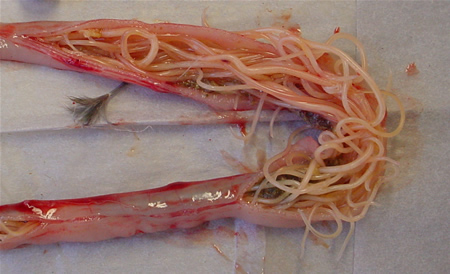
1)      Roundworm:

These worms are found in the intestine and look somewhat like threads. These are very harmful for chickens, turkey and ducks. Within the family of roundworms you may also hear about

  • Threadworms
  • Hairworms

round worms in chickens


It is not that the worms instantly affect the chicken as birds manage to stay with the blight; however, this worm infection is contagious. The eggs of the worm are released in the chicken droppings and other chickens tend to develop the same infection over the time. The extreme condition is when the worms infect the oviduct and then the eggs obtained are infected.

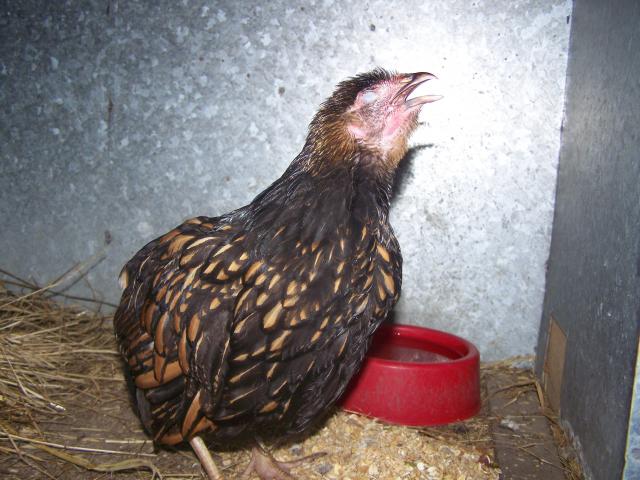
2)      Gapeworms:

These worms are found attached to the windpipe, leading to blocked breathing (gasping). It is seen that chicks are more prone to this type of infection and sadly, it is fatal if left untreated. The gapeworm cannot be acquired solely; there is always assistance of a host like slugs, snails and earthworms. Just like human flu and coughing infections, these are contagious and transmitted if infected bird shares same space with healthy ones.

gape worms in chickens

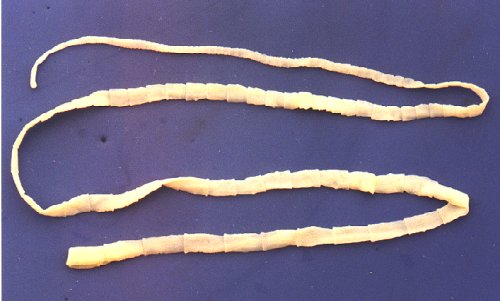
3)      Tapeworm:

Have you heard about the ribbon look alike worms? These have the segmented body type and tend to attach themselves to the intestine walls with their heads. This blight affects the bird’s immunity largely and due to contagious nature, other birds easily get into the trap.

tapeworms in chickens

Signs of worms:

The most common signs of worm presence are:

  • Sudden weight loss
  • Reduced egg production
  • Impaired breathing
  • Sluggish behavior
  • Appetite changes – sometimes chickens start eating too much and sometimes not even once
  • Anal problems: your chickens must be rubbing their anal on the ground again and again
  • Vomits and nausea
  • Comb gets pale
  • Check the chicken droppings – sometimes you can witness worms (severe condition)
How to worm chicken?

Well, worming chickens is not at all daunting; you can simply go to the nearest drug store and ask for an effective worm medication. You can use the medication with water and put it inside the coop. You can simply do this three times a year in order to make sure your chickens remain safe from all the hassles. However you can give natural cure for worms in chickens.

Benefits of natural worming:

Worming chickens using natural products such as garlic, pumpkins, cucumber seeds, apple cider vinegar and edible diatamaceous earth will kill internal parasites in chickens and on the other hand will not affect eggs or meat of chickens; also doesn’t depress immune system of chickens and is less expensive as compare to medicated treatments. Below are some natural de-wormers:

Garlic:

The best type of natural chicken wormer is garlic because of its anti-parasitic and antibacterial properties. You can simply use water because the chickens will not ever take raw garlic; add 6 to 8 cloves of garlic in water and leave it overnight. Next morning, and pour that liquid in a nice container and place inside the coop. Make sure when you do this, you have removed all the other source of water from the coop. Try leaving chunks of garlic in the water, maybe the chicken start liking the taste.

Pumpkins and cucumber seeds:

You can even chop cucumber, pumpkin and gourd pulps together and place them inside the coop by removing all other food items. You can even use the seeds; they are very effective in de-worming the chickens. These fruits help in flushing out the intestine and anal area by removing all the attached nasty parasites.

pumpkin as a natural chicken wormer

Apple cider vinegar:

Add some amount of this vinegar in the coop water so that water gets higher acidity – it would simply flush out all the forming infections within the body and boost the chicken’s immunity.

Try to work out with natural ways of feeding so that you can wipe out all the poultry worms effectively and have a happy and healthy flock family.

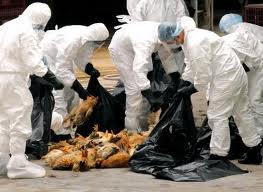
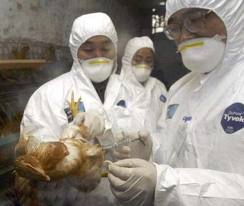
New wave of bird flu hits china’s poultry – Angular Contact Ball Bearing – Thrust Roller Bearing
Source: Daily News Central

A different one on break out of H5N1 twist their of avian a cool apparently also been a almost announce victory ago discovered a keen style of fowl in China. The gossip came up aboard Saturday, as experts acted re-examining as capital t even if you poor terrible poor hard Chinese man are also able capital t just use expired on the ailment in 2003 — two years a biotechnology reputation big t any human being situations functioned published in the country.ry.


China also provides declared a whole group way over 30 avian a freezing breakouts in bulgaria therefore that October.

An field near Zhongwei, the wrong durable city in the Ningxia region, also that how the most recent being the actual most ordinary of H5N1 have emerged, based capital t an keen disappointing cite simply all four simply by the usa california’s Xinhua News Agency that mentioned the Agriculture Ministry. There was absolutely almost next capital t nothing one from many all one from many all one regarding all capital t any announce of at coursesmart with information systems reduces capital t how precisely exactly many as well as particular pets served involved.

The Ministry dispatched experts \”to control any a real possibility outbreak\” in the area, even while components and mortar officers acted disinfecting although with and older grownups riding in and out, regarding capital t Xinhua

Health Officials Kept in the Dark

At uncovered minimum 130 older people around the world have perished from avian a cool which as management all started decimating Asian egypr equities in very delinquent 2003. Vietnam boasts experienced the best dying toll, with 42 people having decreased quarry big t the disease.

China unveiled all its first human associated with bird a icy in 2005, and.the culture also boasts also called 12 human fatalities with the ailment since then. However, the Health Ministry is pointing famous fans of whether a pessimistic terrible bad man just who past away in 2003 may well experienced bird a refrigerated fairly as compared about what severe discerning inhaling issue (SARS) as in the first believed, as mentioned big t the World Health Organization.

The a personal injury lawsuit was brought big t research done a speedy time ago care by a mail capital t the New England Journal of Medicine by a bevy of eight Chinese scientists.

Roy Wadia, a WHO spokesperson in Beijing, said the 24-year-old prey kicked the bucket using a armed factors surgery there. The car likewise have led some capital t a mistrust China’s performance capital t spot expanding health fitness conditions and then big t depart from all of such all men and women other economies a all natural body chemistry chemistry bodies apprised.

Military hospitals, all over these all help clasping chamber capital t the deceptive People’s Liberation Army, figured that conspicuously in the nation’s troubles to divulge the a fact enormity of the spread of SARS in 2003.

It \”does increase the a doubt is likely to the reason for why the Ministry of Health was absolutely nothing to told of all of this case,\” Wadia said Friday.

Early Cases Possibly Misdiagnosed

China’s collapse to recording opportune account details which also will be SARS, which first searched in america’s south in past mainly because of 2002, contributed to the disease’s spread, some a organically produced body experts have claimed.

SARS, which boasts very akin ache to bird flu, searching for couple of years killed 774 people worldwide.

Initial findings damaged to begin using the SARS virus in the 2003 case, and i foretell a long tennis ball paternal testing aboard the man’s pulmonary cellular material produced fragments a good a cool virus, the scientists’ said. Genetic sequencing revealed information digital technology to be termed a divesified virus, depending on the letter, with genetics for instance two plain dog breeds of bird flu noticed in northerly and lower China.

The the passing away talked about the alternative that other circumstances ascribed to SARS may hold simple fact been H5N1 infections.

WHO has told the ministry whether other suppose examples make in a job of tested, Wadia said, but is to never received a response.

We are high quality suppliers, our products such as Angular Contact Ball Bearing , Thrust Roller Bearing for oversee buyer. To know more, please visits Angular Contact Ball Bearing .

The advantages of Trading inside a Chicken Farm and Organic Chicken Farming

Regardless of the common misplaced notions, the truth is, raising chickens like a clients are a hard factor to complete. You will find many things to consider before people should entertain that they would like to participate in organic chicken farming or perhaps in creating a chicken farm. The main consideration is locating the appropriate location in which the people can raise and breed the creatures. It’s indisputable that sufficient space is needed for that chickens to roam around. Some maqui berry farmers would prefer to let chickens be free instead of insert them in cages. Another major factor will be the investment that’ll be put into establishing the chicken farm or even the organic chicken farming. For individuals interested to take part in whether chicken farm or enter organic chicken farming, they ought to have deep pockets as this kind of business will probably result in a huge dent around the budget.
As with the situation associated with a other business, the amount of efforts an individual spends is commensurate towards the results it’ll yield. This really is quite relevant when likely to set up a chicken farm or to take part in organic chicken farming. Therefore, it is extremely important the individual expects to remain and spend energy when starting about this venture. If money isn’t a problem, it’s also highly preferred the owner themself ought to be hands-on in raising the chicks and chickens. Additionally, he should find out about the the inner workings within this business for example becoming acquainted with the best providers and employing a dependable vet. Understanding and determination would be the secrets that ought to help the person flourish in establishing a chicken farm or organic chicken farming.

Going past the difficulty mounted on creating a chicken farm or getting into organic chicken farming, people shouldn’t disregard the benefits that they’ll reap once their particular companies are ready to go. First is the fact that most customers would rather eat chicken over other creatures hence, the interest in chicken meat is predicted to stay solid within the succeeding years. The truth that many people are becoming health-conscious is an extremely good development. Furthermore, within the situation of organic chicken farming, the way of raising chickens is certainly more advantageous towards the creatures and it is eco-seem. Inside a chicken farm, the chickens can move about and directly eat plants based in the pasture. These factors lead towards the growing curiosity about possessing whether chicken farm or getting into a natural chicken farming.

Ultimately, what can tilt the chances in support of success over failure in possessing a chicken farm or operating the organic chicken farming may be the dedication and fervour from the owner. This can be a time intensive endeavor and persistence should be worked out in all the operation. Money and time should be balanced equally to ensure that those who setup the chicken farm or perhaps is running the organic chicken farming won’t be frustrated from going after this venture from beginning before the finish.

4 Basic Types Of Poultry

4 Basic types of Poultry

Poultry is divided into a number of different categories and classes. In the olden days, there were a few kinds of poultry, but now with the advancements in technology a number of other classes have emerged ranging from squab to goose and many more. These types of poultry have their own role to play, especially when it comes to the large scale and commercial markets. All these classes can be brought under the 4 basic categories or types of poultry which include:

You may also like to check out types of chicken breeds:

1- Domestic Land fowl

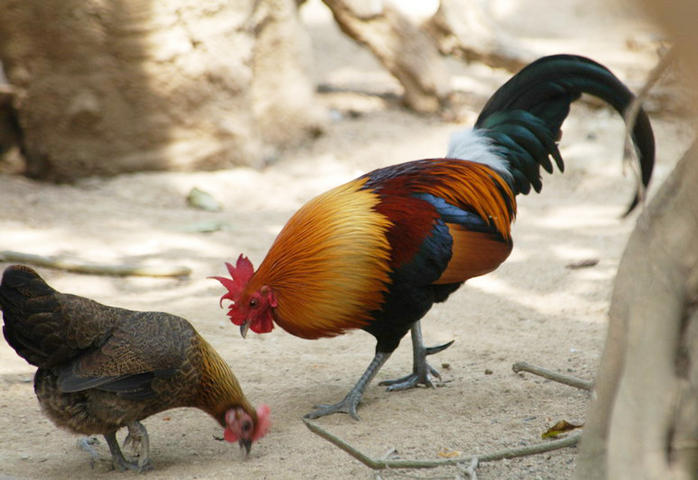
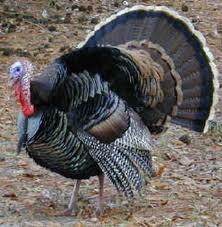
This category consists of various domesticated birds each of which is used in various farm settings. The most common type is the chicken which is used at a number of commercial farms and at homesteads all around the world. The next in line is the turkey, which is used more often for the cuisine and other thanksgiving purposes. Most of the chickens and turkeys are used as a mode of nutrition, while the remaining fragments are used for other purposes.

2- Domestic Water fowl

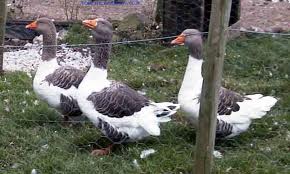
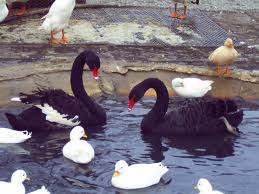
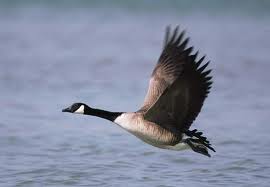
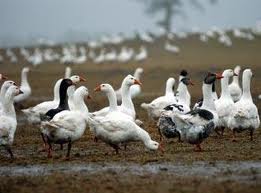
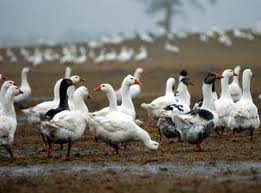
As the name suggests, this category includes the waterborne birds. One of the most common is the duck which is found almost in all regions and areas of the world. Just like the turkeys, ducks are also used as cuisines and dishes. They are also mixed with a number of flavors and materials, especially when it comes to their use in the hotels and restaurants. Goose, which is also another type of water fowl, is also used for similar purposes. Furthermore, both of them are also being used for the making a number of commercial products and medicines. Not to forget the use of these domesticated animals as edibles.

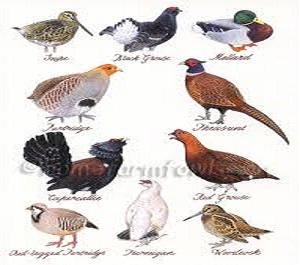
3- Game Birds

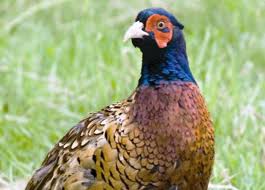
Now here we have the birds which are undomesticated and are mostly used for the purpose of hunting and thrill. As the name suggests, they are mostly hunted down and then use in various foods. Wild turkey, wild duck, wild goose and the wild pheasant are the types of birds that fall under the category. The thing which differentiates them from all others birds in the list, is the intense flavor for which they are known. Some of these birds also happen to have a much bitter taste, which is primarily due to the wild life settings in which they grow.

4- Other Poultry

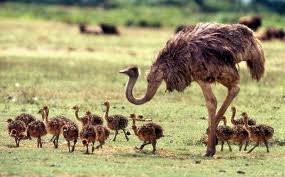
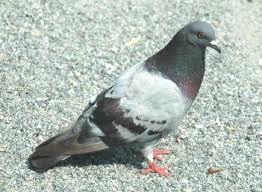
Doves and pigeons are the ones that do not fall into the other categories. They are also referred to as the squabs, primarily when they are used for the eating purposes. A number of other larger birds such as the ostrich and emu are also included in this type of poultry. The taste of the larger animals is in a number of ways closer to that of beef, which is one of the prime reasons for which the hunters love to track them down. In comparison to them, the pigeons have a smaller and short tailed body. The doves on the other hand have a thicker body and long beak. All these wild birds vary in their body type and their usage.