Category Archives: Knowledge Centre

How To Make an Indoor Dust Bath For Your Chickens

One fine day I was having tea with a few of my friends – it was a small chit chat session which we used to enjoy like anything. We all belong to different states of mind but enjoy each other’s company. I had a big farm kind of a thing; I had lots of adorable backyard creatures. I adapted to this hobby because I grew up seeing my father treating these cute little fellows as a family. Keeping chickens is indeed one of the interesting habits, and this was what I had been debating upon, on the tea table the other day. My friends considered keeping chickens as one of the most annoying habits because of the 2 major reasons, parasites in chickens and poops. I mean c’mon this is something that is of least concern – there is ample amount of ways through which poop management can be carried out effectively.

Likewise, making sure that chickens are germs and parasite free seem to be an easy task now – little knowledge is dangerous that’s what I said the other day and put a full stop to the debate. How do I manage all this, especially taking care of the chickens – here is the secret?

Chicken dust baths – what is this now?

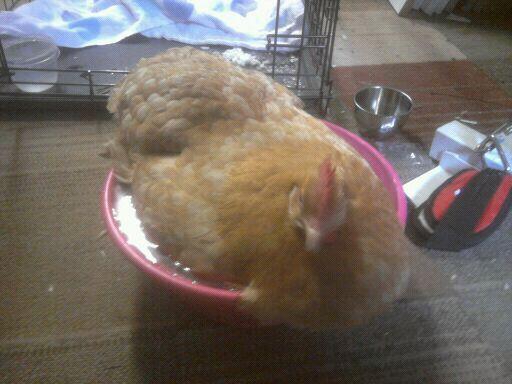
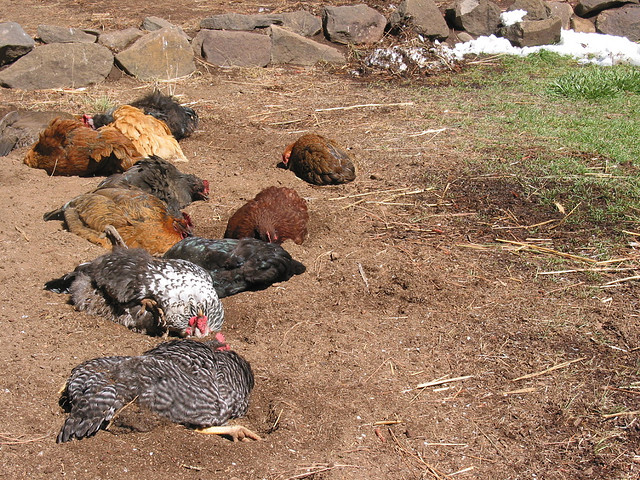
Something you must have not heard before, but very essential to know if you have even a single hen. Dust bathing can be referred to the ultra comfortable spa treatment for the little babies. Sounds hilarious? It’s indeed recreational and functional at the same time. In general, dust bathing is like a normal shower for chickens and after this bath, they feel more relaxed, clean and healthy. After the bath the chickens are in a really good mood and they try to socialize with other fellows as well.

Indoor dust bath:

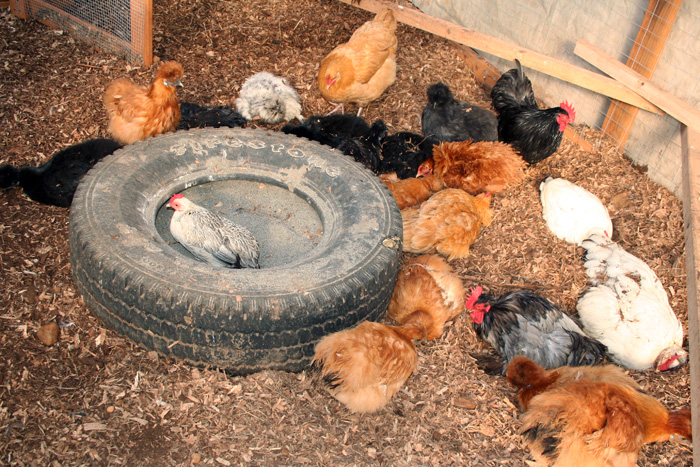
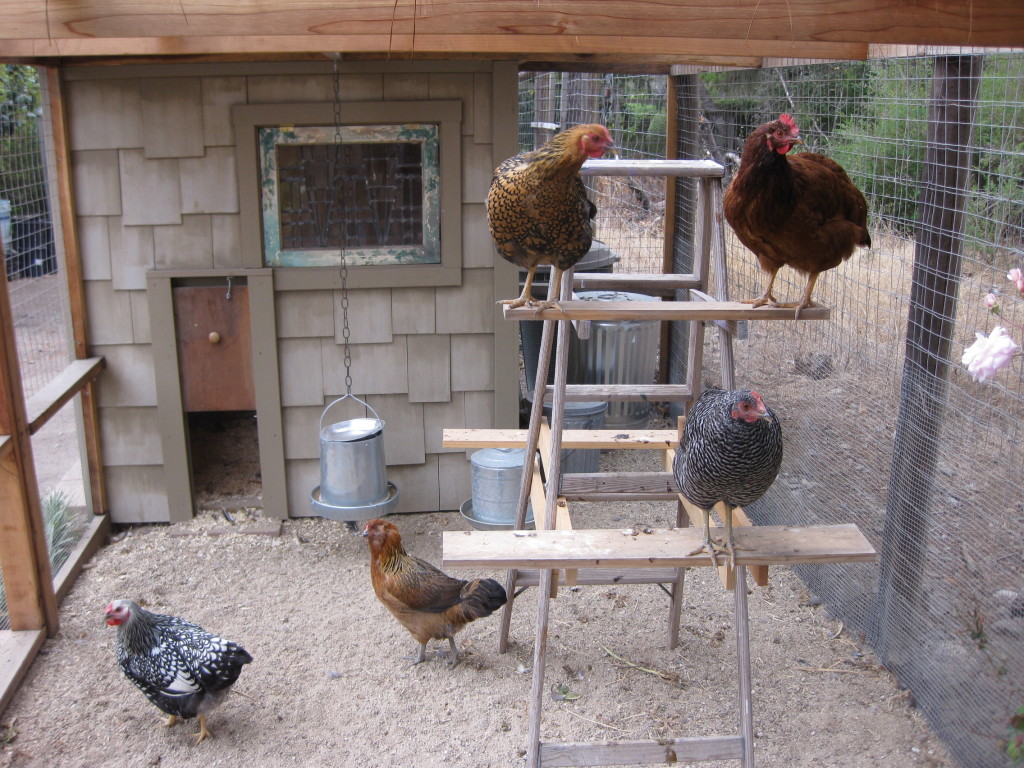
The indoor dust bath is nothing extraordinary but a dust box that you create and place inside the chicken coop. It’s created a setup where chickens take their dust bath with fellows or individually – they relax and enjoy their time.

indoor dust bath

Recipe for dust bathing:

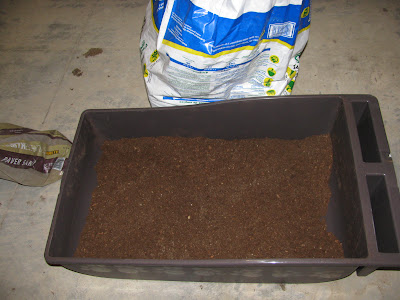
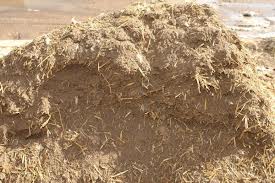
You must be thinking what does the dust bath box comprise of? Well there is no such recipe for that, but yes a few useful materials can help your chickens in enjoying their spa treatment. The box contains a mixture of pine shavings, sand, fireplace ash, mulch and soil – chickens toss their bodies into this mixture and get rid of all the parasites, unwanted feathers and other mites. The sand mixture also absorbs the unwanted oil on the skin and the body of the chickens.

recipe for dust bath

You must take necessary measures to repel parasites otherwise your chickens would get into trouble – this may result in;

  • Weight loss
  • Feather damage
  • Irritation
  • Improper egg production

Other benefits of dust bath:

Especially in summers when the birds fail to stand against the temperature, they prefer digging down into the dust boxes so that they can retain coolness. The soil is cooler inside the box, especially those placed inside the coops. It’s very beautiful to see the chicken behavior during this entire process – they  walk with attitude to the box, think of themselves as something really special, they dig there, have fun and then come out after some time. They boldly shake off the entire dust and dirt, groom the feathers and go back to their coop areas.

dust bath for chickens

What are other ways to control parasites in chickens?

A healthy chicken would never be exposed to any of the parasitic disease. The herbs for chicken health – you must severe these cute fellows with juicy fruits, vegetables and natural food. This would help them in retaining necessary vitamins, minerals and strength their immune system. Sadly, when chickens are exposed to diseases, the chances of retaining health back are quite low, in fact hardly anyone survives.

Dust bath areas – birds are choosy at times:

You cannot study chicken behavior all the time – they are really moody.  Free range chickens will choose their own areas for dust bathing. The materials that I have mentioned are adored by almost every chicken – I have an ample amount of fellows so I can conclude this easily. I hope by now you have enough idea how to provide finest spa treatment to the chickens.

Hatching chicken eggs naturally under a broody hen

I have a vast experience of handling 2 dozen babies at the same time – you must be thinking I have gone crazy, or just looking around; however, this is true. Babies, I am talking about my fluffy, cute and fatty hens here. When it comes to hens all the activities are fun – feeding, bathing but more specifically, I can guarantee hatching chickens is just wow! The artificial incubation is not fun because you do not get to see a different behavior and feel attachment.  The excerpt in detail highlights how to hatch chicks naturally under a broody hen. In addition, it would explain about the best brooding types of hens and their habits.

What do you think?-can an egg-laying hen would go broody? Well, that is not strange at all because it happens most of the time, especially during early summers and spring. Many backyard raisers particularly grab the fresh chicken eggs early morning so that they can sell it for money. In contrast to this attitude, many want to refresh their flocks frequently and use older chickens for flesh and money. Therefore, they let the mother hens sit of the cluster of eggs for some time so that they can get cute little babies.

Where to find a Broody Hen:

Truly, if you want to get chicks that mean you need fertile eggs – it also means you need a rooster. The second issue is hatching because you need a brooding hen for that. Not all the breeds are that way because chickens are one hell of moody creatures. Not only many farmers claim the same but also the researches have proved that some breeds of chicken are more likable for breeding. Have a look;

Buff Orpingtons:

Any idea, which breeds, is known for its broodiness. It is not wrong to say that mama hen of this breed is very loving and adores the chicks. Interestingly, you will not ever face trouble in letting this hen go for brooding; in fact, it does not mind to hatch the eggs that are not laid by her.

Buff Orpingtons

Other breeds:

Brahmas, Silkies, Australorp, Dark Cornish, Buff Rocks, Turkens, Cuckoo Marans and Bantams are even among those types that easily go for brooding. However, they may not be the ones, which are likely to sit on the cluster of eggs, which are produced by some others.

However, not all the hens are very good broody as it is a trait that is natural and cannot be acquired. They may even contribute of lesser or failed to hatch properly (so you select to break the broodiness of hen).

Signs of brooding:

Many times newbie’s or new backyard players get into chaos when the hen is about to brood. They fail to spot the common differences between a sick and a broody hen. Let us end this mess by clearly looking into the signs of broody hen;

  • Hen starts to peck hard when you try to reach her nest
  • Examine her behavior – she must be looking comfortable yet very alert about the environment
  • She must be fluffing her feathers, especially the neck area. You would be certain to hear a very sweet noise all the time.
  • Keep a look at the nest, if it has line of feathers, it clearly shows the mother feeling on her is on the top
  • Leave the nesting box shortly to eat, drink and poop.
Essentials of a broody box:

A brooding box is a private place of a broody hen; therefore, it is supposed to be comfortable and cozy. Moreover, it is supposed to be safer so that the hen does not feel insecure otherwise, she would act strangely.

The hatching process:

Normally, the duration of hatching an egg is almost 21 days. It may be a little more or less as per the breed of the chickens. You must candle the egg after few days to determine the viability of an embryo so that infertile eggs can be separate out.

Stages of egg development:

Day one:

  • Within 16 hours there is existence of the chick embryo
  • Eighteenth hour – alimentary tract develops
  • Twentieth hour – vertebral column develops
  • Twenty first hour – nervous system starts to develop
  • Twenty second hour – head starts developing and by 24th hour eyes are developed

Day 2:

  • Twenty fifth hour – heart starts to develop
  • Thirty fifth hour – ear starts developing
  • Forty hour – heart beat starts

Day 3:

  • The 60th hour – nose develops
  • 62nd hour – legs develop
  • 64th hour – wings develop

Day 4:

  • Tongue develops

Day 5:

  • Differentiation of sex and formation of reproductive organs takes place

Day 6:

  • Peak develops

Day 8:

  • Feathers develop

Day 10:

  • Beak starts getting harder

Day 13:

  • Claws and scales develop

Day 14:

  • The embryo starts moving in a manner that it can be get out of the shell

Day 19:

  • Yolk starts to enter the body cavity

Day 20:

  • The embryo is big enough to occupy the entire shell space

Day 21:

  • The chick hatches

A Guide To Brooding Chicks ,Rearing Of Baby Chicks

CARE AND MANAGEMENT OF CHICKS

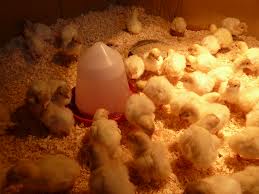
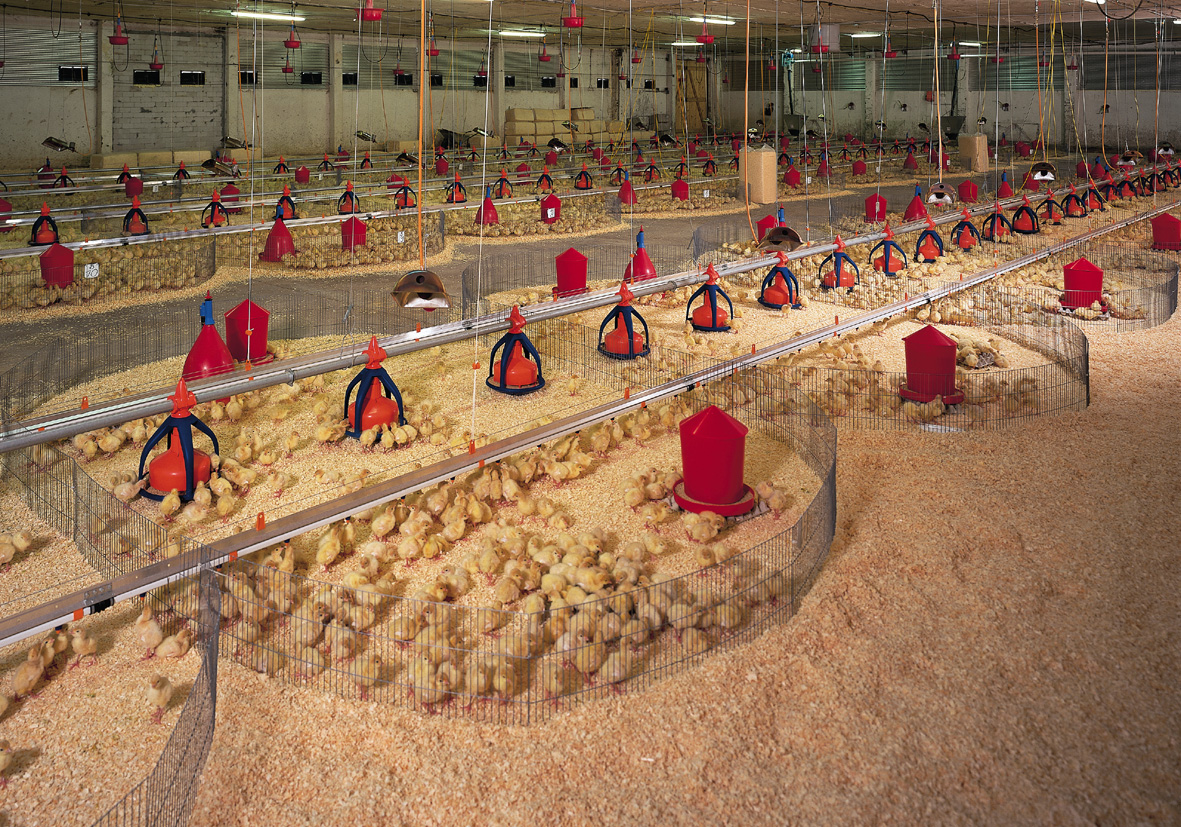
This is also known as brooding management. In case of layer birds, rearing chicks from day-old age to 7-8 weeks are usually reared in brooder houses and then transferred to grower houses, whereas in case of broilers even after 3 weeks of brooding, they are reared in the same house by increasing space and other requirements and by removing brooders.

In case of single flock rearing, the best time to house the chicks for laying in future, is from January to March of year, so that pullets will be in high production during winter months, when egg prices are generally better. But, this is difficult to adopt for multi-age rearing.

The managemental care of chicks can be studied step by step as under:

Adequate Ventilation

The brooder house must be properly ventilated at the same time it should be devoid from drafts. The drafts can adversely affect growth and liveability of chicks. The excessive dust in poultry house can cause irritation of respiratory tract of a day old chicks and can increase disease incidence. Similarly, high moisture levels also can lead more ammonia fumes causing again irritation of eyes and respiratory distress.

Maintenance of Sanitation and Hygiene

The brooder house must be carefully cleaned and disinfected well in advance before housing new batch of chicks in it. The usual and required practice is the house should be give rest of 3 to 4 weeks in layer operations and around 2.5 weeks in broiler operations after cleaning and disinfection of house. The appliances and equipments like feeders, waterers, brooders which can be removed, be taken out and cleaned, disinfected and allowed sundrying of them. The manure, should be removed and the floor may be scrapped to remove all dirt. The inside and outside of house also be cleaned under pressure water for proper removal of dirt and dust. Before doing this the cobwebs must be removed.

Sumithion or Malathion spray and flame-gun blowing of sheets and wire netting help in controlling insects, mites and ticks. Fresh litter be used for every new batch. The old litter should not be recycled to save expenditure. Adaptation of all in all out system is best to control diseases in poultry but it is difficult to follow for maintaining continuity of farm production. Therefore, at least chicks should be brooded away from layers or adult birds. Similarly, separate workers should be provided for chicks and adult birds to avoid cross-contamination due to direct contact. In the same way movement of workers and shifting of equipments from shed to shed should be restricted. The disinfectant foot bath necessarily be provided and used at entrance of each house. The outsiders (visitors) should be banned to enter houses of at least chicks and growers.

Bedding or Litter

It is important in case of deep-litter rearing. The convenient bedding material like rice husk, saw dust or ground-nut hulls called as litter be spread on floor with depth of about 4.5 cm. Further it can be increased to 8-10.5 cm depending on need as the age advances. The material like sugar-cane bagasse should not be used, as the sugar content in it facilitates growth of fungus on it, leading to respiratory diseases like aspergillosis. Daily raking or stirring of litter be practised to avoid caking, to keep it dry and loose to reduce ammonic al odour.

The appropriate moisture content of litter carries lot of importance because low moisture leads to dusty litter resulting in respiratory ailments while high moisture results in caking and increased heat. On an average litter should contain around 18 to 24 per cent moisture and a litter of desired condition should not form a ball when pressed in hand.

Space Under Brooder

Around 50 to 66 cm2 space under brooder per chick is recommen­ded. This mean a hover of 1 metre diameter can house 270 chicks. In case of small pens, length and width of pens should also be considered to accommodate number of chicks under brooder. Inadequate space leads to piling, increased disease incidence, studied growth, starvation and subsequently more percentage of culls.

Chick Guard

A barrier to avoid straying away of  new chicks from heat source in younger age placed at a distance around brooder in circular manner is known as chick guard. The brooder guard also protects baby chicks from drafts. Usually it is placed at a distance of 85-90 cm from edge of brooder initially and can be increased to 130 cm as the age advances. Generally it is used upto 7 to 8 days initially. The height is usually 40-45 cm.

Temperature Maintenance

Maintenance of appropriate temperature during brooding new chicks is necessary. The variation towards higher or lower side leads to more mortality or slower growth. The temperature is usually measured at level of 6 cm above floor and 6 to 8 cm inside the edge of warm zone of brooder. The temperature in first week should be around 33°C (95°F) which may be subsequently reduced by 2.6°C (5°F) each week till it reaches to room temperature around 20.5°C. But chicks are more comfortable in slightly lower temperature than recommended. The house temperature should be lower by 8 to 12°C than brooder temperature. The height of brooder depends on need of brooding temperature but at least 10 to 14 cm clear space above chicks should be available. The bulbs of different intensity like 200, 100 or 60 watts can be used to reduce or increase temperature. The infra-red lamps of 250 watts can also be used with an added advantage of germicidal effects on organisms. Pleasant movements with uniform scattering of chicks under brooder is correct guide for accuracy of temperature.

Floor Space

Appropriate floor space as per age, size and type of chicks is an important factor governing performance of chicks. If slightly more space than requirement is alloted it does not matter much, but less space than recommended, adversely affects overall performance than recommended, adversely affects overall performance of chicks. inadequate floor space leads to slower and uneven growth; more number of culls, increased mortality, poor feed, efficiency and in extreme cases pecking and cannibalism. Floor space of about 450 cm2 to start with is adequate which can be increased by about 500 cm after every 4 weeks till pullets reach to 21 weeks of age. Broiler can be alloted 450 cm2 space initially which may be increased to 850 cm2 after 4 weeks.

Feeder and Water Space

The requirement of feeding space varies from 2 to 7 cm (linear) per chick from 0 to 8 weeks. Similarly, water space required is from (15 to 1.5 cm (linear) per chick. For efficient, growth of chicks frequ.ent feedings (4-5 times in a day) with availability of fresh water all the times are beneficial.

Light

Chicks are provided continuous light, i.e. sunlight is adequate during day time while in the night it can be supplied by using electric bulbs or tubes upto 8 weeks of age. Light helps in faster development of feathers, increased feed intake and essential for vision.

Vaccination and Debeaking

Adopting an appropriate schedule of vaccination is prime requirement of providing proper health care to chicks. The schedule of vacci­nation varies according to disease prevalence in different areas. Debeaking either on 1st day or on 6-9th day or 3-4th weeks is carried out to prevent cannibalism and feed wastage.

Turkeys Brooding And Raising Guide

Raising of Turkeys

Turkeys are not popular in ASIA. Its cause may be ignorance about their nutritive value or disliking for their eggs and meat. In Western countries mini (smaller size) turkeys which are finished around 12-13 weeks weighing 4.7 kg and midi (medium size) turkeys, finished around 15-16 weeks weighing 6-7 kg are becoming popular nowadays. Like broiler, smaller turkeys are reared in intensive system, that too not fully controlled environment, while larger birds can be raised in simple shelters of pole-barn type or even on range.

Brooding

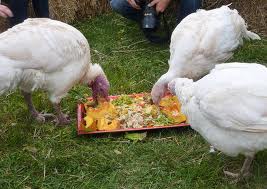
Brooding can be done on wire floor or on concrete floor with litter. The house must be draft-free and litter should be managed properly to keep it in dry condition to reduce the risk of parasite infestations. The brooding temperature in first week may be kept at 35°C with proper insulation of house to maintain house temperature at 25- 26°C with supplementary heating during initial stage of brooding. At the same time adequate ventilation should also be provided. The temperature difference of 8-10°C between brooder area and house is maintained for efficient growth. The mortality in poults during early stage many a times, may be because of lack of feeding and drinking facilities. So these facilities should be provided under bright light.

Once heat requirement is over at 8-9 weeks of age, turkeys can be reared at cooler temperature of 16°C. Raising turkeys on deep- litter is easier method and becoming popular. The health care is offered by preventive vaccination and essential medication from time to time.

Growing

Turkeys can be very well grown on range. But it requires clean fields on which poultry or turkeys have not been raised for previous two years. The land can be best partitioned into paddocks for 500 turkeys by fencing it around 3-3.5 in high for protecting them from predators. Simple thatched shelter of straw bales and roosts are sufficent for turkeys because of their hardiness. Feeders and waterers should be kept under roof to provide protection from animals, wild birds, climate and predators.

Intensive Rearing

Adequate floor area and ample fresh air should be provided for growing birds in intensive rearing. Turkey yard with roosters, feeders and waterers under lean-to roof attached to farm building can be used for rearing. Alternatively a pole shelter in the form fully covered compound consttucted out of rough poles of timber posts or discarded railway sleeper can be installed. The roof can be made by use of wire netting overlaid with corrugated roofing material or building felt. Side etiaS and back walls are totally or partially blocked with straw bales, polythene or other sheet but front portion is fitted with large mesh netting like chain link. Waterers and feeders are approachable from front. A section of 12 x 12 in can house around 250 to 450 turkeys.

Cage system is also used to raise turkeys above ground level on small scale. Now, lot of modem units rearing turkeys on large scale are using houses like that of chicken having effective insulation,mechanised ventilation system, supplementary heating and light with other arrangement to provide controlled environment. Since turkey is a fast-growing bird, they should be provided adequate management facilities (Table 20.1) in respect of floor, feeding and watering space, as more space is always beneficial.

Because the poults grow faster they should be provided increased head room under brooder, floor space, feeding and watering space and ventilation depending on size and age. Around 7-8 weeks of age they are shifted to growing sheds to achieve still faster growth. If turkeys are to be reared in closed shelter, before shifting their bills should be trimmed to prevent cannibalism. They can be very well managed in groups of 240-270 with adequate management facility for next 12-24 weeks. When roosters are not used, some straw bales can prevent young turkeys from congregating, when groups have more strength.

Intensive rearing needs skilled management because incidence of vices and disease is on higher side in confinement. Hygiene. sanitation and cleanliness at feeding and watering places and supply of adequate clean litter are essential. Overcrowding and inadequate ventilation, many a times results in poor performance.

Feeding 

Even though management of turkeys in respect of housing, lighting, sanitation and hygiene and health care is similar to chickens but feeding of them differs significantly from that of chickens (see Chapter 10 of this book).

Pouits are very slow in accepting their feed which is well-known fact. Therefore, they should be invoked to eat by providing easy access to feed with supply of ample feeders and bright light. The same thing holds good for drinking water also. All growers are supplied with ad libitum feeding pattern. Sometimes grains in measured quantity are offered in addition but at fixed timings. In case of range rearing feed should be given in measured amount with decided times, so as to be consumed by birds within short time to avoid feed consumption by wild birds or vermins.

In brooding stage upto 8 weeks, poults are provided mash containing 23-24 per cent protein, which can be reduced to 19-20 per cent by 10 weeks and 15 per cent by 17 weeks. The finishing diet is offered generally 3-4 week prior to disposal of birds. When grain ration is provided it should be necessarily supplemented with oyster shell.

Brooding And Rearing Of Ostrich Chicks,Poultry Management Guide

Brooding and Rearing

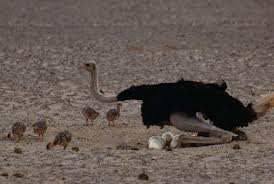
The brooding period is a very critical time and can be a time of high mortality, if proper management is not used. The brooding  arrangement must protect chicks from predators and  inclement weather  . The arrangement should be  sanitary, dry and well-ventilated. The floor  pen must be rough enough to provide firm  footing for the chicks. Not  to cover the litter with slick materia  or  newspaper , as chicks would develop “spraddle legs” which is fatal.

brooding ostrich

The temperature at chicks level should be 31.1 to 33°C in the 4- by 5-feet pen foe the first two weeks. Gradually reduce heat upto 23.5°C from the third  to the eight week. At 6-8 weeks of age, chicks can be left in range outside in good weather, but shelter at night. They can be managed in groups of 25 to 50 birds.

General Management Tips
  • Provide adequate shelter in pasture plots.
  • Pens should protect adults and older juveniles from extreme
    climate such as snow, ice, heavy winds, cold rain and sleet.
  •  temperaturer should be located inside shelter to condition birds to enter the shelters freely.
    • Feeder and waterers should be in open type and adjustable so that they can kept at chest height of the birds. Clean the waterers daily.
    • Caretakers should spend time with chicks and young tame- them.·      Move gently among the birds, taking care to avoid the possibility of  frightening and hand-feeding of tidbits o juveniles is recommended.
    • Never make overcrowding in the pen. First few days provide sanitised water along with anti-stress agents.
    • Ensure proper mineral and vitamins in the feed for healthy growth of chicks and to void leg deformities.
    • Do not handle the birds during hot hours,as Birds get immediately excited. Hence calm and quite environment in the pen is required.
    • Never keep the sharp objects, pebbles accessible to the birds. Birds are mischievous and grab anything that comes in their vicinity.
    • Spraddle condition of the legs that is  commonly seen can be managed by holding the legs together during the initial 72 hours of chicks. This can be done particularly in the incubator.
    • Commercial feed is absolutely essential.
    • Birds require at least 1 acre floor space with six feet high chain link fence.
    • Birds produce hide, leather or feather are sold at high price.


Overview of Poultry Industry in Australia

The Australian Poultry Industry offers its services to the market with only a few products. Although the land mass of the country is similar to that of the United States of America, still the poultry products that are exported are quite minor. One major reason for this can be linked to the rainfall that area experiences. The current poultry population of the country is nearly 30 million which indeed elucidates the poor rainfall conditions. Consequently, till now the country has not managed to make its mark among the top poultry producers of the world.

History and Development of Poultry Farming in Australia

The poultry industry of Australia is comparatively young, primarily because of the fact that the first poultry farm houses had been made in the country nearly 40 years back. The same applies to the meat industry which is still quite young in comparison to the other poultry producers of the region. Till the 1960’s there was no sort of governmental records about the start of the poultry production in the region, due to which offering a detailed account in this regard is difficult. There are a number of estimates that state nearly 3 million broilers had been produced in the year 1951, in comparison to the production of 460 million in the year 2007.

Major Poultry Producers in Australia

The major poultry producers in the region include Baiada Poultry Inc. Inghams Enterprises and Turi Foods. Baiada is privately run Poultry Company that is presently the largest poultry company in the country. It has always been known for providing some of the most premium quality products and has been offering its services since the year 1916. The same applies to Inghams Enterprises which also known to be in the lead in terms of chicken and turkey meat. The products offered by these companies are available all over Australia and New Zealand. Moreover, the company also offers a number of non-poultry products including stock feed and related items. The rise in the chicken production in Australia can be credited to these two leading companies.

major poultry producers

Broiler Production in Australia-Intensive and
 Free Range Farming Paradigms

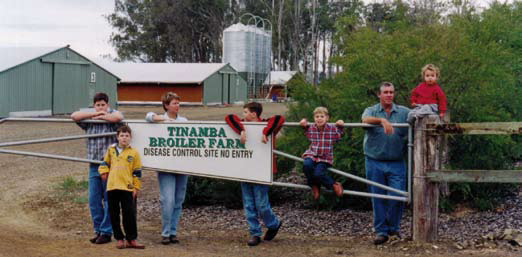
Like the global trends all over the world, Australia has also shown a major growth in terms of broiler production. The two companies mentioned above now control nearly 70 % of the poultry markets with their high quality and top of the line products. Turi Foods controls 10 % of the poultry production. The bird placement density at the farming levels of production is as high as 0.55b per square feet. Some of the companies also prefer to place sexed birds in the settings in order to meet the demands of the markets. The product segmentation in Australia can be divided into two halves. The free range chicken account for 20 to 25 % of the poultry markets, while the remaining amounts are filled by the standard broilers. The high fixed costs in terms of poultry production are yet another reason for which the production is slow in comparison to the other countries. Moreover, the broilers farms are most of the times contracted for doing the job. For this reason, they offer their facilities including the litter, shelter, feed, necessary utilities and the labor for the management of the birds.

Broiler-farm-contract-growers

Poultry Consumption

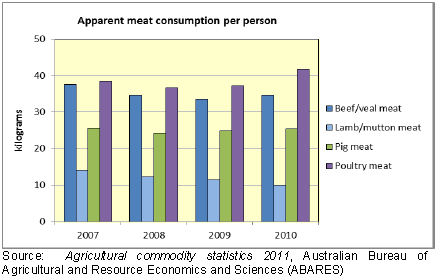
Poultry meat consumption in the country has recently overtaken the use of beef. It is quite evident from this pattern that most of the poultry production in the country is dedicated for being used by within the country. The prime source of meat consumption is chicken followed by turkey. The reason for the low turkey consumption is its usage in times of Christmas only. On the other hand, due to the low preference of the beef in the country, most of the beef products are being exported. These patterns of export do come to effectuate the levels of protein availability in the region. Lamb consumption in Australia has also been declining over the span of the past 40 years. In the past the consumption rate used to be around 100lbs per capital, but it has now fallen to 25 lbs. The lamb meat is perceived to be a less healthy meat, which can be one reason leading towards the fall.

poultry consumption in Australia

Poultry Imports and Exports

Most recently, the poultry exports from the region have been hit by the emergence of the bird flu. In lines to this disease, the exports from the country have now been reduced to half. Although the poultry farms in Australia and other production houses have taken a number of evasive measures for controlling the outbreak and for raising the confidence of other countries in their products, still the poultry exports from Australia are not being considered to be credible. The major countries which made use of the Australian poultry products include Japan, New Zealand, South Korea, US and South Africa. In terms of the imports, the turkey meat is in the lead, which has been increasing on a yearly basis.

Famous Breeds

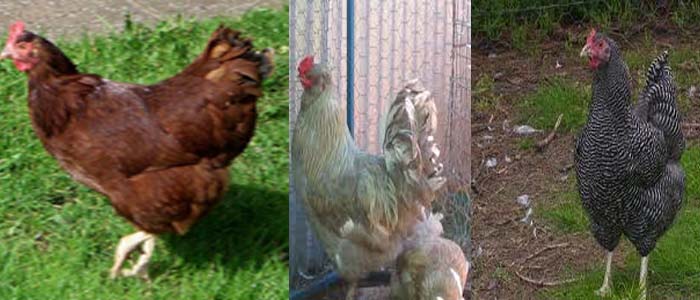
Famous poultry breeds in the country include The Araucana, The Australorp, orpingtons, The Plymouth Rock and The Rhode Island Reds, all of which are most used for the purpose of egg production in Australia. Most of the chicken breeds are owned by the hatcheries that use them for dual purposes.

FMOUS BREEDS


Key considerations for starting a small poultry farm to raise healthy chicks

Before the World War 2, poultry was considered an interesting activity but moreover, a secondary source of income. However, you could only see elderly people running after their little fellows in the backyards or smaller farms. What about the current scenarios? Things have rapidly changed over the last 20 years – the poultry is now a complete business with distributors and retailers and earns like anything. However, due to enlarged specialized operations the conventional poultry farm’s number is decreasing. Those who have brains and know how to make money still are doing well – small poultry farmers are seeking even in the minute opportunities. This merely includes marketing opportunities, but a lot of questions pop into the mind – this excerpt would answer each bit of it.

Be a good decision maker:

So, envisaging raising poultry? May be on a very small scale, it can be your desire or a way to generate money? Whatever the reason maybe, you need to play after proper research, planning and lots of consideration. What you must ask yourself?

  • What goals you have set for your business?
  • Is the venture profitable?
  • What is the market, target market and where it is?
  • Are you going to be in the business for the long run?
  • Establish the minimum requirement – set your milestones
  • What is the investment? How many times you would have to re-invest?
  • Legal issues – restrictions?

Let’s talk about how to come the dream come true?

Housing:

Animals feel disturbed if they are not placed in their desirable homes – so, housing for poultry must be paid full attention. It never means it must be expensive or lavish but clean, ventilated, spacious and dry. Also, special attention must be paid during the changing seasons – supplement heat during chillers and coolness during hot summers.

Litter management is equally pivotal in winter to work as insulation from coldness and also from getting litter wet which may cause ammonia problem otherwise, chances of cold injuries and diseases may get high.  Last but not the least; protection is the heart – otherwise, predators would get their special dinners each night.

Equipment and suppliers:

You don’t need much investment for equipments – only utensils for watering and feeding are needed. If not that you may be interested in buying electric poultry equipments, that’s your choice and pocket.

Brooding:

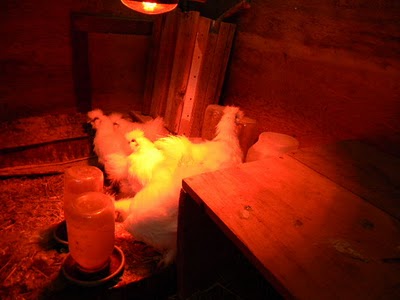
When it comes to brooding you need to know about heat source. It’s quite simple, you just need to have a 250-watt bulb and you are done – it accommodates up to 50 little fellows. You can always look up to commercial set-up that uses various energy sources. With all this, you would need a brooder guard – it’s a ring which is basically there for chick’s safety.

Laying hens:

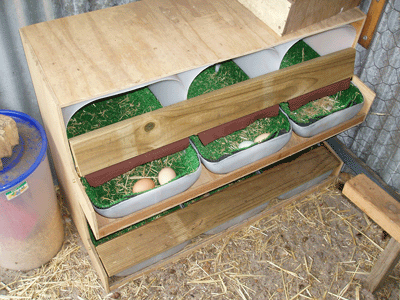
Laying eggs is some most important process linked to poultry – you would need nest boxes and roost, typically 8 inch roost space is suggested for a single bird. If you talk about the one nest box (one square foot) can accommodate for every 4 to 5 birds – amongst the various sizes and types you must look for one which is 13 inches wide, 14 inches tall and at least 12 inches in depth.

Broilers:

Once you are through with the brooding process, you would need to maintain a good feeding and watering system. Once done with that you would require other necessary equipment, based on the type of system used for raising birds– movable pens would be needed if raising on pastured – similarly, there would be need for proper ventilation and fans for summers, if confinement is going on.

Lighting:

Lighting comes into play when egg production is being conversed. Also, during the winter lighting is required in order to keep the chicken coop warm. If not bulb lights all the time, you can make the most of the natural sun – especially during winters and for newly born babies.

Breed selection:

The variety and different types of breeds in the poultry world would make you go nuts – you must know what your right pick is. How can you decide for that?

For what purpose you need the breed? This would filter your options amazingly. This would cut down almost each option for you and you would be left with useful one. Normally the categories that are used for classification are;

  • Egg
  • Flesh
  • Dual purpose
  • Bantam

You can even filter the options based on the season type – it would help you to select the right breed which stays healthy within your regions climatic conditions.

Now let’s have a look at the breed types;

Egg type:

The features that make it different are;

  • Light weight – this breed has finer bones
  • Quick egg production – at the age of just 22 weeks
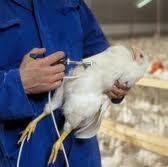
Examples:

  • Minorca
  • Leghorns – they are considered the best for egg production; for this reason they are cross sexed with other breeds to produce better eggs.
  • Buttercups

Meat types:

These are the types which we see on our dining tables quite often. They have heavy structures; they grow faster and are very efficient. The only popular and pure type of this breed is Cornish breed.

Dual purpose breeds:

They are efficient egg and meat provider – these types grow slower. The best examples are;

  • Plymouth rocks
  • Wyandotte
  • Orpington

Bantams:

This breed is the miniature of the larger ones; it has all the features but a reduced size, even up to one third of the standard.

Color of the egg:

It’s the only way through which the breed type can be determined – the outer color does not have any effect on the egg but people enjoy coloration.

Sources of chicken:

The possible sources include;

Hatcheries:

Inexpensive and newly born chicks can be obtained from hatcheries; however, they sell in a group of 20 or more so that chicks remain safe during shipping.

Breeders:

You get a chance to obtain a few, but these are expensive options. Breeders offer high quality birds which are often used for showcasing.

Feed and nutrition for chicken:

Indeed feed and nutrition for chicks would cost you more than anything – you have to use the commercial source here. The common types of feeding are;

  • Starter – contains more than 22 percent proteins, this diet is given to the bird till it is one month old.
  • Grower finisher – it contains 17 to 19 percent protein, ideal for bird with age of two months or more
  • Layer ration – it has 16 percent of protein and more calcium levels.

Lastly, if you want to feed something on your own, consider talking to some expert.

Biosecuirty in poultry farms:

It tells about what you would do in order to prevent the birds from diseases;

  • Cleanliness is the key – house must be neat and clean
  • Wild birds must be kept away

·         Age grouping clusters can help chickens grow better

This is an extract from learningstore.uwex.edu to view complete document click the following

http://learningstore.uwex.edu/assets/pdfs/A3858-01.pdf

Molting Issues in Chickens-why Hens loss their Feathers?


It is always fun to keep backyard fellows and enjoy their presence. However, over the time there are many things, which cause chaos for the keepers because of lack of knowledge about the birds in the flocks. Many get upset because of the natural changes; in contrast to this, there are people who leave many serious issues ignored. Therefore, you must make sure that you have enough knowledge to deal with important issues before it is too late handle.

The excerpt deals with one of the most common issues, which bothers the first timekeepers especially during the fall season.  They get into trouble when the hens lay lesser eggs than usual or when they start to shed weight more rapidly. This kind of situation is termed as molting – continue reading if you are facing such issue, or want to prepare yourself for such events.

What is molting?

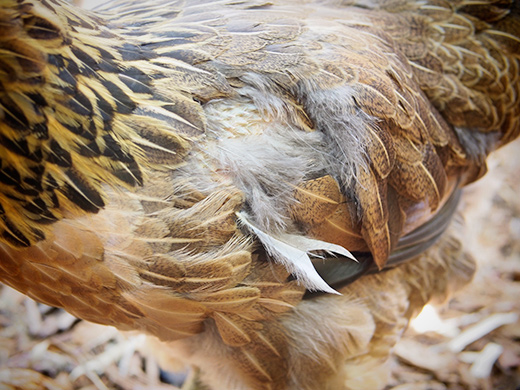
The chickens get rid of the older feathers and acquire newer ones through the process. As it is a natural process and requires sufficient energy, naturally the chickens start to pause the egg laying process and starts saving enough reserves in the body. The procurement of new feathers is necessary and designed by keeping in mind that over the time they need physical strength so that they can counter the environmental changes. The new and strong feathers contribute to better flight and power to escape enemies.

molting in chickens

Do not worry, your chickens would just molt once during the year; however, rarely any chicken would go under this process twice.

What is feather pecking?

This may be a term that you have not heard much – basically, self-mutilation and feather-pecking terms are used to show an abnormal chicken behavior; this is truly a frustrating and distressing challenge for keepers.  This is also one of the common issues with the backyard chickens and even parrots, cockatiels and macaws.

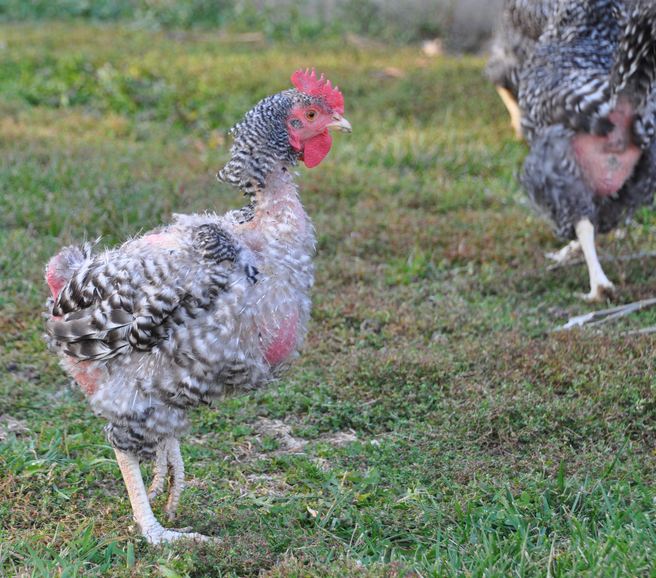
Feather pecking or cannibalism reflects the bird’s behavior when they undergo self-grooming – this process involves cleaning of grim and dirt from the inner skin and correction of broken feathers. When feather pecking is discussed, it includes feather plucking, picking and even chewing of feathers. In many cases, it has been seen that a chicken would loss all feathers eventually and would be naked.

feather pecking

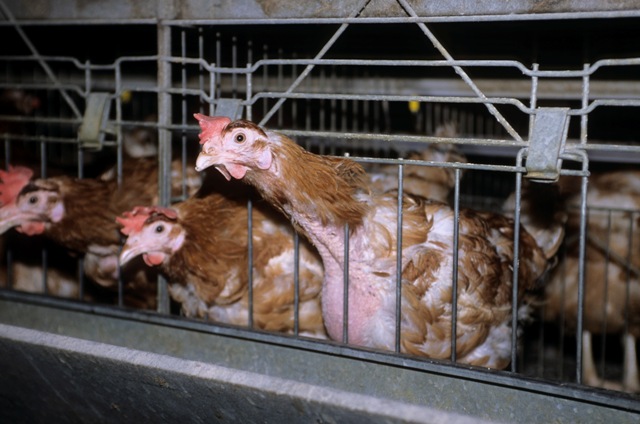
Another worrisome situation is self-mutilation which I even more horrible than feather pecking – can you imagine that a chicken would start eating its own flesh? Yes, under the behavior of self-mutilation the chicken tends to eat own breast flesh – and many times they eat their own feet. This leads to severe infections in the later stage. This behavior usually occurs when birds get bored, feel loneliness, fear and anxiety as well especially the caged birds such as parrots.

self-mutilation in chickens

What leads to picking at feathers? 

There are ample amount of reasons that lead to this situation – they range from natural to acquired ones; listed are the most common ones;

1: Protein scarcity

Essentially the eggs and the feathers are protein. A big, healthy chicken requires about 17 percent protein in order to maintain health. It is essential to provide chickens with layer feed once they are 20 weeks old. Many keep on providing them with kitchen scraps and vegetables, and fail to fulfill the basic need of protein. In result, the chickens start picking their own feathers to fill this devastating deficiency. However, this issue can be addressed easily if you include layer pallets to the diet. All types of egg laying chicken breeds enjoy layer pallets, so try giving them something they want to eat.

2: Lethargy:

During winters, the chicken is usually lazy and sluggish. In addition, it changes their moods time to time and keeps on looking for better space. Bantams, you must be aware of this peaceful breed, they ask for lesser space. Make sure you keep their mind diverted so that they do not end up eating or removing their own feathers unnecessarily.

3: Mites/Fleas:

In most of the cases loss of feathers in chickens is due to deceptive mites eating or removing their own feathers – they are present within the nooks and corners of the coop and tend to disturb chickens during the night. They bite the chickens or continuous move on their body; this causes severe irritation among the birds and they end up hurting themselves. They harshly or aggressively starch over the bitten mite wounds and ultimately develop itching infections.

4: Lice:

Just like mites and fleas, there are other similar companions, which hurt chickens in the same manner. They are elusive and tend to hide themselves on the inner skin. They have the ability to cause severe burning sensations and severe itching. In addition, they usually hide themselves in the head and the wings and eventually on reaction, the bird starts feeling uncomfortable. The poor chicken does not have any other option but to pick the feathers or start putting it away.

5: Worms:

The vent area is badly infected by the worms and this causes severe itching and burning – the chicken would peck at this place like mad. This develops the habit of self-mutilation in the chickens.

6: Pecking order/Bulling

This is the term you must have heard before and aware of it, If not it is the process of deciding which bird is stronger than other and in dominant position or who is in the upper order and lowest one which some time results fight or bulling in chickens causing their feather loss. This pecking order some time occurs when you introduce new flock to older one.

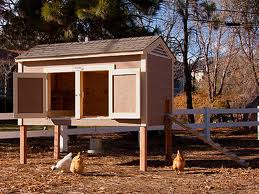
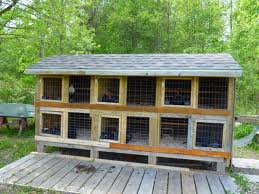
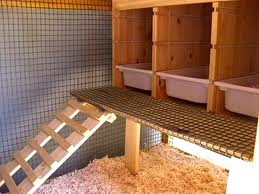
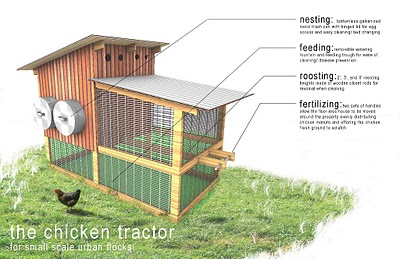
Poultry Housing – The Basic Requirements to Consider/plaNning to build poultry house

Poultry Housing – The Basic Requirements to Consider

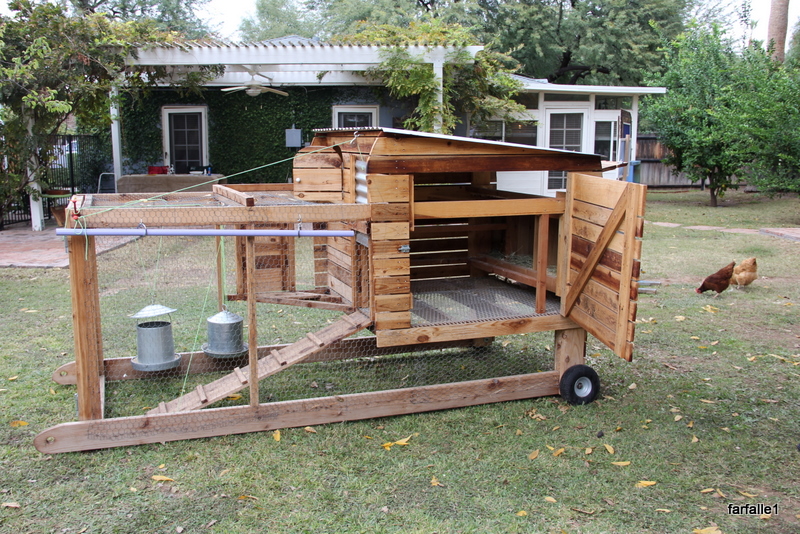
Chicken farming has become a profitable business lately and its good to try it out. One factor to consider before any other is poultry housing. Every poultry production system must provide the most important requirements. Good examples include the following:
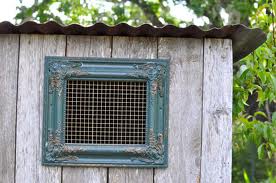
Safety from weather: Domestic birds must be shielded from the cold, rain, sun and wind. Newly hatched chicks need a source of warmth as a basic requirement to shield them against harsh weather conditions.

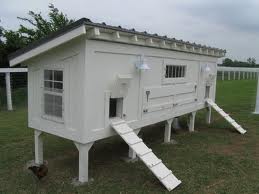
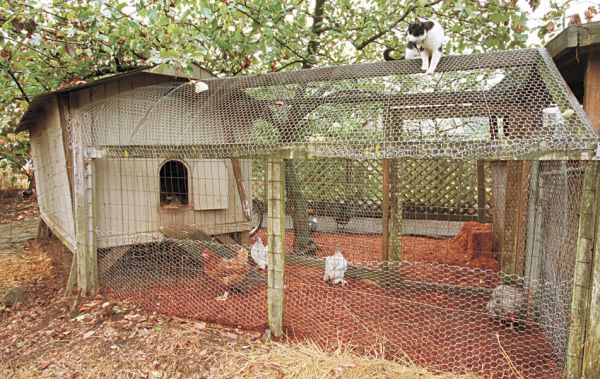
Safety from predators: The chickens have many predators including snakes, rodents, foxes, dogs and other animals. The best way to solve this problem is to confine chickens in modern structures. These are large installations with concrete floors, electric fences, strong walls and other features. This discourages the predators from digging under floors and walls. Wire mesh doors are also very necessary not to forget meshed windows. Make sure that the available domestic birds are supplied with food and water. Ensure proper hygiene of the poultry house as well.

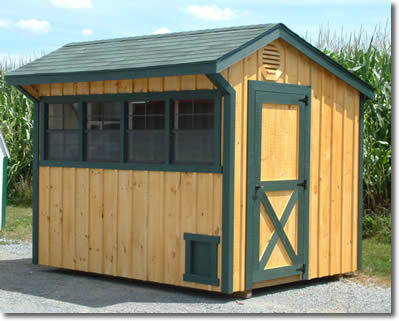
Adequate ventilation: When planning a poultry housing exercise, keep ventilation requirement in mind. A good flow and circulation of air is an essential element in any chicken house. To achieve this goal, it’s imperative to consider the poultry production capacity. One can do the large-scale poultry farming or small-scale poultry farming. The necessary structures in both cases are different in sizes and designs. Numerous birds require a big housing unit with adequate ventilation features. This prevents poisonous gases such as ammonia, carbon monoxide and carbon dioxide from harming the birds. Fewer birds require small poultry houses with windows and vents on one side of the house. This is to provide abundant exposure to air. The farmers who live in warmer climates should build structures with open sides.

Heat control: It is good to build poultry houses in such a way that heat can be controlled. Too much heat could even kill the birds not to mention it as a constraint to fruitful poultry farming. On the other hand, temperatures below freezing point should be prevented. Surprisingly freezing temperatures are not very risky for chickens. If temperatures go up to forty degrees, inside the poultry house, the birds cannot survive. At this heat range or over, the birds’ stress levels go up quickly. At 46 degrees Celsius the birds could die. Potential farmers of chicken or any other domesticated birds must read books. Books contain facts about building materials and techniques to lower or raise temperatures. The chicken house construction procedure should be based on the type of local climate to control heat.


Humidity levels: As the farmer constructs the poultry houses, he or she must consider the humidity factor. The birds do not have sweat glands like humans hence their cooling system is via the beaks. When the humidity levels rise, this natural cooling mechanism fails.

Space needs in chicken houses:

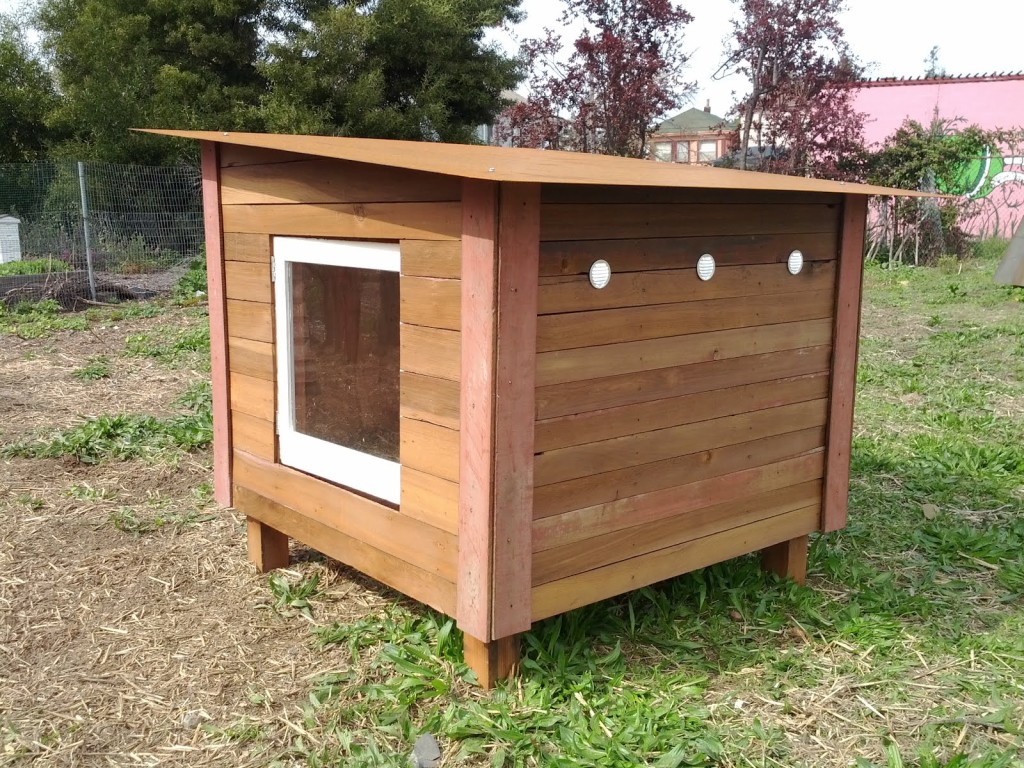
Creating space happens to be the most important poultry housing principle. Space determines the quantity of birds you could keep. It also determines the kinds of poultry you could keep. Birds require space so that they can move freely and work out. Space is essential for creating chicken nests and perches too. When thinking of space creation, considering the type of bird species, breeds and production system used is vital. Always make sure that the chickens or any other domesticated birds are not congested in the house units.