Category Archives: Knowledge Centre

Feed and Nutrition Guide for Laying and Breeding Hens

Getting Started

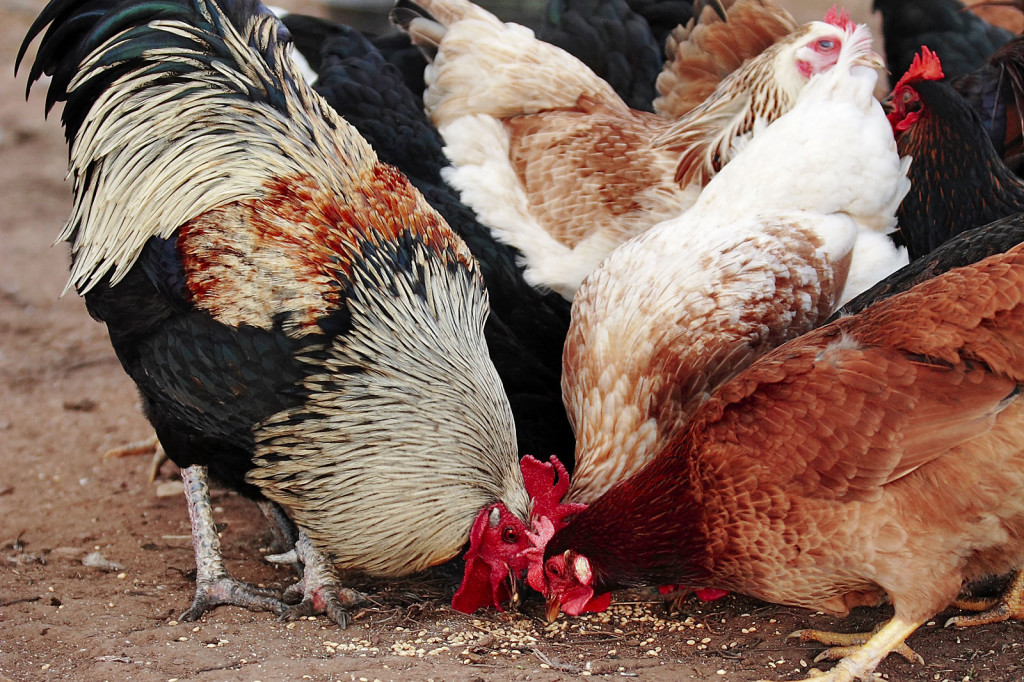
When the question arises about what to feed chickens or about the raising of chicken hens, then there are a number of points to consider. Poultry nutrition and feeds are made in order to fulfill the needs of the chickens in a more effective manner and also for the sake of increased egg production. There are a number of types of feeds that are used in the poultry settings. For example, chicks that have just hatched are given starter feeds. In comparison to this, grower and other forms of feed are given to the chickens in their adolescence. It is quite clear from this that chickens require varying levels of feeds and nutrients in order to grow and develop naturally. Although the ingredients that are used in the making of these feeds might be similar, still they come to impact the development of the birds in a different manner. It is an established fact that the amount of nutrients required by chickens vary in terms of their age and requirements. For example, chickens that lay eggs are required to be given some more effective feeds so that they might continue at the same pace. In terms of the specific nutrients which the chickens and birds requires, all of the feeds must contain proteins, carbohydrates, vitamins, fats and much more, all of which are really crucial for their normal development. Any lack in the fulfillment of these nutrients might lead to numerous problems in the health of these animals. Below are the types of feeds used in the farm settings for  feeding chickens.

Starter Feeds

For a period of 6 weeks after hatching, the chicks are reared making use of these chicken feeds, designed specifically for them. These starter diets and nutriments are made in order to boost the speed of growth for newly hatched chicks. In terms of proteins composition, these feeds contain nearly 18 to 20 % of them. Some more efficient diets might also be used for the meat chickens which demand more amounts of proteins and other forms of nutrition for chicken.
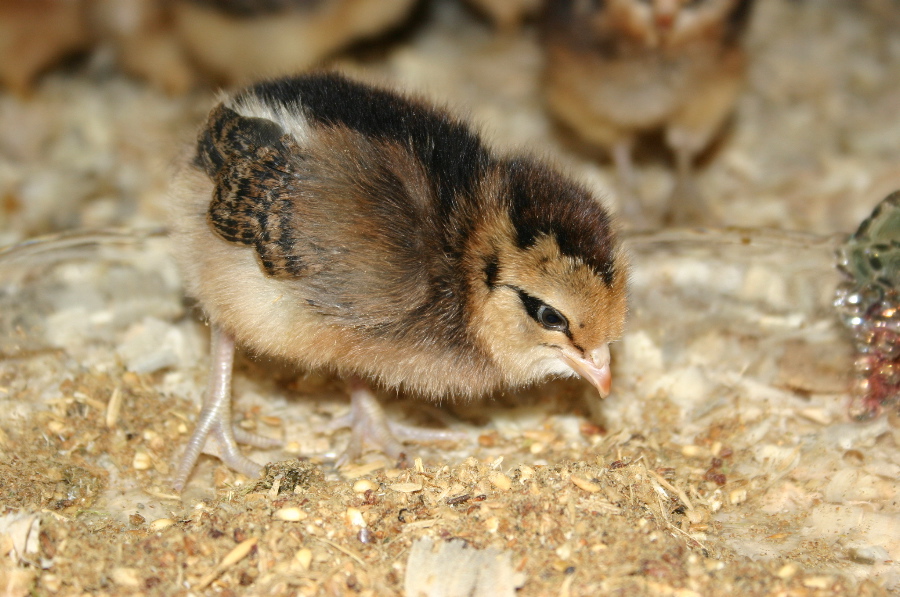
starter feed for chicken

Developer and Grower Feeds

At the time the birds reach the age of 6 weaks, it is now time to change the feeds that are being used. Grower feeds typically contain about 15 % proteins which come in handy for maintaining the levels of growth which the animal is going through. By the time the chickens reach the age of 14 weeks, you might replace the grower feeds with the developer nutrients and feeds. The developer feed is really crucial for preparing the chickens for the stage of egg production. Here it is also important to consider that both of these feeds can also be interchanged within the time spans specified above.
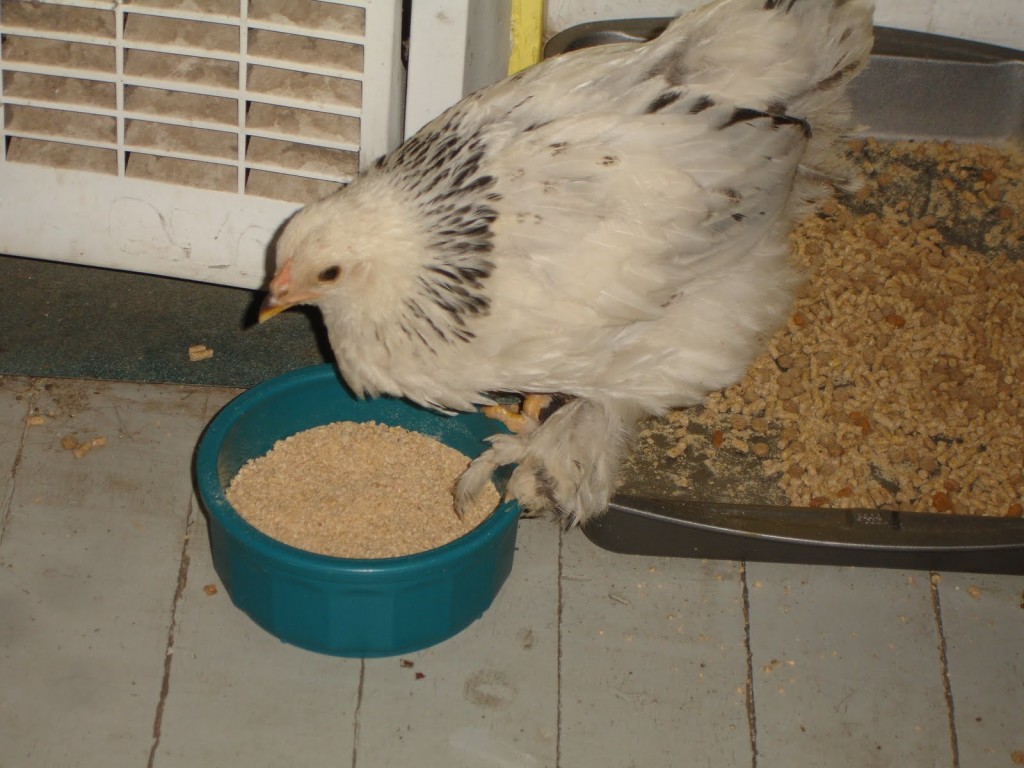
grower feed for chicken

Layer and Breeder Feeds

As soon as the chickens start laying eggs, you have an option of introducing these feeds in the diets given to the chickens at these times. The choice for the required feed depends upon the purpose for which the eggs would be used. The layer feeds are specially designed for the hens laying eggs for home or table use. These feeds contain 16 % levels of proteins and high amounts of calcium so that the chickens might be able to produce better layers for an egg or the eggs with stronger shells on them. On the other side breeder feeds are given to the best laying hens and birds that produce eggs for hatching. These feeds are more or less like the layer feeds, but vary in terms of the higher levels of proteins they contain. In addition, they are also believed to contain some extra vitamins for the chickens in comparison to the layer feed for chicken.
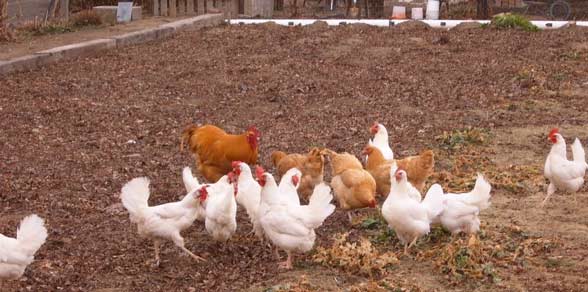
layer feed

Medicated Feeds

Most of the medicated foods and diets are prepared to make the animals immune to the various diseases and virus attack that might come their way. In almost all of the farms in the developed countries, these feeds are offered to the flocks. These feeds aren’t normally present in the layer and breeders feeds. Those which contain some substantial amounts of such feeds are labeled. These medications are also subject to some major researches and analysis due to which you can be assured of their safety. At the same time you can also make use of the non-medicated feeds which are easily and widely available on order.
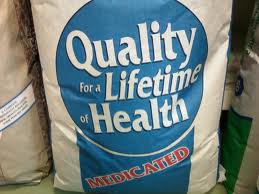
medicated feed for chicken

Water and Scratch Grains

Water is also crucial in terms of the growth and development of the eggs, due to which it should be provided in adequate amounts. Moreover, chickens also love to engage in the process of scratching by making use of their feet. So by making use of such grains, this kind of behavior can be easily reinforced. The feeds used for this purpose are either cracked or rolled.
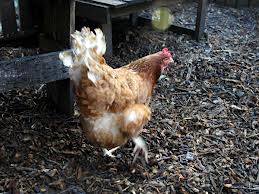
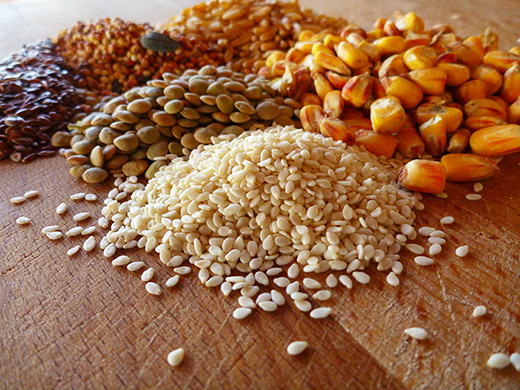
scratch grains for chicken

Raising Chicken And Duck Together

Ducks vs chicken and chicken vs ducks. Even though ducks and chickens are a lot a like in some ways, they are also very different in others, and it is this difference that does prompt the question of is it wise to be keeping ducks with chicken? Well, the answer to this question does vary in response, and it also tends to be a unique experience in raising for the backyard chicken and duck raiser who does their very best to raise both of these fine creatures side by side. Can a duck live with chicken? Both chickens and ducks do indeed have their very own special needs, and this means that each animal will be demanding in its own way, especially if these creatures are very young and require constant care. Raising ducks and chicken are something that is very possible, but it should only be attempted by someone who does know the ropes, and also has had the past experience to be very successful at raising these two types of species before.

 What are the differences that do make
 chicks and ducks different?

Sometimes, by knowing the differences that do make each of these two animals unique in their own ways, it is easier to understand them both and what makes them tick as individual species unto themselves in the bird world. Even though ducks and chickens are members of the genre called fowl, they are entirely two different types of bird species altogether. Also, ducks and chickens are very different in appearance, and they also behave differently from one another, in addition, as well. Ducklings tend to have very flat bills and broader bills than chickens do. Chickens possess a beak that is pointed and is pronounced in description. Ducklings also tend to waddle like other adults ducks do, and chickens don’t waddle, they just walk about jerking their heads in a funny motion and clucking up a storm. Ducks also tend to like water, and being in water, as much as possible. Chickens, on the other hand, don’t like water at all. A chicken also tends to be far more of a farmed animal than ducks are, and this is with good reason, because they do provide very delicious poultry, as well as tasty eggs to. Ducks can also fly and they have their wings. Chickens get their wings clipped and aren’t able to fly in the air, only able to clear fence or reaching to trees or roost. Ducks may not be creatures that are farmed like chickens are, but still people have partaken of duck eggs before, as well as duck meat which is delicious. A duck’s feathers are something that are waterproof by design, as well as nature, and chickens don’t have waterproof feathers. Chicken and duck meat have two different distinct tastes that are different and are their very own. Chickens and ducks also have very different bone structures, as well, which makes them very not so alike after all. Ducks also love to swim, and have the ability to swim, which is something chickens cannot do. Chickens prefer to sleep on a roost while ducks sleep on ground. Ducks are very sensitive to light and can’t sleep in light. Ducks are more vulnerable to attacks from predators like coons, skunks, possum, coyote.

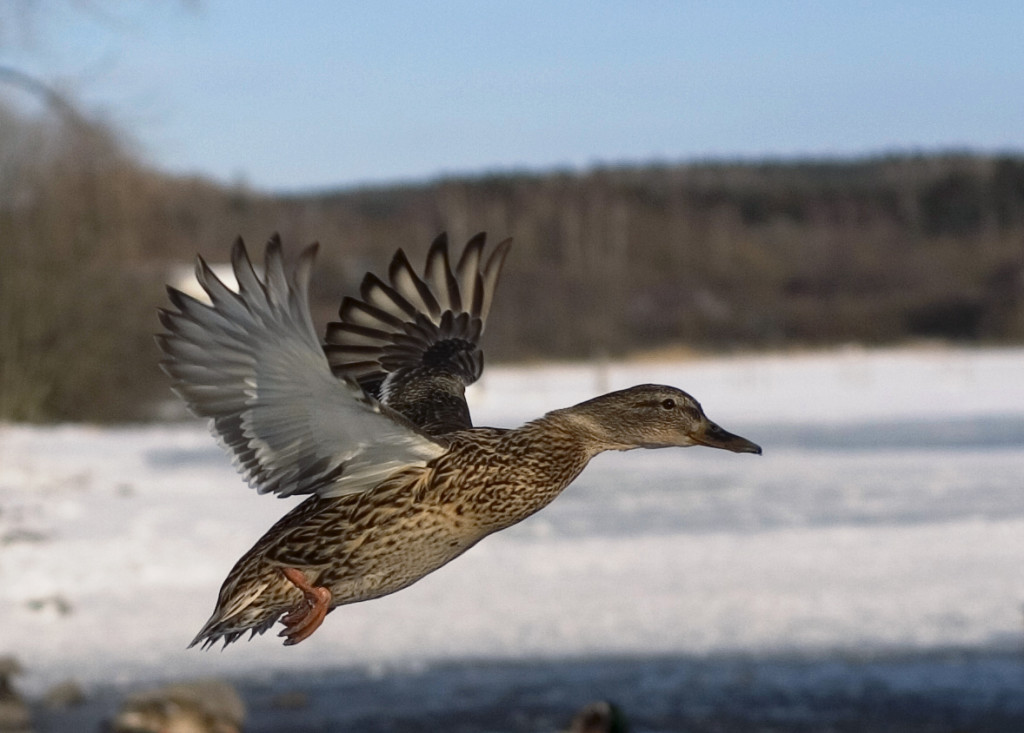
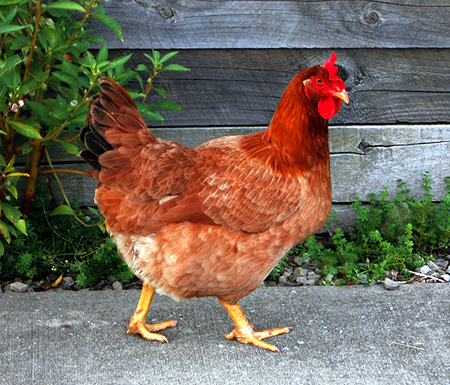
flying duckchicken

 What are the similarities that do make
 ducks and chicks alike in some ways?

The very first thing, which does make ducks and chicks an awful lot alike is this, they are both members of the genre called fowl. Both species also lay eggs, in addition, as well. A duck uses its bill mainly to dig up mud, while the chicken on the other hand, does use its beak to catch prey with a good deal of the time. Ducks also build their nests on the ground, while chickens make them inside of chicken coops. Both of these species of very popular creatures are highly prized most for their skin and their eggs on the average. Despite the fact that chickens and ducks do have a lot in common, they are still very different, when it comes to nature and their particular defining characteristics and behavior.

 Can chickens and ducks be raised in a
 combined environment successfully or not?

Even though ducks and chickens are alike in some ways, and also are very different, the question that remains is this. Can chickens and ducks be raised in a combined environment successfully or not? It is through the understanding, as well as knowing that ducks and chickens are two different and very special kind of animals in their own rights. Duck and chicks can, and often have grown up together side by side. The only difference is that ducklings do tend to take to water, very early on, and baby chicks prefer dry bedding. Despite the facts that both are very different, when it comes to being babies, they are pretty much the same in a lot of ways. Ducklings and chicks cuddle together pretty much like newborn puppies or kittens in a litter. The only thing that is different about them is that ducklings like to get wet, and chickens not, so with this said. It is advisable to separate baby ducks and chicks in a separate brooder boxes until they are older, because little ducklings prefer to be damp and wet, and dam and wet is not very good for the health of small chicks. Nonetheless, once they are a bit older, chicks and ducklings can peacefully co-exist with each other, and they can both imprint one on the other. Can chickens and ducks be raised in the a combined environment successfully or not? The answer is yes, if the raising is done with a lot of excellent tips, knowledge, and most important experience on the subject. This can indeed prove to be a great hobby, but it still something, which must be handled with a lot of tremendous caring, determination, and patience to make the raising of these two individual creatures a real reality in every way that counts most.

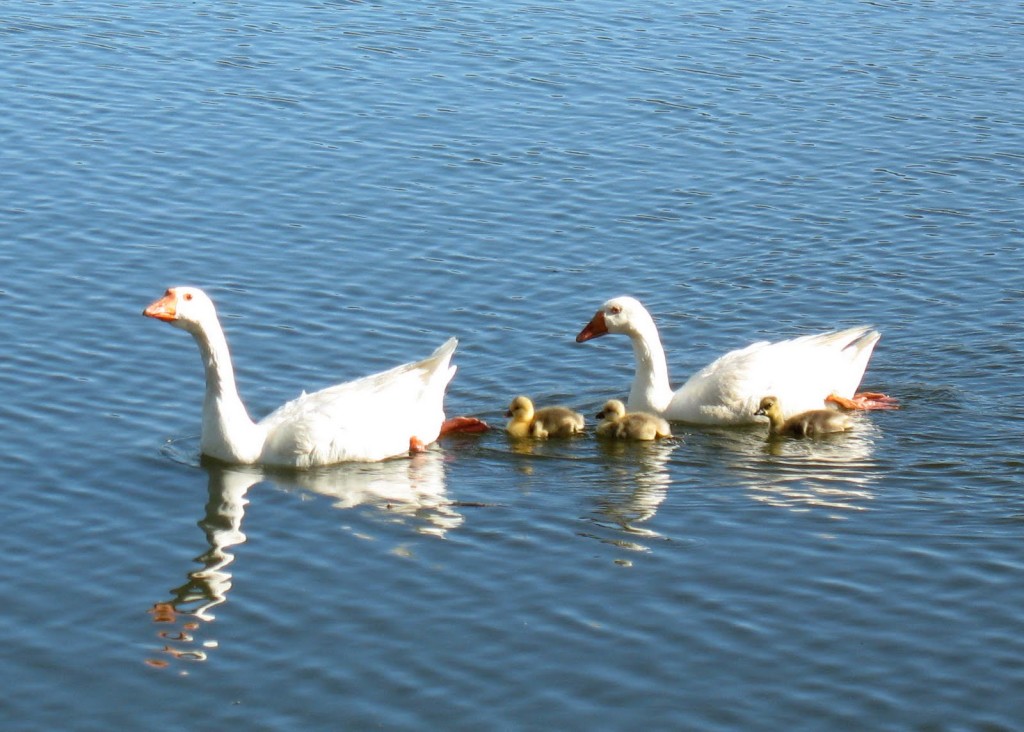
duck in water

Raising chickens does indeed have its benefits and rewards, but so does the raising of ducks, in addition, as well. Both of these species are very excellent types of animals, and they each do matter a whole lot in their own ways, and this is something that must be realized whenever it is decided that they will be raised alongside of each other from start to finish.

Housing of ducks-considerations for building duck pen

If you have ducks as pet, you will need to take proper care of them while examining their way of living. Ducks need to have a secure place where they can live and can be safe from any predators and it is easy to clean their housing area. Ducks do not prefer spending time inside their housing area as they prefer roaming outside for most of the time, regardless of the weather or the season.

There are many people who want to know how to build a duck pen? If you are looking forward to build a nice yet practical duck pen then you need to follow the guidelines that are discussed below.

First of all, you need to make sure that the structure of the duck pen offers proper protection to the ducks and is a defensive structure actually. It is important to keep your ducks safe from other animals and predators. You can allow them to roam about during the day time and lock them later during the night. Ducks love to spend their time in water and you can make a small pool near their pen and allow them to beat the heat of sunny days.

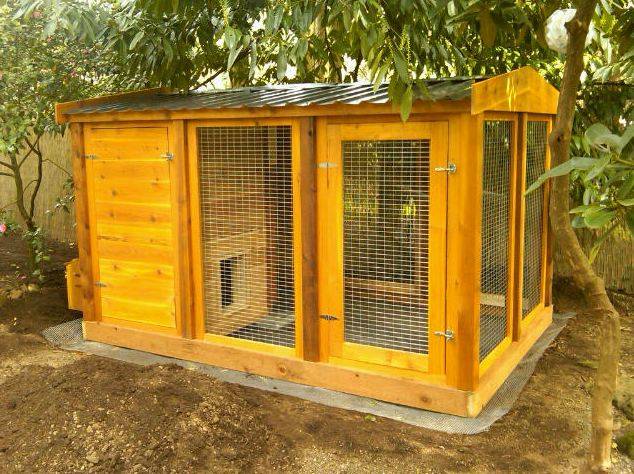
duck house

The design of duck house is just similar to chicken house design except some minor differences such as it doesn’t require roost, nest boxes and need some large door with some steps and it must not be so high from the ground.

There are two basic designs of duck coop plans. One is knows as the intensive pen design and the other one is called the semi-intensive design.

  • The intensive pen design

The intensive pen design is structured to keep the ducks safe during the day time and night they are locked totally. The shelter is made quite tough to shield the ducks from any pending danger or threat.

  • The semi-intensive design

In the semi-intensive design the ducks are allowed to roam freely within specified boundaries during the day time.

When we talk about chicken coop flooring and bedding material we’ve several options to explore. While constructing the duck pen it is important to give proper attention towards the flooring. To manage litter and to provide cushion (while they are laying and protecting eggs) a wooden flooring or hay is preferred in most of the cases. Choose a flat area for constructing the duck house but the system of drainage must be very good as you need to prevent the chances of any disease out break or any other health issue. The area of duck pen will depend on the number of ducks that you have actually as you need to provide proper ventilation and sunlight.

Just like your house, you need to consider the best material for construction. Wood is the preferable item as it is durable and long lasting. For the shape of the duck pen, you can opt for the rectangular one as it will allow more space to the ducks to roam freely.  Duck housing designs will help in giving a comfortable environment to the ducks and they will remain healthy and happy. The entrance and the outer limits of the duck pen need to be designed carefully as with the passage of time ducks will continue to grow and will require more area.

How to construct a proper duck pen

1- As told above the enclosure needs to be well protected and shaded and it must be dry.  If, you are planning to construct a pen on DIY basis you need to select the appropriate wood posts. It means that the dimensions of the plywood must be well suitable for a spacious pen. Other accessories that you will need are tarps, wheelbarrow, gravel, cement, straw bedding, cement blocks, well secured latch, vertical hinges, wire mesh, hardware cloth, staple gun and some heavy duty staples.

2- For a common or ideal measurement ground you must allow 11/4 square yards of space for three ducks. The location must be well ventilated and must have the features of a good drainage system. On the floor place a good quality hardware cloth and then place gravels on it and for the last touch you can include the straw bedding. It will provide comfort if you are raising ducklings in the pen.

3- While erecting the plywood for the pen, you need to bury them at least two feet deep in solid ground. When the posts have been erected properly you can staple the wire mesh to provide proper fencing. This will prevent invaders from entering the pen through any side once the protection and construction has been done properly. There are different duck house plans and you can choose one according to your requirements, area and the amount of ducks you have.

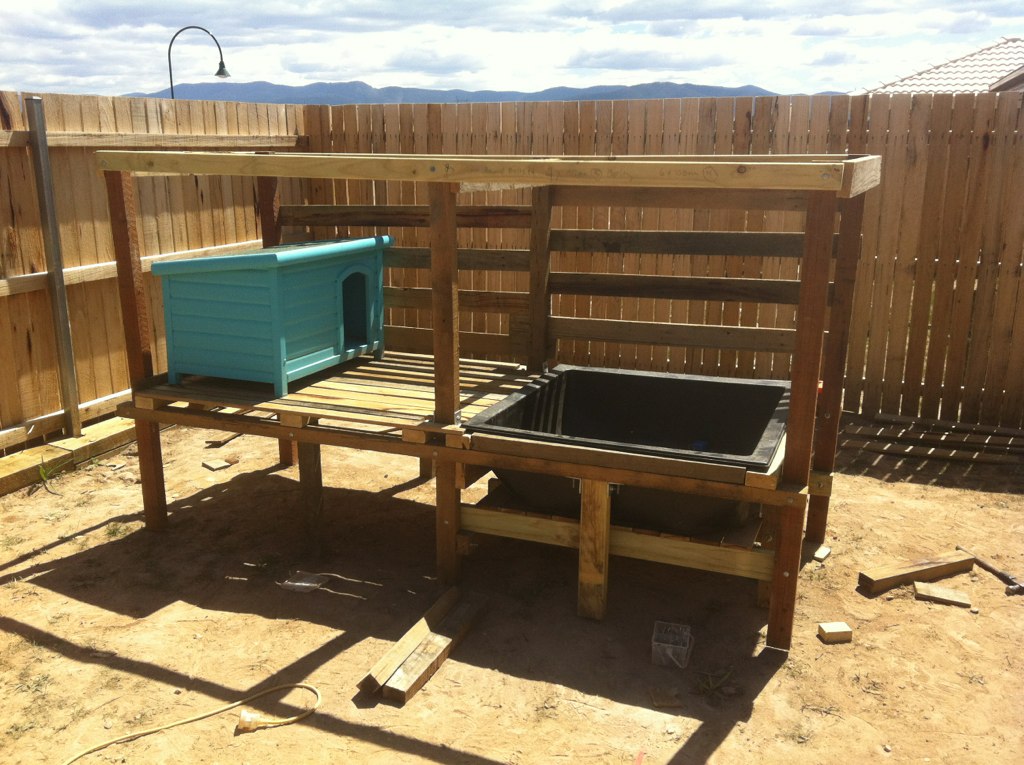
duck house

4- Backyard duck pens are very successful for Rearing ducks, that is, if you have ample space and can look after the ducks easily. If you’ve already chicken coop and thinking about Raising chickens and ducks together in the same coop than it is not a difficult task at all, you will need to plan the pens carefully keeping in view some difference in their housing requirements as discussed above and allow the chickens and ducks ample space. Do keep in mind that in rough environmental conditions chickens love to spend their time indoors.

Causes of different types of stress in chickens-how to manage it?


For many of you, it won’t be making much sense that chickens do get stressed – I mean, weren’t humans enough to get stressed that even poultry does? However, if we think beyond what we see, even chickens have their own world like us – they are stressed lives like we do, I know I am being little emotional here but the fact remains true. Indeed, they won’t be having workplace stress or family stress but other undesirable factors make them unhappy.

This excerpt is all about the kinds of stress the chickens face. How can you manage it? Basically the identification and solution, all would be your way.

Types of stress:

Well, it’s not wrong to say that some of the stress types that are identified within poultry seems much more common to humans.

Fear – many fear that they would be chased and actually stab to death. Indeed this is the nature of any living being – the feeling of insecurity causes severe tension.Some times they get stressed after being an attempt by predator to eat them.

Social stress – many times birds hate it when their pecking order is changed – or, maybe when their friends are sent to some other coop. Similarly, if a rooster which was previously attached to one chicken, if goes to any other, tension takes birth among all. The addition of more than required chickens within a certain place also leads to stressed situation which may effects poultry health.

Climatic stress – you must be having an idea that chickens are very sensitive to heat – you must keep a check on identifying the signs of heat stress when the sun is around. Similarly, too chilled winters even spoil the mood of the birds.

Environmental stress – chickens are really moody – they just want things to be there way; even a little change can make them unhappy. Too much light, less ventilation and dirt is the major factor that causes stress amongst the birds.

Nutritional stress – change in diet, short of food, less number of water containers also upset them.

Physiological stress – many times process of egg laying, sexual maturity,egg binding and mating creates stress among-st the fellows.

Causes of stress:

Anything that goes beyond the wish of the chicken makes her unhappy – she tends to think all the bad things and remains sad for days. For example, if the coop as been changed or a chicken has been introduced to new friends, she would feel bad about it. Chickens are not good change acceptors. Similarly, many even hate when the roosters are changed, or their handsome roosters I walk away with another chick, they feel jealous. Likewise, change in diet, even change in the grains cause them bad mood.

Signs of stress:

The most common stress signs include;

  • Loss of appetite
  • Sluggish attitude
  • Lethargy
  • Aggression and fights
  • Less egg production
  • Shedding of feathers
  • Loss of weight

Different diseases and stressful conditions may be responsible for the mortality in today’s poultry industry– make sure; you look after your chicken on the right time so that you can overcome losses.

stressed in chickens

Prevention and treatment:
  • Keep your chickens clean and tidy – also make sure that the coop is clean. Timely change the flooring and even the coop.
  • Do not add more and more chickens if there is less space inside the coop.
  • If the flock size is increasing, increase the number of food equipment.
  • During severe heat, try to keep some frozen water gallons or ice packets near the chickens to protect them from heat– they would love it.
  • During winters you must place or bulbs so that they can feel warm.
  • Make sure you keep on getting the chickens vaccinated on time – this would help them in avoiding both viral and bacterial infections. The entire flock would remain healthy and safe.
  • If you are intending to change the diet, make sure you do it wisely. You can start giving new grains and old grains together. Make them habitual and eventually stop giving the old ones, they won’t mind.

Obviously you cannot talk to the chickens and teach them the ways of stress management. Normally, a bird can handle a certain level of stress easily and also it depends upon type of breed you have, but too much can be really dangerous, even cost lives.

How to get rid of Bad Smell in Chicken Coop-litter management in summer

I was loved by nature and beautiful creation of God. My interest drove me to tame various animals including cats, rabbits, horse, dogs and alligators as well. I used to treat all of them as my own babies, trust me; I was their mother because most of my time and attention was devoted to my small farm. One fine day I went to take some milk and eggs from the nearby farm and fell in love with the adorable chickens. They were so cute, so adorable and so naughty that I decided there and then that I am going to make my own little chicken farm.

It was not tough for me to spend some dollars and obtain a mixed flock, the chicken coop and other necessary equipment. Without much knowledge about the coop care, maintenance and other related issues, I blindly jumped into the trouble myself. What happened after some time was all beyond my thought. Those were hot summer days, I never knew that my carelessness would cause this kind of trouble – I would feel the chickens were annoyed and there is some sort of bad smell in the coop. I thought it would get away itself and ignored. Eventually the odor got over the entire coop and the farm started stinking.
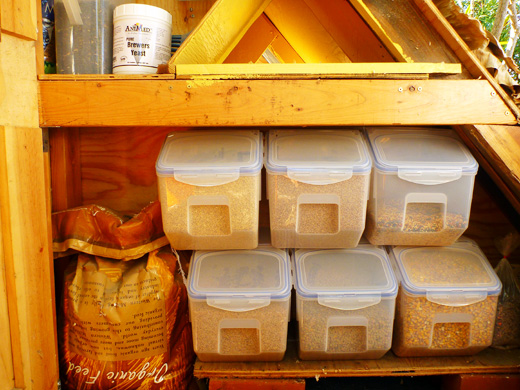
I ran to the professional poultry farmer nearby for help, he was an amazing person. He came along to teach me what went wrong and how to carry out the corrective measures.

Wet weather and humidity are enemies:

You all know the coop flooring is really sensitive and most of it when gets wet cause bad smell. Many times while filling up the water container spills water, this causes moisture in the flooring and it gets tacky. All you have to do is, take care of the spills and remove or turnover the wet litter each time after filling the containers. Also, make sure the containers are not too big that miss chicken thinks you have arranged a pool for her – be careful.

Ensure air circulation:

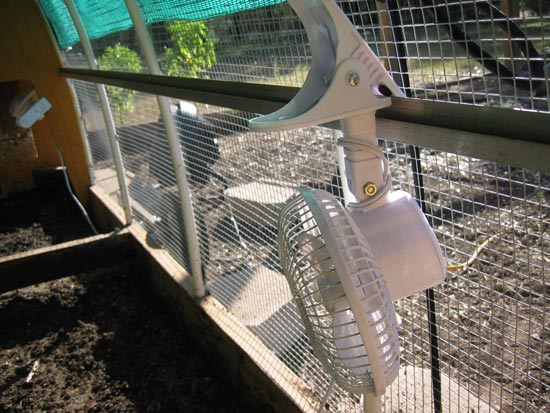
The chicken coop must have proper ventilation; it never means that must have big door and windows, but box fans. It depends upon the size of the coop and your sense of looking at the things. The proper air inflow and outflow would keep the flies, mites and other problems away. To some extent, you would be sure that the chances of bad smell are low. The air would also keep the chicken coop cool in summers; ultimately, you are preventing heat stress too.

fan in coop

Use of fresh flower:

You can use or sprinkle fresh flowers in the coop each morning so that tacky smell can be avoided – this would cheer the birds too because bad smell is even a torture for them.

Change the bedding frequently:

It is mandatory to change the chicken coop bedding after a week in the summers that goes damp. There are many types of beddings to choose from – look for the one, which dry quickly and easy to mange. In short, there are chances of bacteria development and bad smell. This affects chicken health also and you would never want to lose your adorable birds just for the sake of a few dollars.

Use of Diatomaceous Earth:

The best type of bedding for summers is hay; you must use it with diatomaceous earth powder so that it can absorb all the unwanted dirt and smell. The chicken poop and other issue regarding the decomposition during the summers can be handled this way easily.

DE in coop

In addition, it is said that we must keep lesser flooring during summers in order to avoid the heat instead of deep litter. Even the decomposition causes heat that may lead to severe coop issues. Carelessness especially in summers can lead to bad smelling chicken run and coop which would make the chickens unhappy. God forbid, unclean coop would invite multiple diseases too – I lost my three chickens because of the same mistake. I hope you follow the right ways, keep the coop dry, and clean during summers.

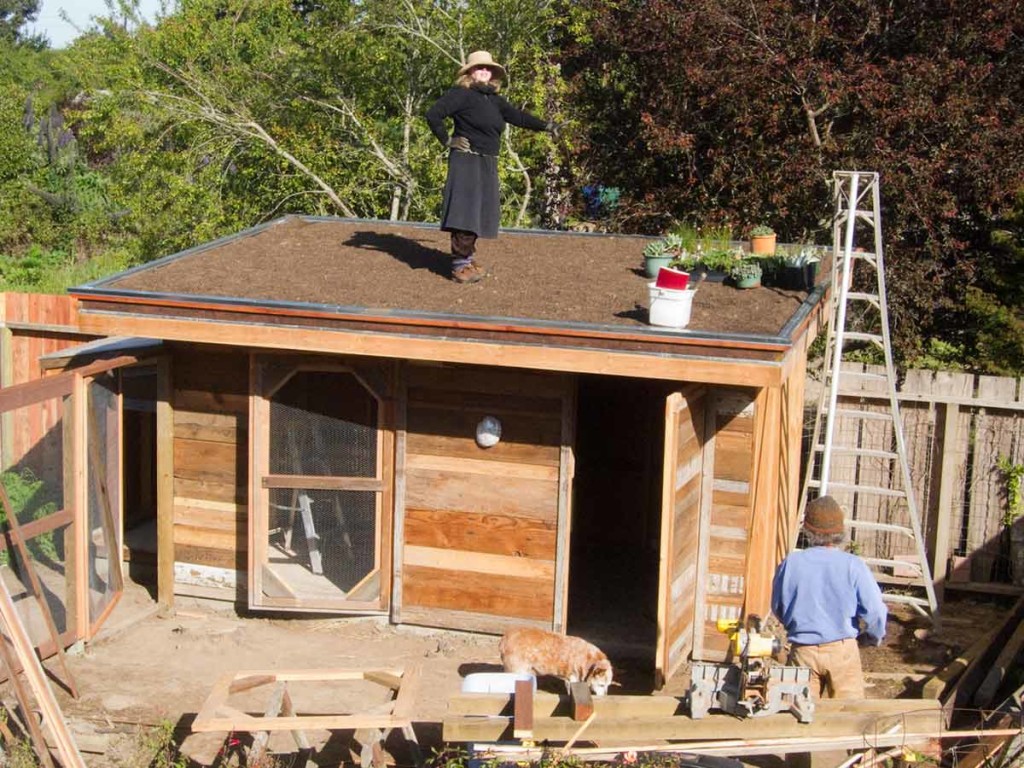
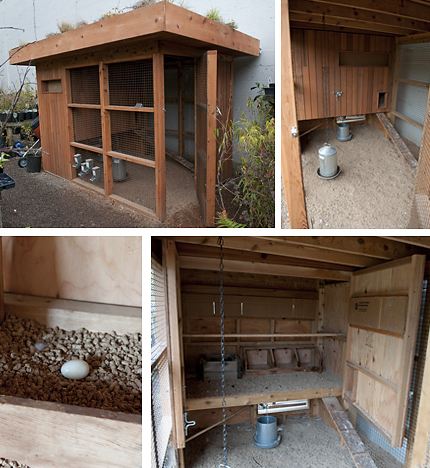
Free green roof chicken coop plans – build one yourself

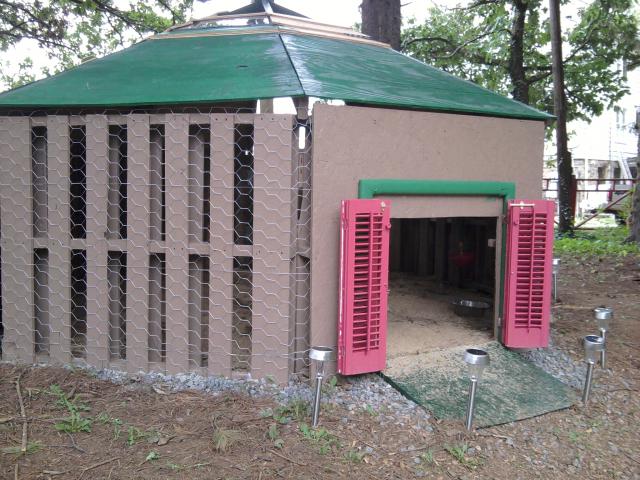
Since ages people have been raising chickens and cocks in their backyards; there are a number of reasons for indulging in this habit – many do it for their interests and for many it’s the source of income. Interestingly, the survey shows that this trend is getting popular over the years in both rural and urban areas. You must have seen a conventional type of green roof chicken coop in the homes of those who are in chicken caring business, but these are not very effective for all the weathers; many overlook the fact but a chicken coop must be strong enough to bear the harsh weather. If you talk about the normal types of chicken coop designs, they seem attenuate to cope up with the environmental changes – this leads to affect the health of the animals residing in there – which are an ultimate loss for the caretaker.

Other than this, if chicken and chicks are not looked after properly, they incur various diseases and that gets troubling because it is fatal. However, you are not supposed to panic because with a number of various green roof chicken coop plans and amazing ideas related to chicken coop structures, you can easily get through with the problem.

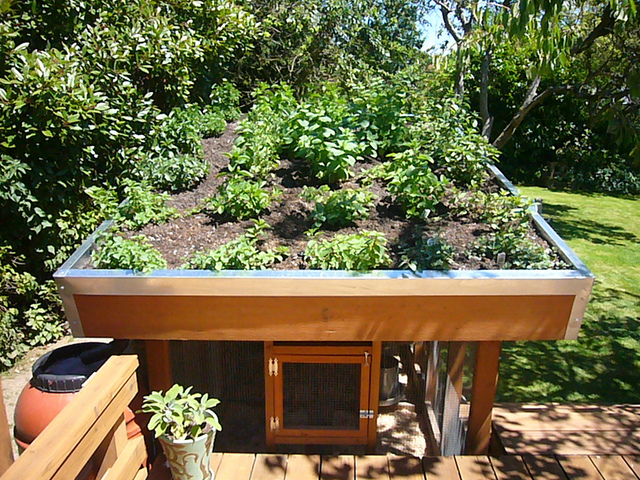
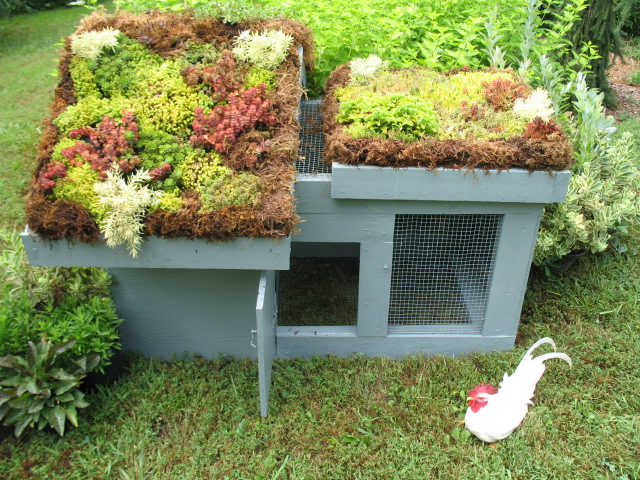
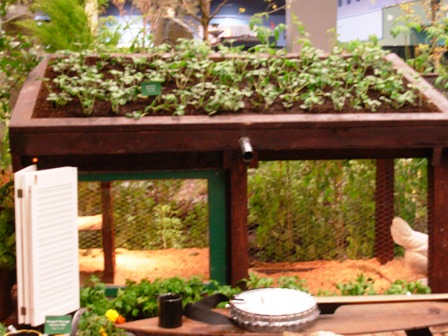
You should always go for green roofs if you are into animal domestication. First of all, it provides a fresher appealing ambiance to the animals inside, and also provides enough space for the animals to move around. In fact, a green roof would make it a cool chicken coop by letting the sun rays away from it. Also, it empowers one to plant some of the healthy and fresh plants over the top so that it becomes an ideal structure for chicken coops for hot weather; basically, it would act as a thermal insulator. Also, the fine appeal can be added to the chicken coop easily this way – after all, you want your chicken house to look as good as it can be.
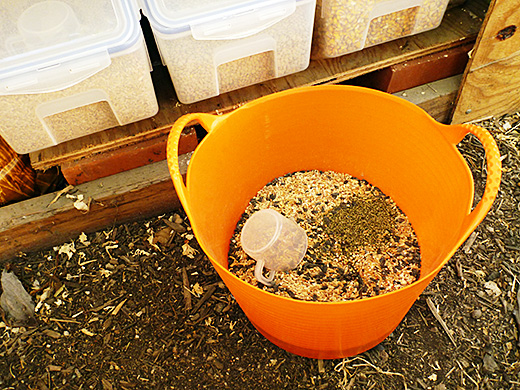
Many questions about free green roof chicken coop plans and how to build a chicken coop. Well, most of items that you would require can be procured from home – so here you go;

Material needed:

  • Screws and its driver
  • Drill
  • Pond liner
  • Blankets (used)
  • Yorkshire board – it would help in setting the roof
  • A medium sack of gravel
  • Peat medium sack
  • Sharp sand

1: First of all you need to find a roof structure; make sure it’s strong enough to bear the weight of the plants.

2: Once the roof has been selected, must attach the pond liner around it; attach it in a way that it overlaps so that when it rains the water does not enter the roof. Join it with glue or staples firmly.

3: Now you should cut the roof into the size which blends well with the box (structure) of the coop. In order to provide a finishing touch to the box, cover it with the blanket. This would help the coop retain the necessary water.

4: Now take the gravel and nicely put it over the roof; make sure that the amount of sharp sand and gravel is equal while making the mixture. In this way the water will get drained easily without harming the chickens inside. Your backyard chicken coop is ready.

5: Lastly, plant it up with plants of your choice. Well, whatever plants you intend to grow and place there, make sure you look after them regularly. Don’t let them get dry or fall because it would then not only destroy the look of the coop, but also the main aim of keeping it cooler would get disturbed. Well, one of the popular types of plant which are ideal for the coop use is Sedum – there are many varieties of Sedum to choose from like;

  • Angelina
  • Blue spruce
  • Dragons blood
  • John Creech
  • Orange Stonecrop

sedum roof chicken coop

These are the layman’s given names, but you can easily find them in the plant shops. I hope the piece of information is ideal enough to help you build your own attractive and comfortable chicken coop design.

The Effects of Avian Flu(bird flu) on Poultry Sales/humans/birds and its treatment/precautions

The outbreak of any epidemic or the widespread of any disease leads to an inevitable slump in the market. Be the sale in direct or indirect relation to it, the market is affected greatly in any case. So, you can very well analyze the affect on the market if the sale is directly proportional to the epidemic. The product here is directly proportional to the epidemic so you can very well imagine the severe effect.

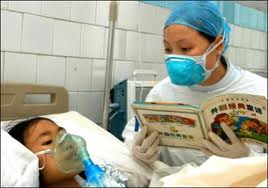
The greatest risk factor for Bird Flu, seems to be contact with sick birds or with surfaces contaminated by their feathers, saliva or droppings. The World Health Organization (WHO) has confirmed a handful of cases of limited human-to-human transmission of bird flu. But unless the virus begins to spread more easily among people, infected birds or material present the greatest hazard. Migratory waterfowl and ducks in particular, carry the viruses that cause bird flu. Often unaffected themselves, the host birds can spread the infection to susceptible species, especially domesticated chickens, turkeys and geese, resulting in severe epidemics that sicken and kill large numbers of birds – sometimes in a single day.
Avian viruses generally don’t affect humans, but in 1997, an outbreak of bird flu in Hong Kong infected 18 people, six of whom died. Since then, human cases of bird flu have been reported in the Netherlands, Canada and throughout Asia. Most were traced to contact with infected poultry or surfaces contaminated by sick birds.

BBC news said that: The \”intense interest\” in the risk of a UK bird flu outbreak could seriously damage chicken and poultry sales, the National Farmers’ Union have warned. This was the headline of an article in the BBC news front page. David Salisbury, head of immunization at the Department of Health, said an assumption was being made that one in four people would be affected by any such outbreak \”The risk is very real, we’re very aware of what’s happening in south-east Asia and are monitoring very carefully the spread of disease amongst birds,\” he told BBC News.

Another date the BBC news front page said: Poultry producers in Wales say their businesses are at risk following a ban on bird sales and shows to lessen the potential spread of avian flu. \”We go to the sales to keep the cash flow going, but this ban has taken 80% of our market away\”. Said the Poultry producer Chris Taylor, which very clearly states the condition of poultry sales due to the ban levied on it.

Hence, the above-mentioned reports very well sum up how the sales have been affected in case of poultry due to this bird flu. This viral infection has been the cause of so many problems. The H5N1 virus currently infecting birds in this avian flu have caused human illness and death is resistant to amantadine and rimantadine, two antiviral medications commonly used for influenza. Two other antiviral medications, oseltamavir and zanamavir, may treat flu caused by the H5N1 virus. Tamiflu is the most effective medicine against this perilous disease. And remember Tamiflu is most effective if treatment is started within 48 hours of symptom onset. So Don’t Loose Time Buy Tamiflu.

Problems faced by small scale poultry farmers in developing countries

According to the reports and surveys conducted by UNDP all over the world, more than 1000 million people suffer from the problem of mal nutrition and come to earn less than 1 US $ per day. One of the major modes of earning for the people of Africa is poultry.

Problems Faced in Family Poultry

Family poultry makes up nearly 80 % of all the poultry products in the developing countries, especially the ones located in Africa. This mode of poultry is indeed of great importance for the people who are in some ways linked to this discipline for their survival.

Water, Electricity and Disease Control Problems

The sector now faces a number of issues and difficulties including water, food, electricity and other major problems. In addition to the challenges posed by the various pathogenic diseases, the farmers also face the problem for low capital. Help from the side of the government and other investment institutions, is all that is needed by them for ensuring health growth and development conditions for the domesticated animals.

High Production Cost and Low Return

Most of the farmers of the third world countries are forced to sale their products at low costs to the suppliers, which in turn earn some large profits from them.

Limited Access to the Core Markets

It is all because of the limited access to the worldwide markets which is barrier in the way of these farmers. As they get little return on what they sale, so they never try to improve the quality of the poultry products and farms. Various significant improvements can be made in these production systems through the use and implementation of the most advanced and scientific practices.

Possible Solutions

In order to provide a solution to the poultry problems, some investment is now being made in those countries and proper steps are being taken to ensure the introduction of scientific research in these countries. But here an important thing to note is the specific economic and social environment of the area which is quite different from the rest of the developed countries.

Technical Training and Assistance for the Farmers

In order to solve the issues, specialized poultry networks and training programs should be introduced in order to provide awareness to the famers about the various diseases, health conditions, strategies and techniques which are necessary to ensure the quality of poultry products and for the better health of the chickens, ducks and other domesticated animals. The poultry producers in Asia and Africa are the ones which face the most number of challenges in comparison to the ones in EU and America.

Implementation of New Policies

Furthermore, the poultry sectors in Africa and Asia should be given due attention by the agricultural policy makers and scientists. Unfortunately, small scale poultry farms are not given due regards by the researchers. It is all because of the fact that there these researchers find no sort of political significance in working in some of the underdeveloped and backward areas of Asia and Africa. In order to ensure the betterment for all, policy makers and poultry tycoons should take some measures for changing the lives of the poultry farmers in the developing countries. The poultry producers should also change their attitudes and efforts in managing the quality of the products and the welfare of all the animals on their farms.

Managing Health of Turkeys

Early stage (starting) of brooding is of crucible importance for poults as they are reluctant to eat and drink, hence have more tendency to perish than chicks or ducklings for unknown reason. Therefore, they should be provided with ample facilities for feeding, drinking, and lighting.

Intensive rearing has made turkey more susceptible to various infections and control measures through preventive Managing Health of Turkey is the best principle to minimise disease risk. Turkeys must be immunised against diseases like RD, turkey rhinotracheitis, pox, pasteurellosis and erysipelas. The necessity for full or partial immunisation depends on disease prevalence in the area of turkey raising as well as on their population. In case of isolated rearing units little protection can suffice the purpose, while in thickly populated areas complete preventive vaccination protection may be essential.

In recent years, the main ailment affecting turkey badly is turkey rhinotracheitis, which is latest viral entity causing losses in turkeys all over the world. It leads to serious deleterious effects on birds of all ages predisposing them to secondary invaders like viruses, bacteria, etc. to cause severe trouble.

Mortality upto 25-30 per cent is common with heavy loss of production in survivals. Fruitfulness of treatment is uncertain. Management improvement by supplying increased floor space, adequate ventilation, fresh litter, better sanitation and hygiene along with toxic principles free enriched diets is of greater help to control the ailment.

Free Range Chicken As Alternative Poultry Production Systems

When it comes to poultry alternative production systems in Australia, then there are three strategies that poultry producers make use of. These include free range, barn and organic systems used for the production of eggs and meat. It is through the use of these three systems that the customers have a wide array of choices to select while keeping in view the element of taste, personal and animal welfare and environmental sustenance. Although these modern systems are seen to be complimentary to the use of the conventional methods, still both of them have certain drawbacks. The original intent of the poultry industry is to create some sort of bond between the production systems and the amount of confidence the consumers have on the use of these products. Below are the three modes of production.

Free Range

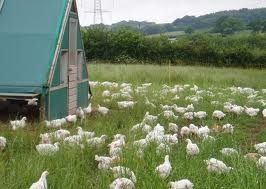
Now for those who do not know, this mode of production is one of the most widely accepted and popularized among all the welfare groups. The free range hens in Australia account for about 11% of the total number of hens. The market share of these hens in terms of grocery sales is about 14.5%. The revenue generated from the use of these hens is about $ 71 on an annual basis. Furthermore, the principle of limited stocking density ensures for the animals, freedom from discomfort, pain, hunger and thirst. Here are some of the distinguishing features of this specific mode of production as stated by the Model Code of Ethics for the Welfare of Animals.

  • Maximum exposure to the natural environment
  • More chances of growth
  • Larger space for roaming, minimal risks for the environment
  • Free from antibiotics
  • Compliance with the set standards

free range chicken

Barn Poultry

This system involves the use of the cage as well as the free range measures. In other words, the system is more like an amalgamation or merger between the two farming practices. This mode is encouraged because of a number of its positive points with compliance to the Model Code of Practice in poultry. Here are some features of the system.

  • Use of weatherproof sheds and safe farming practices
  • Limited Density of the stock for encouraging the natural behavior from the animals
  • Freedom of movement and flying
  • Less chances of predation among the birds
  • Access to private and secured areas for the process of egg laying
  • Limited human contact through the use of automatic systems
  • Limited feather pecking and lower chances of cannibalism

poultry barn

Certified Organic Poultry

When it comes to the production of certified organic eggs and meat, then free range hens are the ones to be used. But here, the system is to be administered in lines with the National Standards and safe farming practices with no use of artificial colors and other chemicals that might come to cause any harm to the animals. Let us take now take a look at some of the features and requirements of this system, all of which follow the set standards.

  • The birds are fed by making use of certified organic nutrients
  • No use of antibiotic measures and medication
  • Varied use of diets and feeds
  • Certified organic meat chickens need to be fed with only the certified organic nutrients and are not to be cured through the use of the routine modes of vaccination.

certified organic poultrycertified organic poultry1