All posts by Farhan sheikh

My name is Farhan Ahsan,I am web enthusiast, writer and blogger. I always strive to be passionate about my work. I started my work at the beginning of 2007 by engaging myself with detail reading and exchanging information with others. Since then things and times have changed, but one thing remains the same and that is my passion for helping and educating people, building a successful blog and delivering quality content to the readers. The particular interests that brought me in the world of blogging are gardening, wildlife, nature, farming and livestock.

Heath And Welfare of Poultry in Commercial Industry Production

The prime focus of the commercial poultry industry has always been on the making of meat and eggs. Due to the increase in the demands of the chicken and broiler meat all over the world, the modes of production have also been improved. But as they say, increase in the modes of production poses new challenges. The same also holds true for the poultry sector which now faces a number of problems. Although the poultry sector is now more automated and integrated than ever, still it faces a great deal of criticism from the side of the public, especially from the various animal welfare organizations. It is due to this criticism and concern that a great deal of research has been initiated in order to minimize the levels of skepticism and for enhancing the welfare of the animals, which seems to be at stake in most of the third world countries. Poultry welfare involves the following dimensions.

Major Health and Welfare Problems 

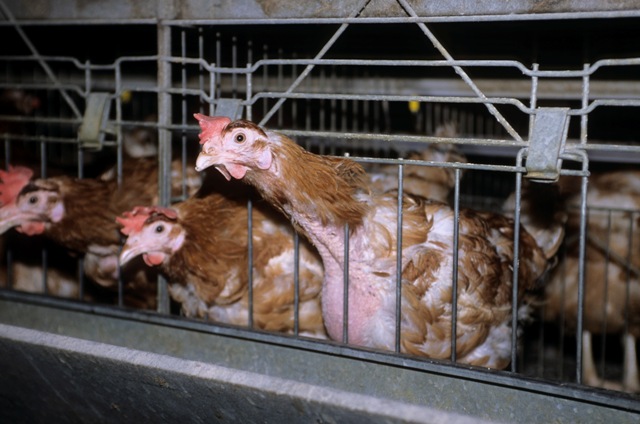
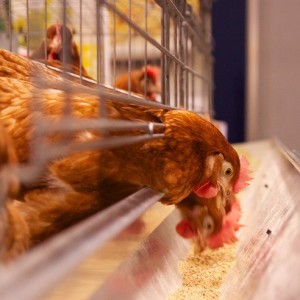
Chicken welfare deals with the use of caging and all other settings in which animals are brought up. Caging system does provide the producers with a wide range of options including egg collection, efficiency and much more, but one of the major drawbacks of this system is the lack of natural environment. In other words, captivity can come to cause various changes in the animal’s behavior. According to the new rules and regulations imposed by The United Egg Producers, all of the animals should be given the minimal space of about 48 square inches for each bird. In accordance to guidelines suggested the European and other relevant organizations for broiler welfare, one bird should be given at least a space of 12 square inches.
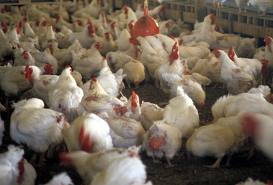
scare among bird

Alternative Production Methods

Not just in America, but also in Europe a large number of production methods and alternative are now being developed and researched. But here it is unclear that whether or not the use of these methods might come to affordable and conducive to be used on a large scale in the commercial egg production. Furthermore, the prices of the eggs and meat also vary depending on the particular production system used for carrying out the production. For example, in Britain, the prices of free range eggs are much higher in comparison to eggs obtained from the use of the caging techniques.
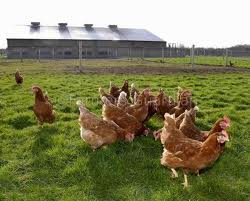
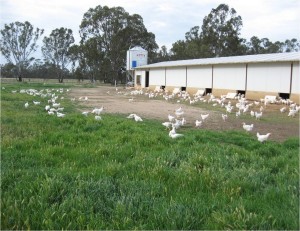
free range chicken

Mortality Issues, Induced Molting, Beak and Toe Trimming

One of the major issues involved in the caging and some other farming practices is the issue of cannibalism which can be linked to mortality. Now here it seems that the cages might be a much safer method for animal growth, as the animals are less prone to be attacked by other predators. The commercial egg production is also effectuated to a much greater extent with the increase in the chances of predation and a higher mortality rate. There are also a number of regulations that have been imposed on the use of beak trimming techniques. In the past, the procedure had been subject to a great deal of criticism, primarily due to the highly invasive trimming measures. Due to these and other similar issues, some alternative methods are now being considered.
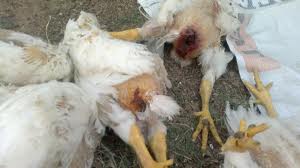
cannibalism in poultry

The use of beak and toe trimming should only be carried out for the welfare of the animal and for reducing the chances of any disease or abnormality that might occur. The major problem in the use of the beak trimming is because of the element of pain that the animal might experience. Induced molting method is also one of those measures which have been increasingly used in the past few years with the intent of enhancing the production life of the hens. The techniques used include feed restriction, change in the dietary techniques and much more, all of which are to be performed before sexual maturity.
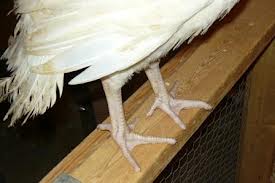
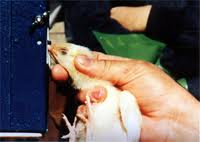
toe trimming in poultrybeak trimming in poultry


Other health Problems in Commercial Egg Production
 and Industrial Poultry Farming

Although a number of health issues in animals have been resolved through the use of various scientific methods, still there are various other problems which need to be addressed. Here are some of them

  • Increase Body weight and Broad Breast
  • Disorders in the pelvic limbs
  • Skeletal abnormalities
  • Differential and Varied growth of body Parts
  • Chances of epidemics
  • Sudden death syndrome
  • Crowding and poor slaughtering practices
  • Poor use of stunners

Surveys and researches carried out in Europe and US suggest that most of the animals are now being slaughtered through the use of stunners in which most of the times animals are not stunned properly.

Recommendations

It is substantiated now that for the growth of commercial chicken and broiler chicken industry, a great deal of effort is still needed from the side of the producers and scientists for the betterment of all.

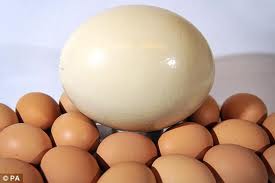
Ostrich Physical Chracteristics And Marketing

Ostrich is the recently domesticated bird. Ostrich is the largest known bird and some scientists believe that the present bird developed from ancestors that were capable to flight. The ostrich of today cannot fly, but does run well and is capable of speeds of 50 miles per hour with strides of 15 feet (for very large bird the stride may be 20 feet or more). The feet of the ostrich have only two toes, the only bird the that does while emus, Rhea and Cassowary has three toes. Ostriches characteristically share with emu, Rhea and Cassowary. The ostrich is well-adoptable bird and that can thrive in different environments.

Physical Appearance

A male ostrich range between 6 and 9 feet, while females  between 5.5 and 6.5 feet tall at maturity. The  chicks of ostrich grow about 10 inches per month in the first year and weigh about 40 kg at a age of12 months.  The Adults ostrich usually  have weigh between 60 to 132 kg. Domesticated ostriches gain maturity at 2 to 3 years of age. Females are mature about 6 months earlier than males. Ostriches normally live for 30 to 70 years in captivity.

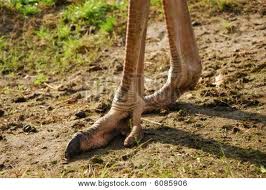
ostrich eggsostrich  legs1

–Despite the fact that ostriches are flightless birds, their wings are very strong. Ostriches make use  of their wings for aggressive display and courtship rituals. Males have contrasting bright black and white plumage. Females plumage is drab and grey. Their lead-blue  colour of skin usually becomes scarlet over the beak, on the forehead and around the eyes during the mating season. The normal body temperatures between is 39.4°C to 40°C.

Nutrition

Nutrition practices recommended by some self-professed experts often are sound nutritional principles. Nutrition related mortality problems in chicks juveniles include malnutrition or starvation, intestinal obstruction. It is absolutely essential that ostriches have clean, potable water availability. The  feedstuffs of ostrich must  provide adequate level of protein and essential amino acids and meet vitamin, energy and mineral requirements If ostriches are allowed to forage on grain or natural grasses , try to balance intake with the amount of commercial feed that is fed. Ostriches should not become overweight. Excess body weight in the form of fat is detrimental to production or breeders and to meat quality of birds that are to be slaughtered.

Marketing

Market for ostriches is currently breeder market with value deter­mined as much by nostalgia as the value of products provided by the ostriches. In the long-term, if the ostrich industry is to thrive, the birds will have to generate sufficient revenue to cover their costs of production. The main products from ostrich are red meat which is lower in fat and cholesterol than turkey. Leather which is extremely durable with unique marketing. Decorative by-products namely, feathers and eggs.

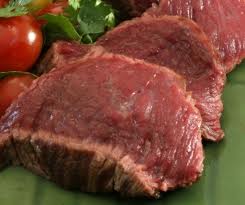
ostrich meat

History of Emu

L

Native of emu

:

Australia
2. Life span

:

25-35 years
3. Egg weight (Average)

:

400-650 2-,m
4. Incubation period

:

48-52 days
  1. During laying period (October-March) they can lay 30-50 eggs per annum.
  2. Prominent characteristics of emu is rudimentary wings.
  3. Male have phallus.

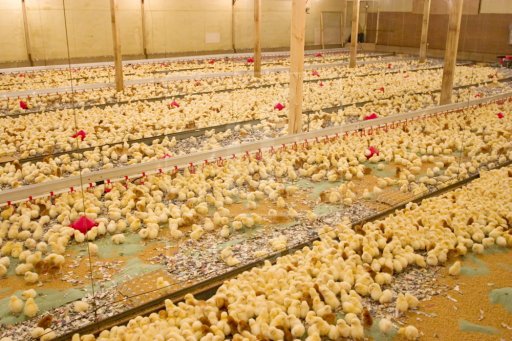
Environmentally controlled poultry shed/ House farming

So you have decided to have a poultry shed for rearing the farm animals. But the thing you must now is that animal domestication should be taken as a process, as it requires certain measures and strategies all of which are of extreme importance. The prime purpose of having a poultry shed is to help the animals adapt to humans. This adaptation to the captive environment requires the maintenance of certain conditions. The guide to poultry control shed can be brought to practical use only by following all the steps as they are. Here are some of the basic/essential requirements and a basic design for the environmentally controlled shed!

The first thing you need to do is to make a blue print for the shed that you plan to have. You can try to make your own plan, but it is best to make use of the internet for getting an idea about the most conducive and practical plans. A typical poultry shed for chickens makes use of a plan that distributes 21 chickens per square meter. The floor on which the animals are to be reared should be more than 15 cm with variations for more animals. Now you can assume that what would be required for rearing 30,000 to 45,000 birds. The land area required to make a poultry shed for 30,000 broilers should be more than 80000 square feet. It can be more if you are willing to make some good investment in control shed.

Furthermore, a balanced amount of litter is spread all over the floor which primarily consists of wooden shavings and other similar materials. An important thing here is the fact that these sheds are of controlled environmental types, so you need to have an efficient ventilation system for the maintenance of the temperature. The birds and animals require a certain temperature profile for their growth.

The windows should be made in such a way that sunlight and fresh air can easily enter the poultry shed. In times of the windy and cold seasons, you must have some brooders for maintaining some heat in the entire structure. It is all because of the fact that farm and domesticated animals are highly susceptible to weather changes. As the animals start to grow the heat requirement comes a few notches down as the animals are now able to generate some body heat of their own.

In terms of the feeding density, the feeders and drinkers should be sufficient for the accommodation of the 30,000 to 45,000 birds. On an average the feeding consumption for one bird should be more than 3 kg for a period of 5 to 6 weeks. Below is the list of some of the most important variables in bird rearing and infrastructure:

  • Temperature and humidity maintenance
  • Supplementary levels of heating and cooling at all times
  • The amount of nutrient densities consumed by the birds
  • An increase of the biomass in the shed from time to time
  • Presence of some heat in the litter and all necessary arrangements for meeting the surface requirement
  • The floor area should be kept in mind in the times of heat distribution

All of the requirements elucidated above should be dealt with efficacy and extreme care for making the shed a healthy breeding and reading place for the birds.

   Ventilation system

http://www.poultryhub.org/wp-content/uploads/2012/05/Ventilated-shed.jpg

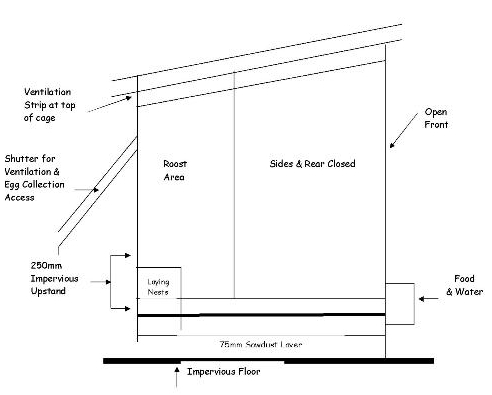
    Structure of poultry shed

  1. http://www.southperth.wa.gov.au/Images/poultry_shed.JPG

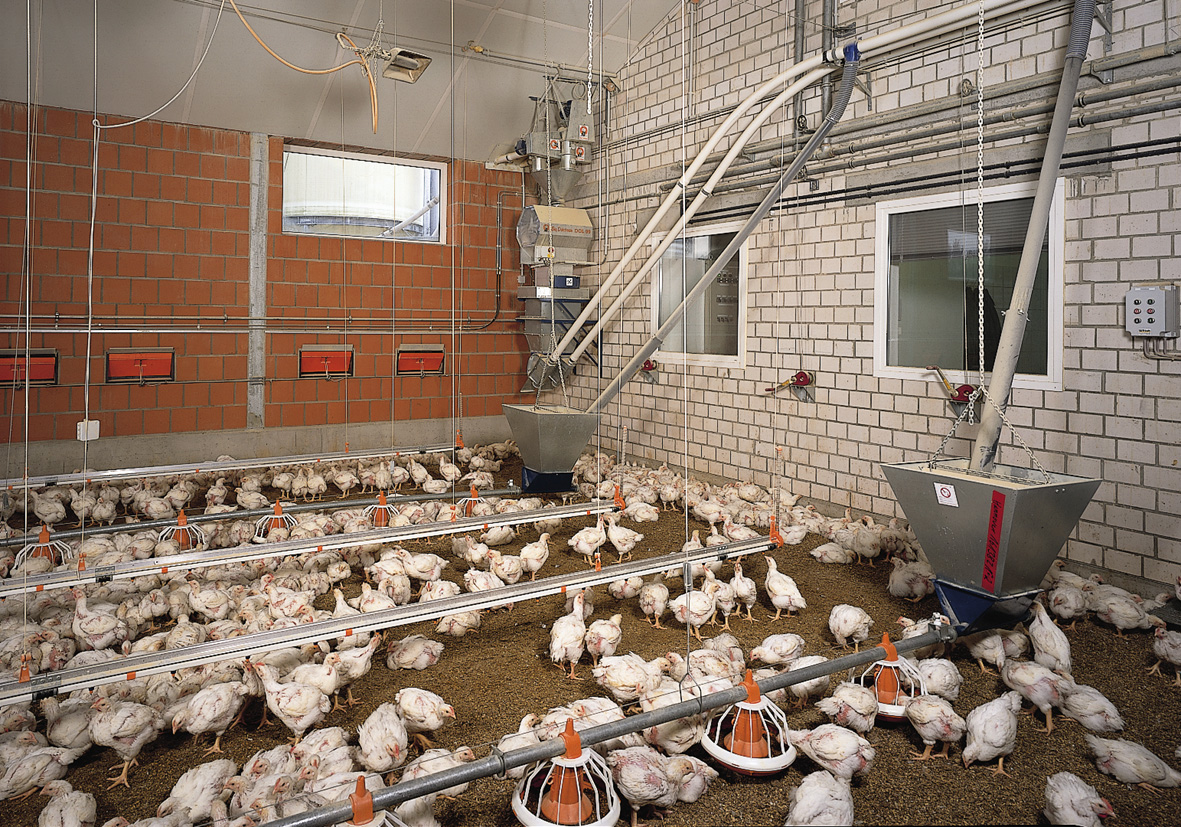
     Feeders and drinkers in a poultry shed

http://www.bigdutchman.de/fileadmin/photos/gefluegel/haltung_mast/Broiler2.jpg

      Land area

http://www.bluechipwebdesign.com/wp-content/uploads/2012/03/Day-old-chicks-chicken-shed.jpg

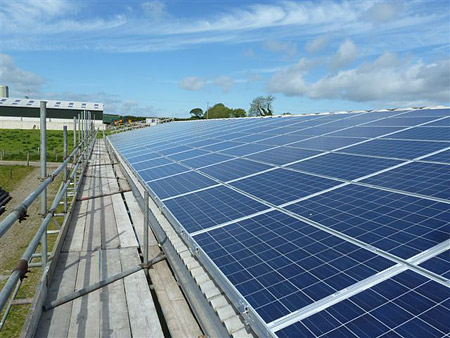
       Heating and electricity

http://greenearthenergy.co.uk/sites/default/files/images/imce/cs_comm_HJames2.jpg

Molting Issues in Chickens-why Hens loss their Feathers?


It is always fun to keep backyard fellows and enjoy their presence. However, over the time there are many things, which cause chaos for the keepers because of lack of knowledge about the birds in the flocks. Many get upset because of the natural changes; in contrast to this, there are people who leave many serious issues ignored. Therefore, you must make sure that you have enough knowledge to deal with important issues before it is too late handle.

The excerpt deals with one of the most common issues, which bothers the first timekeepers especially during the fall season.  They get into trouble when the hens lay lesser eggs than usual or when they start to shed weight more rapidly. This kind of situation is termed as molting – continue reading if you are facing such issue, or want to prepare yourself for such events.

What is molting?

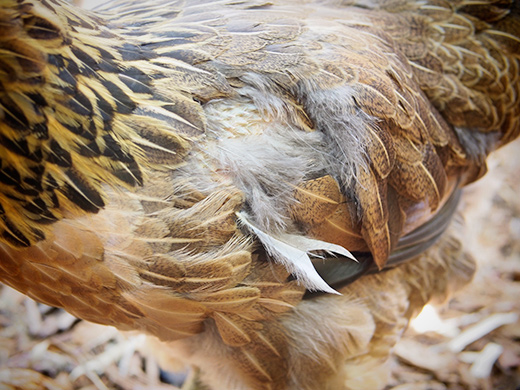
The chickens get rid of the older feathers and acquire newer ones through the process. As it is a natural process and requires sufficient energy, naturally the chickens start to pause the egg laying process and starts saving enough reserves in the body. The procurement of new feathers is necessary and designed by keeping in mind that over the time they need physical strength so that they can counter the environmental changes. The new and strong feathers contribute to better flight and power to escape enemies.

molting in chickens

Do not worry, your chickens would just molt once during the year; however, rarely any chicken would go under this process twice.

What is feather pecking?

This may be a term that you have not heard much – basically, self-mutilation and feather-pecking terms are used to show an abnormal chicken behavior; this is truly a frustrating and distressing challenge for keepers.  This is also one of the common issues with the backyard chickens and even parrots, cockatiels and macaws.

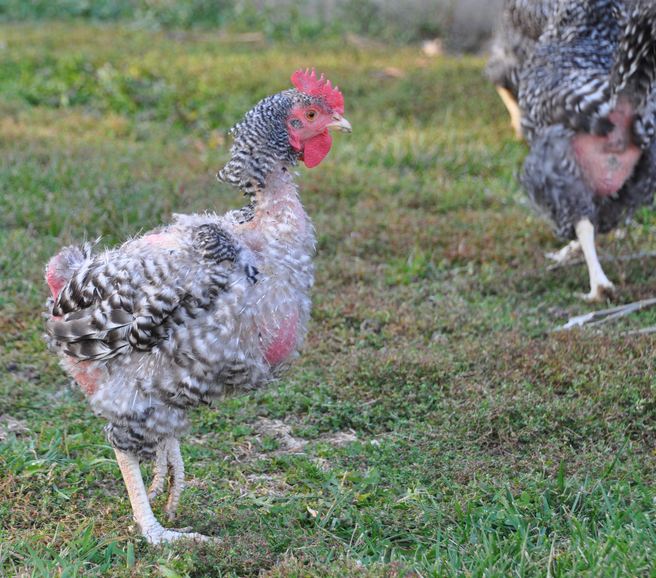
Feather pecking or cannibalism reflects the bird’s behavior when they undergo self-grooming – this process involves cleaning of grim and dirt from the inner skin and correction of broken feathers. When feather pecking is discussed, it includes feather plucking, picking and even chewing of feathers. In many cases, it has been seen that a chicken would loss all feathers eventually and would be naked.

feather pecking

Another worrisome situation is self-mutilation which I even more horrible than feather pecking – can you imagine that a chicken would start eating its own flesh? Yes, under the behavior of self-mutilation the chicken tends to eat own breast flesh – and many times they eat their own feet. This leads to severe infections in the later stage. This behavior usually occurs when birds get bored, feel loneliness, fear and anxiety as well especially the caged birds such as parrots.

self-mutilation in chickens

What leads to picking at feathers? 

There are ample amount of reasons that lead to this situation – they range from natural to acquired ones; listed are the most common ones;

1: Protein scarcity

Essentially the eggs and the feathers are protein. A big, healthy chicken requires about 17 percent protein in order to maintain health. It is essential to provide chickens with layer feed once they are 20 weeks old. Many keep on providing them with kitchen scraps and vegetables, and fail to fulfill the basic need of protein. In result, the chickens start picking their own feathers to fill this devastating deficiency. However, this issue can be addressed easily if you include layer pallets to the diet. All types of egg laying chicken breeds enjoy layer pallets, so try giving them something they want to eat.

2: Lethargy:

During winters, the chicken is usually lazy and sluggish. In addition, it changes their moods time to time and keeps on looking for better space. Bantams, you must be aware of this peaceful breed, they ask for lesser space. Make sure you keep their mind diverted so that they do not end up eating or removing their own feathers unnecessarily.

3: Mites/Fleas:

In most of the cases loss of feathers in chickens is due to deceptive mites eating or removing their own feathers – they are present within the nooks and corners of the coop and tend to disturb chickens during the night. They bite the chickens or continuous move on their body; this causes severe irritation among the birds and they end up hurting themselves. They harshly or aggressively starch over the bitten mite wounds and ultimately develop itching infections.

4: Lice:

Just like mites and fleas, there are other similar companions, which hurt chickens in the same manner. They are elusive and tend to hide themselves on the inner skin. They have the ability to cause severe burning sensations and severe itching. In addition, they usually hide themselves in the head and the wings and eventually on reaction, the bird starts feeling uncomfortable. The poor chicken does not have any other option but to pick the feathers or start putting it away.

5: Worms:

The vent area is badly infected by the worms and this causes severe itching and burning – the chicken would peck at this place like mad. This develops the habit of self-mutilation in the chickens.

6: Pecking order/Bulling

This is the term you must have heard before and aware of it, If not it is the process of deciding which bird is stronger than other and in dominant position or who is in the upper order and lowest one which some time results fight or bulling in chickens causing their feather loss. This pecking order some time occurs when you introduce new flock to older one.

Key considerations for starting a small poultry farm to raise healthy chicks

Before the World War 2, poultry was considered an interesting activity but moreover, a secondary source of income. However, you could only see elderly people running after their little fellows in the backyards or smaller farms. What about the current scenarios? Things have rapidly changed over the last 20 years – the poultry is now a complete business with distributors and retailers and earns like anything. However, due to enlarged specialized operations the conventional poultry farm’s number is decreasing. Those who have brains and know how to make money still are doing well – small poultry farmers are seeking even in the minute opportunities. This merely includes marketing opportunities, but a lot of questions pop into the mind – this excerpt would answer each bit of it.

Be a good decision maker:

So, envisaging raising poultry? May be on a very small scale, it can be your desire or a way to generate money? Whatever the reason maybe, you need to play after proper research, planning and lots of consideration. What you must ask yourself?

  • What goals you have set for your business?
  • Is the venture profitable?
  • What is the market, target market and where it is?
  • Are you going to be in the business for the long run?
  • Establish the minimum requirement – set your milestones
  • What is the investment? How many times you would have to re-invest?
  • Legal issues – restrictions?

Let’s talk about how to come the dream come true?

Housing:

Animals feel disturbed if they are not placed in their desirable homes – so, housing for poultry must be paid full attention. It never means it must be expensive or lavish but clean, ventilated, spacious and dry. Also, special attention must be paid during the changing seasons – supplement heat during chillers and coolness during hot summers.

Litter management is equally pivotal in winter to work as insulation from coldness and also from getting litter wet which may cause ammonia problem otherwise, chances of cold injuries and diseases may get high.  Last but not the least; protection is the heart – otherwise, predators would get their special dinners each night.

Equipment and suppliers:

You don’t need much investment for equipments – only utensils for watering and feeding are needed. If not that you may be interested in buying electric poultry equipments, that’s your choice and pocket.

Brooding:

When it comes to brooding you need to know about heat source. It’s quite simple, you just need to have a 250-watt bulb and you are done – it accommodates up to 50 little fellows. You can always look up to commercial set-up that uses various energy sources. With all this, you would need a brooder guard – it’s a ring which is basically there for chick’s safety.

Laying hens:

Laying eggs is some most important process linked to poultry – you would need nest boxes and roost, typically 8 inch roost space is suggested for a single bird. If you talk about the one nest box (one square foot) can accommodate for every 4 to 5 birds – amongst the various sizes and types you must look for one which is 13 inches wide, 14 inches tall and at least 12 inches in depth.

Broilers:

Once you are through with the brooding process, you would need to maintain a good feeding and watering system. Once done with that you would require other necessary equipment, based on the type of system used for raising birds– movable pens would be needed if raising on pastured – similarly, there would be need for proper ventilation and fans for summers, if confinement is going on.

Lighting:

Lighting comes into play when egg production is being conversed. Also, during the winter lighting is required in order to keep the chicken coop warm. If not bulb lights all the time, you can make the most of the natural sun – especially during winters and for newly born babies.

Breed selection:

The variety and different types of breeds in the poultry world would make you go nuts – you must know what your right pick is. How can you decide for that?

For what purpose you need the breed? This would filter your options amazingly. This would cut down almost each option for you and you would be left with useful one. Normally the categories that are used for classification are;

  • Egg
  • Flesh
  • Dual purpose
  • Bantam

You can even filter the options based on the season type – it would help you to select the right breed which stays healthy within your regions climatic conditions.

Now let’s have a look at the breed types;

Egg type:

The features that make it different are;

  • Light weight – this breed has finer bones
  • Quick egg production – at the age of just 22 weeks

Examples:

  • Minorca
  • Leghorns – they are considered the best for egg production; for this reason they are cross sexed with other breeds to produce better eggs.
  • Buttercups

Meat types:

These are the types which we see on our dining tables quite often. They have heavy structures; they grow faster and are very efficient. The only popular and pure type of this breed is Cornish breed.

Dual purpose breeds:

They are efficient egg and meat provider – these types grow slower. The best examples are;

  • Plymouth rocks
  • Wyandotte
  • Orpington

Bantams:

This breed is the miniature of the larger ones; it has all the features but a reduced size, even up to one third of the standard.

Color of the egg:

It’s the only way through which the breed type can be determined – the outer color does not have any effect on the egg but people enjoy coloration.

Sources of chicken:

The possible sources include;

Hatcheries:

Inexpensive and newly born chicks can be obtained from hatcheries; however, they sell in a group of 20 or more so that chicks remain safe during shipping.

Breeders:

You get a chance to obtain a few, but these are expensive options. Breeders offer high quality birds which are often used for showcasing.

Feed and nutrition for chicken:

Indeed feed and nutrition for chicks would cost you more than anything – you have to use the commercial source here. The common types of feeding are;

  • Starter – contains more than 22 percent proteins, this diet is given to the bird till it is one month old.
  • Grower finisher – it contains 17 to 19 percent protein, ideal for bird with age of two months or more
  • Layer ration – it has 16 percent of protein and more calcium levels.

Lastly, if you want to feed something on your own, consider talking to some expert.

Biosecuirty in poultry farms:

It tells about what you would do in order to prevent the birds from diseases;

  • Cleanliness is the key – house must be neat and clean
  • Wild birds must be kept away

·         Age grouping clusters can help chickens grow better

This is an extract from learningstore.uwex.edu to view complete document click the following

http://learningstore.uwex.edu/assets/pdfs/A3858-01.pdf

Overview of Poultry Industry in Australia

The Australian Poultry Industry offers its services to the market with only a few products. Although the land mass of the country is similar to that of the United States of America, still the poultry products that are exported are quite minor. One major reason for this can be linked to the rainfall that area experiences. The current poultry population of the country is nearly 30 million which indeed elucidates the poor rainfall conditions. Consequently, till now the country has not managed to make its mark among the top poultry producers of the world.

History and Development of Poultry Farming in Australia

The poultry industry of Australia is comparatively young, primarily because of the fact that the first poultry farm houses had been made in the country nearly 40 years back. The same applies to the meat industry which is still quite young in comparison to the other poultry producers of the region. Till the 1960’s there was no sort of governmental records about the start of the poultry production in the region, due to which offering a detailed account in this regard is difficult. There are a number of estimates that state nearly 3 million broilers had been produced in the year 1951, in comparison to the production of 460 million in the year 2007.

Major Poultry Producers in Australia

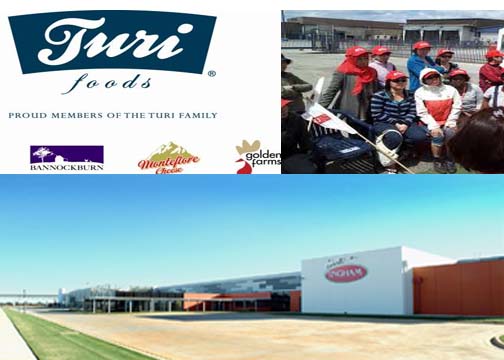
The major poultry producers in the region include Baiada Poultry Inc. Inghams Enterprises and Turi Foods. Baiada is privately run Poultry Company that is presently the largest poultry company in the country. It has always been known for providing some of the most premium quality products and has been offering its services since the year 1916. The same applies to Inghams Enterprises which also known to be in the lead in terms of chicken and turkey meat. The products offered by these companies are available all over Australia and New Zealand. Moreover, the company also offers a number of non-poultry products including stock feed and related items. The rise in the chicken production in Australia can be credited to these two leading companies.

major poultry producers

Broiler Production in Australia-Intensive and
 Free Range Farming Paradigms

Like the global trends all over the world, Australia has also shown a major growth in terms of broiler production. The two companies mentioned above now control nearly 70 % of the poultry markets with their high quality and top of the line products. Turi Foods controls 10 % of the poultry production. The bird placement density at the farming levels of production is as high as 0.55b per square feet. Some of the companies also prefer to place sexed birds in the settings in order to meet the demands of the markets. The product segmentation in Australia can be divided into two halves. The free range chicken account for 20 to 25 % of the poultry markets, while the remaining amounts are filled by the standard broilers. The high fixed costs in terms of poultry production are yet another reason for which the production is slow in comparison to the other countries. Moreover, the broilers farms are most of the times contracted for doing the job. For this reason, they offer their facilities including the litter, shelter, feed, necessary utilities and the labor for the management of the birds.

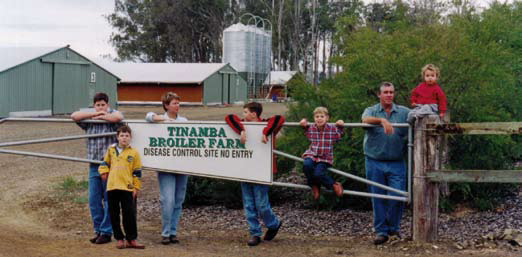
Broiler-farm-contract-growers

Poultry Consumption

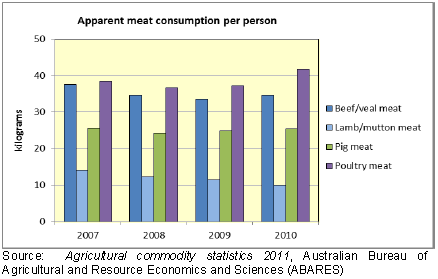
Poultry meat consumption in the country has recently overtaken the use of beef. It is quite evident from this pattern that most of the poultry production in the country is dedicated for being used by within the country. The prime source of meat consumption is chicken followed by turkey. The reason for the low turkey consumption is its usage in times of Christmas only. On the other hand, due to the low preference of the beef in the country, most of the beef products are being exported. These patterns of export do come to effectuate the levels of protein availability in the region. Lamb consumption in Australia has also been declining over the span of the past 40 years. In the past the consumption rate used to be around 100lbs per capital, but it has now fallen to 25 lbs. The lamb meat is perceived to be a less healthy meat, which can be one reason leading towards the fall.

poultry consumption in Australia

Poultry Imports and Exports

Most recently, the poultry exports from the region have been hit by the emergence of the bird flu. In lines to this disease, the exports from the country have now been reduced to half. Although the poultry farms in Australia and other production houses have taken a number of evasive measures for controlling the outbreak and for raising the confidence of other countries in their products, still the poultry exports from Australia are not being considered to be credible. The major countries which made use of the Australian poultry products include Japan, New Zealand, South Korea, US and South Africa. In terms of the imports, the turkey meat is in the lead, which has been increasing on a yearly basis.

Famous Breeds

Famous poultry breeds in the country include The Araucana, The Australorp, orpingtons, The Plymouth Rock and The Rhode Island Reds, all of which are most used for the purpose of egg production in Australia. Most of the chicken breeds are owned by the hatcheries that use them for dual purposes.

FMOUS BREEDS


The Significance and use of poultry manure as a fertilizer

The use of Poultry manure fertilizer is becoming a common practice (especially Chicken manure as fertilizer) with many farmers throughout the world as this matter content has in store various nutritional elements for various fields or crops. These nutritional elements are very effective in increasing the productivity and rapid growth of farms e.g. farms that produce vegetables. What manure basically is, its significance and various other factors related to it can be thoroughly understood under the following headings.

1. What is poultry manure and what are some of its components?

Chicken manure is basically a waste material which is organic in nature and comprises of urine and feces of animals which are related to poultry e.g. chicken.Poultry manure is a mixture of certain types of bedding material such as sawdust or wood shavings.The manure is acquired by cleaning of the poultry houses on regular basis where thin bedding layers are removed along with such manure. So the manure which is basically the waste from chicken dropping and other mixtures ,when used as fertilizer is called Chicken fertilizer.  Now the components or constituents found in the manure are dependent on the types of birds, their feed ration and proportions of droppings to litter, the handling systems of the manure and the types of litter. However, the most common components are Potassium, Nitrogen and phosphorus.

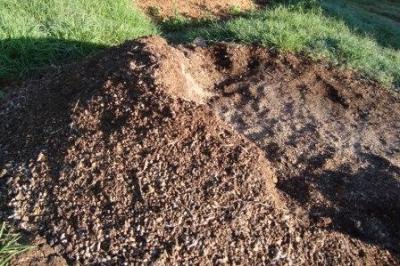
poultry manure and its components

2. Why fresh manure not to be used, timing of usage and 
precautions involved?

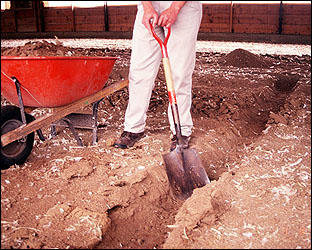
It is preferred to use manure after within 120 days of the harvesting of crops. Similarly it is preferable not to use fresh manure because it may contain certain bacteria which are harmful for human health and may cause diseases. It is therefore suggest that the manure should be used after it is composted because composting not only enhances the nutrients but also avoids the risks of your exposure to different diseases. The composting procedure may involve 3 to 4 weeks after which such manure can be used as fertilizer in gardens and for crops. Always wash your hands thoroughly after they come in contact with the manure or the compost and especially before eating so that no bacteria can enter your body.

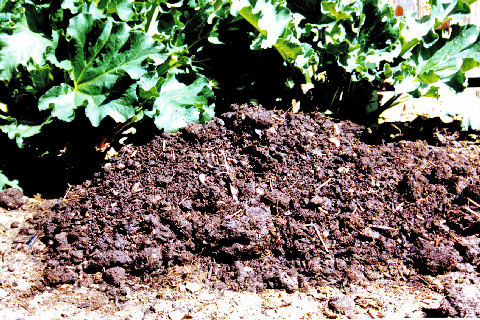
fresh manure

3.advantages of poultry manure fertilizer in comparison 
with other fertilizers

Poultry manure fertilizer or a Chicken fertilizer has some of its distinct benefits in contrast to the synthetic or the inorganic fertilizers available in the market. The first benefit of their use is that they are more economical for the cause as compared to inorganic fertilizers. They have the tendency to condition the soil better then the inorganic ones. This better conditioning of the soil will result in an extra yield. Research has shown that the yields of crops like Cotton was significantly higher when a Chicken manure organic fertilizer was used.  The use of Chicken manure for fertilizer not only brings ecomical benefits to farmers but is also less harmful to the environment in comparison to inorganic fertilizers.  Not only can it be used for the fields but it can also be used as garden fertilizer.  Poultry manure or a Poultry fertilizer or litter as fertilizer is basically a mix of droppings of chicken or birds like pigeon, ducks and turkey. They are generally hotter as compared to other organic fertilizers like those of cow and horse. They need to be composted first or else they have the tendency to burn plants. They are high in nutrients like Nitrogen and potassium. Horse manure is on the other hand not as rich in Nitrogen as chicken manure but is richer when compared with cow manure. So a Chicken litter fertilizer you can say is rich in some components in contrast to others but the usage of fertilizers can vary according to the crops.

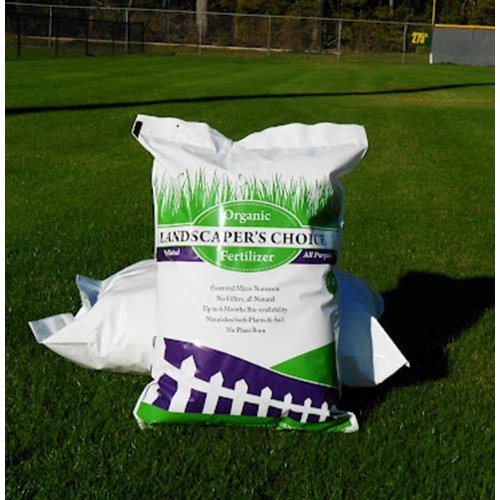
organic poultry fertilizer

4. Deep litter in commercial farms and backyard poultry

Deep litter is a housing system of animals which is based on repeated or continuous spreading of sawdust or straw material. The initial layer is made as bedding for animals and the other layers are added when the litter gets soiled. They are also known as backyard litter or domestic litter when used in domestic poultry.Chicken manure pellets which are used as fertilizers are obtained from the manure of the chicken in the cages or coop.

deep litter


The Effect of Technical and Non-Technical Barriers to Global Poultry Trade

Global trade in the domain of poultry products has expanded rapidly in the past few years. But the technical rules and regulations, which were ostensibly designed for the protection of animal and human health, now act as important factors and determinants of the sector’s growth. Barriers to trade do come to effectuate trade volumes and patterns. Many of these barriers to the global poultry have scientific bases. In order to remove these barriers several systems might be required. These systems may also pose a threat to the production systems that have long been practiced. In short, till now the poultry markets have been witnessing a boom and a rapid expansion. The effects of these technical and non-technical barriers can be evaluated in terms of the following factors.

Rise in Consumption and demand for Quality 

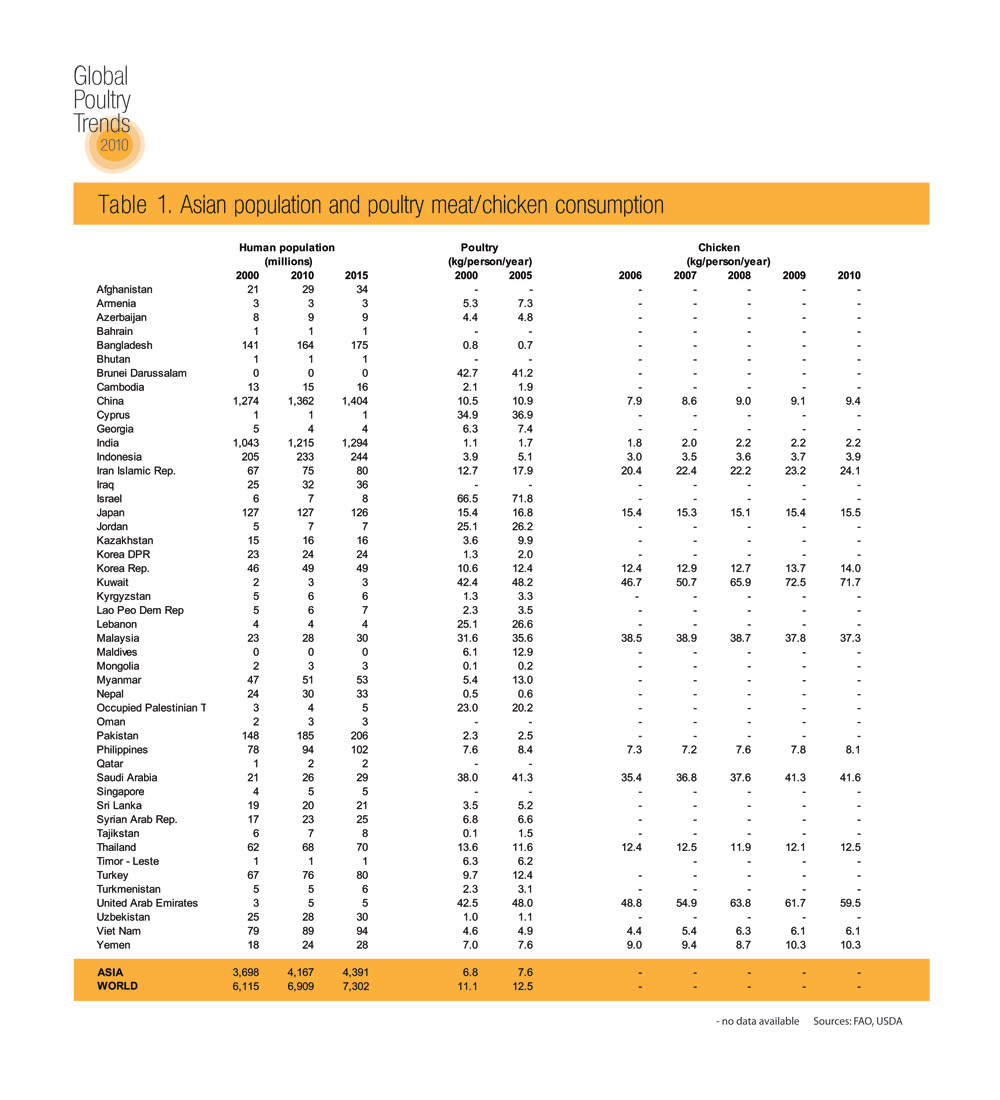
According to a number of statistical surveys, world poultry had expanded 11 million tons to 63 million from 1965 to 1999. The same also holds to be true for the consumption of poultry products. With an increase in the consumption, in the past few decades an expected increase in the quality of these products has been seen. In other words, people all over the world demand better quality when it comes to poultry products, which is the prime and the core reason for which various new rules and regulations, have been passed. Furthermore, the supply factors have also reinforced this increase in the demand, but at the same time the rising prices of poultry tell a very different story.

poultry consumption in asia

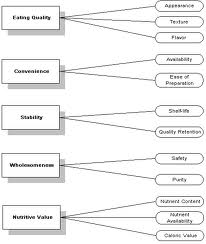
qulaity of poultry products

Increase in Imports and Exports

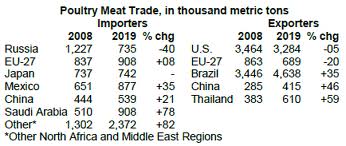
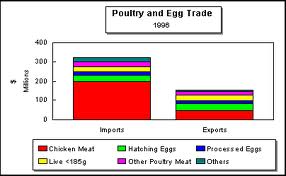
Imports of poultry products have now increased in those countries who had limited poultry resources. An increase in the imports has also been seen in countries which were considered to be self-sufficient in terms of poultry production like India, Pakistan and many others. The highest levels of poultry consumption have been seen in Hong Kong, USA followed by Israel, Saudi Arabia, China and Russia.

poultry trade immports and exports

Foreign Direct Investment

The growth of the super markets, alongside fast food retail outlets has also generated a major impact on the poultry sales worldwide. This is one of the reasons for which the sector has been subject to rapid globalization. Thus, it is obvious that foreign direct investment does come to influence the poultry business all over the world. In addition, this factor has influenced the patterns and forms of trade and the politics of the various trade barriers.

Role of Tariffs and Tariff Quotes

Consumptions in poultry are also restricted by the various regulations on poultry exports and imports having a tariff and a non-tariff nature. Another major barrier in this regard is the income of the people living in a country. Now here an important thing to note here is the fact that in Germany, which has a very high per capital income, the poultry demand is the same as in Mexico, which has a comparatively low per capital income. As expected, the nutrition requirement in Mexico is now on a constant rise, so an agile solutions and the removal of barriers to poultry trade is now needed. Although in Germany and Japan, the consumption patterns have been rising, still they are nothing as compared to other Asian countries. Now here important determinants of the barriers to poultry are the SPS regulations. SPS measures stands for Sanitary and Phytosanitary measures. In the past, some improperly evaluated steps and decisions taken by WTO SPS committee have negatively influenced the patterns of poultry consumption and trade all over the world. So, in order to gain a better understanding about the tariffs, SPS regulations and consumption patterns, all the countries must take some important measures.

tarrif in poultrytarrif

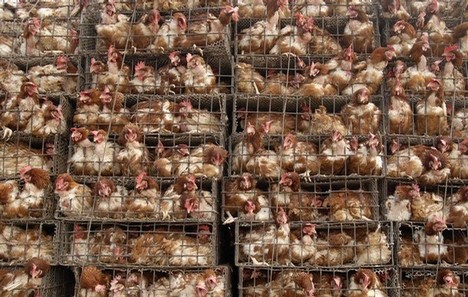
Chickens are seen inside cages on a truck near a poultry market in Dengzhou

Influence of High Value (White Poultry) and
 Low Value (Dark Poultry) Products

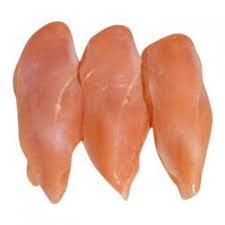
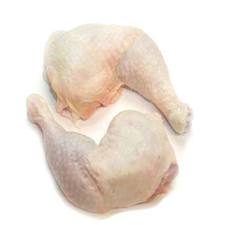
In the wide range of the poultry products, the two classes which are of the most significance here are the White Meat and Dark Meat. White meat is mostly seen in terms of breasts and wings of chicken in addition to turkey which are of high value in comparison to the dark meat which comes from the drumsticks and thighs. Most of the high value products go to Japan and EU, while the low value products go to China, Russia and other countries.

white meatdark chicken meat

Other Barriers to International Poultry

Poultry flocks are always susceptible to various diseases, especially in the 3rd world countries where the sanitary and other conditions are not so well. It is due to these conditions that the numbers of disease disputes have increased all over the world. Another important barrier to poultry lies in the poultry imports and exports in terms of halal food for the Islamic Countries.
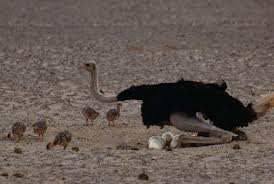
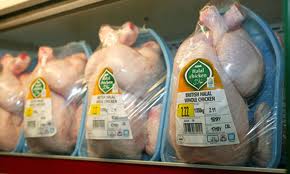
halal chicken

Solutions and Recommendations

A perfectly evaluated, spatially balanced equilibrium in poultry production and methods is needed for the removal of these barriers. Furthermore, in addition to the improvement in sanitary conditions and removal of tariff flaws, a change in some impractical rules and regulations is also the need of the times. Imposition of new and agile sanitary barriers might also be needed for creating a balance in consumption and supply.


Brooding And Rearing Of Ostrich Chicks,Poultry Management Guide

Brooding and Rearing

The brooding period is a very critical time and can be a time of high mortality, if proper management is not used. The brooding  arrangement must protect chicks from predators and  inclement weather  . The arrangement should be  sanitary, dry and well-ventilated. The floor  pen must be rough enough to provide firm  footing for the chicks. Not  to cover the litter with slick materia  or  newspaper , as chicks would develop “spraddle legs” which is fatal.

brooding ostrich

The temperature at chicks level should be 31.1 to 33°C in the 4- by 5-feet pen foe the first two weeks. Gradually reduce heat upto 23.5°C from the third  to the eight week. At 6-8 weeks of age, chicks can be left in range outside in good weather, but shelter at night. They can be managed in groups of 25 to 50 birds.
General Management Tips
  • Provide adequate shelter in pasture plots.
  • Pens should protect adults and older juveniles from extreme
    climate such as snow, ice, heavy winds, cold rain and sleet.
  •  temperaturer should be located inside shelter to condition birds to enter the shelters freely.
    • Feeder and waterers should be in open type and adjustable so that they can kept at chest height of the birds. Clean the waterers daily.
    • Caretakers should spend time with chicks and young tame- them.·      Move gently among the birds, taking care to avoid the possibility of  frightening and hand-feeding of tidbits o juveniles is recommended.
    • Never make overcrowding in the pen. First few days provide sanitised water along with anti-stress agents.
    • Ensure proper mineral and vitamins in the feed for healthy growth of chicks and to void leg deformities.
    • Do not handle the birds during hot hours,as Birds get immediately excited. Hence calm and quite environment in the pen is required.
    • Never keep the sharp objects, pebbles accessible to the birds. Birds are mischievous and grab anything that comes in their vicinity.
    • Spraddle condition of the legs that is  commonly seen can be managed by holding the legs together during the initial 72 hours of chicks. This can be done particularly in the incubator.
    • Commercial feed is absolutely essential.
    • Birds require at least 1 acre floor space with six feet high chain link fence.
    • Birds produce hide, leather or feather are sold at high price.


7 Benefits of Free Range or Organic Chicken Products

Farming has a plethora of benefits for not only the owner of the farm, but also for the people who are linked to the process. The same is equally true for the chicken farming which has a wide variety of benefits for everyone. The term free range chicken has been confused till now. In reality, free range chickens are those who wander here and there with their little hen hearts. The second definition asserts that free range chickens are those which are brought up in the outdoor settings. Whenever you enter the grocery store, you are sure to find chicken in a wide variety of tagging ranging from free range to organic and even to no-antibiotics. Although there are a number of health benefits of making use of the free range chicken, still you should try to look beyond the tagging to the source where the chicken meat comes from.

Health Benefits

There are various researches and studies that have confirmed that the benefits of using free roaming hens or chickens are countless. One such study is the one that was published by the Penn State University. Below are some of the health benefits of free range chicken.

Higher Meat Quality

The very first benefit to health provided by is the quality of meat which is much better than other forms of chicken. The prime reason for this is the fact that these free range hens have access to various insects and organisms which are rich in protein and other minerals. All of the researchers in the domain of poultry farming are of the view that the meat quality is positively effectuated by the insects consumed by the chicken.

free range chicken meat

Lower Feed Cost

As the chickens are brought in the open air setting, so the feed cost is sure to be low. Furthermore, raising free range chickens also a number of benefits to the environment, as they come to eat most of the insects which are present in access in the environment.

low feed cost in free range chicken

More Flavorful

As the chickens are grown up in a healthy setting, so a more deep and pleasant flavor is not much of a surprise. Furthermore, the bones also come to be stronger as the animals are always in the state of movement in a large area.

No Presence of Antibiotics

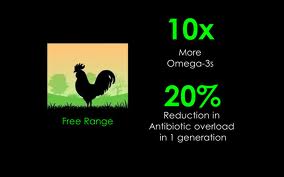
Another major benefit of the free range poultry is the no presence of antibiotics in the meat and the entire body. Contrary to this, the chicken brought in the industry settings is given various forms of antibiotics, but that is not the case with the free range hens.

no antibiotics in free range chicken

Stress Free

The caged animals have higher chances of developing stress and irrational behaviors, thus leading to some diseases. But this is not the case with the free range ones.

no stress free range chicken

Higher Egg Quality

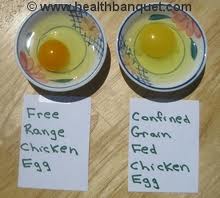
Another major benefit of using the free range chickens lies is higher levels of egg quality.These eggs contain rich amount of amino acid and protein as well as omega-3 which our body needed. This has been confirmed by a large number of people who make use of the eggs laid by this chicken.

free range chicken egg

USDA Approved

The free range chicken meat has been subject to a great deal of research and is now highly approved and recommended by USDA and other food regulation authorities. Now this is something which you are not always going to find in making use of the industry based chickens.

usda approved