All posts by Farhan sheikh

My name is Farhan Ahsan,I am web enthusiast, writer and blogger. I always strive to be passionate about my work. I started my work at the beginning of 2007 by engaging myself with detail reading and exchanging information with others. Since then things and times have changed, but one thing remains the same and that is my passion for helping and educating people, building a successful blog and delivering quality content to the readers. The particular interests that brought me in the world of blogging are gardening, wildlife, nature, farming and livestock.

Turkeys Brooding And Raising Guide

Raising of Turkeys

Turkeys are not popular in ASIA. Its cause may be ignorance about their nutritive value or disliking for their eggs and meat. In Western countries mini (smaller size) turkeys which are finished around 12-13 weeks weighing 4.7 kg and midi (medium size) turkeys, finished around 15-16 weeks weighing 6-7 kg are becoming popular nowadays. Like broiler, smaller turkeys are reared in intensive system, that too not fully controlled environment, while larger birds can be raised in simple shelters of pole-barn type or even on range.

Brooding

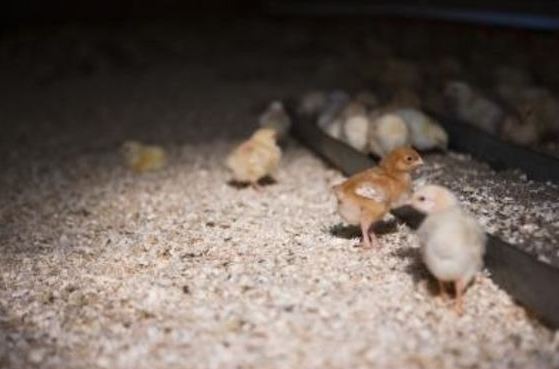
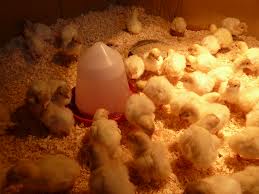
Brooding can be done on wire floor or on concrete floor with litter. The house must be draft-free and litter should be managed properly to keep it in dry condition to reduce the risk of parasite infestations. The brooding temperature in first week may be kept at 35°C with proper insulation of house to maintain house temperature at 25- 26°C with supplementary heating during initial stage of brooding. At the same time adequate ventilation should also be provided. The temperature difference of 8-10°C between brooder area and house is maintained for efficient growth. The mortality in poults during early stage many a times, may be because of lack of feeding and drinking facilities. So these facilities should be provided under bright light.

Once heat requirement is over at 8-9 weeks of age, turkeys can be reared at cooler temperature of 16°C. Raising turkeys on deep- litter is easier method and becoming popular. The health care is offered by preventive vaccination and essential medication from time to time.
Growing

Turkeys can be very well grown on range. But it requires clean fields on which poultry or turkeys have not been raised for previous two years. The land can be best partitioned into paddocks for 500 turkeys by fencing it around 3-3.5 in high for protecting them from predators. Simple thatched shelter of straw bales and roosts are sufficent for turkeys because of their hardiness. Feeders and waterers should be kept under roof to provide protection from animals, wild birds, climate and predators.

Intensive Rearing

Adequate floor area and ample fresh air should be provided for growing birds in intensive rearing. Turkey yard with roosters, feeders and waterers under lean-to roof attached to farm building can be used for rearing. Alternatively a pole shelter in the form fully covered compound consttucted out of rough poles of timber posts or discarded railway sleeper can be installed. The roof can be made by use of wire netting overlaid with corrugated roofing material or building felt. Side etiaS and back walls are totally or partially blocked with straw bales, polythene or other sheet but front portion is fitted with large mesh netting like chain link. Waterers and feeders are approachable from front. A section of 12 x 12 in can house around 250 to 450 turkeys.

Cage system is also used to raise turkeys above ground level on small scale. Now, lot of modem units rearing turkeys on large scale are using houses like that of chicken having effective insulation,mechanised ventilation system, supplementary heating and light with other arrangement to provide controlled environment. Since turkey is a fast-growing bird, they should be provided adequate management facilities (Table 20.1) in respect of floor, feeding and watering space, as more space is always beneficial.
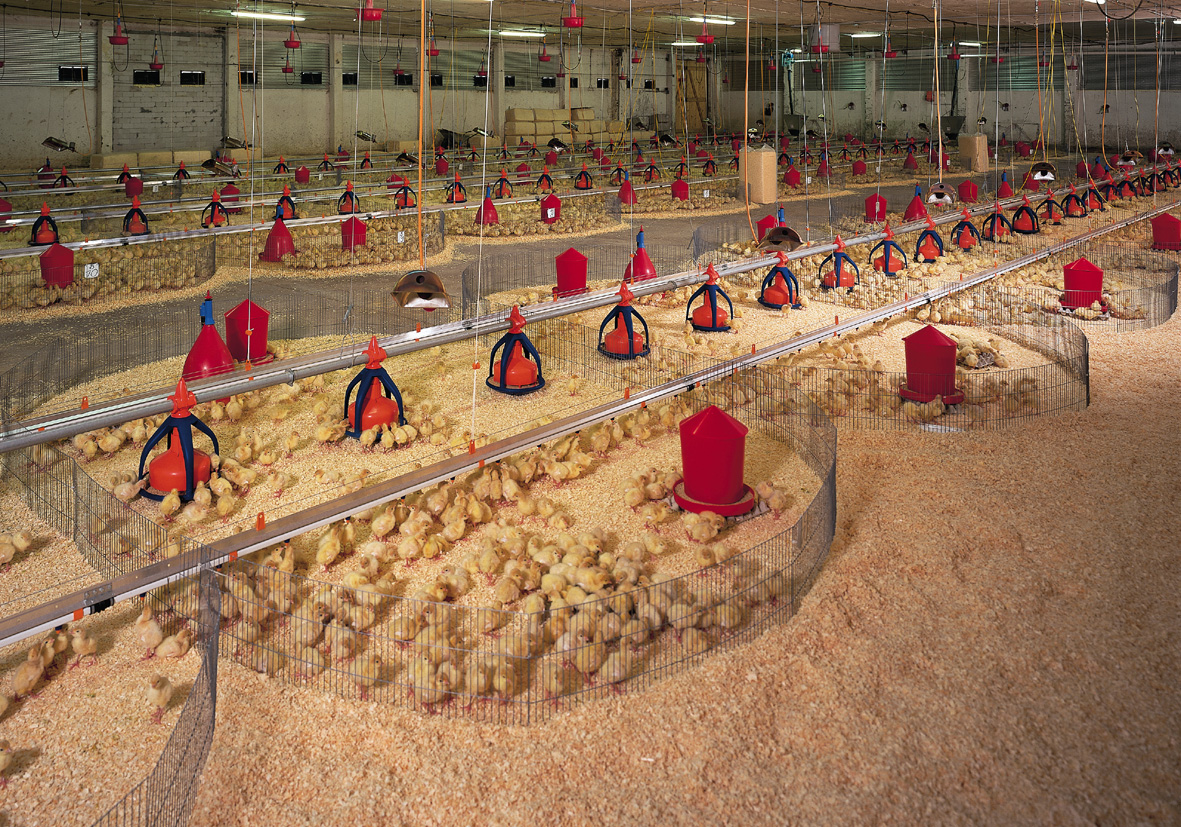
Because the poults grow faster they should be provided increased head room under brooder, floor space, feeding and watering space and ventilation depending on size and age. Around 7-8 weeks of age they are shifted to growing sheds to achieve still faster growth. If turkeys are to be reared in closed shelter, before shifting their bills should be trimmed to prevent cannibalism. They can be very well managed in groups of 240-270 with adequate management facility for next 12-24 weeks. When roosters are not used, some straw bales can prevent young turkeys from congregating, when groups have more strength.

Intensive rearing needs skilled management because incidence of vices and disease is on higher side in confinement. Hygiene. sanitation and cleanliness at feeding and watering places and supply of adequate clean litter are essential. Overcrowding and inadequate ventilation, many a times results in poor performance.

Feeding 

Even though management of turkeys in respect of housing, lighting, sanitation and hygiene and health care is similar to chickens but feeding of them differs significantly from that of chickens (see Chapter 10 of this book).

Pouits are very slow in accepting their feed which is well-known fact. Therefore, they should be invoked to eat by providing easy access to feed with supply of ample feeders and bright light. The same thing holds good for drinking water also. All growers are supplied with ad libitum feeding pattern. Sometimes grains in measured quantity are offered in addition but at fixed timings. In case of range rearing feed should be given in measured amount with decided times, so as to be consumed by birds within short time to avoid feed consumption by wild birds or vermins.
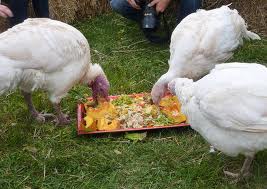
In brooding stage upto 8 weeks, poults are provided mash containing 23-24 per cent protein, which can be reduced to 19-20 per cent by 10 weeks and 15 per cent by 17 weeks. The finishing diet is offered generally 3-4 week prior to disposal of birds. When grain ration is provided it should be necessarily supplemented with oyster shell.

White Meat VS Red Meat-Choice For Healthy Meat

The importance of meat for health has been established and supported for a number of reasons. Meat comes to offer various healthy nutrients to us including proteins, zinc, vitamins and much more. According to the studies conducted by American Meat Institute meat whether red or white has an important role to play in developing our muscle strength, skin, formation of hormones and their regulation at all times. In addition to this meat also offer us with a specific type of hormone which is not available in the non-meat sources. Now after having some idea about this let us now take into account red and white meat.

Basic Forms of Meat

1)      Red Meat

2)      White Meat

White Meat and its Benefits

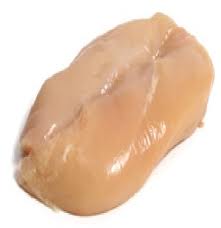
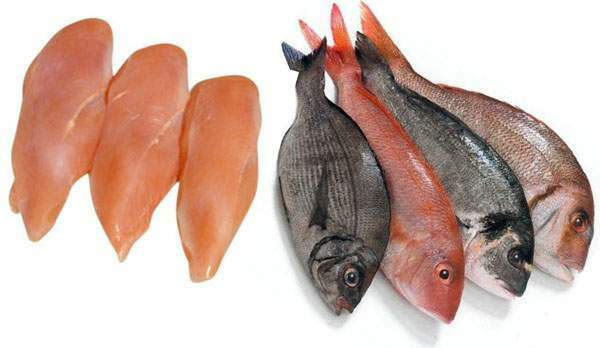
There are various health benefits of poultry. White meat can be obtained from fish, various forms of chicken and other domesticated animals. It is also known by the name of light colored meat. The reason for this can be the fact that it mostly comes from the poultry sources due to which it is also named as white poultry meat. The exact definition of the white meat depends on the sources and culture from where it comes from, but generally it is believed that it is obtained from chicken, turkeys and rabbits. Here are some benefits and advantages of white meat.

  • It is quite lean in comparison to the red meat.
  • Its fat content is also less in comparison to the meat communing from the large sized mammals, which is referred to as the red meat.
  • The reason for which it is very often preferred by the health experts is because it has a low concentration of fat and dietary cholesterol.
  • Although the difference in the fat content between the two meat forms is not so much, still it is enough to matter for some patients whose suffer from various digestion problems and issues.
               white meat
Forms of White Meat
  • Light Meat
  • Dark meat

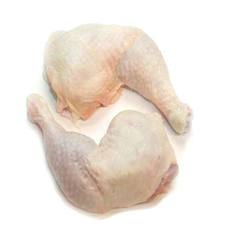
As mentioned before white meat mostly comes from the poultry sources, but there is another form of meat which is also categorized under the term white meat. It is referred to as dark meat. Chicken brought up in the poultry settings also have this dark meat in certain areas of the body like thighs and legs. The color of this meat is dark because of the presence of myoglobin.


Red Meat and Its Disadvantages

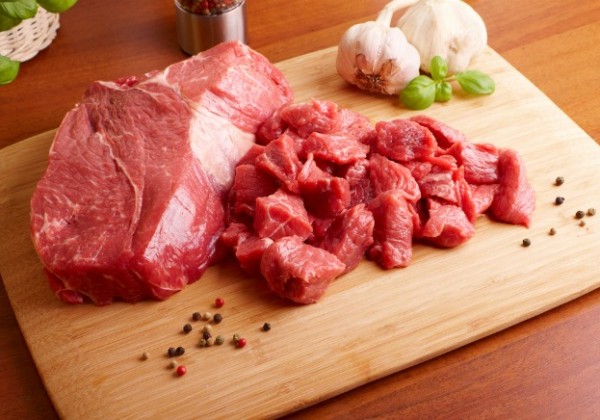
The meat that is obtained from some large sized mammals is referred to as red meat. The concentration levels of myoglobin have a chief role to play in this regard. These levels are quite high in mammals in comparison to animals grown up in the poultry settings. There are various studies that support the formation of various heart conditions and other physiological diseases due to the consumption of red meat.


Heart Conditions and Other Related Diseases

The first disease in line is the Colorectal Cancer which occurs due to some more than normal red meat intake. Diabetes, obesity and various cardiovascular diseases also occur due to varied consumption of the red meat. The red meat also contains more saturated and trans-fat in comparison to the white meat which is a bit lean. So, when it comes to some healthy meat options, then you should go for the white meat.

Percentage of cholesterol in white and red meat


Global Challenges Facing by Today’s Poultry Industry 2012

Every poultry farm in the world now has its special risk profile. This profile indicates the chances of risks for the spread of various pathogens and diseases to all other farms located very close to it. In order to reduce these risks, the farm owners should take some innovative measures and steps in order to lower the risks and their intensity in damaging the quality of the poultry products. These challenges can be classified into two categories.

1)      Economic and Environmental Challenges

2)      Political Challenges

Regulations of Animal Welfare

Due to a number of animal welfare rules and regulations, evaluation of nutrition products, domesticated animals housing environment, problems in feeding and a number of other relevant issues have posed a number of challenges for the future of the poultry sector. One of the most influenced of them all is the chicken sector that faces some of the major challenges in the present times.

Imbalance in Demand and Supply

The increase in the demand for the various animal products and the needs of poultry farmers, have raised a number of question marks for the poultry farming industry all of which should be dealt with some extreme care.

Demographic and Technical Issues

There are several demographic, scientific and technical factors behind the rise of these issues and problems linked to the poultry business. In this time, the traceability of all the various poultry products should be kept in mind by all the people who are in one way or the other, linked to the poultry sector.

Nutrition Related Issues and Their Solution

Now this is going to be requires a very safe and selection of some of the best input suppliers while keeping the element of quality and animal wellbeing intact, especially in chicken farming.

Solutions

Furthermore, a constant monitoring of the health status of the flocks would also be required which is indeed the key to the expansions and development of the poultry sector. Yes, a number of steps have been taken by the US Government in order to ensure the health of all the domesticated animals, but they are not enough to meet all the challenges faced by the poultry producers.


Implementation of Standards

The Food and Agricultural Organization of the United Nations has now ordered and designed some new production systems, each of which follows some of the best biosecurity measures. The levels of risks vary from farm to farm and from country to country. The countries which are most likely to face a downfall in the sector are India, Pakistan and other third world countries. The reason for this is the poor farming practices and the use of no standard biosecurity measures. Most of you might be aware of the fact that the animal welfare is now being given the most attention in the European Union. The same also holds for the animal welfare standards which are the highest in EU in comparison to the rest of the world.

The need for Collaboration and Healthy Farming Practices

But in order to ensure the development of the sector, all the countries must work in close collaboration with each other, as they are all necessary for the survival for one another. The poultry products from Asia complement the ones coming from the rest of the world. Introduction of standards in all countries, setting up new regulations and practices is one of the solutions to meet these challenges.


A Guide To Brooding Chicks ,Rearing Of Baby Chicks

CARE AND MANAGEMENT OF CHICKS

This is also known as brooding management. In case of layer birds, rearing chicks from day-old age to 7-8 weeks are usually reared in brooder houses and then transferred to grower houses, whereas in case of broilers even after 3 weeks of brooding, they are reared in the same house by increasing space and other requirements and by removing brooders.

In case of single flock rearing, the best time to house the chicks for laying in future, is from January to March of year, so that pullets will be in high production during winter months, when egg prices are generally better. But, this is difficult to adopt for multi-age rearing.

The managemental care of chicks can be studied step by step as under:

Adequate Ventilation

The brooder house must be properly ventilated at the same time it should be devoid from drafts. The drafts can adversely affect growth and liveability of chicks. The excessive dust in poultry house can cause irritation of respiratory tract of a day old chicks and can increase disease incidence. Similarly, high moisture levels also can lead more ammonia fumes causing again irritation of eyes and respiratory distress.

Maintenance of Sanitation and Hygiene

The brooder house must be carefully cleaned and disinfected well in advance before housing new batch of chicks in it. The usual and required practice is the house should be give rest of 3 to 4 weeks in layer operations and around 2.5 weeks in broiler operations after cleaning and disinfection of house. The appliances and equipments like feeders, waterers, brooders which can be removed, be taken out and cleaned, disinfected and allowed sundrying of them. The manure, should be removed and the floor may be scrapped to remove all dirt. The inside and outside of house also be cleaned under pressure water for proper removal of dirt and dust. Before doing this the cobwebs must be removed.

Sumithion or Malathion spray and flame-gun blowing of sheets and wire netting help in controlling insects, mites and ticks. Fresh litter be used for every new batch. The old litter should not be recycled to save expenditure. Adaptation of all in all out system is best to control diseases in poultry but it is difficult to follow for maintaining continuity of farm production. Therefore, at least chicks should be brooded away from layers or adult birds. Similarly, separate workers should be provided for chicks and adult birds to avoid cross-contamination due to direct contact. In the same way movement of workers and shifting of equipments from shed to shed should be restricted. The disinfectant foot bath necessarily be provided and used at entrance of each house. The outsiders (visitors) should be banned to enter houses of at least chicks and growers.

Bedding or Litter

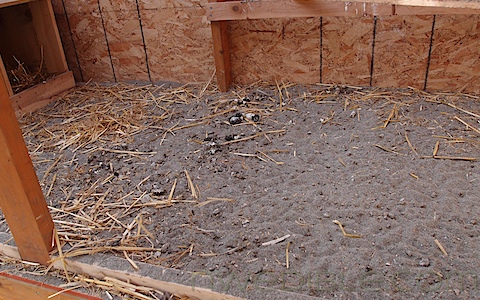
It is important in case of deep-litter rearing. The convenient bedding material like rice husk, saw dust or ground-nut hulls called as litter be spread on floor with depth of about 4.5 cm. Further it can be increased to 8-10.5 cm depending on need as the age advances. The material like sugar-cane bagasse should not be used, as the sugar content in it facilitates growth of fungus on it, leading to respiratory diseases like aspergillosis. Daily raking or stirring of litter be practised to avoid caking, to keep it dry and loose to reduce ammonic al odour.

The appropriate moisture content of litter carries lot of importance because low moisture leads to dusty litter resulting in respiratory ailments while high moisture results in caking and increased heat. On an average litter should contain around 18 to 24 per cent moisture and a litter of desired condition should not form a ball when pressed in hand.

Space Under Brooder

Around 50 to 66 cm2 space under brooder per chick is recommen­ded. This mean a hover of 1 metre diameter can house 270 chicks. In case of small pens, length and width of pens should also be considered to accommodate number of chicks under brooder. Inadequate space leads to piling, increased disease incidence, studied growth, starvation and subsequently more percentage of culls.

Chick Guard

A barrier to avoid straying away of  new chicks from heat source in younger age placed at a distance around brooder in circular manner is known as chick guard. The brooder guard also protects baby chicks from drafts. Usually it is placed at a distance of 85-90 cm from edge of brooder initially and can be increased to 130 cm as the age advances. Generally it is used upto 7 to 8 days initially. The height is usually 40-45 cm.

Temperature Maintenance

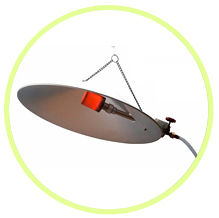
Maintenance of appropriate temperature during brooding new chicks is necessary. The variation towards higher or lower side leads to more mortality or slower growth. The temperature is usually measured at level of 6 cm above floor and 6 to 8 cm inside the edge of warm zone of brooder. The temperature in first week should be around 33°C (95°F) which may be subsequently reduced by 2.6°C (5°F) each week till it reaches to room temperature around 20.5°C. But chicks are more comfortable in slightly lower temperature than recommended. The house temperature should be lower by 8 to 12°C than brooder temperature. The height of brooder depends on need of brooding temperature but at least 10 to 14 cm clear space above chicks should be available. The bulbs of different intensity like 200, 100 or 60 watts can be used to reduce or increase temperature. The infra-red lamps of 250 watts can also be used with an added advantage of germicidal effects on organisms. Pleasant movements with uniform scattering of chicks under brooder is correct guide for accuracy of temperature.

Floor Space

Appropriate floor space as per age, size and type of chicks is an important factor governing performance of chicks. If slightly more space than requirement is alloted it does not matter much, but less space than recommended, adversely affects overall performance than recommended, adversely affects overall performance of chicks. inadequate floor space leads to slower and uneven growth; more number of culls, increased mortality, poor feed, efficiency and in extreme cases pecking and cannibalism. Floor space of about 450 cm2 to start with is adequate which can be increased by about 500 cm after every 4 weeks till pullets reach to 21 weeks of age. Broiler can be alloted 450 cm2 space initially which may be increased to 850 cm2 after 4 weeks.

Feeder and Water Space

The requirement of feeding space varies from 2 to 7 cm (linear) per chick from 0 to 8 weeks. Similarly, water space required is from (15 to 1.5 cm (linear) per chick. For efficient, growth of chicks frequ.ent feedings (4-5 times in a day) with availability of fresh water all the times are beneficial.

Light

Chicks are provided continuous light, i.e. sunlight is adequate during day time while in the night it can be supplied by using electric bulbs or tubes upto 8 weeks of age. Light helps in faster development of feathers, increased feed intake and essential for vision.

Vaccination and Debeaking

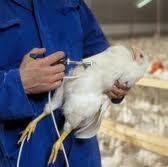
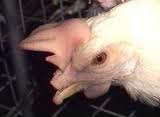
Adopting an appropriate schedule of vaccination is prime requirement of providing proper health care to chicks. The schedule of vacci­nation varies according to disease prevalence in different areas. Debeaking either on 1st day or on 6-9th day or 3-4th weeks is carried out to prevent cannibalism and feed wastage.

Poultry Farm Heating System, Brooders and Top Suppliers/vendors

The poultry farm is the place where a large number of domesticated animals are raised. There are a number of things which should be given due importance when it comes to the maintenance of the farm. The time which is required to bring up the broiler birds is less than the time required for rearing large sized animals. After these birds are ready, then they are brought into use for a number of different purposes. They are not only sold in the urban localities, but also in the rural areas. Having an idea about these basics, let us now move to other important factors. The first in line is the heating system and climate maintenance. The domesticated animals are very susceptible to be influenced by the changes in the climate. This is the reason for which the inner atmosphere is kept a bit cold in times of summer. Problems start arising during the winter times, as the birds are at much greater risks. The wellbeing of the animals is substantially determined by the climatic conditions of the environmentally controlled shed. If the temperature is not kept constant, then there are high chances that some physiological disorders might appear in the birds. Furthermore, the appearance of a disease in one animal would also create health issues in all birds, especially when the farm house captivates more than 10000 birds.

Poultry Brooders

These domesticated birds and animals are also referred to as layers. They are warm blooded, which means that they have the capacity to make an adjustment in their body temperature but only to a certain degree. On an average rate the body temperature of these birds remains from 41 to 42.2 degree centigrade. Now here comes the role of poultry brooders which are special devices used for keeping the temperature at a certain limit. The device makes use of a specialized thermostat which can be used for adjusting the temperature as required from time to time. You might find some basic brooders in the homes of your relatives, friends and neighbors, but they do not provide the element of efficiency in comparison to the fully optimized brooders.

Automatic Lamp Brooders

You can also make use of the automatic lamp brooders based on the number of birds you plan to keep in the farm house. There are some people consider these lamps to be dangerous for being used in the farm houses, but that is not the case with the automatic brooders which are able to adjust the temperature according to the requirement. They are also covered into a number of protective materials.

Battery Brooders

These brooders come in handy at times when a large number of birds are to be accommodated in a small area. The floor space is indeed an important factor when it comes to a constant heat distribution for all the birds. Furthermore, these devices are easy to use and to clean from time to time. But in order to get hold of the best devices, it is imperative that you buy them from a registered and well known supplier.

Area Brooders

Here we have another brooding alternative that proves to be useful for managing a large number of birds in a comparatively small area. These brooders provide heat to the birds from a source than hangs above them. These devices have been designed in a way that the heat always remains evenly distributed. The hanging source of heat is also referred to as the Hover. Another important component is the pen, the larger the pen size the more are the number of birds that you would be able to keep near to the device.

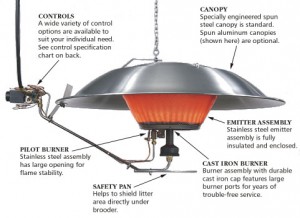
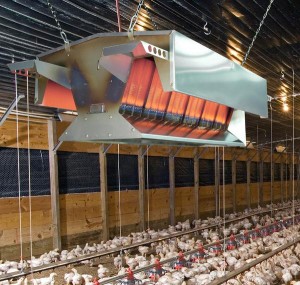
Gas Infrared Brooders

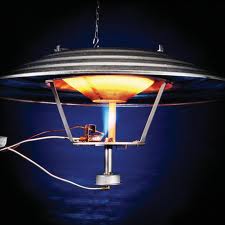
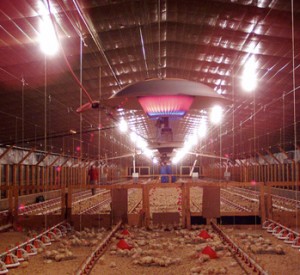
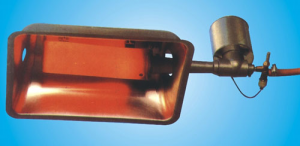
These brooders are among the heating options that you have when it comes to maintaining the health of the birds. A single line of various infrared heaters are now being used in some of the top notch commercial broiler farms. The temperature is distributed all over the floor by these brooders, which are known to provide wall to wall coverage.

Chicken Brooder Kits

These kits come in all range and sizes designed especially for the ones who have a few birds at their homes. There are a number of chicken brooder starter kits available at varying prices all over the web and in the farm house equipment markets.

Battery, area and gas brooders are the ideal ones when it comes to advanced heating systems in the farm house. For a farm house with 30000-45000-60000 bird capacity, a much larger number of brooders would be required, which is also going to raise the cost price. The price sure to be in millions, but do not forget that the profits are going to be much bigger, if you are able to maintain a healthy output from the birds. So, it is clear that the poultry farm heating system is really an important determinant of the profits you would be earning from your farm.

Top 5 Suppliers of Brooders

1)      Cumberland brooder suppliers

http://www.cumberlandpoultry.com/english/radbrood.html

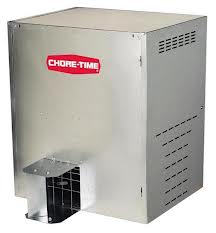
2)      Chore-Time Brooders

http://www.choretimepoultry.com/products.php?product_id=114

3)      Australasian Augrecultural Services

http://www.ausagservices.com.au/heating.html

4)      Alibaba Poultry

http://www.alibaba.com/showroom/chick-brooder.html

5)      Chistiya Poultry Equipment Supply

http://www.chishtiya.com/

Tips/method/procedure of how to effeciently use egg/chicken incubators

Chicken Incubators Boost Chicken Keeping And Therefore Are Advantageous For Maqui berry farmers

Let us face the facts hatching eggs can sometimes be frustrating or really rewarding. The humidity and temperature needs throughout incubation are inside a quite narrow range are actually making individuals who incubate eggs always disappointed. It is because incubating eggs may cause unsatisfactory results specifically for newcomers because of the possible lack of understanding and failure to watch incubation needs. However, with simple solutions, understanding and using top quality incubators with automatic turning system along with a hatching section may take egg hatching to success!

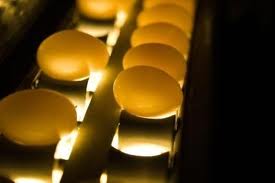
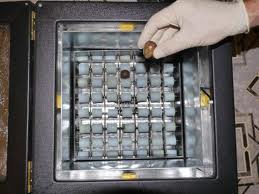
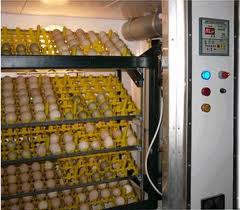
Egg incubators or brooders are equipment that perform a fantastic job in hatching your eggs due to the fact these should bring normal 70 degrees towards the needed temperature. They are invaluable and efficient when it comes to hatching eggs without notice to as well as in considerable amounts yet one needs to understand, keep an eye on and learn to operate the device.

The following are some helpful tips and concepts that I must share about incubation and breeding by using electrical egg incubators or brooders.

– Make certain that the egg or chicken incubators will work well and make sure that your electrical energy matches the gear.

– Make certain you’ve got a stable 70 degrees around 70F all day and night. If needed take advantage of the electric heater having a thermostat since they’re reliable.

– Ensure that you simply put your incubator on an amount surface.

– Have them from sunlight. You should know the fast rise of temperature due to sunlight can have an affect on incubation in addition to hatching.

If you’re a new comer to this, it’s suggested to make use of and operate the incubator having a small volume of eggs which are affordable in order to ensure the operating procedure and determine the performance from the incubator. Never attempt to hatch eggs in large amounts and costly ones.


Make sure to choose and take advantage of incubators that meets your specifications and accessible by your finances. A concise, simple to use and powerful independent brooders are perfect to make use of. This advantageous equipment includes full incubation instructions which provides you with the step-by-step methods together with particulars about incubation as well as hatching eggs.

For natural incubation and artificial incubation, time for that eggs to hatch-out is identical. Natural incubation and artificial incubation get their benefits and disadvantages.

Regardless if you are right into a chicken business or simply a enthusiast and according to your choice you’d either choose among the process. A broody hen may be the ideal manager of her eggs and naturally to hatch eggs but they are not whatsoever occasions available and therefore are minimal in number which limits the amount of eggs being hatched.

Using chicken incubators result to enhance chicken keeping and it is very useful just in case you’re into a commercial chicken business. In reality, a lot of maqui berry farmers are usually taking pleasure in the advantages of utilizing egg incubators due to our prime interest in chicken and egg items. The incubation machine allows them create in tremendous amounts and get high return on opportunities inside a almost no time having a minimal startup capital.

Incubation isn’t necessarily effective even when you use a great equipment hence make certain that proper atmosphere is definitely provided by utilizing a top quality incubator for eggs.

10 most common diseases in backyard chickens- symptoms,treatment

I don’t need to accentuate on how more and more people are getting into the habit of raising backyard fellows – this activity is indeed of more interest to people because of its mesmerizing benefits – poultry provides with fresh yummy eggs as well as meat; everything is right there in your backyard, wow, so economical. However, this pocket friendly option may turn into cost if you fail to take care of the little fellows. You may have enough experience in dealing with chicken daily care, but no knowledge of chicken health. Spreading of pathogens amongst the flocks is really common, but with proper care and attention the chances can be minimized. Although the smaller backyard setups are lesser affected by poultry diseases but the owners must know about the basic symptoms and necessary preventions so that a cure can be provided before the worst happens.

1: Fowl Pox:

In layman’s language this disease can be referred to chickenpox, but is way different from the ones which affect humans. It’s a viral and contagious disease which can spread directly or by mosquito – the basic chicken disease symptoms are the visibility of warty bumps near the legs; also, you may see the formation of lesions in the mouth area. Vaccination is the only prevention, in worst cases; it may kill the chickens too.

fowl fox inchickens

2: Infectious Bronchitis:

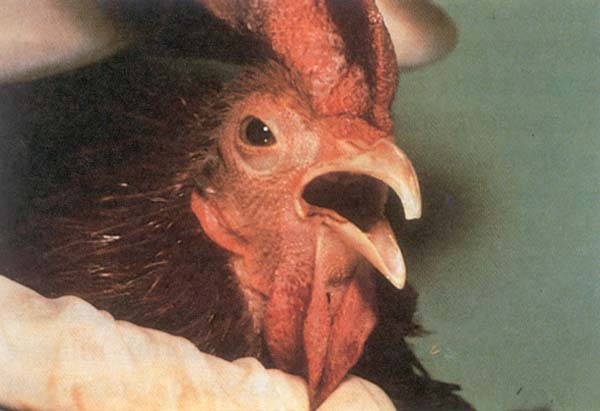
This is one of the chicken illnesses which are really painful and dangerous – it not only destroys the esophagus (respiratory pipe) but also spreads amongst the healthy fellows. The major symptoms include;

  • Lesser egg production – the laid eggs would be dry, rough and whites would be watery
  • Loss of appetite

Unfortunately, this disease is viral, so there is no such treatment for chicken recovery.

Infectious Bronchitis in chickens

3-External Parasites:

It may include even the simplest parasite which you may not even pay attention too – for example, fleas have a real enemy of backyard birds as well as other pets. You must treat these parasites with proper medication so that chickens ailments can be avoided. Proper fumigation against the following may help;

  • Tics
  • Mites
  • Lice
4-Internal Parasites:

Internal parasites usually refer to worms inside the body – they are of no harm usually, but in many cases they turn into bad shape. Mostly, newly born chickens are affected by this because of weak immune systems. Loss of weight, appetite or diarrhea is a clear indication that something is wrong. Take the affected bird to the vet; he may help you with this.

However, in severe cases the internal parasite may cause Coccidiosis in younger birds.If symptoms of coccidiosis are found in birds; treat them with 9.5cc of liquid amprolium (brand name Corid) per gallon of water for 4 days.the droppings will be free of blood within 24 hours however you must carry it for 3 additional days within 2 weeks.

In order to prevent your backyard from these hassles, you must carry out following instant measures;

  • Keep the chicken coop clean and cool
  • Always buy vaccinated chickens
  • Never keep viral infected chickens with healthy ones
  • You must provide herbs for chickens (for fighting with parasites in chickens by  boosting their immune system)
5: Marek's disease:

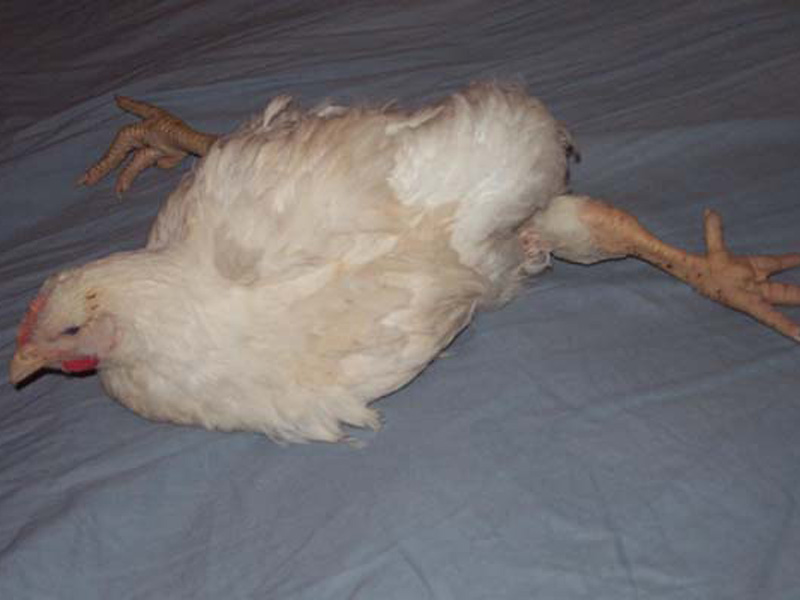
It remains the most common yet contagious disease because it affects birds intensely – it’s fatal and still untreated. Usually it affects the younger chickens because of their weak immune systems – basically, the white blood cells begin to destroy and this leads to cancer and other fatal diseases. It is spread by the loss of feathers and dust – also, the symptoms include;

  • Difficulty in breathing
  • Paralyzed neck, wings and legs
  • Weight loss


Marek's disease

6: Nutritional deficiencies:

Feed for backyard chicken must be healthy and full of nutritional value – if you fail to provide them with what their need is, they would suffer from various diseases and issues. For example, lack of calcium would result in rickets and poor bone structure. Similarly, if the birds won’t get enough energy they would not lay eggs effectively. Vegetables, fruits and grains may help to provide complete nutritional value.

7: Reproductive Problems:

Many times chickens are not able to produce eggs according to their capacity because of reproductive problems; it includes egg binding – the condition in which birds are unable to pass out eggs. Similarly, there gets inflammation in the shell gland and oviduct which is known as metritis – all this stops the egg productions and cause swollen abdomen.

8: Exotic Diseases:

This chicken disease refers to severe flu, avian influenza and respiratory track diseases – this causes severe depression and irritation in the flocks – it further makes the system complicated by slowing down egg production and collapse of the nervous system.

9:  Frostbite:

If you are living in colder region, you must be aware of this annoying chicken disease. Cold weather chicken breeds tend to remain protected from this because of their tendency to fight against the temperature – however, conventional types suffer from frostbite. Winterizing the chicken coop may help, in fact it would definitely help. Black spots appear in the toes, legs, combs and necks which are a clear symptom of this disease (more often in roosters because of their large comb). You need to take the birds to the vet; message with jelly or oil may not really help.

froste bite in chickens

10: Cannibalism:

Many times chickens tend to put them into trouble – for example, they would go around and intentionally put their toe on the wounds of other birds – this is how the infection develops. This tendency may develop from overcrowding, lack of feed and water, heating, improper ventilation and insufficient nesting. Therefore, you must keep the infected birds separately so that you can minimize the chances of cannibalism.

Whether to remove the chicken skin before cooking or not, the two myths – revealed

Have you heard your mom asking your dad, honey get the chicken with skin. Or, many times mom’s say that I want chicken without the skin. Does that make sense to you? Many times I got puzzled by this mystery of removing and not removing the chicken’s skin. If you think logically, the skin of the chicken is part of the bird itself, and we consume the bird completely. Than what’s bad with having it with skin?

Basically, nutritional facts restrict us from consuming chicken with skin because it’s fattening. Further, this excerpt discusses the other myths related to the chicken skin and its composition. Also, you would get ample amount of recommendations that would help you know more about health concerns and the use of chicken with skin and its effects. Finally, by the end of the excerpt you would get the complete knowledge and your desired answer – should you remove chicken skin before eating?

The birds’ skin:

There is nothing wrong with the skin of the chicken naturally; however, when chicken is being cooked, the skin absorbs all the essentials, juice and fat. As the heat is constantly getting on the bird meat, the fat flows from the meat to the skin, with no chances of getting out; it flows backward and enters the meat again. This is how the skin meat gets fluffed with saturated fats.

juicy flavor in chicken with skin

Are you on the weight loss expedition?

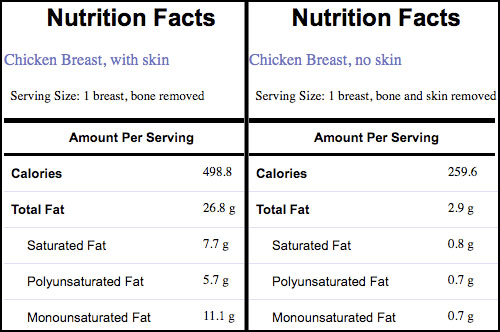
If by any chance you are on the weight loss journey, you should strictly refrain from having chicken with skin. With the extra amount of dietary fat, the calories in the chicken skin can ruin your entire dieting plan. The calories in skinless chicken are only 4 (in terms of 1 gram), but the chicken with skin would give you about 9 calories, that’s pretty much. Lastly, the fully loaded fat chicken would only make you pompous and you would feel bloated.

nutrition facts of skinless and skinned chicken

Interested in gaining some pounds?

You may want to add some pounds because you are too skinny – boys these days die for girls with curves, isn’t it? Well, that’s never indicates that you start to consume lots of chicken with skin. Never forget that saturated fat has the tendency to develop diseases like heart strokes, cardiovascular pains and even cancer. To your surprise, the quantity of sodium is even very high in chicken skin – so by any chance it cannot be a perfect meal to consume in large quantity. Try to eat less chicken with skin on it because from nutritional viewpoint, it’s not really recommended.

The myth revealed:

You must remove the chicken skin before consuming it – those who think  chicken with its skin has the real essence and the taste are stuck in some sort of a misconception. That’s not really the case. The golden crispy chicken would allure you the most and at that time you would not even get to know whether it had skin or not. You should pay more attention to your health. What’s the point of consuming such stuff which can, later affect you to a great extent?

What should you do?

Many times you must have heard chefs using chicken breast with its skin for fried chicken and even burgers. Fine, you can carry on with the legacy, but occasionally. What you can do is use grounded chicken instead of chicken with its skin. You won’t actually find much difference in the taste of the two; in fact, from nutritional viewpoint, the skinless chicken is healthier and beneficial.

The decree:

There is no hard and fast rule that would tell you to remove the chicken skin before eating. There are no nutritional facts about chicken skin which justify its consuming in larger quantities. However, if you are health conscious and do not want to get into trouble later in life, you must refrain from having chicken with its skin. If you think that removal of skin would destroy the taste, try using natural flavors for making it more delicious. The experts say that the use of herbs, spices and other sauces can increase the chickens taste ten times more than the natural skin. However, if you maintain moderation, consuming  chicken with its skin would not even hurt you.


Bedding Material choices for Chickens Coop

Raising chickens is just like raising the little babies – they require extra attention, affection and care, indeed. When you see your baby chickens and the adult ones roaming here and there in the backyard, a strike of happiness comes out of the heart. My father was right; raising chickens is an interesting yet addictive hobby. My experience of raising chickens is not really vast, but within a short time span I have done a lot for my little babies. I loved the coop building part and yes, decorating it even was an interesting end. Similarly, setting up the food containers and building territories was even something I enjoyed a lot.

I don’t have a larger flock of hens and chicks but that does not mean my efforts towards the maintenance are low. Irrespective of the number of fellows you have, you cannot compromise on the chicken coop materials; similarly, the bedding options in the coop are something that cannot be even overlooked. A comfortable chicken coop consists of lots of bedding. You must be thinking why is that so? Have a look at major perks of beddings;

  • It absorbs the urine
  • It absorbs the other chicken droppings (waste)
  • Acts as a nesting material – hens comfortably lay eggs there


Different and popular types of bedding:

Pine shavings:

All those who are into small farming or backyard chicken keeping, adore pine shavings, this makes it a popular type of chicken coop bedding. The most attractive feature of these pine shavings is that they have the ability to absorb the entire wetness and smell as well. This acts perfectly in litter management irrespective of the skin of the coop. Also, these pine shavings are quite lightweight and soft, and when the hens lay eggs on these, they remain prevented from being damaged. Also, these shavings are easy to remove and replace. As a whole these are ideal type of bedding options – they are one of the cheap chicken coop beddings and costs between $6 and $9. You can easily shop for them online; however, make sure you don’t get puzzled between the pine chips and shavings. Chips are not a very good option, so refrain from its purchase.

The only problem with this bedding is its dusty nature – it can cause issues to other flocks if you have any, but chickens remain safe.

Pine shavings

Hay or straw:

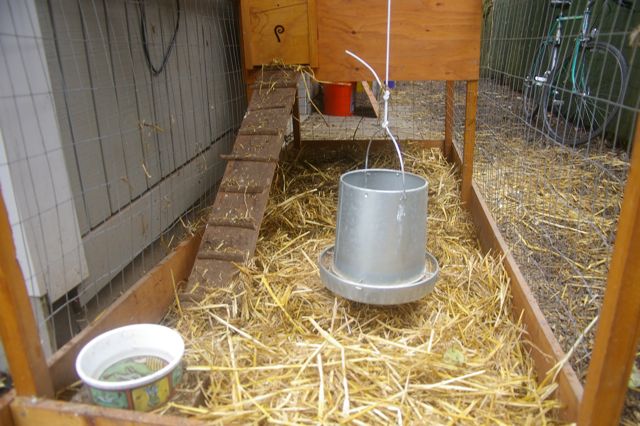
The second choice of many homesteaders is hay or straw when it’s about choosing the chicken coop nest or floor  bedding. Due to less in price and durability, many backyard raisers have bunches of straws in their garages. They act more or less like the pine shavings – they act as good absorbent of the chicken dropping and also prevent the bad odor from taking over the coop. However, you must not compromise on the quality of the straws or hay – many complain that the straws remain moist and that is why after a day or so the coop began to stink. Many even speak against the idea that nothing like this happens. So, potentially the major fault is seen with the quality of the straw. Make sure you inquire from the seller about the A and B categories. Since years people have been using these hays in the nests of the hens where they lay their eggs.

straw

Shredded newspaper:

This is an amazing bedding alternative; truly, it is the most cost effective technique too. My father had a lot of newspapers and we thought of recycling them this way – by shredding the newspaper into smaller bits, they can be used as chicken coop flooring easily. Many different types of ideas must be prevailing in your mind at the moment, I am sure – all your doubts regarding this bedding type would clear by going through the research findings;

  • Just like all other bedding options, newspapers have higher absorbing capacity.
  • The newspaper ink is of no harm to the chickens or any other coop bird
  • By adding some soiled bedding on the newspaper you can restrict from decomposing

However, many times it has been seen that the chickens are not much comfortable with the newspapers flooring – so, if that’s the case you try using sand on it too. If this technique does not work, then accept the fact that your fellows are quite arrogant.

Shredded newspaper

Add a little DE

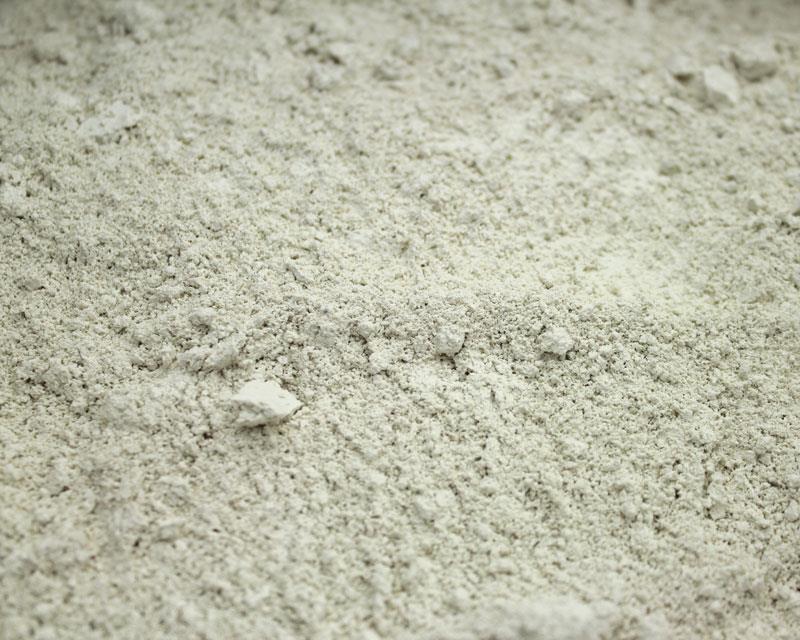
Many backyard chicken raisers add DE, also known as Diatomaceous to the chicken coops. Many haven’t heard about DE as yet – it is a white abrasive powder substance that is obtained from a distinctive type of ‘algae’. It acts as a wonderful odor controller and also helps prevent the coop and the birds from getting mites and lice. In order to keep your birds healthy, always use the food-grade DE.

Diatomaceous earth

Cedar shavings:

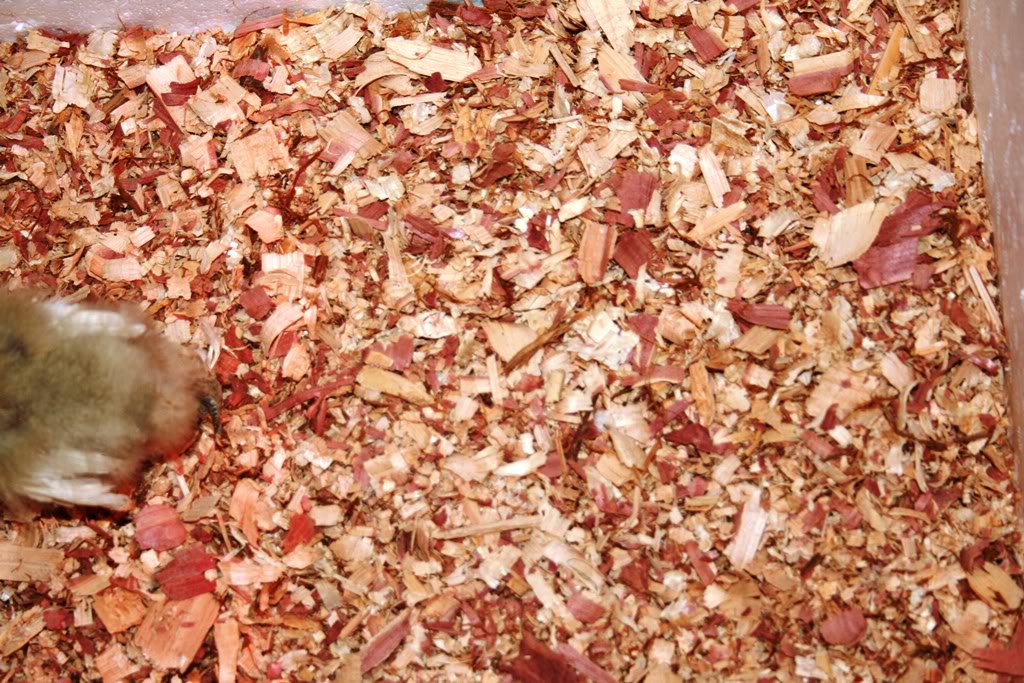
Cedar shavings also act perfectly to fill the needs of the chicken bedding. They carry very pleasant aroma, but it is said that they can even affect the birds.

Cedar shavings

Bamboo sticks:

For chicken coop floor covering ideas, bamboo sticks can even be used. Due to massive production of these sticks in the market, you can obtain them on very feasible rates. They work as sheets on the floor and help in gathering the litter in a better way. Chickens even adore walking on such bamboo stick floorings.

Bamboo sticks

Sand flooring:

The idea of proving the chicken coop with sand flooring is indeed amazing. Firstly, the sand being a natural component does not affect the health of the birds, and also contains all the great advantages that you have been looking for. However, the choice of the sand is something really important to consider here. If you have small farms you can use the litter contain sand as fertilizer there – many do so because it’s really effective.

sand bedding

Sawdust:

The use of sawdust in the chicken brooder is also an amazing option. It has a very soft and natural smell that keeps the internal environment of the coop lively. Also, if you use them during the winters, the chicken coop  would remain warmer. However, sawdust can create trouble if it gets really wet. It is then prone of bacteria too – so, in case it gets wet, you would have to change the flooring on alarming basis.

sawdust

Processed Products Made From Chicken Meat

Processed chicken is basically chicken meat that has either been mechanically recuperated from a chicken cadaver or is made of a mix of chicken meat and skin. Numerous distinctive sorts of preparing could be finished on different meat products. Any meat that undergoes a technique for example drying, curing, maturing or precooking could be said as transformed meat. The most normal bits of a chicken utilized for nourishment are the legs, breast and wings, and transforming make different parts of the chicken consumable. Throughout the preparation a full chicken remains; the important cuts would be uprooted by a prepared worker working with a blade, and afterward the extra remains are frequently used to mechanically recoup the extra meat. Relying on how the more important slices of meat can be utilized, they could possibly be prepared into an additional shape. So let us look into some details regarding processed chicken meat products

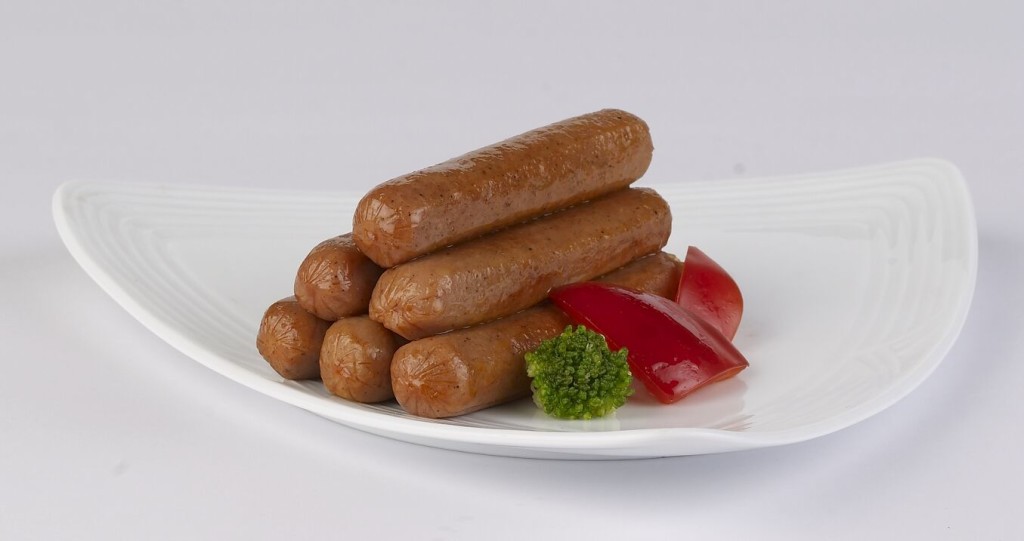
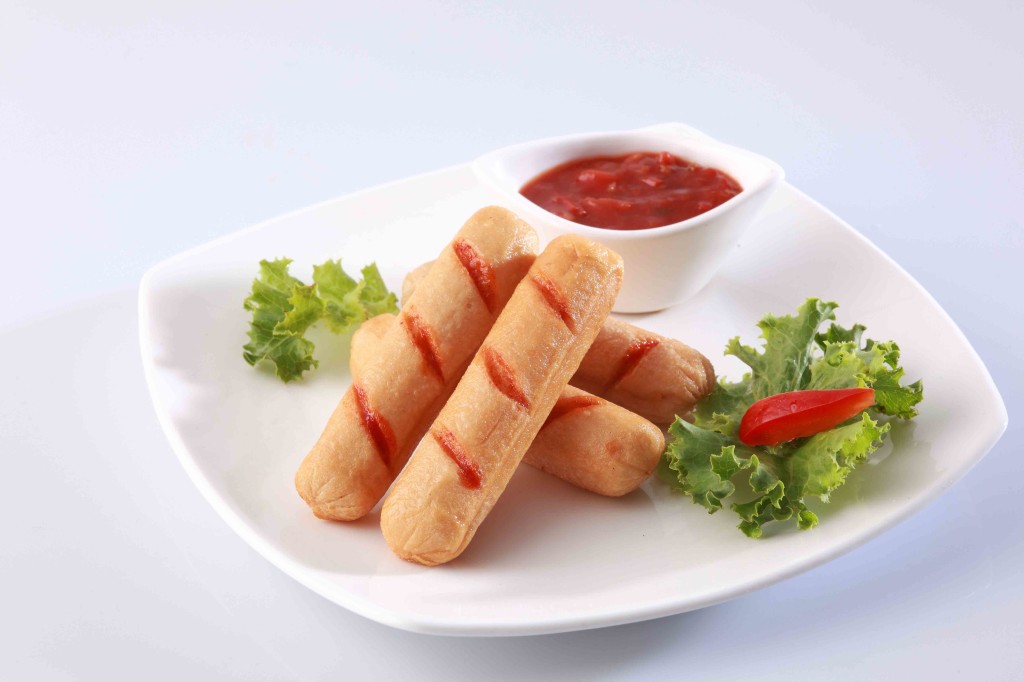
Chicken sausages

One of the most important products is the chicken sausages. This is the best source of substituting the red meat, as meat is really an expensive choice. Sausages can be made in a variety of ways using a variety of chicken parts. The liver sausages can be regarded as a wonderful creation.

chicken sausages

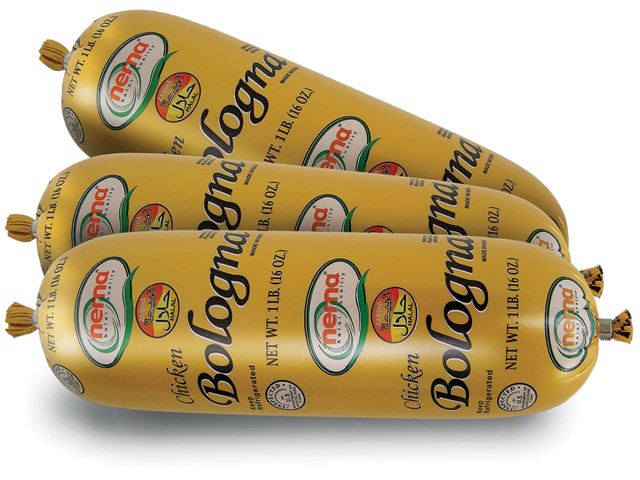
Chicken frankfurter and chicken bologna

Chicken frankfurter and chicken bologna are finely comminuted products.  Chicken meat contains the proteins and not only this but the chicken skin swaps the fat to superbly disperse in the sausage batter. Filled in small casings which are about 18-22mm, the filling makes up the chicken flankfulter while filled in larger casings which are about 40-60mm, the filling serves for chicken bologna.

frankfueterNema-Chicken-Bologna

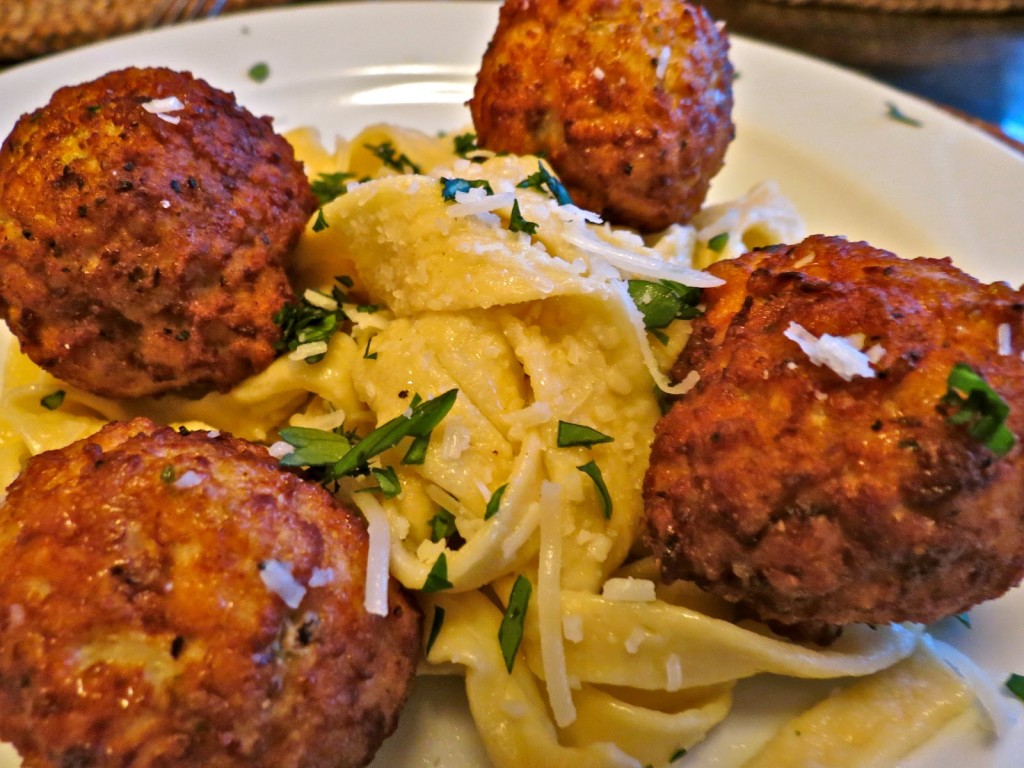
Chicken meat balls

One high demand chicken food among the Asian areas is the chicken meat balls. They are a traditional touch in a modernized way. They involve using the same recipe as the red meat balls but only replacing the meat with the chicken. They are an exquisite food creation.

chicken meat balls

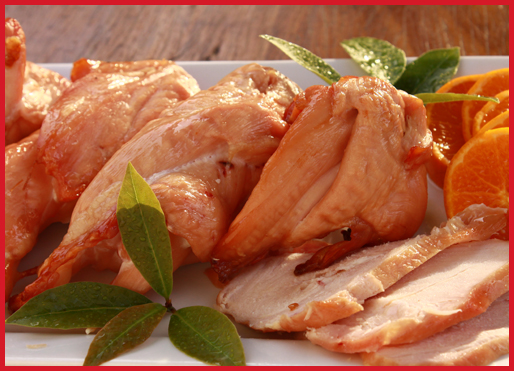
Chicken ham

An added distinct way of replacing the usage of expensive pork meat in a pork ham is to use chicken meat products and simply make it a chicken ham because cooking is actually innovating and discovering the new paths using new products each time rather than the old same recipes.

chicken ham

Coated and crumbed chicken products

Coating and crumbling of the chicken in a variety of ways also comes up with an exciting amalgam of flavors and is a nice innovation indeed. Different ways are revised lately to make numerous recipes along with the chicken, red meat and the turkey meat products. These different novelties have therefore led to the recognition of food more than the olden times.

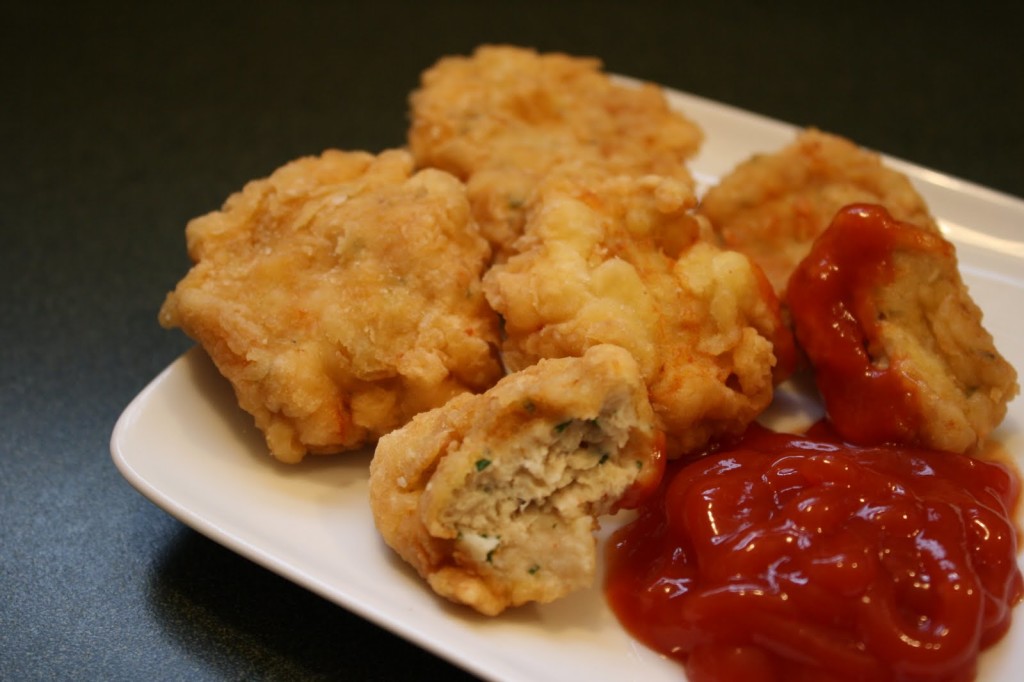
Chicken nuggets

Chicken can be hammered and frozen along with adding the spices. They can then be cut down to small rectangular pieces and can be fried in order to achieve a tasty result. They can therefore be easily manufactured on a small as well as a large scale depending upon the requirement, the demand of the customers, and the availability of poultry products.

chicken nuggets

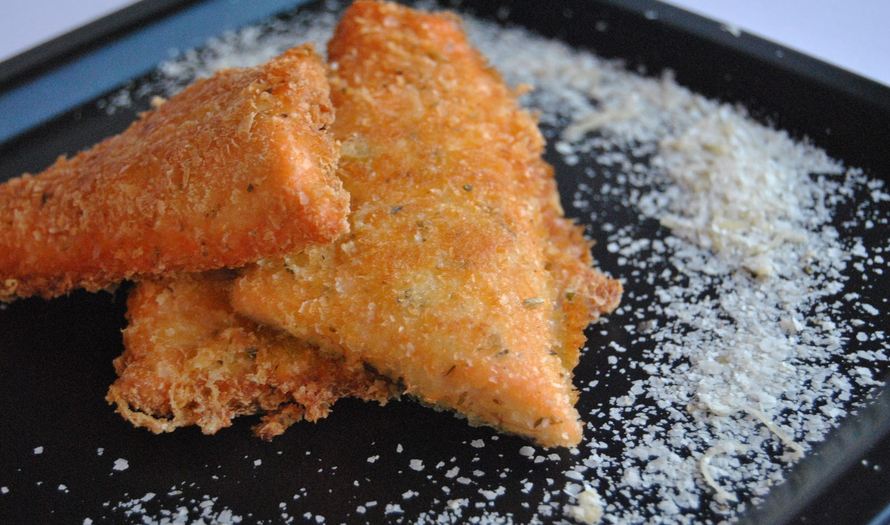
Chicken fillets

It involves the marinating of the chicken meat along with the coating of the chicken pieces with bread crumbs. Chicken breast is the best part used in the fillets as it gives the taste and seasoning to the recipe.

chicken fillets

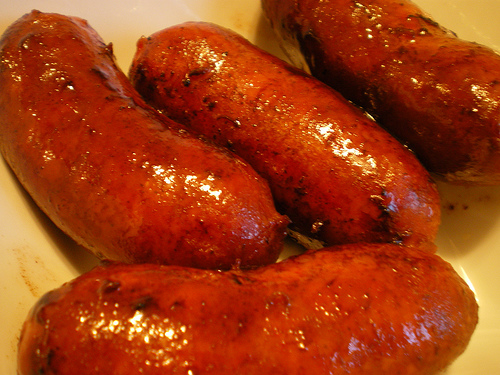
Chicken longganisa

Another rather ground-breaking way of using lean chicken meat is the hammering and usage of the grounded chicken meat or a mix of meat varieties and then rolling them in a cylindrical manner. Longganisa is a tasty and a great innovation of catering to the meat processing.

Chicken longganisa

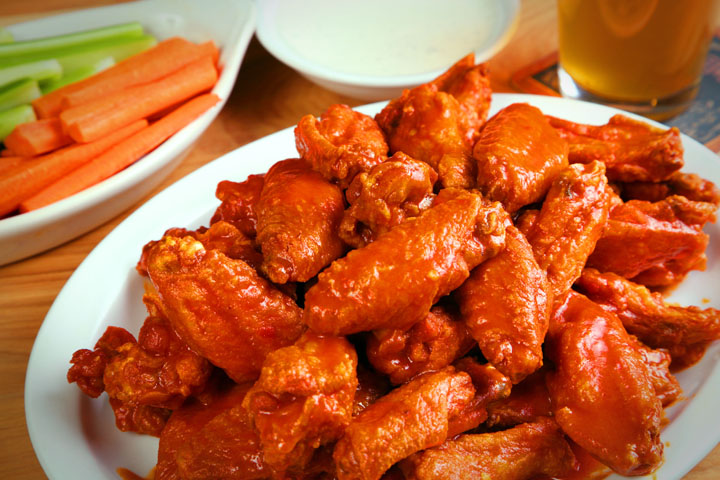
Chicken wings

Even the wings of the chicken can be used for the processing of chicken meat products.Wings can be marinated and battered and crumbed on a small scale as well as a small scale in order to manufacture spicy and tasty chicken food.

Chicken wings

This is an abstract from fao.org, for detail u can view the following

http://www.fao.org/docrep/010/ai407e/AI407E15.htm