All posts by Farhan sheikh

My name is Farhan Ahsan,I am web enthusiast, writer and blogger. I always strive to be passionate about my work. I started my work at the beginning of 2007 by engaging myself with detail reading and exchanging information with others. Since then things and times have changed, but one thing remains the same and that is my passion for helping and educating people, building a successful blog and delivering quality content to the readers. The particular interests that brought me in the world of blogging are gardening, wildlife, nature, farming and livestock.

A beginner guide for building a chicken coop

Masses in many countries are getting inclined towards the idea of backyard chicken coop. The idea of raising your own chicken can be used as a very interesting hobby and it also allows you to attain fresh eggs that these chickens produce. There are various aspects which you need to study about chicken coops to build the most suitable coop. Now the basic ingredient of raising chickens is a chicken coop which can be made by a person at home or can be easily acquired from the market. Making a chicken coop at home is though not simple for the one who has no idea about the technicalities involved and the features which need to be incorporated in the coops. You can use various plans to build a chicken coop but some important factors need your consideration. So here are some important pointers for the beginners who are going to give this idea a go:

1.Characteristics of chicken coop

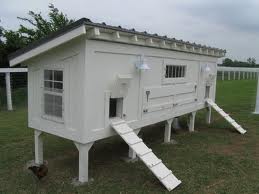
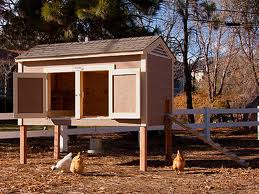
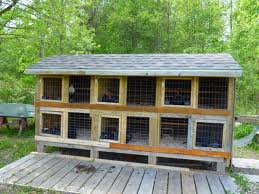
There are various characteristics which need to be considered while going for an easy to build chicken coop. First of all decide the size which you need to come up with as this will decide the number of birds which you can keep in it, and it also gives you the idea of the space requirement. The other features or characteristics of a chicken coop are the proper provisions of ventilation, provision for natural sunlight, perches, nesting boxes, feeder location, windows and mobility etc. All these characteristics are must to be incorporated in a coop.
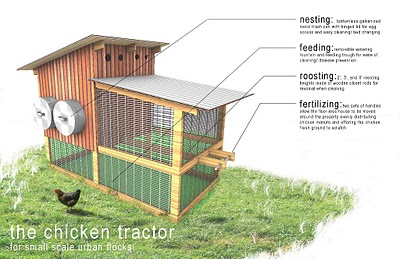
characteristics of a chicken coop

2. Design of a house(moveable or fixed)

Before making a chicken coop, one needs to understand the designs which can be used for this purpose. You will find that manufacturers are making chicken coops in unlimited designs but all are based on the idea of making them viable for healthy growth and productivity. So care should be taken while you design e.g. proper location for the feeder so that it is easily reachable by the birds. Now chicken coop or houses can be made both fixed and portable but the portable ones are more preferable as you can easily change its location whenever you need to. The purpose can be achieved by incorporating tires beneath the structure.
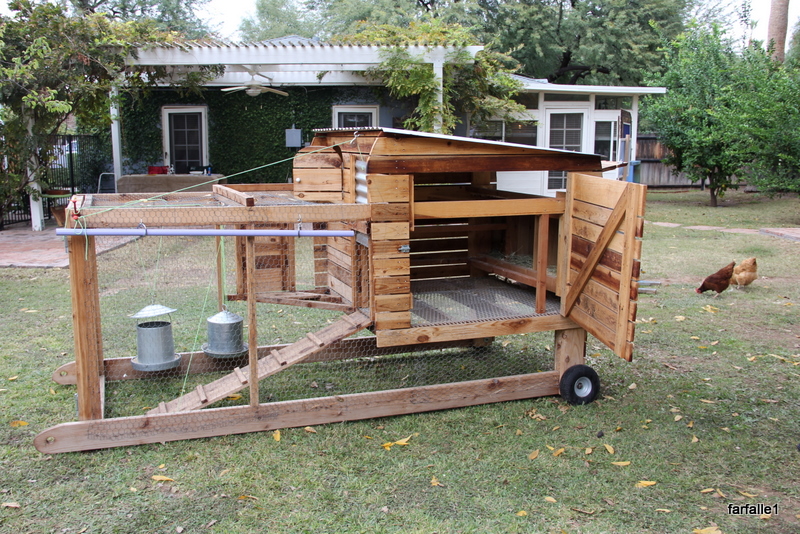
design of a house moveable or fixed

3.Space requirement for chicken

Building a chicken house comes with proper space requirements because you not only need the primary area where they will be kept but also a chicken run area where they can roam, as it is a necessary exercise for their growth and productivity.  So, building a chicken run with suitable space is mandatory.
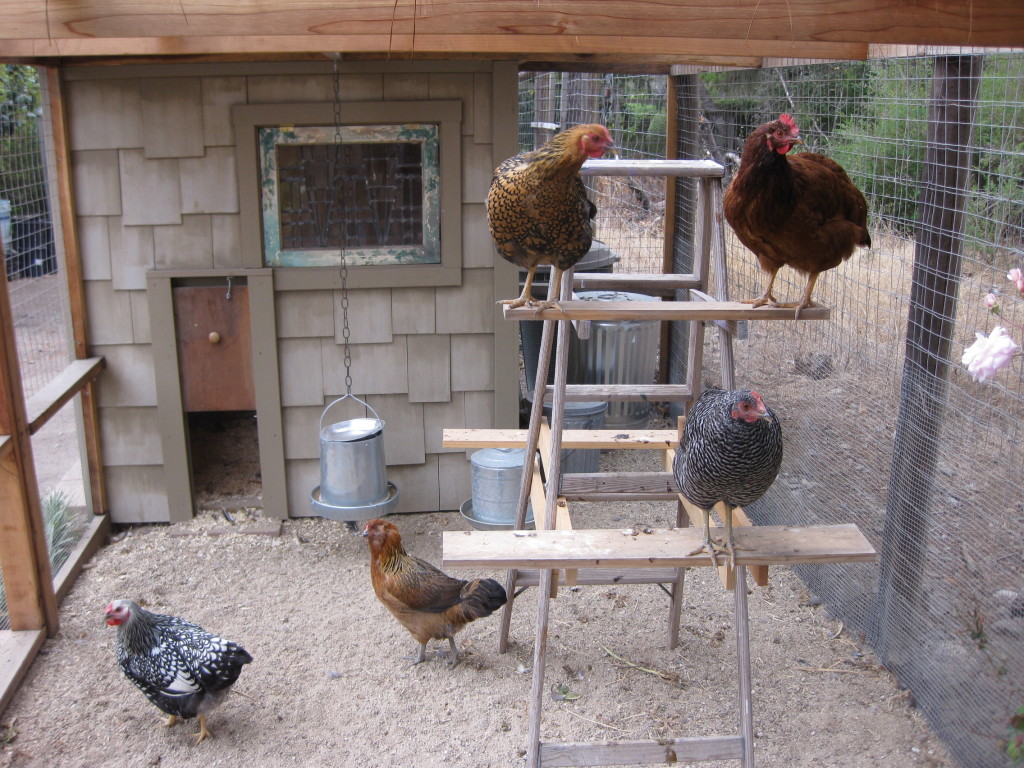
space requirement for chicken

4. Proper lighting

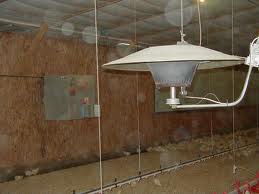
When building a chicken house, always be aware of the fact that proper availability of light is very important for their egg laying ability and their proper health. So always incorporate a proper window in your chicken house and make your chickens happier and healthier.
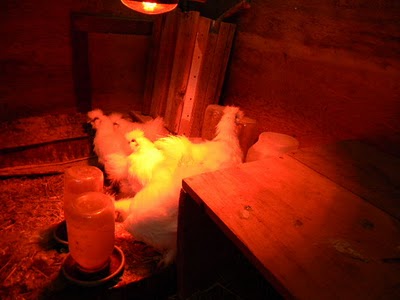
proper lighting

5.Ventilation requirement

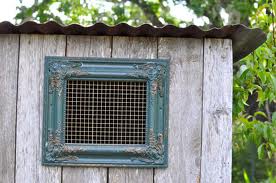
Being amazing producers of ammonia, heat and moisture which they surely are, chickens need proper provisions for  ventilation in their houses as it removes humidity and dampness. They get rid of the water they drink in the form of vapors through their breathing and this makes the environment in the coop air-humid or unhealthy for easy breathing. So, proper ventilation is something which is vital.
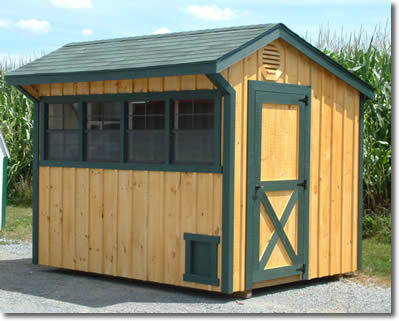
ventilation requirement

6. Roost

When making plans for chicken coop, also keep in mind that chickens like to sit or perch on limbs or rods, this is called chicken roosting. So always incorporate a rod into your chicken coop and make sure that the rod has enough space available for all your chickens to roost. These little things may sound irrelevant to you but all have their impact on the chickens growth and productivity.
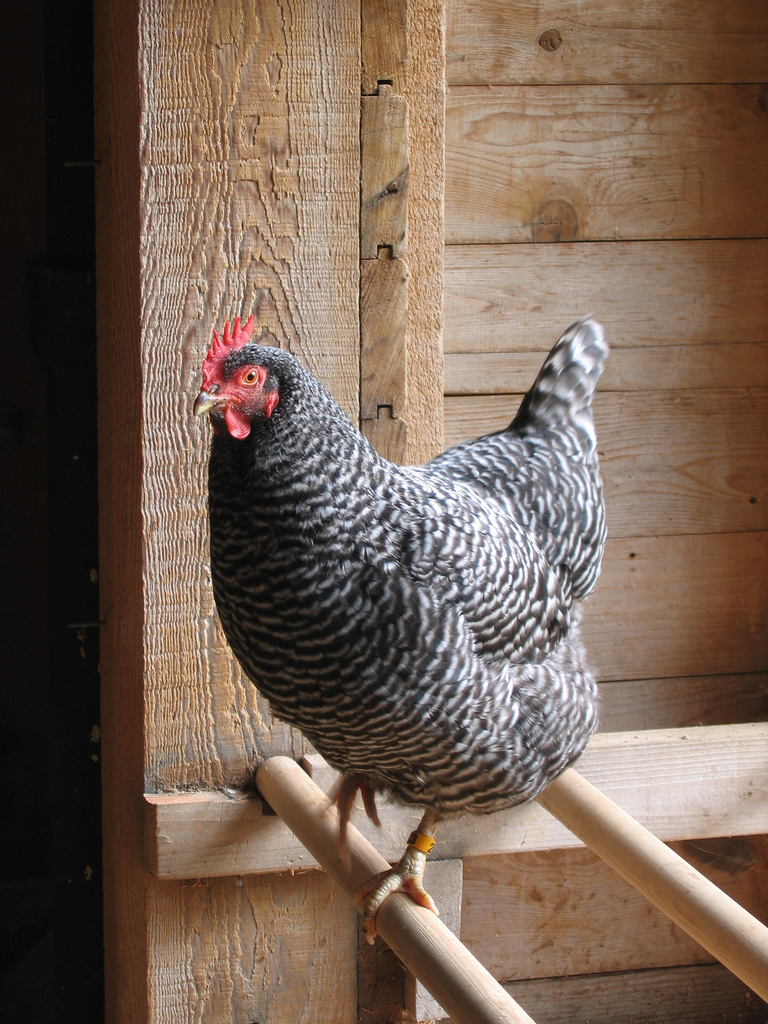
roost

7. Nests

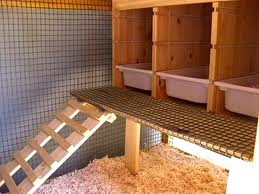
Now this factor is what complies with the basic aim of building coops i.e. eggs production. Chicken for laying eggs need to have nesting boxes placed in their coop. Always provide at least one box per two to three chickens and ensure that the roof or top of such nesting boxes are not in the access of the chickens or else they will use it for the purpose of perching.
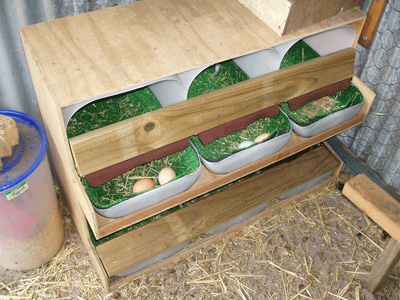
nest boxes

8.Fencing requirements to protect from predators

Skunks, raccoons, cats and untamed dogs can always pose a threat to the chickens as it is always a good dinner option for them. Mere chain linking fence is not a proper ploy as raccoons and skunks can easily sneak in through the wholes which are normally found in an average fence of chain links. So always go for the ones with small holes. Here are 15 tips to protect your chickens from predators.
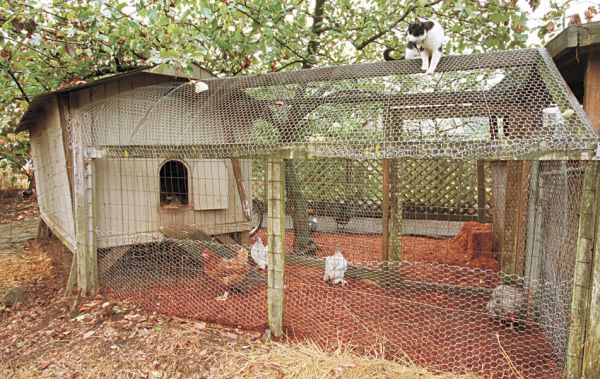
fencing requirements to protect from predators


9.Protection from uncongenial weather condition

Now this is subject to the region in which you live in. if you are at a place which receives plenty of rain, place the coop at a higher position to prevent them from flooding because wet chicken can result in a seriously ill or dead chicken. Similarly the climate will decide the breed that you can keep or the breed which can survive.
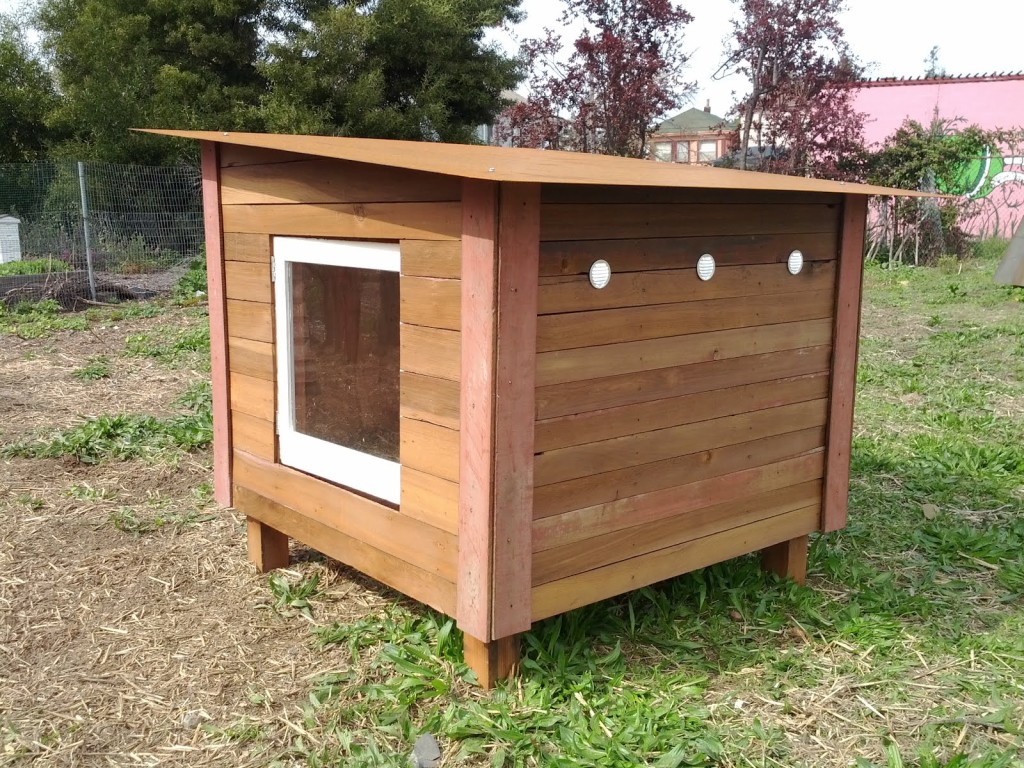
protection from uncongenial weather condition

The Most Famous Poultry Duck Products and Suppliers

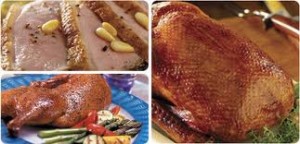
Almost all of the ducks are brought up in the farm house and indoor settings. The reason for this is to protect them from various predators and animals which might prove to be dangerous for them. You are easily going to find this information in any duck guide.  A large number of ducks are now being raised in the United States in the regions of Wisconsin and Indiana. But when it comes to the overall poultry products, then Asia is the one to dominate all others in the duck market. According to the most recent statistics, in between the years 2000 to 2009 the poultry duck production has increased by more than 1 million tons. The average growth rate was nearly 3.3 % which is really quite high in comparison to the past. Not surprisingly, China is the leading country , followed by France, America, Vietnam and Germany. Almost all of the Muslim countries do not export or import large number of duck products all because their religious limitations to such foods. Below are some of the famous duck products and the places where they are loved.

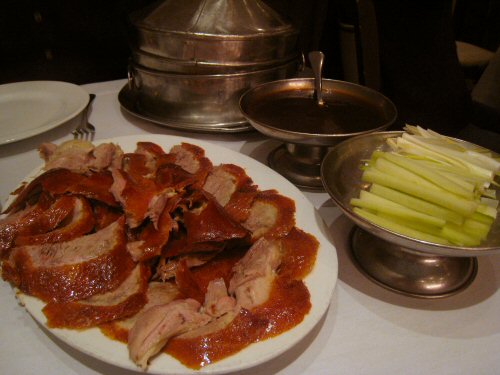
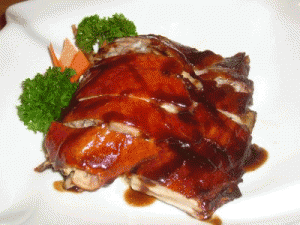
Peking duck

As obvious from the name, this dish had originated in China and has been eaten in the country before the imperial times. It is one of the most eaten national foods inn China. The dish makes use of various slices of skin, cooked in a variety of ways and then served with hoisin and sweet beans sauces. The dish is also quite famous in US, UK, France, Germany, Mexico and many more.

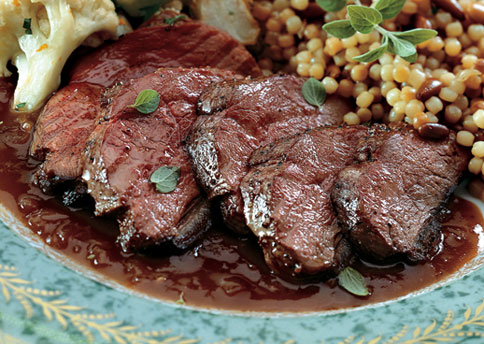
Muscovy duck

The boneless version of the Muscovy duck is considered to be one of the most premium duck product to be sold to various countries and used in fine dining restaurants and hotels. It is in high demand in France, primarily because of its use in some of the French cuisines like confeit. They are also available in the markets in the form of whole ducks. These cooking ducks are also used on a large scale in the United States, UK, China and many other countries.

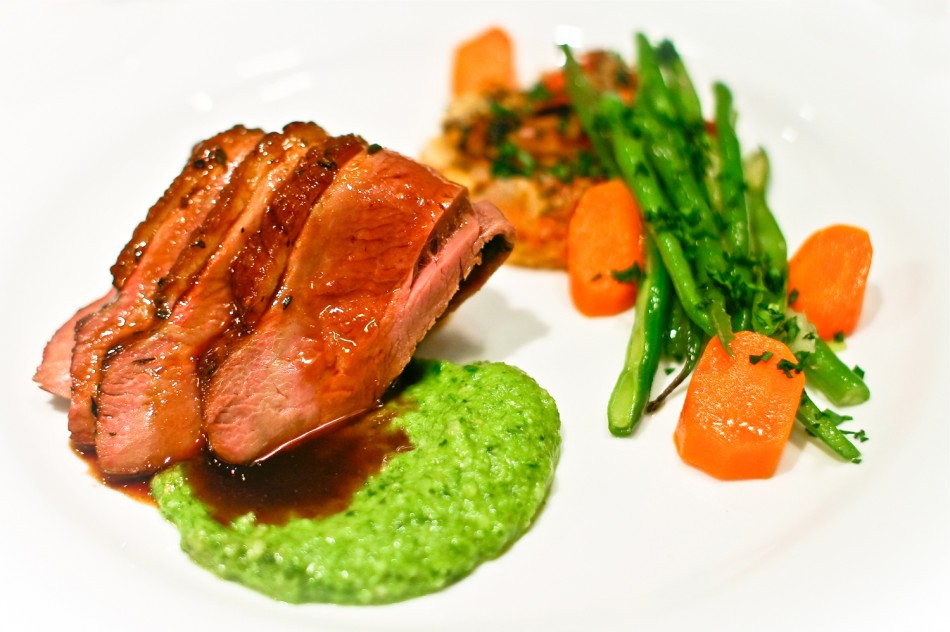
Cranberry Herb Muscovy duck Breast

What makes this product so easy to make and delicious is the use of cranberry herb stuffing for which this product is so famous for. It can be made easily in the home based settings and is also widely available in the restaurants and hotels in US, UK, France and China.

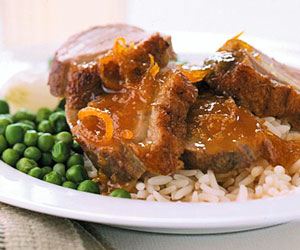
Orange Ginger duck

The duck is marinated by making use of orange ginger sauce with a number of other materials. There are several restaurants in UK, China and USA where one can taste the whims of this dish.

Duck Appetizers

There are a number of products and dishes included in the duck appetizers. Some of the famous duck appetizers are duck potstickers, duck breast spring rolls, duck quesadillas, almond breaded duck tenders and fully cooked duck wing drum mettes. There are a number of companies that specialize in offering all the possible ranges of duck products and cuisines.

Famous duck products suppliers


1)      Wangara Poultry and Game

contact supplier


2)      Everspring Farms

contact supplier

3)      West Bridge Foods

contact supplier

A Guide To Poultry Processing Plants -Top 5 Suppliers

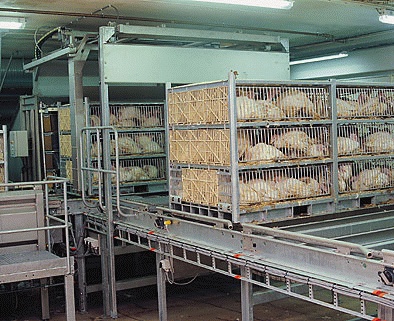
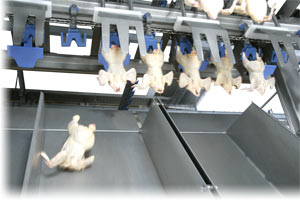
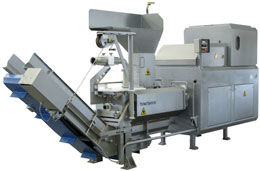
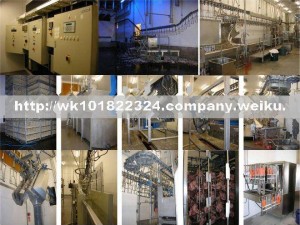
Poultry processing makes use of a number of processing plants and equipment. The poultry dressing plants vary in their limits and types depending on the particular class of domesticated animals to be processed in them. The larger sized broiler processing plants process chickens and other related animals at a high rate of 10000 on an hourly basis, which goes to nearly 1 million or more on a weekly basis. In comparison to the larger ones, the smaller plants make use of some limited devices and equipment which are sufficient for processing a smaller amount of birds. Chicken slaughtering is just a part of the many steps that are involved in the poultry slaughtering process. Here are some of the units involved in the slaughtering chicken process.

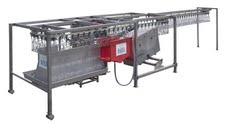
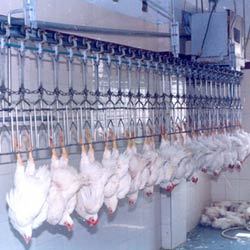
Conveyorized Poultry Dressing /Slaughter Plant

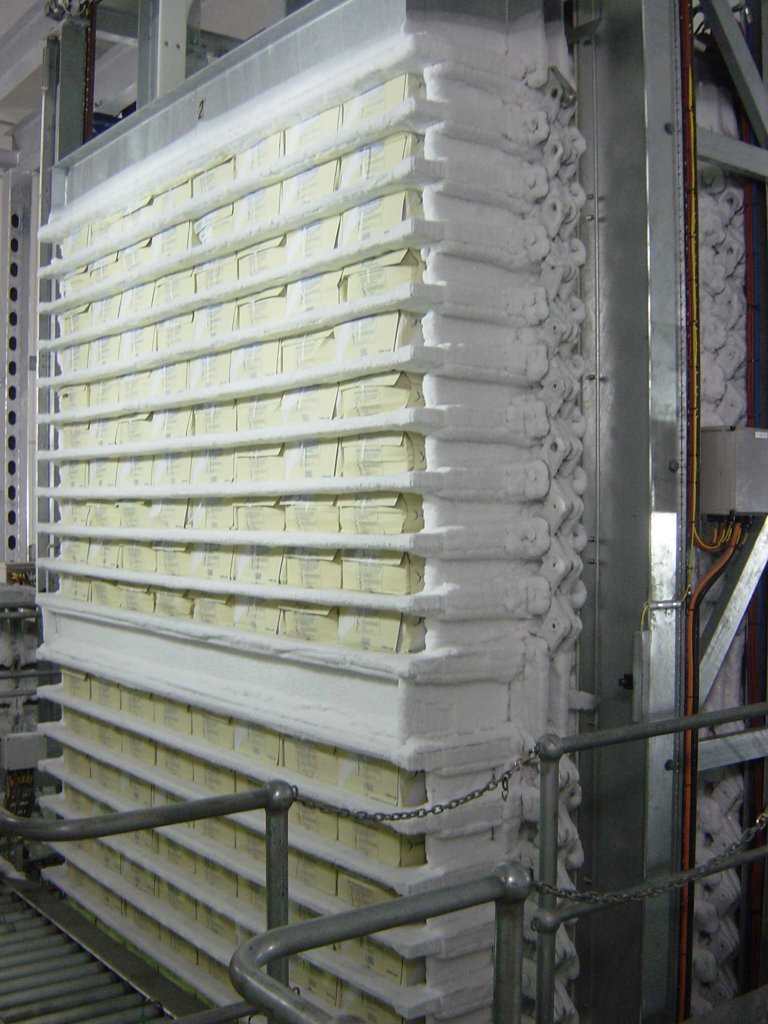
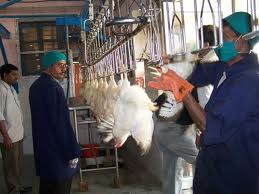
The slaughter plants are the units in which the animals are slaughtered and prepared for the first steps in the meat manufacturing process. The plant is also referred to as the chicken slaughtering machine. They are found all over the world with the largest one being located in North Carolina.

Live Bird Handling

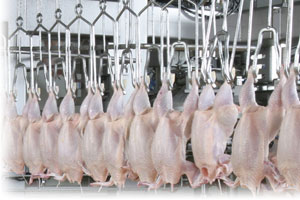
The efficiency of the poultry processing is determined by the live bird handling system. All the processes that take place in the broiler house are all regarded as the part of the live bird handling processes and mechanisms. Killing and de-feathering of the chickens, turkeys, and all other animals is also done in the plants by making use of poultry pluckers and scalders. It is followed by the cut-up, deboning and slicing processes in which the meat is cut down into several parts according to the requirements of the consumers and the markets.

Evisceration, Chilling, Grading and Distribution

The next step in the poultry slaughtering is evisceration which involves the removal of some of the vital organs from the animal’s body. These parts are then conserved through the process of chilling which is also important for long term storage of the meat. In addition, the processes of meat grading ensure that the quality of output is maintained and that the consumers always get the best quality. The distribution follows on after all the initial processes have been done.

Meat Harvesting

The process of meat harvesting involves the transportation of the meat from the place of origin to the abattoir which is followed by stunning and the slaughtering phases. The process of chilling, packaging of the meat and all the related products is one of the last steps of the manufacturing processes. The processes of stunning is intended to knock out the animal unconscious before killing the animal. In almost all of the countries, these processes are manufactured and analyzed by the health inspectors from time to time in order to maintain the quality of the meat that reaches the market. Furthermore, they also monitor the equipment which is used in the manufacturing process in order to ensure that all of the devices and processes are in close compliance with the set hygiene standards.

Marinating and Tumbling

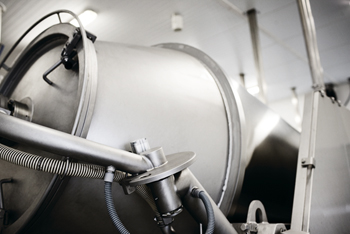
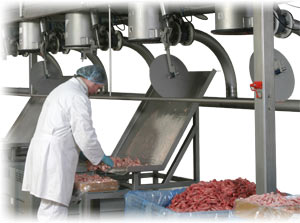
Both of these processes are involved in seasoning the meat for the days that are going to follow. The prime reason for marinating and tumbling the meat is to give a more desirable taste to the meat and for the removal of any undesirable odor coming from the meat. A number of injections systems are used to inject marinade into the meat, especially into all the stronger parts. Then it is followed by the tumbling phases which are designed to remove any remaining salts and soluble proteins which gather at the surface of the meat. Tumbler massagers and devices are used for carrying out the job by creating some mechanical agitation over the meat.

Cooling and Freezing

Cooling and freezing are done by making use of some standard temperature and materials like liquid nitrogen with the purpose of conserving the meat. These processes are essential for keeping the meat flawless and ever tasty.

End of Line Packaging

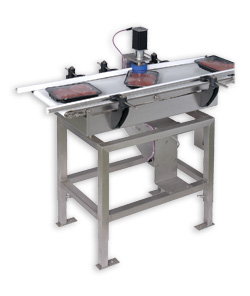
The end of line processing and packaging system is directed towards the completion of the packing process and to give a final presentation to the packed meat. The meat is weighed before and after the packaging process due to a number of reasons relating to profits and sales.

Internal Logistics

The internal logistics serve as an essential component of the entire supply chain. It is one of the core components of all the profitable enterprises. The mechanism also ensures that all the steps and processes are performed in an integrated manner with a strong coordination between the manufacturer and the retail outlets.

Use of Meat Processing Software

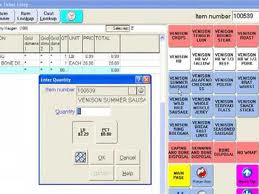
The meat processing and distribution software have been designed for facilitating the poultry processing plants and manufacturers to keep track of the products and for a number of other sales and safety measures. By making use of these systems, the companies are better able to manage all their inventories.

Top 5 poultry processing plants suppliers

 1) Ali Baba poultry processing plants

contact supplier


2) Marel poultry processing plants

contact supplier


3)Dhopeshwar & Sons  poultry processing plant

contact supplier


4) Weiku poultry processing plant

contact supplier

5) Indiamart poultry processing plant

contact supplier


Poultry by Product meal-Food for Pets

Poultry/Chicken by product meal is a highly protein component which is manly used in pets food.it has many components in it such as bones,undeveloped eggs and other poultry wastage. Poultry meal and poultry by product meal is mainly used in preparation of dog food in many western countries.

Technique for Preparation of Hatchery Byproduct Meal

The main aim during processing hatchery waste is destruction of pathogens, reducing moisture % improvement of storage and handling  qualities of material along with maintenance of nutritive value and palatability of finished product to the maximum possible extent_

De-hydration technique have been found quite successful for this purpose. This involves pre treatment, treating with chemicals like formalin, paraformaldehyde, propionic acid and acetic acid. Common – 0.7 per cent formalin – preservative, bactericidal, fungicidal, grinding, heating and drying in a tripple pass rotary drier to a moisture level of 5 per cent in the end product. Heat is applied in the form of steam to evaporate moisture and separate the fat. The time for cooking ranges between 2.5 and 10 hours depending on the size and charge used. The cooked material can be dried at 100°C for 10 hours in a forced draft oven.

Nutrient Composition of Hatchery Waste

Vendepopuliere (1983) has reported that hatchery by-product meal with 65 per cent moisture on an average contained 22.20 per cent protein, 24.60 per cent calcium 0.33 per cent phosphorus and 9.90 per cent fat on dry matter basis.

Verma (1974) concluded that hatchery by-product meal prepared from infertile eggs, contained 35 per cent protein, and 5250 kcal/kg metabolisable energy with gross protein value of 86.5.

Utilisation of Hatchery Waste

After converting hatchery waste into hatchery by-product meal, it can be safely and efficiently used as poultry feed ingredient. It can be used to replace partly soyabean meal, fish-meal, meat or bone meal and dried skim milk in various poultry rations; preferably starting, growing and laying diets. Only its palatability and acceptability should be maintained by using proper technique of processing.

Further, its utilisation helps in reducing poultry feed cost directly with indirect utility in reducing pollution problem improving hatchery operations and saving space used for dumping waste.

Poultry Dictionary-Glossary Of Poultry Terms

Common Terms Used in Poultry Science

Aves (Avian)

Class of birds pertaining to all species of birds including domestic fowl.

Axial Feather

Also called as index feather. A short feather in the middle of wing., separating primary feathers from secondary ones.

Auto-sexing

Sex differentiation at day-old age on the basis of some visual characters such as colour of down (fluff), early feathering, etc.

Battery

This is the shelter for most of commercial egg type birds in the form of small compartments of wire netting arranged one above the other in vertical configuration in 2-4 tiers.

Balanced

A term that is applied to the ration or feed containing all the known essential nutrients in proper proportions based on the recommen­dations of recognised authorities (BIS, 1992), in the field of animal nutrition for a given set of physiological requirements of animals.

Brooder

An appliance to supply artifical heat to young ones of poultry from day-old to till warmth is required is known as brooder.

Blood Spots

The common faults in the contents of egg frequently noticed among the eggs of pullets coming into lay in the form of blood clots. The clot may be attached to vitelline membrane of yolk, to chalazae or

to the albumen clue to small haemorrhage of blood vessel during transit of egg contents, down of the oviduct. They look pinkish while candling.

Broiler

It is also called as frier, which is young chicken of either sex, usually 6 to 7 weeks of age (40-45 days), weighing 1.25 to 1.40 kg; that is tender meated with soft, pliable, smooth textured skin and flexible breast bone. Broiler is suitable for broiling or frying,

Broiling

Cooking by applying direct heat with burning of charcoal or cooking in oven, it is also called as grilling.

Brooding

Rearing of baby chicks with careful management from day-old up to warmth is required, usually 3 to 4 weeks in broilers and 6/7 weeks in layer type chicks is known as brooding.

Candling

The visual examination of egg by holding it in between the eye and source of light to test internal quality and freshness of egg.

Candler

The appliance used for candling is known as candler. This is a small box fitted with little bulb illuminating rays of light through a focal point.

Cannibalism

It is a vice (bad habit) which may occur in chicken of all ages. It includes feather plucking; vent, head, wing, intestine and toe picking. Causing injuries to comb and wattle due to infighting, egg eating is also one type of cannibalism.

Capon

Castrated male chicken usually under 8 months of age, that grows for longer period than cockerel, good for table purpose as the flesh has better flavour, finer texture and is more tender.

Clutch

A term expressing sequence of egg laying, i.e. number of eggs laid on consecutive days without gap. Length of clutch determines the productivity of bird.

Cage

The wirenetting shelter of bird in the form of compartment with attached feeder and waterer from outside, having different designs for various types and age group of birds, can be hanged to roof or fitted on stands on floor.

Chicken

The domestic fowl (Callus domesficus) usually reared as a farm bird kept for commercial purpose includes improved exotic breeds and desi fowls also.

Chick

The young one of chicken is called as chick. Cock

It is a mature male chicken with coarse skin, toughened and darkened meat along with hardened chest bone.

Cockerel

A young male fowl less than a-year-old, meat of which is compara­tively better than cock in respect of its texture, consistency, tender­ness, chest bone structure, etc.

Culling

Separation and removal of unproductive or otherwise undesired birds from the flock which are untrue to its type, judged on productive and physical characteristics.

Debeaking

Removal of 1/2 to 1/3rd portion of upper mandible of beak and trimming of lower one in birds is called as debealdng.

Dubbing 

The process of removal or trimming of comb and wattles is known as dubbing.

Down (Ruff)

Initial hairy covering of baby chicks or poults, etc. is called down. Similarly, the fluffy part of feather below web and small tufts (hair) sometimes seen as faults on shank and toes of clean legged breeds,

Drumstick

Tibio-fibula of birds prepared for table purpose. Well-fleshed drum­sticks is an important point for selection of breeders in broilers.

Egg

The reproductive body produced by female of birds, more or less oval in shape, enclosed in hard calcareous shell within which embryo develops on fertilisation, containing nutrients for development of embryo.

Fowl

A live mature chicken, a term usually used for cocks, hens, cockerels and pullets.

Franchise (Hatchery)

An aggrement between hatchery and breeding organisation of poultry, where the former sells commercial day-old of branded stock of parent organisation.

Giblet

The edible viscera of bird comprising liver, heart and gizzard. Grower

Growing bird of layer type chicken between age group of 9 to 20 weeks.

Hatch

The young ones of poultry in incubator just borned out of eggs or under broody hen.

Hair Cracks

Fine cracks of hair size in egg shell that can only be seen with the help of candling when eggs are fresh may develop due to thin shells, rough handling, etc.

page 1 of2        next page>

Poultry Layer Management,A Guide To Optimal Egg Production

MANAGEMENT OF LAYERS

Maximum hen-housed egg production with fair egg size, feed efficiency and minimum mortality are the prime goals of layer farming. Beside good genetic make up of bird, management during laying plays an important role to achieve the above-mentioned targets in egg production. Following are the vital aspects of efficient layer management:

Segregation and Transfer of Pullets

Ready to lay pullets should be shifted from grower to layer sheds around 16 to 18 weeks to allow 1 to 2 weeks adaptation period before laying starts. During pullet rearing it is quite possible that inspite of providing highly suitable management facilities, some pullets may lack in size and development of body. In real sense, genetics itself allows one to two per cent culling. Such under­developed pullets should be segregated while transferring them to layer sheds and be housed in separate compartments of cages or sections of house in case of deep-litter, to allow them to avail extra nutrition to achieve normal standard of growth. These segregated pullets are fed 2 per cent extra protein along with the additional minerals and vitamins including liver tonics to gain normal growth within 3-4 weeks. The pullets which are blind, crippled, emaciated, injured, and infected are discarded at the time of shifting.

Floor, Feed and Water Space

Floor space of   1800  to 2200 cm2 per bird on deep-litter and 337 to 375 cm2 per bird in cages is recommended for layers. Breeders are provided with little higher space of 2300 to 2700 cm2 depending on size of birds. About 12 to 15 cm linear feeder space and 2.5 cm water space per bird is adequate during laying. On deep-litter system one laying nest for every 4 to 5 hens with perch at entrance is provided for comfortable laying and clean egg production. Inade­quate management facilities leads to reduced egg production and feed efficiency; increased disease incidence and mortality and sometimes cannibalism also.

Temperature in Layer House

The comfortable temperature for optimum laying ranges from 18.3 to 21.5°C (65°-70°F). Both higher and lower temperature affect the egg production and quality of eggs adversely. Egg production starts declining when temperature rises more than 27°C while egg size starts reducing from temperature of 24.5°C onwards only. The higher temperature in general is more harmful to birds than lower temperature. The effects of cold whether become more prominent when temperature drops below 12.8°C.

Supply of Artificial Light

From 21 weeks onwards, the layers should be provided with artificial light, starting with total 14 hours duration and gradually (1/2 hour/ week) be increased to reach to 16 hours and kept constant upto 42 weeks of age.

At the age of 43 weeks it is again gradually increased to 17 hours. The day length is considered to be 11 hours in winter and rainy season while 12 hours in summer season for providing total light. The total artificial light may be divided equally in morning and evening.

The appropriate lighting schedule stimulates egg production by 4 to 6 per cent, while irregularities in lighting can cause drop in egg production. The intensity of light at birds eye level is important to stimulate egg production, which is 0.9 to 1.2 foot candle. A bulb of 40 watts with reflector hanged at height of 2.2 m above floor level for 3.5 m2 floor space, provides correct intensity. But the bulbs must be cleaned for dirt periodically (once in 15 days) for bright illumi-nation. Layers should never be exposed to reduced light schedule which lowers down production considerably.

Breeder management is similar to layer management except their diet contains extra protein, Mn and Vitamin E to ensure desired fertility and hatchability. Breeder males and females should be reared separately from day-old age, which ensures uniformity in growth, reduces culls and gives better production during laying.

Reducing Stress

Factors such as vaccination, medication specially antibiotics, disease outbreaks, improper and restricted feeding, extreme weather changes, starvation, high production and shifting from one to another house induces stress in chickens. This results in drop in egg production, poor growth and increased susceptibility to diseases. Administration of electrolytes, vitamins, minerals, controlling effects of weather changes helps to reduce or combat the stress on birds.

Feeding and Watering

Not only the quality but quantity and methods of feeding adopted also play an important role in making profits from layers. The chickens like white leghorn layers should consume about 105-110 gm of feed/day/bird, while dual purpose breeds like RIR, New­hampshire, etc. will eat around 115-120 g/day/bird on an average. Higher or lower intake less than recommended requirement indicates impairment in quality of feed or stress/disease condition which should be corrected accordingly. Minimum two feedings should be followed to avoid staleness and wastage of feed. All mash or pallet feeding is good method of feeding to achieve optimum performance of layers.

Birds should be provided fresh, clean, cool and potable drinking water all the time. As a thumb rule bird drinks 2.5 to 3 times of water of feed consumed depending on season and size of birds.

Vaccination

From 42 weeks of age onwards, every 3 months, layers should be vaccinated lasota vaccine through drinking water to boost up immunity and to maintain proper titre levels of antibodies against Ranikhet disease. Automatic vaccinator is being used nowadays

Culling

It is one of the constant and important operation to be practiced at- least bimonthly to improve economy of farming and to remove focus of infection.

Record Keeping and Analysing

Relevant record keeping of feed intake, egg production, vaccination, medication, mortality, culls, receipts and expenditure and periodical analysis of them helps in correcting mistakes and improvement in management to increase profitability.

Housing

The layer houses should be well-ventilated, reasonably cool in summer and warm in winter but free from drafts. The open-sided poultry sheds which are popular in our country, fulfills above requirements with specific management in summer and winter. They are cheap for construction and easy for maintenance also.

Feed industry the crisis just begun – China Clasp The envelopes – Poly Mailer Manufacturer

the feed industry in Guangdong Province makes satisfying accomplishments within the forefront of production still the provinces. But there’s lots of problems, because the South China Farming College, Connect Dean of 10,000 Junyi economic management pointed out within the forum, the present domestic farming Enterprise Proper Management and Business Vision dislocation is unknown, as feet watermelon rind , where operator which slide. If you don’t address these problems, the of transforming progress.ss.

Forum and feed the annual meeting from the South’s rural areas reported the status from the feed industry, problems, and also the development direction from the content released to ensure that you some reference.

Industrial structure is becoming more sensible

Zhang Air: 2009 industrial output in Guangdong Province feed a stable rise in the adjustment of structural stability, product quality continues to be continuously enhanced, the power of escalation.

Feed Association, statistically, Guangdong Province, is anticipated to give the province’s industrial output in ’09 arrived at 17.5 million tons, a rise of 6.80% over the year before. Which 16.82 million tons using the feed, Bi Zeng 6.56% concentrated feed 274,000 tons, lower 1.4% additive premix 495,000 tons, Bi Zeng 25.86% using the enter the province centered through the feed industry for several years maintained about 97% share. Meanwhile, the size of Cultivation Process, the premix for quite some time maintained a double-digit growth.

In the product structure, except eggs Wild birds Materials, the development keeps growing every year. Among Pig Expected the biggest increase, up 17.93 percent. One pig feed 5.18 million tons, up 17.93 percent over the year before chicken feed 7.25 million tons, 3.51% Bi Zeng Egg and Chicken feed 1.31 million tons, lower 8.2% Fisheries Expected 3.17 million tons, Bi Zeng 13.03%. Searching lengthy-term, animals and chicken items poor consumer habits, pigs, chicken feed, the overwhelming share of lengthy-term hold. Meanwhile, with the amount of the past few years, the continual improvement of aquaculture and marine material will keep a higher rate of growth.

Output to develop simultaneously, the standard of feed items are also enhanced continuously. 2009, sampling of feed items in Guangdong to attain a pass rate of 92.5% -97.7%, maintaining charge within the national level.

A brand new round within the feed industry, the rapid rise in our province and also the feed industry grouping substantially faster the interest rate of industrialization. Large feed companies and industrial businesses according to their technology, management, procurement, financial and brand advantages, the opportunity to resist risks are reflected, because the leader in the industry within the foundation.

Immobilization Behavior: total manufacture of large, fast growth and development of feed industry in Guangdong Province, the qualities, production and cost for many consecutive years in america. Industrial structure is moving towards an acceptable amount of scale with the rise in breeding, feed industry, the amount of diet science and also the progress from the preparation process, in addition to food safety needs around the allocation of social role in marketing using feed, feed will dominate. Overall, seafood, pig feed and chicken feed as the number of production must constantly change making it more sensible to satisfy the development needs. Now within our province have created a complete cost of animals and chicken feed because the primary body, marine feed, feed consumption pattern of rapid growth.

Progressively expand the size. By 2008 statistics, the province’s creation of 300,000 tons a lot more than feed you use 10 businesses, the province’s output in excess of 100,000 tons feed greater than a total of 44 businesses, production and purchasers together, 10.8277 million tons, comprising the province’s total feed 65.79%. The greater how much the size, breeding the higher the interest in feed, consequently, can promote the introduction of aquaculture feed development, nations are increasingly being implemented standardized production, especially pigs, the greater the amount of large-scale production, feed the introduction of space greater.

Industry crisis has not bottomed out

Immobilization Behavior: low-level persistence from the vicious competition, low levels of competition are relatively homogeneous generally. Even without the brand, brand and also the situation of high-finish items, which in turn causes the price of the neglect from the formulation of it’s type quality, environment protection and worker benefits, as well as make use of the Large Dipper cost, credit and marketing tools for example false advertising, harm the marketplace atmosphere.

Recycleables base lagged behind. Corn, for instance, watch for traders feed businesses within our province shipped for your door through the province paid for for 70% from the total corn supply over almost completely medium and small businesses. Wen’s just the ocean along with a couple of large companies with self-storage and transportation of recycleables base and resolve way to obtain recycleables.

Additionally, the standard and safety remain hidden. For many businesses, mainly how to locate materials related problems, some companies, even some large businesses, inspection and analysis backward, grabbed laboratory equipment and rudimentary, and the possible lack of rapid testing techniques.

The e-commerce company in China offers quality items for example China Clasp The envelopes , Poly Mailer Manufacturer, and much more. For additional , check out Poly Mailer today!

Poultry Housing – The Basic Requirements to Consider/plaNning to build poultry house

Poultry Housing – The Basic Requirements to Consider

Chicken farming has become a profitable business lately and its good to try it out. One factor to consider before any other is poultry housing. Every poultry production system must provide the most important requirements. Good examples include the following:

Safety from weather: Domestic birds must be shielded from the cold, rain, sun and wind. Newly hatched chicks need a source of warmth as a basic requirement to shield them against harsh weather conditions.

Safety from predators: The chickens have many predators including snakes, rodents, foxes, dogs and other animals. The best way to solve this problem is to confine chickens in modern structures. These are large installations with concrete floors, electric fences, strong walls and other features. This discourages the predators from digging under floors and walls. Wire mesh doors are also very necessary not to forget meshed windows. Make sure that the available domestic birds are supplied with food and water. Ensure proper hygiene of the poultry house as well.

Adequate ventilation: When planning a poultry housing exercise, keep ventilation requirement in mind. A good flow and circulation of air is an essential element in any chicken house. To achieve this goal, it’s imperative to consider the poultry production capacity. One can do the large-scale poultry farming or small-scale poultry farming. The necessary structures in both cases are different in sizes and designs. Numerous birds require a big housing unit with adequate ventilation features. This prevents poisonous gases such as ammonia, carbon monoxide and carbon dioxide from harming the birds. Fewer birds require small poultry houses with windows and vents on one side of the house. This is to provide abundant exposure to air. The farmers who live in warmer climates should build structures with open sides.

Heat control: It is good to build poultry houses in such a way that heat can be controlled. Too much heat could even kill the birds not to mention it as a constraint to fruitful poultry farming. On the other hand, temperatures below freezing point should be prevented. Surprisingly freezing temperatures are not very risky for chickens. If temperatures go up to forty degrees, inside the poultry house, the birds cannot survive. At this heat range or over, the birds’ stress levels go up quickly. At 46 degrees Celsius the birds could die. Potential farmers of chicken or any other domesticated birds must read books. Books contain facts about building materials and techniques to lower or raise temperatures. The chicken house construction procedure should be based on the type of local climate to control heat.

Humidity levels: As the farmer constructs the poultry houses, he or she must consider the humidity factor. The birds do not have sweat glands like humans hence their cooling system is via the beaks. When the humidity levels rise, this natural cooling mechanism fails.

Space needs in chicken houses:

Creating space happens to be the most important poultry housing principle. Space determines the quantity of birds you could keep. It also determines the kinds of poultry you could keep. Birds require space so that they can move freely and work out. Space is essential for creating chicken nests and perches too. When thinking of space creation, considering the type of bird species, breeds and production system used is vital. Always make sure that the chickens or any other domesticated birds are not congested in the house units.

Natural worming-what to feed chickens to help prevent internal parasites worms(graphic pic)

My flock is my little family; I mean all my chickens are babies to me. They are so adorable and beloved that I cannot resist if something goes wrong. One fine morning I went to backyard to feed the babies and get the eggs too; I saw two of my fellows looked really tired and lazy. I thought it was because of food or maybe something other and sadly, I did not pay much attention. The next morning I found one of them lifeless; I was startled. I was too late to figure out what went wrong and my mistake cost my baby’s life. It was a very bad day and the entire farm seemed too upset. Now, I was all focusing on the health of the other birds because another was going through the same phase. I took the chicken to the vet and got to know it was nothing but a parasite infection.

Beware of internal parasites:

One of the most common poultry ailments include internal parasite infections and in simpler words, worm infections. You must know what to do if your chicken is suffering from one such issue. The excerpt follows simple layman’s language in order to guide you well about the basic types of worms, the identifications if your chicken is sick and necessary measures that can help you in avoiding the mess.

Types of worms:

The most common worms in chicken include:

1)      Roundworm:

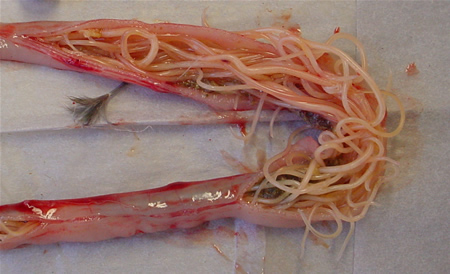
These worms are found in the intestine and look somewhat like threads. These are very harmful for chickens, turkey and ducks. Within the family of roundworms you may also hear about

  • Threadworms
  • Hairworms

round worms in chickens


It is not that the worms instantly affect the chicken as birds manage to stay with the blight; however, this worm infection is contagious. The eggs of the worm are released in the chicken droppings and other chickens tend to develop the same infection over the time. The extreme condition is when the worms infect the oviduct and then the eggs obtained are infected.

2)      Gapeworms:

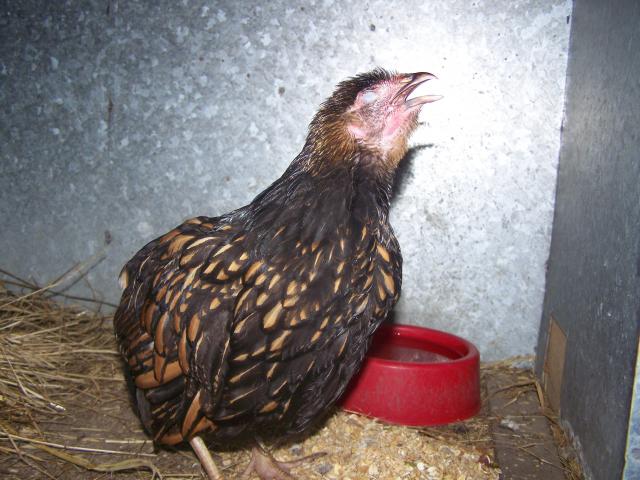
These worms are found attached to the windpipe, leading to blocked breathing (gasping). It is seen that chicks are more prone to this type of infection and sadly, it is fatal if left untreated. The gapeworm cannot be acquired solely; there is always assistance of a host like slugs, snails and earthworms. Just like human flu and coughing infections, these are contagious and transmitted if infected bird shares same space with healthy ones.

gape worms in chickens

3)      Tapeworm:

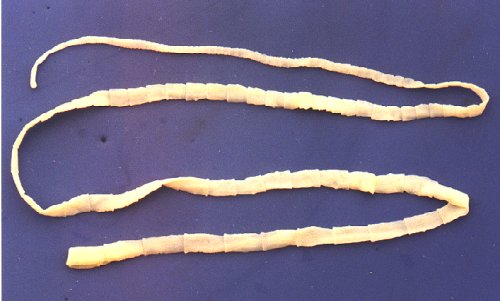
Have you heard about the ribbon look alike worms? These have the segmented body type and tend to attach themselves to the intestine walls with their heads. This blight affects the bird’s immunity largely and due to contagious nature, other birds easily get into the trap.

tapeworms in chickens

Signs of worms:

The most common signs of worm presence are:

  • Sudden weight loss
  • Reduced egg production
  • Impaired breathing
  • Sluggish behavior
  • Appetite changes – sometimes chickens start eating too much and sometimes not even once
  • Anal problems: your chickens must be rubbing their anal on the ground again and again
  • Vomits and nausea
  • Comb gets pale
  • Check the chicken droppings – sometimes you can witness worms (severe condition)
How to worm chicken?

Well, worming chickens is not at all daunting; you can simply go to the nearest drug store and ask for an effective worm medication. You can use the medication with water and put it inside the coop. You can simply do this three times a year in order to make sure your chickens remain safe from all the hassles. However you can give natural cure for worms in chickens.

Benefits of natural worming:

Worming chickens using natural products such as garlic, pumpkins, cucumber seeds, apple cider vinegar and edible diatamaceous earth will kill internal parasites in chickens and on the other hand will not affect eggs or meat of chickens; also doesn’t depress immune system of chickens and is less expensive as compare to medicated treatments. Below are some natural de-wormers:

Garlic:

The best type of natural chicken wormer is garlic because of its anti-parasitic and antibacterial properties. You can simply use water because the chickens will not ever take raw garlic; add 6 to 8 cloves of garlic in water and leave it overnight. Next morning, and pour that liquid in a nice container and place inside the coop. Make sure when you do this, you have removed all the other source of water from the coop. Try leaving chunks of garlic in the water, maybe the chicken start liking the taste.

Pumpkins and cucumber seeds:

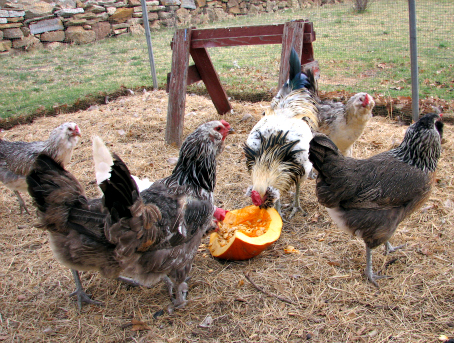
You can even chop cucumber, pumpkin and gourd pulps together and place them inside the coop by removing all other food items. You can even use the seeds; they are very effective in de-worming the chickens. These fruits help in flushing out the intestine and anal area by removing all the attached nasty parasites.

pumpkin as a natural chicken wormer

Apple cider vinegar:

Add some amount of this vinegar in the coop water so that water gets higher acidity – it would simply flush out all the forming infections within the body and boost the chicken’s immunity.

Try to work out with natural ways of feeding so that you can wipe out all the poultry worms effectively and have a happy and healthy flock family.