Category Archives: Knowledge Centre

Some interesting facts and benefits of raising guinea fowl

After experiencing a lot of interesting facts about little guys – guinea fowls, I thought of sharing them with all those who are interested in raising them. I would start the guinea fowl facts with the story through which I got to learn a lot about this beautiful and interesting creature.

My father bought beautifully dressed in grayish suits, proud game birds – since then,  I have noticed the guinea fowls scuttling up and down through the driveway. I have always been very observant that is why I was interested in knowing the behavior of these little guys too; as soon as its cockcrow, they start scouring the entire my father planted garden for nasty insects like ticks, locusts, beetles, and spiders etc. in fact, I have seen them running and eating the disgusting roaches and centipedes too. They act like the perfect watchdog, and trust me; they work even better than the stupid insecticides. Recently, I have noticed the guinea fowls in the pursuit for wasps, cutworms, snails, grubs and flies. They patrol the backyard completely and make sure nothing intrudes their adobe. They are truly relentless in their chase (prey).

I remember the time when we are guinea-less; trust me, had to suffer a lot because the most of the crops and the other plants were denuded by the devil beetles and grubs. However, soon the little gray fellows changed our lives because they gave us two important benefits;

  • Watchdog
  • Pleasant meal – the guinea fowl meat is really good – tempting indeed
  • Guinea fowl eggs: they have strong outer covering but taste like chicken eggs, so many keep them for this purpose as well.
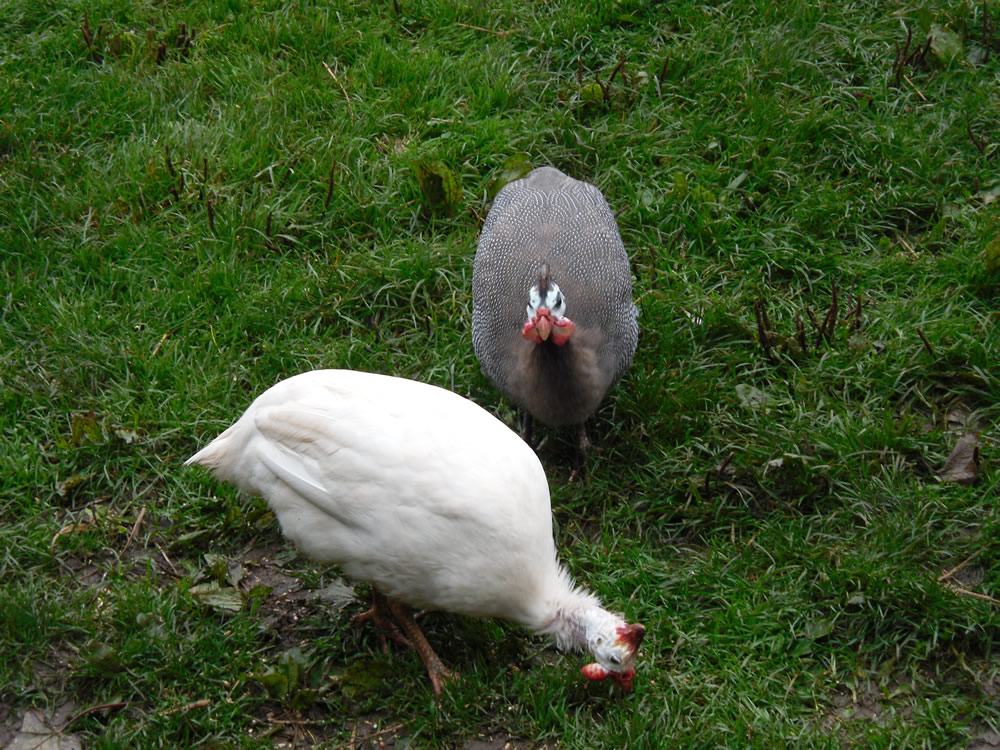
 

guine fowl eating insects

Raising the guinea fowls:

One thing that bothers me much – many people haven’t even heard about this beautiful and useful bird. Even today the keeping guinea fowl isn’t much common; the first time visitors inquire instantly, “is this a turkey?” you cannot say it’s a bad judgement because it belongs to the family (genre) which is a chicken look alike. They are Africans – I mean guinea fowl is an African native. To your surprise, there are 7 guinea fowl species; “helmeted Pearl” is the most known one because it has a weird sort of a helmet, with gray sexy dotted body, and has a face without any feathers.

These little fellows are more in plundering all the time. Also, they are sensible enough to catch the prey without damaging the plantation and crops. Interestingly, these fellows are less troublemakers. They require almost no medical treatment, as they are robust enough to stand against the diseases. Also, they adapt the changing weather conditions. Because of the dominant acts and authoritative nature, this fowl is still not really popular like chicken. However, need to shelter arises in order to keep the fowls safe from the dogs, cats and owls.

Endearing habits:

A few habits which make these birds a little less adoring is, the guinea fowl sound – they are the noisiest birds I have seen. If you have high-strung neighbors, you cannot keep them even in your backyard. Specially, the residential areas like proper housing societies cannot afford to keep such a noisy bunch of fellows; it seems as if they are too talkative. Also, guinea fowl (hen) egg can only be acquired seasonally; also, the newly born babies are way sensitive and need lot of attention. Another bad thing about this bird, it won’t ever be loyal to you – they are not pal type of birds; they would eat what you serve, would tolerate you when around, but won’t ever be your pal. This is something that’s in the bird naturally – they are fond of prowling and love the freedom.

Deciphering sound and gender:

Interesting thing to note here – when the fowl is newly born (baby guinea is known as Keets) you won’t be able to figure out the gender until it gets 8 weeks. Later, you will distinguish between the hen and the cock based on their voices (sound);

·         Cock cry is something like “chi-chi-chi-“; this sound is followed by a strong “Chrrrr” sound.

·         The hen cry is somewhat similar to “comeback”, many even say it’s similar to “good-luck”

It is said that when a guinea hen is angry or upset about something, it may sound like a cock; however, cock never depicts a hen, sounds like too arrogant from the male gender. In a nutshell, the bird is interesting to be with; not only this, it’s an ideal watchdog and does not bother much.
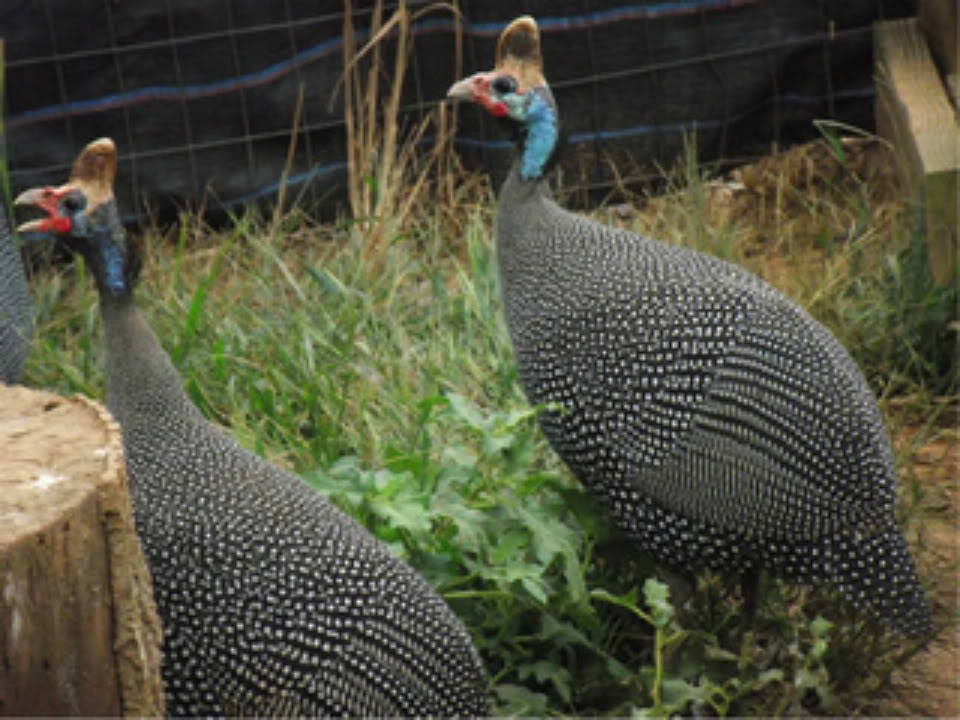
guinea fowl sound

Hatching ability:

Guinea fowl are not excellent broody hens. Often guinea fowl leaves their nest as soon as some eggs are hatched, don’t wait for other eggs to be hatched, so it is better to hatch eggs under some broody chicken hen or using an incubator.
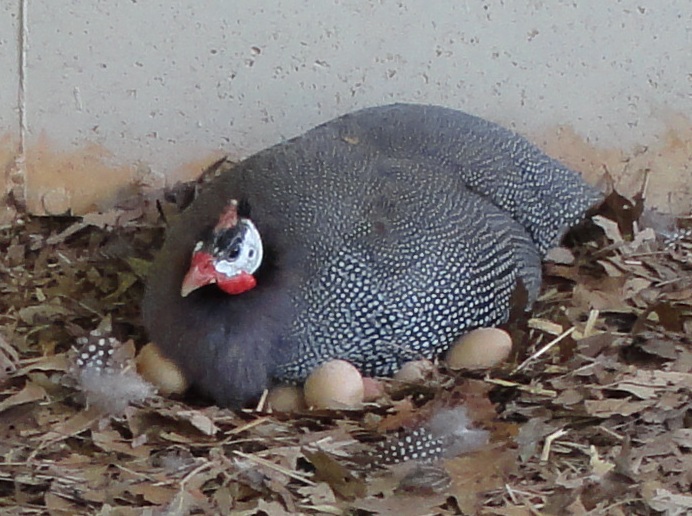
guinea fowl sitting on eggs

Ostrich Products, Characteristics and Breeding

Surely, the ostrich can be classified to be the largest among all the living birds on the face of the earth. The adult males can reach to the height of about 2.4 m together with a weight of about 100 KG. Although they are categorized among the birds, they are unable to fly. The reason for this can be linked to their huge body size due to which they are unable to go for a flight. Other Ostrich Characteristics include a long neck, lengthy legs and their running speed. Their long legs are what that enable the ostrich to run at a speed of about 70 KMPH. Not to forget their strides which are extended up to 8m. Below are some more Ostrich Facts.

Sexual Features and Characteristics

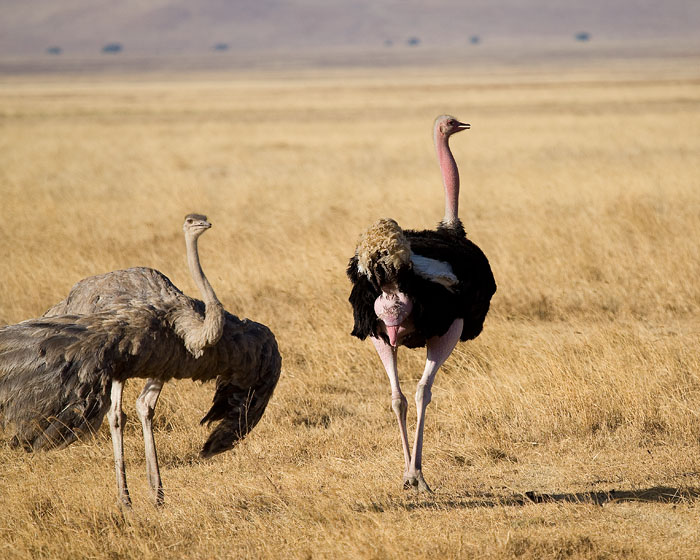
At the age of 4 to 5 years, the wild ostriches are able to engage in the process of reproduction. On the other hand, the domesticated ostriches are able to do the same at the age of 3 to 4 years. The black and white plumage appears on the body of the male ostriches at the times of maturity. For the females, the plumage appears to be of a dull coloring. When the ostrich mating time arrives, the plumage attains a more bright color while the skin transforms its color to bright red.

ostrich characteristics

Soon after the birth, the male and females appear to be quite the same, but can be distinguished through the examination of their sexual organs. It can be quite difficult at that time because the size of the penis in the males is quite small, thus it can be confused with the female’s clitoris. When the birds reach the age of about 7 to 8 months, the gender can be determined on the basis of their urination styles. A complete distinction among them is possible at the age of 2 years. The wing quills among the males turn out to be pure white, while for the females they are marked in terms of the grey and black colored rings. Moreover, the feathers on the tail happen to be white or yellowish brown for the males and mottled light and dark grey for the females.

Mating or Breeding of Ostrich

In terms of the breeding patterns for ostriches, the males are polygamous i.e. they are well able to mate with more than 1 females at the same time. This pattern also holds true for the domesticated Ostrich Farming settings where the ostriches are mated in pairs, duos and trios. At times of the breeding season, the male ostriches make stylized sounds and wing movements in order to attract the females towards them. At the same time, the females place their wings in the horizontal direction, thus signaling the male for the start of the Ostrich Mating process. In order to initiate the process, the female crouches so that the male might be able to allow his penis to enter into her cloaca. The process of consummation continues with the male’s groaning sound while the female shakes her head during the process.

ostrich mating

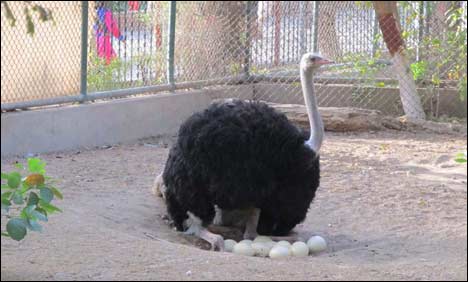
There are special environmental settings in which the Ostrich Eggs are laid. The female is able to lay the eggs soon after the mating process is complete. The females which are highly fertile are able to lay around 80-100 eggs sequentially while the breeding season progresses. Now if the eggs might not be removed, the female will prefer to incubate the eggs during the day time, while the male would incubate them till dawn for facilitating the Hatching Eggs. So, for the commercial farming, it is imperative that the eggs are removed at least twice a day. Now here, if the female would be allowed to incubate the eggs, she is going to stop the egg laying process for a period until her chicks reach the age of about 4 to 5 weeks, thus leading to an increased financial loss for the farmers.

The Breeding Season

Ostriches are categorized to be seasonal breeders, as they are only able to mate at specific times of the year. On an average pace, the breeding season for the birds last for about 6 to 8 months on a yearly basis. This timing can indeed vary depending upon the factors of latitude and longitude at different locations. In the regions of the Northern Hemisphere, the breeding process starts during the month of March and ends in August/September. For the regions of the Southern Hemisphere, the season commences in Aug/July and lasts till March.

How to Breed Ostriches

Before you plan to invest in the ostrich business, it is better to have an overview of the market saturation and the profits that are linked with it. For the purpose of breeding ostriches successfully, below are some instructions which you would need to follow.

1. Properly allocate a breeding space to the ostriches and replant the paddocks so that the chances for the microbes to infect the eggs might be reduced. Bags.

2. Keep the males and females separately before the breeding season in order to notch up their moods for the mating process.

3. Allow the ostriches to select their partners freely and naturally by allowing to be the grouped with each other.

4. Try to be careful at times of collecting the eggs, as the males can turn out to be aggressive while protecting their eggs.

5. Use a good quality incubator for the process of incubation. Furthermore, the temperature should be maintained around 96 to 99.5 Degrees F.

6. Turn the eggs for 5 to 24 times on a daily basis.

7. 3 to 5 days before the hatching time, you should transfer all the eggs to some separate incubators.

incubating of ostrich eggs

Ostrich Products

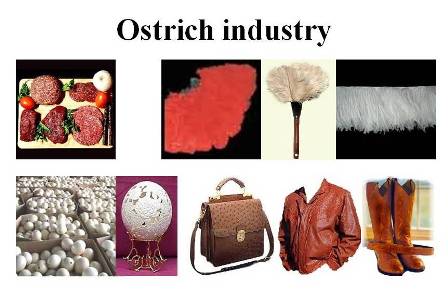
A large variety and classes of ostrich products are now being produced for the Ostrich Markets, due to which they are now being referred to as the Farms of the Future. The reason for which they are preferred these days is due to their meat, feathers, eggs and the hide. The feathers are used for cleaning of machines, equipments and for decoration as well as in fashion industry. The ostrich leather is the most expensive among others and is used for making shoes, jackets and bags. The meat that is produced by them tastes similar to beef and related products. Moreover, the meat also contains lower levels of fat in comparison to other types of meat. The eggs that are laid by the ostriches are the largest in size among all the birds in the world. In addition to their usage for meat and leather, they are also being studied and explored for medical purposes.

ostrich products

Bio Security Guide for Poultry Farmers

Bio security in poultry farms is designed for the protection of the animals against the outbreak of a number of diseases. It is achieved by making use of several strategies and practices that the minimum levels of contagious organisms are able to farming settings. It is a fact that bio security is indeed the cheapest of all the methods which can be used for the prevention of any disease. There is none of the disease prevention that is going to function without the use of this mechanism mentioned in almost all of the poultry farm guides.

Defining Bio security

There are three different components through which bio security in poultry production can be understood. These include

  • Isolation
  • Sanitation
  • Traffic Control

Isolation refers to the process of keeping the animals confined and protected in a specialized environment. An example of this might be the use of fences which help in keeping your animals protected and at the same time also help in keeping the predators out of the specified area. The in and out management styles also come in handy in taking the animals out at certain times, so that the cleaning process might be performed.

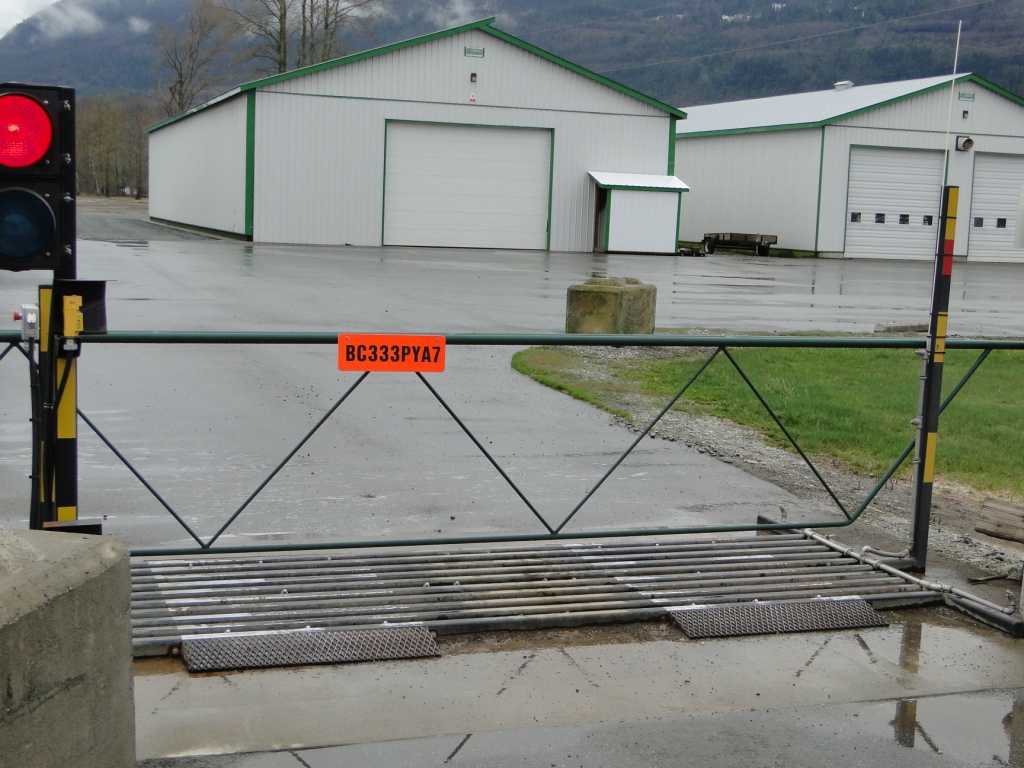
The second crucial component here is the use of traffic control for controlling the traffic that goes into and out of your farm.

traffic control at farm

The processes of sanitation ensure that the materials are never disinfected. Furthermore, it also makes sure that the personnel entering the farm from time to time are also infection free.

It is due to the size of the larger farms and the number of animals imported and exported that the bio security measures are of extreme importance for maintaining the productivity of the farm.

The poultry bio security personnel should always be vigilante in working the health maintenance professionals at the farms for the purpose of providing a better environment to the animals for their growth and protection.

Spread of Microorganisms

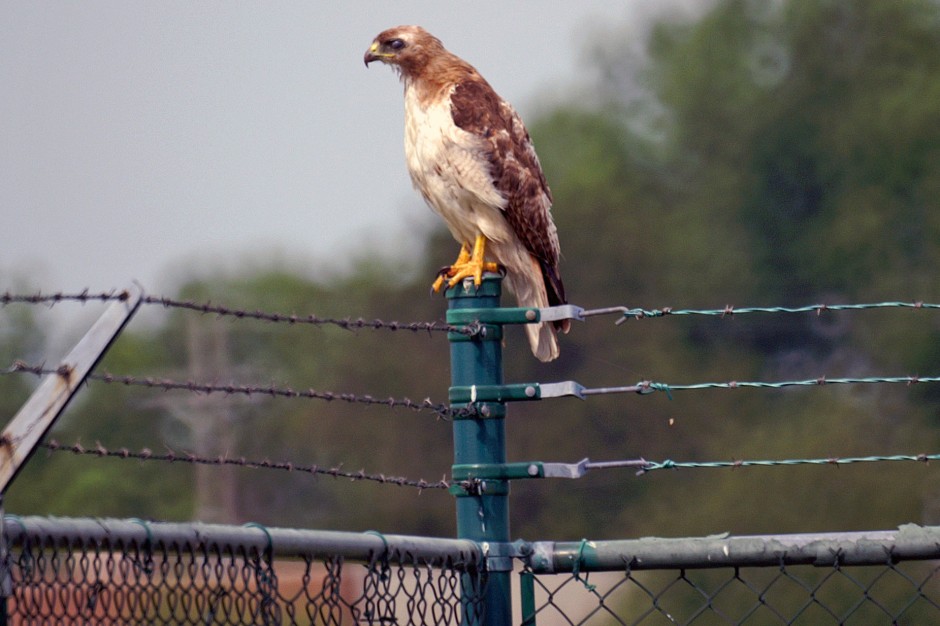
The contaminated equipment is one of the major reasons for carious microorganisms  that are able to effectuate the cleanliness of the environment and the health of the animals. The same also applies to various animals including rodents and wild birds that might come to cause the spread of these minute sized organisms. Moreover, the animals such as dogs, cats, beetles and flies also come to cause this diffusion of viruses. So, for the sake of enhancing the bio security of their farms, the poultry producers should make use of the following tips and poultry management practices.

wild birds

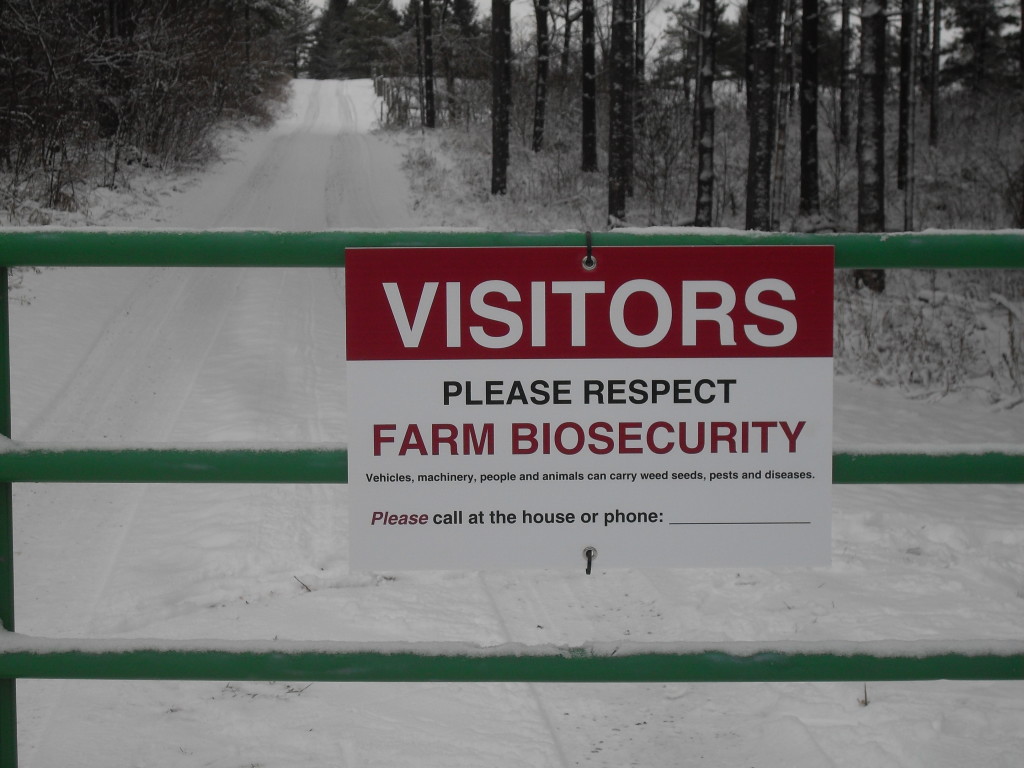
Minimal Visitors

You should always try to ensure that the minimum numbers of people are able to enter the farm. Furthermore, you should also ensure that the people who do enter the farm have a protective layer of materials and some special clothing so that they might not initiate the spread of infections. The people who should be restricted at the farms include friends, relatives, utility service personnel and many more. In simple, allow only those few number of people who are responsible for managing the devices and instruments for keeping the environment clean and intact for the growth of the animals. Now here you can make use of the method of record keeping at your farm. This might come in handy in knowing the people responsible for the spread and in taking the actions necessary for the disease prevention in poultry.

kepp restricted visitors

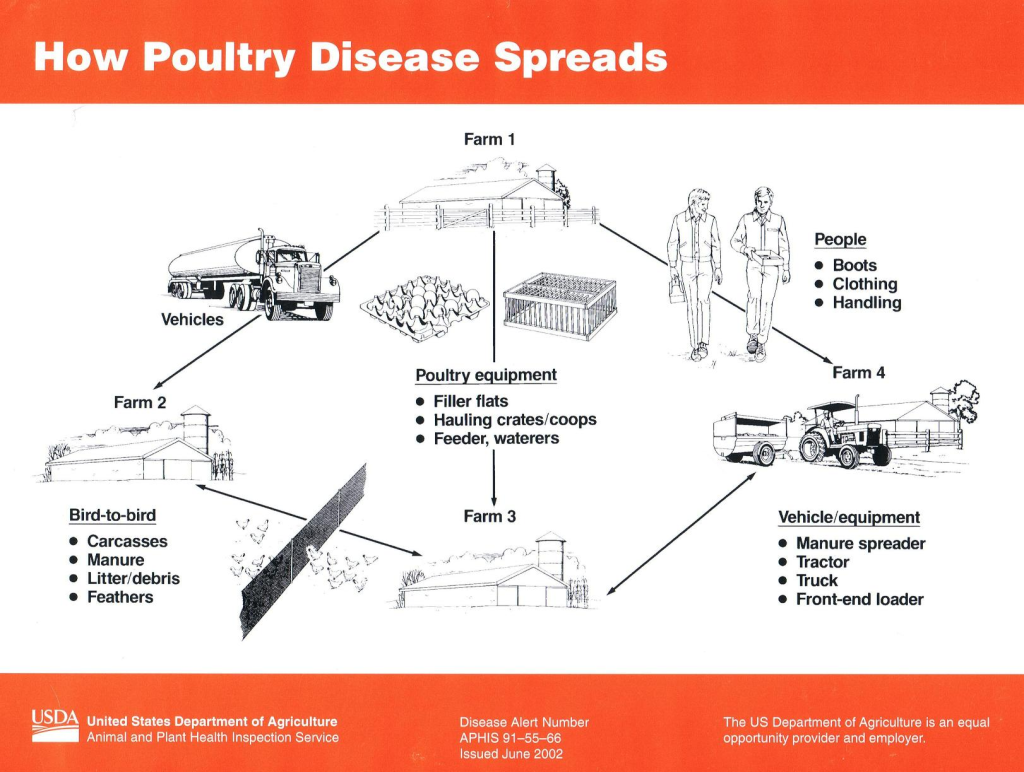
Limiting the visits to other farms

Poultry farmers and professionals should also ensure that they do not frequent visits to other farms, as this might increase the chance of diseases transfer from one farm to the next. But if the visit is inevitable, then do take some necessary precautions for limiting the effectuations of the viruses and microorganisms on other farms.

how poultry diseases are spread

Pest and Rodent Control Programs

The poultry farmers should consult with the poultry health professionals and personnel for introducing and using several pest and rodent control programs, as these animals might come to cause a great deal of damage to the health of all the domesticated animals and birds. It is through the elimination of these pests and rodents that you would be able to reduce the levels of risk linked with the spread of contagious viruses and disease control measures.

Inspection of Flocks

Make all possible arrangements for the inspection of your flocks at regular intervals. It is recommended here that try to carry out this inspection 4 to 5 times a week, so that any emerging disease might be grappled and dealt in time. This process would also ensure that the diseases and viruses are not diffused from one animal to the next. Moreover, the detection procedures used should also be efficient enough for pointing out even the minor presence of microorganisms and other transmissible viruses.

Keeping the Outside Environment Clean

The poultry owners and farmers should ensure that all the grass and weeds are cut in time, especially the ones that surround the farm. It is in these grassy environments that the rodents seek refuge and come to attack the animals in times of high susceptibility.

Inspecting disease symptoms:

The poultry farmers must be aware of disease symptoms that might appear in the flocks because of virus’s spreadation. Early detection provide a better control on further spreading of disease, symptoms that might occur are

  1. lack of appetite and energy
  2. reduction in egg production
  3. misshaped or soft-shell eggs
  4. swelling of eyes, head, comb, hocks and wattles
  5. discoloration of legs, combs and wattles
  6. nasal discharge
  7. sneezing, wheezing and coughing
  8. diarrhea
  9. excess or sudden mortality other  than clinical signs


20 Stunning Chicken Coops Design Ideas For Your Lovely Birds

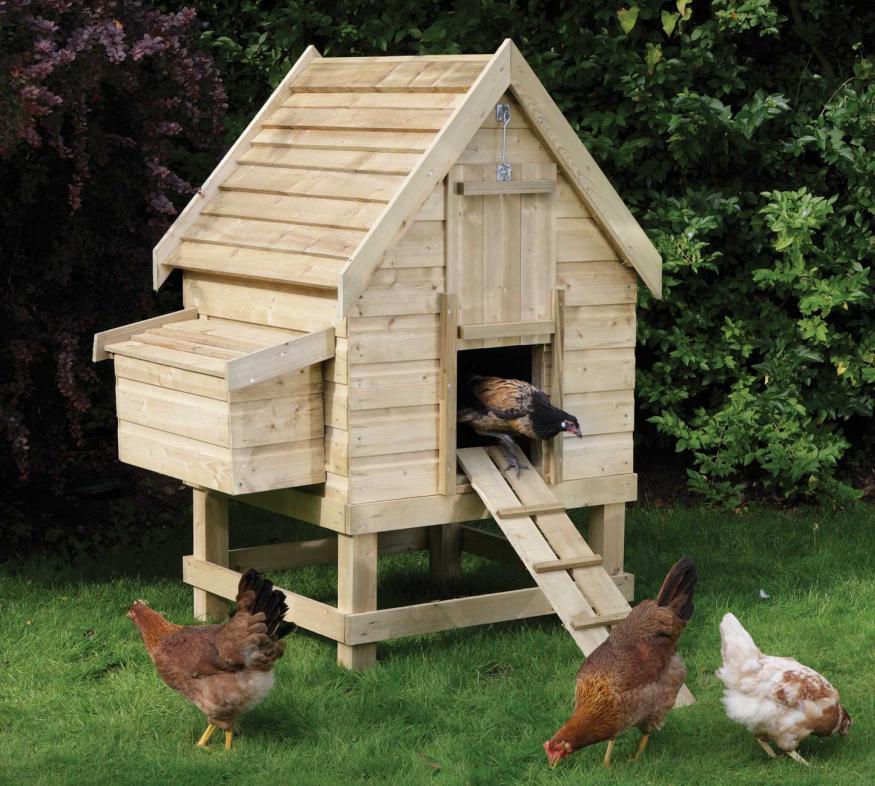
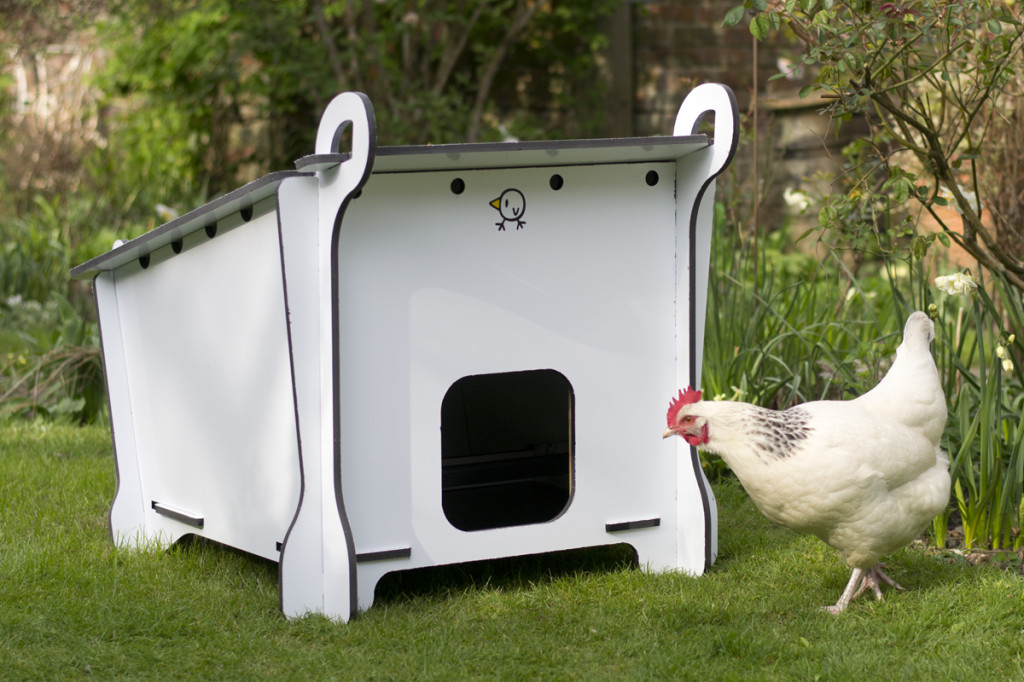
Raising chickens in backyard is always inspiring as they are adorable, lovely and at the same time returns back to you eggs and meat for what you feed them. Most people are raising backyard chickens as a hobby, pet or ornamental purposes, since they are living being so have some needs or requirements you have to full such as providing feed, water, nest box, roost, chicken coop etc. As these chickens are very pretty and adorable; every owner like to provide or build the best chicken coop for chickens that looks beautiful as well as comfortable for chickens. Some people buy ready made coop but some like to build their own chicken coop in any shape or design which looks beautiful and attractive.
Here are some excellent, good looking, and attractive chicken coop designs ideas which show how much people love their birds.

1-Dream House Chicken Coop Idea

Source:
Source: facebook

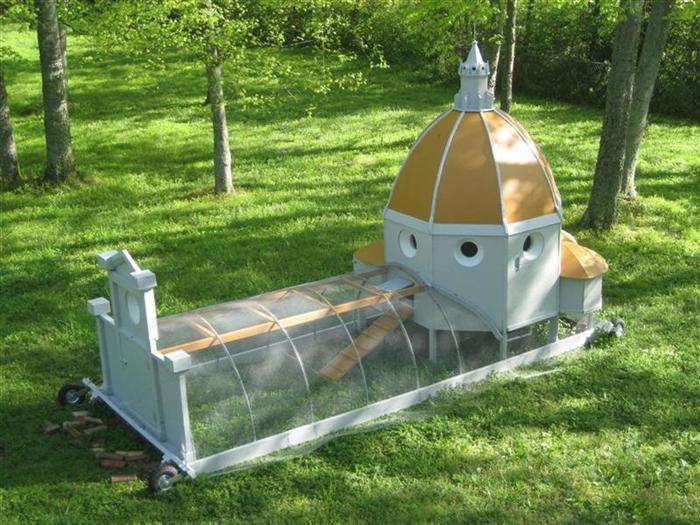
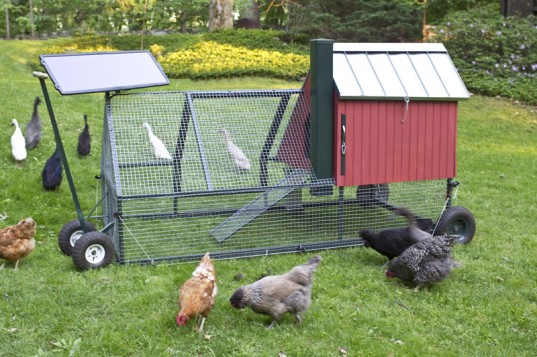
2-World’s Greatest Chicken Tractor

It is a small tractor chicken coop, enough for 3 or 4 chickens. It is has been made with great passion, as its owner’s says
challenge became a passion. A coop became a cathedral
Source;
Source; greatestchickentractor

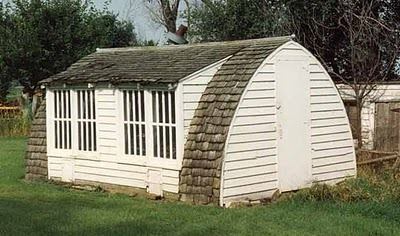
3- Classy Chicken Coop Design in South Dakota!!

Source:
Source: mrharristweed.tumblr

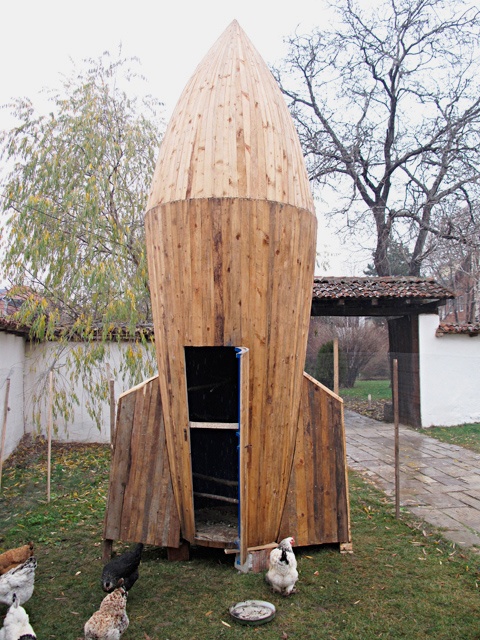
4-Intergalactic Chicken Coop Design Idea

It’s just like a shape of rocket, made of wood, can contain upto 8 chickens.

Source:
Source: mrharristweed.tumblr

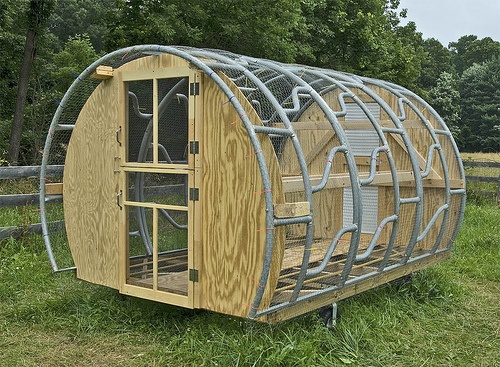
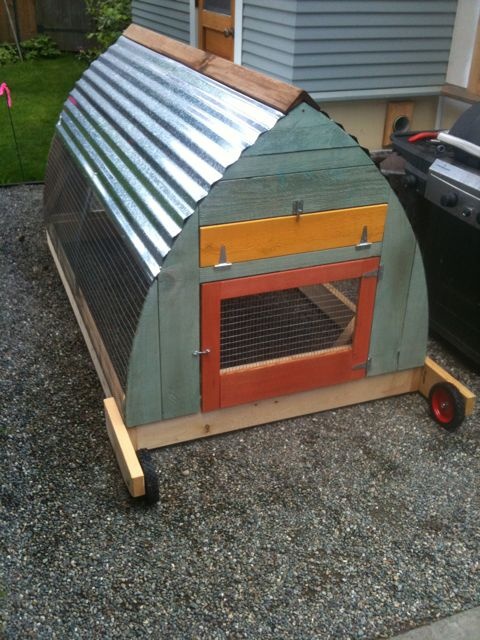
5-Henhouse On Wheels

This is the best chicken coop design idea I’ve seen, outstanding design,have wheels, so can say it’s a mobile chicken coop

Henhouse on wheels
Source :flickr

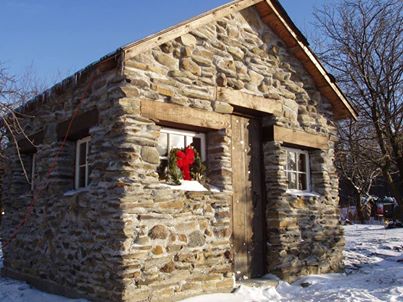
6-Wolf Proof Chicken Coop Design Idea

Wolf proof coop! No wolf will be blowing this down! It’s made from solid material, will not affect by rain, storm or allow predators to break or tear  it..

7-Creative Chicken Coop Design

This is awsome coop design idea. You can see how much the owner spend on it.

Source: facebook

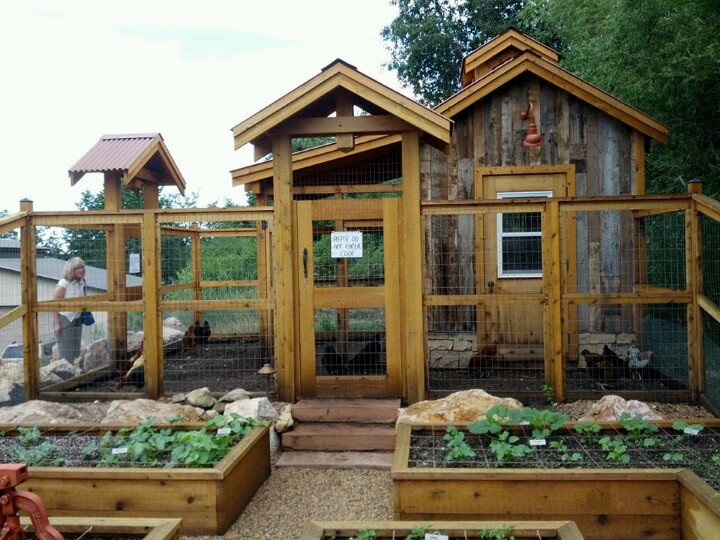
8-Dream Garden with Chicken Coop Idea

This is very good looking, can accommodate up to 20 chickens. If I could have a dream garden with a chicken coop, this would be it

Source:
Source:  facebook

9-Chicken Coop and Room Idea

If you want to spent all time with chickens than this is good idea, full-time maid needed coop.

Source:
Source: livingthecountrylife

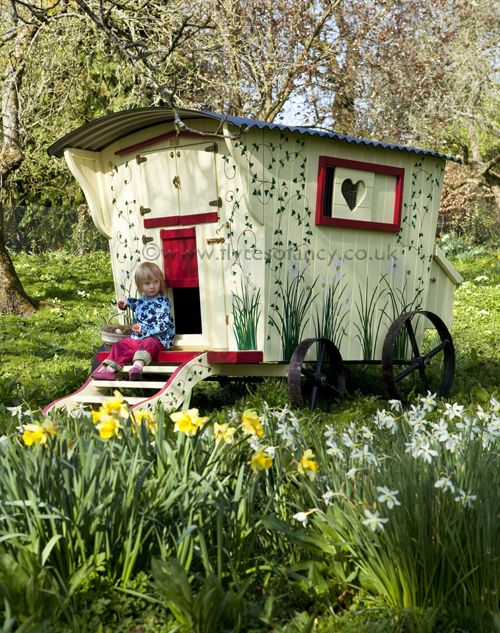
10-Gypsy Chicken House Idea

Gypsy caravan hen house – hilarious!!!  This is an excellent chicken coop idea, like a tractor chicken coop.

Source:
Source: facebook

11-Chicken Coop with Run

This is one of inspiring chicken  run out of 10 chicken coop run building ideas
chicken coop with run
chicken coop run building ideas

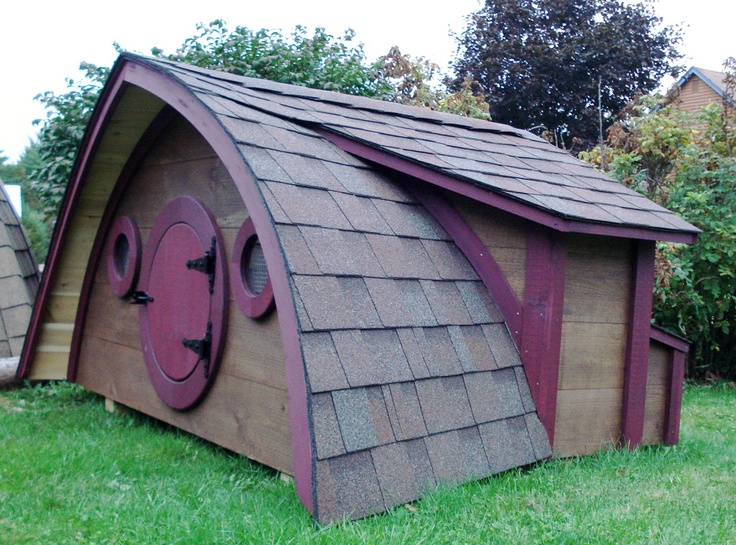
12-Hobbit Hole Chicken Coop

Source:
Source: wooden-wonders

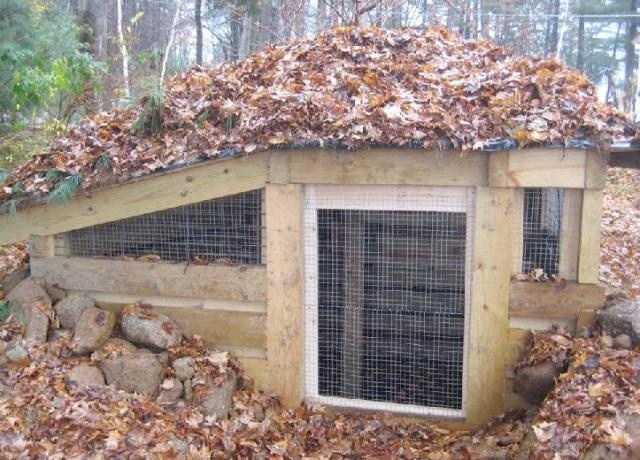
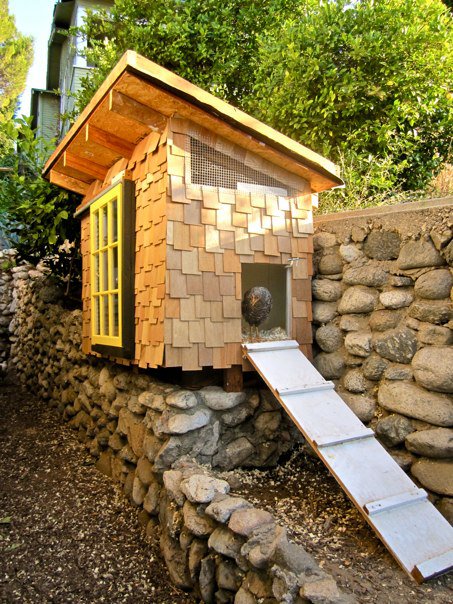
13-Under Ground Chicken Coop Design

Source:

Underground Chicken Coop idea – Not sure it would work in our back yard but I’d love something like this if I lived in the country. Would work great to help balance temperature

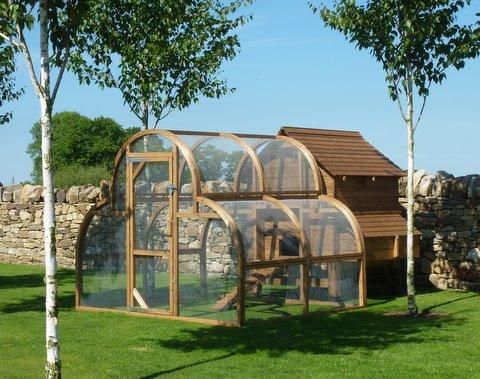
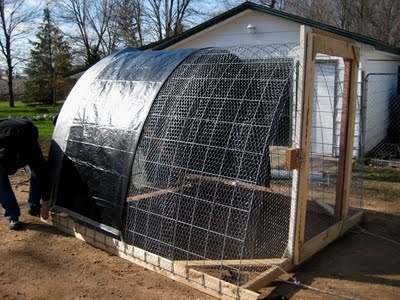
14-Chicken Coop Hoop House

Source:
Source: gypsyfarmgirl

15-Mini Tractor Chicken Coop

Source:
Source: gypsyfarmgirl

16-Taj Mahal Chicken Coop

Taj Mahal of chicken coops. Could be sectioned off for different feathered friends..

Taj mahal chicken coop
Source: flickr

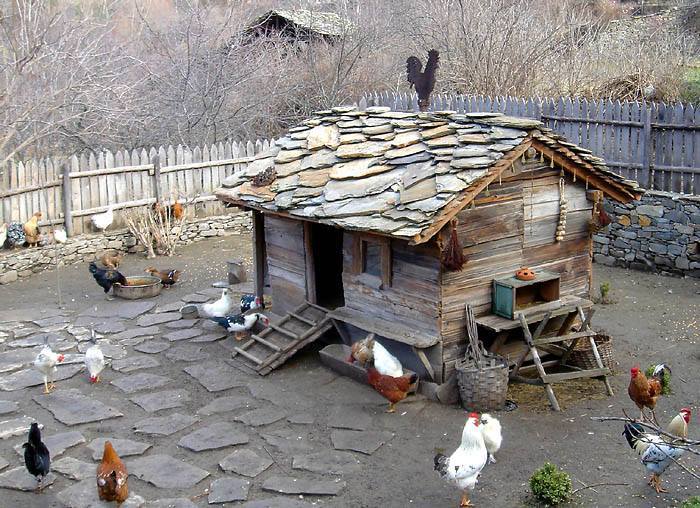
17-Rustic Chicken Coop Design Idea

Rustic chicken coop
Source: facebook

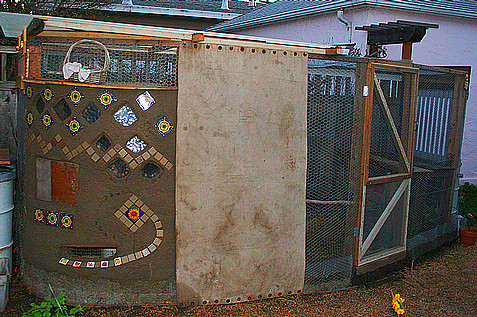
18-Artistic and Creative Chicken House

Excellent design
Source: facebook

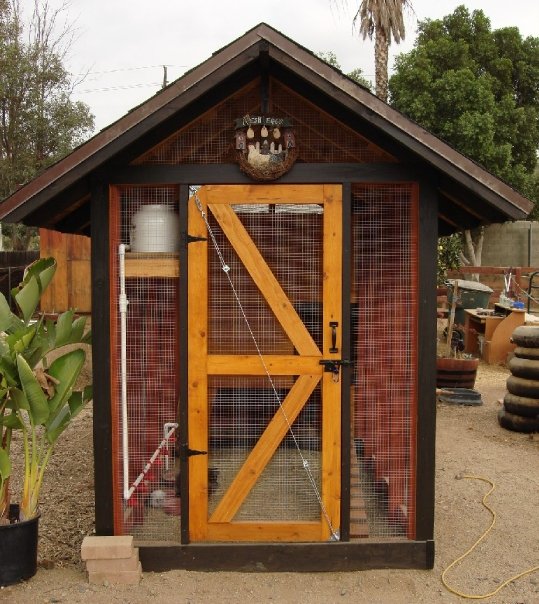
19-Simple Chicken Coop Design Idea

This is a simple,made out not with costly material but looks fantastics

Source:
Source:  flickr

20-Simple and Easy

Source:
Source: flickr

I wish I had one like this for my chickens. Awesome!

4 Basic Types of Chicken Breeds for Your Backyard

There are limitless and infinite reasons for backyard chickens. In addition to making coop arrangements, you also need to consider the type of chicken breeds that will be most suited for you. Today, there are nearly 60 different chicken breeds that are distributed all over the planet. Moreover, the same applies to their variants that have been produced by using the different techniques and procedures of genetic engineering. For your ease, I have also included chicken breeds with pictures.

It is quite corroborated that your decision about selecting the backyard chicken breeds should be based on what you want to have out of them. There are numerous facets because of which people love to buy chicken breeds for themselves. Below I would be sharing with you all about the 4 dominant types of chicken breeds which are going to be helpful whether you plan to keep a chicken breeds for eggs or just some broiler chicken breeds . It is imperative for you to be clear in your head about the prime motive or purpose for keeping the chicken breeds. Without any further ado, here are the 4 basic types of chicken breeds.

You may like to see other types of chicken breeds such as white and black chicken breeds, heritage chicken breeds, rare chicken breeds, egg laying chicken breeds and small chicken breeds.

Egg Laying Breeds

The egg laying chicken breeds can be linked to the Mediterranean class of chickens which lived hundreds of years back. In other words, these egg laying chicken breeds trace their ancestral origins to these specific classes of breeds. Moreover, these chicken breeds are selected in lines to their genetic makeup which makes them the most optimal for the purpose of egg production. At the same time, they have small bodies due to which they are undesirable for meat production purposes. It is also due to the size of their bodies that they are able to direct all the nutriments towards the egg production, which is another reason for their increased egg production. In addition, these breeds are also classified in terms of the color of their eggs. There are those which produce white shelled eggs and the ones which lay brown colored eggs. Now here, the White Leghorns are believed to be the most prolific layers for the white eggs.  The Black and White Minorcas  and the Anconas  also lay white colour eggs.

Egg laying chicken breeds

Meat Production Breeds

The meat chicken breeds are in reality cannot be termed as pure chicken breeds after all. It is due to their hybrid nature, all because they are produced from the combination of different breeds. At the times of pairing the breeds, the genetic engineers and poultry producers prefer to obtain certain meat characteristics. Some of these breeds grow much faster in comparison to others and also come to have a larger body size. For the sake of meat production, there is no other chicken breed that can match the fast and multifaceted growth of the Cornish Cross (Including the White Cornish and Plymouth Rock). Moreover, the breeds are named after the breeding company that processed them or paired them like Peterson, Hubbard or The Arbor Acres. The prime weakness of these breeds is that they are not capable to lay some large number of eggs in comparison to the other different breeds of chicken.

Meat Production Chicken Breeds

Dual Purpose Breeds

The dual purpose chicken breeds include a number of American and English breeds include the Plymouth Rock, Sussex, Wyandottes, New Hampshire etc. In addition to giving a reasonable number of eggs, they are also optimal in terms of their meatiness. Although their meat production capacity is quite low in comparison to the commercial hybrid breeds, still they happen to much better for egg production.

Dual Purpose Chicken Breeds

Cold Weather Breeds

For the areas that are marked for their extremely cold weather, there are certain chicken breeds which should be preferred over all others. Moreover, it is also better to utilize a standard size chicken than the bantam chicken breeds. The breeds that do quite well in the cold weathers include Plymouth Rock, Sussex, Rhode Island Reds and some others. At the same time, you can also consult with a number of local sources and farmers in order to have a better idea about the breeds. Choosing a chicken breed can become a tough job, especially for those who happen to be rookies or novices in the domain of poultry breeding.

Cold Weather Chicken Breeds

Poultry Housing Systems

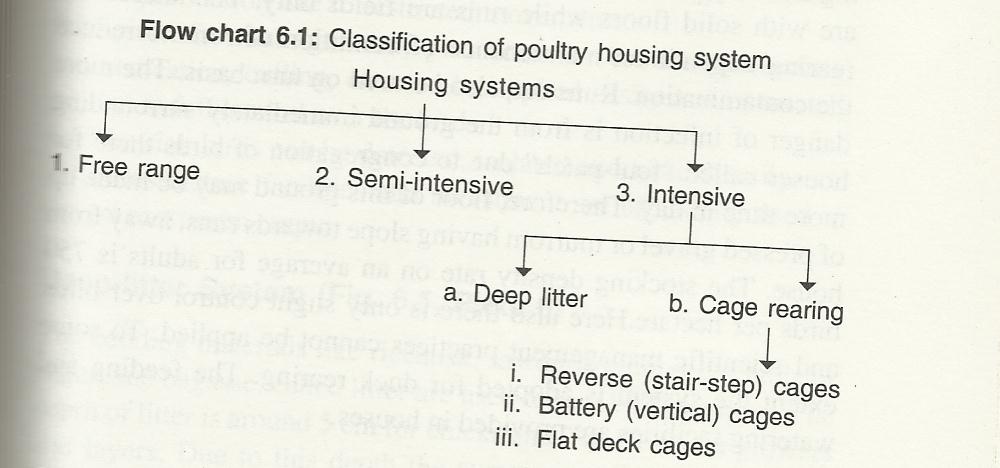
The system of  poultry housing to be adopted depends on category tage), type of birds,climatic conditions, capacity to invest and strength of birds. Sometimes combination of two or more systems is also followed depending on need and convenience of operations for fanning. Broadly, the classification or types of poultry housing systems is given in Flow chart

FREE RANGE

Rearing of poultry by letting them loose on ground (field) called as range in limited area(fenced) is known as free range system. The system is adopted only when adequate land isavailable to ensure desired stocking density by avoiding crowding. It A range should provide shelter, greens. feed, water shade, room , for exercise and saftey. But foraging is the major source of feeding for birds. Shelter is usually provided by temporary roofing supported by ordinary poles. The fields are generally used on rotational basis after harvesting of crops by moving of birds from field to fielJ depending on cropping programme. All types and categories of birds can be reared in this system. The average stocking density of adult birds in this system is 250 birds per hectare. The scientific management practices cannot be followed because there is no control over the birds. The system is not practiced in India for commercial rearing but used for backward poultry keeping in villages for country hens.

SEMI-INTENSIVE

As the name indicates birds are half-way reared in houses and half-way on ground or range, i.e. birds are confined to houses in night or as per need they are also given access to runs. The houses are with solid floors while runs are fields only. The success of rearing depends on maintenance of condition of runs to reduce the contamination. Runs can also be used on turn basis. The more danger of infection is from the ground immediately surrounding houses called “foul-patch” due to congregation of birds there for more time in day. Therefore, floor of this ground may be made up of pressed gravel or murrom having slope towards runs, away from house. The stocking density rate on an average for adults is 750 birds per hectare.Here also there is only slight control over birds and scientific management practices cannot be applied. To some extent the system is adopted for duck rearing. The feeding and watering facilities are provided in houses.

INTENSIVE SYSTEM

Birds are totally confined to houses either on ground/floor or on wire-netting floor in cages. While invention of this system, initially it was thought that birds developed leg weakness due to this rearing but later on it was detected that leg problems were due to deficiency of vitamin D, B,, etc. or mineral deficiency like manganese and it was not the fault of system. It is the most efficient, convenient an

Cage Rearing

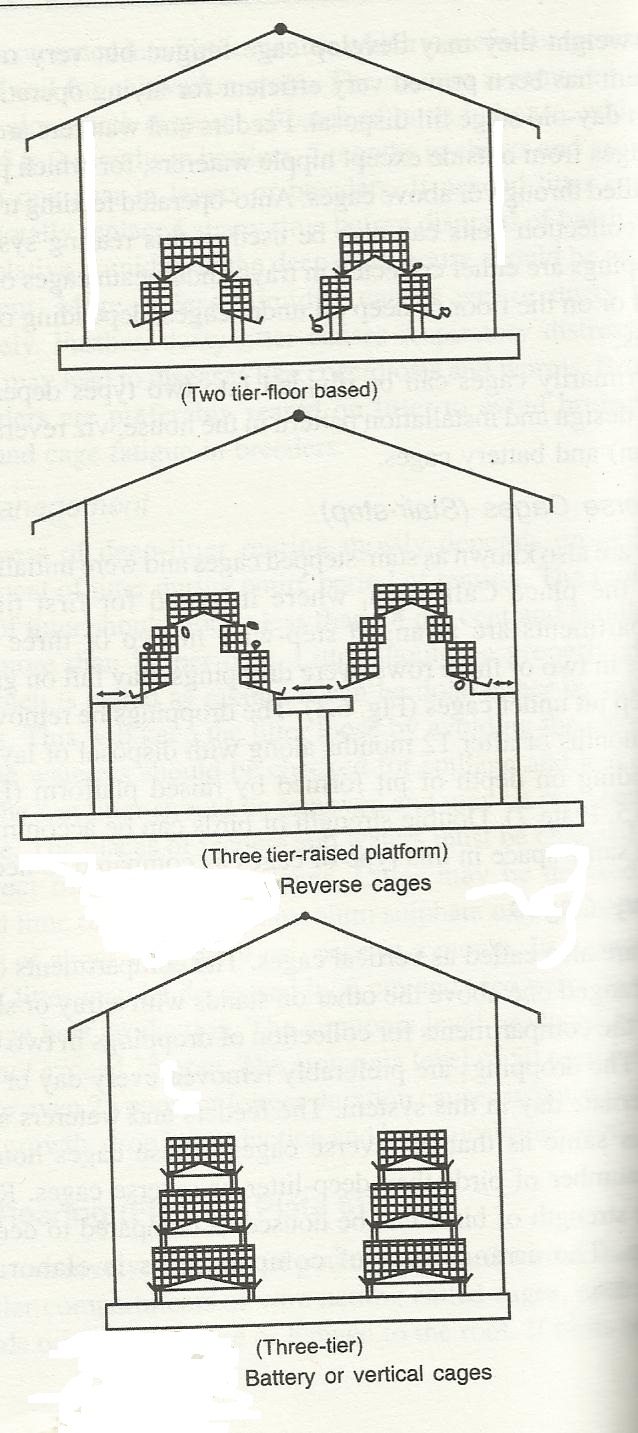
This system involves rearing of poultry on raised wire netting floor in smaller compartments of wire netting called cages, either fitted on stands on floor of house or hanged to the roof. If birds become overweight they may develop cage fatigue but very rarely. The system has been proved very efficient for laying operations, right from day-old stage till disposal. Feeders and waterers are attached to cages from outside except nipple waterers, for which pipeline is installed through or above cages. Auto-operated feeding trollies and egg collection belts can also be used in this rearing system. The droppings are either collected in trays underneath cages or on belts for it or on the floor or deep pit under cages, depending on type of cages. Primarily cages can be divided into two types depending on their design and installation pattern in the house, viz reverse (Calif-ornian) and battery cages.

Reverse Cages (Stair-step)

They are also known as stair-stepped cages and were initially named after the place California, where invented for first time. The commpartments are arranged step-wise in two or three tiers on stands in two or three rows, were droppings may fall on ground or deep pit under cages . The droppings be removed once 6 months or after 12 months along with disposal of layer batch pending on depth of pit formed by raised platform . Double strength of birds can be accommo-dated the same space in this type of cages as compared to deep-litter.

battery Cages

they are also called as vertical cages. The compartments of cages e arranged one above the other on stands with a tray or shit belts un der the compartments for collection of droppings in two or three rows. The droppings are preferably removed every day or at least alternate day in this system. The feeders and waterers arrange-nt is same as that of reverse cages. These cages house still more number of birds than deep-litter or reverse cages. Roughly tripplc strength of birds can be housed as compared to deep-litter system. The arrangement of compartments is elaborated in the figure

Flat Deck Cages

This is the single tier cage system popularly used for rearing chicks upto 8 weeks, for easy handling of them in morden methods of poultry production and management. Each cage is usually 1 m (100 cm) square block fitted on stand. Length-wise each block is divided into two compartments by a partition in middle at 50 cm of width housing, 20 chicks in each compartment or 40 chicks in a block. They are provided with trough waterers initially attached on width sides and from around 4th week waterers on both the sides length-wise are used. Nipple, arid pipeline, length-wise can also be installed through cages. Feeders to cages are attached from outside on both the sides length-wise . Because the quantity of droppings is less due to smaller size of birds, droppings can easily be stocked for 2 months and removed along with shifting of chicks to grower houses at 8 weeks of age. Generally four rows of cages are installed in 8.5 m wide house with 5 service passages. The length of house can be taken as per need..

Advantages of Cage Rearing

1. Space and land required is lowest than any other type of rearing. About 20,000 to 25,000 birds can be reared per hectare. ‘ Therefore, the cost of overall housing is reduced to a great extent.

. Birds are under complete control. Even birds can be housed individually which is sometimes followed for breeders.

3. Accurate records of individual bird can be maintained which is helpful in efficient breeding programme.
4. Scientific management practices in respect of feeding, watering. breeding, health care, etc. can be adopted easily.
5. Egg eating is largely prevented and most clean egg productior. is obtained.
6. The birds do not congregate at the time of feeding and fee: consumption is still reduced due to further restricted movements as compared to deep-litter.

7. The major litter horned diseases like coccidiosis and worms are eliminated or incidence is reduced to large extent.
8. The cost of litter and litter management problems are totally eliminated.
9. Day to day operations like watering, feeding, egg collection, medication, vaccination, culling, debeaking, etc. are easy and create minimum stress of birds.

10. The breakage of eggs is reduced to minimum possible level of 0.5 to 1 per cent which increases profit of margin.

Floor Space Requirements on Deep-litter and Cages
Floor requirements vary according to species, type, age, size of birds and system of housing. The floor space requirements for chicken as per category are given in the Table

Guide For Introducing New Chicks With Older Flock

Since ages people have been raising various kinds of poultry birds in their backyards. True that, those are attached to this kind of work aim to expand their collections for fun; it’s indeed enslaving hobby. I have seen a live example in my family; my father is fond of keeping backyard birds. We have turkey, guinea fowl and lots of chickens there, but my father has special love and attention towards the chickens. Often he loves introducing new hens to a flock. With time he has learned a lot about the bird behavior and now he easily gets through the task of introducing the newer friends. Many of you must not know that the older flocks are not very much friendly, and they have adjusting issues with new friends.

If you continue to go through the excerpt, you would have a better idea how to deal with the issues and the harsh behavior of the older flock,there is some concepts which need to be understand

 Pecking order in the chicken - something you must know:

Poultry birds have some sort of their own developed psychic; if you talk about chicken only, they behave at their best when in smaller groups; in other words, they seem comfortable with a few friends and prefer squeezed social circle. Pecking order – if you are a backyard bird raiser, you must have an idea about this cliché – pecking order is not a scientific term, it basically means that the flock must have an order, or you can say a hierarchy. This would help all the hens know their standing and position; so, if you are looking towards to introduce a few more fellows in the already existing order, indeed you would face trouble, however, if you re-establish the order, you can overcome the issue easily.

pecking order in a chicken

Further, an established pecking order does not require any changes because the chicken at the highest level would be definitely stronger than the others. Even the maturity level would be different than the rest, so none of the bottom level chicken ever thinks of challenging the robust one. So, whenever introducing newer friends in the flock, think that you are somehow or the other destroying the family bonding; so in order to avoid the chaos, re-establishment of the pecking order would be the best tip.

Territory:

Another issue that requires immediate attention when mixing new chickens to a flock is territory; the older chickens which are now quite happy with their old members seriously doesn’t want any younger flock in their established kingdom. The sense of invasion makes them angry and they retaliate. So what can be done here is; you must establish two territories. For example, within your farm, you must carefully draw two territories and keep newer away from the older ones. They would look at each other daily and within a week or so their acceptance level towards each other would establish. This tip seriously works best.

territory issues

 Bulling:

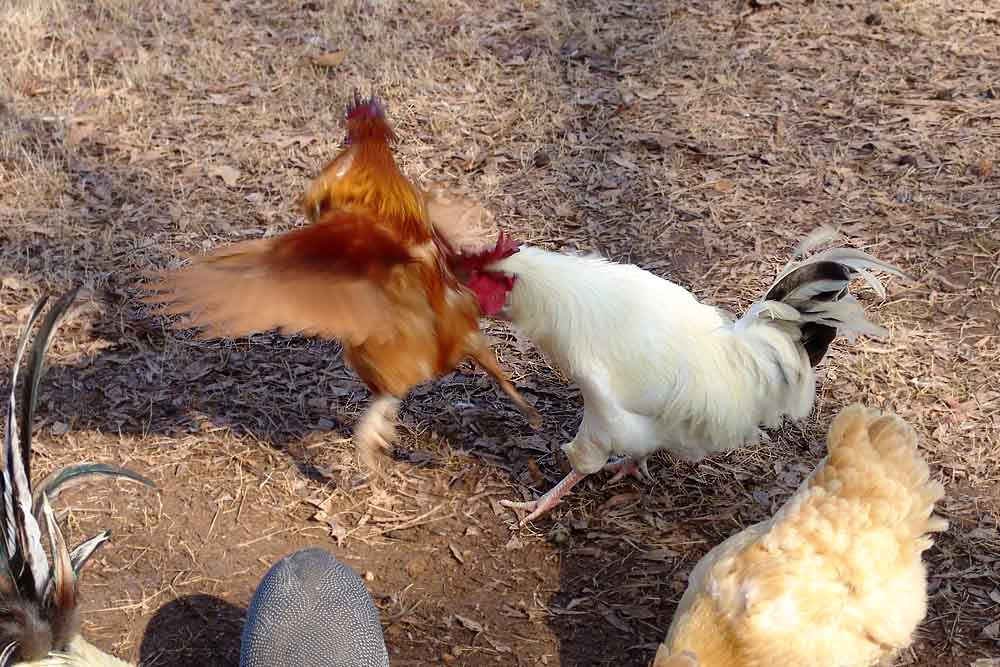
How can you keep a small dog with a ferocious big one? Similarly, you cannot keep a big robust rooster (above one year) with a premature growing cockerel (male bird less than one year). The maturity level between the new inductees and the older flock must be more or less the same. This issue is quite sensitive and you must keep in mind the age group and the sex of the birds too. At the same time make sure those who are getting bullied still get their required food, water and proper space.

bulling in chicken

Other than the mentioned valuable options, quick tips that would help you in mingling the newer flocks with older ones include;

1- Introduce pairs:

First of all make sure the new chickens that you are adding to the flock are good friends. For this, you can keep them together for a week or so; once their bonding is good enough, you can introduce them to the new group of friends – by doing this, you will simply avoid the major threat that new inductees would feel lonely as even if the older flock is not accepting, they would be friend with each other.

2- Introduce new pairs at night:

Many times it’s more practical to introduce new pairs during the night when the older flock is sleeping. Experience says this, the older chickens barely pay attention to such entries and hassles are on minimum scale.

3- Expand the space:

If you would be entering new hens without expanding the farm space, then the fights between the birds would be nothing new. If the number of chickens would be more than space and food containers, then there would be a complete mess in the farm.

4-Divide run:

Use a roll of wire to separate their run area for a while to allow the new flock to establish their area. Your established flock will get use of their smell and sound.

5-New space:

If possible introduce them in a new place for both of them. This will discourage old flock making their territory claim.

6-Food and water adequacy:

Ensure your new flock is given sufficient food and water before introducing with old flock, they may temporarily leave their eating habit and may get be bullied so make sure there is adequate food and water there.

7- Different age groups must be kept separately:

There is no point off mingling a baby hen with the older aunties. Trust me; this would lead to severe fights and bullying. Make sure you properly differentiate between the age groups of chickens.

8- Never let the weak suffer:

Chickens have the habit of playing pretty rude – they always attack on the newer weaker fellows. So, in you are making the mistake of merging weaker with bigger ones, you will end up creating a fight between the flocks.

9- Create distractions:

New chickens can be introduced by making the older chicks busy; I have seen my uncle doing this. He used to hang some fresh pieces of lettuce inside the chicken coop; but they used to be far away from the birds reach. The older chickens will get busy with the distractions and that’s the point where you can add newer fellows.

10- Play the game to add and subtract:

What you can do is take out a few older chickens from the farm and then add newer ones. By doing this you would easily get away with the problem of chickens acceptance towards each other. For example, if you are removing two roosters then add one new rooster. This would help females in getting attached to him.

Chicken Eggs Hatching Accessories and suppliers

Egg/Chicks Hatching Accessories

Incubating and hatching chicken eggs from domesticated individuals is one of the most famous processes when it comes to commercial and large scale farming. A number of accessories and kits are used for achieving the process, which is in a number of ways pretty complex. The accessories to be used vary according to the number of chickens and eggs to be hatched. If you plan to do the hatching in the home based settings, then the some large investments and purchases may not be required. Till now, a number of refinements in egg incubation have been done by the specialists and scientists who have done years and years of research. However, the fundamental techniques of incubation never seem to change. Below are the various kits and incubator accessories used for the process which are also mentioned in a guide to egg hatching accessories/machines.

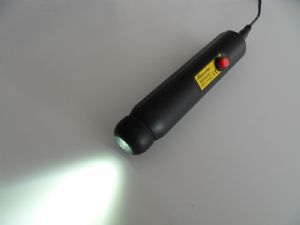
EGG CANDLER & SCALES

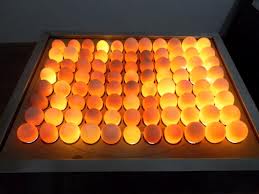
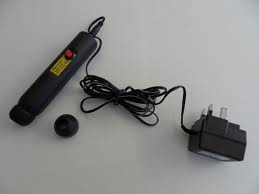
These scales are used in order to test and review the weight of the eggs. For those who have some experience in the farming business, the importance of these scales and devices can never be denied, as the weight of the egg is also a determinant of the price. Candling eggs alongside weighing is very crucial for the success of the farming business. Candling mechanisms enable you to have some idea about the development of the egg and the various stages it passes through before finally changing to the chick, which is the last step in egg maturation and development.

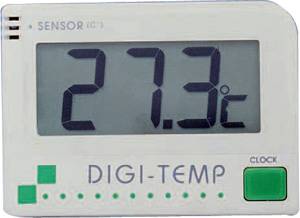
Thermometers And Hygrometers

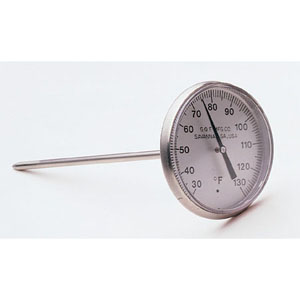
Taking regular measurements and readings about the egg temperature is of great importance in the hatching process. Some of these best devices are also able to record and measure any changes in the overall humidity and temperature changes that might be seen from time to time. The temperatures are displayed in Celsius and in Fahrenheit, both of which are the standards. So, getting a more accurate reading is something which you should keep in mind when purchasing these devices.

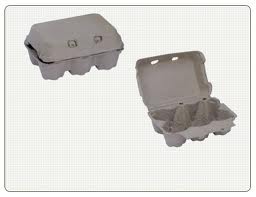
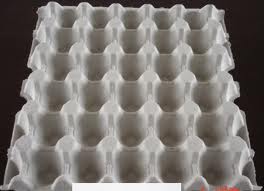
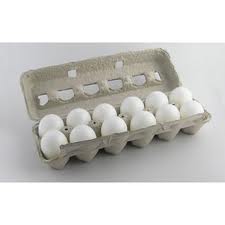
Egg Boxes and Egg Trays

When the eggs are fully prepared and ready for being sent to the markets, then you should look for the personalized boxes and trays in which they would be kept and stored. Using personalized trays is necessary for pointing out the consumers and other buyers about the types of eggs. In short, egg packaging and manufacturing is dependent on the use of these boxes and trays.

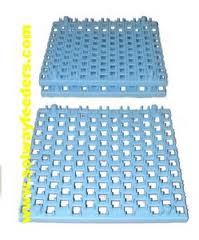
Incubator Inserts and Cradles

The type and form of incubator inserts and cradles to be used depend on the egg capacity. The larger inserts are more suitable for the bigger sized incubators. Furthermore, the larger inserts are also much stronger and durable in comparison to the smaller ones. These inserts are suitable for the chicken eggs no matter what the size of the eggs might be. The same also holds true for the cradles which are also an essential component in egg hatching.

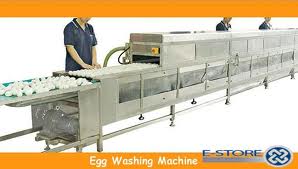
Egg Washing

Farms and hatching houses all around the world make use of a number of egg washing procedures. Typically, more than 30 % of the eggs are dirty when they are collected. A number of abrasives are used in comparison to the usage of water which is much more typical. Loofas are also used when it comes to the cleaning of the eggs. Most of these procedures are most suited for the small scale eggs, but when it comes to the commercial modes, then it is better off to make use of the immersion washers and devices. But here an important thing to note is that a number of old and low quality washers are also available in the market, so try not to buy these cheap washers.

Plastic Nest Eggs and Egg Incubator Spares

In order to keep the hens broody, the plastic eggs would always prove to be of much use. They also come in handy for the indication of the best nesting sites. In addition to this, a number of egg incubator spares are also useful for the hatching process which is to say the least pretty complex. The kits might include fans, ventilators, motors and other modulators necessary for the air control.

Heat Control and Egg Washing Spares

For the purpose of egg washing, a number of variant egg washers are used including the Rotamaid and supawash sparers all of which are very effective for the washing process. The same degree of preferences and importance should also be given to the heat control mechanisms and temperature adjustments, all of which are dependent on the use of the heat control spares and devices.

Top 4 chicken eggs hatching accessories Suppliers

1) SolwayFeeders chicken eggs hatching accessories

contact supplier


2) Maplin Chicken eggs hatching accessories

contact suppliers


3) Eggboxes.com chicken eggs hatching accessories

contact suppliers

4) Eggcartonstore.com chicken eggs hatching accessories

contact suppliers

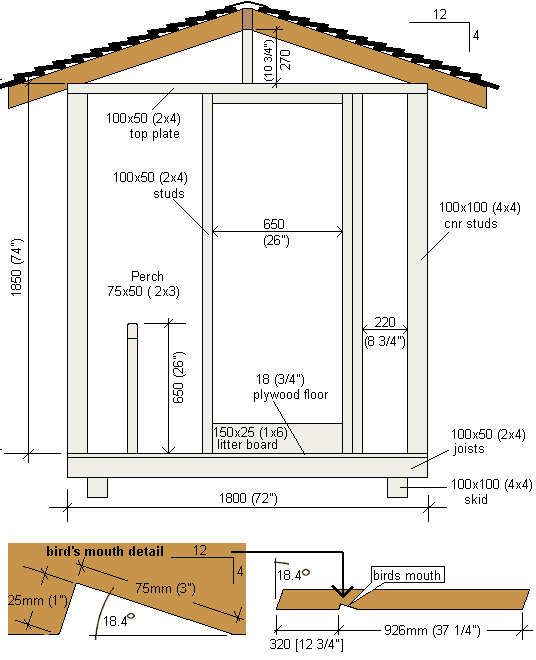
How to build/manufacturing hen house/chicken coop?

Chicken Coop Materials – Many Reasons Exactly Why Wood Is Actually A Chicken Coop’s Best Ally

Chicken coops, like dwellings, perform best when they’re furnished with the right items. Low cost goods produce a terrible product. Great supplies provide a perfect unit. It truly is immensely important to acquire your own raw materials prepared sooner than you begin the process of building.

Nevertheless with so many distinct kinds of chicken coop materials which are sure to become utilized, you want to get organized instantly so you should remain ordered during manufacturing.


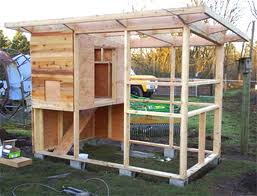
You will have to have some wood to build a poultry house and furthermore this is probably one of the most prominent chicken coop materials you’ll apply.

To start with, ensure you are spending a lot of focus on the exact form of lumber you have to make use of to make the actual coop with. Several men or women take advantage of the enirely wrong raw wood kind and this would get back to disrupt them all down the road. Use redwood or perhaps at the very least pressure remedied raw wood towards the framework.

Just make certain if you ever buy your raw wood, it should be spray-treated to turned water repellant. In any other case, acquire a water sealant and treat the lumber following the actual manufacturers’ guidelines. Nevertheless this is serious to help keep your hens dry. Wetness in the hen house could generate health issues to propagate between your favorite birds on a rapidly rate. A processed wood could minimize this.

Once you build a chicken house it is not difficult to discover providers that put up for sale pre-owned or scrap wood on a much lower rate. These kinds of establishments will probably let you have a look at each individual part and even analyze the grade related with the lumber.

You may as well decide upon the volume of your wood you’d like. You might want to pull out a few worn out nails or alternatively slice it to suit your hen house design properly, however this is actually a tiny amount to fork out for less expensive timber. You will not only spend less funds at chicken coop materials whenever you build a good chicken coop your own coop will likely have some extra character and just not mimic a prefabricated chicken household.

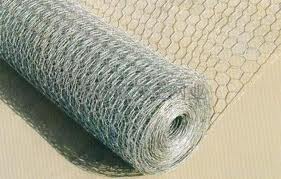
Many varieties of chicken coop materials which could be employed that incorporate chicken line, tarps in addition to lattice. If you’re thinking about allowing your birds wander the yard but lacking thorough free range, consider utilizing a chicken fence to develop a compact backyard that extends off their hen house.


You wouldn’t ought to bother about trying to keep them controlled in their region, yet somehow their particular layer may be drastically widened in this manner. Raw lumber yard merchants are the primary spots you might want to check out when it’s time to get all the chicken house material.

The single thing anyone would worry about whenever choosing to build a hen house is utilizing their specific creative thinking as everything else will happen effortlessly. It is not important whether it’s a little, bigger, block, rectangular shape or eliptical hen house you may be attempting to make due to the fact it might be carried out.

You aren’t available to merely one or even 2 types of equipment and the truth is you can find countless chicken coop materials in which you may choose from. It does not even make any difference specifically what height and width of hen house you intend to put together, possibly even a little something as basic as ply wood could get the task finished.


Feed Material/Ingredients,Best Choice of Feed for Raising Chicken,Cost Effective feed

Chicken Feed Ideas & Suggestions/The Right Choice Of Feed

Quality chicken feed creates healthy chickens. If you have selected to boost chickens, it’s vital that you select the right possible feed to be able to ensure you are taking advantage of neglect the.

Raising chickens is really a large commitment, they might require constant care and proper diet. Therefore, it can help to take a few of the guess exercise of chicken feed. Let us take a look at a few of the things you need to know before you purchase.

Many feed producers provide a type of affordable chicken feed that’s simply wheat consequence. These ‘cheap’ feeds offer hardly any nutrient content and aren’t the best option for raising healthy chickens. Avoid these bargain feeds no matter what, you might spend a little more, however the return about this investment is going to be staggering.

The easiest method to reduce chicken feed would be to avoid waste. Most of the chicken bird feeders available on the market are really shallow.

These shallow pans imply that a lot of the feed flows within the edge, thus creating unnecessary waste. You are able to remedy this issue by clogging your gutters chicken bird feeders a maximum of 1 / 3 of how full.

The easiest method to make sure that your chickens get the greatest quality feed is as simple as teaching yourself around the diet needed to boost healthy chickens.

Consider doing a bit of online investigation, or take a look at several chicken raising books in the library. You will find if this involves raising chickens, and other things, that understanding is energy.

Almost everyone has questions if this involves raising the opportunity chickens. If you are raising the opportunity chickens, it’s possible of these little creatures to locate their very own ft. However, most frequently this involves an array of space.

If you are raising chickens inside your backyard, you likely do not have sufficient space for the the opportunity chickens to look after themselves. Because of this, it’s wise to supplement your the opportunity chickens diet after some dietary chicken feed.

Remember, the greater chickens, you need to more competition for food. It’s vital that you make sure that you provide enough feed for every of the chickens to keep an amount of diet sufficient for growing strong and healthy.

If this involves feeding your chickens, the days are gone of permitting your chicken to consume anything they occur to find. Consumers demand to be aware what entered their food before they eat.

This rings true for eggs and meat. If you are planning to market your chickens, it’s vital that you keep an eye on the diet provided, and then any outdoors causes of food they might be in touch with.

In case your goal is just to boost chickens to market eggs, there is a interest in info on dietary content a bit less.

However, don’t stress yourself over this factor, because oftentimes chickens eat things we do not see (i.e. small seed products or small bugs). It’s virtually impossible to keep an eye on everything which your chickens partake.

A great way if this involves serving your chickens quality would be to not stress or overcomplicate the procedure. As lengthy as the primary goal is to make sure that your chickens are experiencing the highest quality diet, you will be fine.

If you are doubtful consider talking to an expert at the local feed store. She or he will have the ability to offer you educated information regarding raising top quality chickens. Your feed store professional will even have the ability to recommend the very best brands to your requirements.

If you are doubtful, you could help make your own chicken feed. Although this process is much more labor-intensive than feeding your chickens an outlet-bought feed, many people truly benefit from the hobby.

If you are planning to consider this route, your best choice would be to first understand the dietary needs of the chicken. You’ll be needed to teach yourself regarding the formulation of top quality chicken feed.

The next move is to buy the elements needed to create a quality chicken feed. Most small-scale chicken maqui berry farmers abandon making their very own feed to be able to embrace the benefit of business brands. This really is perfectly acceptable, since many commercial brands are simply as healthy like a homemade feed.

So, in case your goal would be to raise healthy chickens and increase the roi you need to spend a reasonable period of time, making certain that the chicken feed is from the utmost dietary quality. Avoid bargain-basement feeds, and consult an expert when you are doubtful.