Category Archives: Knowledge Centre

A brief guide to broiler management/factors considered for broiler rearing

MANAGEMENT OF BROILERS

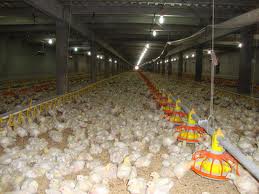
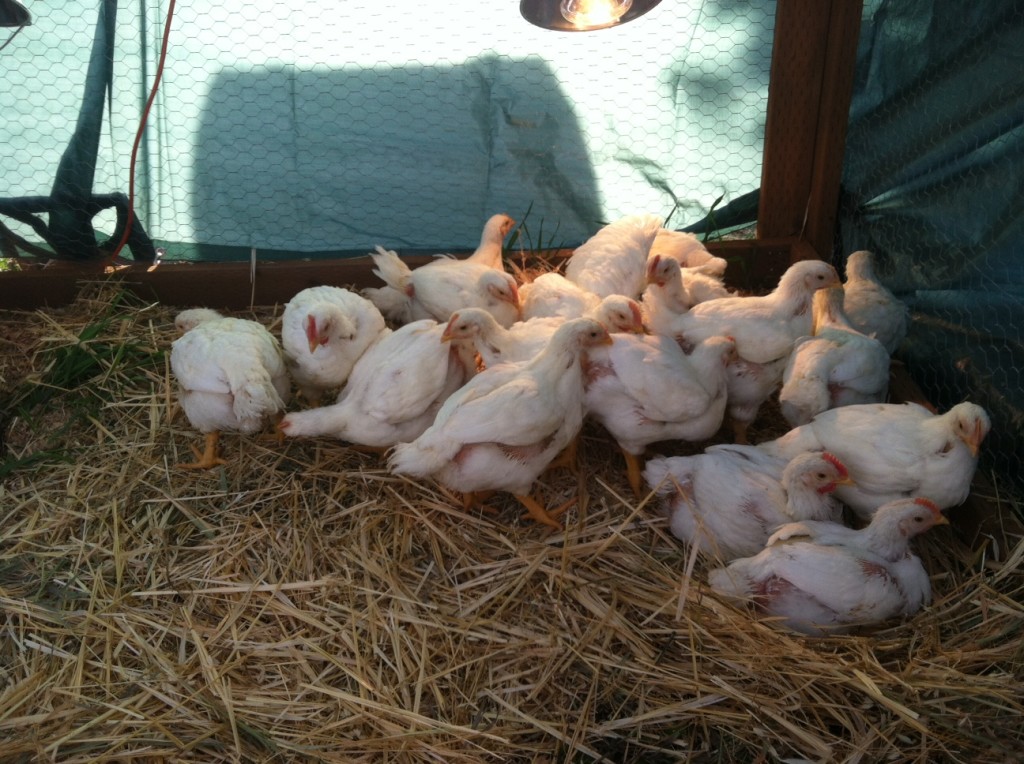
The desired weight at earlier age with efficient feed conversion ratio (FCR) with minimum mortality is prime objectives of broiler rearing. The management system used for commercial broiler  rearing  is probably more standardized  nowadays than any other arrange­ments in poultry production.

They are preferably reared on deep-litter to prevent bruising of muscles due to cages. A trend of growing lighter broilers of 1.25 to 1.35 kg at 37-40 days age has become common in recent years. The FCR is highly economical at this early age which ranges from 1.9 to 2.10 depending on breed, season, disease incidence and management on farm. The management in respect of brooding, feeding, watering, litter management, lighting and disease remains same as that of layer chicks with little variation for floor space, feeding, vaccination and other managemental   practices.

Floor Space

This is the type of bird in chicken, which requires minimum floor space. A floor space of 450 cm2 upto 4 weeks and 750-850 cm2 from 5-7 weeks is sufficient to achieve maximum performance. Inadequate space will lead to slower growth, increased respiratory ailments and sometimes cannibalism also. Therefore, floor space allotment plays an important role in growing efficient broilers.

Feeding

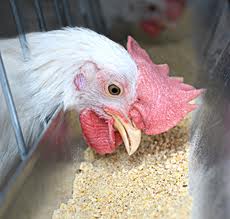
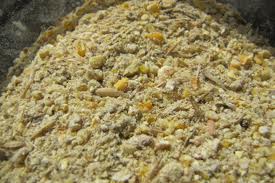
Broilers are fed special feeds to cope up their faster growth. They are offered broiler starter mash from day old to 4 weeks of age and broiler finisher mash from 5 weeks onwards till disposal. These are high energy and high portentous rations when compared to layer and breeder diets.

Vaccination

Only few vaccinations as recommended in the schedule in the ‘Practical Manual for Avian Production and Management’   serves   the  purpose  of rearing broilers under normal conditions. However, the vaccination schedule can vary from area to area depending on the disease prevalence.

Debeaking and Deworming

Usually these are not required due to short span of life.

Separate Sex Rearing

Broilers are straight run chicks that  is they are not sexed at day-old age, while supplying to farmers for commercial broilers farming. However, visual sexing is possible at four weeks of age by earlier appearance of combs in case of males. Some of farmers adopt separate sex rearing from four to five weeks onwards to take the added advantage of faster growth in males for earlier disposal by 5-6 days to enhance profitability.

Guide to Select a Right Breeds of Chickens For Backyard

At the time of launching a poultry farm you do have a wide array of choices to choose from. Chickens have been kept by humans for thousands of years now for a number of different purposes. Due to this domestication, a number of breeds of chicken have been resulted. In a similar way to animals that come in different types, the chicken breeds differ from one another in terms of their characteristics, about which you should be well aware. In other words, you should know about the specific characteristics of each chicken breed in order to have an idea about which types of chicken breeds would be best suited for your farm.

It is all by doing some research that you would be able to have an idea about the best chicken breeds for eggs and meat. When it comes to selecting the right backyard chicken breeds, the following are the breeds about which you should know.Here are some of the most preferred chicken breeds with pictures.

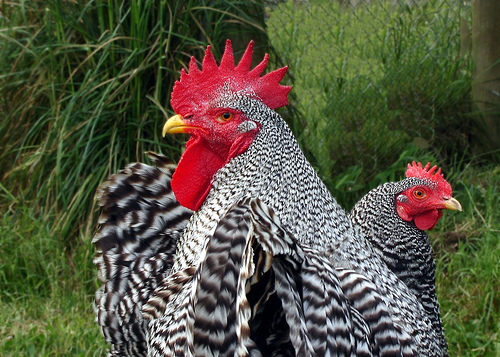
Plymouth Rock

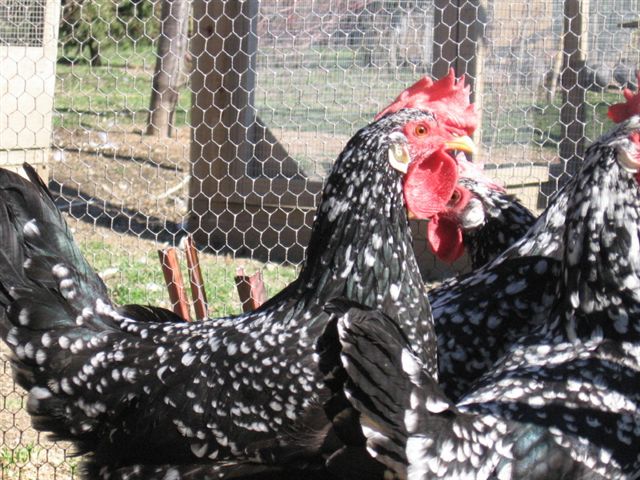
In terms of the top ten chicken breeds, the first in line is the Plymouth Rock. Many years ago, this chicken breed used to be the most common in America. You can select this breed from a number of different options. One of the most common of them all is the black and barred ones. Moreover, these birds are of a calm and friendly nature, due to which they are best suited to being kept in any setting.

plymouth-rock-chicken

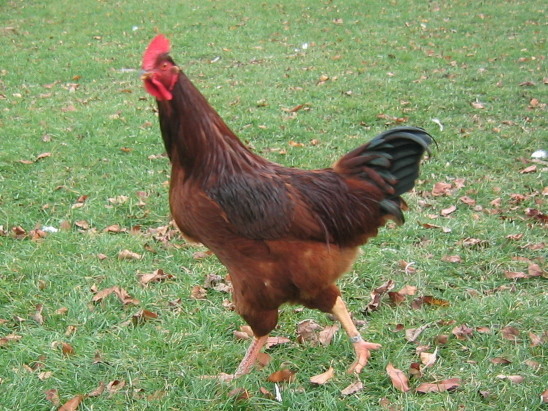
Rhode Island Breed

Next in line we have the Rhode Island Breed which is also very common and preferred among the backyard chicken farmers. They are available in two different types including Rhode Island Red and The Rhode Island White. It is their docile demeanour, which makes them one of the most preferred to farmers. Furthermore, it is also able to adapt very well to all forms of free range as well as combined settings. On a yearly basis, it is also able to lay around 300 eggs which are brown in colour. That’s not all, as it is also known to be the best chicken for laying brown colored eggs. The Rhode Island Breed is indeed one of the most famous egg laying chicken breeds.

rhode island

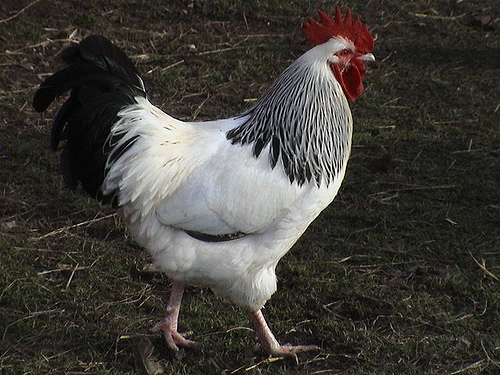
Light Sussex

 Another top chicken breed is the one known as The Sussex Breed. In addition to being present in a number of different types and colors, they are also quite adaptable to any environment. Moreover, it’s also their unique nature which makes them one of the most preferred among all the farmers. Their capacity to lay eggs on a yearly basis falls around 250, which is indeed quite good in comparison to the other different breeds of chicken that are found all over the world. Many farmers, especially the hobbyists love to keep this chicken breed at their homes for quite obvious reasons.

light sussex

Ameraucana Breed

Now moving on, we have another popular breed which you should also consider at the time of selecting the right chicken breed for your farm house or any other setting. The breed is known by the name of Ameraucana. They have a standard size and are mostly kept being one of the dual purpose chicken breeds. Now here, by dual nature it is meant that they are kept for eggs as well as for meat usage, thus making them quite useful in terms of meat chicken breeds. The eggs laid by these birds get really expensive at the time of the Easter Holidays. The reason for this being the beautiful colour of the eggs these birds lay. They are also quite constant in terms of laying eggs on a set schedule. Mostly, this breed is easy to handle and friendly, but there are some that can get really aggressive at times. The colors in which this breed is found include black, blue or brown red.

Ameraucana breed

Ancient Breeds

For those who plan to keep the breeds that are being used since the ancient times, The Anconas and Hamburgs are the ones to be used. These chicken breeds typically lay white colored eggs, but some of the farmers are of the view that these breeds might not be suited for backyard farming, all because of their changing temperament. Other breeds which are also very famous for egg laying include The Minorca, Campine, Orloff, Penedesenca and other broiler chicken breeds. So, now you know how important is it to have some idea at the time of choosing a chicken breed.

anconas chicken breed

Caring and Raising Ducklings

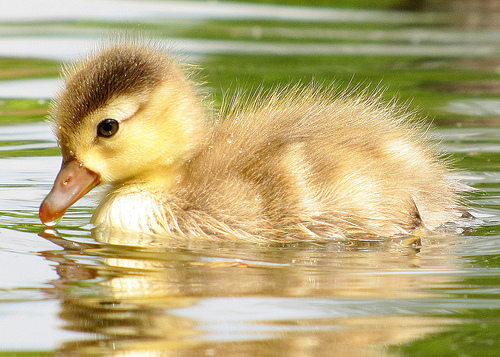
Are you contemplating about raising these cute little darlings or how to take care of ducks? At times of the Easter Season, these ducklings do find their way into the beautiful gift baskets. For the purpose of caring and raising ducklings, you should always have all sorts of  information about ducks. In comparison to other birds, the ducklings are relatively inexpensive to bring up. Moreover, they can survive easily for a period of 20 years, but with proper caring for a duck and feeding. So, for taking care of ducks or raising a duckling below are some points that you need to ponder.

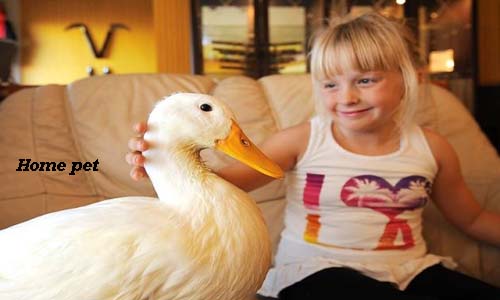
1. Try not to raise these ducks as house pets. This is because of their habitat that belongs to the open settings and not in the home based environments. You might feel happy in keeping them in your home, but what about the well being and happiness of the ducks. So, if you prefer not be cruel with these darlings, then it is imperative to raise them in the settings to which they rightfully belong.

pet ducks

2. An important personality trait of the pet ducks is their socialization. In other words, their growth is best guaranteed in the presence of other ducks. Moreover, they usually do not fight each other, which is another reason for which keeping them with other ducks is recommended. On the other hand, if you bring them up in isolation, then it is likely that they won’t survive.

ducks as a social animals

3. Make proper arrangements for fulfilling the needs of these animals. In addition to fulfilling their basic needs, you also need to give them with the life which they deserve.

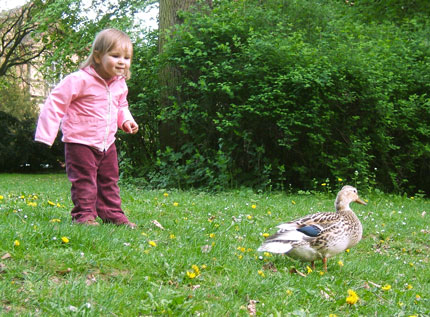
4. In opposition to some misconceptions, ducks are quite intelligent and can respond to your commands. They are capable to play with toys, children and are also able to play a number of games. If they are handled with care and affection from the very start, then it is likely that they are going to become sociable with humans. The element of interaction is the key to raising ducks.

ducks with children

5. The backyard ducks do not demand an open pond or area for swimming. Furthermore, you should also not worry about the odor they give off, as it is quite pleasant in comparison to the chickens.

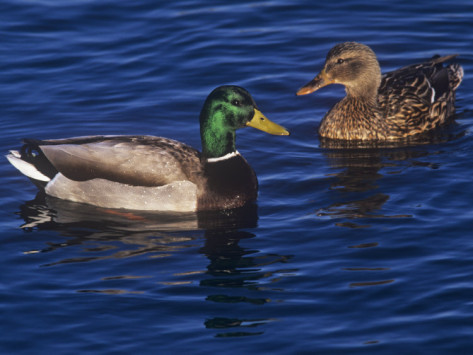
6. In terms of determining the sex of the ducklings, firstly you need look at their secondary characteristics. For example, the males are marked for having green heads in comparison to the females that lack this feature. For the sake of sexing, you can also consider the voicing style of the domestic ducks which becomes evident as soon as get about 6 weeks old.

male and female ducks

7. For the first few weeks, ducklings need to be kept warm and dry. For this purpose, you should make use of a box or a cage. The temperature of the place should be about 30 Degree C. You can also make use of a light bulb for the sake of heating.

8. Try to keep them away from the water, especially when they are alone. It is because they might become chilled and might also drown at times when the water is too deep.

9. In the winter season, you can let them wander outside if they have enough feathers over their body. These feathers appear at about 4 to 5 weeks after their birth. But in times of extremely cold temperatures, it is better to keep them inside.

Duck Feathers

10. Their shelter should have proper ventilation and area, keeping in view the number of ducklings that are to be accommodated in it. Moreover, the house should also be bedded with sufficient wood shavings and other necessary materials.

11. In terms of feeding ducks, the young ducklings should be fed with started food for baby ducks. For those who are about 3 to 7 weeks, the grower food for ducks might be brought to use. It is also recommended to use some Grit close to them, so that they might use for grinding the food when required. Ducklings care should always be your top most priority. The same applies to the use of water for ducks.

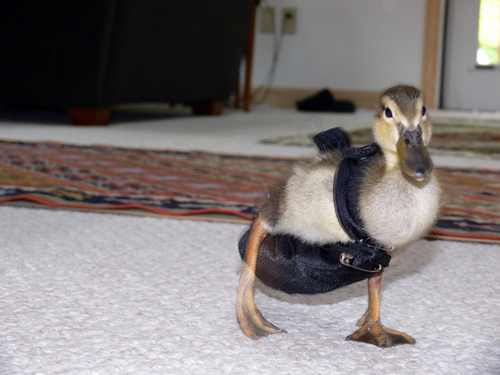
12. In order to deal with the major issue of feces, it is best to make use of a proper diapering system. The diapers used should be changed after a period of 4 hours. But at the time of diapering, you should keep in mind that they should not interfere with their swimming needs. Nonetheless, you should also make all possible arrangements for cleanliness and minimizing the spread of diseases.

duck diapers

16 Reasons that May Lead to Decrease in Egg Production

A large number of people love to keep backyard chickens for egg production. There might be numerous reasons for this habit. But it really feels amazing to collect eggs from all the next boxes. In other words, gathering eggs from the nest boxes is one of the greatest joys of keeping the backyard chicken. If dealt in a proper manner, then the process might lead to the increase in egg production, thus enabling you to grapple some large profits. At the time, there are a number of reasons that might lead to the fall in the rate of egg production. So, if you feel the egg production rate at your farm is falling, then you need to keep a number of things in mind. Most of the researchers are of the view that the fluctuations in the rate of egg production may be due to behavioral, environmental and emotional factors, all of which can be controlled. Here are the 16 reasons that might initiate a decrease in the rate of chicken egg production.

1. Lighting Conditions and Shorter Days:

One reason for which the egg production might be slowed down is due to the shorter days. On an average rate, a hen requires nearly 12 hours of sufficient day light for the stimulation of the ovaries.

light effect on laying eggs

2. Molting Issues:

During the phases of molting, most of hens stop laying eggs. In order to tackle the problem a number of proteins might come in handy, but it is better to let the molting complete its cycle. Molting in chickens should be dealt in an effective manner in order to ensure that egg production remains constant.

molting in hens

3. Broody Hen:

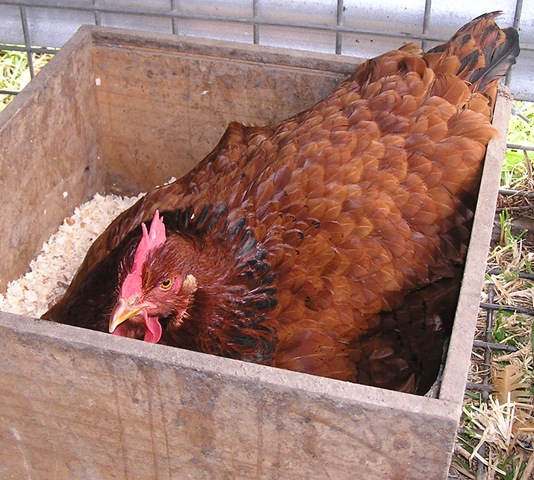
In this phase, the hens stop laying eggs. Moreover, they also spend the entire day sitting on the eggs, waiting for them to be hatched. The only thing that can be done here is to break the broodiness as soon as possible. Almost all classes of egg laying chicken breeds might suffer from this problem.

broody hen

4. Egg Eating:

There are some chickens that might engage in this irrational behavior. Furthermore, when one hen starts doing this, other hens prefer to follow. For substantiation, you can see a number of broken egg shells in the nest.

egg eating hens

5. Predators:

There is no end to the number of predators who love to eat and steal eggs. Moreover, the hens also get stressed out at the sight of these predators, so it is best if you make all sorts of conducive and safety arrangements for dealing with this issue.

6. Overcrowding:

Another common reason for which the eggs might stop laying eggs, is overcrowding. When you keep a number of chickens in a small area, then the hens might get stressed that will result in lower egg production.

overcrowding hens

7. Change in Nesting Area:

Hens like humans love their homes and the places where they usually lay their eggs. But switching the area from time to time can break their routines and patterns of egg laying.

8. Illness/Disease:

One of the first things to notice in times of decreased in egg production is illness. You must also know that chickens do love to hide their illness at times. So here it is imperative to schedule and perform medical checkups from time to time.

9. Extreme Fluctuations in Weather:

There are some optimal temperatures in which hens lay the most number of eggs. Normally, the temperature range should be from 50-75 Degrees F. Even the slightest of deviations from this range might lead to fall in the egg production.

10. Lack of Ventilation:

Lack of ventilation in the coop leads to the accumulation of ammonia, thus causing various physiological changes in the chicken and egg laying habits of the chicken through respiratory illness.

11. Poor Nutrition:

Those farms that utilize some low quality feeds face this problem more often. So, for having the maximum number of egg yield, you should make use of good quality feeds.

12. Overfeeding:

Just like underfeeding that might lead to diminished egg production, the same also applies to overfeeding. Chickens require a set number of proteins for egg production, but never try to offer them with more than what they require.

13. Lack of Water:

In terms of the internal composition of egg, it is evident that water makes up nearly 75 % of the total mass. Be sure to supply sufficient water for chicken egg laying at all times.

14. Free ranging:

Chickens should be offered with free ranging, but in a controlled manner. Otherwise, they are going to hide their eggs at places you might not be able to track. Mostly the hens lay eggs in the morning times, so it is recommended that you monitor them at these times.

15. Age:

The first 2 to3 years are the ones in which hens lay the maximum number of eggs. With the passage of time, the productivity is going to fall. So, it is best that if you continue adding new chicks to the settings.

16. Stress:

In the end, it is quite visible that a stress free hen happens to be the one that lays the most number of eggs.

stress in hens

Selecting the most suitable breed of turkeys for your flock

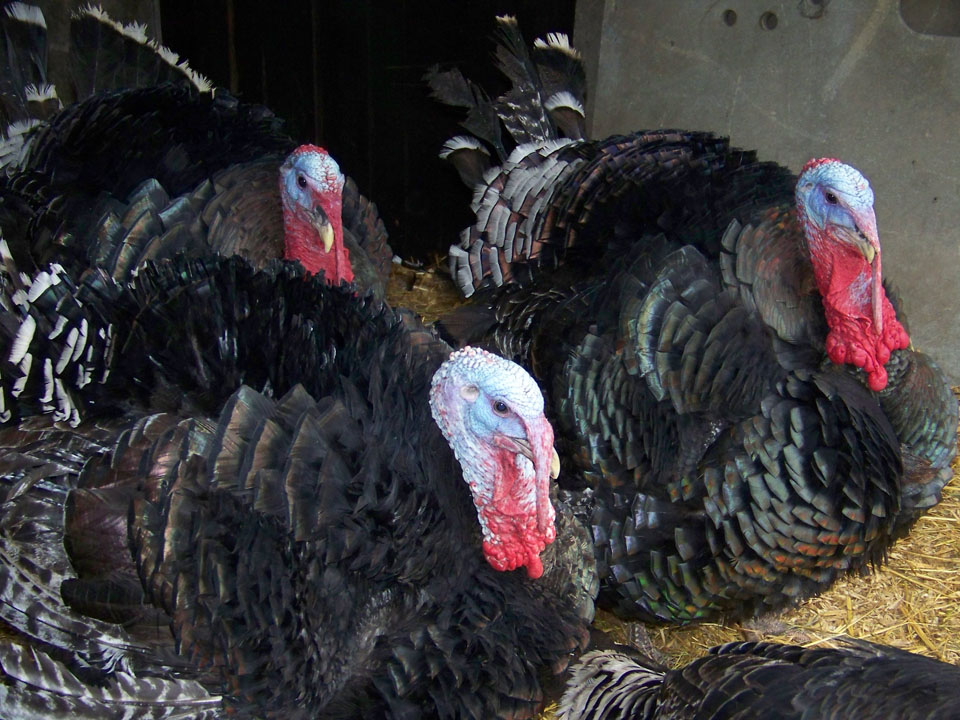
Raising some friendly breeds of turkey is really enjoyable. Moreover, if you bring them up at your home based settings, then you would be able to enjoy a number of flavored meats. At the same time, this strategy is also useful in saving some money. In this regard, you can make use of a number of old as well modern breeds.  Glenn Drowns, a specialist in the domain of heritage poultry, asserts that the White Holland and related breeds are best suited for flocks which are below 20 and that the Bourbon reds are really useful in terms of pest control as well as for foraging. Frank Reese, another specialist in the domain of breeding turkeys, also suggests that the White Holland poultry breeds are quite competitive in terms of meat production and consumption. How to breed turkeys? This is the core question here.

Preference for Broad Breasted Breeds

For those who plan to raise for sales, then the  breeds will come to be the most useful. However, these birds are available on a limited basis, all because of a respiratory disease outbreak that has effectuated thousands of flocks. The reason for which this bird is being recommended lies in the large amount of meat which is present in the areas of its breasts. In comparison to the wild turkey, the bird has 2 to 4 times more meat, due to which it is well suited for meat production purposes. These birds are able to achieve a weight of sixteen to twenty five pounds in a matter of 24 weeks. On the other hand, in order to reach the same weight, the heritage birds would demand nearly 2 years. The importance of this timing period is highly crucial in terms of poultry production, for which most of the poultry producers prefer to make use of this breed of turkeys.

broad-breasted-bronze

Tips for selecting the best breeds for you farms

In terms of selecting the most suited and appropriate breed, you need to be knowledgeable of the various facets including its capacity of natural reproduction, its ability to fly, its pace in terms of reaching the stage of maturity and many other related factors. The thumb rule here is that the most famous breeds might not be necessarily suited for the smaller farms and at the same time, the big size is also not an indicator in terms of the best breeds of domestic turkeys.

Classes of Production Type Turkeys

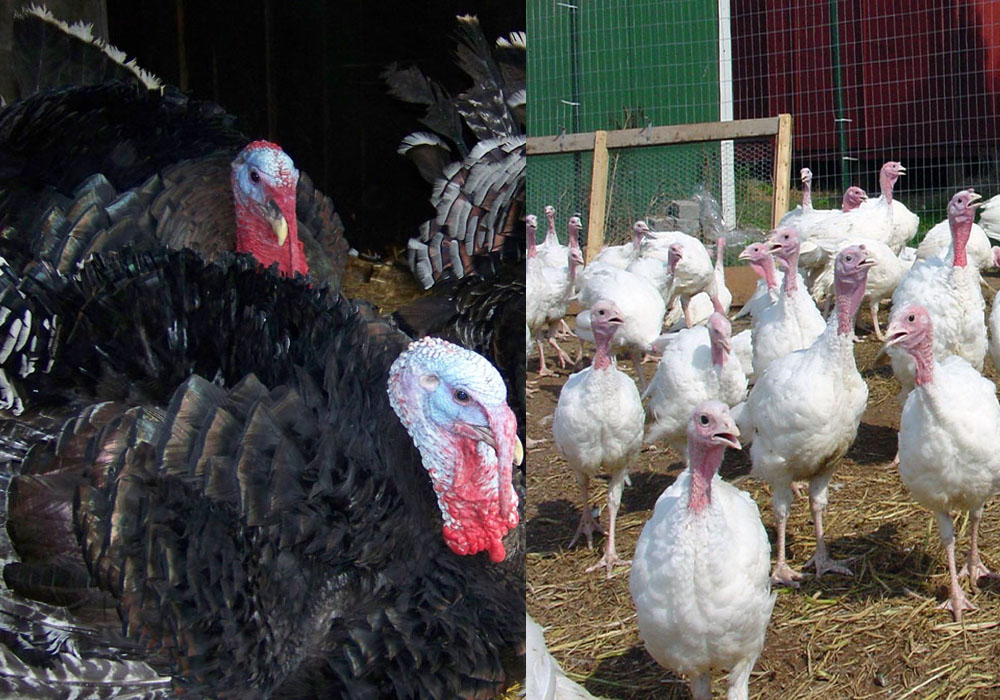
There are two basic types which will be discussed here including Broad Breasted Whites and The Broad Breasted Bronze. You can easily purchase them from a number of hatcheries in times of the spring season. In addition, the pace of their growth is also quite agile, due to which you would be able to have a massive turkey in the minimal time span. However, there is a single drawback in making use of these breeds of turkey i.e. they aren’t able to produce on a natural basis. The reason for this can be linked to the large sizes of their breasts, which limits their ability to reach out. So, for those who plan to breed some large flocks of turkeys, these two breeds might not be suitable. But if you have no sort of problem with their reproduction limitation, then you should go for them.

production type breed

Heritage Breed of Turkeys

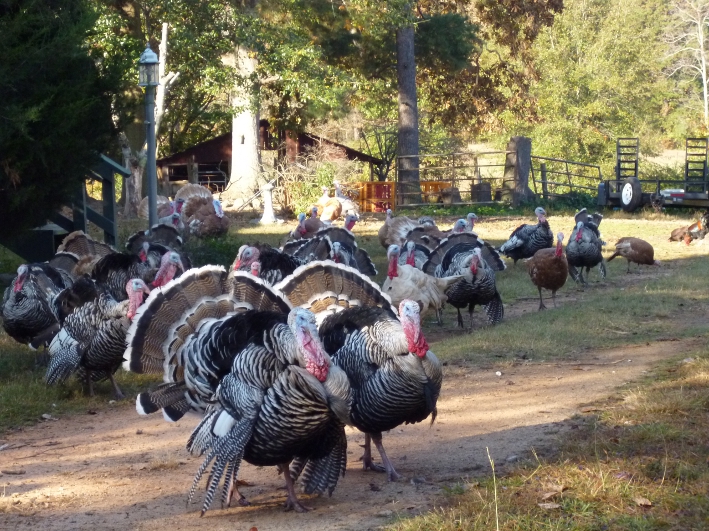
There are a number of farmers and poultry producers who prefer to utilize the heritage turkeys, all because of their well-developed reproduction capabilities. Moreover, they also come in various colors and sizes and are also able to brood a number of eggs. Below are some of the breeds which you might want to consider at the time of selecting the best breeds of turkey for your farms and poultry houses.

heritage type turkeys

Auburn: This heritage breed is believed to be similar to the bronze breeds, but happens to be more reddish in color. The origins of this breed go a few centuries back.

Beltsville Small White: This rare preservation breed is marked for being smaller in size. The breed is also more active in comparison to the other breeds, primarily because of its small size.

Spanish Black: Now here we have another rare breed which was mainly utilized by early settlers. The breed is also medium in size in comparison to other breeds of the same class.

Bronze: This breed is quite large in size and is able to carry out the breeding process in a natural manner. Do remember to distinguish it from the broad breasted ones.

Midget White: The smallest breed of turkeys, Midget White, is really suited for small families. Furthermore, these birds are also quite active and are also able to fly.

Royal Palm Turkeys: Famous for being a show bird, Royal Palm is a small sized heritage turkey. The breed is marked for having black and white colors.

Narragansett Turkeys: Believed to be good foragers, natural calm, medium sized and excellent brooders, Narragansett is the breed which you might want for your small farms. In the past, the breed had come quite close to being extinct, but now it is believed to be more prevalent.


Breeding and Rearing of Geese

Of all forms of the domestic birds, the geese are the ones that can be termed to be the fastest growers. They are quite hardy and can become disease free if kept under constant care. Although a small number of these animals are kept in the poultry settings, there is still a lot of scope for the raising geese industry all over the world. The geese can be grown and brought up successfully on the green pasture, due to which the cost for the production can be lowered down by substantial levels. Keeping in view the feeding and geese breeding, you can expect to start a successful poultry business. Below are some types of geese, which you should know about when planning to raise the waterfowl geese or the water geese.

Famous Breeds of Domestic Geese

Embden

Classified to be a large and an upright bird among the breeds of goose, the Embden is known for its glossy feathers. Its eyes happen to be light blue in color. Initially, the breed had originated from the regions of Germany, but is now well distributed all over the world. For the gander, the weight falls around 8 to 9 kg and for the goose, the weight usually falls around 8 kg.

Embden Geese

Chinese

The Chinese geese can be divided into two different classes i.e. the white and the brown. This bird is able to stand upright with its arching neck. It also has a very distinct knob on the areas of its bill. The eyes of this breed are brown in color. Moreover, this breed is considered to be the noisiest among all the breeds, due to which their sound can be heard to far of places.
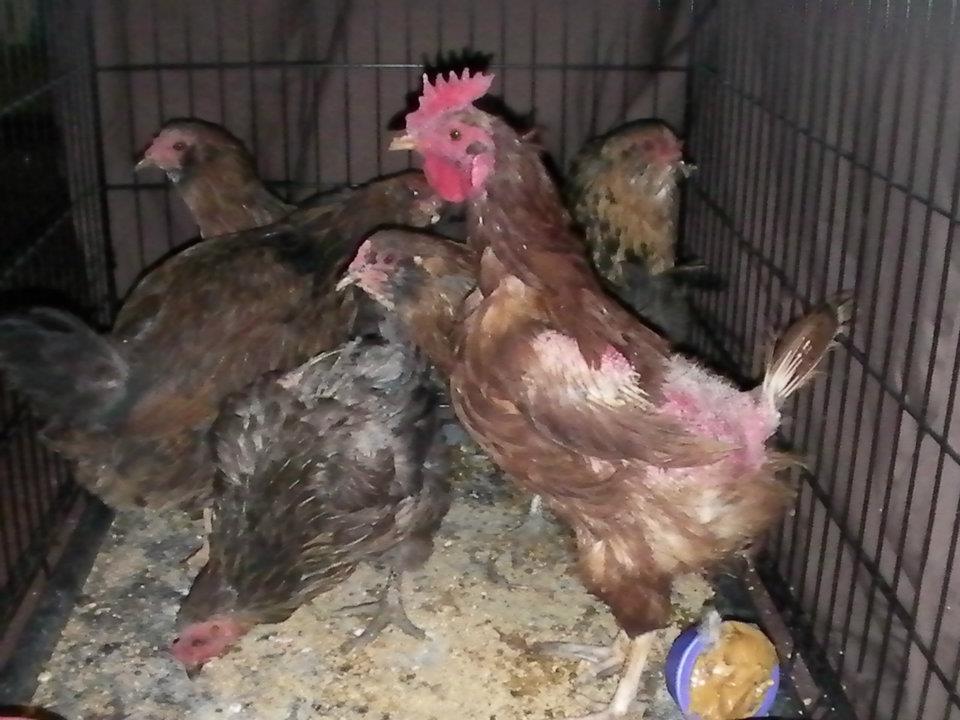
chinese geese

Sebastopol and Toulouse

The Sebastopol breed is identified from its fuzzy and curling feathers due to which the birds that fall under the breed appear to be untidy. Furthermore, this breed is also known to be of having an ornamental nature. At the same time, the body of the breed is also more round in comparison to the other breeds. On the other hand, the Toulouse breed is believed to have originated in France and is quite similar to the Embden. But it is not so popular in relation to the other breeds mentioned here.

Sebastopol and Toulouse

Moreover, the breeds of wild geese include The Barnacle Geese, Bar-Headed Goose, The Red Breasted Geese and many more.

Brooding of Goslings

After the goslings hatching, a lot of care should be taken in terms of handling them. In other words, for the first few days the goslings are quite delicate due to which they should be kept warm. Now for the goslings which are brought up under the supervision of their parents, the occurrence of problems is less likely. You can provide some simple housing arrangements for them for the first few days in order to protect them from the changes in the weather. At the same time, you should also ensure that the floor litter is kept as dry as possible.

brooding of geese

On the other hand, for the goslings which are being brought up in an artificial manner, the need for a warm enclosure is highly crucial. For the purpose of providing the goslings with some heat, you can make use of infrared as well as the carbon heating globes. For example, a 250 watt globe will prove to be enough for nearly 30 goslings. In order to know the optimal temperature for the goslings, you can also observe their movement to get an idea.

Breeding and Mating of Geese

How to breed geese? Well, the geese enjoy their best breeding period from the age of 2 to 8 years. After the age of 10 years, the pace of egg production declines slowly at which you should introduce some new flocks of geese. The process of geese breeding can be run using the free range method. It is best to make use of the healthiest gander for 3 to 4 healthy females. You should also allow the birds to mate for one month at the beginning of the geese breeding season.

mating of geese

Feeding and Nutrition

In addition to the availability of the green pasture, you can use of a supplementary ration which can be in the form of geese food pellets or mashes. The feed should be given to the birds 3 to 4 weeks before the fertile eggs would be hatching. Moreover, also prepare vitamin and mineral based mixes in accordance with the guidelines and directions given by the manufacturers.

The goslings should be given a constant access to the water from the very first day. The water provided should be good in quality and should be subject to quality assurance from time to time. Now here you can make use of some specialized jars and troughs for the purpose.

feeding goslings

Shelter Needs

The need for having a spacious shelter for the geese is quite crucial, especially in times of the winter season. For the optimal levels of comfort for the birds, the shelter should be at least 8′ x 10′. Each bird should be given around 6 square feet. Moreover, the shelter should also be water and predator proof. It is also important not to confine the birds for a long time as they might get restless at times.

Gizzard Worming Issue and Solutions

At times when you find the presence of the gizzard worms on the body of the birds, then it is best to begin with contacting the specialists. Moreover, you should also ensure that a proper heat supply is available to the birds due to which the worms including, acuaria, tapeworm and at all others won’t be able to heavily influence the health of the birds. You can also administer the doses of the medications including Nilverm, Aviverm, Droncit and many more.


10 Popular Domestic Geese Breeds And Their Predators

When it comes to knowing the facts and information about geese, then surely a number of breeds stand out among all others. All of the ancestors of the domestic geese had been derived from the wild species of those times. The European breeds are believed to have originated from the graylag class while the Asian breeds had been obtained from the swan goose.

Although these two classes had quite separate origins, still they were able to inter breed from time to time. The breeds of domestic geese have been classified and stumbled into a number of different classes, the details of which would be shared below. Here are the 10 most popular breeds of domestic geese with pictures.

1. Toulouse

Known to be the largest and one of the most used standard geese breeds, the Toulouse breed is marked for having a weight of about 20 to 26 pounds. The back of this domesticated breed is seen to be dark gray in color. The color starts to transform to light gray color as we move towards the breast regions.

The feet are marked for their deep reddish and orange colors. The bill of the Toulouse breed is pale yellow. In terms of the predators, raccoons, owls, foxes and weasels are in the lead.

Toulouse geese

2. Embden

This geese breed comes from a German city that was famous for exporting them to the regions in England. In comparison to the Toulouse, the embden breed is a bit smaller and white in color. Moreover, it is also a better sitter in comparison to the different breeds of geese.

It is also the most popular and desired market goose in the United States markets. In addition to being a rapid grower, the breed is also quite agile in maturation. The adults can easily reach the weight of about 16 to 26 pounds. In order to wither off the predators, the breed is famous for making use of stylized sounds, hissing and movements.

 embden geese

3. African

Marked for having an ashy brown color and dark orange colored legs, The African geese breed had originated in India. But at the same time, it has been erroneously reported that Africa is the region where it had come from. It also has a kind of protuberance on the top regions of its head.

The male members of the breed are really famous for cross breeding into the other breeds. The adults in this breed are able to have a weight of about 14-20 pounds. Its dark beak together with some other features make it less desirable in comparison to the Toulouse and embden.

african geese

4. The American Buff

Being light buff in color and having a white shaded breast, The American Buff is considered to be latest addition into the American market standards. In a matter of no time, the breed has been able to bag a fame and popularity, which is all because of its amazing features and breeding characteristics. The adults in the class of American Geese breed can reach the weight of about 15-18 pounds.

 american buff geese

5. Chinese Geese

Presently, you can find the brown as well as white varieties of the Chinese geese. Being smaller and having a swanlike appearance, this breed of geese is well adopted and suited for consumption at the home based settings. The brown Chinese goose is known to have a brown colored plumage, while the white ones are known for their orange colored bill.

chinese geese

6. Sebastopol Geese

Marked for their twisted, curled and feathery upper regions of the body, the Sebastopol is classified to be an ornamental breed. The weights for the adults can top the 12 to 14 pounds limit, thus also making them suited for non-commercial purposes.

spastopol geese

7. Pilgrim

The pilgrim is more like a fast growing and sturdy geese breed which is desirable for varying reasons and features. It has always been raised for its feathers and for the purpose of its delicious meat. The breed is also different in terms of the plumage color with which the males are separated from the females.

The males happen to have blue colored eyes, while the females are marked for having hazel colored eyes. The optimal weight for the adults reaches to about 12 to 14 pounds.

Pilgrim geese

8. The Canada Goose

Mechanisms of close confinement are what that are used for the captivation of this geese breed. Mostly they are used in the public parts and by the hunters to serve the purpose of decoys. Their plumage varies from grey to black colors while the feathers on their breast happen to be light.

The ganders or male members do not breed before the age of 2 years. Moreover, they are famous for the mating process in pairs. But there is one drawback in making use of this breed for commercial reasons i.e. they are not efficient in terms of the reproduction.

Beautiful Canada Goose

9. Egyptian

Having long legs, but a small sized body appearance, the Egyptian is used for varying ornamental purposes. Surely, the breed is beautiful but has no potential for competing in the commercial markets all over the world.

The only ones who prefer to purchase them are the ones who are obsessed with their beauty. Their weight, which ranges from 4 to 6 pounds, is also what makes them the least desirable.

Egyptian geese

10. The Buff Back Geese

Europe is the place of origin for this geese breed, which can be differentiated in terms of its plumage size, color and a long bodied appearance. It is used for the purpose of meat and eggs together with its broody nature. They can be breed effectively in the form of pairs and trios.

The Buff Back Geese

Protecting Geese From Predators

For the purpose of protecting the breeds from the geese predators, you would need to provide them with some adequate levels of shelter. It is best to allow them to roam in the day time and keeping them confined in protected shelters at night.

Not to forget here that some predators are quite lethal in terms of attacking from under the ground due to which it is recommended to secure the base of the shelter with some strong and durable materials.  It is also preferable to make the use of low intensity electric fences. The common predators for all the breeds of geese include bobcats, dogs, coyotes,

geese predators

Different Types Of Backyard Chicken Coops

When it comes to hen coops, then there are limitless number of ideas and chicken coop designs which you can use. Building the chicken houses is a process that should never be taken lightly, as the health and well being of the birds is going to be determined on the accommodation that would be provided to them. Some even say that it might be an easy to go plan which is best suited for the weekend. So, if you plan to have some low cost chicken coop, then there are numerous ideas and designs which will come in handy if you pay a proper heed towards them. Here are some of the different types and forms of the backyard chicken coops which you can use.

Small Chicken Coop

The thing about the small chicken coops is that they can easily be moved from one place to the next. Yes, there are some chicken coops which are not optimal for movement, but it is always best for you to design a moveable one. The dimensions which you need to ponder are 3.5 ‘ High, nearly 38” deep and about 64” long. It is the most recommended chicken coop for 8 chickens. Now here, you can also make use of the internet for the purpose of downloading a number of chicken coop plans.

Small-Chicken-Coop

Large Chicken Coop

For the purpose of making a chicken coop for 10 chickens, it is imperative to keep in mind the space that would be required for the optimal growth of each of them. The space to be allocated should be around 0.4 square m per chicken. Moreover, the nests should be shared in a balanced manner between the chickens. To be more precise, 3 nests can be shared between 8 chickens. So, in lines to this, for 10 chickens, 4 nests would be the most recommended. Furthermore, the design you would be using should also come to allow the maximum area for the storage and should also be capable of turning down the attacks that would be initiated from the side of the predators. The same square formula is applicable whether you need to make the chicken coop for 12 chickens or chicken coop for 20 chicken. In terms of the ark chicken coop, again the number of birds should be considered. Moreover, you would also need to ensure superior protection mechanisms while making use of these one of a kind coops.

large chicken coop2

Stationary Chicken Coop

Permanents points of resting are allocated for the stationary chicken coops. In all, there happen to be different types of the chicken coops that are used including the moveable and fixed ones. These coops are structured in the form of a building or a specialized fenced area. The size of the coop here is determined on the basis on the number of chicken that would be kept in the setting. However, the rule of thumb here is the use of 4 square feet for each bird. Keeping in view, this formula, you would be able to make one for yourself. On the other hand, the moveable chicken coop might be best suited for those who are wary of the attacks of predators and from evasive weather conditions. But there are some farmers and home owners who prefer to make use of the basic chicken coop for the job.

stationary chicken coop

Portable, Moveable or Mobile Chicken Coop and tractor

The moveable chicken coops can easily hive or accommodate a large number of birds, but it all depends on the specific design and the measures for the protection of the birds which you have made use of. The inspiration behind the use of this chicken coops is the high level of functionality and movement they offer. Just by adding some wheels to the lower end of the coop, an all in one mobile coop might be the right option for you. The roosts should be placed above the trays which are dedicated for the collection of the chicken left overs. Moreover, the tops of the boxes can also be modified in order to allow the birds to make use of the roosts.

The chicken tractor can also be classified among the most used portable chicken coops. In addition to housing the birds, these machines are also used for giving a shelter to other forms of poultry. The prime use of these tractors is the freedom in terms of free ranging they allow to the birds and the farm owners. Using this machine, the farm owners would be able to provide an extensive environment to the birds.

mobile chicken coop

Plastic Chicken Coop

The plastic chicken coop can be termed as those new players that have emerged recently in the worldwide chicken markets. Most of the advertisements you are going to see in this regard stumble upon the extended protection these coops from the red mites. The red mite can be classified to be a very small ecto-parasite that feeds using the blood of the poultry animals. The cleaning process of the plastic coops is also quite easier in comparison to the wooden houses. You can wash, clean as well as dry out these coop in only 30 or less minutes. Moreover, these coops are also less costly in comparison to the wooden ones, so they are best suited for those who are on a tight budget.

 plastic chicken coop

Handcrafted Chicken Coops

There are a number of handcrafted chicken coops that are designed to be portable and easier to clean. In fact, in some states of the US, these coops can be availed at pretty low prices. In addition to offering a good quality settings and environment for the chickens, these coops are also easier for mobility. The number of chickens that can be kept in these coops range from 3 to 7 or even more, if the area is sufficient enough. Now here, the chicken pens might not be best suited for those areas which are marked for frequent predator attacks.

handcrafted chicken coop1

Wooden Chicken Coop

As mentioned before, the wooden chicken coop are losing their fame now, all because of the difficult cleaning process. While there is a substantial presence of the farmers who prefer to make use of these coops, but still it might not be the best suited for those who are newbies in the domain of raising the backyard chicken.

wooden chicken coop1

Eglu Chicken Coop

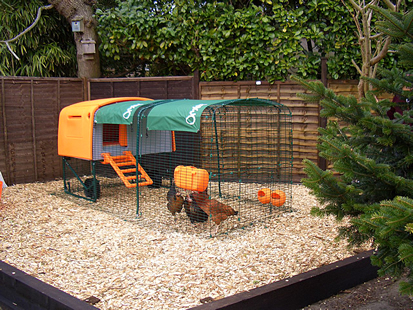
Now here we have another form of chicken coop which can be termed as easy to clean and a bit cheaper. The prime question which is asked in making use of these coops is related to the prevention of the red mite. There is no doubt about the increase in the popularity of these coops. Moreover, they are also quite appealing and attractive in comparison to the others types of backyard chicken coops. At the same time, there are those who always prefer to make use of the chicken hutches.

eglu chicken coop

Rearing, Incubation and brooding Guinea Fowl

Have you ever noticed what exactly guinea bird looks like? They have that nosy and officious look because their body has gray fur over all, which makes it look like a baggy grayish suit. Most of the time I have seen guinea haste through the backyard. Moreover, as soon as it’s dawn, they start to scour the garden for ticks, locust, beetles, and other similar insects. They are the perfect watchdog for the orchard because many times they even catch the roaches, ants, termites, snails, cutworms and flies. I must say, they’re patrolling is absolutely perfect, even better than the insecticides. This creature is absolutely ruthless when on pursuit.

Most of the people seem to rear this bird because of the ultimate benefits it has for the humans – firstly, the major reason for raising guinea fowl is its taste and alluring flesh; also, the meat is highly tender and provides an absolutely perfect taste like other birds. Doctors say that the guinea fowl meat is low in cholesterol but rich in fatty acids; so overall, it’s good for a healthier life. In contrast to this, many adore guinea fowl farming because of its ornamental value which is really high. Usually, these birds are robust enough to bear all the harsh weather conditions and that is why one does not need to spend much on their medical.

Guinea Fowl is a noisy bird, that is why people don’t prefer them rearing in their residential areas because neighbors complain about the unwanted noise.

Now, have a look at the pivotal aspects related to the guinea fowl bird – in case you want to have them in your backyard, this piece of knowledge would help you do that;

Rearing:

Keets are known as baby guinea fowls; newly born keets ( guinea fowl chicks) are supposed to be taken care for about one month else they would die from cold. In order to know much about temperature changes about the keets, you should check out website and blogs which deal with poultry breeds.

If you check out rearing in more detail, you would get to know about three common types of rearing systems;

Free range:  In this method only drinking water is given to the keets.

Semi – free rearing: In this method a basic house is provided so that first three weeks of the life are secured. Later, they are shifted to a house which has perches inside; finally, the keets are shifted to an aviary. Also, the entire house is surrounded by 3 meter high fences so that the escaping is not easy.

Intensive rearing: This system provides darkness or low lighting conditions which helps in better performance of birds. This type of rearing can be made on the floor. In modern units rearing is also done on battery surfaces.

Guinea Fowl feeding:

You can say that the diet of the fowl is divided into phases;

  • Starting: for at least the first four weeks the chicks must be given 24 percent protein
  • From the 4th till 8th week, the protein percentage for feeding must be 20.
  • Finisher diet should be 16 percent; it should be continued till the fowl gets 16 weeks.
  • By the 16th week, the average weight of the guinea must be two kg.

Some interesting facts that I would like to share here;

During the course of life, the guinea fowl in takes around 43 kilograms of feed – out of this, 12kg is consumed during the growth age, and the rest during the laying tenure.

guinea fowl feed

Eggs:

If properly looked after, the guinea hens (soil reared) have the tendency to lay around 100 eggs. The other type (reared on cage) can produce up to 170 eggs in a year. However, the guinea fowl has the ability to lay eggs at the age of 17th week and especially during the rainy season.  The egg shell     is very strong– in fact, many times judgment about the egg‘s fertility through candling even gets chaotic.

Hatching eggs:

Most of the care takers collect the hatching eggs of guinea hen four times during the day. Also, an important thing to note down here, the eggs must be stored under the temperature of 15 to 18 degree Celsius.

Period of Incubation:

The normal incubation tenure of a guinea hen is around 28 days or a little more. More of time the broody chicken hen is used for hatching guinea eggs because of its wild behavior. The normal behavior of the bird is such that, as soon as some keets are hatched, the guinea hen leaves the nest; also the keets start to leave their places after hatched. The un-hatched eggs can be put under any other hen for the warmth; else incubator can be used too. The temperature of the incubator must not be more than 37 degrees Celsius and the humidity ratio must be around 58 percent. Further, incubating guinea eggs must especially be taken care for best results.

guinea fowl sitting on eggs

Brooding:

The guinea keets need to be brooded for first 4 weeks of the age using any incubator, the temperature should be between 37oC to 37.5oC and need to be reduced 4oC each week. Day old keets should be provided 20/m space for moving as to keep them away from brooder if the temperature gets too hot. You can use wood shaving for brooding. Place a rough cover onto wire mesh if brooding is done on a wire floor to protect them from falling. A plain cover is not recommending as it may leads to legs problems.

brooding guinea keets

Benefits of Herbs for Chicken Health

The trends of taste among people have been changing quite drastically. In older days, people use to give priority to vegetables more as compared to meat food. But now it’s the opposite. And in this, the usage of chicken has been in the top of the list. The increase in the consumption of chicken by people belonging to different countries has led to the proper farming of chicken in order to fulfill the daily needs. But this farming has also raised some medical issues in respect of chicken health due to not handling them properly. Un-controlled and un-healthy environment creates parasites in chickens that not only affects the health of that chicken but also affects the health of other chickens. Therefore, remedy for this problem is using herbs. It is not necessary that these herbs can only be used for chicken farming on large scale. Even if you have small pack of chickens at the backyard of your house, you can also use these herbs to keep your chicken healthy. So below are some of the uses of herbs that are beneficial for the health of the chicken.

 Herbs for chicken

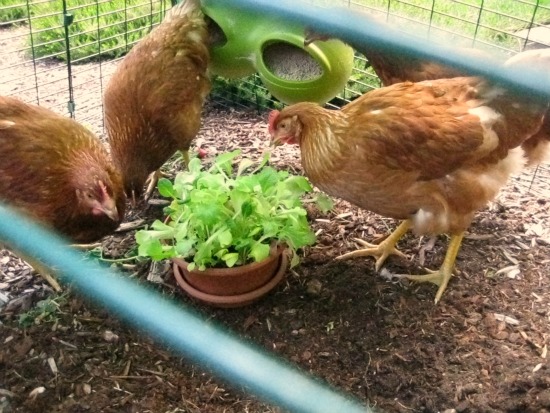
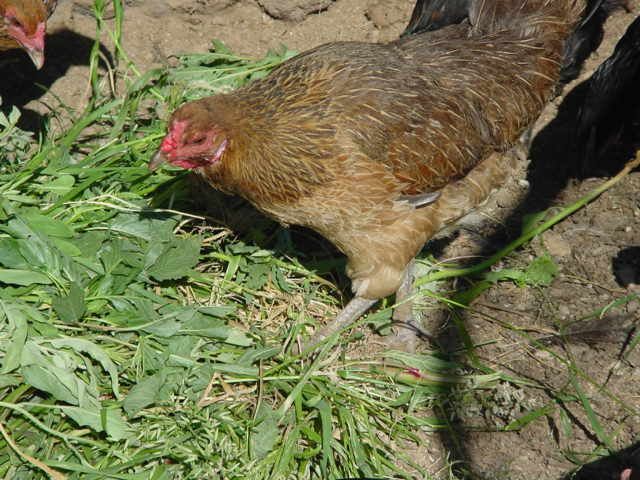
As we all are well aware that chickens eat green plants for their survival. If green plants are the food than why not provide with such green plants that does not only satisfy their basic need, that is food, but also keeps them healthy and reduces the chances of getting any worms in chicken. In order to provide them with useful herbs, you need to make some good room for the chickens. Chickens can be more happy and healthy when they have plenty of room to walk, spread their wings and find their food themselves. Keeping them in fence cannot fulfill this purpose that accurately as this is practiced for the convenience of humans and keeping chickens away from predators. The important herbs that are useful for the health of chicken and also so that they could lay healthy eggs are comfrey, garlic, chickweed, elder, hyssop, feverfew, nasturtium, tansy, lavender, kale, Gotu Kola, and nettle.

 Some Herbs and their benefits

The herbs that are mentioned above have separate benefits for chicken. These are described below.

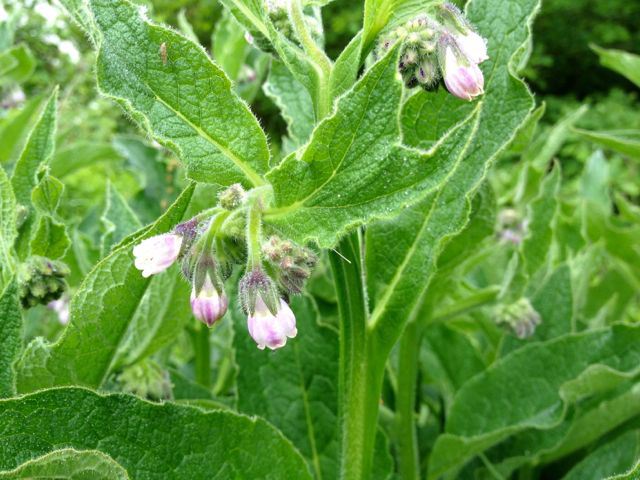
Comfrey:

this herb is filled with tonic food and protein and has a high level of calcium and potassium in it. This herb is also beneficial in providing amino acid. Feeding this herb daily to chickens will not only help them in being healthy but they will lay eggs with golden yolk as well.

comfrey for chicken health

Chickweed:

This herb is very common and it grows in the cooler months. This herb is on the top of the list that is liked by chickens.

Chickweed FOR CHICKEN

Feverfew:

This herb is effective in controlling mites and lice that possesses some serious threats to the health of chickens. This herb produces self seeds and ample of flowers. These flowers and leaves can be converted in to a tea and then sprayed to control mites and lice.

Feverfew for chicken

Gotu Kola:

This herb grows in areas that are partially shaded. The leaves of this herb are very useful tonic for chickens and this herb can also be used for some of external skin conditions.

Gotu Kola for chicken

Nasturtium:

This herb has antibiotic and antiseptic characteristics and helps in repelling the insects away from the chicken.

Nasturtium for chicken

Nettle:

 This herb not only is rich in minerals and vitamins but also it prevents chicken against worms. This herb can be added with comfrey after drying it so as to give a boost for laying eggs.

Nettle for chicken

Herbs and chickens health

Some of you may have experienced that the chickens which you have been keeping in your backyard or on your farm are getting less active and are often seen in unhealthy shape. This may lead to death of some chickens as well. If you are providing them with proper food, water and shelter and wonder why still this is happening, so the reason is their declining immune system. The reason in the declining of chicken’s immune system is unhealthy diet. You may have been providing proper feed for hen but sometimes that is just not enough. Giving them proper diet which includes useful herbs is also very important. These herbs have the necessary proteins and vitamins that do not only strengthen the immune system of chicken but also helps them in fighting with any parasites in chickens. The stronger the immune system is, the healthier is the chicken and will also lay healthy eggs. The immune system not only helps the chickens to fight with parasites but also to counter lice and mites diseases that may not only affect the health of one chicken, but may also affect other chicken as well. Besides the fact that these herbs help in maintaining the immune system of chickens, there is one also additional benefit received from these herbs. These herbs not only make the immune system of chickens more defensive but also provide the necessary calcium and proteins that helps in the nourishment of these chickens. As healthy the chicken will be, there are greater chances that the egg laid by the egg laying chickens will also be rich in protein and calcium. And when these eggs will be used as a source of food by the people, they will also have a better and healthy life.

Above are some of the benefits discussed of using various herbs for the proper nourishment of chickens and why they are essential for the immune system of chickens as well. So if you think that the food which you are providing to your chickens is enough, than think again. This information will help you to keep your chickens more healthy and active and the herbs mentioned will help the chickens in fighting various diseases as well.

Here is more information on types of herbs,their benefits and how to use them

http://orgprints.org/20460/1/sb_poultry.pdf