Category Archives: Knowledge Centre

Current picture of poultry farming in India 2012

The poultry farming sector of India has attained a lot of success over the past few decades as it has been among the most rapidly growing industries here. The growth and progress has been due the investment that has been poured in by the government and private sector. This exposition is to give you an idea about the various features and trends of development in this industry, the driving forces behind such trends, and developments and the predictions which can be derived about its future.

History and development of poultry industry in india

If you gather the statistics of the past three decades or so, you will find that Poultry farming in India has been a huge success. Stats show a 2 percent increase per annum in the agricultural production during the last 30 years, while the rate of increase or growth in the poultry sector has been a dominant 8 and the recent trend is 12 percent which gives an idea about how well this industry is doing. Its annual turnover is closing in on 10,000 US dollars. If you look at the statistics of the growth in the population of livestock exclusive of poultry, the trends are mixed because there have been a rise and fall. But if you move towards the livestock population of poultry, the rate is continuously on the rise with every passing year. Poultry business in India is now going through various structural changes among which most of them are just in the discussion phase. Emphasis are being laid on devising methods for enhancing vertical coordination between the supply channels that will enable to lower the transaction costs even further. Similarly steps are being taken to maintain the balance between production and imports of poultry item so that the local producer is not harmed and neither the prices are inflated. The main structural change has been the increase in the integrated producers which are merging feed milling, breeding contract growing and are fostering improved production and reduction in marketing costs. So the gist is that the present is showing the same positive indications as the past and the rate of growth is expected to increase even further.

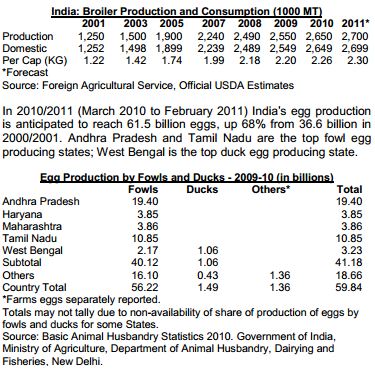
Poultry production and consumption trends in India

Poultry production and consumption trends in India

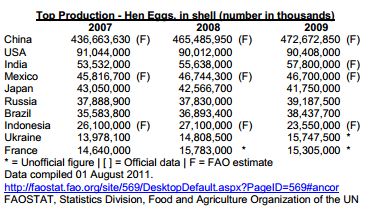
A population of more than one billion and an increase in growth of 3 to 4 percent in per capita income on annual basis, India is proving its potential for commercial Poultry farming. The production and consumption figures for poultry meat and other poultry items have been continuously on the rise. Though the government very rarely publishes authentic data on the growth and production of this sector, the market research by different experts have suggested a substantial increase of 15 percent as compared to the past 10 years. India is among the top three largest egg producers of the world and is also a very prolific broiler producer. The rise in the consumption and production trends has also to do with the approach of the people as they are now getting more inclined towards the use of poultry meat rather than veal, beef and the Buffalo meat. This shift has given investors the urge to invest more and more into this industry and the result is the increased Poultry production in India.

india poultry

Broiler and Layer growth trends and investment opportunities

The annual average growth which is being shown by the broiler industry is about 10 percent and has been characterized as steady but volatile. This steady and effective growth is the result of the expansion in the middle class of this country and the rise in their demands for protein affluent food. Though the demand is increasing but the production faces fluctuations due to factors like overproduction and avian influenza. Year 2008 saw a rapid fall due to A1 outbreaks and rebounded back on the path in 2010 after which the trend has again been a rising one with average between 10 and 15. 2012 has set a new record of broiler production i.e. 3.2 million tons.  Similarly the layer industry is showing increased growth due to increasing demand for protein with low costs. Products of egg powder of India have a strong demand in Africa, Middle East and Asia and this is also promoting the growth. So the country has many opportunities for investment in the broiler and layer industries.

egg and layer production

Significance of poultry meat and eggs in country’s export

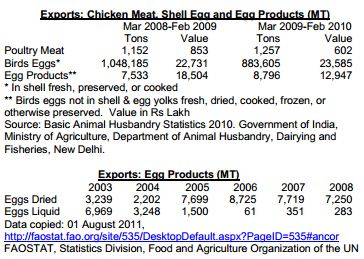
Though India is the leader when it comes to the population of cattle and animals, its exports of poultry meat is not at the most convincing level as compared to its potential. The reason is the undeveloped meat processing industry. Egg exports and exports of other powder egg products have always been on the rise which is due to factors like cost competitiveness and other logistical advantages. The low cost poultry meat which furnishes people with desired protein has increased its importance as compared to other meat like veal and beef. The poultry exports of India for the current year have been on the higher side with 503154 million tons but are low as compared to the potential of the industry here.

poultry exports

Various positive reforms are being introduced to promote the industry even further and provisions for effectiveness of facilities such as environmentally poultry control houses/shed in India are being made.  Poultry farms in India or India poultry farming industry is taking the country to new levels of progress.


10 Tips for keeping chickens warm in the cold weather

With the start of the winter season, it is vital for the people who manage a backyard Chicken coop or are in the poultry business to take necessary steps to ensure the health and hygiene of their Chickens. So it’s important for them to understand the precautionary measures needed for raising Chickens in winter. As the winter season kicks off, the Chickens have to face difficulties like cold water and their bodies also tend to get cold which cuts down on their egg production to low or zero level. So how to keep Chicken healthy and happy in the winter season is what this exposition deals with. The Chickens which are free ranged surely outweigh those which are controlled reared during winter season. The basic theme behind this exposition is to how to develop suitable Chicken coops for winter, and this can be done by bringing some changes in your existing coops so that the Chickens remain warm. Following are some tips which can be used for the purpose:

1.       Chicken roosting

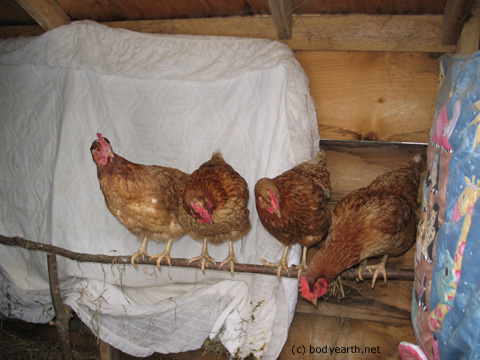
Chickens have a natural way of keeping warm and they achieve it by keeping their feathers fluffed at the night time. This natural methodology is called Roosting and Chickens do it in a group by roosting together and sharing the heat of their bodies. To facilitate their method, the caretaker of the coops should increase the space for roosting by 8 inches for every chicken. Increase the level of comfort in the coops, and it’s also good if one adds more Roosts to the coops.

rooster

2.       Light control

Pineal glands of Chickens have a strong influence on their laying ability and these glands are controlled by daylight. Sixteen hours of light are needed for facilitation of maximum egg production, and such light is short in winter as compared to summer due to short days and infrequent sun exposure. So for keeping Chicken in winter at a suitable level of egg production, caretakers need to add 1 or 2 bulbs of incandescent light and the bulbs should have a power of 60 watts. A timer can also be used to prevent the effort of switching the lights on and off.

light in coop

3.       Warm water

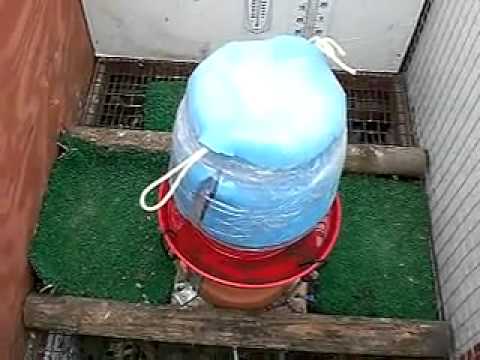
Water in the Chicken coops tends to get very cold in the winter nights and they drink such water in a lesser quantity which cuts down on their desired level of intake. This can be prevented by adding heater bases under the galvanized metal containers in which the water is placed. Such heaters are easily available in the market.

water heater

4.       Provision for insulation

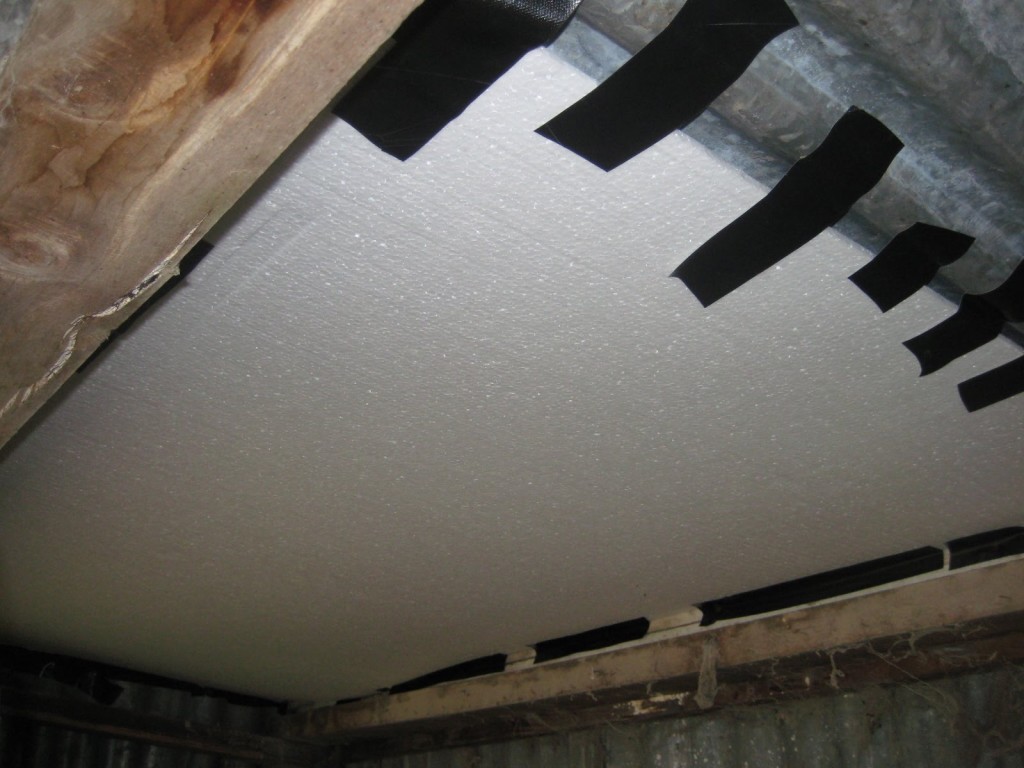
Insulation materials should be used on the inner surfaces of the coop to facilitate conservation of heat.

insulation in chicken coop

5.       Proper Ventilation

The coolers which are normally used in the coops to prevent it from overheating during summer, should be utilized in winters as well because they are necessary to remove out the stale or dry air which blows in winter. This also ventilates the coop and provides it with fresh air which is important for healthy growth of Chickens.

ventilation in coop

6.       Depth of litters

Another easy provision which one can make to keep Chickens in the winter warm is the utilization of deep Litters. Slow composting of the litter and manure emits back heat into the coops and keeps them warm. Use about 4 inches Litter in the coops at the start or the summer season. Then add enough quantity to make sure that the coops remain dry and clean throughout the summer.  By the start of winter, the depth of the litter will reach about ten inches deeper and this will facilitate the release of proper heat in the coop. when the Chickens scratch on the litter, it turns and aerates it. This can be done by spreading out some grains on the surface of the litter in the coop for inviting Chickens to eat.  Pitch fork can also be used for turning them.

deep litter in chicken coop

7.       Provision of corn

Providing Chickens with some cracked corns to eat in the evening will ensure that their digestion process continues in the night because this process keeps them warm and happy.

corn to chicken

8.       A space to move around

A little exercise or walk here and there is good for the health of the Chickens and it makes them happy. If you have a congested coop, you can always built a greenhouse style shelter or a cold frame other than their coop. Give them some time out of the coop under the aforementioned shelter where they can move around and get knotty with their feathers. This allows them to obtain some fresh air which is good for growth.

provision of space

9.       Provision for protection from frostbite

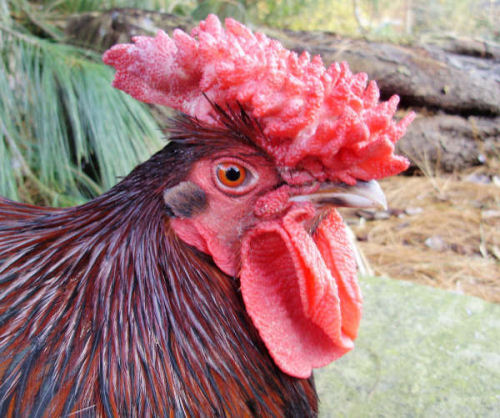
Many breeds which feature wattles and large combs are normally vulnerable to frostbite in severe winter climates. This can be prevented by smearing the wattles and combs of such breeds with petroleum jelly.

chicken with large comb

10.   Provision for snow

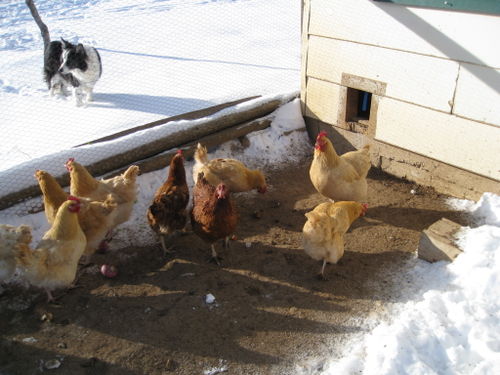
Backyard Chickens in winter or the other Chickens do not like to walk on the snow when the temperature is in the range of 20 degree Fahrenheit. The best thing to do here is to scatter or spread Straw or Hay on the surface for making it more acceptable for them. However, the case is different when the temperature is around low 30’s as they don’t seem much hesitant or reluctant to walk on snow at such temperatures.

provision of snow

So Chickens and winter season or Chickens in the winter requires you to be extra cautious and proactive.

Chicken Egg Candling Guide

Candling chicken eggs is an important part of poultry production, especially when it comes to carrying out observations about the growth of egg overtime. There are a number of phases through which egg passes before getting into a complete shape. The procedure used to observe the development of the embryo that lies inside the egg, is mainly done through the use of a bright source of light. It is this light which helps in getting an idea about how much the being has developed inside. The reason for which the procedure has been named candling is all because initially candles were used to observe the development and growth of the egg. Yes, this was indeed quite long ago. The modern lamps differ from the conventional lamps in a number of different ways. The modern lamps make use of a strong beam of light which is concentrated at one spot. Furthermore, now days LEDS are also being preferred due to the ease they come to provide being efficient, powerful and portable.

Why is candling so important

In addition to pointing out the growth of an egg, candling also helps in gaining about the fertility of the egg and the levels of weight loss that might occur from time to time. During the time of incubation, the eggs do need to lose nearly 13 % of their overall weight which should be monitored at all times. Moreover, it is this procedure that is going to helpful in identifying the dead or expired embryos before the egg comes to explode. It is all done to avoid the spread of germs which the exploding might initiate. The process of observing the incubation of chicken eggs is best done when the mother leaves the nest at regular intervals. So, this is the right time to make use of the chicken egg Candler. In times of extremely dry conditions, then an increase in the air sac size might be seen. In such conditions, the humidity of the chamber should also be increased to compete with the dry conditions. If the air space appears to be smaller, then the opposite mechanisms are applied.

Knowing the Viability of an Embryo

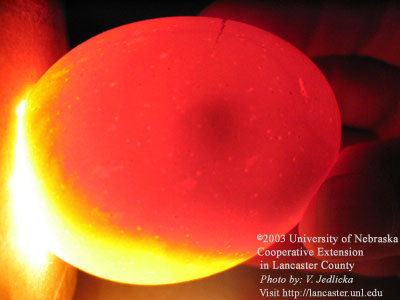
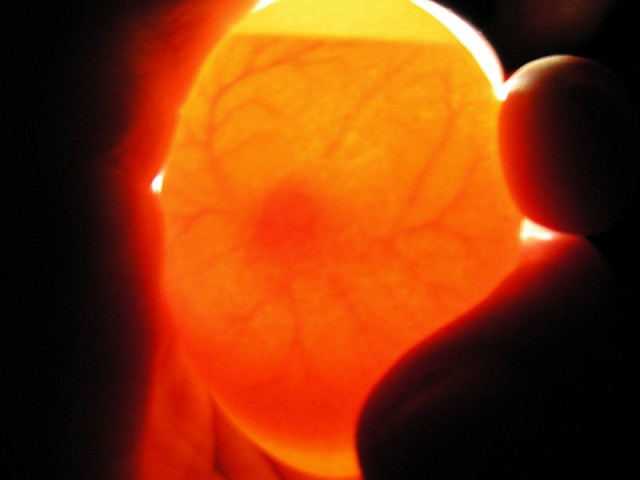
In the presence of a candling lamp, the embryo comes to look like a very dark shadow. The embryos which are healthy would eventually come to respond to the use of light. The time required for the movement might vary, but on when the time lies between 30 to 40 seconds, then it is a possible indication that the embryo is not healthy. Furthermore, looking at the blood vessels which are quite visible is also necessary for monitoring the growth. If, in case the embryo dies, then the blood vessels start to deteriorate quickly and soon come to appear like streaks that lie under the shell. Infertile eggs are quite easy to detect and must be discarded at the very first instant. Moreover, as mentioned earlier, the absence of movement is also helpful in knowing about the deaths, but the viable ones are those that respond to the light. Yes, hatching chicken eggs is not as easy as it might initially appear to be.
egg embryo

viable eggs

The Procedure

It is best if you candle the eggs in the evening time. In addition, you can also do the candling when the lighting conditions happen to be dim. Now here we have the equipment which is used for the procedure:

  • Pencil
  • An egg candling device or torch
  • Cartons of eggs

Procedure

  • First of all remove the eggs from the areas of the incubator and then place them in the allocated cartons
  • Dim the lighting conditions or it is better to do this in the evening time
  • Check out the embryo for each egg in front of the candle or the device you would prefer to use with an efficient amount of light
  • Remove all the eggs you find infertile and separate them from the healthy ones
  • Return all the healthy ones to the incubator
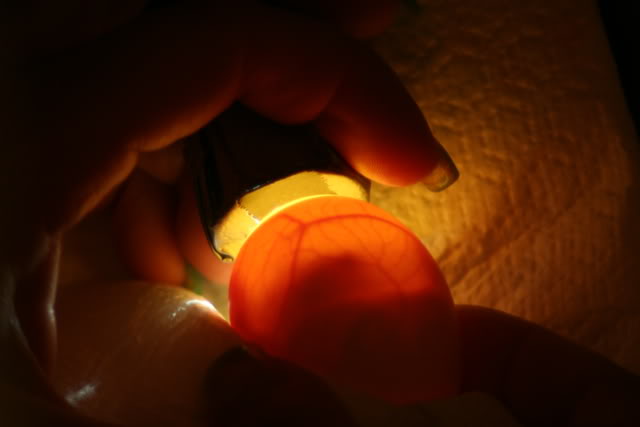
egg candler

Timeline for Candling

The best time to initiate the procedure is 3 days after incubation or on the 4th day of the incubation. In case of the fertile ones, you would see a dark spot and even some movement, but that might not be the case with those that are infertile.


Green Roof Chicken Coop Plans

The living green roof is more like a structure having an over parking, which is used primarily for management of environmental problems that may arise from time to time. Raising chickens in the backyard is not something new to humanity. It is one of the top growing trends in the urban as well as rural areas. The reason for this might be the profits linked to the sector. Having a normal or a green chicken coop may not be conducive for you at all times, as the normal chicken coop designs come to undermine a number of environmental effectuations in raising backyard chicken. These environmental effects may cause a great deal of damage to the health of the domesticated animals. Furthermore, there are also high chances that the animals might also be exposed to a number of diseases in making use of the normal or poorly made chicken coops. Not to panic, as there are a number of green roof chicken coop plans and chicken coop ideas that provide the solution to all your problems.

green roof chicken

Benefits of Green Roof

Using a green roof is one of the best decisions you are ever going to take for the domestication of the animals. It comes to provide a more breathing space in general and also helps in transforming the entire dull space into something more appealing. Furthermore, it also empowers you to make use of some weather hardy and durable plants of your own choice and also the ones that are advantageous for the health of the animals at all times. They also come to offer thermal insulation for the domesticated animals that are to be kept beneath them. In addition to this, they also come in handy in reducing the effectuations of the urban heat that may have a negative impact over the health of the animals. Every now and then you might have heard that most of the animals kept in the poultry setting die all because of the use of some poor roofs. Here comes the question of how to build a green roof and the top chicken coop designs.

benefits of green roof

Steps in Building a Green Roof and Materials Needed

First of all build the upper portion with some wood retaining edge so that it may hold the plants and animals in place. You can vary the size and height of the edges depending upon the weather and the materials you make us of. You can also secure the corners by using L Brackets which are designed for the purpose of being used in making green roofs. Secondly, spread out the entire weather proof membrane directly on the inside of the roof. Furthermore, make use of some equal portions of sand, gravel and other materials for adding the recommended depth for being used in drainage and related purposes. Also make use of some mulch with the soil for the plants. It is best here that you make use of the plants that can grow best in this setting. Now here it is crucial to note that the roofs having even the slightest of slant might come to facilitate the collection of water. This collection of water can really cause a big problem for the entire structure.

building a green roof chicken coop

Cost Estimate

The costs for building such a roof might vary depending upon the cost of the materials, the payment to be made to the lumbers and also on a number of other factors. If you make use of the materials with the highest levels of quality for a cool chicken coop, then the rough estimate might come to be around $ 400 to $ 500. “But here you can also make use of the green wood which would be useful in lowering down the costs. There are also a number of chicken coop plans which can be used all of which depend on the number of birds to be kept, environmental factors and personal finance are shaping up for such a project.”

10 Best Egg Laying Chickens To Keep In Your Backyard

Poultry birds have been domesticated for thousands of years now. These birds have existed since times when the process of selective breeding was first initiated by man. The physical and physiological traits that are used for classifying and categorizing chicken breeds are size, skin color, levels and amounts of feathering, the color of the egg and plumage color. In the 21st century, the chickens are being breed by making use of several standardized patterns of breeding, due to which a number of breeds of poultry have come into existence. These standards have been brought into practice by various countries including USA, UK, Russia, China, India and many more, just for the production of different breeds of chicken.

You may like to see other types of chicken breeds such as white and black chicken breeds, heritage chicken breeds, rare chicken breeds, and small chicken breeds.

Now here we have the 10 most famous and best egg laying chicken breeds.

Barnevelder

The reason, for which this best egg laying chickens breed has been named in this way, is due to its specific area of origin, which is situated in Holland. The city, after which it has been named, used to be a dominant and the primary center for egg production in the country. This chicken breed is able to lay nearly 200 caramel and brown colored eggs on an annual basis.

Barnevelder breed

Rhode Island Red

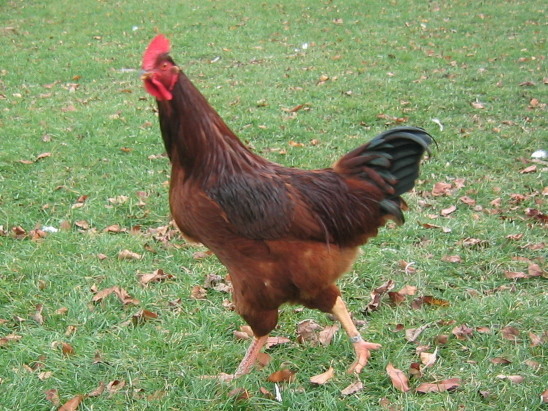
This is one of the best egg laying chickens breed that is known to be the most famous farmyard class. It lays around 260 per eggs on a yearly basis, thus taking it to the number 1 spot in terms of the best laying chicken by any pure breed. The origin of this backyard chicken breed is the Rhode Island area in The United States.

rhode island

Light Sussex

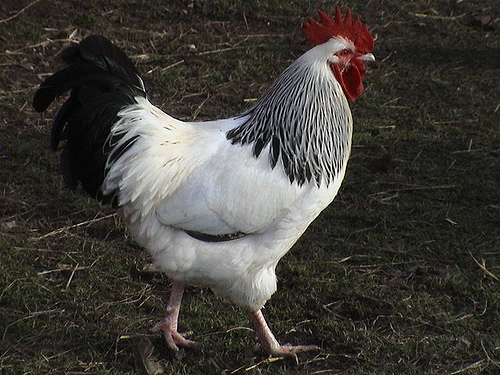
The eggs laid by this egg laying breed are light brown or cream colored being around 260 on annual basis. It is considered to be a well-known show bird and generally friendly in comparison to other common chicken breeds.

light-sussex-rooster

Buff Oprington

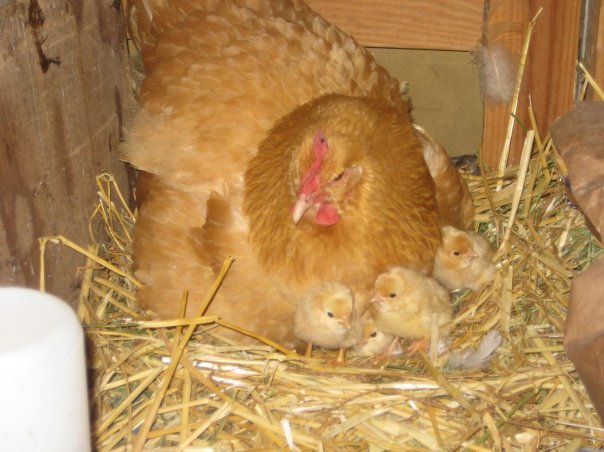
The egg laying capacity for this chicken is lower in comparison to the other breeds on the list but on the other hand are good mothers,as they often go broody.

buff orpington

Welsummer

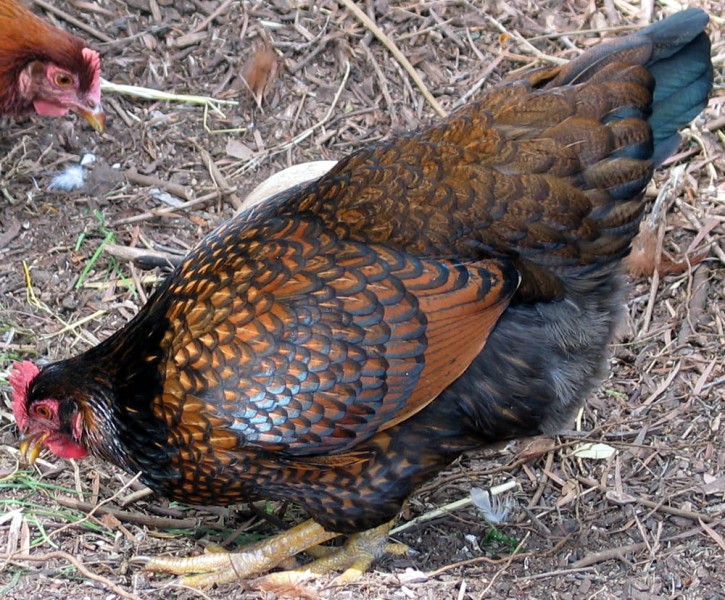
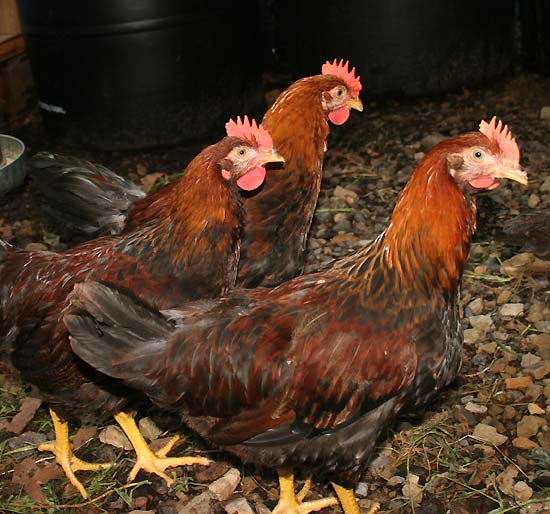
The origins for this egg laying breed also traced in Holland, in the village named Welsum. They are able to lay nearly 200 eggs yearly and are in fact, a cross breed of Barnevlder and Rhode Island Breeds.

welsummer

Black Rock-Hybrid

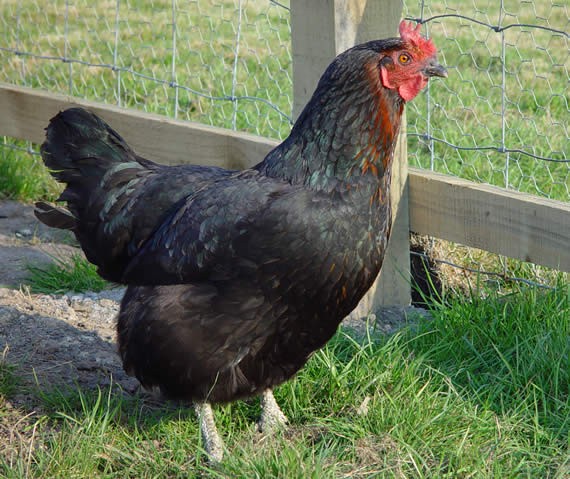
This one of the best egg laying chickens breed which is more like a hybrid of the Rhode Island and the breed of Plymouth Rock. Their plumage and the high egg laying rate make this breed as one of the most desirable as well as affectionate.

black rock (hybrid)

Specklady Hen-Hybrid

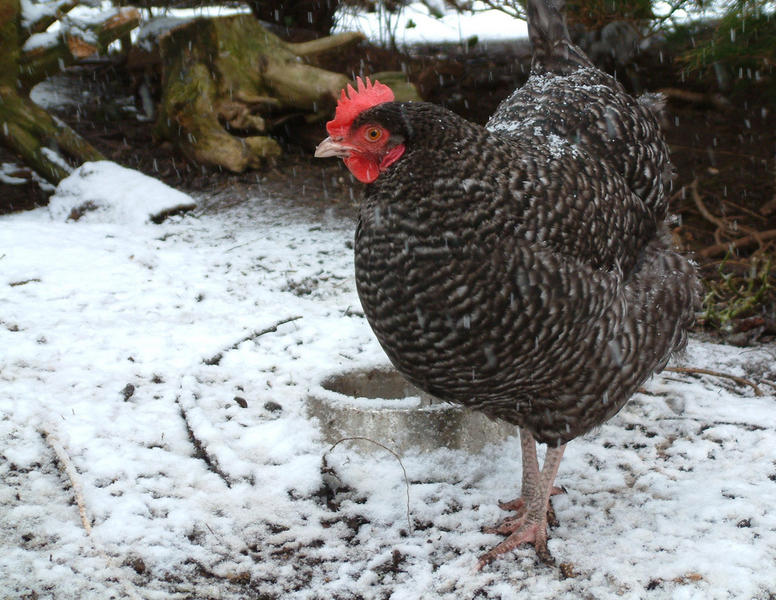
In addition to laying nearly 260 eggs per year, this egg laying breed was formed using the French Maran Hen. The eggs laid by them are dark brown in color. But it is imperative to remember here, that this breed consumes more food and nutrients in comparison to others.

Speckledy Hen (Hybrid)

Japanese Bantam

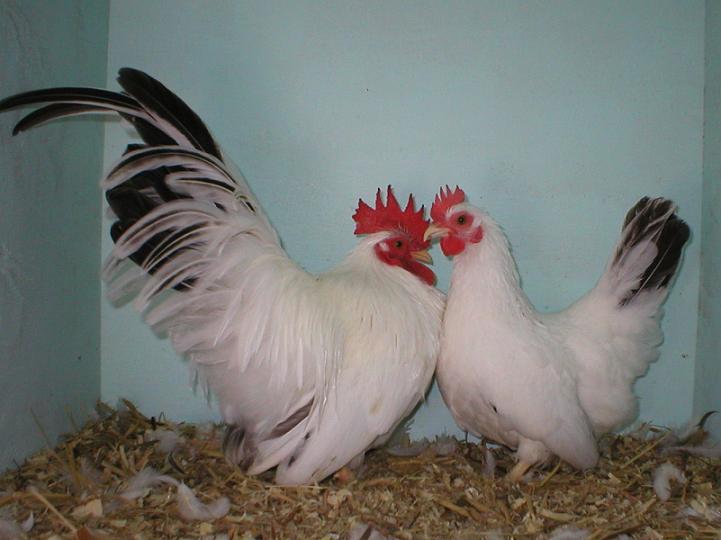
Being a Bantum Breed, these chickens are one of the small chicken breeds and also come to lay smaller number of eggs on a yearly basis. Most of the times, they are used as pets.

OLYMPUS DIGITAL CAMERA

Polish Bantam

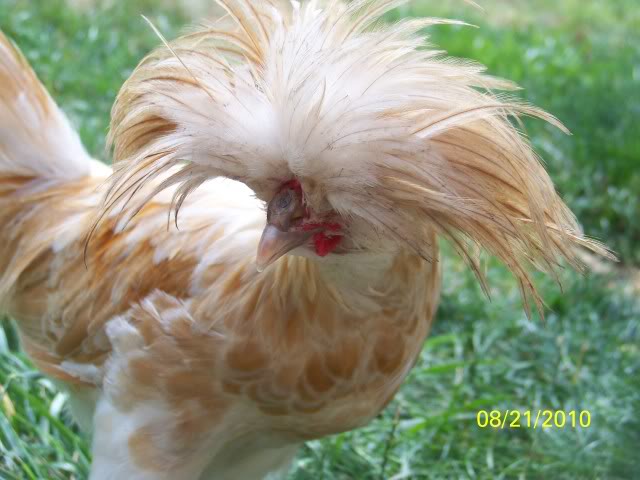
The reason, for which this breed is costly, is all because of its puffball crest. In addition to have a good egg laying capacity, this breed is also tamer than others.

polish bantam.67pg

Araucana

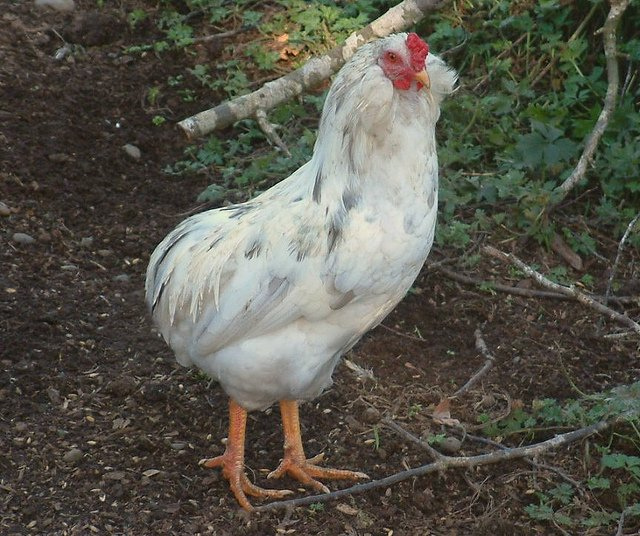
The eggs laid by this hen range from pale blue to green colors. It is marked by having no tail and is also a bit difficult to find, but is still included in the most popular chicken breeds.

Araucana


Poultry Nutrition Guide for Backyard or Free Range Chicken

Providing the flocks with some effective and proper nutrition is indeed a crucial factor that determines the success of a poultry business. In addition to this, a good management strategy is also useful for getting the most out of it. Moreover, the type of nutrition to be provided depends on the type of flock to be reared and raised. The chicken feed and nutrients which are required for bringing up the free range or the backyard chicken are quite different from the ones that are used for the commercially domesticated animals and birds. The backyard chickens and flocks are also able to acquire their diets from the environment in which they live in. Now here, some of the poultry producers might want to ask about the DIY method of preparing the food. It is recommended that you always go for the ready made diets which are supplied by some reliable poultry diet companies. The reason for which DIY is not quite conducive is all because of the amount of expertise and time that is required for doing the job with the maximum levels of perfection. Depending on the amount and type of birds you have, you would be advised on the type of feed you should make use. All of the nutrition and feeds which are used at the poultry farms consist of various components.

Nutritional Components and Their Role-What do Chicken eat

Almost all of the diets used in the poultry settings contain proteins, carbohydrates, various minerals, vitamins of all forms and fats, all of which play specific roles in the health of the birds and animals. As mentioned earlier, these feeds do vary for the commercial flocks and for those brought in the open environment. These backyard flocks are not brought up in an intensive manner and may also not involve using large amounts of nutrients. But the component which is required for both of them is the protein. Proteins play in a vital role in the process of egg making and in the meat of the animals. The same also applies to the use of calcium by these chickens, so that they might develop stronger bones and for making the shells around the eggs that are laid. These components are also important in facilitating the animals in combating the various diseases and virus attacks that might attack them at times. It is through the use of some vitamins, proteins and other nutrient components that the birds might come to form immunity against these recurring attacks.

feeding chicken

Nutritional Requirements for Broiler and Layer-
What to Feed Chickens

All forms of broilers and layers require proteins and other components of poultry nutrition and feeding which they use in carrying various survival and reproduction functions. In addition to the role of protein in egg production and shell formation for laying birds, it also ensures that all the resulting amino acids are supplied to the regions of the animal’s body where they are required. Furthermore broiler requires the use and consumption of proteins in terms of their overall growth and in the process of feathering. It is the reason for which the meats of the broiler which lack in proteins are not considered to be suited for the use by humans. Lack of proteins and amino acids has shown to cause a number of abnormalities in the physiological mechanisms of the birds and chickens.

what to fedd  chicken

Tips for Feed Selection and Storage

In selecting the livestock feed, you should ensure whether or not it is suited for the birds that you are keeping at the farm. Try to buy only those amounts of feed which you would easily be able to store at the premises of the farm. Furthermore you should also ensure that all possible arrangements are made, so that the feed might not get old. Now here the temperature at which the feed is kept is also important, as you would be required to keep the storage cool and dry for minimizing the chances of humidity. The high humidity levels (above 12% to 14% in feed) can lead to the formation of molds and for the growth of other microorganisms on the feed.

feed storage

What not to feed to the Backyard Chicken

How to Make Chicken feed

Just like some of the components can come to impart a good health and growth for the birds, there are also various other components that can generate the opposite reaction. You would need to make sure that the birds are not able to jump into the feeds and do not leave any sort of waste materials on it. The feeders should be cleaned and maintained on a daily basis, so that the animals might not come to consume the intoxicated foods. The fecal materials can also initiate the formation of a number of viruses and pathogens that can really pose some great harm to the health of the feeding chickens and birds. Moreover, if all the birds do not get an access to the feeders, this might also effectuate the health of these birds in a bad manner.

how to make chicken feed

All of these poultry nutrition facts need to be followed in the way they have been indicated.


Rearing of Turkeys at Your Backyard

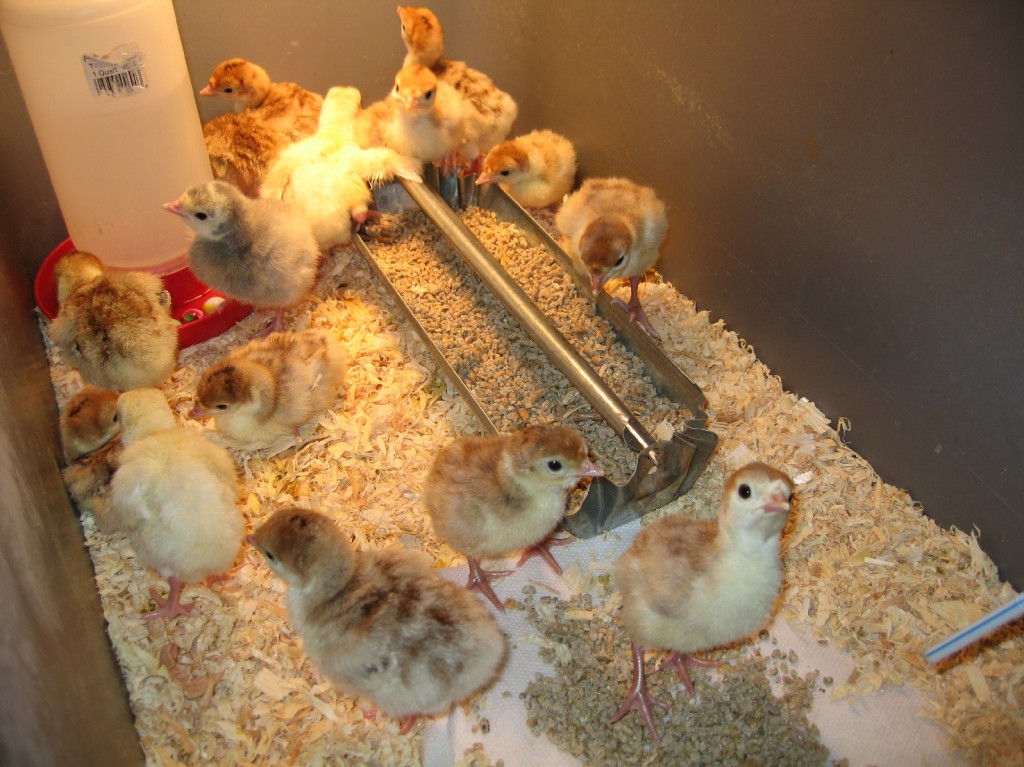
Most of the private and home based farmers widely consider raising turkeys for meat. The best and most affordable manner in which the goal can be achieved is by making use of the day old turkeys. But before your consignment of turkeys arrives, you should prefer to set up an area for the brooding process. The same is done at the Locust Grove Farm, which is a top notch professional poultry producer. Moreover, it is also crucial for making arrangements for keeping the birds and other domesticated animals warm at all times. In lines to this, the temperature should be maintained in the range of 90 to 100 degree F. After keeping the birds in this temperature for a week, next you should make use of the lamps for lowering down the floor temperature.

day old turkeys

At the same time, you also need to make use of some sufficient number of feeders and water kits for the birds. For example, if you have 25 birds to look after, 1 or 2 kits would be more than enough. For the second week, you would need to increase the roaming area of the birds. As the birds grow at an agile pace, their need for more open areas is notched. Very soon the birds start to climb the water kits and feeders which is a clear indicator that the birds need to roost. These facets hold a great deal of significance in terms of raising baby turkeys or raising turkey poults. The birds should only be confined after this time period if you feel the temperatures outside can get aversive and dangerous for them.

Pre-requisite Field Operations

Making use of a more developed roost assembly and allowing the birds with some more pen area is imperative for the normal growth of the animals. Now here, by growth, I mean the development in physical and psychological dimensions. The turkeys must be allowed to live outside in the range. Range is used to refer to the grazing or the area for pasture. For optimal results always make use of the area that has no sort of trees. The same applies for farm raised turkeys. Medium red clover together with the Kentucky bluegrass should be used for the pasture area. The idea here is to offer the birds with a humane treatment. The area which is allocated to the birds should be large enough for the needs of all the birds that are being domesticated in it. Nearly a dozen turkeys can be allowed to roam in an area which is about 1/8th of an acre.

open area for turkeys

Fresh Supplies-Food and Water

For the free range turkeys, the feeders and water kits should be in access to the birds. Moreover, you are also required to ensure some fresh supplies of poultry feeds and water all around the day. For this reason, you can also make use of the automatic water kits which are going to cut down the time required to do the process manually. In case if you have a number of mature organic turkeys, then you should use at least 2 gallons of water for their needs. The feeders and turkey growers used should be able to load 100 pounds of feed. The mature turkeys demand the consumption of some large amounts of feed.

waterer for turkeys

Visiting the Flocks

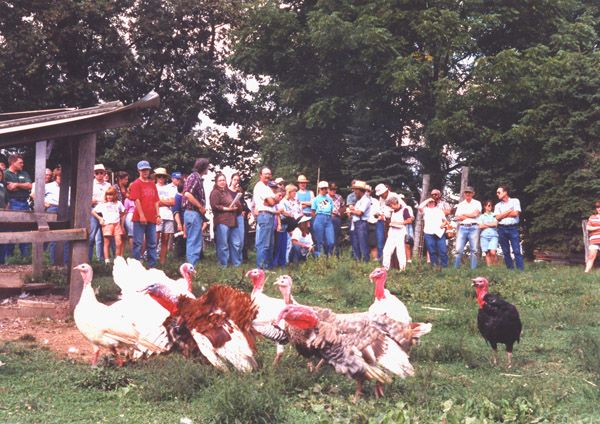
Rearing of turkeys also demands that you make regular visits to the animals, as they love to be in the company of some people. Moreover, backyard turkeys raising need company of human beings also happen to be well suited and adapted to all environments. At the same time, the strategy also ensures that no sort of violent behaviors are initiated in the mature turkeys.
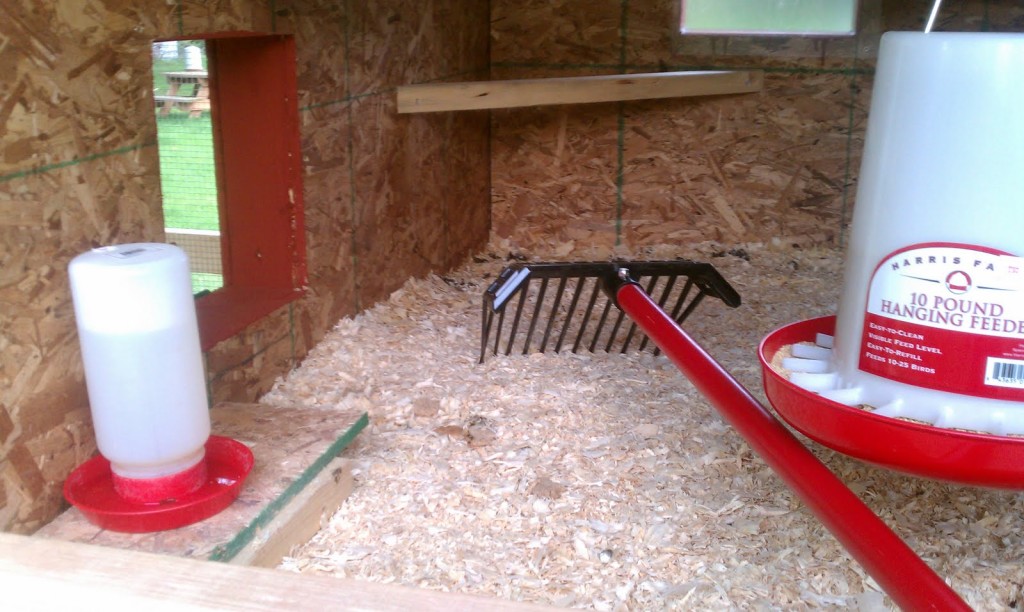
human friendly turkeys

Raising the Entire Roost

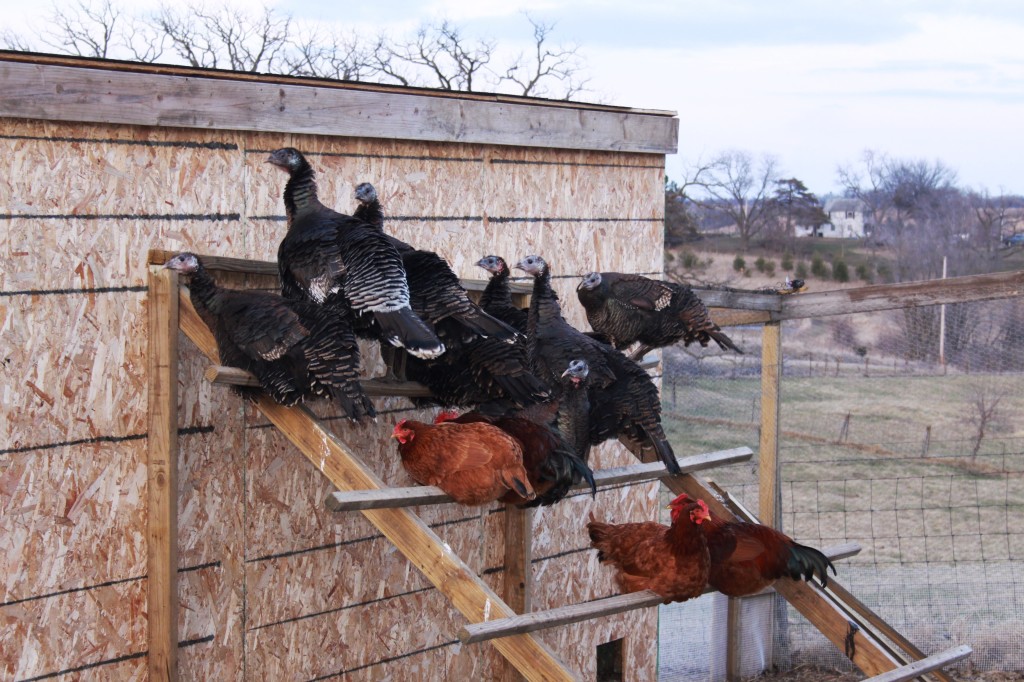
You should make use of a moveable turkey roost. In addition to ensuring the manure deposits do not get accumulated in a single area, the moveable roosts also come in handy for other purposes. For this reason, you will need to use a number of materials for raising the roost including frame supports, side frames, front and back end footers. In terms of the roof you can make use of the fiber glassed panels. The kind of roost you will need depends on the number of turkeys you plan to keep in the shelter.

turkey roost

Wild Turkeys Facts and Hunting

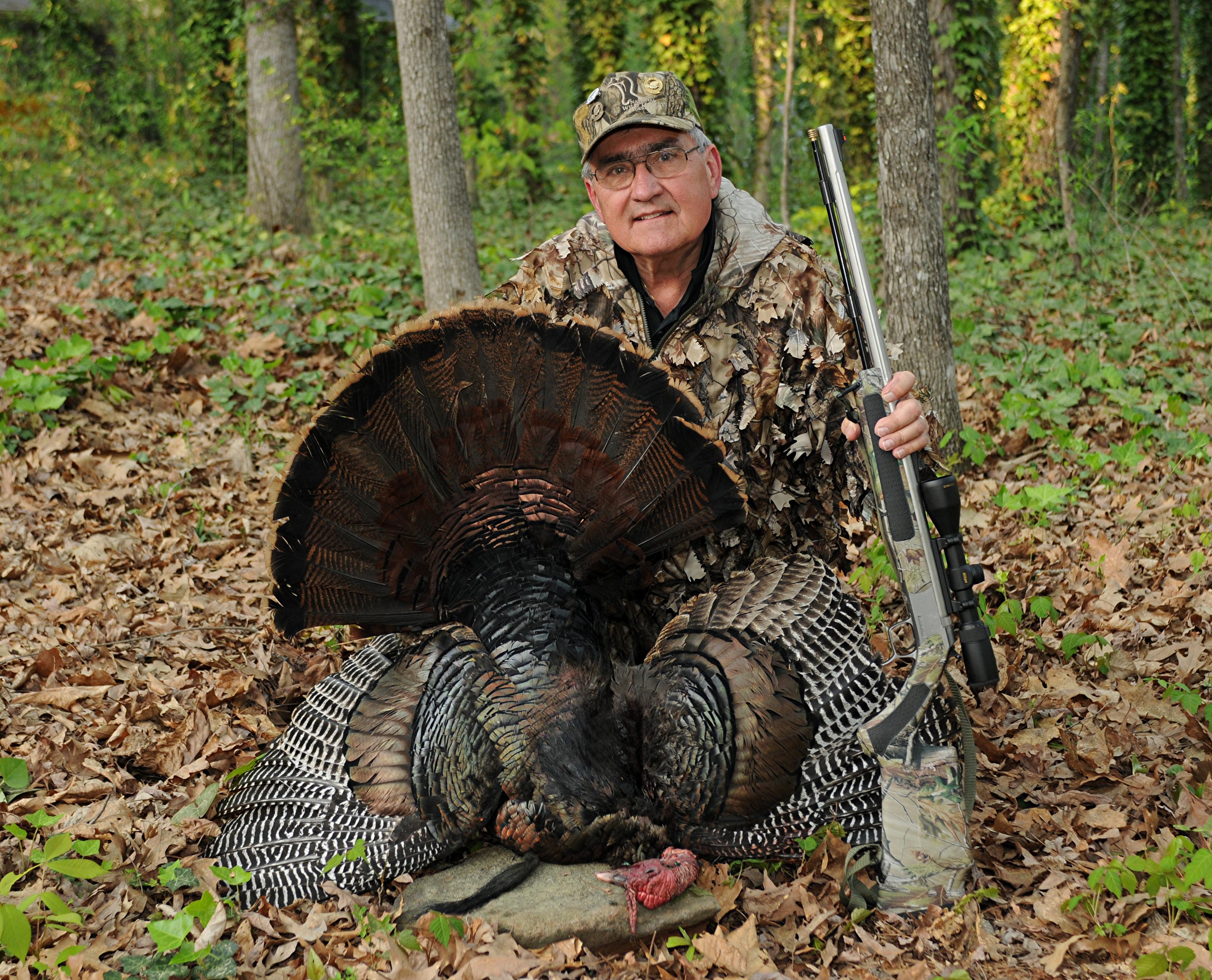
Hunting Wild Turkeys is a game that has always attracted a number of hunters from all corners of the world. Have you ever imagined going on a turkey hunt in order to find that there are no turkeys left? It would indeed be shocking to see something like this happen. In the 1930’s there did came a time where the wild turkeys had been pushed to the verge of extinction. But thanks to the collaborative efforts of a number of wild lives restoration programs that now the turkeys are present in abundance. Hunting Turkeys is like no other game, but you need to well aware about the policies and regulations in some areas before you plan to go for it. Below you are going to find some sound levels of  information about turkeys.
Facts about Wild Turkeys

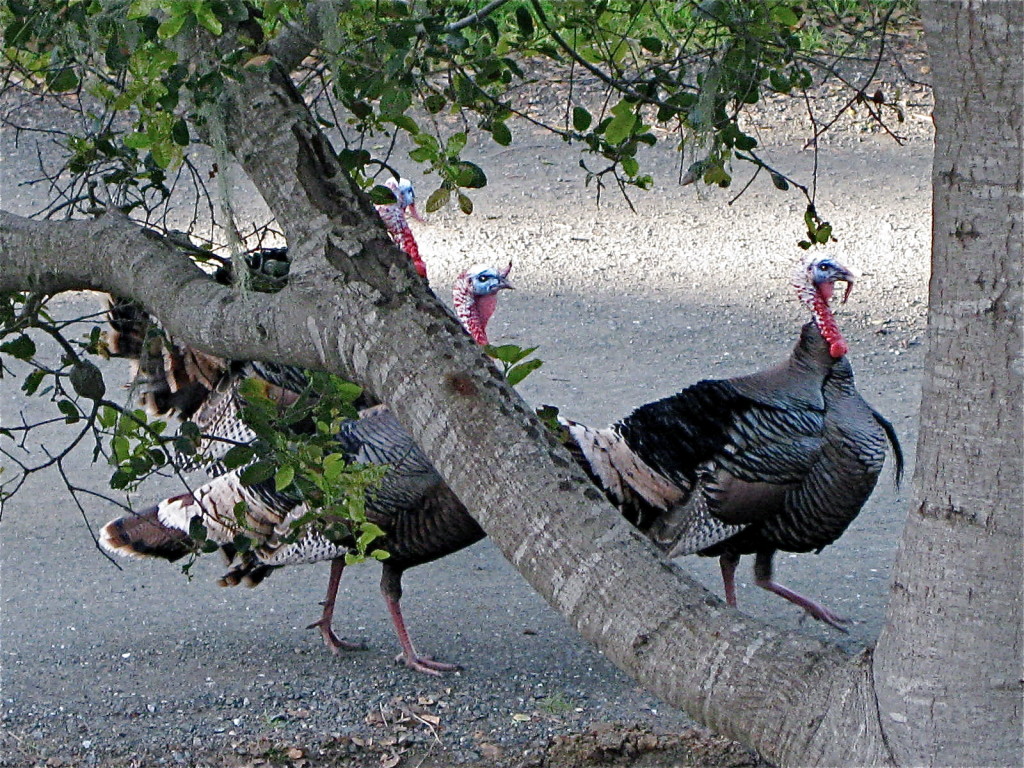
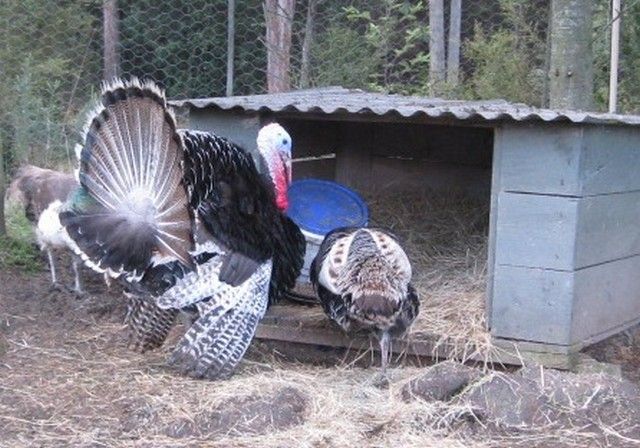
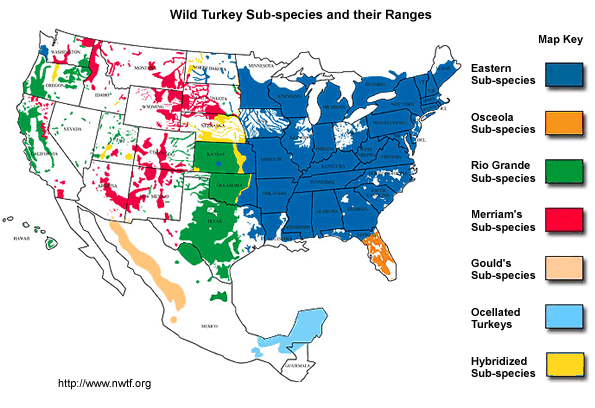
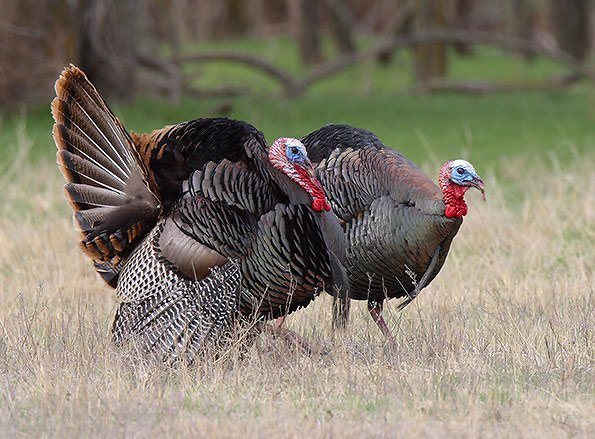
The wild turkeys are considered to be native to the regions of North America. They have been classified into 5 sub species including Rio Grande, Gould’s, Merriam’s, Osceola and the Eastern. All of these species are distributed across different regions of the continent. The most common among them is the Eastern which now ranges in more than half regions of the United States. On the other hand, the Osceola (Florida) ranges in the regions of the Florida Peninsula with Rio Grande that is concentrated in the Texas and Oklahoma regions.

wild turkeys habitat

In terms of the physiological makeup, an adult turkey has around 5000 to 6000 feathers that cover its whole body in the forms of patterns which are known as feather tracts. In addition to providing a warmth and dryness to their skin, these feathers are also useful in terms of numerous other survival functions. Moreover, its head and various other regions of the neck are featherless, but on taking a closer look you are going to find a number of bumps on its skin. The metallic glittering which is exhibited by the feather is known as iridescence, which can be seen in a number of colors like copper, red, bronze and green.

Distinguishing between the Males and Females

The two prime characteristics that can help level out the males from the females include spurs and beards. Both of them happen to have pretty strong legs that are covered with scales all over. Furthermore, both of them also have a small sized button spur at the back of their legs. Very soon after the birth, the spur on the body of the turkey gobbler starts to grow curvy and pointed. It can grow for about 2 inches in an agile manner. The gobblers also have a beard which grows out from the areas of the chest and appear to be like modified feathers.

wild turkeys

Visual and Running Abilities

In terms of their visual span, the turkeys are able to see clearly at the day time, but may not be able to do the same at night. Not to forget; their speeds of running which can reach to 25mph and about 55 mph while flying.

Patterns of Mating and Egg Laying

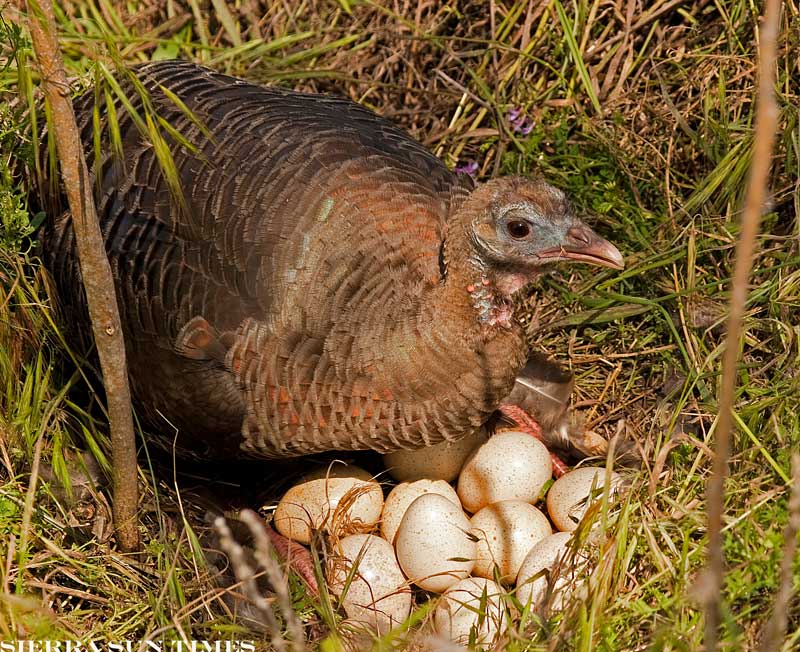
When the mating seasons approach ranging from the months of February and April, the turkeys are still flocked or grouped together in the areas where they were kept in winters. After the mating process has been carried out, the females start looking for the areas where they would be able to lay their eggs. Moreover, the hens are also able to lay around 10 to 12 eggs within a 2 week period. She would also incubate her eggs for a period of 28 days while turning and arranging them in a specific manner until they hatch out.

wild turkey eggs

hunting the turkeys

The question about how to hunt turkeys can be better grappled by using the information elucidated below.

So, where do the wild turkeys live? Well, these birds are believed to be in excess in US and Canada. In addition to honing your tracing skills, you would also need a number of tools to hunt them down. You should begin with locating their food source. In times of the summer and spring seasons, the turkeys are more easily found on the forest edges and in the open meadows, primarily because of the abundance of insects in these areas. After finding the area where their hunting is allowed, you should begin hunting at the onset of evening. Try to use the sounds of their wings and cackling in order to know their current whereabouts. Once you have traced them out, remaining quiet and still is what you should do. At the same time, do not forget to bring some 10×50 binoculars with you.

hunting turkeys

8 Revolutionary chicken coop designs

Do you have a passion for poultry farming? Enjoy the benefits of the best chicken coop designs.

Explore your poultry keeping options through the new and creative designs available at your disposal. Keeping poultry does not have to be stressful once you have mastered the art of backyard chicken coop designs. Chicken coops come in handy in poultry farming because they provide a conducive habitat for your chicken to lay eggs, rest and feed. They can also be the difference between a safe haven for your poultry and a death trap that is prone to predators that will destroy your investment and make you go at a loss. Building a chicken coop is not rocket science; one can easily construct a home made chicken coop that will serve its purpose effectively without incurring high costs.

Great chicken coop designs need to display creativity and have to be practical as well.

Some of the best chicken coop designs include:

EGLU Chicken Coop

Eglu Go coops which are designed by omlet are advanced and highly innovative. It has brilliant features that are guaranteed to make poultry farming successful with reduced risks. Such features include:

  • It is made of Durable plastic material which does not rust when rained on or harbor pests such as red mites
  • It is Predator proof hence guaranteeing your poultry a safe haven form wild animals
  • Egg cartons that enable you to easily collect eggs.
  • Water and feed containers
  • Attached run if you choose sized for2-3 standard or 3-4 bantam chickens
  • A secure wire run that grants effective restriction to prevent the chicken from straying as well as grant them adequate freedom
  • A spacious area that makes it easy to clean
  • Fair pricing that will ensure that you save on overheads cost while purchasing and maintaining the coop
  • A refund guarantee should you purchase coop that does not meet your expectations.
  • Open accessibility that enables you to purchase the coop from wherever you are.

designed by omlet

Chicktopia designed 

This chicken coop is designed by studio h and is  made of one hundred reclaimed sticks from a tobacco barn and has incorporated a modern architectural design that involves two skewed boxes that are able to aid in the construction of a cozy home for  your poultry.

designed by studio h

Cocorico design

Designed by Maxime Evard, this egg-shaped housing compartment by yankodesign is connected to a covered mesh area that provides a secure home for your poultry to play around and scratch freely without the fear of predators attacking them.

Maxime Evard design

Breed and retreat coop

This coop was designed by Frederki Rioje at dezeen who made sure that he came up with a modernized design that enables you to construct an elevated with private rooms and a large glassed-in-egg area that allows you to monitor your chicken while they lay their eggs.

desined by Frederki Rioje

Chicken circus coop

This coop was designed by sturel H. they have managed to design a coop that makes it easy to feed your chicken and collect your eggs. The coop has two doors that grant you easy access to the coop while the front run provides adequate protection for your poultry.

desined by studio H

The modular coop

Designed by Mitchell Snyder this coop is beautiful and highly modernized. It provides a comfortable home that is protected from any harm. The design is simple and straightforward making it easy to construct.

designed by Mitchell Snyder

The metro coop

This coop was designed by Glenn Nardeli, it goes for four thousand dollars and provides a functional home for your chicken as well as an all weather home that can last through winter. It has a decorative wire that is more durable compared to any normal wire that makes it beautiful and its dimensions can be adjusted to fit in as many chicken as you would want.

designed by Glenn Nardeli

Bake's Binster coop

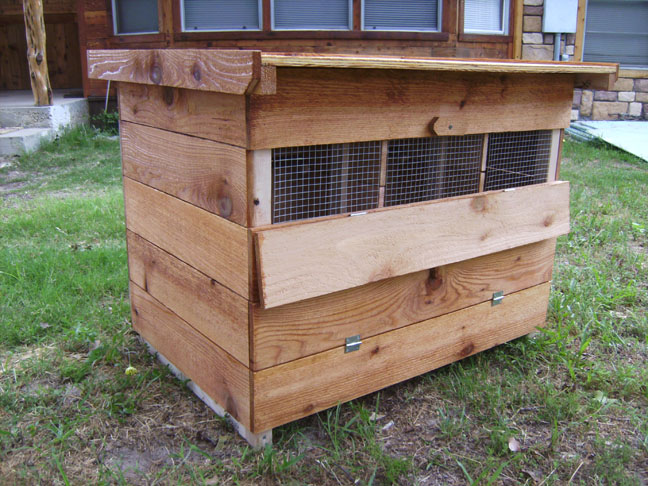
This coop was designed by John Bake and goes for seven hundred and ninety five dollars. It is made of cedar and has a compost bin attached to it. This brilliant design helps you collect manure in the compost bin and helps you provide a clean home for your chicken.

designed by John Bake

Facts about battery hens or chickens

Farming, the process of adopting various methods for creating food for the survival, has been an important part of human cultivation since the existence of mankind. Farming is a much broader term that is used for various different kinds of farming methods collectively. Farming is not restricted to the growing of crops only, but even the raising of cows, goat and domestic birds like chicken, ducks; turkey’s etc also comes under this head. Here our focus will be on hens or chickens that are raised in battery cages. What are the reasons for adopting this method? How effective this method has been in recent years and what negative outcomes have been observed while raising hens through battery cages.

What are battery hens?

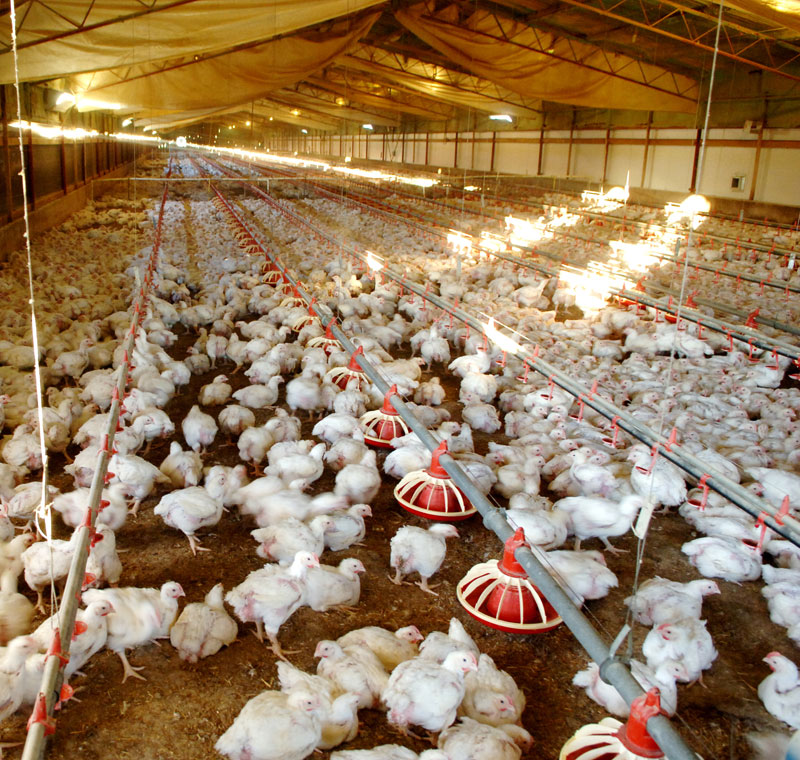
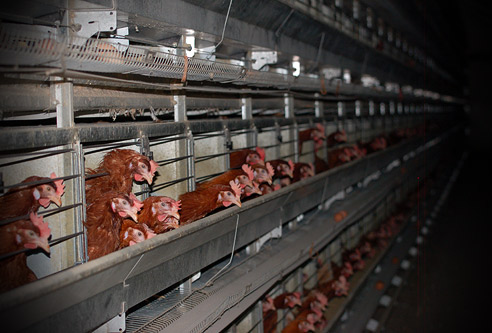
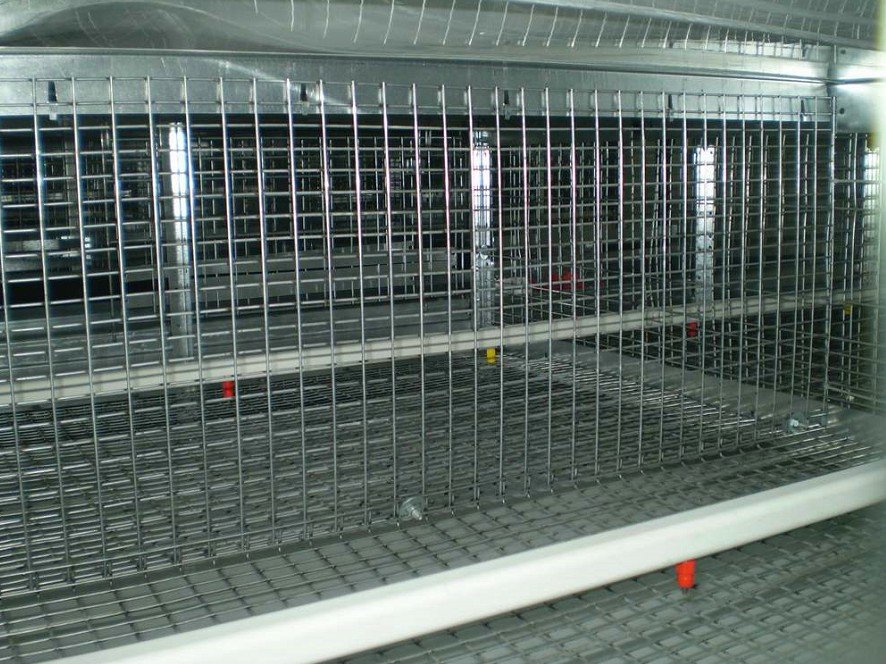
The very first thing which gains our attention is the word “battery hens”. What is meant by this word and what it refers to? You will hear the term battery hens in farming more often or this is also pronounced as factory farming as well. This is a confinement system that is primarily used for those hens which are capable of laying eggs. This is called battery cage because you will find a system of cage that are similar in structure and are connected with each other but separated by dividers.  This method is adopted so that a large quantity of hens could be accommodated in a very limited space so as to reduce the cost and to gain the same level of output, that is, production of eggs. This method of poultry farming has been in the limelight since the discovery of such that being practice for the egg laying hens.  Animal welfare associations have always showed their complete disapproval of this system being practiced as, according to them, this intensive poultry farming method is not only un-ethical but  could also result in some serious health problems for both, hens and humans.

battery hens

What happens in battery cages?

The reason animal welfare has raised their voices against these un-ethical poultry cages are due to the sufferings bared by chickens living in those cages. A standard size of any battery cage is approximately 61 cm wide and 51 cm deep. Normally, each cage is occupied with six hens at a time resulting in so much less space for every hen that they barely can move easily. A hen normally requires 2000 cm2 to freely open her wings and also a space of 600 cm2 to lie down with ease. But in these chicken battery cages, the total space available to each hen is around 483 cm2 and 432 cm2 respectively. From this we can easily imagine what are hens going troughs in those cages. Being completely jam packed with other hens that they cannot even sit properly without being in contact with other hens has led to many chicken health problems as well. Another terrible practice that is being conducted for the caged hens is the slicing of their beaks. This process is performed without any proper medication and without giving any pain relief to hens before or after this process. This is done so that any chicken that might have aggressive behavior due to the intensive poultry farming method could not harm other hens with its beak.

battery cages

How these farming methods beneficial to humans

As the population was rising, so was the daily need for various food items that also included eggs. In order to cater this problem, farmers came up with this method of battery hen farming in 1940. Through this method, it was experienced that a large quantity of production of eggs could be made available to the population and less costs were incurred that encouraged the farmers to ignore other problems that were being faced by chickens in cages.

What risks are involved?

The most important risk that is being ignored in this entire situation is the health of the hen that is kept for laying eggs. With such less space for every hen, there is a greater chance that if one chicken gets sick, than others can catch that disease more quickly. One more thing that is observed in these battery cages is that people working there do not keep proper cleanness. Because of this, the excretory material of all those chicken can cause some serious accumulation of bacteria that could also affect on the health of eggs that are being laid by those hens.  These eggs when reaches to the population can ultimately result in serious health problems that could lead to any disease in humans or even can become the cause of death.

These are some of the facts of battery hen farming that are essential for every individual to be known about and also necessary actions should be taken by poultry welfare in this regards. As this could help in safeguarding the poultry health and also the health of your family and also could lead to the shutdown of such cruel system and replace it with such a method that could be safe for both, humans and animals.