All posts by Farhan sheikh

My name is Farhan Ahsan,I am web enthusiast, writer and blogger. I always strive to be passionate about my work. I started my work at the beginning of 2007 by engaging myself with detail reading and exchanging information with others. Since then things and times have changed, but one thing remains the same and that is my passion for helping and educating people, building a successful blog and delivering quality content to the readers. The particular interests that brought me in the world of blogging are gardening, wildlife, nature, farming and livestock.

Nutritional value of duck meat for human health

Ducks are known to be the members of the Anatidae Family of Birds which are mostly consumed for their meat worldwide. Moreover, they are also brought to use in terms of a number of cuisines. In comparison to chickens as well as turkeys, the poultry duck meat happens to be darker in color, but still it is classified among the white meat birds. The meat from the duck is mostly derived from the regions of the legs and breast. Moreover, the liver and the heart of the duck are also considered to be suited for edible purposes. In terms of the taste, the duck meat is really rich, especially in terms of the nutrients it contains.

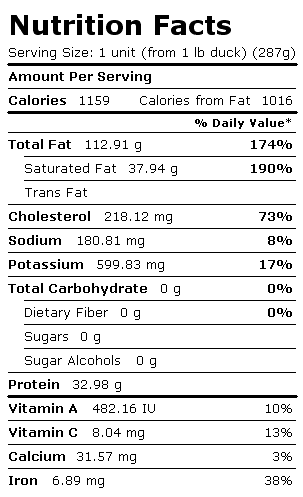
Duck Meat Nutrition Facts

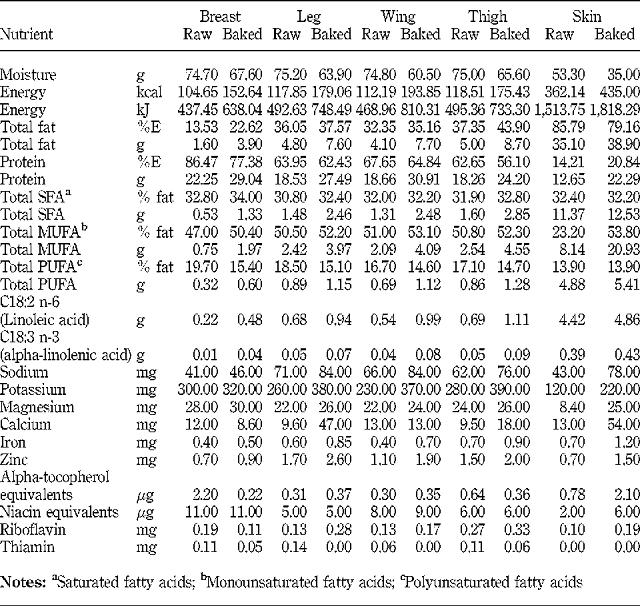
The nutriment value of the duck food is really surprising. The meat encapsulates a number of important nutrients and minerals including phosphorous, magnesium, calcium, potassium and sodium. In terms of the vitamins, it contains niacin, folate, Vitamin E, K and B together with a number of other nutriments. At the same time, the duck is also considered to be a rich source in terms of its protein value.

nutrition facts of duck meat
image via:quitehealthy.com

Health Benefits and Merits of Duck Meat


Protein in Duck Meat

The role of the proteins in terms of being used for the innate physiological mechanisms of the human body can never be denied. In addition to helping in the formation of the bodily cells and tissues, proteins are also required for the functioning of the hormones. They are also responsible for carrying out the repairs of the damaged cells and tissues. 55 % of the daily recommended value of the proteins can be fulfilled by consuming about 55 grams of duck meat.

Selenium

When it comes to the trace minerals which our bodies require, then selenium happens to be in the lead. Small levels of trace minerals and nutriments are required by the body on a regular basis. Furthermore, selenium also comes to facilitate the functioning of a number of enzymes, having different roles to play in the human body. Alongside the vitamins, selenium also comes in handy for the protection of the various cells in the human body from the free radicals. Larger levels of these compounds might notch up the chances of various heart diseases as well as cancer. A 100 grams serving is sufficient in terms of providing 43 % of the daily recommended value of selenium.

Role of Niacin

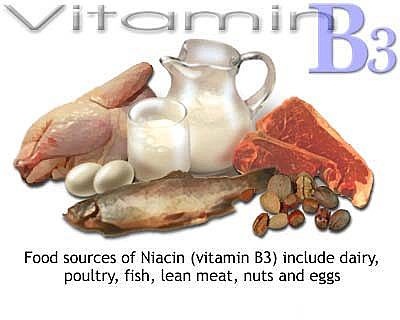
The role of niacin can be termed to be of having a magical nature. As mentioned above, the duck meat contains a number of minerals and important nutriments all of which have a number of benefits for the human body. Duck meat has the potential to provide nearly half of the optimal value for the daily usage. Low levels of this nutriment can result in a number of bodily issues and problems which are not easy to tackle if not dealt in time. Moreover, it is also believed to be helpful in terms of lowering down the levels of cholesterol in the body, due to which the people who suffer from obesity and cholesterol issues should be vigilant in terms of making use of the duck meat. That’s not all, as Niacin has also been proved to be facilitating in terms of metabolizing the fats in the body and in reducing the chances of the deposition of the fat. So, now you know why duck meat is optimal for being used in comparison to the fatty meat.

source of niacin

Iron

Ducks can be termed to be a source of healthy meat. Iron is needed by a number of different parts in the body. It is also crucial in terms of pacifying a number of processes of metabolism. At the same time, it is also conducive in terms of production of the red blood cells and is also helpful in sending oxygen and other required nutrients to all regions of the body.

Vitamins

In addition to helping the eyes and oral mucosom, the duck meat is also handy in terms of notching down the attacks from the side of the viruses. Duck meat also encapsulates 3 to 10 times more Vitamin A in comparison to all other meat forms. At the same time, the lack of Vitamin B1 in the body can result in the loss of appetite, insomnia and persistent fatigue. It also comes to effectuate the mood. On the other hand, Vitamin B2 helps in keeping the skin, hair as well as finger nails healthy. All of these vitamins are guaranteed by the use of duck meat.

Never Underestimate the Vitamin B6

Duck meat is quite abundant in terms of the vitamin B6. It comes in handy in breaking down the proteins and other related nutrients. It is important for the prevention of a number of diseases and in the generation of the antibodies. The calories in duck meat also happen to be lower.

Unsaturated fatty acids

The unsaturated fatty acids perform the function of anti-oxidation and in terms of lowering down the levels of cholesterol. It might also influence the intelligence of children. The unsaturated fatty acids have also been shown to cause a number of heart related diseases and issues. In all, it is best to make use of duck meat for turning down the chances of all these effectuations. As a recommendation, you should prefer to make use of the duck meat in moderate levels and not too much.

Boosting the Immune System

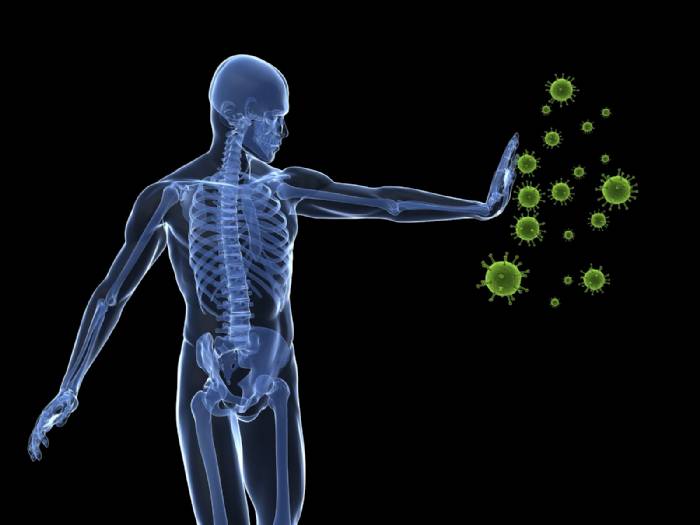
Duck meat is excellent in terms of inducing a boom in the functioning of the immune system. The reason for this can be linked to the various vitamins, minerals and other related nutriments which have what it takes to prepare the body for the effectuations of a number of diseases. Zinc is another component which cannot be undermined in terms of the various benefits it guarantees for the human body. In lines to all these merits, it can be said that the duck meat and poultry food should be consumed by all those who prefer to prepare their body for combating a number of diseases in advance and for notching down the chances of fat deposition.

immune system

Duck meat is rich in fat, calories and cholesterol but it is better to consume it in moderation levels as a luxury food.

4 Ways to Insulate Your Chicken Coop for Extreme Weather Conditions

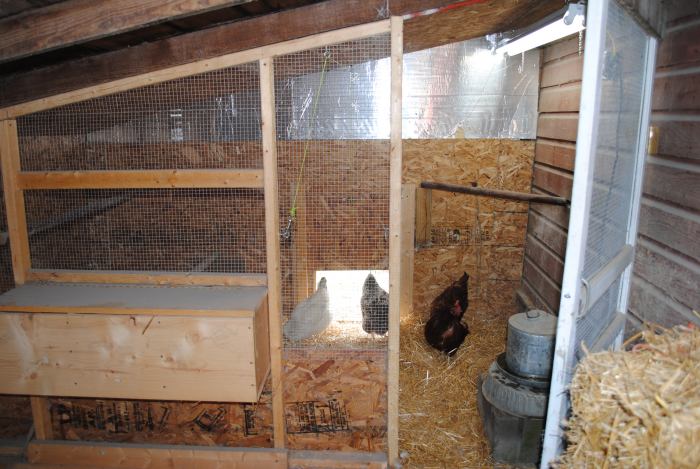
Insulating the chicken coop, is a must for those who live in the windy and cold regions. If you are one of those people who happen to reside in these areas, you might have had a number of plans for chicken coops in your mind. Moreover, you might have also stumbled towards the question that why is the need for weather insulation so imperative? The answer to this question lies in the specific needs of the birds. In other words, your profits in terms of raising backyard chicken lie in the usage of some crucial and top of the line weather resistance measures. The process is really easier than some of you might think of it. All it demands is a bit of devotion and a planned strategic approach from your side. There are numerous cold weather chicken breeds that might not demand extreme insulation measures, but not all of the breeds have been equipped with the potency and immunity to withstand the extreme effectuations of weather at times, so you should think about the winterizing the chicken coop.

Cold Weather Chicken Breeds

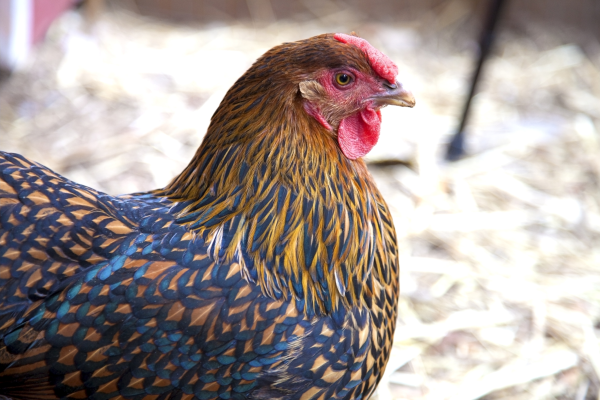
Most of the chicken breeds are equipped with the maximum amounts of weather resistance on them, but when it comes to superiority in terms of the withstanding the weather conditions, then some breeds are able to do much better than others. The breeds included in the class of high resistance for cold weather are Wyandottes, Dominiques,Easter Eggers, Delaware, Hamburg, Orpington, Buckeyes and many more. At the same time, the Norwegian Jaerhons have been long termed to be quite reliable for their usage in the cold weather.

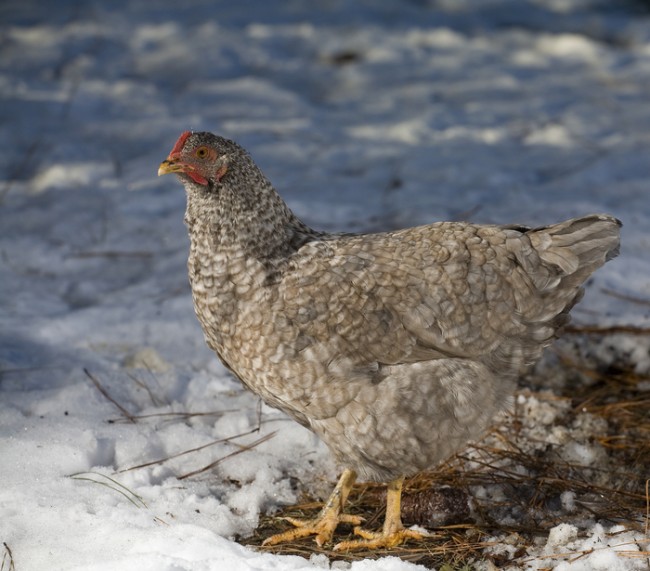
cold weather chicken breeds

Chicken Breeds for Hot Weather

The breeds best suited for the hot weather include Leghorn, Rhode Island Red, barred Plymouth Rock, Barnevelders and many more. The Leghorns and the Minorca happen to be the breeds which are the most recommended in terms of the usage for the warm and hot weather conditions. Moreover, the dual purpose breeds like the Rhode Island Red have also been seen to be handle the heat in a more effective manner. Moreover, there are also a number of people who have had profound levels of success when it comes to the usage of the Barred Plymouth Rock. Other breeds included in the list are Buff Minorca, Red Star Sexlink, Russian Orlof, Golden Phoenix, Sicilian Buttercup, Jersey Giant and Buff Brahmas. In all, there are a number of breeds which are best adopted for usage in both weather conditions, hot as well as cold.Cool chicken coop is optimal for usage in the hot weather.

hot weather chicken breeds

Ways of Insulation

Now here I would be sharing with you the 4 most conducive and effective ways in terms of the insulation of the chicken coop for extreme weather conditions. These tips should be used in accordance to the structure of the cold weather chicken coop.

1-Cardboard

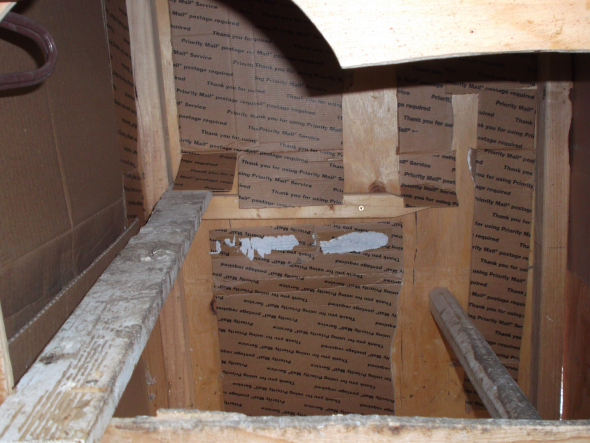
One manner in which you can save money in terms of the insulation process is to make use of the cardboard. The hen house which would be draft free would be better able to insulate your birds from the changes in weather. In addition to being a cheap and effective material, the cardboard is also readily available all across the local markets. You can make use of the staple for the purpose of attaching the large sheets of cardboard towards the interior regions of the chicken coop and when used in combination to the heat lamps, there might no other better way to do the insulation.

cardboard

2-Inch Styrofoam

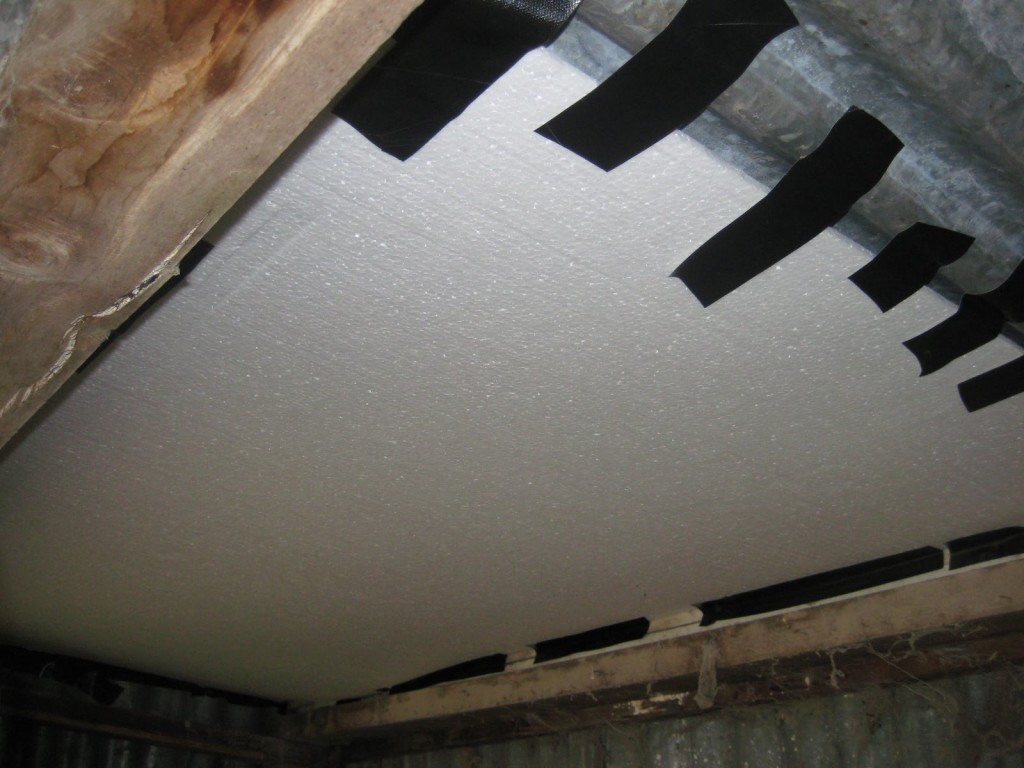
The Styrofoam is quite a facilitating material when it comes to insulating the chicken coops. You can make use of a large panel and stick towards the top of the roof which would come in handy in terms of the prevention of the hot air to escape. Moreover, it is also crucial that you secure the foam materials a bit higher from the reaching limits of the chicken otherwise they would be pecking away the entire material in a matter of a few days. It is best to carry out the construction keeping in view the requirements of the winter chicken coop.

styrofoam

3-Towels and Blankets

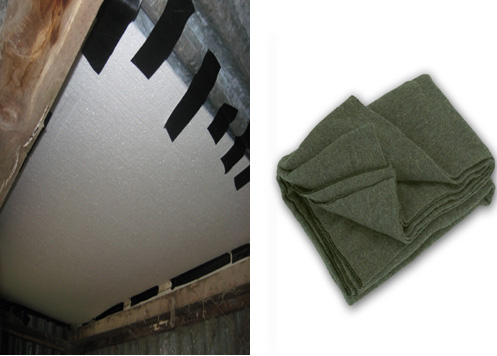
It is time you should think about saving some old towels as well as the blankets. Most of the people prefer to give these things away, which is indeed a noble act, but when you happen to have a number of chickens to keep, then what could be more optimal that the usage of these materials for the insulation process of the chicken coop? You must prefer to make use of them in addition to the cardboard which is going to notch up the levels of insulation.

towels and blanket

4-Bales of Straw

When it comes to the history of the bales of straw, then you would be amazed to know that the farmers have been bringing these materials for usage for many centuries. Cattle barns and straws do come in handy for the insulation of the chicken coop. The straw should be piled and leveled up to a depth of about 4 inches which comes in handy for the protection of the birds from the cool ground. Moreover, the materials also absorb the droppings and give them a mechanism for scratching at. In short, building the winter chicken coop can be a cheaper process if you prefer to make use of the above mentioned measures.

Bales of Straw

BREEDING OF POULTRY

Genetic composition is a major factor which governs the productive performance in variousaspects of livestock. About 80 per cent performance of poultry is dependent on genecomponents and 20 per cent on environment component in exploiting genetic potential to itsmaximum possible extent. Basically if birds are of poor genetic make-up, whatever may bethe highly scientific management conditions prevail, they may not be desired economical andprofitable producers. The combination and fixing of high quality genes in specific breeds,varieties and strains involve consistent scientific and skillful breeding practices. It ishighly technical skilled job which requires persistent continuous efforts for long-time.Gregor Mendel is supposed to be the father of genetics who has formulated some offundamental laws in genetics on his observations on which most of today’s genetic skills depend.

BASIS OF VARIABILITY

No two individuals are similar. Each individual differs from another due to the genetic variation. This is because each parent transmits one gene or pair of genes to its offsprings and variability depends on the heterozygosity of number of gene pairs ofparents. A sample half of inheritance of each parent and sample half of environment isreceived by each offspring. The chicken has total 39 pairs of chromosomes and each carries many genes, some probably 100 also. The number of gametes produced are abundant resulting into enormous hereditary combinations. The expression of character is due to one or moregenes. The basic unit of inheritance is gene and not the character.

INHERITANCE AND ENVIRONMENT
As already stated earlier variation in any flock is not only due to genetic component but environment component is also responsible for it. The exploitation of genetic variation is rather slow because several genes are involved in expression of each character in addition to which environment, hormones, and management conditions are also responsible for producing response. The hatchability, fertility, viability (liveability), resistance to disease, egg production, flesh production are the characters of economic and fundamental importance, where environment frequently plays its role for full exploitation of these characters. For example, inspite of high hatchability genes, poor hatching can be obtained due to faulty incubation conditions or low egg production can be noted in highly genetic potential birds because of imbalanced diet and poor housing conditions.

SEX RATIO AND FERTILITY
The fertility in poultry to large extent depends on genetics and selection of bird as an inherent character, but it is equally affected by better management than inheritance. The most important management point for it is sex ratio formating. On an average one male for 15 to 16 females for replacement pullets and one male for 10 to 12 females for broiler breeders is optimum for good fertility, depending on light or heavy breeds.

SELECTION
The choice of allowing individuals to become parents for next generation is selection. In other words differential rate of repro-duction is also called as selection. It is necessary to maintain or increase variation in population and one of the important force for geneticimprovement.

Kinds of Selection:
There are two kinds of selection, viz. natural or artificial.

 Natural Selection

In case of random mating nature itself selects individuals for mating in flocks or population by preferential mating.

Artificial Selection
The selection applied by man with records and by adopting different methods is artificial selection. This involves intrapopulation and interpopulation selection.

Basis of Selection (Systems of Selection)

Depending on the base used for selection it is divided into the following systems:
Individual Selection
It is also called as mass selection. Because the individual is selected from mass (flock or large number) on its own phenotypic value and put together in mass for mating, it is known as mass selection. The system is adopted for traits of high heritability and expressed in both sexes, where it results in faster genetic improvement.

Family Selection
The individuals are selected on the performance of their whole family. It is useful in case of low heritability characters like egg production and which is expressed in females only; similarly viability, where phenotype is not reliable indicator of genotype. The sire or dam family averages are compared to population mean and the whole family is either selected or rejected for higher or lower means, respectively. The system involves two types of selection, viz, progeny testing and sib selection:

Progeny testing

The individual isselected on the basis of performance of it’s progeny, i.e. sons and daughters. But thebiggest problem with this system is the time consumed to obtain performance values of progeny. The part year production values, e.g. egg production upto 40 weeks of age can be efficiently used to overcome the difficulty of time consumption as it is positively correlated with full year production to make use of this selection system.

Sib testing

Sisters and brothers of individual are called as sibs. To avoid time consuming problem in progeny testing, individuals are selected on the basis of performance and appearance of their brothers and sisters. Similarly, to select birds for traits which are expressed in one sex only, for example, egg production which is expressed in pullets or hens, cockerels or cocks are selected on performance of their sisters.

Pedigree Selection:

Pedigree is the record of an individual’s ancestors including parents. This selection is also important because sample half of genes from each parent is transmitted to each of it’s offsprings. It is of immense importance in selection at earlier age, when traits in question might have not expressed themselves, i.e. it’s greatest applicability is in initial selection of sex-limited traits.

Methods of Selection on Phenotypic Values

The net value of an individual depends on many traits having varying economic importance.
The heritability and magnitude of genetic variance of traits differ from traits. The various traits may have phenotypic and genetic inter-relationships among themselves. Therefore, if too many traits are to be selected at a time, it may result in less improvement in specific traits. In this connection, Hazel and Lush have examinedsuperiority of the following selection methods:
Tandem Method
This method involves selection of only one trait at a time for improvement till satisfactory level of improvement in it, selection efforts are then relaxed for this trait and concentrated on second trait, and so on. The improvement is simultaneous for traits which are positively correlated and vice versa for negatively correlated traits. But this is again time consuming method.
Independent Culling Levels
Selection for many traits can bedone at a time or simultaneously by setting up minimum standard level for each trait. Any
individual below of any one or more levels is culled irrespective of meritorious performance in other traits. Such method of selection will result in favouring of medium type of birds and may reject outstanding individuals in many economic important traits as they may not qualify themselves in traits of lesser economic importance.
Selection Index
Hazel and Lush (1943) have invented this method wherein selection for several traits at a time can be done by rectifying drawbacks in previous methods. It is also called as total score method as it includes estimation of the bird’s total breeding value (net merit) for two or more traits at a time. Each trait is given weightage depending on its economic importance, heritability and inter-relationships (genetic and phenotypic) among traits. The score of index of each trait is added to arrive at total score index. The method is more efficient in all circumstances, as it saves superior individuals in important economic traits even they are inferior in less important characters.

IDEAL BREEDING PROGRAMME
As seen earlier most of selection systems have some or the other limitations. Therefore, ideal breeding programme consists of combination of various selection systems, and method can be better used along with individual, family and pedigree selection systems. The traits like egg production, viability, fertility, etc. which have low heritability, can be
improved by adopting family selection. On the other hand successful improvement in characters like egg weight, shell quality, sexual maturity, growth rate, confirmation can be achieved by using individual selection. Therefore, a wise breeder fixes required characters in his bird by combining useful methods for his operation.
Selection of Birds for Breeding
Selection of Egg Type Lines
The suitable age for selecting egg type birds is 10 to 14 weeks where inferior birds are removed from the flocks. The body confirmation and development of structural body parts are given more weightage than body weight in selecting these breeders. Thebirds from each lines are selected separately and most of breeding procedures involve mating of males and females from various lines. The chicks from each line are sexed at day-old age and inaccuracies in sexing may lead to mixing of cockerels with pullets and vice versa. These birds of sexing error should be removed prior to mating. The unwanted males must be removed as early as possible to reduce the cost.

Basis for Selection of Individual Males and Females
1. The pedigree in past is assessed for several pedigree generations.
2. The appearance and performance of individual and its sibs in present is used for making final judgement.

3. The appearance and performance of individual in future is judged by appearance and performance of its progeny, generally of sons and daughters.

Selection of Meat Type Lines
As there is high correlation between weight of meat type parents and their broiler offsprings at eight weeks of age, their selection preferably is done at this age. The selection pressure required for males is more than that of for females. The correlation between weight of parents at sexual maturity and broiler offsprings is little due to which selection on weight basis of birds going into lay or after eight weeks is very difficult. Even though same percentage of birds are removed from each sex, more selection pressure

(culling) is applied for males than females. This does not result in any differences in the effects for next generation as males required are fewer than females.

Selection of males
First of all we should know percentage of males to be retained at eight weeks of age which is more than the requirement of sexual maturity. Usually 60 per cent males are retained at day-old age. Forty per cent at eight weeks and 12-15 per cent at sexual maturity. The percentage is more at initial and middle stages because of depletion due to mortality and culling in later period. For selection at least weigh 15 per cent birds individually in a flock or in pen as representative of all birds at eight weeks of age.Record these weights on a separate sheet starting from heaviest and ending with lightest.According to percentage required count the number of males to be kept out of these 15 per cent, starting from heaviest with counting towards lightest. The figure of weight at which percentage of retaining is reached becomes the minimum weight for selection. Now discard the males weighing below minimum standard weight fixed by individual weighing. The sample weight must be taken in every pen of house to nullify effect of variation.

Selection of females
The selection for females is done with lesser selection pressure than males. About 80 per cent females are retained at eight weeks of age. Body weight is not much exerted for selection of females. The selection some times may be done with same procedure adopted for males but usually it is done by following the normal method of culling, i.e. birds are selected on the basis of general appearance, body condition, confirmation, moulting pattern, etc.

Methods of Mating
The methods of mating play major role in obtaining fertility of eggs from breeder birds.There are five commonly used methods of mating, out of which pen mating and flock mating are of commercial importance. While stud mating, shift mating and artificial insemination (AI) are important from research point of view.

Pen Mating
Generally followed for pedigree hatching where parents of offsprings can be determined with trap nesting of females. More number of females are allowed to mate with single male in small flock in separate pens for each male. But fertility may not be as good as of flock mating due to likeness in mating, i.e. the male heading the pen may not like to mate with particular female and vice-versa.

Flock Mating
This is the common method of mating used in most of the breeding practises. About 20-30 males are run with 250-300 females in flocks in a section of house. This reduces the chances of likeness or social order in mating and very good fertility is obtained, but parentage of offspring cannot be known.

Stud Mating
The male is housed in a pen or coop and females are individually kept one by one with male for mating time only and removed. The method is excellent for increasing the utility of outstanding males to increase the offsprings mating, and therefore, it is more expensive.

Shift Mating
In this method males are shifted from one pen to another after certain period of time, which helps in thorough testing of females as they are exposed to several males for mating.But to maintain accuracy of parentage this method is little difficult because fertile eggs can be produced for one to two weeks even after removing male from that pen. The recommendation for overcoming this problem is to discard eggs for one week after shifting of old male and housing of new male in particular pen. By adopting shifting after short span of time, large number of males can be tested with adequate assessment of females also for breeding.

Artificial Insemination
The method is not commonly used in chicken but it is quite common in turkey breeding due to lower fertility problems. The reasons for not becoming it common may be the non- availability of trained personnel, more labour involved and handling stress to birds. But if practised, it is excellent method to increase the efficiency of breeding programme. Because it increases the utility of outstanding males, eliminates completely social order in mating, minimises risk of disease spread and increases accuracy in parentage determination, it is more advantageous.

Breeding  Season
In fact poultry birds are prolific breeders and they bred in all seasons. Therefore, there is no specific breeding season for poultry unlike that of other livestock but fertility percentage may vary in different seasons. For that also only season may not be the sole cause for reduced fertility. The season may act as minor contributing factor to lower down fertility. For example in summer season fertility is little bit reduced than mansoon and winter. That is excessive heat in summer may reduce breeding instinct of birds adding to causes of lowering down of fertility. Therefore, it may be said that rainy and winter seasons are comparatively better seasons for poultry breeding than summer.

BREEDING SYSTEMS IN POULTRY
The object of any breeding programme is to improve genetic make-up of progeny by maintaining genetic variance, for increasing the productive performance along with descent appearance. For keeping the variation, which is effect of heterozygosity, homozygosity is also essential to induce variation. At time of reaching of selection limit or selection plateau, status and condition is maintained to obtain highest production for some period and selection with breeding system in opposite direction can be adopted to avoid drastic deterioration of genetic composition which may result in sudden drop in productive performance. Therefore, the breeding systems used in any breeding programme should have the following objectives:

i. Increase in homozygosity which constitutes inbreeding,
ii. Increase in heterozygosity which involves outbreeding.
iii. Maintain the status quo position which is done by random mating. Ultimate result of breeding in term of genetic language is alteration of gene and genotype frequency, either in forward or backward direction as per desire and requirement.

Systems to Enhance Homozygosity
Any breeding system that increases homozygosity within breed or variety is known as inbreeding or rather to increase homozygosity inbreeding is adopted. Inbreeding is mating of closely related individuals wherein relationship is more close than the average of population. In inbreeding there will be one or more common ancestors from which part of gene samples (gametes) are drawn. Depending on closeness of relationship among the individuals, inbreeding can be grouped into three types, viz, close inbreeding, line breeding, and foi !nation of strain.

Close inbreeding
The mating of parent and progeny of mating between sibs is known as close inbreeding. This is followed for formation of inbreed lines and if relationship is less closer than that of cousins then inbreeding effect is very mild which cannot be counted also. As stated earlier with breeding of close relative the heterozygosity can be brought down to 10-12 per cent or even below it in 10-12 generations.

Line Breeding
It is inbreeding within the highly admired sire or dam ancestoral line to increase number of individuals of outstanding male or female in population. The daughters of different generations are mated back to outstanding sire or sons of various generations are mated back to outstanding sire or dam, so that resultant progeny has more and more percentage of genes of these outstanding parents. An inbred line should have at least 50 per cent inbreeding co-efficient. Mating of full sister-brother for three generations or of half, brother-sister for six generations can produce inbred line with 50 per cent inbreeding co-efficient.

Formation of Strain
This involves mating of double cousins, hence it is called as milder form of inbreeding.This is done to establish high productive traits in population to use it for production of commercials. It is adopted within the breed, so that selection can be carried out within and between strains to evolve better commercials. It also reduces heterozygosity but a slower rate than close or line breeding.

IMPORTANT ASPECTS OF BREEDING

Heritability:

the capacity of quantitative character to be transfered from parents to offspring is called as heritability.In terms of real genetic language the ratio of additive genetic variance to total phenotypic variance is heritability, i.e. h2 = va/vp. The improvement in progeny is fast, when heritability of that character is high and vice-versa. But inspite low heritability, a significant improvement in specific character can be achieved by using suitable selection procedures.

Hybrid-vigour:
As stated earlier any deviation from expected mean performance is called as heterosis, and positive heterosis is generally known as “hybrid-vigour” or “nicking”. Heterosis can arise from out-crossing in between various lines of same breed or strain crossing or cross-breeding.

Selection pressure:
The rigidity or intensity of selection is known as selection pressure. It is designated in terms of percentage of flock retained for breeding purpose. Higher the percentage of flock retension, lower will be the selection pressure and vice-versa. For example, selection pressure will be much more, when superior 15 per cent birds in flock are retained for breeding as compared to 50 per cent use of birds as parents.

Sexual maturity:
The age of laying first egg or the distance between day of hatch and first egg laid, is termed as sexual maturity. Earlier is the sexual maturity, more productive the bird is because it gets additional period to lay in its laying cycle of year. But some times in specific breeds pullets are presented from early sexual maturity to avoid production of smaller size eggs, egg bounds and prolapse before proper development of body.

Intensity of lay:
It is capacity of bird to lay in defined period of time. It can also be termed as rate of lay and what breeder is interested is high intensity of lay, which is the ability to lay at rapid rate. The better is intensity of lay, the more will be financial returns. In this connection the size of clutch is important. The number of eggs laid on consecutive days without gap, is known as clutch. The longer is the clutch size, the higher will be theintensity of lay. One way of measuring intensity of lay is to calculate simple percentage of production while other way is the size of clutch. It is important genetic trait but management also governs intensity of lay.

Precosity:
It can be defined as early sexual maturity.
Persistency:
The ability of hen to continue laying for longer period in her first laying cycle. In other words it is measure of length of Laying year of hen. The laying is generally terminated by moult in late summer. The longer is the length of laying cycle, more persistent the hen is. Once again it is important genetic trait associated with egg production. Persistency is highly (+ve, 0.75) correlated with annual egg production and hence important contributing factor to hen-housed egg production of bird

Poultry Meat and Health

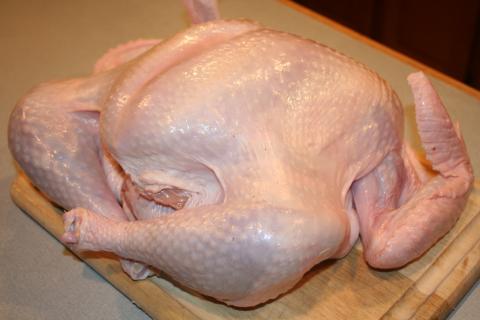
Poultry is used in relation to the meat consumption of the domesticated animals. Since the past few years, the scopes for the sales of the poultry products have been notched. It is all in lines to the rise in the demand of the poultry meat and eggs. At the same time, the health benefits of poultry are also numerous due to which more and more people are turning towards the usage of these products in order to meet their daily protein consumption needs. So it can be said that the health benefits of poultry are much more than most us can consciously imagine.

The Cuts of Poultry Meat

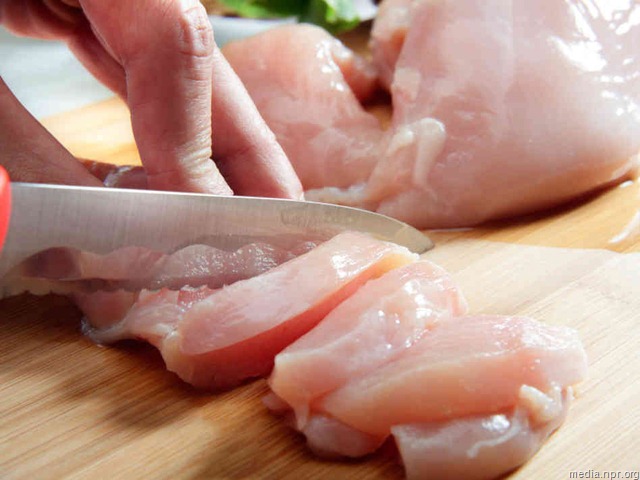
White meat, which is more commonly referred to as white poultry is quite healthier in comparison to the usage of dark meat. Moreover, the white meat has also been proved to be facilitating for health, as it contains a corroborated presence of some of the most crucial nutriments.  A number of scientific researches made in the domain of poultry nutrition and consumption also assert the same about the use of the white poultry. On the other hand, the dark meat is mainly found on those body parts that contain the most used muscles. That’s not all, as the dark meat has also been shown to have more fat. So, it can be said that dark meat should be consumed on a moderate basis.

cuts of poultry meat

Healthy Poultry Meat

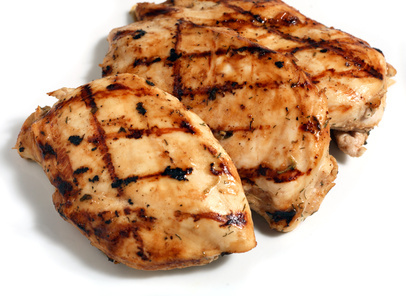
The white meat is the top recommendation for all those who plan to lose some weight. The idea here is to make use of the cuts of the poultry meat. In order to eat these skinless cuts of the poultry meat, you should prefer to cook or grill them before usage. Now on other hand, when you make use of the fried poultry, the only thing you are consuming is a diet which is very high in terms of the fats and calories.

Grilled herbed chicken breasts

Health Benefits of Poultry Meat

The vitamins and minerals which are offered by the poultry products include vitamin B, pyridoxine, Vitamin E, thiamin, magnesium and iron. The consumption of protein in moderate amounts on a daily basis, ensures that your bones remain strong and excelling at all times. Furthermore, the proteins are also crucial for the creation of a number of hormones and enzymes, all of which come in handy in terms of our physiological mechanisms and processes.

Recommended Consumption

The concerned departments and bodies in the US recommend that people should make use of around 6 to 9 oz of the proteins diets and cuts. They also recommend that uncooked meat should never be consumed. It is also asserted that while baking or cooking the meat, the temperature should be kept at the level of 180 degree F. The manufacturing companies should also make all conducive and possible arrangements for the poultry health.

Turkey Meat Facts

One of the most noticeable fact about the turkey meat is that it is quite low in fat and higher in terms of the protein presence. Moreover, it is also a relatively inexpensive source of iron and the required vitamins, all of which are crucial for the human growth. This is the reason for which the turkeys are being raised on a large scale all over the world.

turkey meat

Causes of different types of stress in chickens-how to manage it?


For many of you, it won’t be making much sense that chickens do get stressed – I mean, weren’t humans enough to get stressed that even poultry does? However, if we think beyond what we see, even chickens have their own world like us – they are stressed lives like we do, I know I am being little emotional here but the fact remains true. Indeed, they won’t be having workplace stress or family stress but other undesirable factors make them unhappy.

This excerpt is all about the kinds of stress the chickens face. How can you manage it? Basically the identification and solution, all would be your way.

Types of stress:

Well, it’s not wrong to say that some of the stress types that are identified within poultry seems much more common to humans.

Fear – many fear that they would be chased and actually stab to death. Indeed this is the nature of any living being – the feeling of insecurity causes severe tension.Some times they get stressed after being an attempt by predator to eat them.

Social stress – many times birds hate it when their pecking order is changed – or, maybe when their friends are sent to some other coop. Similarly, if a rooster which was previously attached to one chicken, if goes to any other, tension takes birth among all. The addition of more than required chickens within a certain place also leads to stressed situation which may effects poultry health.

Climatic stress – you must be having an idea that chickens are very sensitive to heat – you must keep a check on identifying the signs of heat stress when the sun is around. Similarly, too chilled winters even spoil the mood of the birds.

Environmental stress – chickens are really moody – they just want things to be there way; even a little change can make them unhappy. Too much light, less ventilation and dirt is the major factor that causes stress amongst the birds.

Nutritional stress – change in diet, short of food, less number of water containers also upset them.

Physiological stress – many times process of egg laying, sexual maturity,egg binding and mating creates stress among-st the fellows.

Causes of stress:

Anything that goes beyond the wish of the chicken makes her unhappy – she tends to think all the bad things and remains sad for days. For example, if the coop as been changed or a chicken has been introduced to new friends, she would feel bad about it. Chickens are not good change acceptors. Similarly, many even hate when the roosters are changed, or their handsome roosters I walk away with another chick, they feel jealous. Likewise, change in diet, even change in the grains cause them bad mood.

Signs of stress:

The most common stress signs include;

  • Loss of appetite
  • Sluggish attitude
  • Lethargy
  • Aggression and fights
  • Less egg production
  • Shedding of feathers
  • Loss of weight

Different diseases and stressful conditions may be responsible for the mortality in today’s poultry industry– make sure; you look after your chicken on the right time so that you can overcome losses.

stressed in chickens

Prevention and treatment:
  • Keep your chickens clean and tidy – also make sure that the coop is clean. Timely change the flooring and even the coop.
  • Do not add more and more chickens if there is less space inside the coop.
  • If the flock size is increasing, increase the number of food equipment.
  • During severe heat, try to keep some frozen water gallons or ice packets near the chickens to protect them from heat– they would love it.
  • During winters you must place or bulbs so that they can feel warm.
  • Make sure you keep on getting the chickens vaccinated on time – this would help them in avoiding both viral and bacterial infections. The entire flock would remain healthy and safe.
  • If you are intending to change the diet, make sure you do it wisely. You can start giving new grains and old grains together. Make them habitual and eventually stop giving the old ones, they won’t mind.

Obviously you cannot talk to the chickens and teach them the ways of stress management. Normally, a bird can handle a certain level of stress easily and also it depends upon type of breed you have, but too much can be really dangerous, even cost lives.

Housing of ducks-considerations for building duck pen

If you have ducks as pet, you will need to take proper care of them while examining their way of living. Ducks need to have a secure place where they can live and can be safe from any predators and it is easy to clean their housing area. Ducks do not prefer spending time inside their housing area as they prefer roaming outside for most of the time, regardless of the weather or the season.

There are many people who want to know how to build a duck pen? If you are looking forward to build a nice yet practical duck pen then you need to follow the guidelines that are discussed below.

First of all, you need to make sure that the structure of the duck pen offers proper protection to the ducks and is a defensive structure actually. It is important to keep your ducks safe from other animals and predators. You can allow them to roam about during the day time and lock them later during the night. Ducks love to spend their time in water and you can make a small pool near their pen and allow them to beat the heat of sunny days.

duck house

The design of duck house is just similar to chicken house design except some minor differences such as it doesn’t require roost, nest boxes and need some large door with some steps and it must not be so high from the ground.

There are two basic designs of duck coop plans. One is knows as the intensive pen design and the other one is called the semi-intensive design.

  • The intensive pen design

The intensive pen design is structured to keep the ducks safe during the day time and night they are locked totally. The shelter is made quite tough to shield the ducks from any pending danger or threat.

  • The semi-intensive design

In the semi-intensive design the ducks are allowed to roam freely within specified boundaries during the day time.

When we talk about chicken coop flooring and bedding material we’ve several options to explore. While constructing the duck pen it is important to give proper attention towards the flooring. To manage litter and to provide cushion (while they are laying and protecting eggs) a wooden flooring or hay is preferred in most of the cases. Choose a flat area for constructing the duck house but the system of drainage must be very good as you need to prevent the chances of any disease out break or any other health issue. The area of duck pen will depend on the number of ducks that you have actually as you need to provide proper ventilation and sunlight.

Just like your house, you need to consider the best material for construction. Wood is the preferable item as it is durable and long lasting. For the shape of the duck pen, you can opt for the rectangular one as it will allow more space to the ducks to roam freely.  Duck housing designs will help in giving a comfortable environment to the ducks and they will remain healthy and happy. The entrance and the outer limits of the duck pen need to be designed carefully as with the passage of time ducks will continue to grow and will require more area.

How to construct a proper duck pen

1- As told above the enclosure needs to be well protected and shaded and it must be dry.  If, you are planning to construct a pen on DIY basis you need to select the appropriate wood posts. It means that the dimensions of the plywood must be well suitable for a spacious pen. Other accessories that you will need are tarps, wheelbarrow, gravel, cement, straw bedding, cement blocks, well secured latch, vertical hinges, wire mesh, hardware cloth, staple gun and some heavy duty staples.

2- For a common or ideal measurement ground you must allow 11/4 square yards of space for three ducks. The location must be well ventilated and must have the features of a good drainage system. On the floor place a good quality hardware cloth and then place gravels on it and for the last touch you can include the straw bedding. It will provide comfort if you are raising ducklings in the pen.

3- While erecting the plywood for the pen, you need to bury them at least two feet deep in solid ground. When the posts have been erected properly you can staple the wire mesh to provide proper fencing. This will prevent invaders from entering the pen through any side once the protection and construction has been done properly. There are different duck house plans and you can choose one according to your requirements, area and the amount of ducks you have.

duck house

4- Backyard duck pens are very successful for Rearing ducks, that is, if you have ample space and can look after the ducks easily. If you’ve already chicken coop and thinking about Raising chickens and ducks together in the same coop than it is not a difficult task at all, you will need to plan the pens carefully keeping in view some difference in their housing requirements as discussed above and allow the chickens and ducks ample space. Do keep in mind that in rough environmental conditions chickens love to spend their time indoors.

Raising Quail in the urban environment- Guide for quail pen and breeds

Raising chickens in the backyard of your home has always attracted many people. People who get retired or are very much in backyard chicken farming and adopt this as a hobby. Some even do this for getting fresh eggs for their breakfast. But this practice has raised some issues as well. Cases were reported in many different regions that people had started complaining in against those houses that were raising chickens in their backyards. The reason was the noise they use to make and even sometimes get into neighbors houses UN-invited. As a result of this, urban chicken keeping laws were formulated so as to keep the environment safe and peaceful. This resulted in making handicap to many chicken lovers. But life is not over yet. Still you can fulfill your desire of raising some birds and having fresh eggs in your breakfast. This can be done by raising quail. Quail’s have almost the same living habits as chickens have besides the fact that quails are much quieter as compared to chickens.

 Why quails

Besides being a silent creature, what else benefit quails can give that may encourage a chicken lover to plan to raise backyard quail instead of chickens. Currently, there are no such municipal limitations in keeping quails at the backyard of your home. This makes it easy in raising quail. Quails don’t need a larger space to live as compared to chickens. This is because quails are smaller in size than chickens but this does not effects on the eggs given by them. Quails lay high-quality eggs which are full of nutrition’s. Housing for quail is also quite easy as compared to chickens. If you had chickens in your backyard and now you are planning to have quails, so you can keep quails in your urban chicken coop without any hesitation.

 Coop or pen for your quail

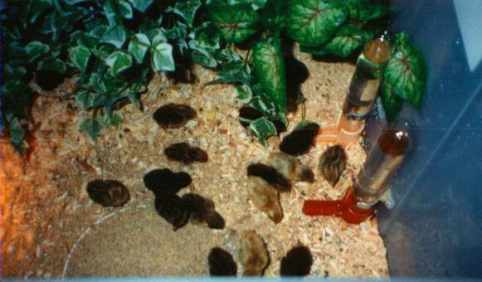
Now after finally deciding the city farming of quail, it’s time to plan your quail coop. making coop or quail pen is not that hard. As mentioned earlier, if you had chicken coop, you can keep your quails in them. But having a separate quail coop would be much better. There are not much of very high requirements of keeping quails. A quail only requires about ½ sq ft of place on the floor. If you are planning to keep your quails indoor, than you should keep this in mind that quails require light. So you have to design your quail hutch accordingly. Now comes the bedding. The most effective bedding for quail is with fine wood shavings. Quails love to take bath in dust, so make sure you provide them dust in the wood shavings. One can opt to use wire mesh floor which has trays underneath as it allows the dropping to pass through but that trays must be regularly clean up. In case of bedding it should be overturned periodically. When feeding your quails, you can use a small pet bowl or a through feeder. Keeping the feeder outside the cage is more effective as it will help in saving some space within the quail cage and will also help in prevention of any contamination of feed by quails while messing with it. You can simply put some cuts out on the mesh so that quails could easily take their feed by bringing their heads. The width of the cute mesh should be 1.5” and 2” in height. This same procedure can be adopted for placing bowls of water for quails. It is advisable to not use pet bowls as they can bring any kind of unhygienic problems for quails.

For more information on quail housing you can download the following Quail Housing.doc

quail penbedding for quail

 Breeds of quail

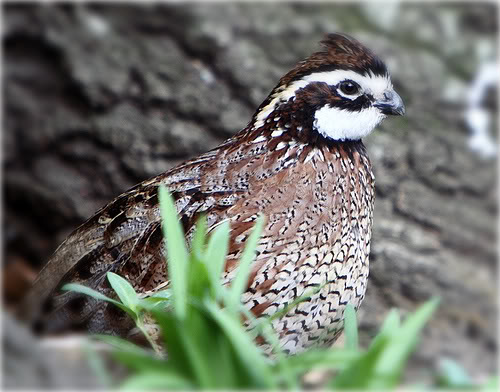
Having quail in your backyard is sometimes just not enough. People also give specific priorities to some specific breeds of quail. Normally there are two breeds of quail that are more commonly raised. One is the coturnix quail while other is bobwhite quail. The Japanese quail that is more commonly known as coturnix quail is the bird found in East Asia. These quails are migratory species and breeds in southeastern Siberia, Manchurian, Korean peninsula and northern Japan. While they do wintering in southern china and south of Japan. This species is found in large quantity and can easily be raised as your backyard quails. These birds are usually raised for the purpose of production of egg and meat for families. While on the other hand, bobwhite quail are found in Mexico, U.S and Caribbean. These quails are the member of species generally known as New World quails. They are called bobwhite because of the characteristics of their whistling call. These quails feed on small bugs and plants. Their appearance is also a bit different to coturnix quail that has also attracted many people in raising bobwhite quails as their backyard quails.

bobwhite quail

 Now these breeds that are mentioned above are the perfect replacement for keeping chickens in your backyard if you are hampered by city chickens ordinance. Birds of these breeds get mature quickly and can be much productive as compared to chickens. Quails can easily adjust themselves more quickly in the urban environment as compared to chickens. For chickens, you have to make many necessary arrangements so that they could feel comfy like home in order to keep them as your backyard chickens but that is not the case for quails. Much less arrangements have to be done for quails to keep them in your backyard. This makes quails the best alternative for your backyard chickens. Getting the same desired output with less input that was being done in chicken case can only be obtained if you are planning to keep quails.

Raising Chicken And Duck Together

Ducks vs chicken and chicken vs ducks. Even though ducks and chickens are a lot a like in some ways, they are also very different in others, and it is this difference that does prompt the question of is it wise to be keeping ducks with chicken? Well, the answer to this question does vary in response, and it also tends to be a unique experience in raising for the backyard chicken and duck raiser who does their very best to raise both of these fine creatures side by side. Can a duck live with chicken? Both chickens and ducks do indeed have their very own special needs, and this means that each animal will be demanding in its own way, especially if these creatures are very young and require constant care. Raising ducks and chicken are something that is very possible, but it should only be attempted by someone who does know the ropes, and also has had the past experience to be very successful at raising these two types of species before.

 What are the differences that do make
 chicks and ducks different?

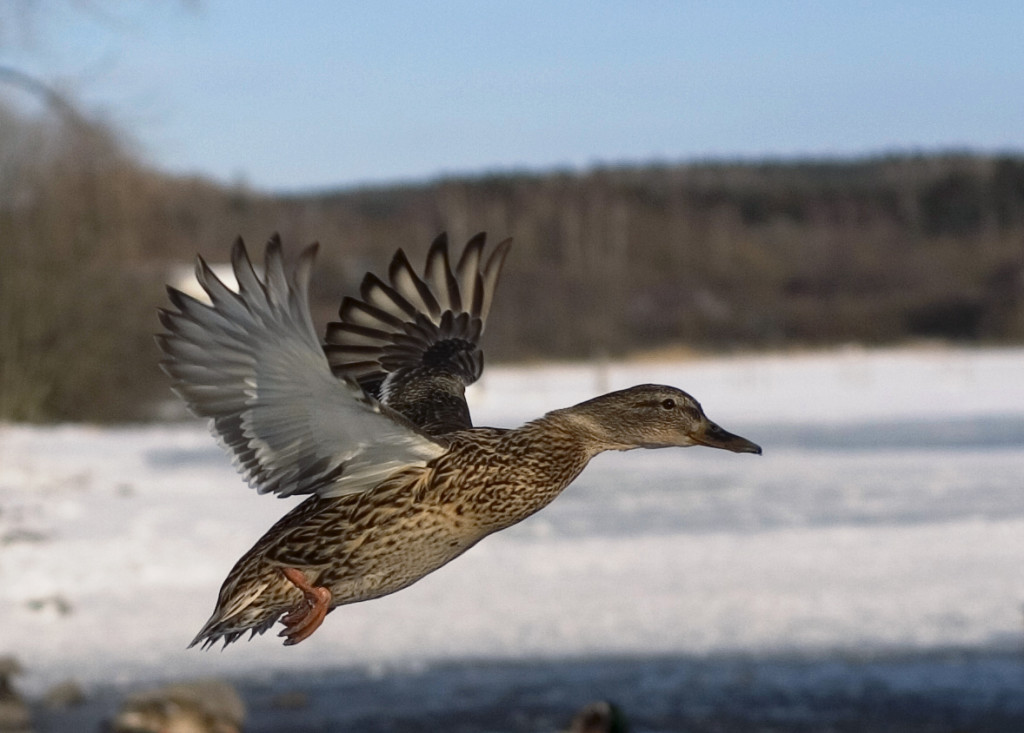
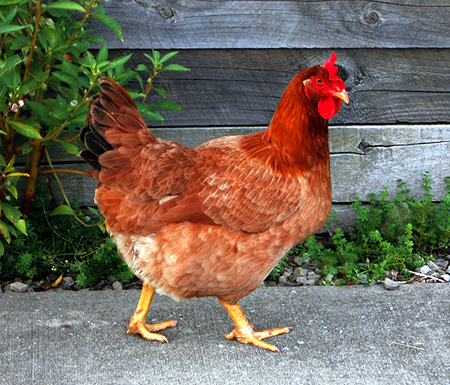
Sometimes, by knowing the differences that do make each of these two animals unique in their own ways, it is easier to understand them both and what makes them tick as individual species unto themselves in the bird world. Even though ducks and chickens are members of the genre called fowl, they are entirely two different types of bird species altogether. Also, ducks and chickens are very different in appearance, and they also behave differently from one another, in addition, as well. Ducklings tend to have very flat bills and broader bills than chickens do. Chickens possess a beak that is pointed and is pronounced in description. Ducklings also tend to waddle like other adults ducks do, and chickens don’t waddle, they just walk about jerking their heads in a funny motion and clucking up a storm. Ducks also tend to like water, and being in water, as much as possible. Chickens, on the other hand, don’t like water at all. A chicken also tends to be far more of a farmed animal than ducks are, and this is with good reason, because they do provide very delicious poultry, as well as tasty eggs to. Ducks can also fly and they have their wings. Chickens get their wings clipped and aren’t able to fly in the air, only able to clear fence or reaching to trees or roost. Ducks may not be creatures that are farmed like chickens are, but still people have partaken of duck eggs before, as well as duck meat which is delicious. A duck’s feathers are something that are waterproof by design, as well as nature, and chickens don’t have waterproof feathers. Chicken and duck meat have two different distinct tastes that are different and are their very own. Chickens and ducks also have very different bone structures, as well, which makes them very not so alike after all. Ducks also love to swim, and have the ability to swim, which is something chickens cannot do. Chickens prefer to sleep on a roost while ducks sleep on ground. Ducks are very sensitive to light and can’t sleep in light. Ducks are more vulnerable to attacks from predators like coons, skunks, possum, coyote.
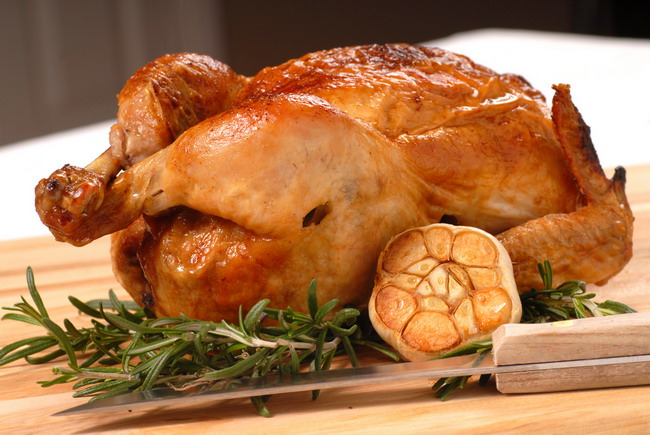
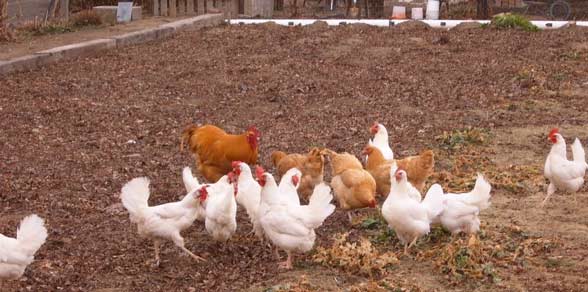
flying duckchicken

 What are the similarities that do make
 ducks and chicks alike in some ways?

The very first thing, which does make ducks and chicks an awful lot alike is this, they are both members of the genre called fowl. Both species also lay eggs, in addition, as well. A duck uses its bill mainly to dig up mud, while the chicken on the other hand, does use its beak to catch prey with a good deal of the time. Ducks also build their nests on the ground, while chickens make them inside of chicken coops. Both of these species of very popular creatures are highly prized most for their skin and their eggs on the average. Despite the fact that chickens and ducks do have a lot in common, they are still very different, when it comes to nature and their particular defining characteristics and behavior.

 Can chickens and ducks be raised in a
 combined environment successfully or not?

Even though ducks and chickens are alike in some ways, and also are very different, the question that remains is this. Can chickens and ducks be raised in a combined environment successfully or not? It is through the understanding, as well as knowing that ducks and chickens are two different and very special kind of animals in their own rights. Duck and chicks can, and often have grown up together side by side. The only difference is that ducklings do tend to take to water, very early on, and baby chicks prefer dry bedding. Despite the facts that both are very different, when it comes to being babies, they are pretty much the same in a lot of ways. Ducklings and chicks cuddle together pretty much like newborn puppies or kittens in a litter. The only thing that is different about them is that ducklings like to get wet, and chickens not, so with this said. It is advisable to separate baby ducks and chicks in a separate brooder boxes until they are older, because little ducklings prefer to be damp and wet, and dam and wet is not very good for the health of small chicks. Nonetheless, once they are a bit older, chicks and ducklings can peacefully co-exist with each other, and they can both imprint one on the other. Can chickens and ducks be raised in the a combined environment successfully or not? The answer is yes, if the raising is done with a lot of excellent tips, knowledge, and most important experience on the subject. This can indeed prove to be a great hobby, but it still something, which must be handled with a lot of tremendous caring, determination, and patience to make the raising of these two individual creatures a real reality in every way that counts most.

duck in water

Raising chickens does indeed have its benefits and rewards, but so does the raising of ducks, in addition, as well. Both of these species are very excellent types of animals, and they each do matter a whole lot in their own ways, and this is something that must be realized whenever it is decided that they will be raised alongside of each other from start to finish.

Basic Nutritional Facts of Chicken meat and Eggs

Chicken happens to be the kind of poultry which is high in terms of the nutriments and all other minerals it comes to offer. In terms of the fat levels, the skinless white chicken food is the one which is best suited for those who love to exercise a control on the fats they consume. Surely, human health is best determined in terms of the minerals, vitamins and all other useful nutrients that are available in a certain poultry products. Below are some of the most useful nutrition facts about chicken meat.

Nutrients in chicken

Proteins

Just like the fish, beef and other meaty products, chicken is also rich in terms of the essential proteins. For each ounce of the meat that is offered, 7 grams of proteins is present. In terms of the typical portions that might be consumed, the protein supply falls around 28 grams. In short, the chicken is an all in one protein based product which can comply with all your health related needs. In addition to honing the performance of all the bodily muscles, the proteins in chicken meat is also crucial for the growth of the tissues. The protein in eggs is also one of the reason for which people prefer to use the poultry based eggs.

protein in chicken

Calories, Carbohydrates and all Other Fats in Chicken

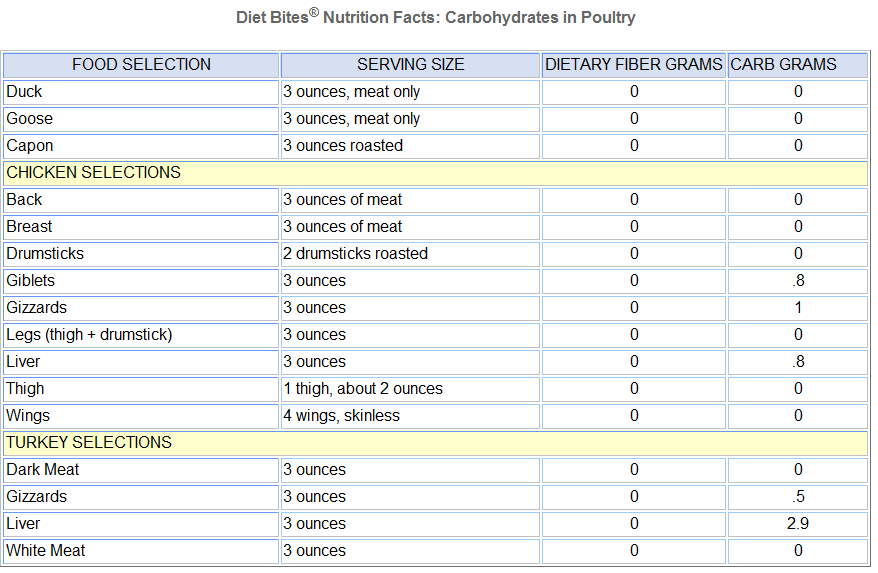
For those who pay a great deal of heed to the levels of carbohydrates they consume, Let me tell you that chicken meat happens to be free from them. According to the most recent nutrition data, the skinless chicken diet ensures that the least amount of fat and calories are allowed to enter into your body. On the other hand, the dark meat is marked for having some higher substantial levels of fat, which can really cause a number of physiological issues. To be precise, if you consume 86 grams of dark meat, then conversely you would be absorbing 165 calories together with 8 grams of fat. Not to forget the 2 grams of saturated fats that you would be consuming.

carbohydrates in chicken

Vitamins in chicken meat

Chicken can be termed to be a prime source of two classes of vitamins i.e. Vitamin B3 and B6. In terms of the recommended daily value of the vitamins, a 4 ounce portion can do it all for you. The Vitamin B3, also known as Niacin, also comes to facilitate the release of the energy from the consumed carbohydrates. At the same time, it also comes in handy in elevating the formation of the RBCS or red blood cells. The role of the niacin based nutriments for the protein metabolic processes can also never be undermined. Making use of the poultry food is definitely worth your health.

Minerals

The 2 prime source minerals, phosphorous and selenium can easily be utilized by making use of a 4 ounce portion of chicken meat. Both of them come to meet nearly 16 and 30 % of the daily optimal or recommended value. The role of the phosphorous involves facilitating the durability and growth of the bones and in strengthening the cell membranes. Moreover, it is also useful in activating the b vitamins which the body requires. In addition to regulating the activity of the thyroid hormone, selenium is also crucial for the performance of the immune system.

Nutrition Facts about Eggs

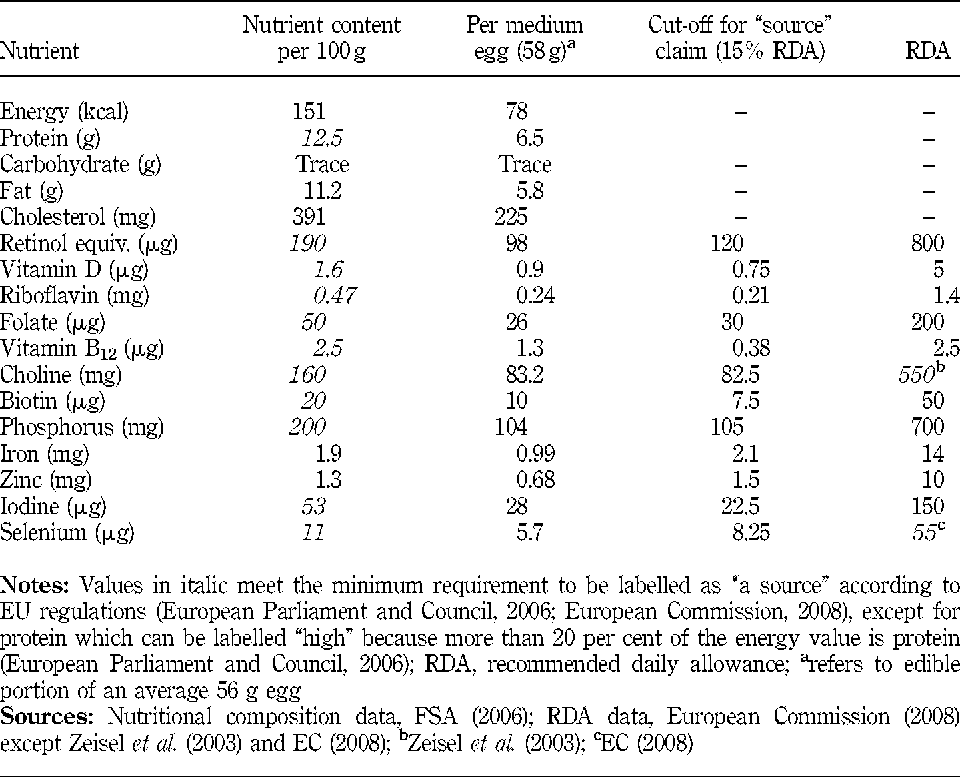
The eggs happen to be a core substitute to the meat based products. They are not only low in the calorie composition, but are also desired for other basic needs. There are numerous minerals in eggs for which they are widely consumed all over the world. It is one of those versatile foods that were once shunned for the high levels of cholesterol, are now considered to be an integral component of any healthy diet for the individual.

Nutrition Facts about Eggs

Basic Nutriment Values

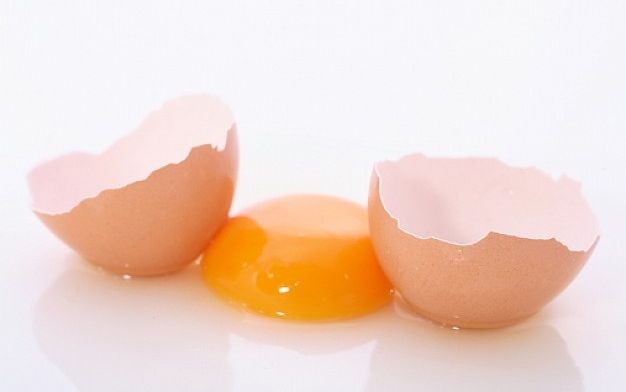
In terms of the nutrient values, one egg contains around 1 oz proteins for red meat. As specified by the US Department of Agriculture, 1 large egg helps in providing 75 calories, 5 grams of fat, 6 grams of proteins, 63 mg of sodium and around 213 milligrams of cholesterol. Moreover, the eggs also happen to be high in terms of the B2 vitamins which they offer. At the same time, the egg yolks have also been proved to be rich in terms of having the presence of 2 antioxidants including zeaxanthin and lutein. Eggs are also considered to be an efficient source of trace minerals including selenium, iodine and molybdenum.

nutrient value of egg

Feed and Nutrition Guide for Laying and Breeding Hens

Getting Started

When the question arises about what to feed chickens or about the raising of chicken hens, then there are a number of points to consider. Poultry nutrition and feeds are made in order to fulfill the needs of the chickens in a more effective manner and also for the sake of increased egg production. There are a number of types of feeds that are used in the poultry settings. For example, chicks that have just hatched are given starter feeds. In comparison to this, grower and other forms of feed are given to the chickens in their adolescence. It is quite clear from this that chickens require varying levels of feeds and nutrients in order to grow and develop naturally. Although the ingredients that are used in the making of these feeds might be similar, still they come to impact the development of the birds in a different manner. It is an established fact that the amount of nutrients required by chickens vary in terms of their age and requirements. For example, chickens that lay eggs are required to be given some more effective feeds so that they might continue at the same pace. In terms of the specific nutrients which the chickens and birds requires, all of the feeds must contain proteins, carbohydrates, vitamins, fats and much more, all of which are really crucial for their normal development. Any lack in the fulfillment of these nutrients might lead to numerous problems in the health of these animals. Below are the types of feeds used in the farm settings for  feeding chickens.

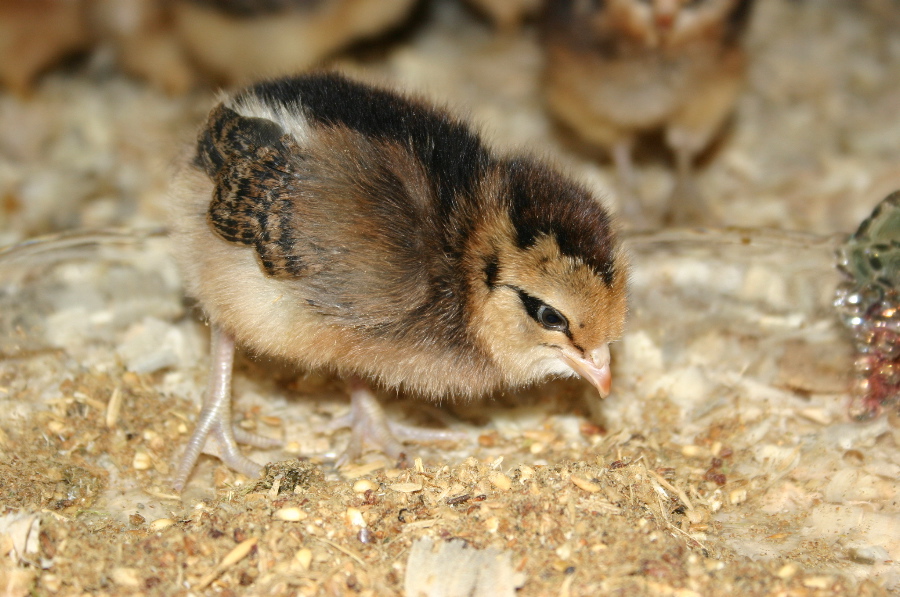
Starter Feeds

For a period of 6 weeks after hatching, the chicks are reared making use of these chicken feeds, designed specifically for them. These starter diets and nutriments are made in order to boost the speed of growth for newly hatched chicks. In terms of proteins composition, these feeds contain nearly 18 to 20 % of them. Some more efficient diets might also be used for the meat chickens which demand more amounts of proteins and other forms of nutrition for chicken.

starter feed for chicken

Developer and Grower Feeds

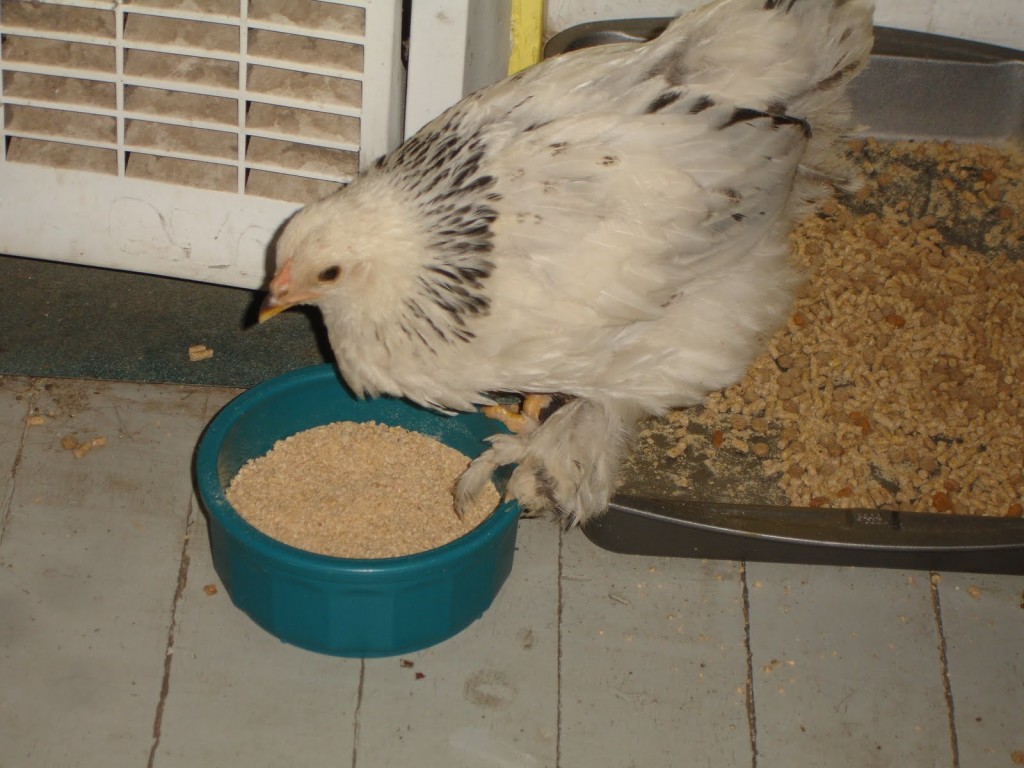
At the time the birds reach the age of 6 weaks, it is now time to change the feeds that are being used. Grower feeds typically contain about 15 % proteins which come in handy for maintaining the levels of growth which the animal is going through. By the time the chickens reach the age of 14 weeks, you might replace the grower feeds with the developer nutrients and feeds. The developer feed is really crucial for preparing the chickens for the stage of egg production. Here it is also important to consider that both of these feeds can also be interchanged within the time spans specified above.

grower feed for chicken

Layer and Breeder Feeds

As soon as the chickens start laying eggs, you have an option of introducing these feeds in the diets given to the chickens at these times. The choice for the required feed depends upon the purpose for which the eggs would be used. The layer feeds are specially designed for the hens laying eggs for home or table use. These feeds contain 16 % levels of proteins and high amounts of calcium so that the chickens might be able to produce better layers for an egg or the eggs with stronger shells on them. On the other side breeder feeds are given to the best laying hens and birds that produce eggs for hatching. These feeds are more or less like the layer feeds, but vary in terms of the higher levels of proteins they contain. In addition, they are also believed to contain some extra vitamins for the chickens in comparison to the layer feed for chicken.

layer feed

Medicated Feeds

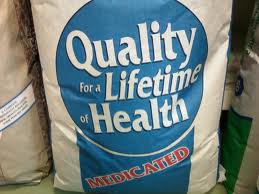
Most of the medicated foods and diets are prepared to make the animals immune to the various diseases and virus attack that might come their way. In almost all of the farms in the developed countries, these feeds are offered to the flocks. These feeds aren’t normally present in the layer and breeders feeds. Those which contain some substantial amounts of such feeds are labeled. These medications are also subject to some major researches and analysis due to which you can be assured of their safety. At the same time you can also make use of the non-medicated feeds which are easily and widely available on order.

medicated feed for chicken

Water and Scratch Grains

Water is also crucial in terms of the growth and development of the eggs, due to which it should be provided in adequate amounts. Moreover, chickens also love to engage in the process of scratching by making use of their feet. So by making use of such grains, this kind of behavior can be easily reinforced. The feeds used for this purpose are either cracked or rolled.

scratch grains for chicken