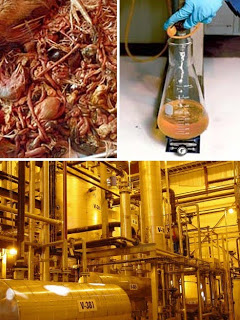
Category Archives: Articles

Quick View of Poultry Farming in 10 Developing Countries

Global poultry and trade of the poultry products has shown a major change in the past 40 years. Moreover, between the year 1970 and 2005 the poultry meat and levels of egg production had increased in a manner like never before. In other words, it can be asserted here that the trade of the poultry meat had increased in a much more agile way than the production itself. But here this increase has been marked for its imbalanced nature. It is because of the fact that in these times North America and Europe had lost their market shares, while China in addition to Brazil had managed to create a monopoly over the poultry production. The same applies to the developing countries which have also been a part of this rapid change. The time span in which most of the developing countries had surpassed the first world countries was from the year 1990 to 2010. In the present times, their contribution to the world poultry is about 55 % in terms of the meat and nearly 68 % in terms of the total egg production. The developing countries which are going to be of central focus here belong to the Asian and African continents.

In contrast to the production of duck and chicken meat, the developing countries in total are also in the lead in terms of the production of turkey. The highest levels of relative growth had been seen in the time period mentioned above, but still they are also going pretty strong. But there are some problems there are still in road to ultimate domination of the poultry world including health facilities, lack of investment, and outbreak of diseases, poor farming measures, lack of equipment and most importantly the need for more extensive scientific researches. The developing countries which are going to be of central focus here are Nigeria, Sudan, Egypt, Pakistan, Sri Lanka, Bangladesh, Iraq, Kenya, India and Philippines.

Poultry Production in Nigeria and Kenya

Just like all other countries, poultry is now one of the most important sectors for Nigeria and Kenya not only in terms of economy, but also in terms of fulfilling the needs of the people. In addition to offering a good source of protein and meat to the people, there are also a number of farmers that are earning a lot from the sector. But it is also a fact that there is a lack of high tech farms and poultry production houses in these countries. Still a lot needs to be done for the enhancement of the production, as the countries still import a lot of meat from other countries. Another major problem both of the countries face is a lack of coordination among the poultry sector with the government.
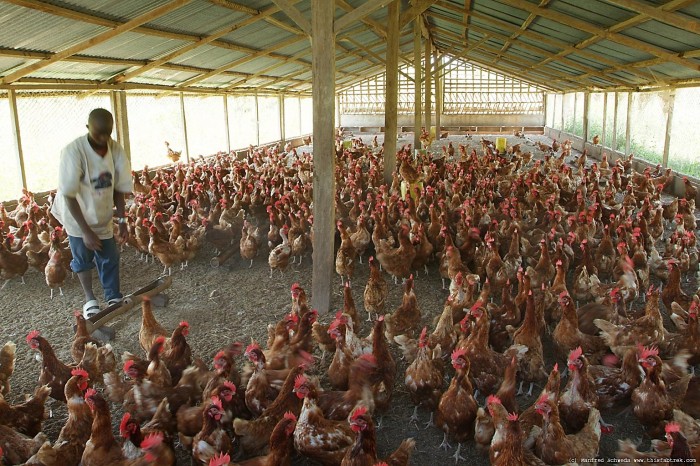
poultry farming in nigeria

Poultry Farming in Sudan, Egypt and Iraq

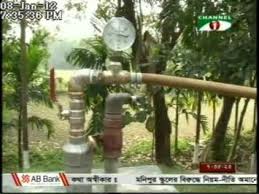
Agriculture used to be primary source of income for Sudan due its large area, most of which was well suited for the domestication of the animals. Although the 1988 floods and a number of other factors did effectuate the poultry sectors, still Sudan has managed to increase its production. Poultry in Sudan as well as in Egypt was mainly carried out by the families and rural area residents. Both the countries are now focusing on the establishment of some more poultry houses and farms, for the purpose of which a number of breeds are also being exported to the region. On the other hand, Iraq presently offers a production of about 100 MT of red meat and chicken and about 1.2 million eggs on a yearly basis. Before 1950, the sector was only family based, but now it is marked for its commercial nature. Yes, in comparison to the past years when Iraq was not at war, the production was much more than it is now.
poultry farming in egypt

Poultry Farming in Sri Lanka and Bangladesh

Sri Lanka and Bangladesh have a great potential in terms of poultry production. Poultry plays a vital role in the economy for both of the countries. Although a number of commercial units have been launched, still some more production is needed for the sake of exporting as well as for the residents of the countries. In both the countries, the meat and egg consumption has increased in the past few years, which indeed poses new challenges to the governments of the two nations. The bird flu which had broken out in the year 2008 in Bangladesh had also effectuated the growth to a large level in this country. Till now the poultry sectors have not managed to outpace the influences of the diseases that had killed hundreds of people due to which a large amount of chicken meat had to be wasted. The governments of the countries had to kill thousands of birds for controlling the spread of the disease.
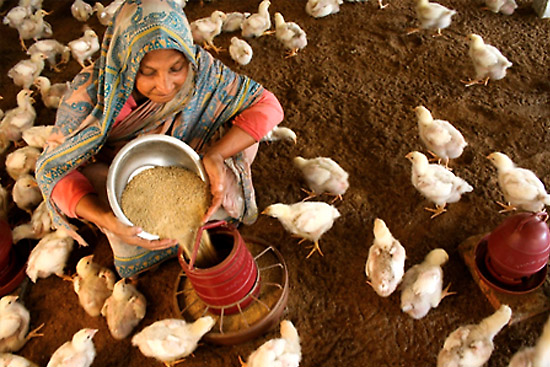
Poultry farming in bangladesh

Poultry Farming in India, Philippines and Pakistan

India now seems to lead all other developing countries in terms of the poultry farms and production. For all the three countries, poultry is undoubtedly a major contributor towards the GDP. Moreover, all of them have taken an innovative approach towards the structure, but the one country that has managed to gain an edge in terms of poultry production is India. In the past few years, the poultry sector in Pakistan has faced a number of major losses. Furthermore, it has also lost a number of its meat markets to its prime competitor i.e. India. On the other hand, the chicken broiler sector in Philippines is the one which has shown a major growth. In lines to the most recent production surveys, the poultry production in the country has also increased for about 5 %. There is a potential for much more growth in all these countries for which a number of revolutionary measures need to be taken.The issues the countries face include ineffective poultry production policies, no control on the pricing formula, lack of foreign investment, non-strategic market practices, lack of proper feeds, insufficient scientific research and much more, all of which need to be dealt with pragmatism and planning.
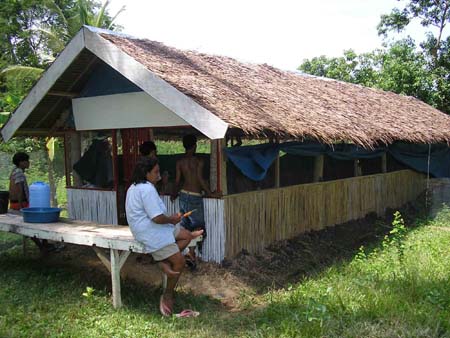
Poultry farming in phillipines

4 prodent methods of disposal of different types of poultry wastes

DISPOSAL/MANAGEMENT OF POULTRY WASTES

The method of disposal of poultry wastes plays major role in con- -trolling and eradication of diseases. Improper approach and care­lessness of this important aspect of production process in poultry, can lead to constant emergence of disease ailments on poultry farms. This results in heavy losses in the forms of mortality and reduced productive performance. Therefore, timely disposal of wastes with efficient method is an important poultry waste management tool for raising healthy and profitable poultry.

Types of Poultry Waste

The various poultry waste produced in production process of poultry are as under:

(1) Dead birds

(2) Droppings or manure

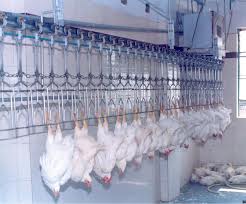
(3) Dressing waste

(4) Hatchery waste.

Disposal of Dead Birds

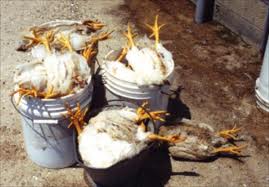
Disposal of dead birds is often neglected for want of time, fuel and labour in poultry farms. It is observed that in many instances, dead birds are just thr6wn away in open outside the farm on fallow land or at the corner of premises. Further bad part of it is that this is mostly practiced during critical periods of outbreaks, due to more number of dead bird posing difficulties for systematic disposal. On the contrary it is necessary to take extra care for systematic disposal of dead birds to control outbreak by checking spread of infection.

Throwing dead birds in open beyond the compound is extremely dangerous for spread of infection as they are eaten by dogs, cats, wild birds and vultures to carry disease causing organisms by mechanical route from place to place and recontamination of premises also. Further there is danger of spread of infection through air also. Therefore, disposal of dead birds should be peferably done by either of following two ways:

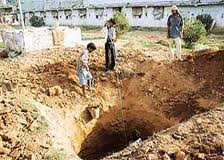
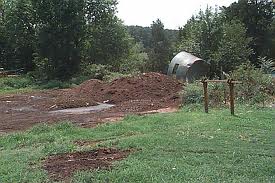
  1. They should be deeply hurried in the soil or dumped into deep manure or carcass pit where their carrion is auto-digested by hot fermentation.
  2. They should be fully burnt in incinerator to form ash, which is also a effective disposal.

Disposal of Droppings or Manure

In modern method of rearing of poultry, droppings are removed from poultry houses after removal of birds in respective lots from them. This method of disposal of droppings in the form of manure is possible in case of deep litter and 3-tier reverse (Californian) cage rearing. But in case of battery cages droppings should be removed every day or once in two days to avoid filth in house.

Due to storage of droppings for 3,6 or 12 months till the disposal of batch of birds, droppings are converted into excellent manure, which can be applied directly to soil or may be utilised after storage for some period. The site of manure pit should be at corner of premises, preferably on down wind flow side to avoid recontamination of birds.

Dried poultry waste – Dropings, spilled feed and broken shells and feathers – poultry feed ingredient – CP : 24-31%, TP: 11-23%, EE:1.62-2.13 fibre 11 to 14.

Disposal of Poultry Manure

1. Oxidation ditches: Aerobic fermentation of manure occurs in open ditches. Bacteria decompose organic matter into simpler substances like C114/NH, sludge and liquid manure.

The liquid portion has NPK elements and can be used as fertilizer in field.

Released N1-13 (ammonia) can not be trapped and escapes in atmosphere.

The solid sludge contains Vit. B12 and minerals, which can be used in the animals feed up to 3-10 per cent after proper processing.

  1. 2.     Lagoons: Shallow covered ponds in which manure is dumped along with liquid waste and covered are lagoons. Here, anaerobic fermentation decomposes manure and after 2-3 months enriched manure can be obtained. But this can lead to seepage problem in near by drinking water sources and contamination. It should be away from human habitation and wells.
  2. 3.     Solid disposal: The solid manure is handled as it is, in the form of

i. Heap

The stacked heap on compression generates heat inside and kill microbes making the material sterile, which can be used as fertilizer.

Spread

Manure is scattered on ground in thin layer which dries fast and can be applied to soil.

Dig in pits with compression

Here also heat is generated making the material sterile to use as fertilize.

Disposal of Dressing Waste

On the farm where very few birds are dressed disposal of dressing waste is a minor problem. Because of major sale by live whole selling, difficulty of dressing waste disposal is as good as totally eliminated. When occasionally birds are dressed on farm for domestic use or few birds are being sold by retailing, the dressing Waste should be properly disposed as under.

The non-edible-parts like head feathers and feet (shank) should be burnt which can be done easily due to their dryness. Other wet non-edible organs should be dumped into deep manure pit to fUlfil compost manure through hot fermentation. The manure pit must be properly covered to avoid spread of infection by aerosol route and dogs should be prevented to root out manure for offal consump­tion.

Disposal of Hatchery Waste

Considerable amount of waste material from hatchery is obtained which consists of infertile hatching eggs, dgad embryos, egg shells from hatched eggs, dead chicks or weaklings, etc. Whatever may be best management of hatchery, it involves around 10-15 per cent loss of eggs or embryos during incubation and hatching. Hatchery waste in the form of egg shells, dead embryos, infertile eggs and died or weak chicks can be efficiently converted in hatchery by­product meal or hatchery residue meal which can be very well used as protein source for poultry feeding. Due to this it can be said as utilisation of hatchery waste instead of disposal of hatchery waste.

Handling of hatchery waste: Handling of raw hatchery by-products is difficult because of its strong off odour. To overcome this problem, various chemical treatments can be used including gaseous students. Among gaseous sterilents methyl bromide and ethylene oxide are commonly used. The most important point to be considered during handling hatchery waste is that it should not contain high amount of pathogens, which may pose difficulty to human health and risk for handlers. For preventing this, do not select,eggs for hatching from diseased birds and remove dead embryos timely from incubator and try to keep embryonic morality at minimum possible level.

An insight of Geese


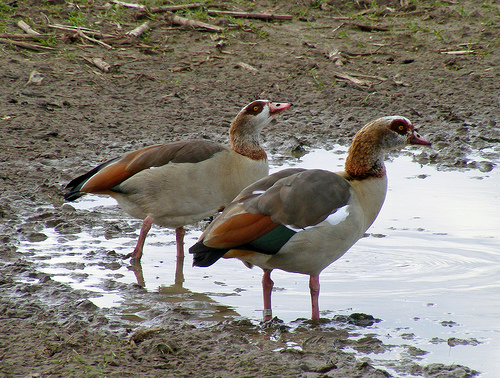
The geese which are used for the poultry related purposes are known as domestic geese. They are used in the poultry industry for the purpose of eggs, meat and for their down feathers. Since the olden days, they have been used for a number of purposes. Some people used to keep as pets while others made use of them for their delicious meat. In the present times, the poultry industry does make use of the meat and eggs derived from this domesticated animal.Below are some facts about geese which will come to be useful for those who are planning to raise them at the farms or as pets

Origins and the Regions of Geese

It is widely accepted that the geese, which belong to the family of Anatidae and to the genus named as Anser, were indeed one of the first animals in the world that were used for the domestication purposes. The domestication had probably started nearly 3000 years ago in Egypt. Some of the researchers are of the view that it all had started much before that, but there is a general consensus among them in terms of Egypt. Despite of their ancient origins, they have never been used on a large commercial scale like the ducks and chickens have been used.

geese origin

Features and Characteristics

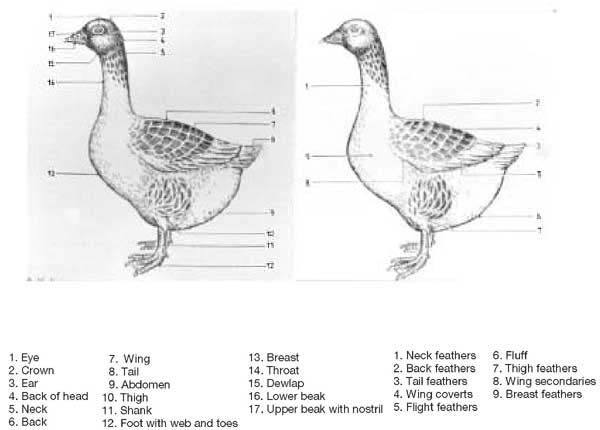
The geese are found all over the world. In terms of their physiological makeup, they are well suited for all seasons. In other words, they are able to adapt themselves to warm as well as cold climates. Moreover, they also come in a number of different colors and sizes. In comparison to their wild ancestors, the domestic geese happen to be quite larger in size. The same applies to their egg laying capacity which is higher in comparison to the other breeds. In addition to having varying levels of feathers on their bodies, the male goose also happens to have a very strong neck. It is also said that these animals are quite hardy i.e. they are immune to a number of diseases due to which they fall sick less often. All the geese have a sharp edged beak in addition to having a pointy tongue. Their digestion mechanisms are also quite agile due to which they are able to digest their food in a matter of 20 to 30 minutes. The domestic geese can be of any color ranging from white to gray. The domestic geese are termed to be the descendants of the wild geese. Moreover, they also happen to have short legs and beaks. The desired features for which they had been bred was to obtain a number of features including heavier weight, white plumage, body posture, more egg laying capacity and much more.There is a lot of other information about geese which you should prefer to have, if you plan to raise them in a more effective manner.

characteristics of geese`

Production and Consumption of Geese

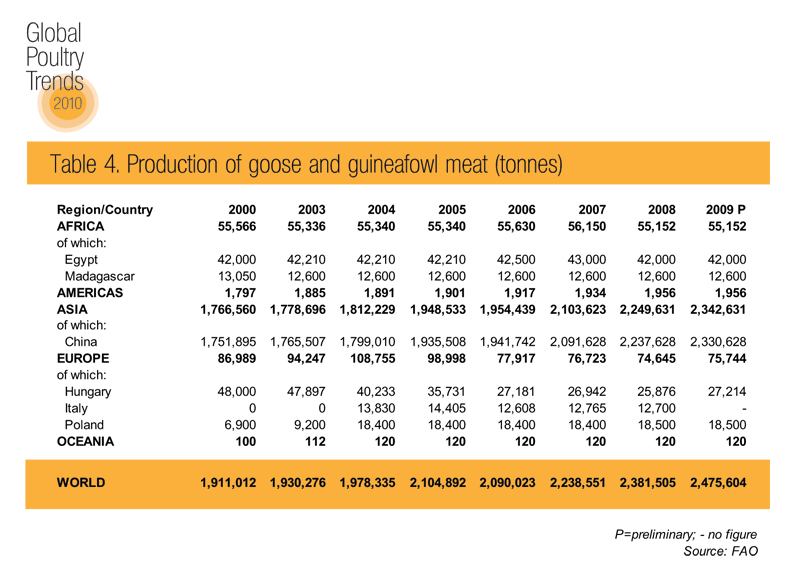
The production and the success in the domain of goose poultry rearing depend largely on the amount of attention that the young birds are given at the time of brooding. A slight decrease has been seen in the geese production since the year 2002. More of the geese are being raised in the major poultry production companies, but few of them are being sold. In the year 2007, nearly 339,000 geese had been raised in USA only. Geese production has also been rapid in Poland, Hungary and Eastern European regions. Moreover, in Asia the goose production is on the rise which makes it the only continent which is in the lead in terms of geese production and consumption. The total goose meat production had been nearly 2.5 million tons in the world as of the year 2010. In terms of the consumption, there is no substantial data which can offer a clear picture, but it is believed that the consumption is about 0.4 KG per person on an annual basis.

goose production

Geese Products and Marketing

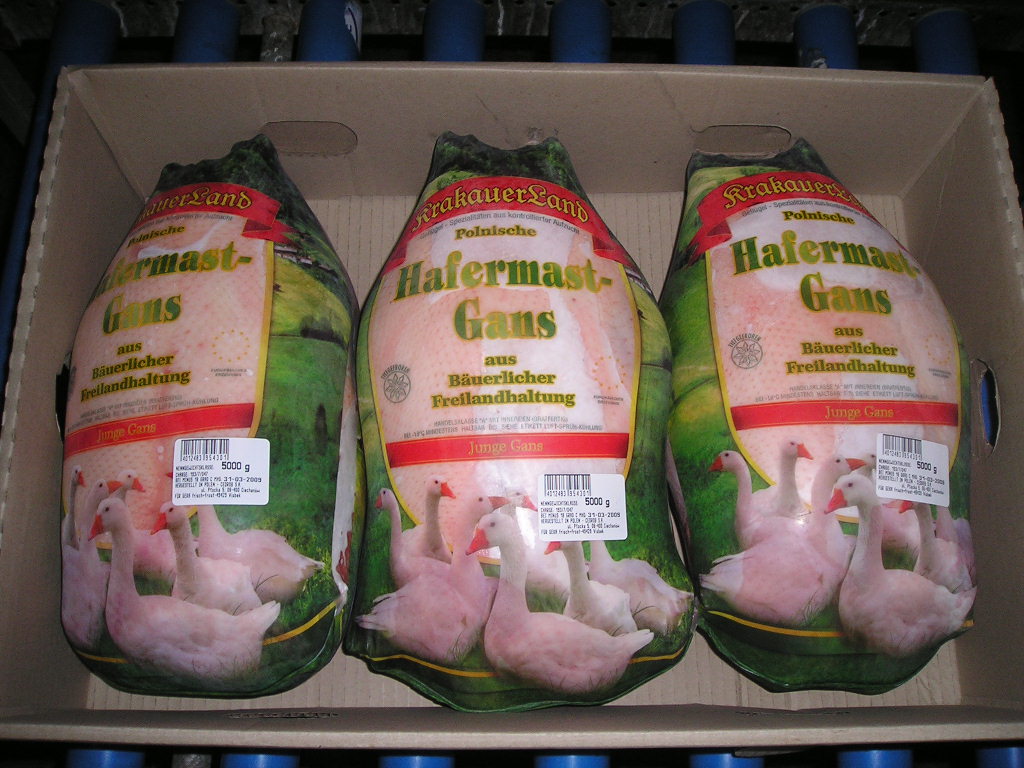
The goose products are available in Europe, Asia, and in the United States. A number of goose products like the ones made from the legs and thighsoffer a complete presentation of the exports.The Geese feathers are one of the first feature which can help distinguish them.Some other special goose products include goose pelts, stripped skin of goose, goose tongue, goose fattened liver and many more. The costs for other poultry products have been increasing, but at the same time, the prices of the goose products have been seen to be showing a regressive tendency. It is a fact that these products have not been marketed on a large scale relative to the marketing of chicken and duck products. The countries which happen to be in the lead in terms of the geese farming and marketing include USA, Hungary, Poland, Canada, China and in many other countries.

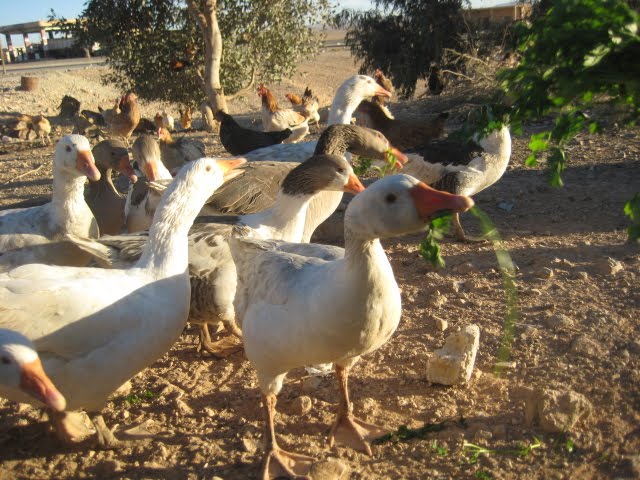
 OLYMPUS DIGITAL CAMERA

5 ideal Uses/advantages of poultry Chicken Manure/Litter

   The Use of Chicken litter/manure in Animal Feed

Poultry Wastages like Litter or Manure can be used for different purposes just like as input to animal feed. Recycled animal wastage such as  processed chicken litter or manure have been used as ingredients to animal feed for many years, These wastages contains  various amount of  minerals, fiber  and protein. They are usually used within the state or province where it is produced because it is not cost effective to move such a bulk material to far away. Mostly these kind of wastage is used by the dairy farmers as a winter food supplement for mother cows.

   The importance of poultry manure/litter as a fertilizer

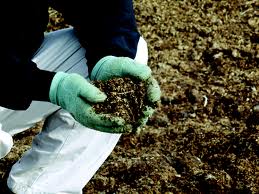
Poultry manure/litter is an important source of fertilizing crops, corn and wheat. It is the most effective ingredients of among all animal wastages as a measure to soil amendment and plant nutrient. However excessive amount of manure for fertilizing the land can be dangerous.

   Use of poultry litter to run bio-gas plants

Another revolution is the use of poultry manure in running of bio gas plants .An efficient research was made by a farmer in Rajasthan who was running a 1000 of birds farm in his village used poultry manure as an input to bio gas plants for supply of gas to his house and in the neighbor, Even when he lost his farm by the victimizing of bird-flu, he started purchasing the litter from other farmers to continue running his bio-gas plants.

   Turning Poultry Waste into Fuel

Scientists are working for converting of poultry wastage into fuel after getting methane from litter .They have developed an environmentally clean way of lightning of houses by the energy produced in this way.when the combination of poultry litter,feather and water is heated at  500F and after it is little refined we get the awsome amount of  fuel enegy.

   Chicken droppings for producing electricity

Virginia Tech’s College of Agriculture and Life Sciences has working on poultry dropping into bio-oil. They have achieved excellent result for optimizing the conversion of dropping into power source. The result is achieved by mixing of feather,litter bedding and spilled feed. When letter is vaporized by heating it, the vapor is then condensed to get bio-oil.  The same time, a form of slow release fertilizer can be recovered from the paralysis unit. The main advantage of this system is the amount of   vapor generated by heating the biomass which be used to power the unit.