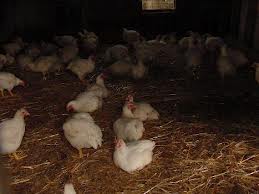
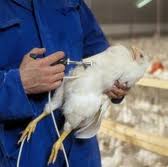
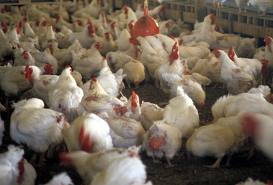
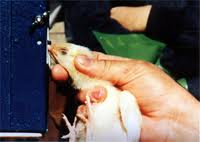
The desired weight at earlier age with efficient feed conversion ratio (FCR) with minimum mortality is prime objectives of broiler rearing. The management system used for commercial broiler rearing is probably more standardized nowadays than any other arrangements in poultry production.
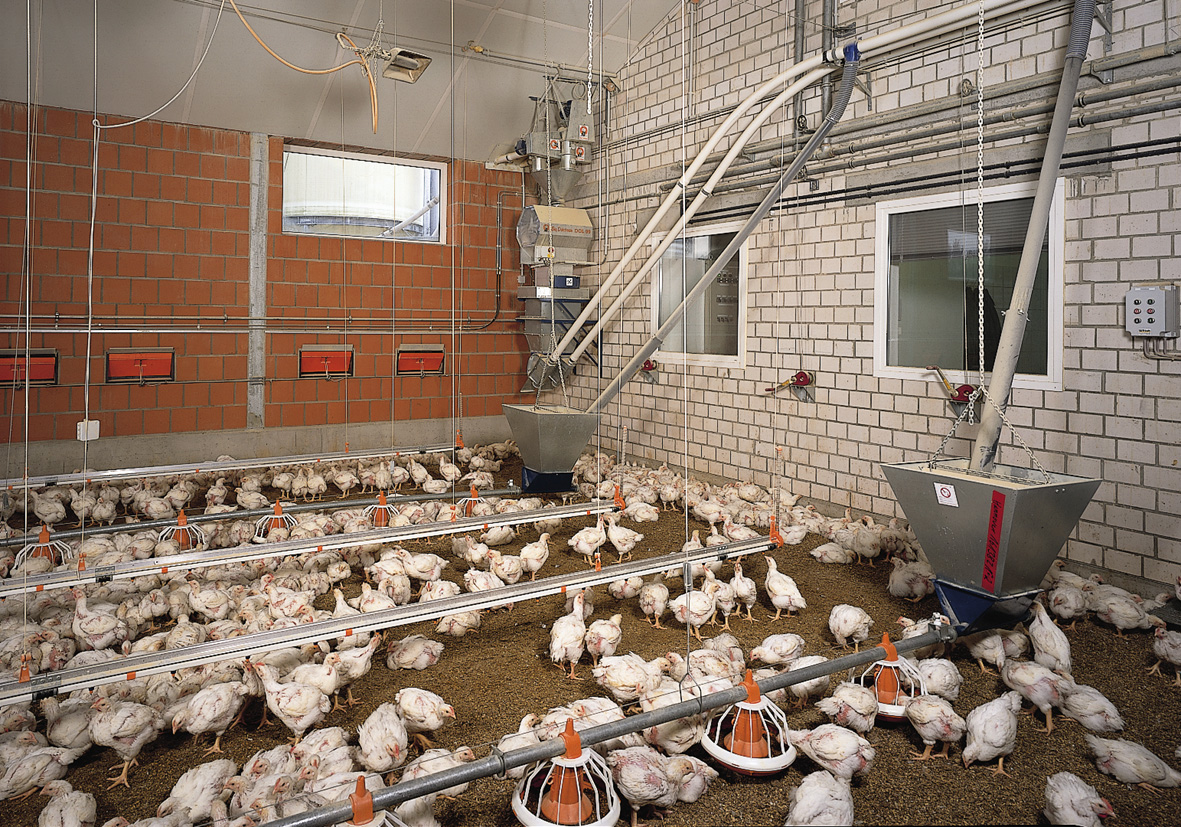
They are preferably reared on deep-litter to prevent bruising of muscles due to cages. A trend of growing lighter broilers of 1.25 to 1.35 kg at 37-40 days age has become common in recent years. The FCR is highly economical at this early age which ranges from 1.9 to 2.10 depending on breed, season, disease incidence and management on farm. The management in respect of brooding, feeding, watering, litter management, lighting and disease remains same as that of layer chicks with little variation for floor space, feeding, vaccination and other managemental practices.
Floor Space
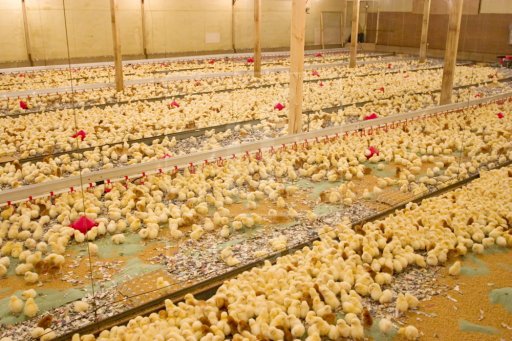
This is the type of bird in chicken, which requires minimum floor space. A floor space of 450 cm2 upto 4 weeks and 750-850 cm2 from 5-7 weeks is sufficient to achieve maximum performance. Inadequate space will lead to slower growth, increased respiratory ailments and sometimes cannibalism also. Therefore, floor space allotment plays an important role in growing efficient broilers.
Feeding
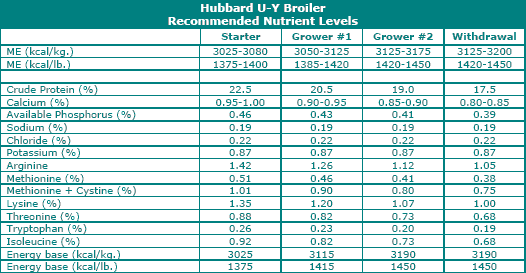
Broilers are fed special feeds to cope up their faster growth. They are offered broiler starter mash from day old to 4 weeks of age and broiler finisher mash from 5 weeks onwards till disposal. These are high energy and high portentous rations when compared to layer and breeder diets.
Vaccination
Only few vaccinations as recommended in the schedule in the ‘Practical Manual for Avian Production and Management’ serves the purpose of rearing broilers under normal conditions. However, the vaccination schedule can vary from area to area depending on the disease prevalence.
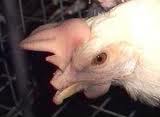
Debeaking and Deworming
Usually these are not required due to short span of life.
Separate Sex Rearing
Broilers are straight run chicks that is they are not sexed at day-old age, while supplying to farmers for commercial broilers farming. However, visual sexing is possible at four weeks of age by earlier appearance of combs in case of males. Some of farmers adopt separate sex rearing from four to five weeks onwards to take the added advantage of faster growth in males for earlier disposal by 5-6 days to enhance profitability.
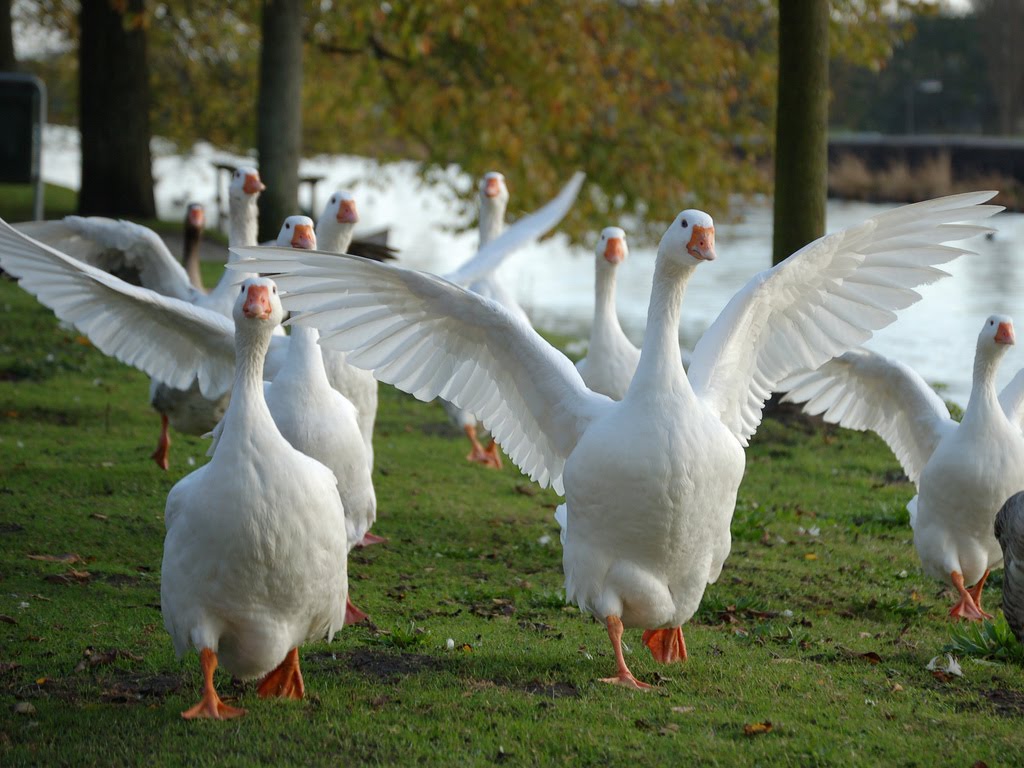
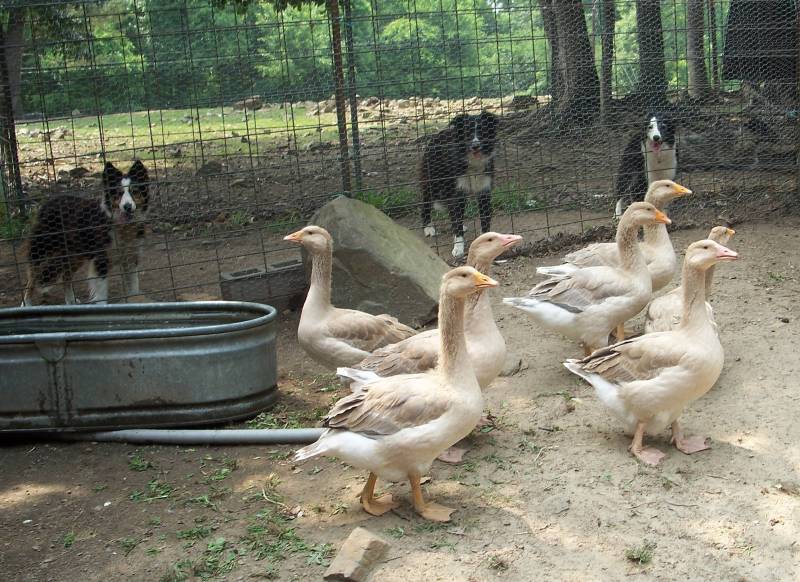
Of all forms of the domestic birds, the geese are the ones that can be termed to be the fastest growers. They are quite hardy and can become disease free if kept under constant care. Although a small number of these animals are kept in the poultry settings, there is still a lot of scope for the raising geese industry all over the world. The geese can be grown and brought up successfully on the green pasture, due to which the cost for the production can be lowered down by substantial levels. Keeping in view the feeding and geese breeding, you can expect to start a successful poultry business. Below are some types of geese, which you should know about when planning to raise the waterfowl geese or the water geese.
Famous Breeds of Domestic Geese
Embden
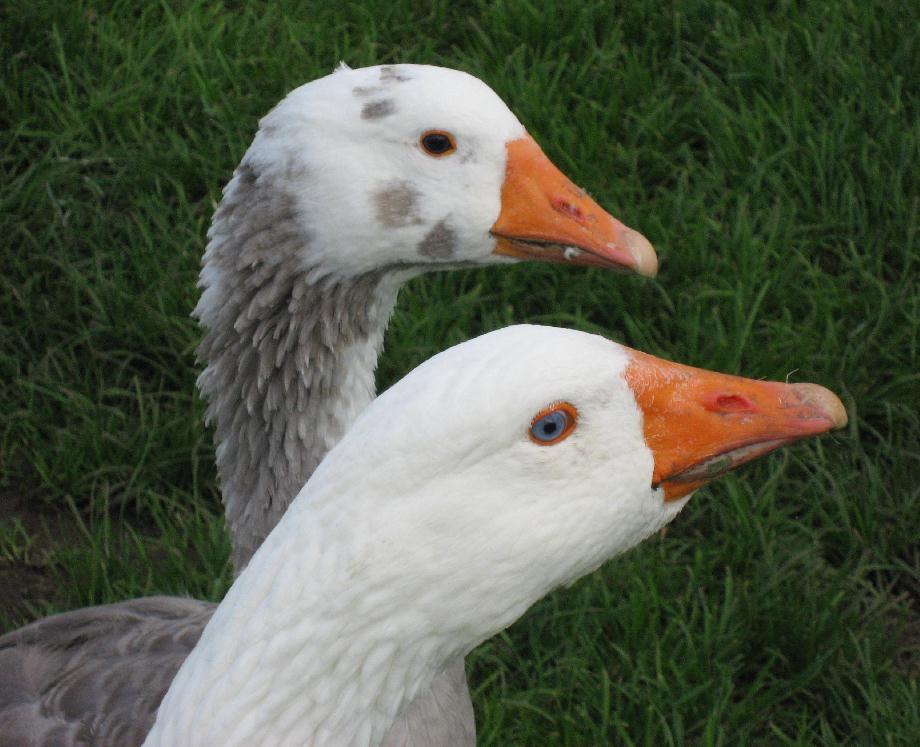
Classified to be a large and an upright bird among the breeds of goose, the Embden is known for its glossy feathers. Its eyes happen to be light blue in color. Initially, the breed had originated from the regions of Germany, but is now well distributed all over the world. For the gander, the weight falls around 8 to 9 kg and for the goose, the weight usually falls around 8 kg.
Chinese
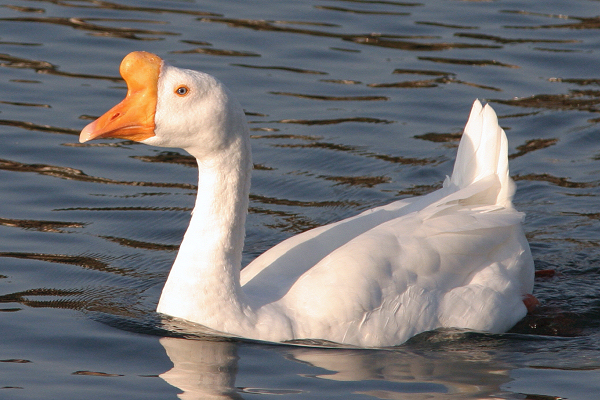
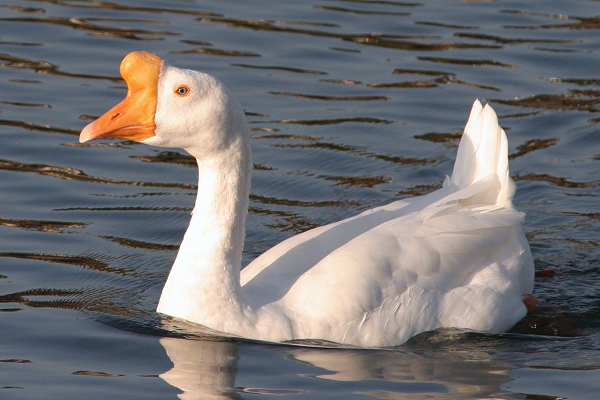
The Chinese geese can be divided into two different classes i.e. the white and the brown. This bird is able to stand upright with its arching neck. It also has a very distinct knob on the areas of its bill. The eyes of this breed are brown in color. Moreover, this breed is considered to be the noisiest among all the breeds, due to which their sound can be heard to far of places.
Sebastopol and Toulouse
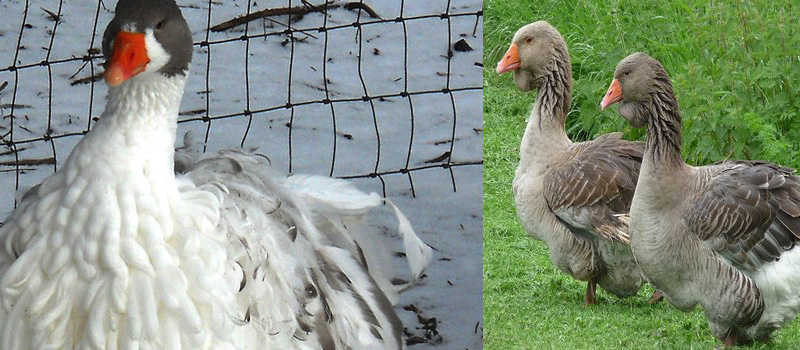
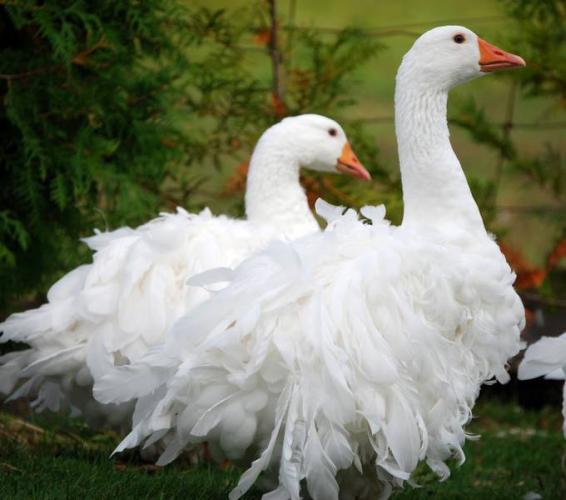
The Sebastopol breed is identified from its fuzzy and curling feathers due to which the birds that fall under the breed appear to be untidy. Furthermore, this breed is also known to be of having an ornamental nature. At the same time, the body of the breed is also more round in comparison to the other breeds. On the other hand, the Toulouse breed is believed to have originated in France and is quite similar to the Embden. But it is not so popular in relation to the other breeds mentioned here.
Moreover, the breeds of wild geese include The Barnacle Geese, Bar-Headed Goose, The Red Breasted Geese and many more.
Brooding of Goslings
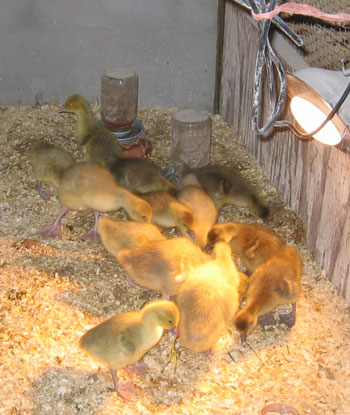
After the goslings hatching, a lot of care should be taken in terms of handling them. In other words, for the first few days the goslings are quite delicate due to which they should be kept warm. Now for the goslings which are brought up under the supervision of their parents, the occurrence of problems is less likely. You can provide some simple housing arrangements for them for the first few days in order to protect them from the changes in the weather. At the same time, you should also ensure that the floor litter is kept as dry as possible.
On the other hand, for the goslings which are being brought up in an artificial manner, the need for a warm enclosure is highly crucial. For the purpose of providing the goslings with some heat, you can make use of infrared as well as the carbon heating globes. For example, a 250 watt globe will prove to be enough for nearly 30 goslings. In order to know the optimal temperature for the goslings, you can also observe their movement to get an idea.
Breeding and Mating of Geese
How to breed geese? Well, the geese enjoy their best breeding period from the age of 2 to 8 years. After the age of 10 years, the pace of egg production declines slowly at which you should introduce some new flocks of geese. The process of geese breeding can be run using the free range method. It is best to make use of the healthiest gander for 3 to 4 healthy females. You should also allow the birds to mate for one month at the beginning of the geese breeding season.
Feeding and Nutrition
In addition to the availability of the green pasture, you can use of a supplementary ration which can be in the form of geese food pellets or mashes. The feed should be given to the birds 3 to 4 weeks before the fertile eggs would be hatching. Moreover, also prepare vitamin and mineral based mixes in accordance with the guidelines and directions given by the manufacturers.
The goslings should be given a constant access to the water from the very first day. The water provided should be good in quality and should be subject to quality assurance from time to time. Now here you can make use of some specialized jars and troughs for the purpose.
Shelter Needs
The need for having a spacious shelter for the geese is quite crucial, especially in times of the winter season. For the optimal levels of comfort for the birds, the shelter should be at least 8′ x 10′. Each bird should be given around 6 square feet. Moreover, the shelter should also be water and predator proof. It is also important not to confine the birds for a long time as they might get restless at times.
Gizzard Worming Issue and Solutions
At times when you find the presence of the gizzard worms on the body of the birds, then it is best to begin with contacting the specialists. Moreover, you should also ensure that a proper heat supply is available to the birds due to which the worms including, acuaria, tapeworm and at all others won’t be able to heavily influence the health of the birds. You can also administer the doses of the medications including Nilverm, Aviverm, Droncit and many more.
When it comes to knowing the facts and information about geese, then surely a number of breeds stand out among all others. All of the ancestors of the domestic geese had been derived from the wild species of those times. The European breeds are believed to have originated from the graylag class while the Asian breeds had been obtained from the swan goose.
Although these two classes had quite separate origins, still they were able to inter breed from time to time. The breeds of domestic geese have been classified and stumbled into a number of different classes, the details of which would be shared below. Here are the 10 most popular breeds of domestic geese with pictures.
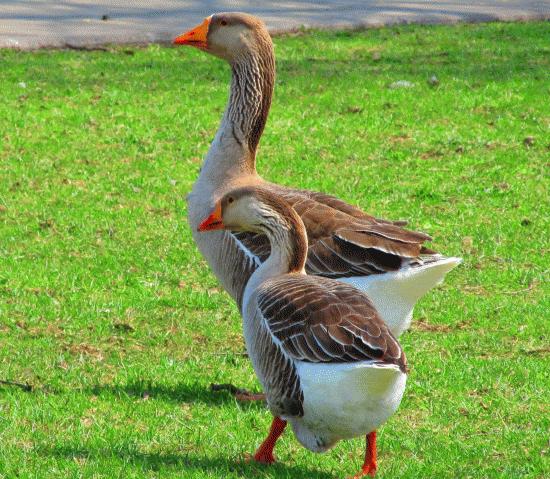
1. Toulouse
Known to be the largest and one of the most used standard geese breeds, the Toulouse breed is marked for having a weight of about 20 to 26 pounds. The back of this domesticated breedis seen to be dark gray in color. The color starts to transform to light gray color as we move towards the breast regions.
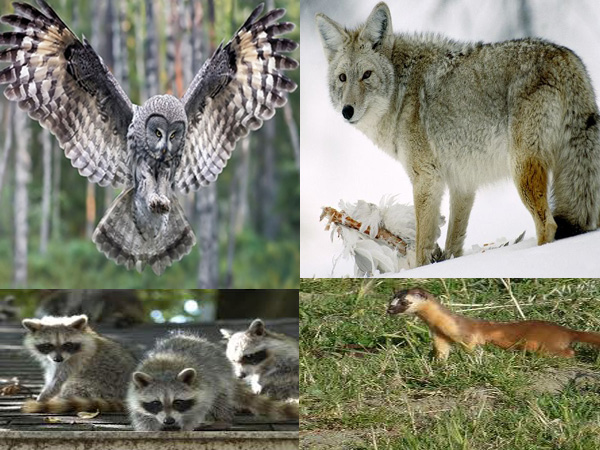
The feet are marked for their deep reddish and orange colors. The bill of the Toulouse breed is pale yellow. In terms of the predators, raccoons, owls, foxes and weasels are in the lead.
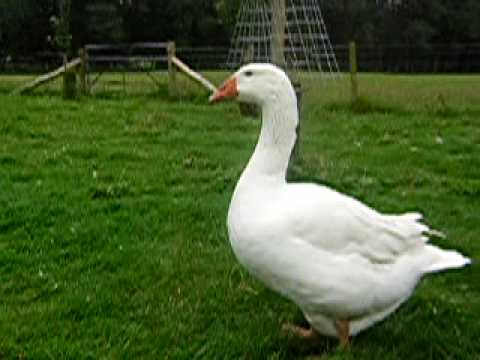
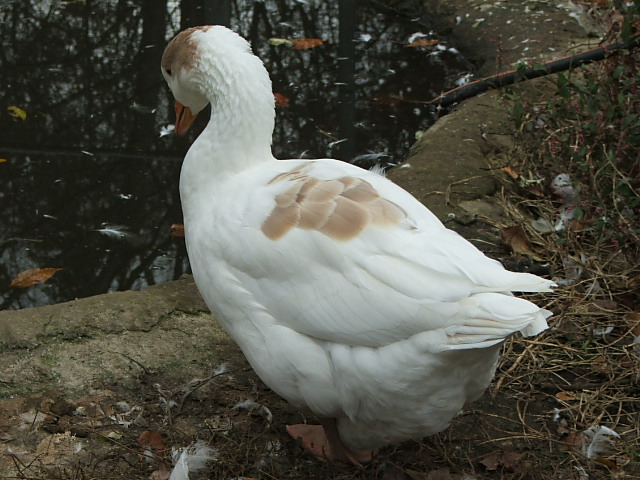
2. Embden
This geese breed comes from a German city that was famous for exporting them to the regions in England. In comparison to the Toulouse, the embden breed is a bit smaller and white in color. Moreover, it is also a better sitter in comparison to the different breeds of geese.
It is also the most popular and desired market goose in the United States markets. In addition to being a rapid grower, the breed is also quite agile in maturation. The adults can easily reach the weight of about 16 to 26 pounds. In order to wither off the predators, the breed is famous for making use of stylized sounds, hissing and movements.
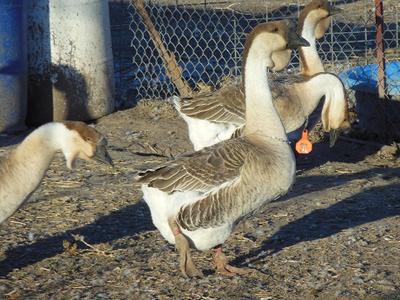
3. African
Marked for having an ashy brown color and dark orange colored legs, The African geese breed had originated in India. But at the same time, it has been erroneously reported that Africa is the region where it had come from. It also has a kind of protuberance on the top regions of its head.
The male members of the breed are really famous for cross breeding into the other breeds. The adults in this breed are able to have a weight of about 14-20 pounds. Its dark beak together with some other features make it less desirable in comparison to the Toulouse and embden.
4. The American Buff
Being light buff in color and having a white shaded breast, The American Buff is considered to be latest addition into the American market standards. In a matter of no time, the breed has been able to bag a fame and popularity, which is all because of its amazing features and breeding characteristics. The adults in the class of American Geese breed can reach the weight of about 15-18 pounds.
5. Chinese Geese
Presently, you can find the brown as well as white varieties of the Chinese geese. Being smaller and having a swanlike appearance, this breed of geese is well adopted and suited for consumption at the home based settings. The brown Chinese goose is known to have a brown colored plumage, while the white ones are known for their orange colored bill.
6. Sebastopol Geese
Marked for their twisted, curled and feathery upper regions of the body, the Sebastopol is classified to be an ornamental breed. The weights for the adults can top the 12 to 14 pounds limit, thus also making them suited for non-commercial purposes.
7. Pilgrim
The pilgrim is more like a fast growing and sturdy geese breed which is desirable for varying reasons and features. It has always been raised for its feathers and for the purpose of its delicious meat. The breed is also different in terms of the plumage color with which the males are separated from the females.
The males happen to have blue colored eyes, while the females are marked for having hazel colored eyes. The optimal weight for the adults reaches to about 12 to 14 pounds.
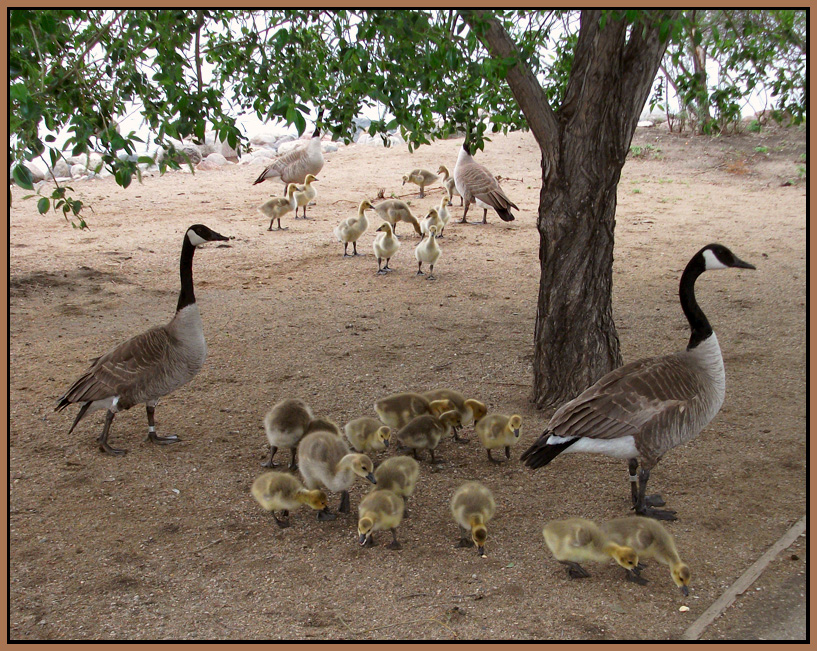
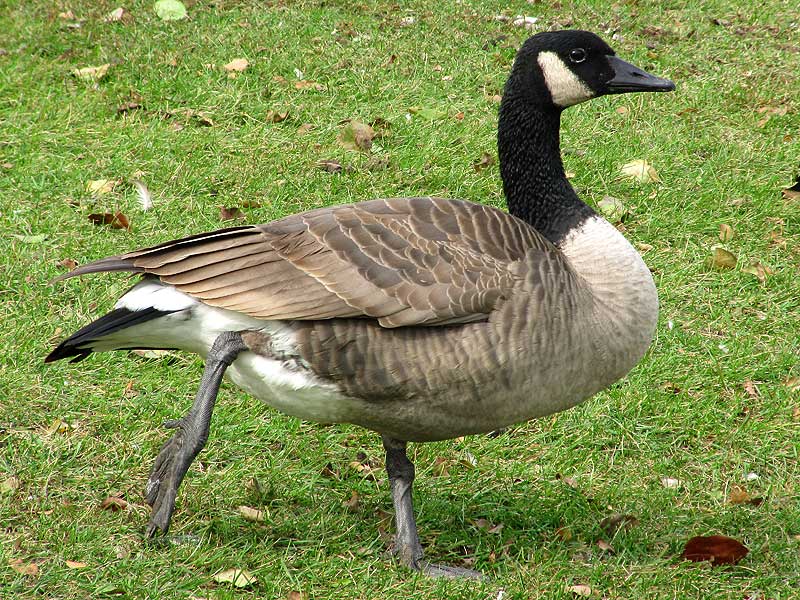
8. The Canada Goose
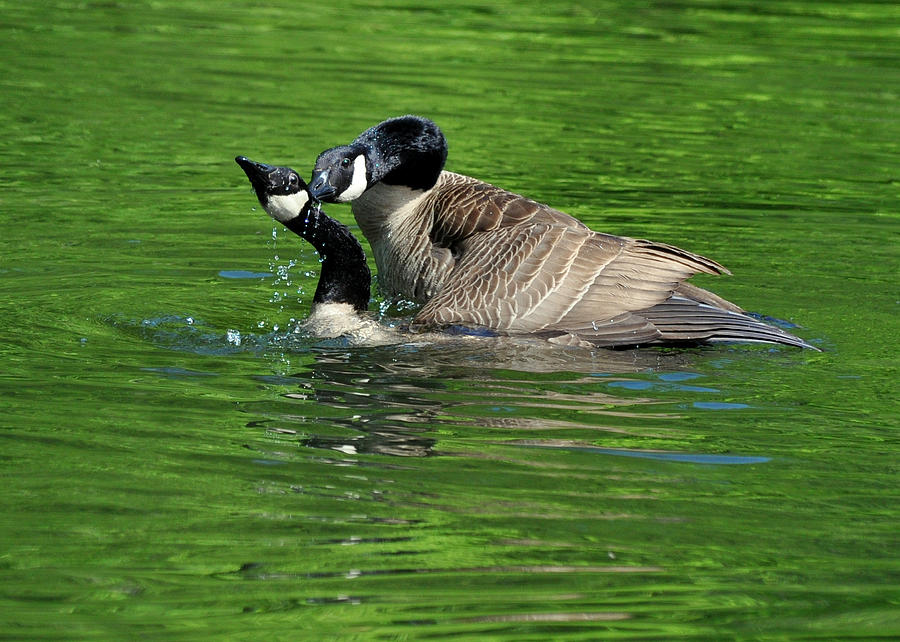
Mechanisms of close confinement are what that are used for the captivation of this geese breed. Mostly they are used in the public parts and by the hunters to serve the purpose of decoys. Their plumage varies from grey to black colors while the feathers on their breast happen to be light.
The ganders or male members do not breed before the age of 2 years. Moreover, they are famous for the mating process in pairs. But there is one drawback in making use of this breed for commercial reasons i.e. they are not efficient in terms of the reproduction.
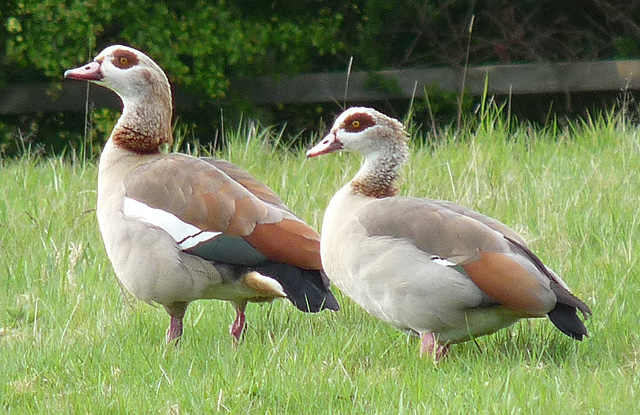
9. Egyptian
Having long legs, but a small sized body appearance, the Egyptian is used for varying ornamental purposes. Surely, the breed is beautiful but has no potential for competing in the commercial markets all over the world.
The only ones who prefer to purchase them are the ones who are obsessed with their beauty. Their weight, which ranges from 4 to 6 pounds, is also what makes them the least desirable.
10. The Buff Back Geese
Europe is the place of origin for this geese breed, which can be differentiated in terms of its plumage size, color and a long bodied appearance. It is used for the purpose of meat and eggs together with its broody nature. They can be breed effectively in the form of pairs and trios.
Protecting Geese From Predators
For the purpose of protecting the breeds from the geese predators, you would need to provide them with some adequate levels of shelter. It is best to allow them to roam in the day time and keeping them confined in protected shelters at night.
Not to forget here that some predators are quite lethal in terms of attacking from under the ground due to which it is recommended to secure the base of the shelter with some strong and durable materials. It is also preferable to make the use of low intensity electric fences. The common predators for all the breeds of geese include bobcats, dogs, coyotes,
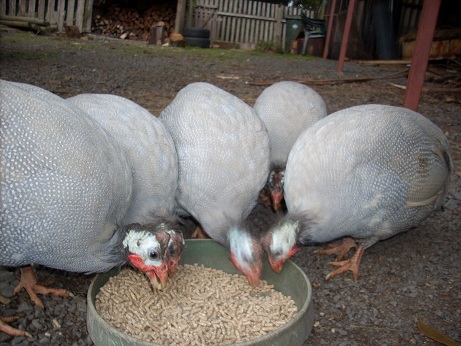
Have you ever noticed what exactly guinea bird looks like? They have that nosy and officious look because their body has gray fur over all, which makes it look like a baggy grayish suit. Most of the time I have seen guinea haste through the backyard. Moreover, as soon as it’s dawn, they start to scour the garden for ticks, locust, beetles, and other similar insects. They are the perfect watchdog for the orchard because many times they even catch the roaches, ants, termites, snails, cutworms and flies. I must say, they’re patrolling is absolutely perfect, even better than the insecticides. This creature is absolutely ruthless when on pursuit.
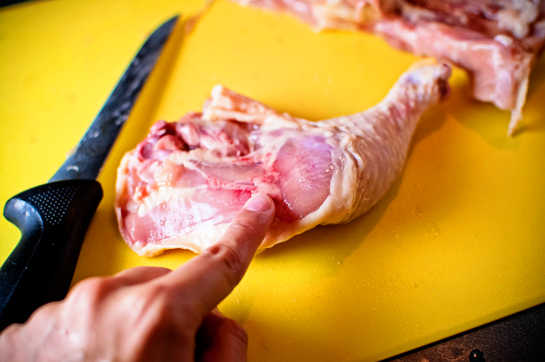
Most of the people seem to rear this bird because of the ultimate benefits it has for the humans – firstly, the major reason for raising guinea fowl is its taste and alluring flesh; also, the meat is highly tender and provides an absolutely perfect taste like other birds. Doctors say that the guinea fowl meat is low in cholesterol but rich in fatty acids; so overall, it’s good for a healthier life. In contrast to this, many adore guinea fowl farming because of its ornamental value which is really high. Usually, these birds are robust enough to bear all the harsh weather conditions and that is why one does not need to spend much on their medical.
Guinea Fowl is a noisy bird, that is why people don’t prefer them rearing in their residential areas because neighbors complain about the unwanted noise.
Now, have a look at the pivotal aspects related to the guinea fowl bird – in case you want to have them in your backyard, this piece of knowledge would help you do that;
Rearing:
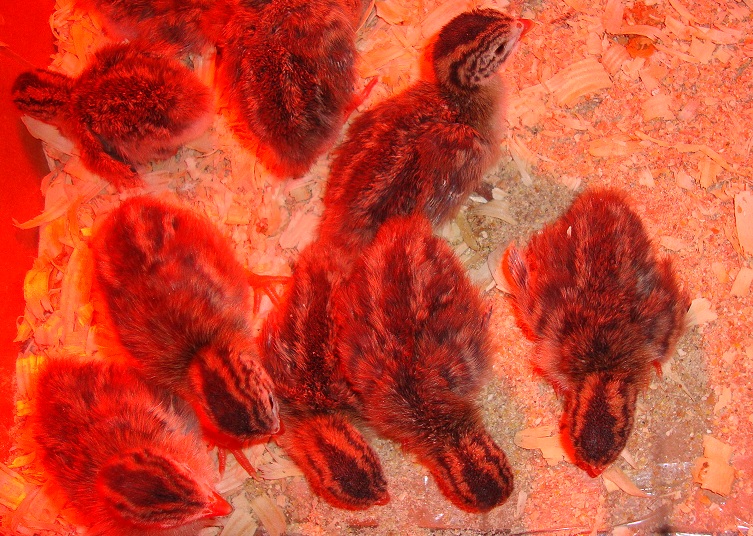
Keets are known as baby guinea fowls; newly born keets ( guinea fowl chicks) are supposed to be taken care for about one month else they would die from cold. In order to know much about temperature changes about the keets, you should check out website and blogs which deal with poultry breeds.
If you check out rearing in more detail, you would get to know about three common types of rearing systems;
Free range: In this method only drinking water is given to the keets.
Semi – free rearing: In this method a basic house is provided so that first three weeks of the life are secured. Later, they are shifted to a house which has perches inside; finally, the keets are shifted to an aviary. Also, the entire house is surrounded by 3 meter high fences so that the escaping is not easy.
Intensive rearing: This system provides darkness or low lighting conditions which helps in better performance of birds. This type of rearing can be made on the floor. In modern units rearing is also done on battery surfaces.
Guinea Fowl feeding:
You can say that the diet of the fowl is divided into phases;
Starting: for at least the first four weeks the chicks must be given 24 percent protein
From the 4th till 8th week, the protein percentage for feeding must be 20.
Finisher diet should be 16 percent; it should be continued till the fowl gets 16 weeks.
By the 16th week, the average weight of the guinea must be two kg.
Some interesting facts that I would like to share here;
During the course of life, the guinea fowl in takes around 43 kilograms of feed – out of this, 12kg is consumed during the growth age, and the rest during the laying tenure.
Eggs:
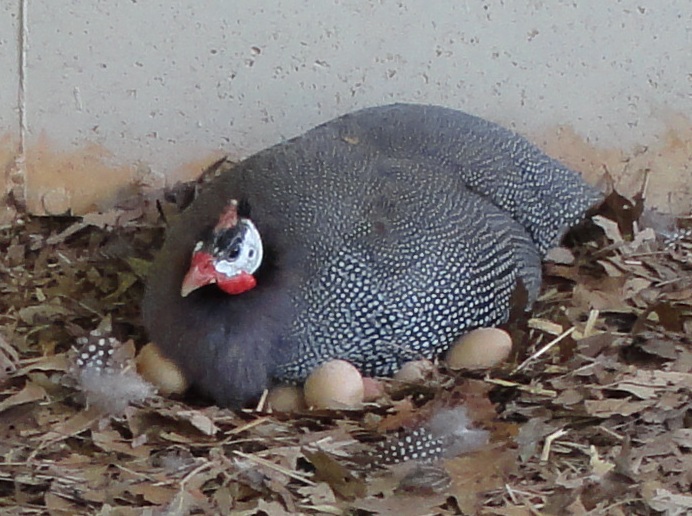
If properly looked after, the guinea hens (soil reared) have the tendency to lay around 100 eggs. The other type (reared on cage) can produce up to 170 eggs in a year. However, the guinea fowl has the ability to lay eggs at the age of 17th week and especially during the rainy season. The egg shell is very strong– in fact, many times judgment about the egg‘s fertility through candling even gets chaotic.
Hatching eggs:
Most of the care takers collect the hatching eggs of guinea hen four times during the day. Also, an important thing to note down here, the eggs must be stored under the temperature of 15 to 18 degree Celsius.
Period of Incubation:
The normal incubation tenure of a guinea hen is around 28 days or a little more. More of time the broody chicken hen is used for hatching guinea eggs because of its wild behavior. The normal behavior of the bird is such that, as soon as some keets are hatched, the guinea hen leaves the nest; also the keets start to leave their places after hatched. The un-hatched eggs can be put under any other hen for the warmth; else incubator can be used too. The temperature of the incubator must not be more than 37 degrees Celsius and the humidity ratio must be around 58 percent. Further, incubating guinea eggs must especially be taken care for best results.
Brooding:
The guinea keets need to be brooded for first 4 weeks of the age using any incubator, the temperature should be between 37oC to 37.5oC and need to be reduced 4oC each week. Day old keets should be provided 20/m2 space for moving as to keep them away from brooder if the temperature gets too hot. You can use wood shaving for brooding. Place a rough cover onto wire mesh if brooding is done on a wire floor to protect them from falling. A plain cover is not recommending as it may leads to legs problems.
Poultry producers all around the world are now focusing on the production of some high quality meat. The prime reason for this can be linked to the increase in the consumer concerns about the quality of poultry they consume. Due to the rapid growth of the HACCP, it is now vital for them to standardize all the phases of poultry meat production so that the customers can be satisfied in a more effective manner. Moreover, there is also a growing need to maintain the environment, poultry broiler management operations in addition to the broiler chicken feed and production strategies so that all of the products might come to meet the retail requirements in the present times. The consumers are also now widely interested in knowing about the kind of food the birds are fed at the broiler grower settings.
Growth and Development
The challenge here is to provide the domesticated animals with such an environment that would come to encourage their growth and well being. The amount of muscles and the fat ratios seem to be the concern of the poultry consumers nowadays. Moreover, little importance is being paid on the skeletal development of the animals. It happens because of the physiological growth of the animals that lead to the increase of meat in the body of the animals while feeding chickens.
Energy Intake
Birds try to make adjustments among themselves in order to control the amount of energy they consume. But for better control, the poultry Producers are also required to monitor the nutrient requirements of broilers and broiler feed consumption at all times. If the energy intake is less or greater, then an increase in meat deposition might be observed. Moreover, the overall weight of the animal’s body is going to increase, not because of the presence of more proteins, but due to the fat deposition which consumers do not demand presently. Most of these deposited fat goes down to the abdominal section which is indeed the least desired by the consumers. It is evident from this that the producers need to optimize the energy take in a more controlled manner so that some extra fat might not accumulate.
Intake of Minerals, Vitamins and Amino Acids
In the formation of proteins and broiler feed intake, the amino acids do play a vital role. There are some studies that assert than increase in the consumption of amino acids for getting the maximum levels of breast meat, may exceed beyond the amounts that are required for optimal growth. There are a number of variations and synthetic forms of the amino acids that are available in the market which can be brought to some practical use in controlling the amount of energy the birds need for normal performance. These include tryptophan, Lysine and some others, all of which have been proved to be effective in leading to proteins deposition. It is also due to the excessive availability of such synthetic forms that might lead to a more complex formulation of the foods for the animals. In addition to amino acids, various minerals and vitamins are also important for the growth of the animals in the poultry settings. In order to achieve the maximum amount of bone mineralization, some knowledge about the use of macro minerals is also essential. These minerals include calcium and phosphorous which have been used in the poultry houses for quite some time now. But in these times, these minerals should be presented in a more controlled amount to comply with the needs of the poultry birds. Moreover, they are also important for the improvement of the immune systems of the animals which helps them in combating the various diseases and virus attacks that are quite common in the underdeveloped farms and poultry houses.
Creation of Superior Retail Products
Manipulation of the dietary supplements and foods in addition to the increase in the carcass quality, are the two strategies which are crucial for taking the quality of the retail products many notches up. But here in increasing the carcass quality might also lead to the deposition of unsaturated fatty acids which are also the least desirable by the poultry consumers of the present era. Thus it is imperative here that all such foods and supplements are stabilized in order to ensure that the fat deposition remains the minimal in the poultry feed and nutrition.
Summary
Innovation and control, on the poultry products, especially the broiler started feed, is the need of the times for ensuring that all forms of poultry productions come to be higher in quality.
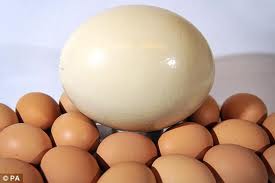
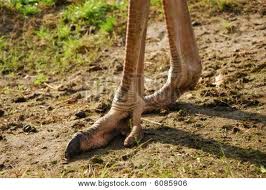
Ostrich is the recently domesticated bird. Ostrich is the largest known bird and some scientists believe that the present bird developed from ancestors that were capable to flight. The ostrich of today cannot fly, but does run well and is capable of speeds of 50 miles per hour with strides of 15 feet (for very large bird the stride may be 20 feet or more). The feet of the ostrich have only two toes, the only bird the that does while emus, Rhea and Cassowary has three toes. Ostriches characteristically share with emu, Rhea and Cassowary. The ostrich is well-adoptable bird and that can thrive in different environments.
Physical Appearance
A male ostrich range between 6 and 9 feet, while females between 5.5 and 6.5 feet tall at maturity. The chicks of ostrich grow about 10 inches per month in the first year and weigh about 40 kg at a age of12 months. The Adults ostrich usually have weigh between 60 to 132 kg. Domesticated ostriches gain maturity at 2 to 3 years of age. Females are mature about 6 months earlier than males. Ostriches normally live for 30 to 70 years in captivity.
–Despite the fact that ostriches are flightless birds, their wings are very strong. Ostriches make use of their wings for aggressive display and courtship rituals. Males have contrasting bright black and white plumage. Females plumage is drab and grey. Their lead-blue colour of skin usually becomes scarlet over the beak, on the forehead and around the eyes during the mating season. The normal body temperatures between is 39.4°C to 40°C.
Nutrition
Nutrition practices recommended by some self-professed experts often are sound nutritional principles. Nutrition related mortality problems in chicks juveniles include malnutrition or starvation, intestinal obstruction. It is absolutely essential that ostriches have clean, potable water availability. The feedstuffs of ostrich must provide adequate level of protein and essential amino acids and meet vitamin, energy and mineral requirements If ostriches are allowed to forage on grain or natural grasses , try to balance intake with the amount of commercial feed that is fed. Ostriches should not become overweight. Excess body weight in the form of fat is detrimental to production or breeders and to meat quality of birds that are to be slaughtered.
Marketing
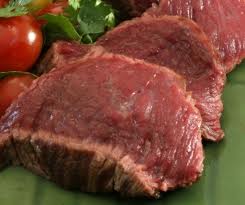
Market for ostriches is currently breeder market with value determined as much by nostalgia as the value of products provided by the ostriches. In the long-term, if the ostrich industry is to thrive, the birds will have to generate sufficient revenue to cover their costs of production. The main products from ostrich are red meat which is lower in fat and cholesterol than turkey. Leather which is extremely durable with unique marketing. Decorative by-products namely, feathers and eggs.
History of Emu
L
Native of emu
:
Australia
2.
Life span
:
25-35 years
3.
Egg weight (Average)
:
400-650 2-,m
4.
Incubation period
:
48-52 days
During laying period (October-March) they can lay 30-50 eggs per annum.
Prominent characteristics of emu is rudimentary wings.
So you have decided to have a poultry shed for rearing the farm animals. But the thing you must now is that animal domestication should be taken as a process, as it requires certain measures and strategies all of which are of extreme importance. The prime purpose of having a poultry shed is to help the animals adapt to humans. This adaptation to the captive environment requires the maintenance of certain conditions. The guide to poultry control shed can be brought to practical use only by following all the steps as they are. Here are some of the basic/essential requirements and a basic design for the environmentally controlled shed!
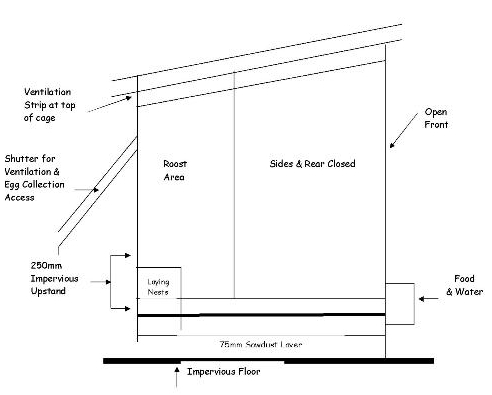
The first thing you need to do is to make a blue print for the shed that you plan to have. You can try to make your own plan, but it is best to make use of the internet for getting an idea about the most conducive and practical plans. A typical poultry shed for chickens makes use of a plan that distributes 21 chickens per square meter. The floor on which the animals are to be reared should be more than 15 cm with variations for more animals. Now you can assume that what would be required for rearing 30,000 to 45,000 birds. The land area required to make a poultry shed for 30,000 broilers should be more than 80000 square feet. It can be more if you are willing to make some good investment in control shed.
Furthermore, a balanced amount of litter is spread all over the floor which primarily consists of wooden shavings and other similar materials. An important thing here is the fact that these sheds are of controlled environmental types, so you need to have an efficient ventilation system for the maintenance of the temperature. The birds and animals require a certain temperature profile for their growth.
The windows should be made in such a way that sunlight and fresh air can easily enter the poultry shed. In times of the windy and cold seasons, you must have some brooders for maintaining some heat in the entire structure. It is all because of the fact that farm and domesticated animals are highly susceptible to weather changes. As the animals start to grow the heat requirement comes a few notches down as the animals are now able to generate some body heat of their own.
In terms of the feeding density, the feeders and drinkers should be sufficient for the accommodation of the 30,000 to 45,000 birds. On an average the feeding consumption for one bird should be more than 3 kg for a period of 5 to 6 weeks. Below is the list of some of the most important variables in bird rearing and infrastructure:
Temperature and humidity maintenance
Supplementary levels of heating and cooling at all times
The amount of nutrient densities consumed by the birds
An increase of the biomass in the shed from time to time
Presence of some heat in the litter and all necessary arrangements for meeting the surface requirement
The floor area should be kept in mind in the times of heat distribution
All of the requirements elucidated above should be dealt with efficacy and extreme care for making the shed a healthy breeding and reading place for the birds.
I have a vast experience of handling 2 dozen babies at the same time – you must be thinking I have gone crazy, or just looking around; however, this is true. Babies, I am talking about my fluffy, cute and fatty hens here. When it comes to hens all the activities are fun – feeding, bathing but more specifically, I can guarantee hatching chickens is just wow! The artificial incubation is not fun because you do not get to see a different behavior and feel attachment. The excerpt in detail highlights how to hatch chicks naturally under a broody hen. In addition, it would explain about the best brooding types of hens and their habits.
What do you think?-can an egg-laying hen would go broody? Well, that is not strange at all because it happens most of the time, especially during early summers and spring. Many backyard raisers particularly grab the fresh chicken eggs early morning so that they can sell it for money. In contrast to this attitude, many want to refresh their flocks frequently and use older chickens for flesh and money. Therefore, they let the mother hens sit of the cluster of eggs for some time so that they can get cute little babies.
Where to find a Broody Hen:
Truly, if you want to get chicks that mean you need fertile eggs – it also means you need a rooster. The second issue is hatching because you need a brooding hen for that. Not all the breeds are that way because chickens are one hell of moody creatures. Not only many farmers claim the same but also the researches have proved that some breeds of chicken are more likable for breeding. Have a look;
Buff Orpingtons:
Any idea, which breeds, is known for its broodiness. It is not wrong to say that mama hen of this breed is very loving and adores the chicks. Interestingly, you will not ever face trouble in letting this hen go for brooding; in fact, it does not mind to hatch the eggs that are not laid by her.
Other breeds:
Brahmas, Silkies, Australorp, Dark Cornish, Buff Rocks, Turkens, Cuckoo Marans and Bantams are even among those types that easily go for brooding. However, they may not be the ones, which are likely to sit on the cluster of eggs, which are produced by some others.
However, not all the hens are very good broody as it is a trait that is natural and cannot be acquired. They may even contribute of lesser or failed to hatch properly (so you select to break the broodiness of hen).
Signs of brooding:
Many times newbie’s or new backyard players get into chaos when the hen is about to brood. They fail to spot the common differences between a sick and a broody hen. Let us end this mess by clearly looking into the signs of broody hen;
Hen starts to peck hard when you try to reach her nest
Examine her behavior – she must be looking comfortable yet very alert about the environment
She must be fluffing her feathers, especially the neck area. You would be certain to hear a very sweet noise all the time.
Keep a look at the nest, if it has line of feathers, it clearly shows the mother feeling on her is on the top
Leave the nesting box shortly to eat, drink and poop.
Essentials of a broody box:
A brooding box is a private place of a broody hen; therefore, it is supposed to be comfortable and cozy. Moreover, it is supposed to be safer so that the hen does not feel insecure otherwise, she would act strangely.
The hatching process:
Normally, the duration of hatching an egg is almost 21 days. It may be a little more or less as per the breed of the chickens. You must candle the egg after few days to determine the viability of an embryo so that infertile eggs can be separate out.
Stages of egg development:
Day one:
Within 16 hours there is existence of the chick embryo
Eighteenth hour – alimentary tract develops
Twentieth hour – vertebral column develops
Twenty first hour – nervous system starts to develop
Twenty second hour – head starts developing and by 24th hour eyes are developed
Day 2:
Twenty fifth hour – heart starts to develop
Thirty fifth hour – ear starts developing
Forty hour – heart beat starts
Day 3:
The 60th hour – nose develops
62nd hour – legs develop
64th hour – wings develop
Day 4:
Tongue develops
Day 5:
Differentiation of sex and formation of reproductive organs takes place
Day 6:
Peak develops
Day 8:
Feathers develop
Day 10:
Beak starts getting harder
Day 13:
Claws and scales develop
Day 14:
The embryo starts moving in a manner that it can be get out of the shell
Day 19:
Yolk starts to enter the body cavity
Day 20:
The embryo is big enough to occupy the entire shell space
The bird Turkey, for many is only known as the festival bird. I would like to share a very interesting fact over here – National Turkey Federation (NTF) has mentioned in their publishing that 95% only prefer turkey meal on Thanksgiving occasion. It is also estimated that during this particular time, 46 million festival birds are consumed. This in other means indicates that about 675 million pounds of the bird are served on hundreds of dining tables. Also, a big, giant turkey means a good amount of bird’s leftover – this helps in cooking some of the mouthwatering dishes including both starters and main course.
This poultry meat is also low fat, it contains a good amount of proteins, so it’s healthy. Not only this, the turkey farming has also gained popularity over the years because it offers excellent nutritional value and tastes superb as well.
Many people fail to cook a good, tasty and appealing turkey meal for many reasons. Many complain that it looks burnt and tastes dry, when on the table, and it gets kind of embarrassing in front of the guests. This is why the culinarians get hundreds of calls from the housewives as well as other cooking experts. They inquire about how to sustain the natural liquidity of the meat and provide it better look. The world renowned chefs have the same comments, ‘it’s really simple and easy to cook a turkey; however, it’s just the game of concentration’. This is a piece of advice for all the turkey lovers and also those who love cooking it.
Simple tips which can help you cook turkey meat products easily include;
Oven temperature must be accurate.
Many keep on checking the oven by opening it again and again; this spoils the meat due to the difference in the temperatures.
In order to obtain best taste, leave the turkey in marination for at least two days. Make sure you keep in the refrigerator.
In order to provide the aroma to the turkey, make sure you follow a good combination of wine, lemon, vinegar and other spices.
By bearing this in mind, now here you go with the most popular food that is made from the turkey meat; indeed, your mouth would get watery because they are a delight for the eye too.
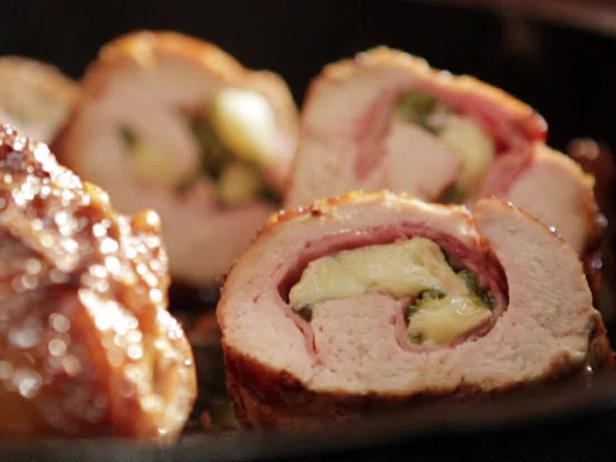
1: Turkey Cordon Bleu Croquettes
You can serve them as starters – tempting turkey meatballs are indeed something to die for; here you go with a quick recipe;
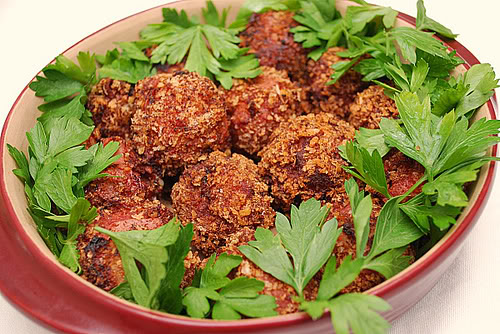
Take a bowl, add turkey breast meat, 1 chopped onion, baked ham (chopped) half plate, half teaspoon thyme, black pepper, salt and paprika; also, add a cube of cheese (shredded); this would help in forming the meatballs.
Once done, in a separate bowl make bread crumbs and coat each meatball in that. Lastly, heat some oil in a pan and fry the meatballs in that for 7-9 minutes. Serve with ketchup or green sauce.
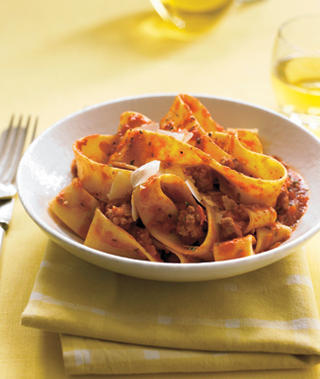
2: Papperdalle with Turkey Ragu
The yummy pasta indeed is one of the finest and tastiest turkey meals – it can be a main course for any good event as well. Here you go with a quick recipe;
Boil one packet of pasta as per instruction on the packet and keep it aside.
Mix 2 chopped carrots, one onion, 2 cloves of garlic, and 2 pounds of grounded turkey meat with all the necessary spices in a bowl. Also add 1 teaspoon of rosemary, lemon juice and 3 tablespoons of white wine.
Now, in a pan pour one jar of marinade sauce and add the mixture of turkey – let it cook for 10 minutes so that everything gets sauté; now add the pasta in the pan and mix the entire dish for 3 minutes. You can serve it with grated Parmesan or any other thing you like.
3: Roast Turkey Cordon Bleu
It is the most adored recipes and thanksgiving days seem incomplete without a tempting roasted turkey on the table. It can easily serve 10 guests at a time.
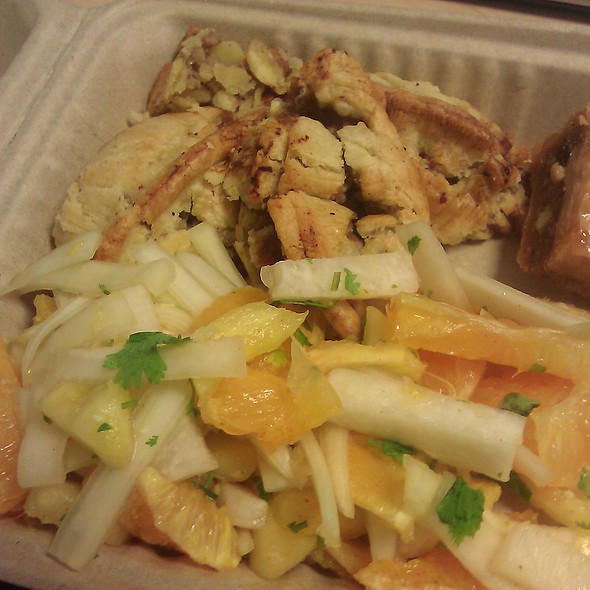
4: Turkey Empanadas with Salad:
Golden brown Turkey filled empanadas are perfect starters for a fine high-tea. Also, you can serve it with salad to increase the dish’s appeal – this would please the guests too.
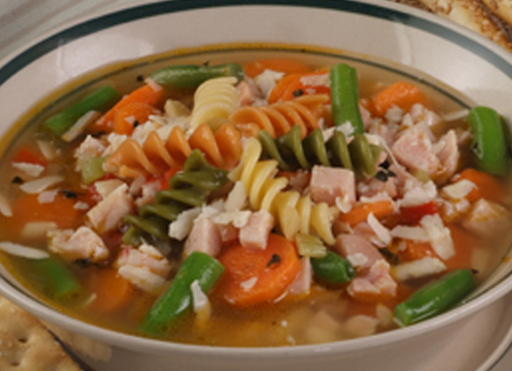
5: Turkey- Vegi soup:
With the basic vegetable soup recipe, you can make a delicious turkey soup easily.
Other than the mentioned ones, there are more than thousands of recipes and ways to cook and serve turkey. Usually the adored types are;
The prime focus of the commercial poultry industry has always been on the making of meat and eggs. Due to the increase in the demands of the chicken and broiler meat all over the world, the modes of production have also been improved. But as they say, increase in the modes of production poses new challenges. The same also holds true for the poultry sector which now faces a number of problems. Although the poultry sector is now more automated and integrated than ever, still it faces a great deal of criticism from the side of the public, especially from the various animal welfare organizations. It is due to this criticism and concern that a great deal of research has been initiated in order to minimize the levels of skepticism and for enhancing the welfare of the animals, which seems to be at stake in most of the third world countries. Poultry welfare involves the following dimensions.
Major Health and Welfare Problems
Chicken welfare deals with the use of caging and all other settings in which animals are brought up. Caging system does provide the producers with a wide range of options including egg collection, efficiency and much more, but one of the major drawbacks of this system is the lack of natural environment. In other words, captivity can come to cause various changes in the animal’s behavior. According to the new rules and regulations imposed by The United Egg Producers, all of the animals should be given the minimal space of about 48 square inches for each bird. In accordance to guidelines suggested the European and other relevant organizations for broiler welfare, one bird should be given at least a space of 12 square inches.
Alternative Production Methods
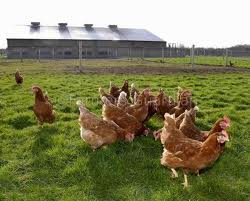
Not just in America, but also in Europe a large number of production methods and alternative are now being developed and researched. But here it is unclear that whether or not the use of these methods might come to affordable and conducive to be used on a large scale in the commercial egg production. Furthermore, the prices of the eggs and meat also vary depending on the particular production system used for carrying out the production. For example, in Britain, the prices of free range eggs are much higher in comparison to eggs obtained from the use of the caging techniques.
Mortality Issues, Induced Molting, Beak and Toe Trimming
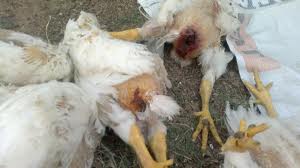
One of the major issues involved in the caging and some other farming practices is the issue of cannibalism which can be linked to mortality. Now here it seems that the cages might be a much safer method for animal growth, as the animals are less prone to be attacked by other predators. The commercial egg production is also effectuated to a much greater extent with the increase in the chances of predation and a higher mortality rate. There are also a number of regulations that have been imposed on the use of beak trimming techniques. In the past, the procedure had been subject to a great deal of criticism, primarily due to the highly invasive trimming measures. Due to these and other similar issues, some alternative methods are now being considered.
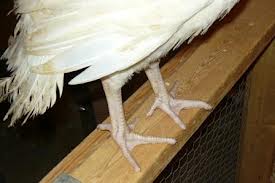
The use of beak and toe trimming should only be carried out for the welfare of the animal and for reducing the chances of any disease or abnormality that might occur. The major problem in the use of the beak trimming is because of the element of pain that the animal might experience. Induced molting method is also one of those measures which have been increasingly used in the past few years with the intent of enhancing the production life of the hens. The techniques used include feed restriction, change in the dietary techniques and much more, all of which are to be performed before sexual maturity.
Other health Problems in Commercial Egg Production
 and Industrial Poultry Farming
Although a number of health issues in animals have been resolved through the use of various scientific methods, still there are various other problems which need to be addressed. Here are some of them
Increase Body weight and Broad Breast
Disorders in the pelvic limbs
Skeletal abnormalities
Differential and Varied growth of body Parts
Chances of epidemics
Sudden death syndrome
Crowding and poor slaughtering practices
Poor use of stunners
Surveys and researches carried out in Europe and US suggest that most of the animals are now being slaughtered through the use of stunners in which most of the times animals are not stunned properly.
Recommendations
It is substantiated now that for the growth of commercial chicken and broiler chicken industry, a great deal of effort is still needed from the side of the producers and scientists for the betterment of all.
A Free Source Of Information for poultry Keepers,Raisers, Beginners and poultry food lovers