Category Archives: Backyard Chicken

Different Types Of Backyard Chicken Coops

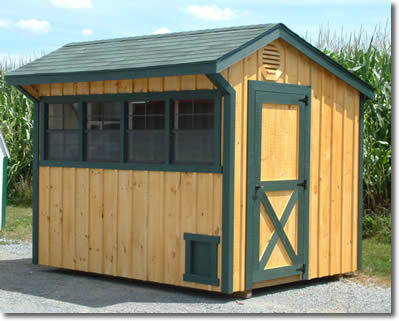
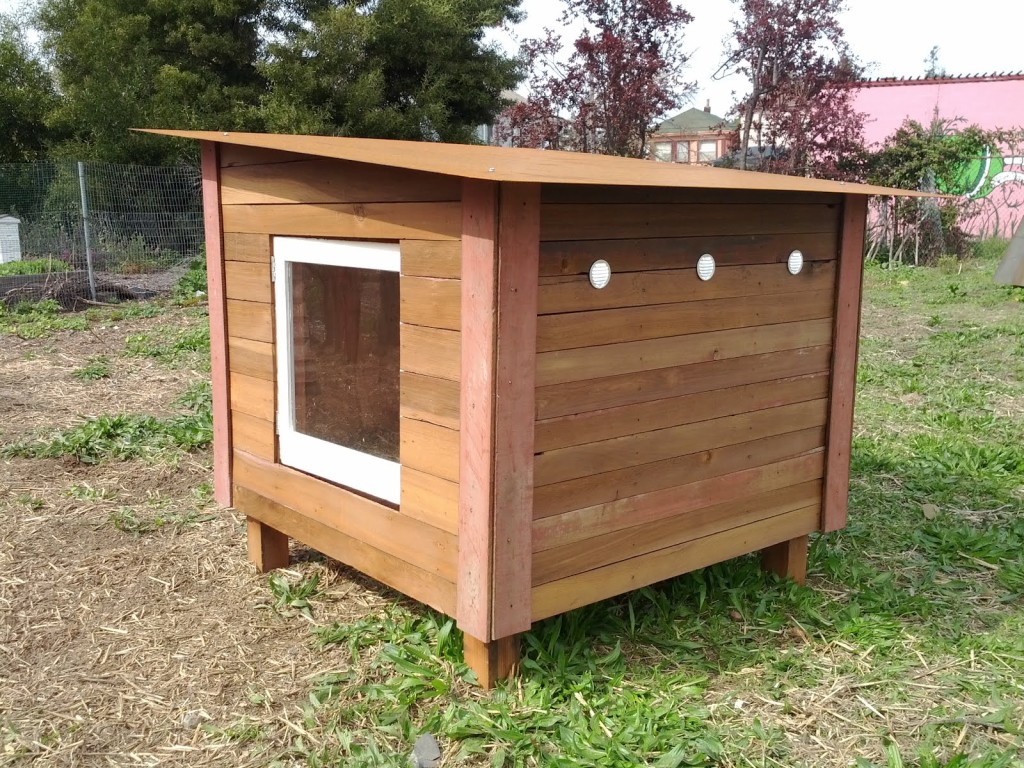
When it comes to hen coops, then there are limitless number of ideas and chicken coop designs which you can use. Building the chicken houses is a process that should never be taken lightly, as the health and well being of the birds is going to be determined on the accommodation that would be provided to them. Some even say that it might be an easy to go plan which is best suited for the weekend. So, if you plan to have some low cost chicken coop, then there are numerous ideas and designs which will come in handy if you pay a proper heed towards them. Here are some of the different types and forms of the backyard chicken coops which you can use.

Small Chicken Coop

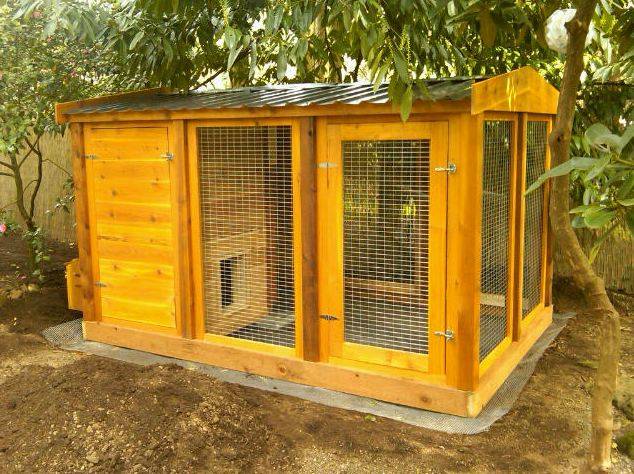
The thing about the small chicken coops is that they can easily be moved from one place to the next. Yes, there are some chicken coops which are not optimal for movement, but it is always best for you to design a moveable one. The dimensions which you need to ponder are 3.5 ‘ High, nearly 38” deep and about 64” long. It is the most recommended chicken coop for 8 chickens. Now here, you can also make use of the internet for the purpose of downloading a number of chicken coop plans.
Small-Chicken-Coop

Large Chicken Coop

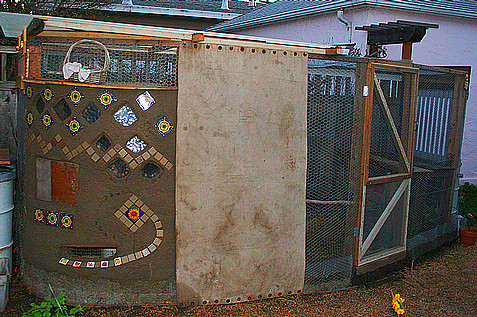
For the purpose of making a chicken coop for 10 chickens, it is imperative to keep in mind the space that would be required for the optimal growth of each of them. The space to be allocated should be around 0.4 square m per chicken. Moreover, the nests should be shared in a balanced manner between the chickens. To be more precise, 3 nests can be shared between 8 chickens. So, in lines to this, for 10 chickens, 4 nests would be the most recommended. Furthermore, the design you would be using should also come to allow the maximum area for the storage and should also be capable of turning down the attacks that would be initiated from the side of the predators. The same square formula is applicable whether you need to make the chicken coop for 12 chickens or chicken coop for 20 chicken. In terms of the ark chicken coop, again the number of birds should be considered. Moreover, you would also need to ensure superior protection mechanisms while making use of these one of a kind coops.
large chicken coop2

Stationary Chicken Coop

Permanents points of resting are allocated for the stationary chicken coops. In all, there happen to be different types of the chicken coops that are used including the moveable and fixed ones. These coops are structured in the form of a building or a specialized fenced area. The size of the coop here is determined on the basis on the number of chicken that would be kept in the setting. However, the rule of thumb here is the use of 4 square feet for each bird. Keeping in view, this formula, you would be able to make one for yourself. On the other hand, the moveable chicken coop might be best suited for those who are wary of the attacks of predators and from evasive weather conditions. But there are some farmers and home owners who prefer to make use of the basic chicken coop for the job.

stationary chicken coop

Portable, Moveable or Mobile Chicken Coop and tractor

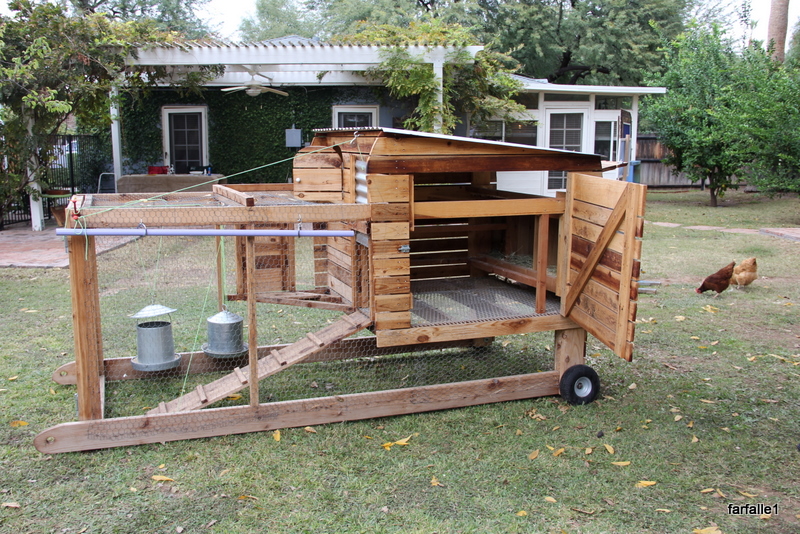
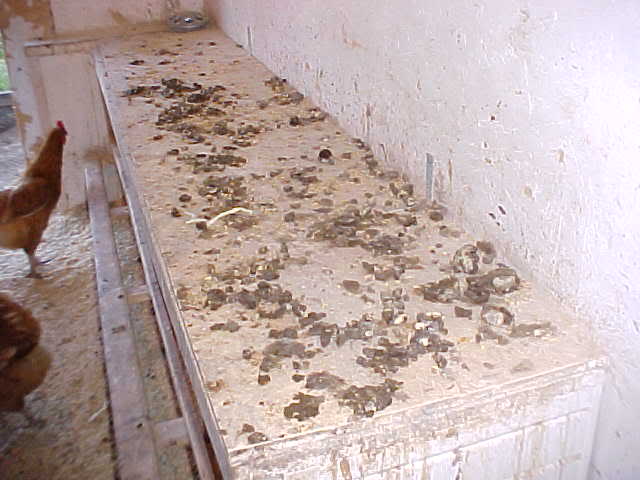
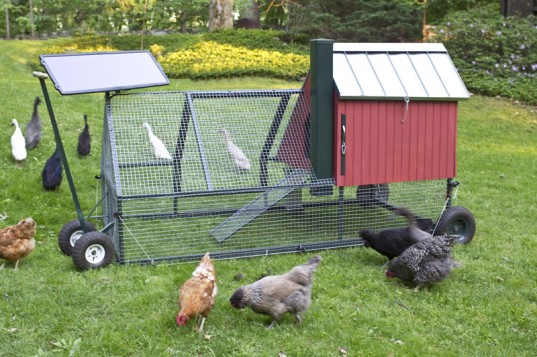
The moveable chicken coops can easily hive or accommodate a large number of birds, but it all depends on the specific design and the measures for the protection of the birds which you have made use of. The inspiration behind the use of this chicken coops is the high level of functionality and movement they offer. Just by adding some wheels to the lower end of the coop, an all in one mobile coop might be the right option for you. The roosts should be placed above the trays which are dedicated for the collection of the chicken left overs. Moreover, the tops of the boxes can also be modified in order to allow the birds to make use of the roosts.

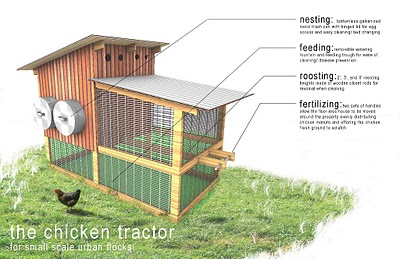
The chicken tractor can also be classified among the most used portable chicken coops. In addition to housing the birds, these machines are also used for giving a shelter to other forms of poultry. The prime use of these tractors is the freedom in terms of free ranging they allow to the birds and the farm owners. Using this machine, the farm owners would be able to provide an extensive environment to the birds.
mobile chicken coop

Plastic Chicken Coop

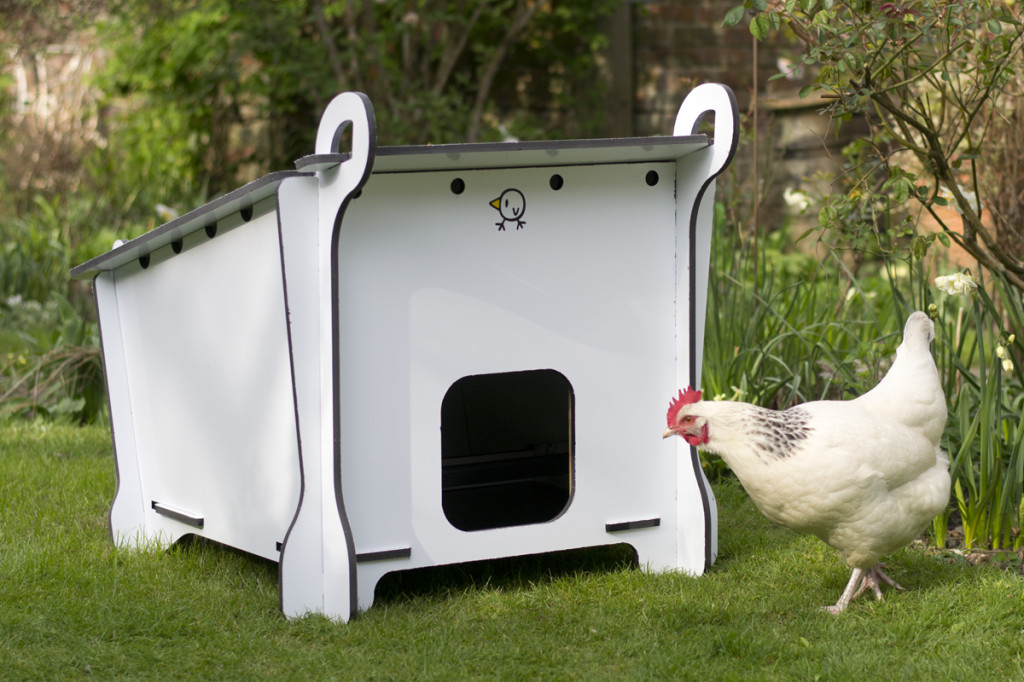
The plastic chicken coop can be termed as those new players that have emerged recently in the worldwide chicken markets. Most of the advertisements you are going to see in this regard stumble upon the extended protection these coops from the red mites. The red mite can be classified to be a very small ecto-parasite that feeds using the blood of the poultry animals. The cleaning process of the plastic coops is also quite easier in comparison to the wooden houses. You can wash, clean as well as dry out these coop in only 30 or less minutes. Moreover, these coops are also less costly in comparison to the wooden ones, so they are best suited for those who are on a tight budget.
 plastic chicken coop

Handcrafted Chicken Coops

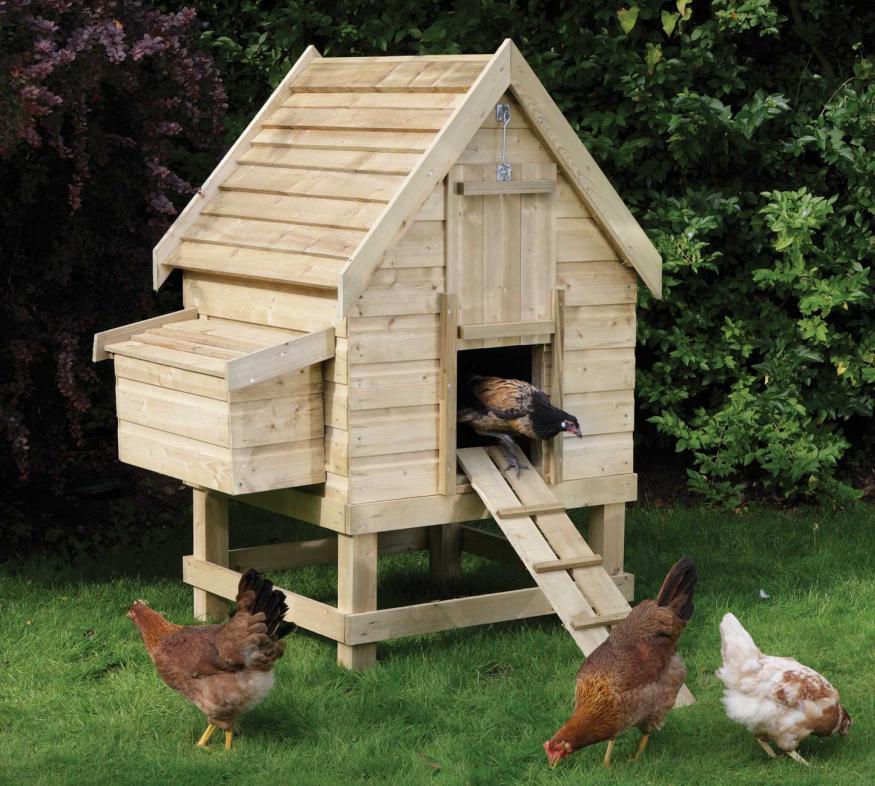
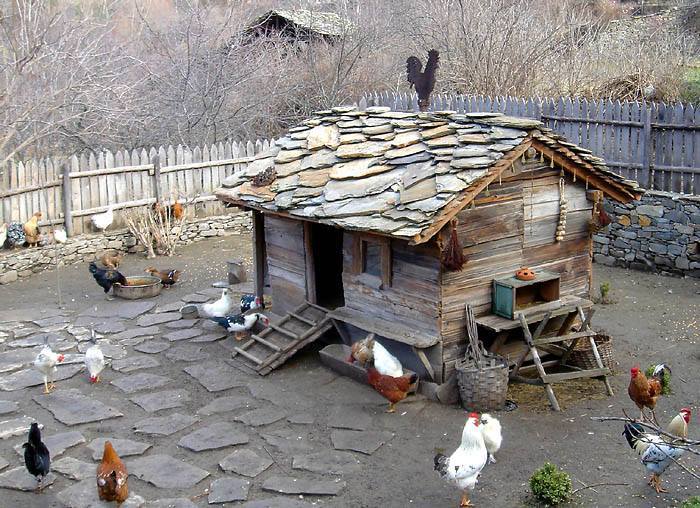
There are a number of handcrafted chicken coops that are designed to be portable and easier to clean. In fact, in some states of the US, these coops can be availed at pretty low prices. In addition to offering a good quality settings and environment for the chickens, these coops are also easier for mobility. The number of chickens that can be kept in these coops range from 3 to 7 or even more, if the area is sufficient enough. Now here, the chicken pens might not be best suited for those areas which are marked for frequent predator attacks.
handcrafted chicken coop1

Wooden Chicken Coop

As mentioned before, the wooden chicken coop are losing their fame now, all because of the difficult cleaning process. While there is a substantial presence of the farmers who prefer to make use of these coops, but still it might not be the best suited for those who are newbies in the domain of raising the backyard chicken.
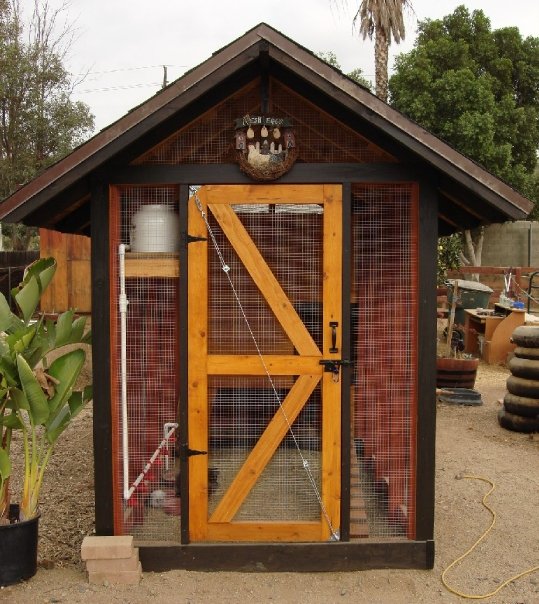
wooden chicken coop1

Eglu Chicken Coop

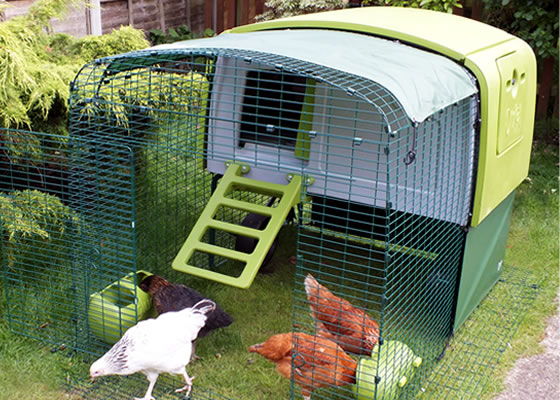
Now here we have another form of chicken coop which can be termed as easy to clean and a bit cheaper. The prime question which is asked in making use of these coops is related to the prevention of the red mite. There is no doubt about the increase in the popularity of these coops. Moreover, they are also quite appealing and attractive in comparison to the others types of backyard chicken coops. At the same time, there are those who always prefer to make use of the chicken hutches.
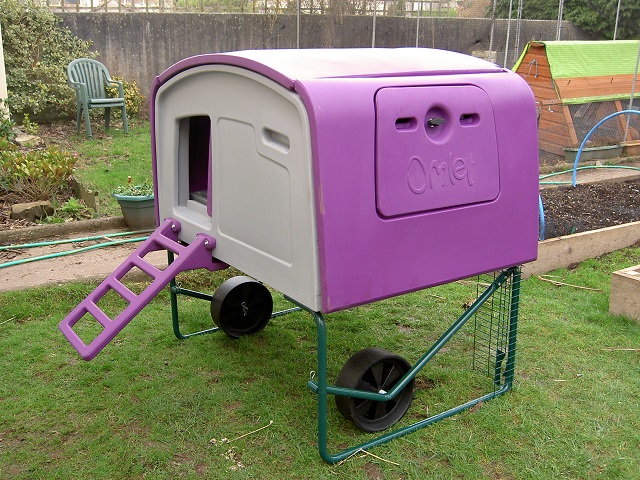
eglu chicken coop

Helping out egg bound hen- by identifying causes, symptoms and treatment(some graphic)

If readers are not familiar with this word, egg bound hen is a situation when hens can’t pass egg that may be stuck close to cloacae or deep inside the reproductive tract. This problem is mostly common in small birds for example lovebirds, cockatiels, budgies and finches. Egg binding in chickens is an attention gaining problem for all those you either has these birds or for those who are involved in birds in any other way like for poultry farming purposes, trading purposes, personal pets etc. Some of the main causes for this problem are mentioned as follow:
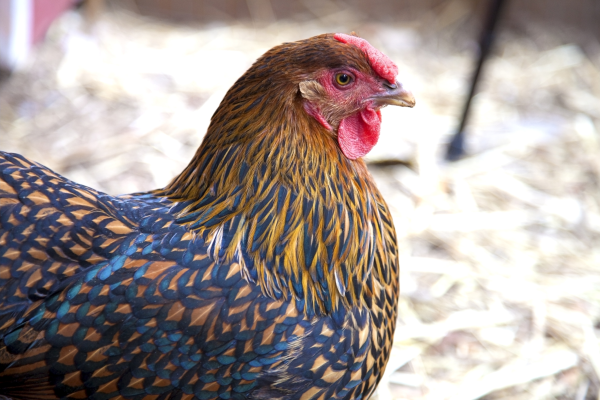
Causes:

The egg stuck in chickens near cloacae can cause some serious damage to the health of the chicken. Causes for this could be few including extra large size of the egg, thin/weak hen due to lack of Calcium or Hypocalcaemia Syndrome level can also result in some serious problems in egg laying chickens. Unusual dryness at the inner part of the hen also includes in the list of reasons for being egg bound. Another important thing to note here egg bound is different from decrease in hen’s egg laying  and broodiness in hens which have have their own causes and solutions.

Symptoms:

Symptoms of egg bound chicken could be many. Some common symptoms includes the hen will be trying to produce the egg, could be looking actually sick or drowsy and also may be seen walking fluffed, swelled, large droppings and bleeding are also some of the signs of egg bound hen. These birds are really weak so we have to be very careful in these conditions. Sometimes egg is broken inside, if it happens, the best option is to show the chicken immediately to a veterinarian. It may need a surgery, x-ray, some medical treatments or confirm diagnosis.

egg bound hen symptoms
image via
Treatments:

In case you have checked for the symptoms and you find out that your hen is egg bound then you must consider these egg bound chicken’s treatments. Try to massage the chicken’s abdomen gently and you might feel an egg shape limb. Keep massaging for 30 minutes approximately. For helping egg bound hen, you have to keep her warm and water should be available all the time for the hen to drink. If you are giving the chicken steam then you must take care of the temperature as it should be controlled and steady between 85 to 90 degrees Fahrenheit. If you find the chicken trying hard for laying egg and failing again and again then in this case, you must massage her egg laying portion with lubricant, it will create ease in laying the egg.

treating egg bound hen

This all seems to be like a common problem that can be easily handled. But you need to be really careful during egg bound chicken treatments as it is a very problematic condition for the chickens. The over sized egg leaves no option but to collapse the egg by pricking it with a large syringe. It is big enough to take out all the stuff of the egg outside the chicken. One possible risk for this method is that the sharp edge of shell may cut the uterus. Although it may not happens all the time as the shell collapse inwards but there is a possibility. It is the case sometimes that the chicken is weak and the treatment for this is to provide her with some extra calcium.

The similar treatment will help the hen to lay the egg in a few hours so if you see an egg and see the hen active, this means that the she is good now but if she is continuously dropping and showing ill behavior, then the hen might need some more treatment. But in case the chicken is active again and you don’t found any egg then you must be wrong about the egg bound situation. The problem might be something else in this case. But you have to keep this in mind that all the time during the treatment you have to keep that hen separate from others as you are never sure about what is actually wrong with her.  If there is a virus in any particular hen and you didn’t separate her from others then you might lose all your flock and that is what you’ll never wish to happen. The food of that bird will also be different from others. Provide her with high-calorie, high-calcium food to help strengthen future eggs and to save her from egg binding. If you give the same food to others as well, it will be better as it will help in preventing egg binding for all the birds you have and also will increase in egg production

How To Make an Indoor Dust Bath For Your Chickens

One fine day I was having tea with a few of my friends – it was a small chit chat session which we used to enjoy like anything. We all belong to different states of mind but enjoy each other’s company. I had a big farm kind of a thing; I had lots of adorable backyard creatures. I adapted to this hobby because I grew up seeing my father treating these cute little fellows as a family. Keeping chickens is indeed one of the interesting habits, and this was what I had been debating upon, on the tea table the other day. My friends considered keeping chickens as one of the most annoying habits because of the 2 major reasons, parasites in chickens and poops. I mean c’mon this is something that is of least concern – there is ample amount of ways through which poop management can be carried out effectively.
Likewise, making sure that chickens are germs and parasite free seem to be an easy task now – little knowledge is dangerous that’s what I said the other day and put a full stop to the debate. How do I manage all this, especially taking care of the chickens – here is the secret?

Chicken dust baths – what is this now?

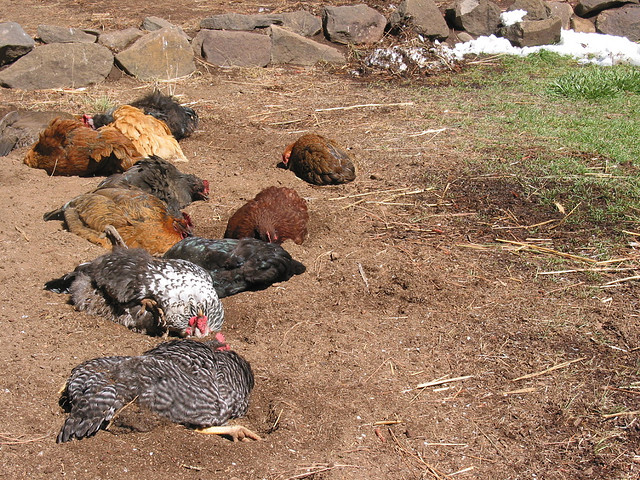
Something you must have not heard before, but very essential to know if you have even a single hen. Dust bathing can be referred to the ultra comfortable spa treatment for the little babies. Sounds hilarious? It’s indeed recreational and functional at the same time. In general, dust bathing is like a normal shower for chickens and after this bath, they feel more relaxed, clean and healthy. After the bath the chickens are in a really good mood and they try to socialize with other fellows as well.

Indoor dust bath:

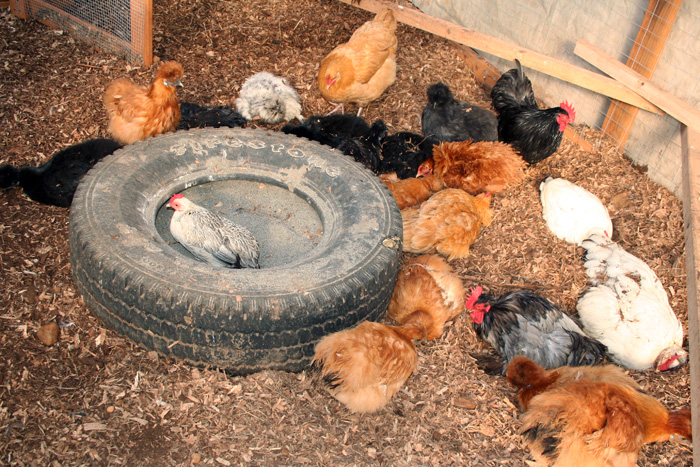
The indoor dust bath is nothing extraordinary but a dust box that you create and place inside the chicken coop. It’s created a setup where chickens take their dust bath with fellows or individually – they relax and enjoy their time.

indoor dust bath

Recipe for dust bathing:

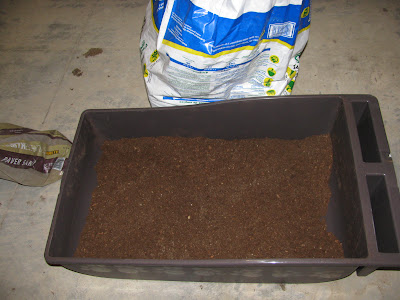
You must be thinking what does the dust bath box comprise of? Well there is no such recipe for that, but yes a few useful materials can help your chickens in enjoying their spa treatment. The box contains a mixture of pine shavings, sand, fireplace ash, mulch and soil – chickens toss their bodies into this mixture and get rid of all the parasites, unwanted feathers and other mites. The sand mixture also absorbs the unwanted oil on the skin and the body of the chickens.

recipe for dust bath

You must take necessary measures to repel parasites otherwise your chickens would get into trouble – this may result in;

  • Weight loss
  • Feather damage
  • Irritation
  • Improper egg production

Other benefits of dust bath:

Especially in summers when the birds fail to stand against the temperature, they prefer digging down into the dust boxes so that they can retain coolness. The soil is cooler inside the box, especially those placed inside the coops. It’s very beautiful to see the chicken behavior during this entire process – they  walk with attitude to the box, think of themselves as something really special, they dig there, have fun and then come out after some time. They boldly shake off the entire dust and dirt, groom the feathers and go back to their coop areas.

dust bath for chickens

What are other ways to control parasites in chickens?

A healthy chicken would never be exposed to any of the parasitic disease. The herbs for chicken health – you must severe these cute fellows with juicy fruits, vegetables and natural food. This would help them in retaining necessary vitamins, minerals and strength their immune system. Sadly, when chickens are exposed to diseases, the chances of retaining health back are quite low, in fact hardly anyone survives.

Dust bath areas – birds are choosy at times:

You cannot study chicken behavior all the time – they are really moody.  Free range chickens will choose their own areas for dust bathing. The materials that I have mentioned are adored by almost every chicken – I have an ample amount of fellows so I can conclude this easily. I hope by now you have enough idea how to provide finest spa treatment to the chickens.

Bedding Material choices for Chickens Coop

Raising chickens is just like raising the little babies – they require extra attention, affection and care, indeed. When you see your baby chickens and the adult ones roaming here and there in the backyard, a strike of happiness comes out of the heart. My father was right; raising chickens is an interesting yet addictive hobby. My experience of raising chickens is not really vast, but within a short time span I have done a lot for my little babies. I loved the coop building part and yes, decorating it even was an interesting end. Similarly, setting up the food containers and building territories was even something I enjoyed a lot.

I don’t have a larger flock of hens and chicks but that does not mean my efforts towards the maintenance are low. Irrespective of the number of fellows you have, you cannot compromise on the chicken coop materials; similarly, the bedding options in the coop are something that cannot be even overlooked. A comfortable chicken coop consists of lots of bedding. You must be thinking why is that so? Have a look at major perks of beddings;

  • It absorbs the urine
  • It absorbs the other chicken droppings (waste)
  • Acts as a nesting material – hens comfortably lay eggs there


Different and popular types of bedding:

Pine shavings:

All those who are into small farming or backyard chicken keeping, adore pine shavings, this makes it a popular type of chicken coop bedding. The most attractive feature of these pine shavings is that they have the ability to absorb the entire wetness and smell as well. This acts perfectly in litter management irrespective of the skin of the coop. Also, these pine shavings are quite lightweight and soft, and when the hens lay eggs on these, they remain prevented from being damaged. Also, these shavings are easy to remove and replace. As a whole these are ideal type of bedding options – they are one of the cheap chicken coop beddings and costs between $6 and $9. You can easily shop for them online; however, make sure you don’t get puzzled between the pine chips and shavings. Chips are not a very good option, so refrain from its purchase.

The only problem with this bedding is its dusty nature – it can cause issues to other flocks if you have any, but chickens remain safe.

Pine shavings

Hay or straw:

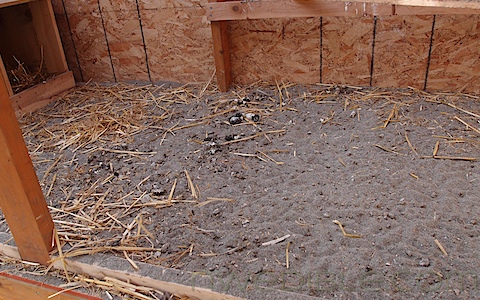
The second choice of many homesteaders is hay or straw when it’s about choosing the chicken coop nest or floor  bedding. Due to less in price and durability, many backyard raisers have bunches of straws in their garages. They act more or less like the pine shavings – they act as good absorbent of the chicken dropping and also prevent the bad odor from taking over the coop. However, you must not compromise on the quality of the straws or hay – many complain that the straws remain moist and that is why after a day or so the coop began to stink. Many even speak against the idea that nothing like this happens. So, potentially the major fault is seen with the quality of the straw. Make sure you inquire from the seller about the A and B categories. Since years people have been using these hays in the nests of the hens where they lay their eggs.

straw

Shredded newspaper:

This is an amazing bedding alternative; truly, it is the most cost effective technique too. My father had a lot of newspapers and we thought of recycling them this way – by shredding the newspaper into smaller bits, they can be used as chicken coop flooring easily. Many different types of ideas must be prevailing in your mind at the moment, I am sure – all your doubts regarding this bedding type would clear by going through the research findings;

  • Just like all other bedding options, newspapers have higher absorbing capacity.
  • The newspaper ink is of no harm to the chickens or any other coop bird
  • By adding some soiled bedding on the newspaper you can restrict from decomposing

However, many times it has been seen that the chickens are not much comfortable with the newspapers flooring – so, if that’s the case you try using sand on it too. If this technique does not work, then accept the fact that your fellows are quite arrogant.

Shredded newspaper

Add a little DE

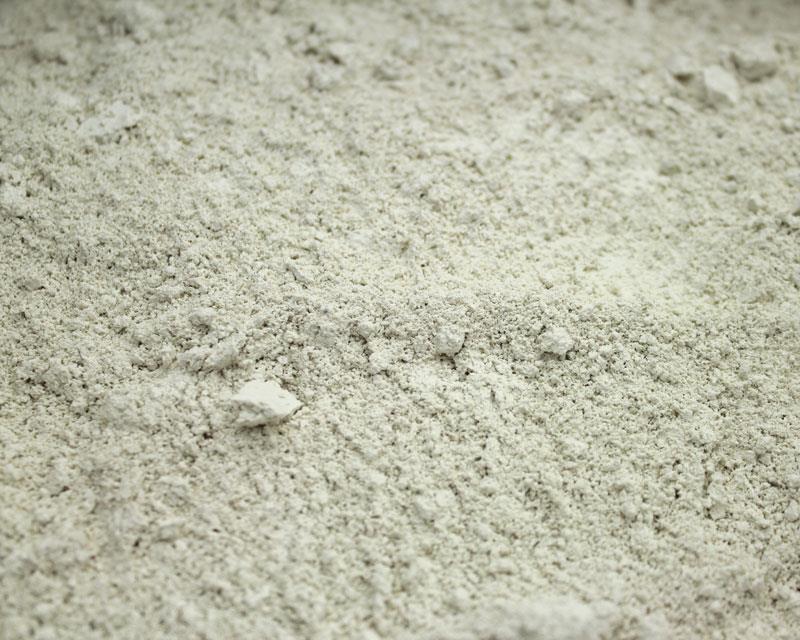
Many backyard chicken raisers add DE, also known as Diatomaceous to the chicken coops. Many haven’t heard about DE as yet – it is a white abrasive powder substance that is obtained from a distinctive type of ‘algae’. It acts as a wonderful odor controller and also helps prevent the coop and the birds from getting mites and lice. In order to keep your birds healthy, always use the food-grade DE.

Diatomaceous earth

Cedar shavings:

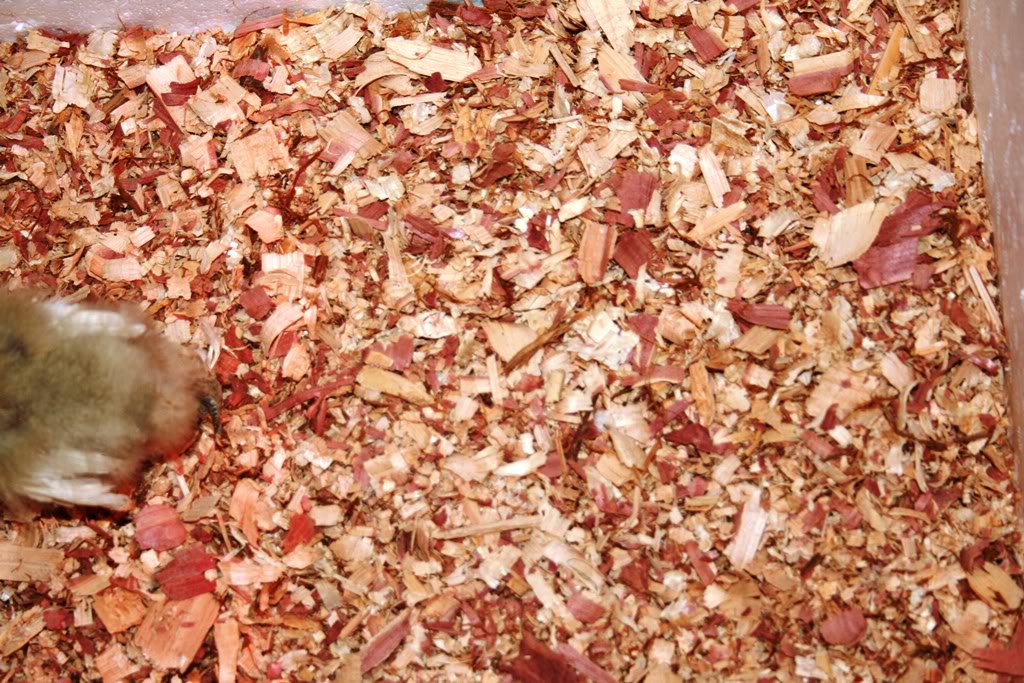
Cedar shavings also act perfectly to fill the needs of the chicken bedding. They carry very pleasant aroma, but it is said that they can even affect the birds.

Cedar shavings

Bamboo sticks:

For chicken coop floor covering ideas, bamboo sticks can even be used. Due to massive production of these sticks in the market, you can obtain them on very feasible rates. They work as sheets on the floor and help in gathering the litter in a better way. Chickens even adore walking on such bamboo stick floorings.

Bamboo sticks

Sand flooring:

The idea of proving the chicken coop with sand flooring is indeed amazing. Firstly, the sand being a natural component does not affect the health of the birds, and also contains all the great advantages that you have been looking for. However, the choice of the sand is something really important to consider here. If you have small farms you can use the litter contain sand as fertilizer there – many do so because it’s really effective.

sand bedding

Sawdust:

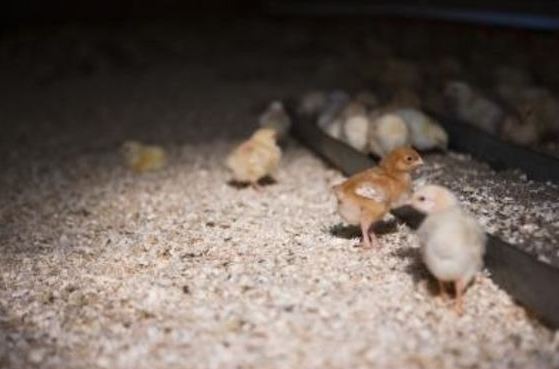
The use of sawdust in the chicken brooder is also an amazing option. It has a very soft and natural smell that keeps the internal environment of the coop lively. Also, if you use them during the winters, the chicken coop  would remain warmer. However, sawdust can create trouble if it gets really wet. It is then prone of bacteria too – so, in case it gets wet, you would have to change the flooring on alarming basis.

sawdust

A beginner guide for building a chicken coop

Masses in many countries are getting inclined towards the idea of backyard chicken coop. The idea of raising your own chicken can be used as a very interesting hobby and it also allows you to attain fresh eggs that these chickens produce. There are various aspects which you need to study about chicken coops to build the most suitable coop. Now the basic ingredient of raising chickens is a chicken coop which can be made by a person at home or can be easily acquired from the market. Making a chicken coop at home is though not simple for the one who has no idea about the technicalities involved and the features which need to be incorporated in the coops. You can use various plans to build a chicken coop but some important factors need your consideration. So here are some important pointers for the beginners who are going to give this idea a go:

1.Characteristics of chicken coop

There are various characteristics which need to be considered while going for an easy to build chicken coop. First of all decide the size which you need to come up with as this will decide the number of birds which you can keep in it, and it also gives you the idea of the space requirement. The other features or characteristics of a chicken coop are the proper provisions of ventilation, provision for natural sunlight, perches, nesting boxes, feeder location, windows and mobility etc. All these characteristics are must to be incorporated in a coop.

characteristics of a chicken coop

2. Design of a house(moveable or fixed)

Before making a chicken coop, one needs to understand the designs which can be used for this purpose. You will find that manufacturers are making chicken coops in unlimited designs but all are based on the idea of making them viable for healthy growth and productivity. So care should be taken while you design e.g. proper location for the feeder so that it is easily reachable by the birds. Now chicken coop or houses can be made both fixed and portable but the portable ones are more preferable as you can easily change its location whenever you need to. The purpose can be achieved by incorporating tires beneath the structure.

design of a house moveable or fixed

3.Space requirement for chicken

Building a chicken house comes with proper space requirements because you not only need the primary area where they will be kept but also a chicken run area where they can roam, as it is a necessary exercise for their growth and productivity.  So, building a chicken run with suitable space is mandatory.

space requirement for chicken

4. Proper lighting

When building a chicken house, always be aware of the fact that proper availability of light is very important for their egg laying ability and their proper health. So always incorporate a proper window in your chicken house and make your chickens happier and healthier.

proper lighting

5.Ventilation requirement

Being amazing producers of ammonia, heat and moisture which they surely are, chickens need proper provisions for  ventilation in their houses as it removes humidity and dampness. They get rid of the water they drink in the form of vapors through their breathing and this makes the environment in the coop air-humid or unhealthy for easy breathing. So, proper ventilation is something which is vital.

ventilation requirement

6. Roost

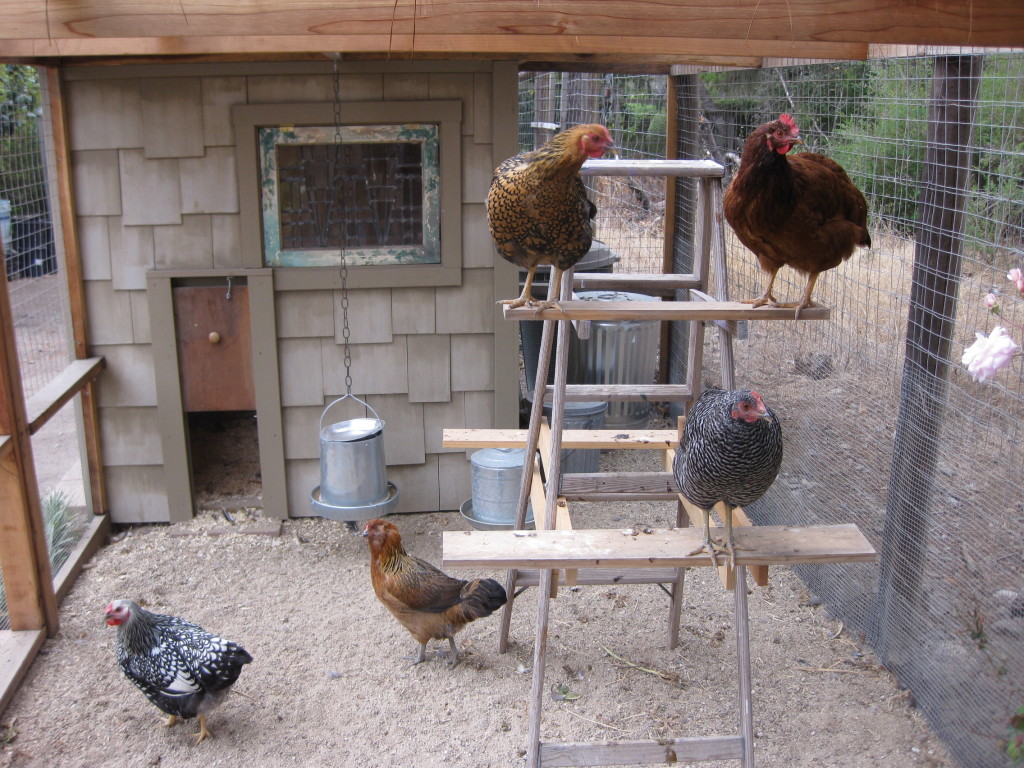
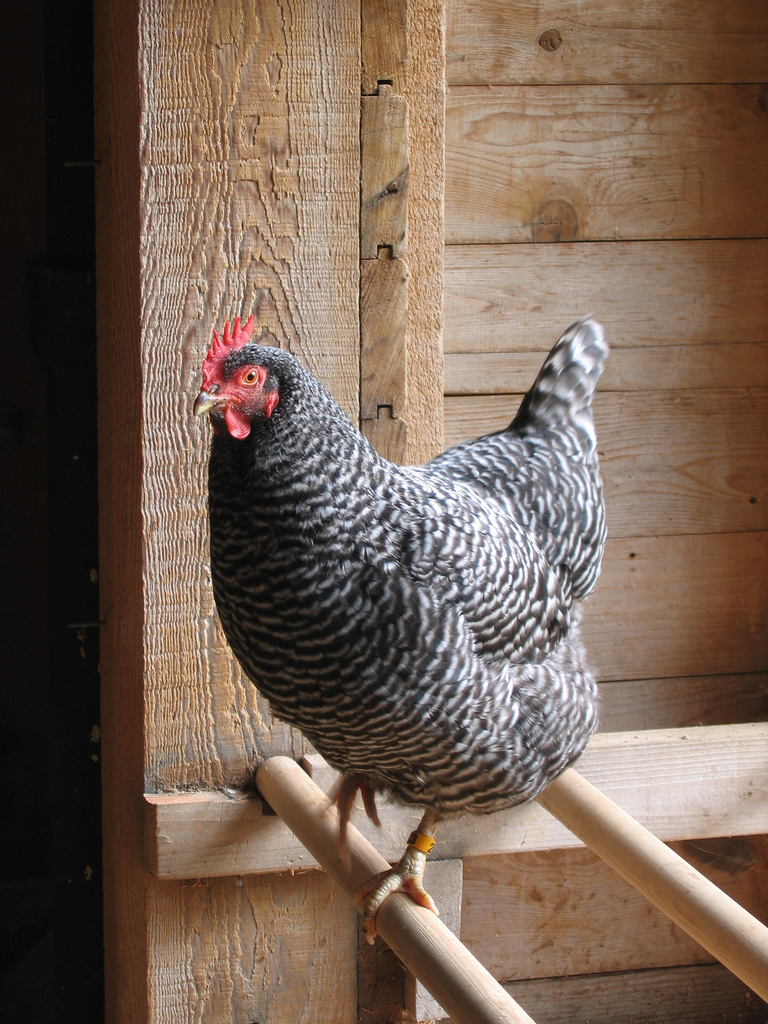
When making plans for chicken coop, also keep in mind that chickens like to sit or perch on limbs or rods, this is called chicken roosting. So always incorporate a rod into your chicken coop and make sure that the rod has enough space available for all your chickens to roost. These little things may sound irrelevant to you but all have their impact on the chickens growth and productivity.

roost

7. Nests

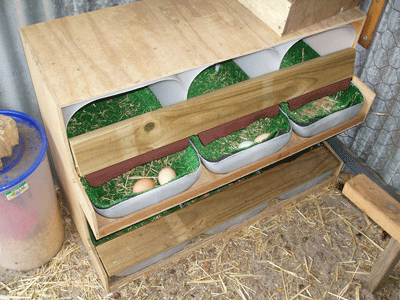
Now this factor is what complies with the basic aim of building coops i.e. eggs production. Chicken for laying eggs need to have nesting boxes placed in their coop. Always provide at least one box per two to three chickens and ensure that the roof or top of such nesting boxes are not in the access of the chickens or else they will use it for the purpose of perching.

nest boxes

8.Fencing requirements to protect from predators

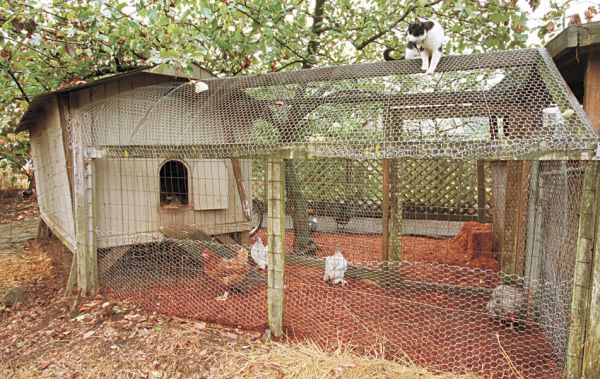
Skunks, raccoons, cats and untamed dogs can always pose a threat to the chickens as it is always a good dinner option for them. Mere chain linking fence is not a proper ploy as raccoons and skunks can easily sneak in through the wholes which are normally found in an average fence of chain links. So always go for the ones with small holes. Here are 15 tips to protect your chickens from predators.

fencing requirements to protect from predators


9.Protection from uncongenial weather condition

Now this is subject to the region in which you live in. if you are at a place which receives plenty of rain, place the coop at a higher position to prevent them from flooding because wet chicken can result in a seriously ill or dead chicken. Similarly the climate will decide the breed that you can keep or the breed which can survive.

protection from uncongenial weather condition

10 most common diseases in backyard chickens- symptoms,treatment

I don’t need to accentuate on how more and more people are getting into the habit of raising backyard fellows – this activity is indeed of more interest to people because of its mesmerizing benefits – poultry provides with fresh yummy eggs as well as meat; everything is right there in your backyard, wow, so economical. However, this pocket friendly option may turn into cost if you fail to take care of the little fellows. You may have enough experience in dealing with chicken daily care, but no knowledge of chicken health. Spreading of pathogens amongst the flocks is really common, but with proper care and attention the chances can be minimized. Although the smaller backyard setups are lesser affected by poultry diseases but the owners must know about the basic symptoms and necessary preventions so that a cure can be provided before the worst happens.

1: Fowl Pox:

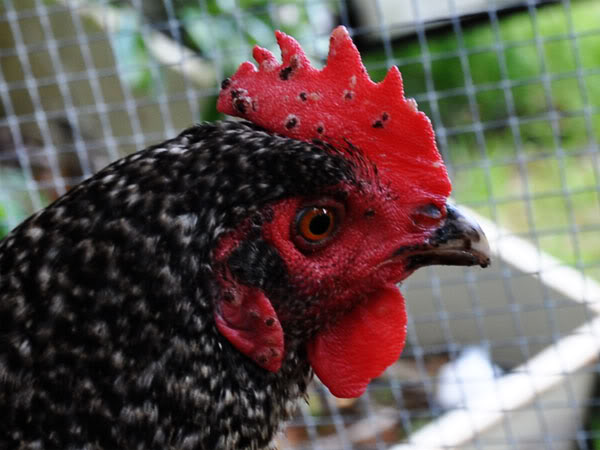
In layman’s language this disease can be referred to chickenpox, but is way different from the ones which affect humans. It’s a viral and contagious disease which can spread directly or by mosquito – the basic chicken disease symptoms are the visibility of warty bumps near the legs; also, you may see the formation of lesions in the mouth area. Vaccination is the only prevention, in worst cases; it may kill the chickens too.

fowl fox inchickens

2: Infectious Bronchitis:

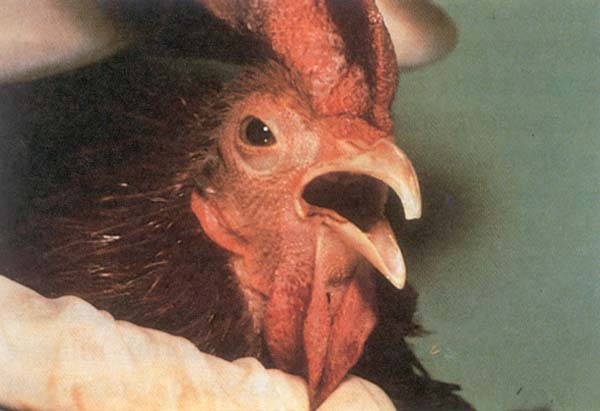
This is one of the chicken illnesses which are really painful and dangerous – it not only destroys the esophagus (respiratory pipe) but also spreads amongst the healthy fellows. The major symptoms include;

  • Lesser egg production – the laid eggs would be dry, rough and whites would be watery
  • Loss of appetite

Unfortunately, this disease is viral, so there is no such treatment for chicken recovery.

Infectious Bronchitis in chickens

3-External Parasites:

It may include even the simplest parasite which you may not even pay attention too – for example, fleas have a real enemy of backyard birds as well as other pets. You must treat these parasites with proper medication so that chickens ailments can be avoided. Proper fumigation against the following may help;

  • Tics
  • Mites
  • Lice
4-Internal Parasites:

Internal parasites usually refer to worms inside the body – they are of no harm usually, but in many cases they turn into bad shape. Mostly, newly born chickens are affected by this because of weak immune systems. Loss of weight, appetite or diarrhea is a clear indication that something is wrong. Take the affected bird to the vet; he may help you with this.

However, in severe cases the internal parasite may cause Coccidiosis in younger birds.If symptoms of coccidiosis are found in birds; treat them with 9.5cc of liquid amprolium (brand name Corid) per gallon of water for 4 days.the droppings will be free of blood within 24 hours however you must carry it for 3 additional days within 2 weeks.

In order to prevent your backyard from these hassles, you must carry out following instant measures;

  • Keep the chicken coop clean and cool
  • Always buy vaccinated chickens
  • Never keep viral infected chickens with healthy ones
  • You must provide herbs for chickens (for fighting with parasites in chickens by  boosting their immune system)
5: Marek's disease:

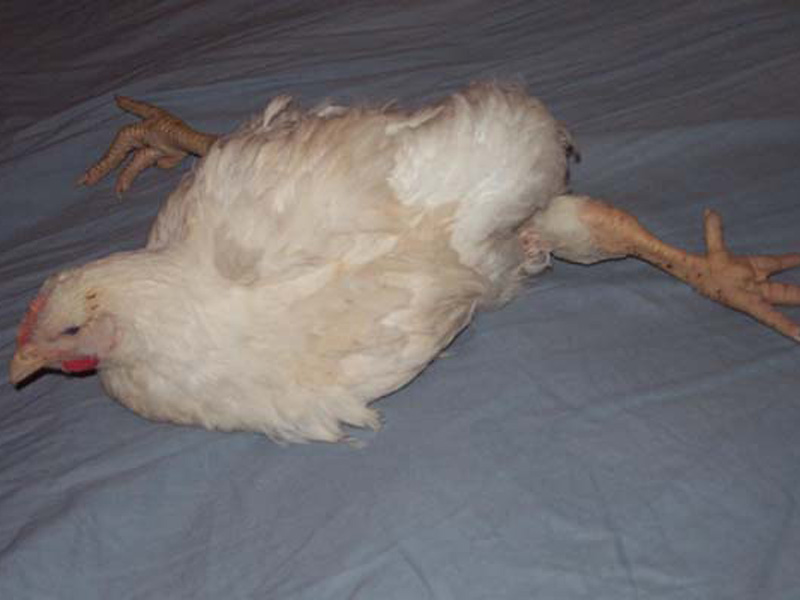
It remains the most common yet contagious disease because it affects birds intensely – it’s fatal and still untreated. Usually it affects the younger chickens because of their weak immune systems – basically, the white blood cells begin to destroy and this leads to cancer and other fatal diseases. It is spread by the loss of feathers and dust – also, the symptoms include;

  • Difficulty in breathing
  • Paralyzed neck, wings and legs
  • Weight loss


Marek's disease

6: Nutritional deficiencies:

Feed for backyard chicken must be healthy and full of nutritional value – if you fail to provide them with what their need is, they would suffer from various diseases and issues. For example, lack of calcium would result in rickets and poor bone structure. Similarly, if the birds won’t get enough energy they would not lay eggs effectively. Vegetables, fruits and grains may help to provide complete nutritional value.

7: Reproductive Problems:

Many times chickens are not able to produce eggs according to their capacity because of reproductive problems; it includes egg binding – the condition in which birds are unable to pass out eggs. Similarly, there gets inflammation in the shell gland and oviduct which is known as metritis – all this stops the egg productions and cause swollen abdomen.

8: Exotic Diseases:

This chicken disease refers to severe flu, avian influenza and respiratory track diseases – this causes severe depression and irritation in the flocks – it further makes the system complicated by slowing down egg production and collapse of the nervous system.

9:  Frostbite:

If you are living in colder region, you must be aware of this annoying chicken disease. Cold weather chicken breeds tend to remain protected from this because of their tendency to fight against the temperature – however, conventional types suffer from frostbite. Winterizing the chicken coop may help, in fact it would definitely help. Black spots appear in the toes, legs, combs and necks which are a clear symptom of this disease (more often in roosters because of their large comb). You need to take the birds to the vet; message with jelly or oil may not really help.

froste bite in chickens

10: Cannibalism:

Many times chickens tend to put them into trouble – for example, they would go around and intentionally put their toe on the wounds of other birds – this is how the infection develops. This tendency may develop from overcrowding, lack of feed and water, heating, improper ventilation and insufficient nesting. Therefore, you must keep the infected birds separately so that you can minimize the chances of cannibalism.

4 Ways to Insulate Your Chicken Coop for Extreme Weather Conditions

Insulating the chicken coop, is a must for those who live in the windy and cold regions. If you are one of those people who happen to reside in these areas, you might have had a number of plans for chicken coops in your mind. Moreover, you might have also stumbled towards the question that why is the need for weather insulation so imperative? The answer to this question lies in the specific needs of the birds. In other words, your profits in terms of raising backyard chicken lie in the usage of some crucial and top of the line weather resistance measures. The process is really easier than some of you might think of it. All it demands is a bit of devotion and a planned strategic approach from your side. There are numerous cold weather chicken breeds that might not demand extreme insulation measures, but not all of the breeds have been equipped with the potency and immunity to withstand the extreme effectuations of weather at times, so you should think about the winterizing the chicken coop.

Cold Weather Chicken Breeds

Most of the chicken breeds are equipped with the maximum amounts of weather resistance on them, but when it comes to superiority in terms of the withstanding the weather conditions, then some breeds are able to do much better than others. The breeds included in the class of high resistance for cold weather are Wyandottes, Dominiques,Easter Eggers, Delaware, Hamburg, Orpington, Buckeyes and many more. At the same time, the Norwegian Jaerhons have been long termed to be quite reliable for their usage in the cold weather.

cold weather chicken breeds

Chicken Breeds for Hot Weather

The breeds best suited for the hot weather include Leghorn, Rhode Island Red, barred Plymouth Rock, Barnevelders and many more. The Leghorns and the Minorca happen to be the breeds which are the most recommended in terms of the usage for the warm and hot weather conditions. Moreover, the dual purpose breeds like the Rhode Island Red have also been seen to be handle the heat in a more effective manner. Moreover, there are also a number of people who have had profound levels of success when it comes to the usage of the Barred Plymouth Rock. Other breeds included in the list are Buff Minorca, Red Star Sexlink, Russian Orlof, Golden Phoenix, Sicilian Buttercup, Jersey Giant and Buff Brahmas. In all, there are a number of breeds which are best adopted for usage in both weather conditions, hot as well as cold.Cool chicken coop is optimal for usage in the hot weather.

hot weather chicken breeds

Ways of Insulation

Now here I would be sharing with you the 4 most conducive and effective ways in terms of the insulation of the chicken coop for extreme weather conditions. These tips should be used in accordance to the structure of the cold weather chicken coop.

1-Cardboard

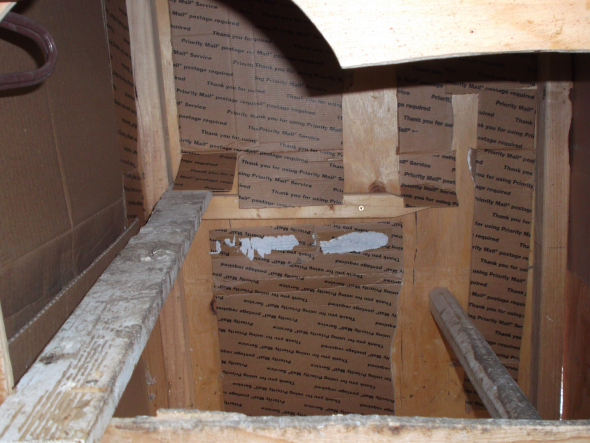
One manner in which you can save money in terms of the insulation process is to make use of the cardboard. The hen house which would be draft free would be better able to insulate your birds from the changes in weather. In addition to being a cheap and effective material, the cardboard is also readily available all across the local markets. You can make use of the staple for the purpose of attaching the large sheets of cardboard towards the interior regions of the chicken coop and when used in combination to the heat lamps, there might no other better way to do the insulation.

cardboard

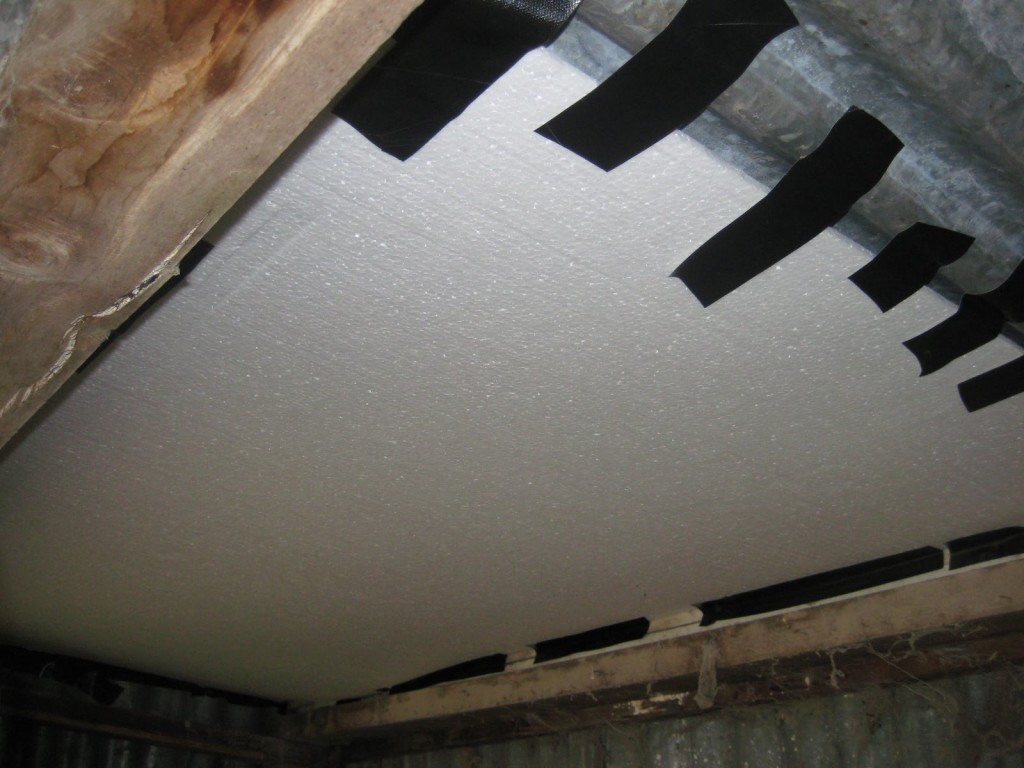
2-Inch Styrofoam

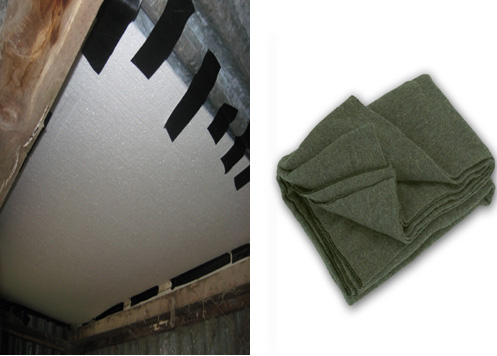
The Styrofoam is quite a facilitating material when it comes to insulating the chicken coops. You can make use of a large panel and stick towards the top of the roof which would come in handy in terms of the prevention of the hot air to escape. Moreover, it is also crucial that you secure the foam materials a bit higher from the reaching limits of the chicken otherwise they would be pecking away the entire material in a matter of a few days. It is best to carry out the construction keeping in view the requirements of the winter chicken coop.

styrofoam

3-Towels and Blankets

It is time you should think about saving some old towels as well as the blankets. Most of the people prefer to give these things away, which is indeed a noble act, but when you happen to have a number of chickens to keep, then what could be more optimal that the usage of these materials for the insulation process of the chicken coop? You must prefer to make use of them in addition to the cardboard which is going to notch up the levels of insulation.

towels and blanket

4-Bales of Straw

When it comes to the history of the bales of straw, then you would be amazed to know that the farmers have been bringing these materials for usage for many centuries. Cattle barns and straws do come in handy for the insulation of the chicken coop. The straw should be piled and leveled up to a depth of about 4 inches which comes in handy for the protection of the birds from the cool ground. Moreover, the materials also absorb the droppings and give them a mechanism for scratching at. In short, building the winter chicken coop can be a cheaper process if you prefer to make use of the above mentioned measures.

Bales of Straw

How to get rid of Bad Smell in Chicken Coop-litter management in summer

I was loved by nature and beautiful creation of God. My interest drove me to tame various animals including cats, rabbits, horse, dogs and alligators as well. I used to treat all of them as my own babies, trust me; I was their mother because most of my time and attention was devoted to my small farm. One fine day I went to take some milk and eggs from the nearby farm and fell in love with the adorable chickens. They were so cute, so adorable and so naughty that I decided there and then that I am going to make my own little chicken farm.

It was not tough for me to spend some dollars and obtain a mixed flock, the chicken coop and other necessary equipment. Without much knowledge about the coop care, maintenance and other related issues, I blindly jumped into the trouble myself. What happened after some time was all beyond my thought. Those were hot summer days, I never knew that my carelessness would cause this kind of trouble – I would feel the chickens were annoyed and there is some sort of bad smell in the coop. I thought it would get away itself and ignored. Eventually the odor got over the entire coop and the farm started stinking.

I ran to the professional poultry farmer nearby for help, he was an amazing person. He came along to teach me what went wrong and how to carry out the corrective measures.

Wet weather and humidity are enemies:

You all know the coop flooring is really sensitive and most of it when gets wet cause bad smell. Many times while filling up the water container spills water, this causes moisture in the flooring and it gets tacky. All you have to do is, take care of the spills and remove or turnover the wet litter each time after filling the containers. Also, make sure the containers are not too big that miss chicken thinks you have arranged a pool for her – be careful.

Ensure air circulation:

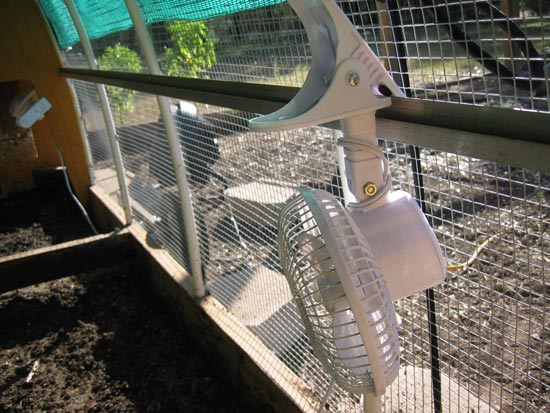
The chicken coop must have proper ventilation; it never means that must have big door and windows, but box fans. It depends upon the size of the coop and your sense of looking at the things. The proper air inflow and outflow would keep the flies, mites and other problems away. To some extent, you would be sure that the chances of bad smell are low. The air would also keep the chicken coop cool in summers; ultimately, you are preventing heat stress too.

fan in coop

Use of fresh flower:

You can use or sprinkle fresh flowers in the coop each morning so that tacky smell can be avoided – this would cheer the birds too because bad smell is even a torture for them.

Change the bedding frequently:

It is mandatory to change the chicken coop bedding after a week in the summers that goes damp. There are many types of beddings to choose from – look for the one, which dry quickly and easy to mange. In short, there are chances of bacteria development and bad smell. This affects chicken health also and you would never want to lose your adorable birds just for the sake of a few dollars.

Use of Diatomaceous Earth:

The best type of bedding for summers is hay; you must use it with diatomaceous earth powder so that it can absorb all the unwanted dirt and smell. The chicken poop and other issue regarding the decomposition during the summers can be handled this way easily.

DE in coop

In addition, it is said that we must keep lesser flooring during summers in order to avoid the heat instead of deep litter. Even the decomposition causes heat that may lead to severe coop issues. Carelessness especially in summers can lead to bad smelling chicken run and coop which would make the chickens unhappy. God forbid, unclean coop would invite multiple diseases too – I lost my three chickens because of the same mistake. I hope you follow the right ways, keep the coop dry, and clean during summers.

Free green roof chicken coop plans – build one yourself

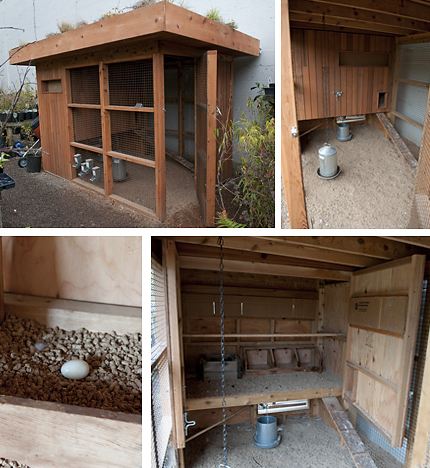
Since ages people have been raising chickens and cocks in their backyards; there are a number of reasons for indulging in this habit – many do it for their interests and for many it’s the source of income. Interestingly, the survey shows that this trend is getting popular over the years in both rural and urban areas. You must have seen a conventional type of green roof chicken coop in the homes of those who are in chicken caring business, but these are not very effective for all the weathers; many overlook the fact but a chicken coop must be strong enough to bear the harsh weather. If you talk about the normal types of chicken coop designs, they seem attenuate to cope up with the environmental changes – this leads to affect the health of the animals residing in there – which are an ultimate loss for the caretaker.

Other than this, if chicken and chicks are not looked after properly, they incur various diseases and that gets troubling because it is fatal. However, you are not supposed to panic because with a number of various green roof chicken coop plans and amazing ideas related to chicken coop structures, you can easily get through with the problem.

You should always go for green roofs if you are into animal domestication. First of all, it provides a fresher appealing ambiance to the animals inside, and also provides enough space for the animals to move around. In fact, a green roof would make it a cool chicken coop by letting the sun rays away from it. Also, it empowers one to plant some of the healthy and fresh plants over the top so that it becomes an ideal structure for chicken coops for hot weather; basically, it would act as a thermal insulator. Also, the fine appeal can be added to the chicken coop easily this way – after all, you want your chicken house to look as good as it can be.

Many questions about free green roof chicken coop plans and how to build a chicken coop. Well, most of items that you would require can be procured from home – so here you go;

Material needed:

  • Screws and its driver
  • Drill
  • Pond liner
  • Blankets (used)
  • Yorkshire board – it would help in setting the roof
  • A medium sack of gravel
  • Peat medium sack
  • Sharp sand

1: First of all you need to find a roof structure; make sure it’s strong enough to bear the weight of the plants.

2: Once the roof has been selected, must attach the pond liner around it; attach it in a way that it overlaps so that when it rains the water does not enter the roof. Join it with glue or staples firmly.

3: Now you should cut the roof into the size which blends well with the box (structure) of the coop. In order to provide a finishing touch to the box, cover it with the blanket. This would help the coop retain the necessary water.

4: Now take the gravel and nicely put it over the roof; make sure that the amount of sharp sand and gravel is equal while making the mixture. In this way the water will get drained easily without harming the chickens inside. Your backyard chicken coop is ready.

5: Lastly, plant it up with plants of your choice. Well, whatever plants you intend to grow and place there, make sure you look after them regularly. Don’t let them get dry or fall because it would then not only destroy the look of the coop, but also the main aim of keeping it cooler would get disturbed. Well, one of the popular types of plant which are ideal for the coop use is Sedum – there are many varieties of Sedum to choose from like;

  • Angelina
  • Blue spruce
  • Dragons blood
  • John Creech
  • Orange Stonecrop

sedum roof chicken coop

These are the layman’s given names, but you can easily find them in the plant shops. I hope the piece of information is ideal enough to help you build your own attractive and comfortable chicken coop design.

8 Revolutionary chicken coop designs

Do you have a passion for poultry farming? Enjoy the benefits of the best chicken coop designs.

Explore your poultry keeping options through the new and creative designs available at your disposal. Keeping poultry does not have to be stressful once you have mastered the art of backyard chicken coop designs. Chicken coops come in handy in poultry farming because they provide a conducive habitat for your chicken to lay eggs, rest and feed. They can also be the difference between a safe haven for your poultry and a death trap that is prone to predators that will destroy your investment and make you go at a loss. Building a chicken coop is not rocket science; one can easily construct a home made chicken coop that will serve its purpose effectively without incurring high costs.

Great chicken coop designs need to display creativity and have to be practical as well.

Some of the best chicken coop designs include:

EGLU Chicken Coop

Eglu Go coops which are designed by omlet are advanced and highly innovative. It has brilliant features that are guaranteed to make poultry farming successful with reduced risks. Such features include:

  • It is made of Durable plastic material which does not rust when rained on or harbor pests such as red mites
  • It is Predator proof hence guaranteeing your poultry a safe haven form wild animals
  • Egg cartons that enable you to easily collect eggs.
  • Water and feed containers
  • Attached run if you choose sized for2-3 standard or 3-4 bantam chickens
  • A secure wire run that grants effective restriction to prevent the chicken from straying as well as grant them adequate freedom
  • A spacious area that makes it easy to clean
  • Fair pricing that will ensure that you save on overheads cost while purchasing and maintaining the coop
  • A refund guarantee should you purchase coop that does not meet your expectations.
  • Open accessibility that enables you to purchase the coop from wherever you are.

designed by omlet

Chicktopia designed 

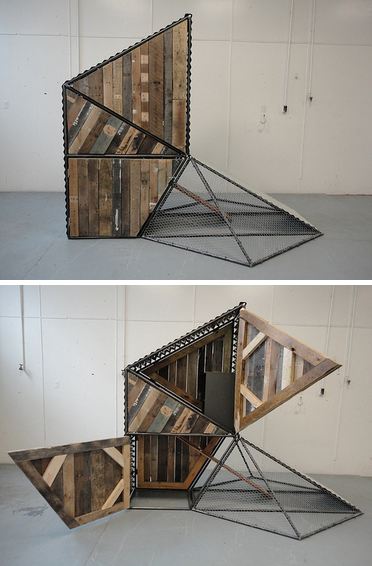
This chicken coop is designed by studio h and is  made of one hundred reclaimed sticks from a tobacco barn and has incorporated a modern architectural design that involves two skewed boxes that are able to aid in the construction of a cozy home for  your poultry.

designed by studio h

Cocorico design

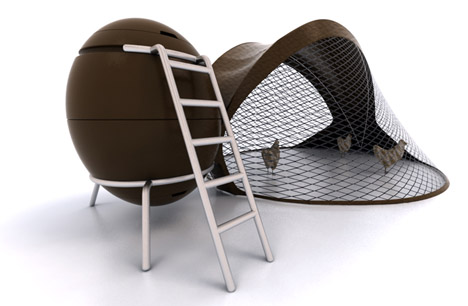
Designed by Maxime Evard, this egg-shaped housing compartment by yankodesign is connected to a covered mesh area that provides a secure home for your poultry to play around and scratch freely without the fear of predators attacking them.

Maxime Evard design

Breed and retreat coop

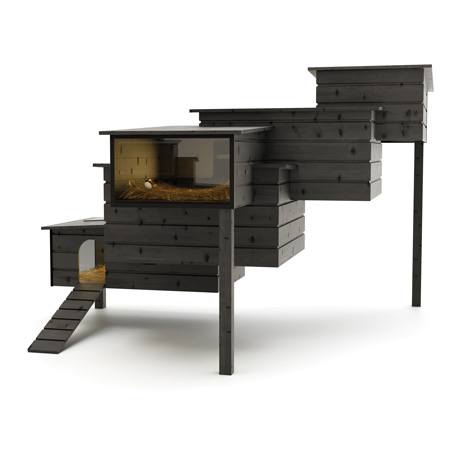
This coop was designed by Frederki Rioje at dezeen who made sure that he came up with a modernized design that enables you to construct an elevated with private rooms and a large glassed-in-egg area that allows you to monitor your chicken while they lay their eggs.

desined by Frederki Rioje

Chicken circus coop

This coop was designed by sturel H. they have managed to design a coop that makes it easy to feed your chicken and collect your eggs. The coop has two doors that grant you easy access to the coop while the front run provides adequate protection for your poultry.

desined by studio H

The modular coop

Designed by Mitchell Snyder this coop is beautiful and highly modernized. It provides a comfortable home that is protected from any harm. The design is simple and straightforward making it easy to construct.

designed by Mitchell Snyder

The metro coop

This coop was designed by Glenn Nardeli, it goes for four thousand dollars and provides a functional home for your chicken as well as an all weather home that can last through winter. It has a decorative wire that is more durable compared to any normal wire that makes it beautiful and its dimensions can be adjusted to fit in as many chicken as you would want.

designed by Glenn Nardeli

Bake's Binster coop

This coop was designed by John Bake and goes for seven hundred and ninety five dollars. It is made of cedar and has a compost bin attached to it. This brilliant design helps you collect manure in the compost bin and helps you provide a clean home for your chicken.

designed by John Bake