Category Archives: Backyard Chicken

5 Tricks to Break Up the Hen’s Brooding

What is meant by Broodiness and broody hen?

A hen is capable of laying around 1  eggs on a daily basis. Moreover, the hen does not prefer to incubate the eggs until the entire clutch has been laid. Through the use of this strategy, all the chicks hatch right at the same time. The physiological mechanisms and the broody hen symptoms change as soon as the clutch has been laid. She would want to stay above them while spreading out her wings for the purpose of keeping the eggs warm. If disturbed, she would start making muttering as well as growling sounds and may even engage in the protection of the eggs. Furthermore, she only leaves the nest for the purpose of eating and drinking only one time in a day. You would need to ensure that she does the process on a daily basis, otherwise she would be starved or would come to get the dirty eggs through her droppings. So, in lines to this, a hen is termed to be broody at the time she is raising the chicks, giving protection to them and also teaching them the methods to get their own food. Understanding the broodiness in hens is an imperative pre-requisite for the purpose of ensuring that the hens remain healthy.

Breeds of Broody Hens

The breeds of hens which are known to be broody include the Buff Orpingtons, Brahmas, Silkies, Australorp, Dark Cornish, Buff Rocks, Turkens, Cuckoo Marans and Bantams.

Below are the 5 tricks which would come in handy for the purpose of stopping broody hens.

1. Wired Mesh Cage

In terms of breaking the broodiness, you would need to make sure that she does not manage to stay on the eggs. The first trick you can use includes the construction of a cage by using a floor made of wished mesh. Then you would need to place the cage on the bricks in lines to which the floor would remain suspended. At the same time, keeping the bricks towards the outward edges would ensure that she won’t be able to sit on the eggs. So, she won’t be able to sit on the eggs in a comfortable manner and within a matter of a few days the broodiness would be broken.
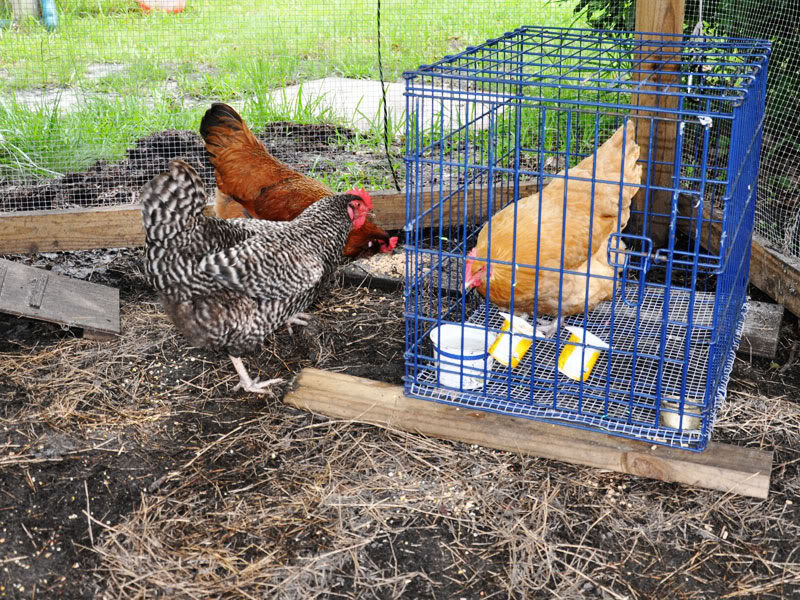
broody hen a cage

2. Cold Water 

The next trick, which happens to be of a conventional nature, involves the usage of some cold water. You would need to dunk the hen in this cold water, but it should not be too much cold. In lines to this, the broodiness temperature of the hen would go down and she won’t be able to sit on the eggs in a comfortable manner. Removing the eggs as soon as the hen leaves the nest is also a trick which can be used.
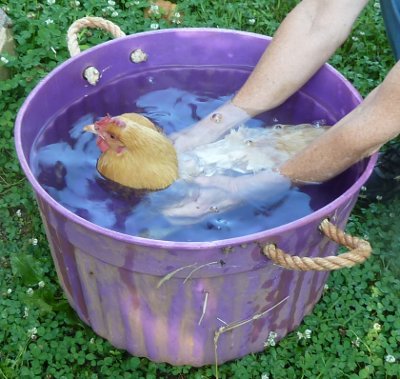
broody hen in cold water

3. Caging and Isolation

Caging the hens for 2 to 3 days also comes in handy in breaking the brooding. But here you would need to ensure that the hen’s behavior might not turn impulsive. For this reasons, the cage should be placed pretty close to the eggs so she might be able to see them at all times. If the hen does not stops showing its damaging and irrational behavior, then the above mentioned tricks are to be used instead.
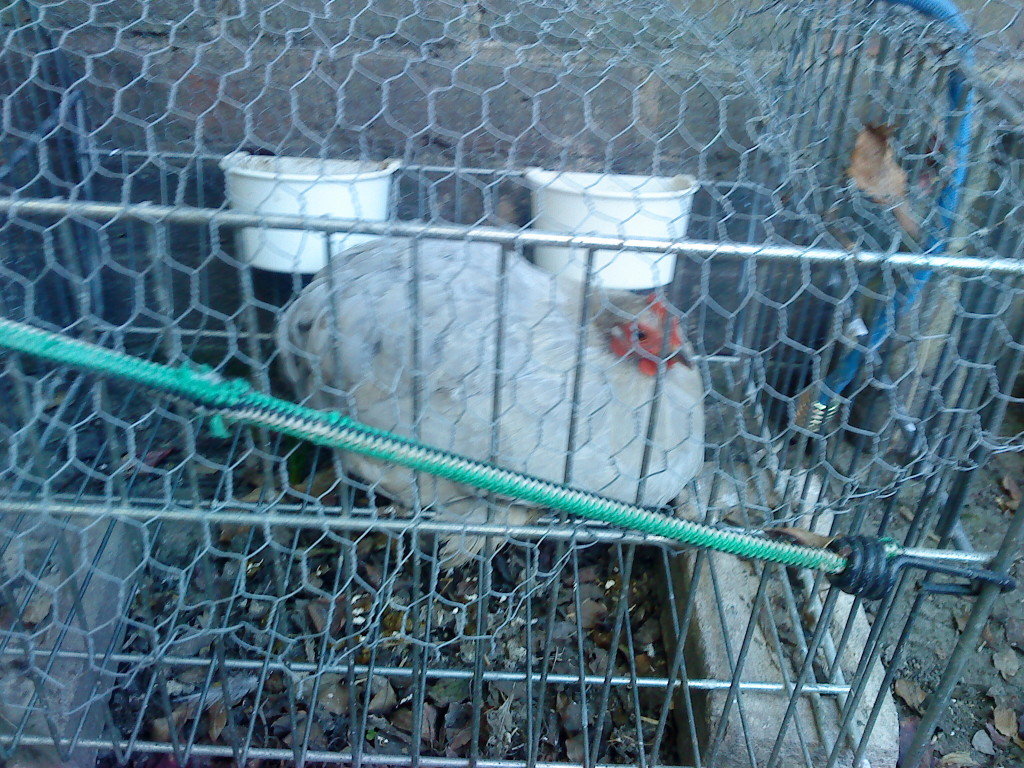
spreading brooding hen

4. The Dog Crate and Golf Balls Method

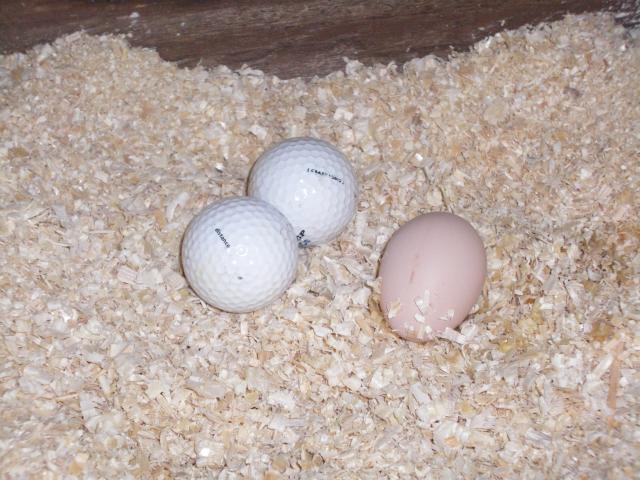
The golf balls method together with the dog crate is also conducive in terms of breaking the broodiness. The idea here is to replace the eggs with the golf balls. On sitting on these balls for some time, she won’t be able to remain comfortable and would eventually end up leaving the nest for longer time. In a matter of a few days the broodiness would be ended.It also also helps to keep broody hen in her own nest and not to take eggs laid by other hens
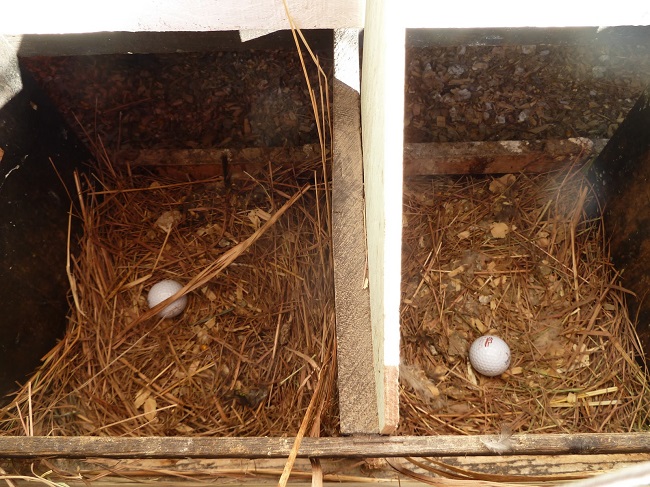
golf balls for broody hens

5. Keeping with an Active Rooster

Try to put her anywhere near a rooster who is quite active. The rooster would love to keep the hen busy at all times and she won’t be able to return to the nest. You can also put the rooster and the hen in some sort of movable pen in the yard outside. This strategy comes in handy for taking the hen out to the fresh air and sunlight. Furthermore, you can also make use of a wired pen and with no sort of nesting equipment inside, but always ensure that there is plenty of food as well as water inside the pen. It is only a matter of time that her motherly instinct would be gone and as soon as the process of egg laying would start, you would be able to know that the broodiness has gone now.
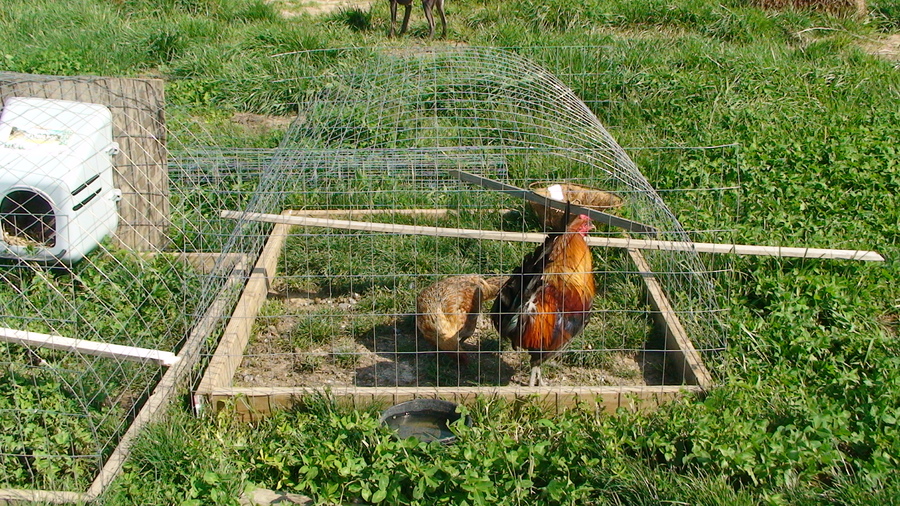
rooster and broody hen

Drawbacks of Hen’s Brooding

One purpose of raising hens in your backyard is to getting eggs, not all the times u want your eggs to be hatched by the broody hens, broody period vary according to the breeds of hens,  it may continue an average of one month, so its mean u lost lots of eggs that might have been put in your fridge. Also broody hen occupies the nesting box space and do not allow other hens to come in the nest box and don’t mind to sit on eggs laid by other hens. Another thing is your hen does not take sufficient food and water and it may result in dehydration in summer season

At the time of caging and isolating the hen, she would try to peck and escape from the cage. In doing so, there is the possibility that she might end up hurting herself. If kept away from the eggs for a long time, the problem of shuddering might also emerge in the hens. Research also suggests that isolation of the hen for a long time might result in lower egg production.


20 Stunning Chicken Coops Design Ideas For Your Lovely Birds

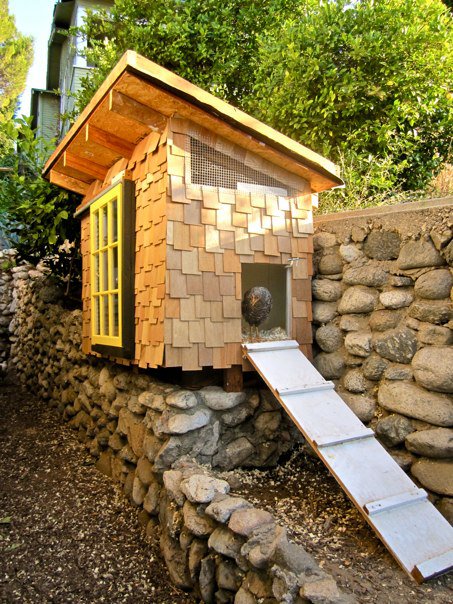
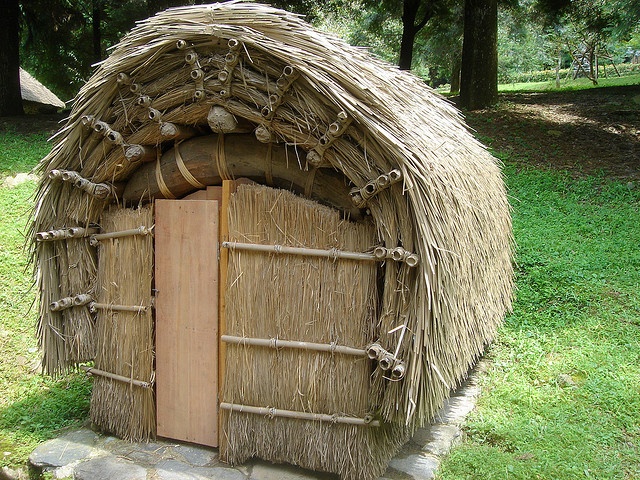
Raising chickens in backyard is always inspiring as they are adorable, lovely and at the same time returns back to you eggs and meat for what you feed them. Most people are raising backyard chickens as a hobby, pet or ornamental purposes, since they are living being so have some needs or requirements you have to full such as providing feed, water, nest box, roost, chicken coop etc. As these chickens are very pretty and adorable; every owner like to provide or build the best chicken coop for chickens that looks beautiful as well as comfortable for chickens. Some people buy ready made coop but some like to build their own chicken coop in any shape or design which looks beautiful and attractive.
Here are some excellent, good looking, and attractive chicken coop designs ideas which show how much people love their birds.

1-Dream House Chicken Coop Idea

Source:
Source: facebook

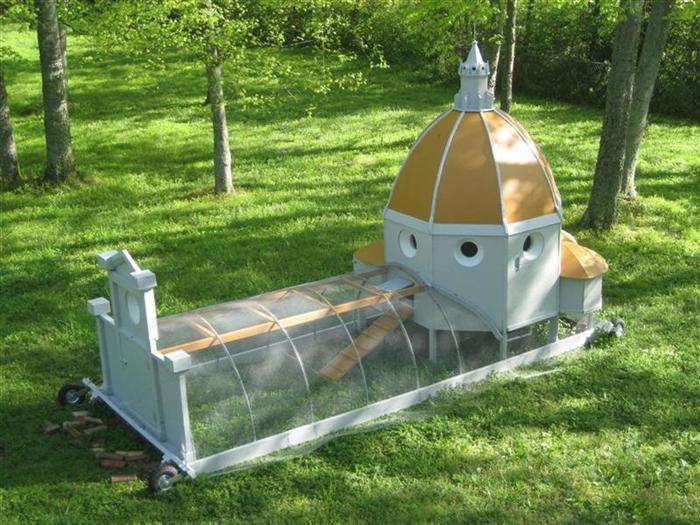
2-World’s Greatest Chicken Tractor

It is a small tractor chicken coop, enough for 3 or 4 chickens. It is has been made with great passion, as its owner’s says
challenge became a passion. A coop became a cathedral
Source;
Source; greatestchickentractor

3- Classy Chicken Coop Design in South Dakota!!

Source:
Source: mrharristweed.tumblr

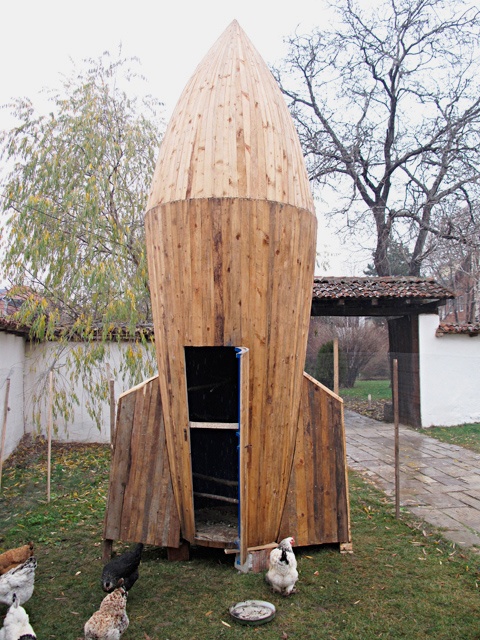
4-Intergalactic Chicken Coop Design Idea

It’s just like a shape of rocket, made of wood, can contain upto 8 chickens.

Source:
Source: mrharristweed.tumblr

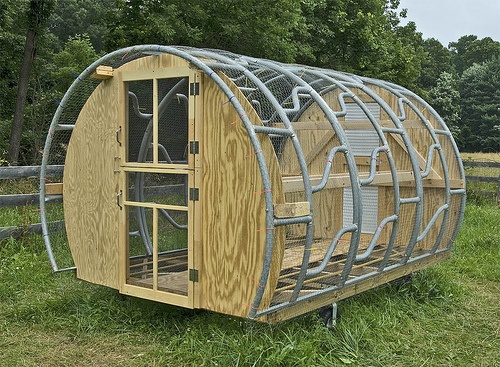
5-Henhouse On Wheels

This is the best chicken coop design idea I’ve seen, outstanding design,have wheels, so can say it’s a mobile chicken coop

Henhouse on wheels
Source :flickr

6-Wolf Proof Chicken Coop Design Idea

Wolf proof coop! No wolf will be blowing this down! It’s made from solid material, will not affect by rain, storm or allow predators to break or tear  it..

7-Creative Chicken Coop Design

This is awsome coop design idea. You can see how much the owner spend on it.

Source: facebook

8-Dream Garden with Chicken Coop Idea

This is very good looking, can accommodate up to 20 chickens. If I could have a dream garden with a chicken coop, this would be it

Source:
Source:  facebook

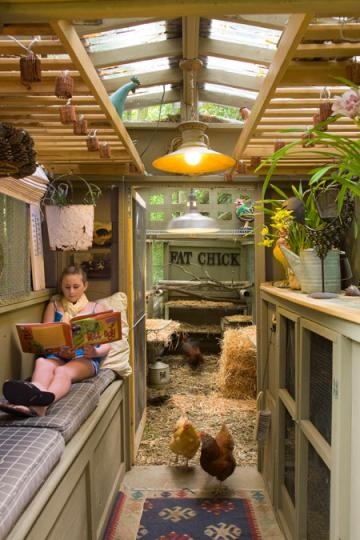
9-Chicken Coop and Room Idea

If you want to spent all time with chickens than this is good idea, full-time maid needed coop.

Source:
Source: livingthecountrylife

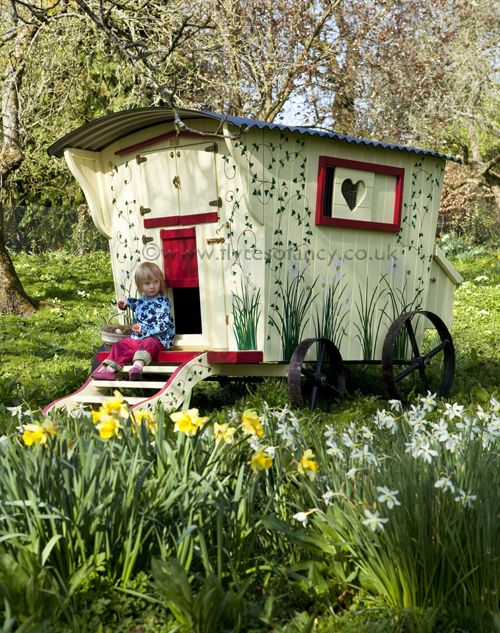
10-Gypsy Chicken House Idea

Gypsy caravan hen house – hilarious!!!  This is an excellent chicken coop idea, like a tractor chicken coop.

Source:
Source: facebook

11-Chicken Coop with Run

This is one of inspiring chicken  run out of 10 chicken coop run building ideas
chicken coop with run
chicken coop run building ideas

12-Hobbit Hole Chicken Coop

Source:
Source: wooden-wonders

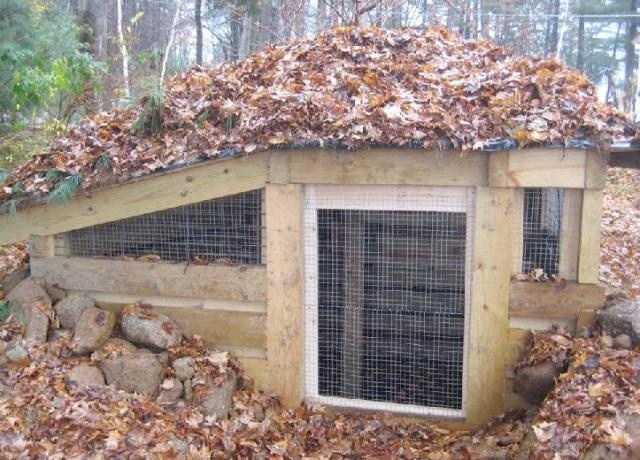
13-Under Ground Chicken Coop Design

Source:

Underground Chicken Coop idea – Not sure it would work in our back yard but I’d love something like this if I lived in the country. Would work great to help balance temperature

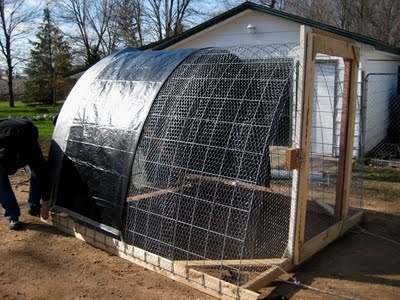
14-Chicken Coop Hoop House

Source:
Source: gypsyfarmgirl

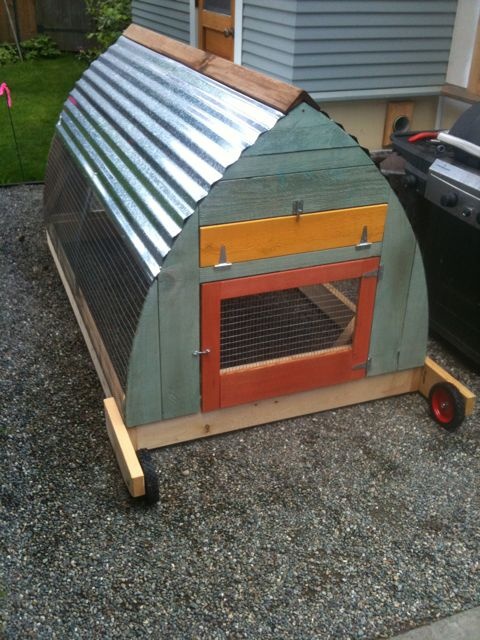
15-Mini Tractor Chicken Coop

Source:
Source: gypsyfarmgirl

16-Taj Mahal Chicken Coop

Taj Mahal of chicken coops. Could be sectioned off for different feathered friends..

Taj mahal chicken coop
Source: flickr

17-Rustic Chicken Coop Design Idea

Rustic chicken coop
Source: facebook

18-Artistic and Creative Chicken House

Excellent design
Source: facebook

19-Simple Chicken Coop Design Idea

This is a simple,made out not with costly material but looks fantastics

Source:
Source:  flickr

20-Simple and Easy

Source:
Source: flickr

I wish I had one like this for my chickens. Awesome!

4 Basic Types of Chicken Breeds for Your Backyard

There are limitless and infinite reasons for backyard chickens. In addition to making coop arrangements, you also need to consider the type of chicken breeds that will be most suited for you. Today, there are nearly 60 different chicken breeds that are distributed all over the planet. Moreover, the same applies to their variants that have been produced by using the different techniques and procedures of genetic engineering. For your ease, I have also included chicken breeds with pictures.

It is quite corroborated that your decision about selecting the backyard chicken breeds should be based on what you want to have out of them. There are numerous facets because of which people love to buy chicken breeds for themselves. Below I would be sharing with you all about the 4 dominant types of chicken breeds which are going to be helpful whether you plan to keep a chicken breeds for eggs or just some broiler chicken breeds . It is imperative for you to be clear in your head about the prime motive or purpose for keeping the chicken breeds. Without any further ado, here are the 4 basic types of chicken breeds.

You may like to see other types of chicken breeds such as white and black chicken breeds, heritage chicken breeds, rare chicken breeds, egg laying chicken breeds and small chicken breeds.

Egg Laying Breeds

The egg laying chicken breeds can be linked to the Mediterranean class of chickens which lived hundreds of years back. In other words, these egg laying chicken breeds trace their ancestral origins to these specific classes of breeds. Moreover, these chicken breeds are selected in lines to their genetic makeup which makes them the most optimal for the purpose of egg production. At the same time, they have small bodies due to which they are undesirable for meat production purposes. It is also due to the size of their bodies that they are able to direct all the nutriments towards the egg production, which is another reason for their increased egg production. In addition, these breeds are also classified in terms of the color of their eggs. There are those which produce white shelled eggs and the ones which lay brown colored eggs. Now here, the White Leghorns are believed to be the most prolific layers for the white eggs.  The Black and White Minorcas  and the Anconas  also lay white colour eggs.

Egg laying chicken breeds

Meat Production Breeds

The meat chicken breeds are in reality cannot be termed as pure chicken breeds after all. It is due to their hybrid nature, all because they are produced from the combination of different breeds. At the times of pairing the breeds, the genetic engineers and poultry producers prefer to obtain certain meat characteristics. Some of these breeds grow much faster in comparison to others and also come to have a larger body size. For the sake of meat production, there is no other chicken breed that can match the fast and multifaceted growth of the Cornish Cross (Including the White Cornish and Plymouth Rock). Moreover, the breeds are named after the breeding company that processed them or paired them like Peterson, Hubbard or The Arbor Acres. The prime weakness of these breeds is that they are not capable to lay some large number of eggs in comparison to the other different breeds of chicken.

Meat Production Chicken Breeds

Dual Purpose Breeds

The dual purpose chicken breeds include a number of American and English breeds include the Plymouth Rock, Sussex, Wyandottes, New Hampshire etc. In addition to giving a reasonable number of eggs, they are also optimal in terms of their meatiness. Although their meat production capacity is quite low in comparison to the commercial hybrid breeds, still they happen to much better for egg production.

Dual Purpose Chicken Breeds

Cold Weather Breeds

For the areas that are marked for their extremely cold weather, there are certain chicken breeds which should be preferred over all others. Moreover, it is also better to utilize a standard size chicken than the bantam chicken breeds. The breeds that do quite well in the cold weathers include Plymouth Rock, Sussex, Rhode Island Reds and some others. At the same time, you can also consult with a number of local sources and farmers in order to have a better idea about the breeds. Choosing a chicken breed can become a tough job, especially for those who happen to be rookies or novices in the domain of poultry breeding.

Cold Weather Chicken Breeds

Guide For Introducing New Chicks With Older Flock

Since ages people have been raising various kinds of poultry birds in their backyards. True that, those are attached to this kind of work aim to expand their collections for fun; it’s indeed enslaving hobby. I have seen a live example in my family; my father is fond of keeping backyard birds. We have turkey, guinea fowl and lots of chickens there, but my father has special love and attention towards the chickens. Often he loves introducing new hens to a flock. With time he has learned a lot about the bird behavior and now he easily gets through the task of introducing the newer friends. Many of you must not know that the older flocks are not very much friendly, and they have adjusting issues with new friends.

If you continue to go through the excerpt, you would have a better idea how to deal with the issues and the harsh behavior of the older flock,there is some concepts which need to be understand

 Pecking order in the chicken - something you must know:

Poultry birds have some sort of their own developed psychic; if you talk about chicken only, they behave at their best when in smaller groups; in other words, they seem comfortable with a few friends and prefer squeezed social circle. Pecking order – if you are a backyard bird raiser, you must have an idea about this cliché – pecking order is not a scientific term, it basically means that the flock must have an order, or you can say a hierarchy. This would help all the hens know their standing and position; so, if you are looking towards to introduce a few more fellows in the already existing order, indeed you would face trouble, however, if you re-establish the order, you can overcome the issue easily.

pecking order in a chicken

Further, an established pecking order does not require any changes because the chicken at the highest level would be definitely stronger than the others. Even the maturity level would be different than the rest, so none of the bottom level chicken ever thinks of challenging the robust one. So, whenever introducing newer friends in the flock, think that you are somehow or the other destroying the family bonding; so in order to avoid the chaos, re-establishment of the pecking order would be the best tip.

Territory:

Another issue that requires immediate attention when mixing new chickens to a flock is territory; the older chickens which are now quite happy with their old members seriously doesn’t want any younger flock in their established kingdom. The sense of invasion makes them angry and they retaliate. So what can be done here is; you must establish two territories. For example, within your farm, you must carefully draw two territories and keep newer away from the older ones. They would look at each other daily and within a week or so their acceptance level towards each other would establish. This tip seriously works best.

territory issues

 Bulling:

How can you keep a small dog with a ferocious big one? Similarly, you cannot keep a big robust rooster (above one year) with a premature growing cockerel (male bird less than one year). The maturity level between the new inductees and the older flock must be more or less the same. This issue is quite sensitive and you must keep in mind the age group and the sex of the birds too. At the same time make sure those who are getting bullied still get their required food, water and proper space.

bulling in chicken

Other than the mentioned valuable options, quick tips that would help you in mingling the newer flocks with older ones include;

1- Introduce pairs:

First of all make sure the new chickens that you are adding to the flock are good friends. For this, you can keep them together for a week or so; once their bonding is good enough, you can introduce them to the new group of friends – by doing this, you will simply avoid the major threat that new inductees would feel lonely as even if the older flock is not accepting, they would be friend with each other.

2- Introduce new pairs at night:

Many times it’s more practical to introduce new pairs during the night when the older flock is sleeping. Experience says this, the older chickens barely pay attention to such entries and hassles are on minimum scale.

3- Expand the space:

If you would be entering new hens without expanding the farm space, then the fights between the birds would be nothing new. If the number of chickens would be more than space and food containers, then there would be a complete mess in the farm.

4-Divide run:

Use a roll of wire to separate their run area for a while to allow the new flock to establish their area. Your established flock will get use of their smell and sound.

5-New space:

If possible introduce them in a new place for both of them. This will discourage old flock making their territory claim.

6-Food and water adequacy:

Ensure your new flock is given sufficient food and water before introducing with old flock, they may temporarily leave their eating habit and may get be bullied so make sure there is adequate food and water there.

7- Different age groups must be kept separately:

There is no point off mingling a baby hen with the older aunties. Trust me; this would lead to severe fights and bullying. Make sure you properly differentiate between the age groups of chickens.

8- Never let the weak suffer:

Chickens have the habit of playing pretty rude – they always attack on the newer weaker fellows. So, in you are making the mistake of merging weaker with bigger ones, you will end up creating a fight between the flocks.

9- Create distractions:

New chickens can be introduced by making the older chicks busy; I have seen my uncle doing this. He used to hang some fresh pieces of lettuce inside the chicken coop; but they used to be far away from the birds reach. The older chickens will get busy with the distractions and that’s the point where you can add newer fellows.

10- Play the game to add and subtract:

What you can do is take out a few older chickens from the farm and then add newer ones. By doing this you would easily get away with the problem of chickens acceptance towards each other. For example, if you are removing two roosters then add one new rooster. This would help females in getting attached to him.

16 Reasons that May Lead to Decrease in Egg Production

A large number of people love to keep backyard chickens for egg production. There might be numerous reasons for this habit. But it really feels amazing to collect eggs from all the next boxes. In other words, gathering eggs from the nest boxes is one of the greatest joys of keeping the backyard chicken. If dealt in a proper manner, then the process might lead to the increase in egg production, thus enabling you to grapple some large profits. At the time, there are a number of reasons that might lead to the fall in the rate of egg production. So, if you feel the egg production rate at your farm is falling, then you need to keep a number of things in mind. Most of the researchers are of the view that the fluctuations in the rate of egg production may be due to behavioral, environmental and emotional factors, all of which can be controlled. Here are the 16 reasons that might initiate a decrease in the rate of chicken egg production.

1. Lighting Conditions and Shorter Days:

One reason for which the egg production might be slowed down is due to the shorter days. On an average rate, a hen requires nearly 12 hours of sufficient day light for the stimulation of the ovaries.

light effect on laying eggs

2. Molting Issues:

During the phases of molting, most of hens stop laying eggs. In order to tackle the problem a number of proteins might come in handy, but it is better to let the molting complete its cycle. Molting in chickens should be dealt in an effective manner in order to ensure that egg production remains constant.

molting in hens

3. Broody Hen:

In this phase, the hens stop laying eggs. Moreover, they also spend the entire day sitting on the eggs, waiting for them to be hatched. The only thing that can be done here is to break the broodiness as soon as possible. Almost all classes of egg laying chicken breeds might suffer from this problem.

broody hen

4. Egg Eating:

There are some chickens that might engage in this irrational behavior. Furthermore, when one hen starts doing this, other hens prefer to follow. For substantiation, you can see a number of broken egg shells in the nest.

egg eating hens

5. Predators:

There is no end to the number of predators who love to eat and steal eggs. Moreover, the hens also get stressed out at the sight of these predators, so it is best if you make all sorts of conducive and safety arrangements for dealing with this issue.

6. Overcrowding:

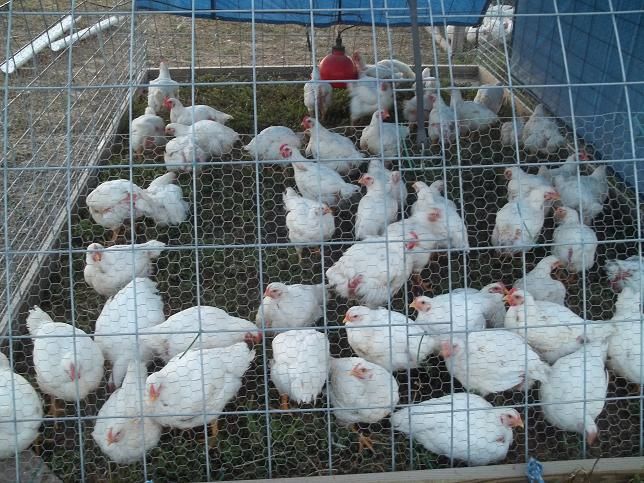
Another common reason for which the eggs might stop laying eggs, is overcrowding. When you keep a number of chickens in a small area, then the hens might get stressed that will result in lower egg production.

overcrowding hens

7. Change in Nesting Area:

Hens like humans love their homes and the places where they usually lay their eggs. But switching the area from time to time can break their routines and patterns of egg laying.

8. Illness/Disease:

One of the first things to notice in times of decreased in egg production is illness. You must also know that chickens do love to hide their illness at times. So here it is imperative to schedule and perform medical checkups from time to time.

9. Extreme Fluctuations in Weather:

There are some optimal temperatures in which hens lay the most number of eggs. Normally, the temperature range should be from 50-75 Degrees F. Even the slightest of deviations from this range might lead to fall in the egg production.
10. Lack of Ventilation:

Lack of ventilation in the coop leads to the accumulation of ammonia, thus causing various physiological changes in the chicken and egg laying habits of the chicken through respiratory illness.

11. Poor Nutrition:

Those farms that utilize some low quality feeds face this problem more often. So, for having the maximum number of egg yield, you should make use of good quality feeds.

12. Overfeeding:

Just like underfeeding that might lead to diminished egg production, the same also applies to overfeeding. Chickens require a set number of proteins for egg production, but never try to offer them with more than what they require.

13. Lack of Water:

In terms of the internal composition of egg, it is evident that water makes up nearly 75 % of the total mass. Be sure to supply sufficient water for chicken egg laying at all times.

14. Free ranging:

Chickens should be offered with free ranging, but in a controlled manner. Otherwise, they are going to hide their eggs at places you might not be able to track. Mostly the hens lay eggs in the morning times, so it is recommended that you monitor them at these times.

15. Age:

The first 2 to3 years are the ones in which hens lay the maximum number of eggs. With the passage of time, the productivity is going to fall. So, it is best that if you continue adding new chicks to the settings.

16. Stress:

In the end, it is quite visible that a stress free hen happens to be the one that lays the most number of eggs.

stress in hens

10 Best and Healthy Treats for Chickens -the treats chickens can eat

If you have backyard friends in your house, you must be knowing how carefully they are brought up. From their living to health, habits to the house, everything needs to be perfect, especially if you are dealing with chickens. They are very moody and tend to get irritated if not treated the way they want to be. Other than all the stuff, taking care of chicken’s diet is the utmost priority of the everywhere backyard raiser. However, you can always have some treats for chickens occasionally. The treat for chicken would help in avoiding the boredom of having the same food for the little fluffy fellows.

If you fail to allure the chickens with treats, they might get into the habit of feather pecking, which is certainly dangerous for the bird’s health. However, treat would be only 2 to 4 percent of the actual diet; it only makes around quarter cup feed for one chicken and that even for the week.

You must be thinking what to feed chickens as treat? Health, safety and freshness would be your utmost concern. The excerpt guides you about best 10 treats that your birds would enjoy to the fullest:

 1: Lush green veggies:

You can serve the chickens with lettuce, cabbage and other soft leafy green veggies. However, make sure you do not give them anything cold. It is ideal feed to hens.

lettuce to chickens1

2: Solid vegetables:

You do not have to shop for special or new vegetables for them – simply serve the leftover dinner’s vegetables in the morning to chickens. They would love it. However, do not over-do any of the items. Cauliflower, Brussels, cabbage and onions should be given in limited quantities.

kitchen scraps tp chickens

3: Garden and Lawn weeds:

Weeds have higher nutritional value, but make sure the ones you present to the chickens do not have any elements of pesticides. Wash the weed properly before serving it to the chickens. Make sure you consult the chicken veterinarian before that – never serve such a weed, which is unfamiliar to you. The most common weeds are chickweed, crabgrass, dandelions and thistles.

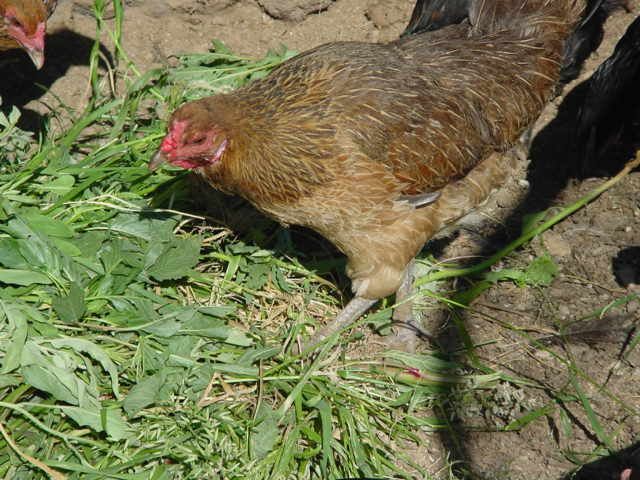
weeds to chickens

4: Squash and pumpkins:

Chickens have a special love for the jack-o-lantern from the Halloween – jokes apart, pumpkins have great nutritional value for chickens. Worming chickens with pumpkin is also a great practice.

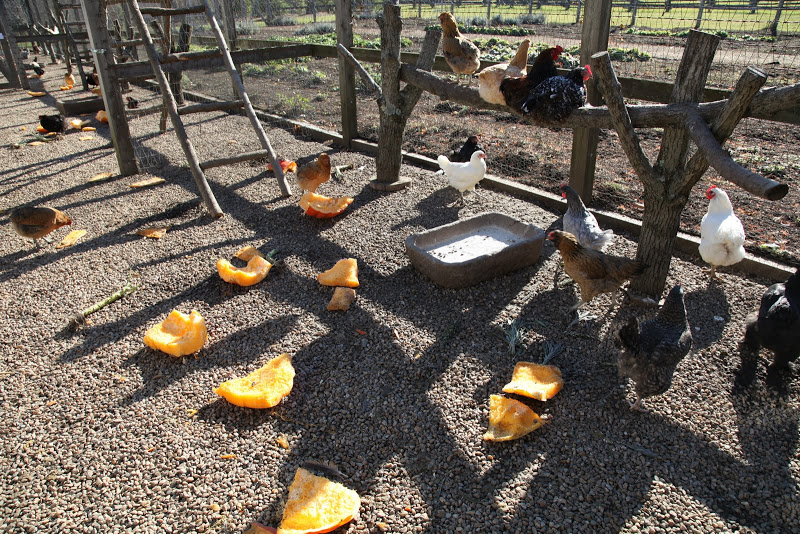
pumpkin as a natural chicken wormer

5: Fruits:

For wormy chickens, fresh fruits are a great treat. Make sure when you serve the chickens with fruits, they are washed and seedless. The fruits with seeds may cause chickens loose motions or other stomachaches. Look for soft fruits and give preference to sweeter ones; citrus fruits may not be liked much.

6: Meat:

If you plan to provide chicken with meat or bone scraps, make sure they are well cooked. It is ideal to have some meat on the bones so that they can pick it and have fun. Do not leave the bones in the coop for more than 24 hours – chickens may develop some infection by having them around.

meat or bone scraps to chhickens

7: Eggs and shells:

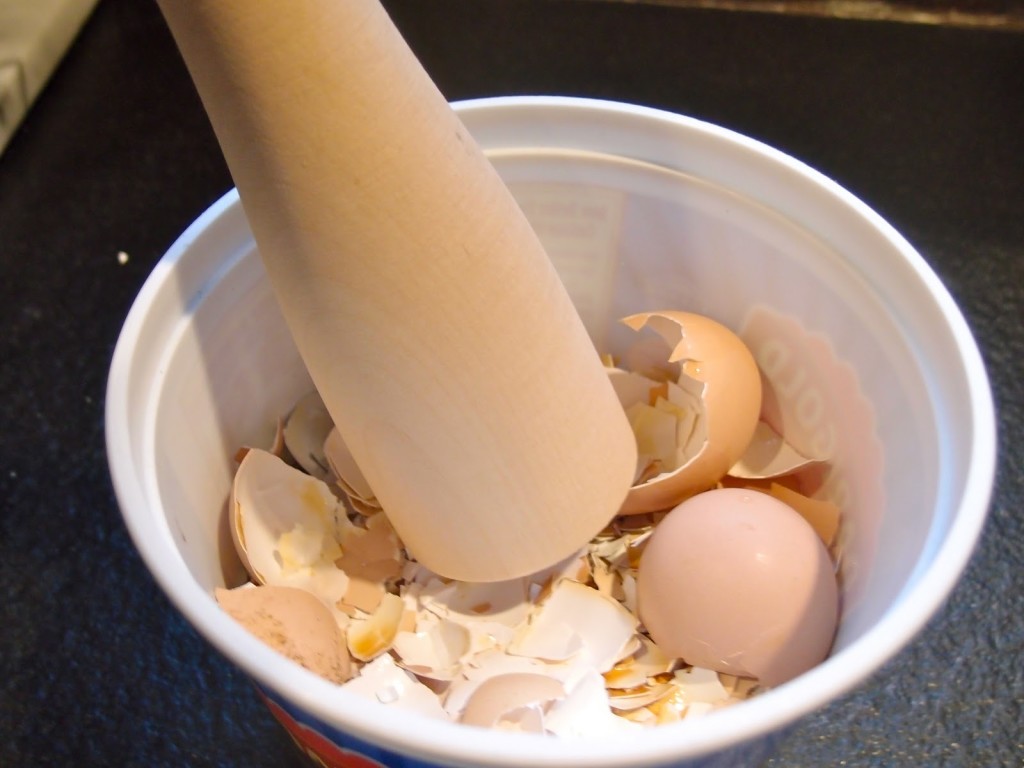
It is time to make the most of cracked and old eggs. Simply give them back to the chickens in cooked form – make sure it is crushed well, so that you do not intrigue the chickens having their own eggs when you are not around.

egg shell for chickens

8: Dairy and milk products:

Who said chickens stay away from the dairy products? They love cheese, sour milk and the simplest milk too. They would even have it if you mix some other liquid mixture in it. However, make sure you consult chicken veterinarian before doing it. It may otherwise cause a decrease in egg production.
9: Starch products

Now you must not be worrying about what chickens can eat – everything is crystal clear. You must serve pasta, rice and spaghetti in properly cooked manner. You can even serve the leftovers of the last night – even some sauce mixed dish would be fine for chickens.

10: Potatoes:

Never ever, feed your chickens with raw potatoes – not even the peels. The roots may be poisonous, so make sure you remove them as well. Simply put the potatoes and the peels into boiling water for 10 minutes and then serve them to the chickens when cool on temperature.

10 tips to train your hen to lay eggs in her nest box

Are you pissed at your cute chubby hens because of their annoying habits? Relax, that is normal for the poultry dwellers. My 10 years experience has lead me to  conclude, you may not agree with it but my opinion remains the same – hens love laying eggs everywhere except for the place where they should. When I bought hens for the first time, I went mad almost – they use to lay eggs all over the farm but not their next boxes. It was bothering because most of the eggs used to get wasted as I was not able to locate them or other animals used to break eggs.

Are you going through the phase when the hen laid eggs in the garden, trees, hay bales but not their boxes? You cannot do anything about it other than training them. Don’t lose hope because chickens have a very annoying habit of sticking to what I being restricted – I shall share my experience of training my fellows, you can take perks from the foolproof tips through which you can easily obtain fresh and clean eggs;

eggs in garden

1: Place nest boxes in quantity:

You must have at least 4 to 5 boxes for a flock of 20 hens – in this way hens would feel comfortable laying eggs in the boxes because of ease. This would also help you in collecting eggs easily.

2: Alluring nest boxes:

The nesting boxes must have something that the hen would not to eat or maybe play with.

3: Placement of the box:

Always keep the boxes in the areas of the coop that are dark – hens adore peaceful and dark places and would happily lay eggs in the boxes.

4: Create a scenario – play with them:

You can use golf ball or ceramic eggs and design a scenario to create an impact on the hen’s mind that the right place for the egg is the next box.

golf ball in nest box

5: Limit their movement:

You must know the time when your hens lay eggs usually – for example, if it is the mid morning time, you can close the coop door. In this way, hens would have no option other than laying eggs in the nest boxes.

6: Make the boxes cozy and comfortable:

You must have a clean and fluffy nest box so that he feels cozy in it – untidy and boxes with depleted shavings (floorings) are disliked so hens lay eggs in other locations.

7: keep the boxes free:

Once the chicken is done with laying eggs in the box, make sure you clean it and leave it for another hen.

8: Notice the hen behavior:

Make sure you guard the hens in the morning, if they are trying to escape from the eyes or searching for darker location, send her to the coop where the clean box is placed.

9: Timings:

You can place food and water bowls near the boxes – the hens would eat and play, and before that lay the egg in the safe secure area, which would be nest only.

10: Keep the nest box a few inches above the ground because hens like it that way – make sure you place fresh flooring each morning so that it motivates the hen to carry on with the behavior.

13 tips to protect your chickens from hot weather

Each of the united state regions is now broiling – wonder why the heat wave seems to have adored this place. Humans have ample amount of ways to counter this igneous heat but what about the animals around? I am being specific about our backyards fellows and other feathered creatures because they are absolutely innocent and rely on us for shelter when the temperature is torturing. One of the researches says that birds like turkeys, guinea fowl, ducks, chickens and pea fowls cannot stand against the temperature of 90 degrees – they can even die cause of sun stroke/ heat stroke if exposed to soaring temperature than this.

Don’t worry, there are ample ways through which you can protect your little fellows and keep your flocks happier even if the shiny sun is in the mood to annoy them. This excerpt now highlights simple, affordable and quick ways through which you can keep chicken cool during the hot season. Raising backyard chicken is interesting but caring chicken is responsibility.

Identify the heat stress symptoms:

You must be wondering how to identify symptoms regarding heat stress in poultry? Well, their behavior would depict lots of things;

  • Hyperventilation or panting: this refers to quick and short breaths by birds
  • Laziness – they lie down on the ground with fully stretched wings
  • Eating disorder – appetite shrinks
  • They stop responding to stimuli

heat stress in chickens


How to keep chicken cool in summer?

Here are the most inquired tips:

1: Choose the bird breed sensibly:

Indeed, you would never want to have a sick or lazy flock in the backyard – a healthy and active flock is something that each rasier would look up to. If that’s your goal, always select the bird breed wisely. What do I mean by this? See, there are a few heat tolerant breeds; similarly, you would come across cold tolerant breeds, and a few which cannot bear any extreme temperature. If you would build your flocks based on factors like beauty, rareness or egg laying ability only, you may face trouble. Before filling your coop clearly make a note of their habitats and abilities.

2: Chicken coop design should be considered:

Always inquire vendor about the coop designs; for example, the slanted roof has a greater tendency to absorb heat as well as the humidity. Similarly, all sides closed coop would also lead to suffocation; you must have a coop which allows fresh air to pass easily while providing enough shade inside the coop for birds.

3: Make sure enough shade is provided:

During summers specially, you must have shades and shelter at different places so that chickens and other birds can seek shelter there. What you can do is grow more shrubs, trees and porches – if you don’t have enough space, you can use man-made options for making shady areas.

shelter for chickens

4: Make water available:

You must place cold water for birds in their residency – try to change the water after 2 hours during peak summers. If that’s not possible for you, at the base of water containers place ice in plastic bags – this would help water retain coolness.

5: Use small ice air conditioners:

What you can do is, freeze water in small some containers and place them in the resting place of the birds. They would get an idea that while they are near the containers they feel relaxed and cold. It’s a good way to keep them away from heat strokes.

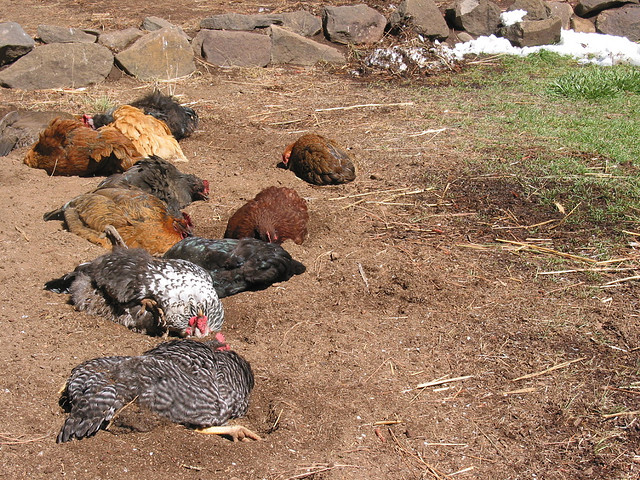
6: Provide dust bathing place:

By doing so you would reduce the chances of getting parasite as well as heat. When the temperature is ferocious, chickens make small holes in the dirt and would sit where they find cooler regions.

dust bath for chickens

7: Use of electrolyte:

All you have to do is buy a powdered electrolyte from the store and mix it in the cold water as per the instruction on the packet.

8: Pay attention to nest Box area:

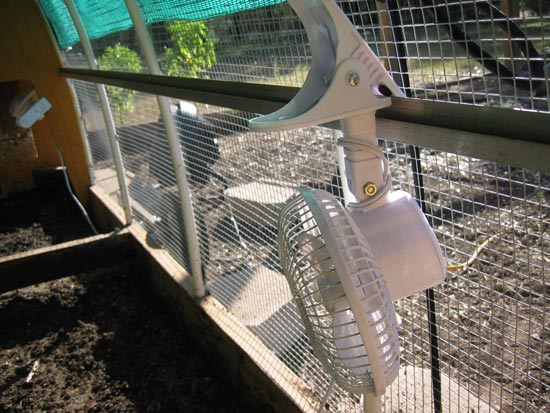
Smaller chicken coops face this type of a problem widely – as the day passes temperature inside the coop soars. You have to make sure that there is proper ventilation and air circulation where nest boxes are placed. You can use a fan or place freezers (ice air conditioners). In fact you must have nest boxes outside somewhere in shady regions for summers.

fan in coop

9: Change in diet:

Stop giving your chickens scratch and corn – they provide the body with extra heat and require longer time for digestion. Replace them items with fresh fruits and juicy vegetables.
10: Use Frozen foods:

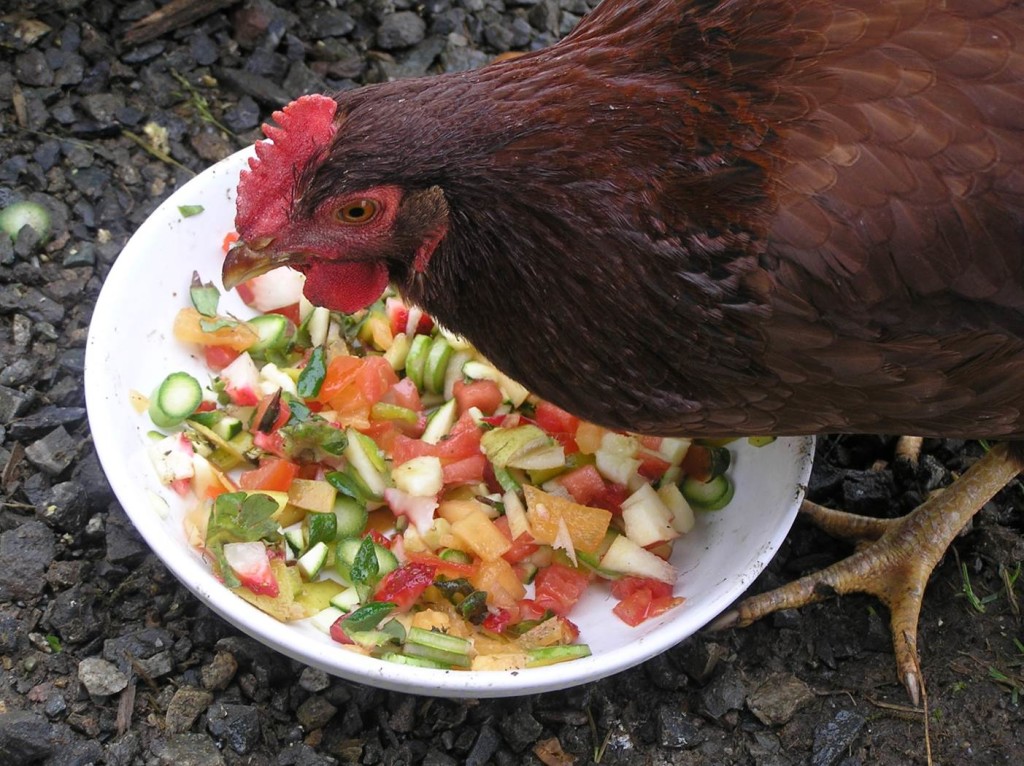
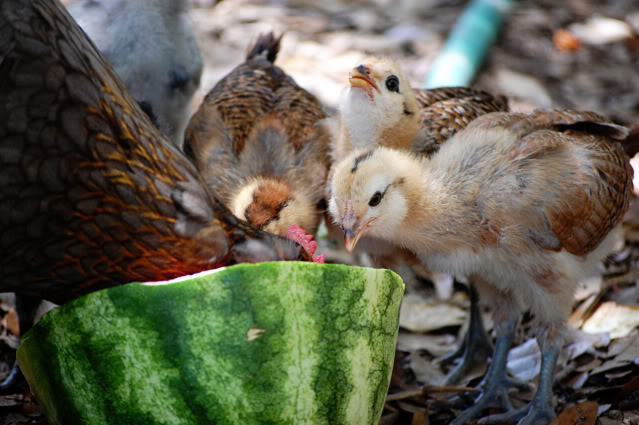
Take out fresh and juicy fruits and vegetables and chop them into smaller pieces. Go to your flocks and let them enjoy this meal twice a day. This would help them retain energy and coolness. You can try;

  • Watermelon
  • Cucumber
  • Oranges
  • Berries
  • Apples
  • Pineapple

food for chickens

11: Water your coop:

If you have plants at the top, that means you have a green roof chicken coop, you must keep on watering it. Also, you can create a cold water pool inside the coop.

12: Decrease the litter in the coop: 

You must decrease the deep coop bedding – by doing so you would be able to keep the coop cool and clean. This would increase the air circulation and decrease suffocation.
13: Give birds freedom:

Your goal is to lower the chickens stress so try giving them a place to play and walk around. This would help keep away their stress.

Benefits of Herbs for Chicken Health

The trends of taste among people have been changing quite drastically. In older days, people use to give priority to vegetables more as compared to meat food. But now it’s the opposite. And in this, the usage of chicken has been in the top of the list. The increase in the consumption of chicken by people belonging to different countries has led to the proper farming of chicken in order to fulfill the daily needs. But this farming has also raised some medical issues in respect of chicken health due to not handling them properly. Un-controlled and un-healthy environment creates parasites in chickens that not only affects the health of that chicken but also affects the health of other chickens. Therefore, remedy for this problem is using herbs. It is not necessary that these herbs can only be used for chicken farming on large scale. Even if you have small pack of chickens at the backyard of your house, you can also use these herbs to keep your chicken healthy. So below are some of the uses of herbs that are beneficial for the health of the chicken.

 Herbs for chicken

As we all are well aware that chickens eat green plants for their survival. If green plants are the food than why not provide with such green plants that does not only satisfy their basic need, that is food, but also keeps them healthy and reduces the chances of getting any worms in chicken. In order to provide them with useful herbs, you need to make some good room for the chickens. Chickens can be more happy and healthy when they have plenty of room to walk, spread their wings and find their food themselves. Keeping them in fence cannot fulfill this purpose that accurately as this is practiced for the convenience of humans and keeping chickens away from predators. The important herbs that are useful for the health of chicken and also so that they could lay healthy eggs are comfrey, garlic, chickweed, elder, hyssop, feverfew, nasturtium, tansy, lavender, kale, Gotu Kola, and nettle.
 Some Herbs and their benefits

The herbs that are mentioned above have separate benefits for chicken. These are described below.

Comfrey:

this herb is filled with tonic food and protein and has a high level of calcium and potassium in it. This herb is also beneficial in providing amino acid. Feeding this herb daily to chickens will not only help them in being healthy but they will lay eggs with golden yolk as well.

comfrey for chicken health

Chickweed:

This herb is very common and it grows in the cooler months. This herb is on the top of the list that is liked by chickens.

Chickweed FOR CHICKEN

Feverfew:

This herb is effective in controlling mites and lice that possesses some serious threats to the health of chickens. This herb produces self seeds and ample of flowers. These flowers and leaves can be converted in to a tea and then sprayed to control mites and lice.

Feverfew for chicken

Gotu Kola:

This herb grows in areas that are partially shaded. The leaves of this herb are very useful tonic for chickens and this herb can also be used for some of external skin conditions.

Gotu Kola for chicken

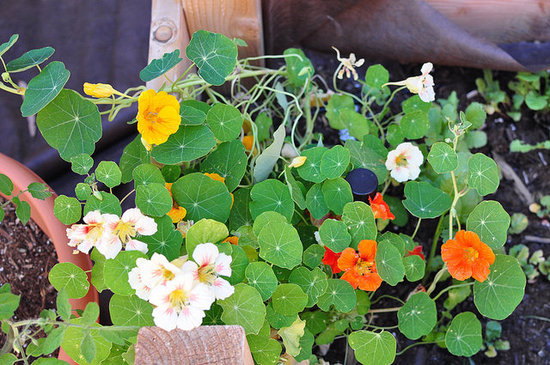
Nasturtium:

This herb has antibiotic and antiseptic characteristics and helps in repelling the insects away from the chicken.

Nasturtium for chicken

Nettle:

 This herb not only is rich in minerals and vitamins but also it prevents chicken against worms. This herb can be added with comfrey after drying it so as to give a boost for laying eggs.

Nettle for chicken

Herbs and chickens health

Some of you may have experienced that the chickens which you have been keeping in your backyard or on your farm are getting less active and are often seen in unhealthy shape. This may lead to death of some chickens as well. If you are providing them with proper food, water and shelter and wonder why still this is happening, so the reason is their declining immune system. The reason in the declining of chicken’s immune system is unhealthy diet. You may have been providing proper feed for hen but sometimes that is just not enough. Giving them proper diet which includes useful herbs is also very important. These herbs have the necessary proteins and vitamins that do not only strengthen the immune system of chicken but also helps them in fighting with any parasites in chickens. The stronger the immune system is, the healthier is the chicken and will also lay healthy eggs. The immune system not only helps the chickens to fight with parasites but also to counter lice and mites diseases that may not only affect the health of one chicken, but may also affect other chicken as well. Besides the fact that these herbs help in maintaining the immune system of chickens, there is one also additional benefit received from these herbs. These herbs not only make the immune system of chickens more defensive but also provide the necessary calcium and proteins that helps in the nourishment of these chickens. As healthy the chicken will be, there are greater chances that the egg laid by the egg laying chickens will also be rich in protein and calcium. And when these eggs will be used as a source of food by the people, they will also have a better and healthy life.

Above are some of the benefits discussed of using various herbs for the proper nourishment of chickens and why they are essential for the immune system of chickens as well. So if you think that the food which you are providing to your chickens is enough, than think again. This information will help you to keep your chickens more healthy and active and the herbs mentioned will help the chickens in fighting various diseases as well.

Here is more information on types of herbs,their benefits and how to use them

http://orgprints.org/20460/1/sb_poultry.pdf

Guide to Select a Right Breeds of Chickens For Backyard

At the time of launching a poultry farm you do have a wide array of choices to choose from. Chickens have been kept by humans for thousands of years now for a number of different purposes. Due to this domestication, a number of breeds of chicken have been resulted. In a similar way to animals that come in different types, the chicken breeds differ from one another in terms of their characteristics, about which you should be well aware. In other words, you should know about the specific characteristics of each chicken breed in order to have an idea about which types of chicken breeds would be best suited for your farm.

It is all by doing some research that you would be able to have an idea about the best chicken breeds for eggs and meat. When it comes to selecting the right backyard chicken breeds, the following are the breeds about which you should know.Here are some of the most preferred chicken breeds with pictures.

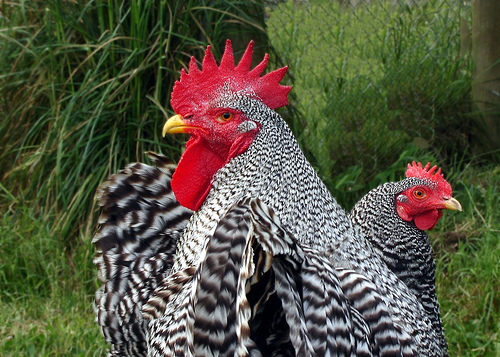
Plymouth Rock

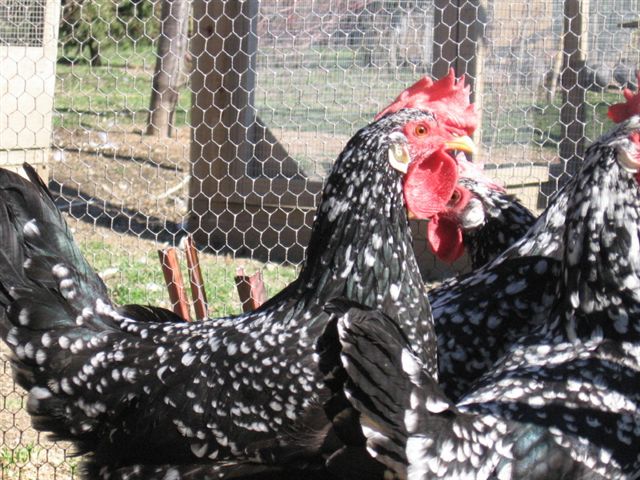
In terms of the top ten chicken breeds, the first in line is the Plymouth Rock. Many years ago, this chicken breed used to be the most common in America. You can select this breed from a number of different options. One of the most common of them all is the black and barred ones. Moreover, these birds are of a calm and friendly nature, due to which they are best suited to being kept in any setting.

plymouth-rock-chicken

Rhode Island Breed

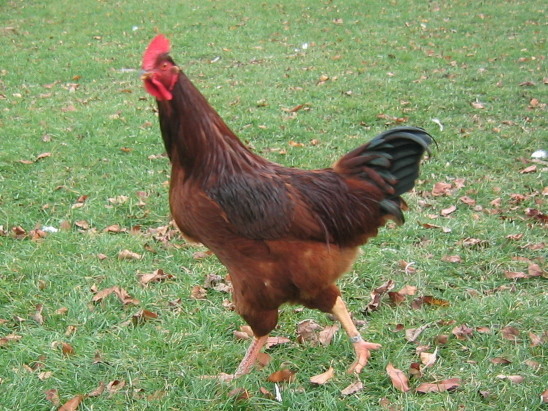
Next in line we have the Rhode Island Breed which is also very common and preferred among the backyard chicken farmers. They are available in two different types including Rhode Island Red and The Rhode Island White. It is their docile demeanour, which makes them one of the most preferred to farmers. Furthermore, it is also able to adapt very well to all forms of free range as well as combined settings. On a yearly basis, it is also able to lay around 300 eggs which are brown in colour. That’s not all, as it is also known to be the best chicken for laying brown colored eggs. The Rhode Island Breed is indeed one of the most famous egg laying chicken breeds.

rhode island

Light Sussex

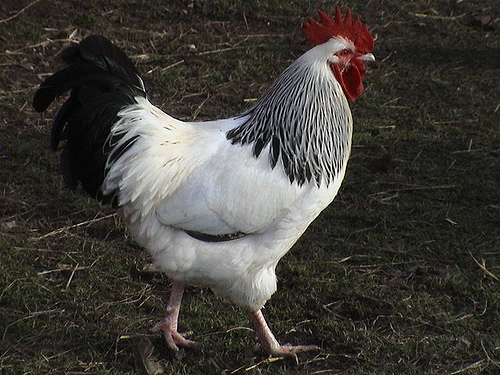
 Another top chicken breed is the one known as The Sussex Breed. In addition to being present in a number of different types and colors, they are also quite adaptable to any environment. Moreover, it’s also their unique nature which makes them one of the most preferred among all the farmers. Their capacity to lay eggs on a yearly basis falls around 250, which is indeed quite good in comparison to the other different breeds of chicken that are found all over the world. Many farmers, especially the hobbyists love to keep this chicken breed at their homes for quite obvious reasons.

light sussex

Ameraucana Breed

Now moving on, we have another popular breed which you should also consider at the time of selecting the right chicken breed for your farm house or any other setting. The breed is known by the name of Ameraucana. They have a standard size and are mostly kept being one of the dual purpose chicken breeds. Now here, by dual nature it is meant that they are kept for eggs as well as for meat usage, thus making them quite useful in terms of meat chicken breeds. The eggs laid by these birds get really expensive at the time of the Easter Holidays. The reason for this being the beautiful colour of the eggs these birds lay. They are also quite constant in terms of laying eggs on a set schedule. Mostly, this breed is easy to handle and friendly, but there are some that can get really aggressive at times. The colors in which this breed is found include black, blue or brown red.

Ameraucana breed

Ancient Breeds

For those who plan to keep the breeds that are being used since the ancient times, The Anconas and Hamburgs are the ones to be used. These chicken breeds typically lay white colored eggs, but some of the farmers are of the view that these breeds might not be suited for backyard farming, all because of their changing temperament. Other breeds which are also very famous for egg laying include The Minorca, Campine, Orloff, Penedesenca and other broiler chicken breeds. So, now you know how important is it to have some idea at the time of choosing a chicken breed.

anconas chicken breed