Tag Archives: pictures

7 Benefits of Free Range or Organic Chicken Products

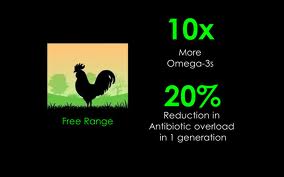
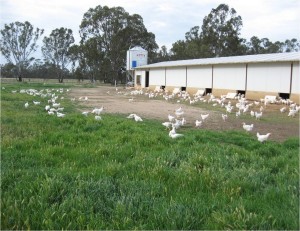
Farming has a plethora of benefits for not only the owner of the farm, but also for the people who are linked to the process. The same is equally true for the chicken farming which has a wide variety of benefits for everyone. The term free range chicken has been confused till now. In reality, free range chickens are those who wander here and there with their little hen hearts. The second definition asserts that free range chickens are those which are brought up in the outdoor settings. Whenever you enter the grocery store, you are sure to find chicken in a wide variety of tagging ranging from free range to organic and even to no-antibiotics. Although there are a number of health benefits of making use of the free range chicken, still you should try to look beyond the tagging to the source where the chicken meat comes from.

Health Benefits

There are various researches and studies that have confirmed that the benefits of using free roaming hens or chickens are countless. One such study is the one that was published by the Penn State University. Below are some of the health benefits of free range chicken.

Higher Meat Quality

The very first benefit to health provided by is the quality of meat which is much better than other forms of chicken. The prime reason for this is the fact that these free range hens have access to various insects and organisms which are rich in protein and other minerals. All of the researchers in the domain of poultry farming are of the view that the meat quality is positively effectuated by the insects consumed by the chicken.

free range chicken meat

Lower Feed Cost

As the chickens are brought in the open air setting, so the feed cost is sure to be low. Furthermore, raising free range chickens also a number of benefits to the environment, as they come to eat most of the insects which are present in access in the environment.

low feed cost in free range chicken

More Flavorful

As the chickens are grown up in a healthy setting, so a more deep and pleasant flavor is not much of a surprise. Furthermore, the bones also come to be stronger as the animals are always in the state of movement in a large area.

No Presence of Antibiotics

Another major benefit of the free range poultry is the no presence of antibiotics in the meat and the entire body. Contrary to this, the chicken brought in the industry settings is given various forms of antibiotics, but that is not the case with the free range hens.

no antibiotics in free range chicken

Stress Free

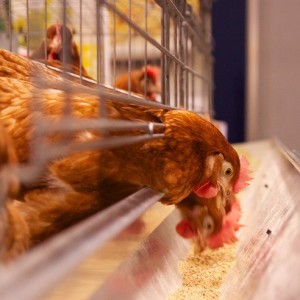
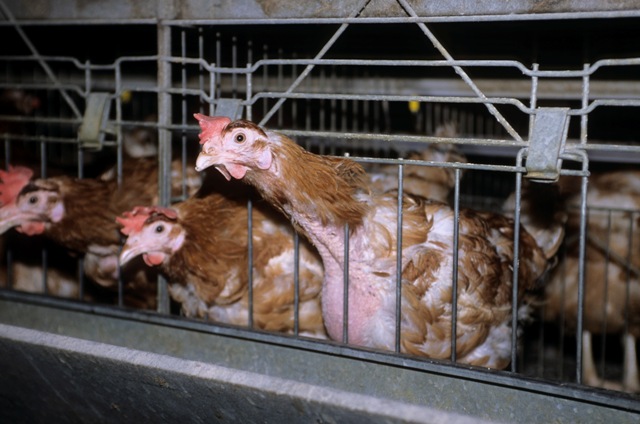
The caged animals have higher chances of developing stress and irrational behaviors, thus leading to some diseases. But this is not the case with the free range ones.

no stress free range chicken

Higher Egg Quality

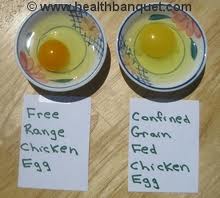
Another major benefit of using the free range chickens lies is higher levels of egg quality.These eggs contain rich amount of amino acid and protein as well as omega-3 which our body needed. This has been confirmed by a large number of people who make use of the eggs laid by this chicken.

free range chicken egg

USDA Approved

The free range chicken meat has been subject to a great deal of research and is now highly approved and recommended by USDA and other food regulation authorities. Now this is something which you are not always going to find in making use of the industry based chickens.

usda approved


The Effect of Technical and Non-Technical Barriers to Global Poultry Trade

Global trade in the domain of poultry products has expanded rapidly in the past few years. But the technical rules and regulations, which were ostensibly designed for the protection of animal and human health, now act as important factors and determinants of the sector’s growth. Barriers to trade do come to effectuate trade volumes and patterns. Many of these barriers to the global poultry have scientific bases. In order to remove these barriers several systems might be required. These systems may also pose a threat to the production systems that have long been practiced. In short, till now the poultry markets have been witnessing a boom and a rapid expansion. The effects of these technical and non-technical barriers can be evaluated in terms of the following factors.

Rise in Consumption and demand for Quality 

According to a number of statistical surveys, world poultry had expanded 11 million tons to 63 million from 1965 to 1999. The same also holds to be true for the consumption of poultry products. With an increase in the consumption, in the past few decades an expected increase in the quality of these products has been seen. In other words, people all over the world demand better quality when it comes to poultry products, which is the prime and the core reason for which various new rules and regulations, have been passed. Furthermore, the supply factors have also reinforced this increase in the demand, but at the same time the rising prices of poultry tell a very different story.

poultry consumption in asia

qulaity of poultry products

Increase in Imports and Exports

Imports of poultry products have now increased in those countries who had limited poultry resources. An increase in the imports has also been seen in countries which were considered to be self-sufficient in terms of poultry production like India, Pakistan and many others. The highest levels of poultry consumption have been seen in Hong Kong, USA followed by Israel, Saudi Arabia, China and Russia.

poultry trade immports and exports

Foreign Direct Investment

The growth of the super markets, alongside fast food retail outlets has also generated a major impact on the poultry sales worldwide. This is one of the reasons for which the sector has been subject to rapid globalization. Thus, it is obvious that foreign direct investment does come to influence the poultry business all over the world. In addition, this factor has influenced the patterns and forms of trade and the politics of the various trade barriers.

Role of Tariffs and Tariff Quotes

Consumptions in poultry are also restricted by the various regulations on poultry exports and imports having a tariff and a non-tariff nature. Another major barrier in this regard is the income of the people living in a country. Now here an important thing to note here is the fact that in Germany, which has a very high per capital income, the poultry demand is the same as in Mexico, which has a comparatively low per capital income. As expected, the nutrition requirement in Mexico is now on a constant rise, so an agile solutions and the removal of barriers to poultry trade is now needed. Although in Germany and Japan, the consumption patterns have been rising, still they are nothing as compared to other Asian countries. Now here important determinants of the barriers to poultry are the SPS regulations. SPS measures stands for Sanitary and Phytosanitary measures. In the past, some improperly evaluated steps and decisions taken by WTO SPS committee have negatively influenced the patterns of poultry consumption and trade all over the world. So, in order to gain a better understanding about the tariffs, SPS regulations and consumption patterns, all the countries must take some important measures.

tarrif in poultrytarrif

Chickens are seen inside cages on a truck near a poultry market in Dengzhou

Influence of High Value (White Poultry) and
 Low Value (Dark Poultry) Products

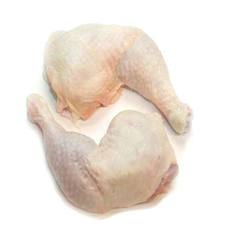
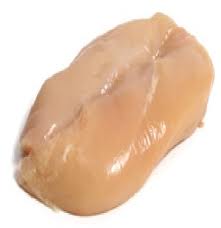
In the wide range of the poultry products, the two classes which are of the most significance here are the White Meat and Dark Meat. White meat is mostly seen in terms of breasts and wings of chicken in addition to turkey which are of high value in comparison to the dark meat which comes from the drumsticks and thighs. Most of the high value products go to Japan and EU, while the low value products go to China, Russia and other countries.

white meatdark chicken meat

Other Barriers to International Poultry

Poultry flocks are always susceptible to various diseases, especially in the 3rd world countries where the sanitary and other conditions are not so well. It is due to these conditions that the numbers of disease disputes have increased all over the world. Another important barrier to poultry lies in the poultry imports and exports in terms of halal food for the Islamic Countries.

halal chicken

Solutions and Recommendations

A perfectly evaluated, spatially balanced equilibrium in poultry production and methods is needed for the removal of these barriers. Furthermore, in addition to the improvement in sanitary conditions and removal of tariff flaws, a change in some impractical rules and regulations is also the need of the times. Imposition of new and agile sanitary barriers might also be needed for creating a balance in consumption and supply.


The Significance and use of poultry manure as a fertilizer

The use of Poultry manure fertilizer is becoming a common practice (especially Chicken manure as fertilizer) with many farmers throughout the world as this matter content has in store various nutritional elements for various fields or crops. These nutritional elements are very effective in increasing the productivity and rapid growth of farms e.g. farms that produce vegetables. What manure basically is, its significance and various other factors related to it can be thoroughly understood under the following headings.

1. What is poultry manure and what are some of its components?

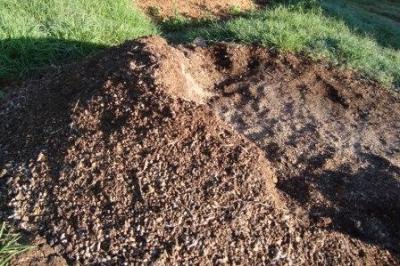
Chicken manure is basically a waste material which is organic in nature and comprises of urine and feces of animals which are related to poultry e.g. chicken.Poultry manure is a mixture of certain types of bedding material such as sawdust or wood shavings.The manure is acquired by cleaning of the poultry houses on regular basis where thin bedding layers are removed along with such manure. So the manure which is basically the waste from chicken dropping and other mixtures ,when used as fertilizer is called Chicken fertilizer.  Now the components or constituents found in the manure are dependent on the types of birds, their feed ration and proportions of droppings to litter, the handling systems of the manure and the types of litter. However, the most common components are Potassium, Nitrogen and phosphorus.

poultry manure and its components

2. Why fresh manure not to be used, timing of usage and 
precautions involved?

It is preferred to use manure after within 120 days of the harvesting of crops. Similarly it is preferable not to use fresh manure because it may contain certain bacteria which are harmful for human health and may cause diseases. It is therefore suggest that the manure should be used after it is composted because composting not only enhances the nutrients but also avoids the risks of your exposure to different diseases. The composting procedure may involve 3 to 4 weeks after which such manure can be used as fertilizer in gardens and for crops. Always wash your hands thoroughly after they come in contact with the manure or the compost and especially before eating so that no bacteria can enter your body.

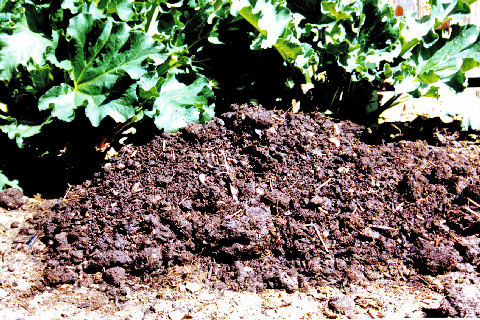
fresh manure

3.advantages of poultry manure fertilizer in comparison 
with other fertilizers

Poultry manure fertilizer or a Chicken fertilizer has some of its distinct benefits in contrast to the synthetic or the inorganic fertilizers available in the market. The first benefit of their use is that they are more economical for the cause as compared to inorganic fertilizers. They have the tendency to condition the soil better then the inorganic ones. This better conditioning of the soil will result in an extra yield. Research has shown that the yields of crops like Cotton was significantly higher when a Chicken manure organic fertilizer was used.  The use of Chicken manure for fertilizer not only brings ecomical benefits to farmers but is also less harmful to the environment in comparison to inorganic fertilizers.  Not only can it be used for the fields but it can also be used as garden fertilizer.  Poultry manure or a Poultry fertilizer or litter as fertilizer is basically a mix of droppings of chicken or birds like pigeon, ducks and turkey. They are generally hotter as compared to other organic fertilizers like those of cow and horse. They need to be composted first or else they have the tendency to burn plants. They are high in nutrients like Nitrogen and potassium. Horse manure is on the other hand not as rich in Nitrogen as chicken manure but is richer when compared with cow manure. So a Chicken litter fertilizer you can say is rich in some components in contrast to others but the usage of fertilizers can vary according to the crops.

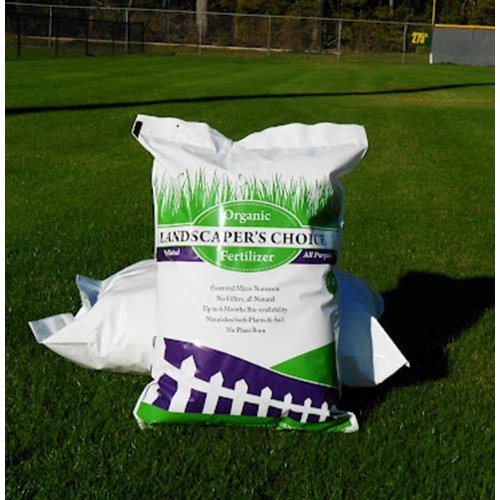
organic poultry fertilizer

4. Deep litter in commercial farms and backyard poultry

Deep litter is a housing system of animals which is based on repeated or continuous spreading of sawdust or straw material. The initial layer is made as bedding for animals and the other layers are added when the litter gets soiled. They are also known as backyard litter or domestic litter when used in domestic poultry.Chicken manure pellets which are used as fertilizers are obtained from the manure of the chicken in the cages or coop.

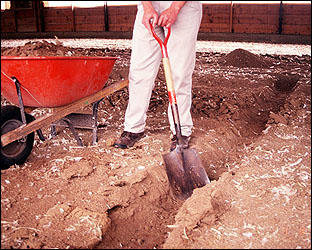
deep litter


Molting Issues in Chickens-why Hens loss their Feathers?


It is always fun to keep backyard fellows and enjoy their presence. However, over the time there are many things, which cause chaos for the keepers because of lack of knowledge about the birds in the flocks. Many get upset because of the natural changes; in contrast to this, there are people who leave many serious issues ignored. Therefore, you must make sure that you have enough knowledge to deal with important issues before it is too late handle.

The excerpt deals with one of the most common issues, which bothers the first timekeepers especially during the fall season.  They get into trouble when the hens lay lesser eggs than usual or when they start to shed weight more rapidly. This kind of situation is termed as molting – continue reading if you are facing such issue, or want to prepare yourself for such events.

What is molting?

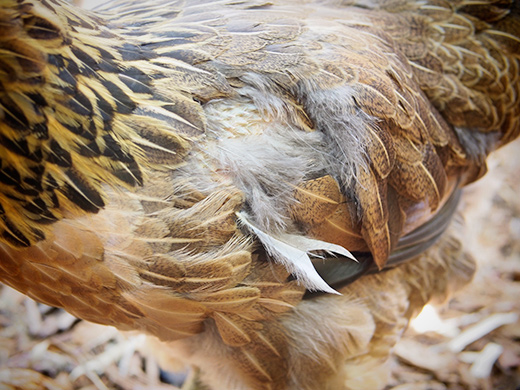
The chickens get rid of the older feathers and acquire newer ones through the process. As it is a natural process and requires sufficient energy, naturally the chickens start to pause the egg laying process and starts saving enough reserves in the body. The procurement of new feathers is necessary and designed by keeping in mind that over the time they need physical strength so that they can counter the environmental changes. The new and strong feathers contribute to better flight and power to escape enemies.

molting in chickens

Do not worry, your chickens would just molt once during the year; however, rarely any chicken would go under this process twice.

What is feather pecking?

This may be a term that you have not heard much – basically, self-mutilation and feather-pecking terms are used to show an abnormal chicken behavior; this is truly a frustrating and distressing challenge for keepers.  This is also one of the common issues with the backyard chickens and even parrots, cockatiels and macaws.

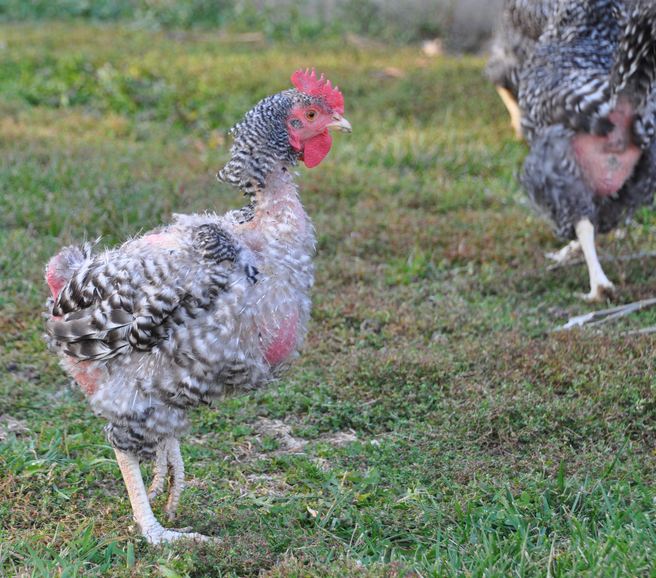
Feather pecking or cannibalism reflects the bird’s behavior when they undergo self-grooming – this process involves cleaning of grim and dirt from the inner skin and correction of broken feathers. When feather pecking is discussed, it includes feather plucking, picking and even chewing of feathers. In many cases, it has been seen that a chicken would loss all feathers eventually and would be naked.

feather pecking

Another worrisome situation is self-mutilation which I even more horrible than feather pecking – can you imagine that a chicken would start eating its own flesh? Yes, under the behavior of self-mutilation the chicken tends to eat own breast flesh – and many times they eat their own feet. This leads to severe infections in the later stage. This behavior usually occurs when birds get bored, feel loneliness, fear and anxiety as well especially the caged birds such as parrots.

self-mutilation in chickens

What leads to picking at feathers? 

There are ample amount of reasons that lead to this situation – they range from natural to acquired ones; listed are the most common ones;

1: Protein scarcity

Essentially the eggs and the feathers are protein. A big, healthy chicken requires about 17 percent protein in order to maintain health. It is essential to provide chickens with layer feed once they are 20 weeks old. Many keep on providing them with kitchen scraps and vegetables, and fail to fulfill the basic need of protein. In result, the chickens start picking their own feathers to fill this devastating deficiency. However, this issue can be addressed easily if you include layer pallets to the diet. All types of egg laying chicken breeds enjoy layer pallets, so try giving them something they want to eat.

2: Lethargy:

During winters, the chicken is usually lazy and sluggish. In addition, it changes their moods time to time and keeps on looking for better space. Bantams, you must be aware of this peaceful breed, they ask for lesser space. Make sure you keep their mind diverted so that they do not end up eating or removing their own feathers unnecessarily.

3: Mites/Fleas:

In most of the cases loss of feathers in chickens is due to deceptive mites eating or removing their own feathers – they are present within the nooks and corners of the coop and tend to disturb chickens during the night. They bite the chickens or continuous move on their body; this causes severe irritation among the birds and they end up hurting themselves. They harshly or aggressively starch over the bitten mite wounds and ultimately develop itching infections.

4: Lice:

Just like mites and fleas, there are other similar companions, which hurt chickens in the same manner. They are elusive and tend to hide themselves on the inner skin. They have the ability to cause severe burning sensations and severe itching. In addition, they usually hide themselves in the head and the wings and eventually on reaction, the bird starts feeling uncomfortable. The poor chicken does not have any other option but to pick the feathers or start putting it away.

5: Worms:

The vent area is badly infected by the worms and this causes severe itching and burning – the chicken would peck at this place like mad. This develops the habit of self-mutilation in the chickens.

6: Pecking order/Bulling

This is the term you must have heard before and aware of it, If not it is the process of deciding which bird is stronger than other and in dominant position or who is in the upper order and lowest one which some time results fight or bulling in chickens causing their feather loss. This pecking order some time occurs when you introduce new flock to older one.

Poultry Housing – The Basic Requirements to Consider/plaNning to build poultry house

Poultry Housing – The Basic Requirements to Consider

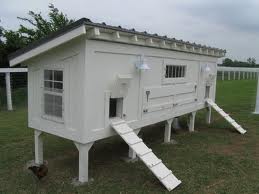
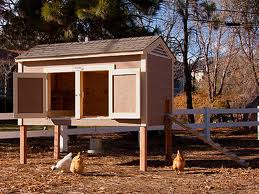
Chicken farming has become a profitable business lately and its good to try it out. One factor to consider before any other is poultry housing. Every poultry production system must provide the most important requirements. Good examples include the following:

Safety from weather: Domestic birds must be shielded from the cold, rain, sun and wind. Newly hatched chicks need a source of warmth as a basic requirement to shield them against harsh weather conditions.

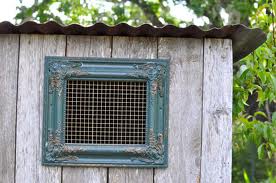
Safety from predators: The chickens have many predators including snakes, rodents, foxes, dogs and other animals. The best way to solve this problem is to confine chickens in modern structures. These are large installations with concrete floors, electric fences, strong walls and other features. This discourages the predators from digging under floors and walls. Wire mesh doors are also very necessary not to forget meshed windows. Make sure that the available domestic birds are supplied with food and water. Ensure proper hygiene of the poultry house as well.

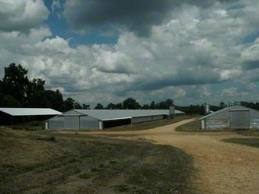
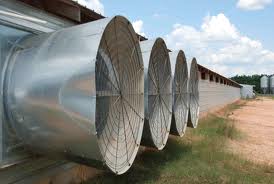
Adequate ventilation: When planning a poultry housing exercise, keep ventilation requirement in mind. A good flow and circulation of air is an essential element in any chicken house. To achieve this goal, it’s imperative to consider the poultry production capacity. One can do the large-scale poultry farming or small-scale poultry farming. The necessary structures in both cases are different in sizes and designs. Numerous birds require a big housing unit with adequate ventilation features. This prevents poisonous gases such as ammonia, carbon monoxide and carbon dioxide from harming the birds. Fewer birds require small poultry houses with windows and vents on one side of the house. This is to provide abundant exposure to air. The farmers who live in warmer climates should build structures with open sides.

Heat control: It is good to build poultry houses in such a way that heat can be controlled. Too much heat could even kill the birds not to mention it as a constraint to fruitful poultry farming. On the other hand, temperatures below freezing point should be prevented. Surprisingly freezing temperatures are not very risky for chickens. If temperatures go up to forty degrees, inside the poultry house, the birds cannot survive. At this heat range or over, the birds’ stress levels go up quickly. At 46 degrees Celsius the birds could die. Potential farmers of chicken or any other domesticated birds must read books. Books contain facts about building materials and techniques to lower or raise temperatures. The chicken house construction procedure should be based on the type of local climate to control heat.


Humidity levels: As the farmer constructs the poultry houses, he or she must consider the humidity factor. The birds do not have sweat glands like humans hence their cooling system is via the beaks. When the humidity levels rise, this natural cooling mechanism fails.

Space needs in chicken houses:

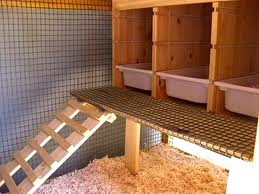
Creating space happens to be the most important poultry housing principle. Space determines the quantity of birds you could keep. It also determines the kinds of poultry you could keep. Birds require space so that they can move freely and work out. Space is essential for creating chicken nests and perches too. When thinking of space creation, considering the type of bird species, breeds and production system used is vital. Always make sure that the chickens or any other domesticated birds are not congested in the house units.

Poultry Layer Management,A Guide To Optimal Egg Production

MANAGEMENT OF LAYERS

Maximum hen-housed egg production with fair egg size, feed efficiency and minimum mortality are the prime goals of layer farming. Beside good genetic make up of bird, management during laying plays an important role to achieve the above-mentioned targets in egg production. Following are the vital aspects of efficient layer management:

Segregation and Transfer of Pullets

Ready to lay pullets should be shifted from grower to layer sheds around 16 to 18 weeks to allow 1 to 2 weeks adaptation period before laying starts. During pullet rearing it is quite possible that inspite of providing highly suitable management facilities, some pullets may lack in size and development of body. In real sense, genetics itself allows one to two per cent culling. Such under­developed pullets should be segregated while transferring them to layer sheds and be housed in separate compartments of cages or sections of house in case of deep-litter, to allow them to avail extra nutrition to achieve normal standard of growth. These segregated pullets are fed 2 per cent extra protein along with the additional minerals and vitamins including liver tonics to gain normal growth within 3-4 weeks. The pullets which are blind, crippled, emaciated, injured, and infected are discarded at the time of shifting.

Floor, Feed and Water Space

Floor space of   1800  to 2200 cm2 per bird on deep-litter and 337 to 375 cm2 per bird in cages is recommended for layers. Breeders are provided with little higher space of 2300 to 2700 cm2 depending on size of birds. About 12 to 15 cm linear feeder space and 2.5 cm water space per bird is adequate during laying. On deep-litter system one laying nest for every 4 to 5 hens with perch at entrance is provided for comfortable laying and clean egg production. Inade­quate management facilities leads to reduced egg production and feed efficiency; increased disease incidence and mortality and sometimes cannibalism also.

Temperature in Layer House

The comfortable temperature for optimum laying ranges from 18.3 to 21.5°C (65°-70°F). Both higher and lower temperature affect the egg production and quality of eggs adversely. Egg production starts declining when temperature rises more than 27°C while egg size starts reducing from temperature of 24.5°C onwards only. The higher temperature in general is more harmful to birds than lower temperature. The effects of cold whether become more prominent when temperature drops below 12.8°C.

Supply of Artificial Light

From 21 weeks onwards, the layers should be provided with artificial light, starting with total 14 hours duration and gradually (1/2 hour/ week) be increased to reach to 16 hours and kept constant upto 42 weeks of age.

At the age of 43 weeks it is again gradually increased to 17 hours. The day length is considered to be 11 hours in winter and rainy season while 12 hours in summer season for providing total light. The total artificial light may be divided equally in morning and evening.

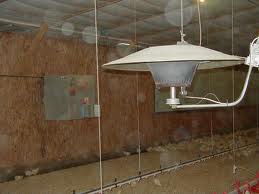
The appropriate lighting schedule stimulates egg production by 4 to 6 per cent, while irregularities in lighting can cause drop in egg production. The intensity of light at birds eye level is important to stimulate egg production, which is 0.9 to 1.2 foot candle. A bulb of 40 watts with reflector hanged at height of 2.2 m above floor level for 3.5 m2 floor space, provides correct intensity. But the bulbs must be cleaned for dirt periodically (once in 15 days) for bright illumi-nation. Layers should never be exposed to reduced light schedule which lowers down production considerably.

Breeder management is similar to layer management except their diet contains extra protein, Mn and Vitamin E to ensure desired fertility and hatchability. Breeder males and females should be reared separately from day-old age, which ensures uniformity in growth, reduces culls and gives better production during laying.

Reducing Stress

Factors such as vaccination, medication specially antibiotics, disease outbreaks, improper and restricted feeding, extreme weather changes, starvation, high production and shifting from one to another house induces stress in chickens. This results in drop in egg production, poor growth and increased susceptibility to diseases. Administration of electrolytes, vitamins, minerals, controlling effects of weather changes helps to reduce or combat the stress on birds.

Feeding and Watering

Not only the quality but quantity and methods of feeding adopted also play an important role in making profits from layers. The chickens like white leghorn layers should consume about 105-110 gm of feed/day/bird, while dual purpose breeds like RIR, New­hampshire, etc. will eat around 115-120 g/day/bird on an average. Higher or lower intake less than recommended requirement indicates impairment in quality of feed or stress/disease condition which should be corrected accordingly. Minimum two feedings should be followed to avoid staleness and wastage of feed. All mash or pallet feeding is good method of feeding to achieve optimum performance of layers.

Birds should be provided fresh, clean, cool and potable drinking water all the time. As a thumb rule bird drinks 2.5 to 3 times of water of feed consumed depending on season and size of birds.

Vaccination

From 42 weeks of age onwards, every 3 months, layers should be vaccinated lasota vaccine through drinking water to boost up immunity and to maintain proper titre levels of antibodies against Ranikhet disease. Automatic vaccinator is being used nowadays

Culling

It is one of the constant and important operation to be practiced at- least bimonthly to improve economy of farming and to remove focus of infection.

Record Keeping and Analysing

Relevant record keeping of feed intake, egg production, vaccination, medication, mortality, culls, receipts and expenditure and periodical analysis of them helps in correcting mistakes and improvement in management to increase profitability.

Housing

The layer houses should be well-ventilated, reasonably cool in summer and warm in winter but free from drafts. The open-sided poultry sheds which are popular in our country, fulfills above requirements with specific management in summer and winter. They are cheap for construction and easy for maintenance also.

Poultry Dictionary-Glossary Of Poultry Terms

Common Terms Used in Poultry Science

Aves (Avian)

Class of birds pertaining to all species of birds including domestic fowl.

Axial Feather

Also called as index feather. A short feather in the middle of wing., separating primary feathers from secondary ones.

Auto-sexing

Sex differentiation at day-old age on the basis of some visual characters such as colour of down (fluff), early feathering, etc.

Battery

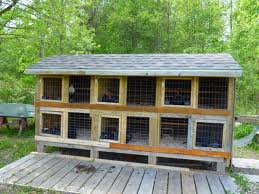
This is the shelter for most of commercial egg type birds in the form of small compartments of wire netting arranged one above the other in vertical configuration in 2-4 tiers.

Balanced

A term that is applied to the ration or feed containing all the known essential nutrients in proper proportions based on the recommen­dations of recognised authorities (BIS, 1992), in the field of animal nutrition for a given set of physiological requirements of animals.

Brooder

An appliance to supply artifical heat to young ones of poultry from day-old to till warmth is required is known as brooder.

Blood Spots

The common faults in the contents of egg frequently noticed among the eggs of pullets coming into lay in the form of blood clots. The clot may be attached to vitelline membrane of yolk, to chalazae or

to the albumen clue to small haemorrhage of blood vessel during transit of egg contents, down of the oviduct. They look pinkish while candling.

Broiler

It is also called as frier, which is young chicken of either sex, usually 6 to 7 weeks of age (40-45 days), weighing 1.25 to 1.40 kg; that is tender meated with soft, pliable, smooth textured skin and flexible breast bone. Broiler is suitable for broiling or frying,

Broiling

Cooking by applying direct heat with burning of charcoal or cooking in oven, it is also called as grilling.

Brooding

Rearing of baby chicks with careful management from day-old up to warmth is required, usually 3 to 4 weeks in broilers and 6/7 weeks in layer type chicks is known as brooding.

Candling

The visual examination of egg by holding it in between the eye and source of light to test internal quality and freshness of egg.

Candler

The appliance used for candling is known as candler. This is a small box fitted with little bulb illuminating rays of light through a focal point.

Cannibalism

It is a vice (bad habit) which may occur in chicken of all ages. It includes feather plucking; vent, head, wing, intestine and toe picking. Causing injuries to comb and wattle due to infighting, egg eating is also one type of cannibalism.

Capon

Castrated male chicken usually under 8 months of age, that grows for longer period than cockerel, good for table purpose as the flesh has better flavour, finer texture and is more tender.

Clutch

A term expressing sequence of egg laying, i.e. number of eggs laid on consecutive days without gap. Length of clutch determines the productivity of bird.

Cage

The wirenetting shelter of bird in the form of compartment with attached feeder and waterer from outside, having different designs for various types and age group of birds, can be hanged to roof or fitted on stands on floor.

Chicken

The domestic fowl (Callus domesficus) usually reared as a farm bird kept for commercial purpose includes improved exotic breeds and desi fowls also.

Chick

The young one of chicken is called as chick. Cock

It is a mature male chicken with coarse skin, toughened and darkened meat along with hardened chest bone.
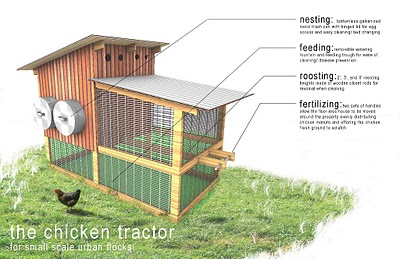
Cockerel

A young male fowl less than a-year-old, meat of which is compara­tively better than cock in respect of its texture, consistency, tender­ness, chest bone structure, etc.
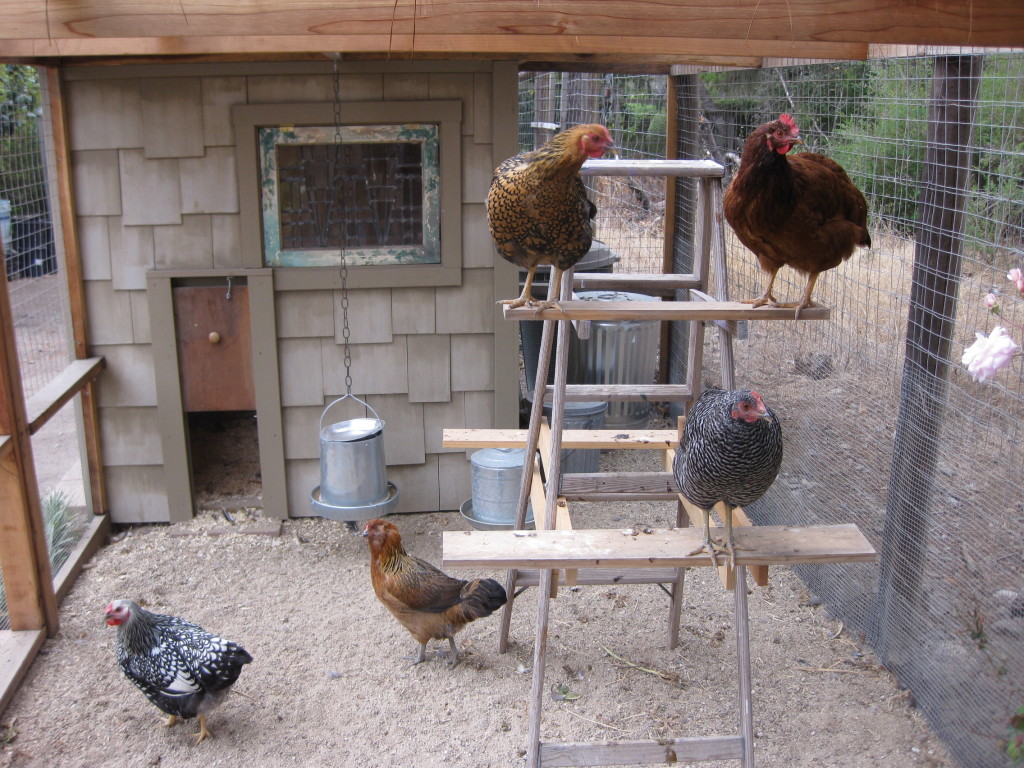
Culling

Separation and removal of unproductive or otherwise undesired birds from the flock which are untrue to its type, judged on productive and physical characteristics.

Debeaking

Removal of 1/2 to 1/3rd portion of upper mandible of beak and trimming of lower one in birds is called as debealdng.

Dubbing 

The process of removal or trimming of comb and wattles is known as dubbing.

Down (Ruff)

Initial hairy covering of baby chicks or poults, etc. is called down. Similarly, the fluffy part of feather below web and small tufts (hair) sometimes seen as faults on shank and toes of clean legged breeds,

Drumstick

Tibio-fibula of birds prepared for table purpose. Well-fleshed drum­sticks is an important point for selection of breeders in broilers.

Egg

The reproductive body produced by female of birds, more or less oval in shape, enclosed in hard calcareous shell within which embryo develops on fertilisation, containing nutrients for development of embryo.

Fowl

A live mature chicken, a term usually used for cocks, hens, cockerels and pullets.

Franchise (Hatchery)

An aggrement between hatchery and breeding organisation of poultry, where the former sells commercial day-old of branded stock of parent organisation.

Giblet

The edible viscera of bird comprising liver, heart and gizzard. Grower

Growing bird of layer type chicken between age group of 9 to 20 weeks.

Hatch

The young ones of poultry in incubator just borned out of eggs or under broody hen.

Hair Cracks

Fine cracks of hair size in egg shell that can only be seen with the help of candling when eggs are fresh may develop due to thin shells, rough handling, etc.

page 1 of2        next page>

A Guide To Poultry Processing Plants -Top 5 Suppliers

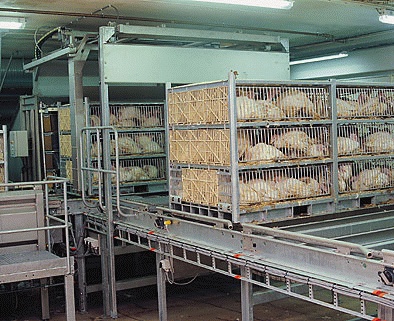
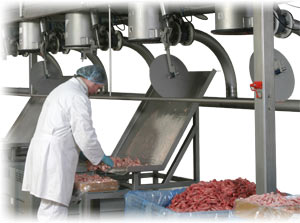
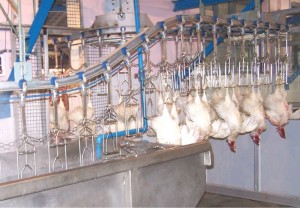
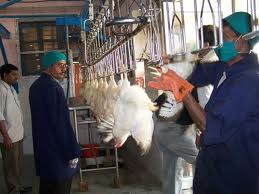
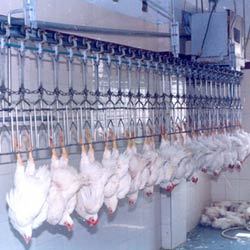
Poultry processing makes use of a number of processing plants and equipment. The poultry dressing plants vary in their limits and types depending on the particular class of domesticated animals to be processed in them. The larger sized broiler processing plants process chickens and other related animals at a high rate of 10000 on an hourly basis, which goes to nearly 1 million or more on a weekly basis. In comparison to the larger ones, the smaller plants make use of some limited devices and equipment which are sufficient for processing a smaller amount of birds. Chicken slaughtering is just a part of the many steps that are involved in the poultry slaughtering process. Here are some of the units involved in the slaughtering chicken process.

Conveyorized Poultry Dressing /Slaughter Plant

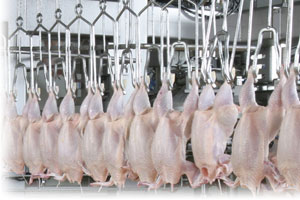
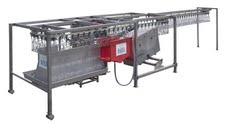
The slaughter plants are the units in which the animals are slaughtered and prepared for the first steps in the meat manufacturing process. The plant is also referred to as the chicken slaughtering machine. They are found all over the world with the largest one being located in North Carolina.
Live Bird Handling

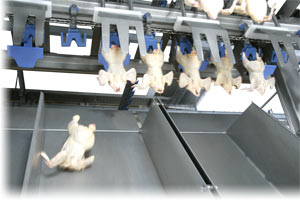
The efficiency of the poultry processing is determined by the live bird handling system. All the processes that take place in the broiler house are all regarded as the part of the live bird handling processes and mechanisms. Killing and de-feathering of the chickens, turkeys, and all other animals is also done in the plants by making use of poultry pluckers and scalders. It is followed by the cut-up, deboning and slicing processes in which the meat is cut down into several parts according to the requirements of the consumers and the markets.
Evisceration, Chilling, Grading and Distribution

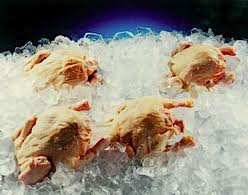
The next step in the poultry slaughtering is evisceration which involves the removal of some of the vital organs from the animal’s body. These parts are then conserved through the process of chilling which is also important for long term storage of the meat. In addition, the processes of meat grading ensure that the quality of output is maintained and that the consumers always get the best quality. The distribution follows on after all the initial processes have been done.
Meat Harvesting

The process of meat harvesting involves the transportation of the meat from the place of origin to the abattoir which is followed by stunning and the slaughtering phases. The process of chilling, packaging of the meat and all the related products is one of the last steps of the manufacturing processes. The processes of stunning is intended to knock out the animal unconscious before killing the animal. In almost all of the countries, these processes are manufactured and analyzed by the health inspectors from time to time in order to maintain the quality of the meat that reaches the market. Furthermore, they also monitor the equipment which is used in the manufacturing process in order to ensure that all of the devices and processes are in close compliance with the set hygiene standards.

Marinating and Tumbling

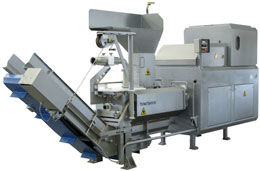
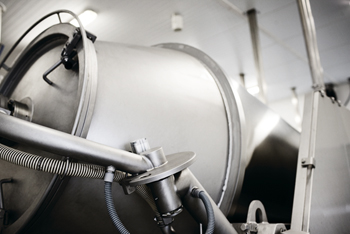
Both of these processes are involved in seasoning the meat for the days that are going to follow. The prime reason for marinating and tumbling the meat is to give a more desirable taste to the meat and for the removal of any undesirable odor coming from the meat. A number of injections systems are used to inject marinade into the meat, especially into all the stronger parts. Then it is followed by the tumbling phases which are designed to remove any remaining salts and soluble proteins which gather at the surface of the meat. Tumbler massagers and devices are used for carrying out the job by creating some mechanical agitation over the meat.

Cooling and Freezing

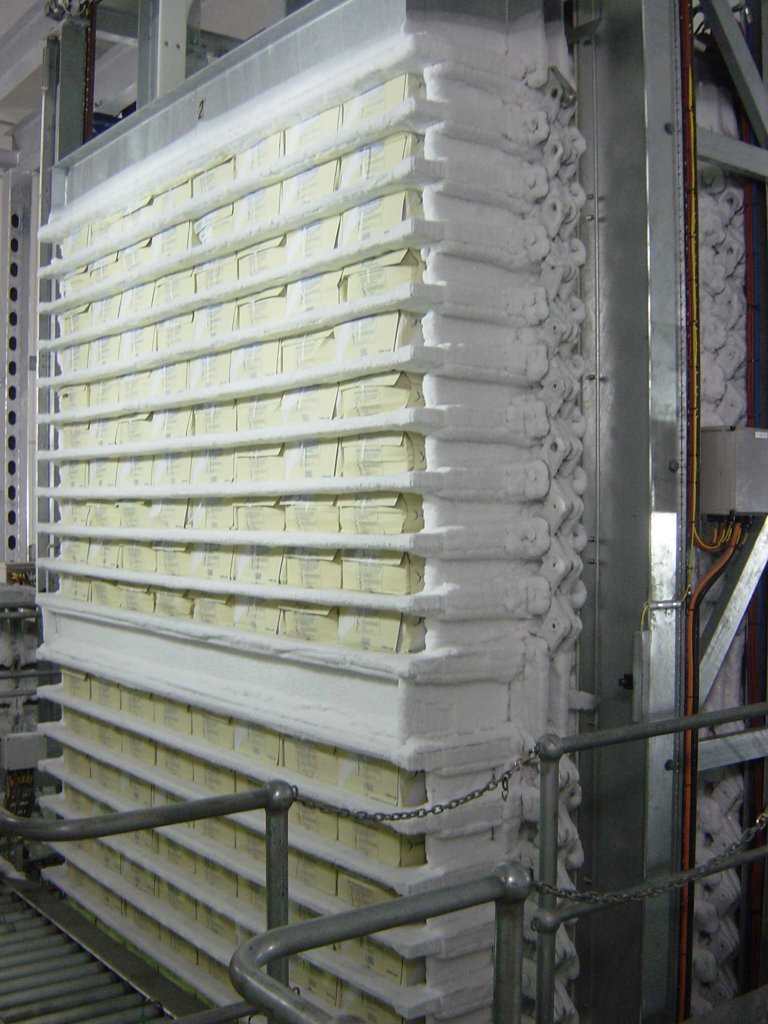
Cooling and freezing are done by making use of some standard temperature and materials like liquid nitrogen with the purpose of conserving the meat. These processes are essential for keeping the meat flawless and ever tasty.

End of Line Packaging

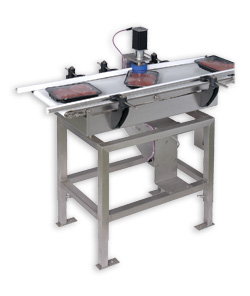
The end of line processing and packaging system is directed towards the completion of the packing process and to give a final presentation to the packed meat. The meat is weighed before and after the packaging process due to a number of reasons relating to profits and sales.

Internal Logistics

The internal logistics serve as an essential component of the entire supply chain. It is one of the core components of all the profitable enterprises. The mechanism also ensures that all the steps and processes are performed in an integrated manner with a strong coordination between the manufacturer and the retail outlets.

Use of Meat Processing Software

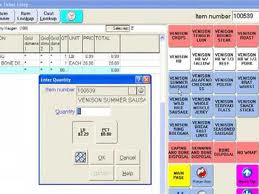
The meat processing and distribution software have been designed for facilitating the poultry processing plants and manufacturers to keep track of the products and for a number of other sales and safety measures. By making use of these systems, the companies are better able to manage all their inventories.

Top 5 poultry processing plants suppliers

 1) Ali Baba poultry processing plants

contact supplier


2) Marel poultry processing plants

contact supplier


3)Dhopeshwar & Sons  poultry processing plant

contact supplier


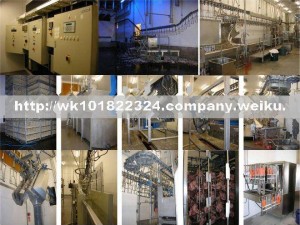
4) Weiku poultry processing plant

contact supplier

5) Indiamart poultry processing plant

contact supplier


The Most Famous Poultry Duck Products and Suppliers

Almost all of the ducks are brought up in the farm house and indoor settings. The reason for this is to protect them from various predators and animals which might prove to be dangerous for them. You are easily going to find this information in any duck guide.  A large number of ducks are now being raised in the United States in the regions of Wisconsin and Indiana. But when it comes to the overall poultry products, then Asia is the one to dominate all others in the duck market. According to the most recent statistics, in between the years 2000 to 2009 the poultry duck production has increased by more than 1 million tons. The average growth rate was nearly 3.3 % which is really quite high in comparison to the past. Not surprisingly, China is the leading country , followed by France, America, Vietnam and Germany. Almost all of the Muslim countries do not export or import large number of duck products all because their religious limitations to such foods. Below are some of the famous duck products and the places where they are loved.

Peking duck

As obvious from the name, this dish had originated in China and has been eaten in the country before the imperial times. It is one of the most eaten national foods inn China. The dish makes use of various slices of skin, cooked in a variety of ways and then served with hoisin and sweet beans sauces. The dish is also quite famous in US, UK, France, Germany, Mexico and many more.

Muscovy duck

The boneless version of the Muscovy duck is considered to be one of the most premium duck product to be sold to various countries and used in fine dining restaurants and hotels. It is in high demand in France, primarily because of its use in some of the French cuisines like confeit. They are also available in the markets in the form of whole ducks. These cooking ducks are also used on a large scale in the United States, UK, China and many other countries.

Cranberry Herb Muscovy duck Breast

What makes this product so easy to make and delicious is the use of cranberry herb stuffing for which this product is so famous for. It can be made easily in the home based settings and is also widely available in the restaurants and hotels in US, UK, France and China.

Orange Ginger duck

The duck is marinated by making use of orange ginger sauce with a number of other materials. There are several restaurants in UK, China and USA where one can taste the whims of this dish.

Duck Appetizers

There are a number of products and dishes included in the duck appetizers. Some of the famous duck appetizers are duck potstickers, duck breast spring rolls, duck quesadillas, almond breaded duck tenders and fully cooked duck wing drum mettes. There are a number of companies that specialize in offering all the possible ranges of duck products and cuisines.

Famous duck products suppliers


1)      Wangara Poultry and Game

contact supplier


2)      Everspring Farms

contact supplier

3)      West Bridge Foods

contact supplier