Tag Archives: pictures

Deep Litter Method and Litter Management Guide

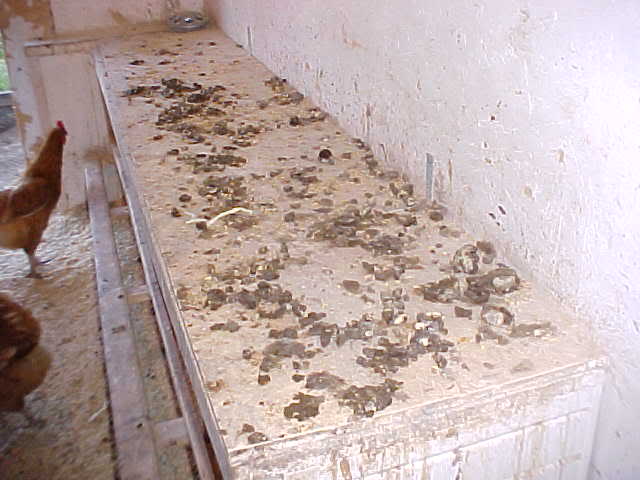
The nutrition value of poultry is best preserved through the proper and careful management of litter. Furthermore, it is also useful for preventing the surface and the surrounding areas from being contaminated. The importance of all types of litter management including chicken deep litter method, chicken coop deep litter method etc. is best understood in the farm house settings. So, if you plan to get the best out of your investment in poultry, then you should try to follow the standards as well as some modified strategies. There are a wide variety of maneuvers and measures when it comes to litter management. There are a number of disadvantages and damages that might be inflicted due to improper handling and poor storage techniques of the poultry litter. These effects include:

  • Loss of the nutrients value from the fertilizers
  • Spread of various diseases
  • Odor and other related issues
  • Contamination of the land and water
  • Deterioration in the health of the domesticated animals including chickens, ducks and others
Deep Litter Material

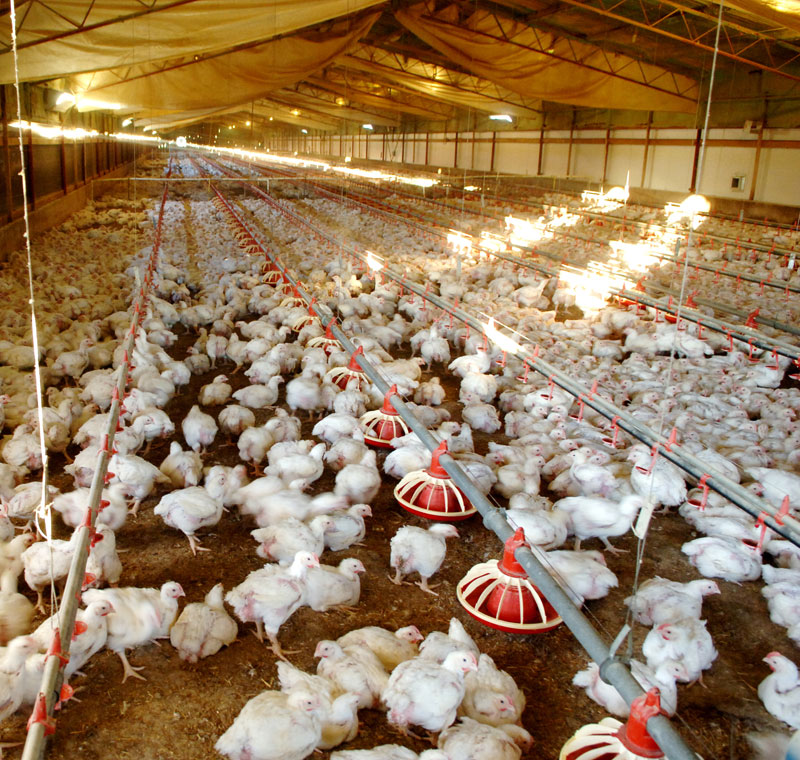
Deep material is indeed the most widely and successfully used housing system for the poultry based settings. It involves spreading dust and other sawdust materials on the floor for different purposes. The initial layers of deep litter system helps provide a bedding sheath or layer for the animals which are always exposed to the environmental changes. Furthermore, the farmers continue to add more and more layers while cleaning out the previous layers. These mechanisms helps in keeping intact, the health of the animals as well as more conducive farm house environment for the growth of the animals.
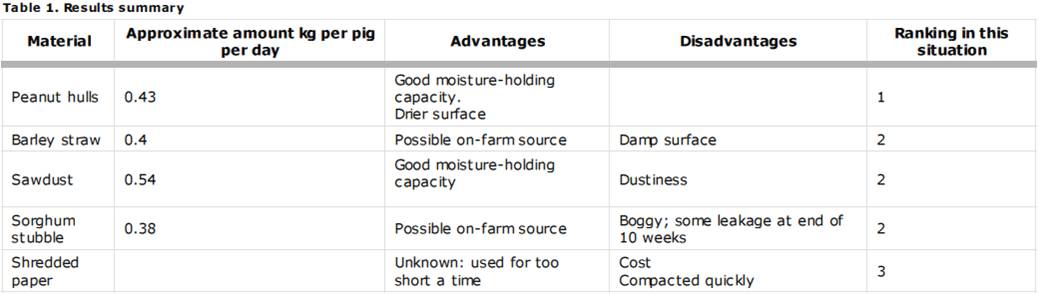


deep litter material


Tips for Deep Litter and keeping the litter un-wet

Deep litter method is based on allowing the coop and other forms of litter to grow with the passage of time. No matter you have backyard chickens, ducks or any other domesticated animals, the litter materials help provide a great amount of heat to the animals, especially in times of the winter season when the animals happen to be at great danger at the hands of the atmosphere. Here are some tips for the deep litter:

  • Adding substantial amounts of food grade at the top layer, so that the poop may dry out in no time.
  • Proper ventilation for the coop. The Importance of ventilation is really important for the respiration of the animals and for the materials to dry up. In order to estimate the levels of moisture you can pick up some litter and squeeze for seeing some change in the normal levels.
  • Try to make small ventilation holes inside the farm or the room in which the animals are being kept. It is crucial that the litter should remain dried and should be removed at set time intervals.
  • The chicken can also in keeping all the litter turned over. This maneuver is best done by adding some pieces of bread or any other material so that the chickens might also help in the litter management. For those of you who are new to farming, chickens also help in the processing of the litter and litter bedding by digging holes in the ground.
  • Furthermore, chicken poops also come in handy for making fertilizers and chicken manure. Also try to keep the water in a running position and not in the coop. But if you do want to keep it into the coop than try to make sure that the water isn’t spilled on the litter.
  • Try to make the maximum use of pie shavings and related materials for the litter management in poultry.


litter management


Disadvantages of Wet Litter

Wet litter has been proved to cause a number of harmful emissions and diseases in animals. In other words, the more wet the litter is, the higher are the chances for the spread of pathogenic bacteria. Furthermore, the overall broiler production is highly effectuated by the ammonia emissions which are given off as a result of the wet litter.(A part from this it also produces bad smell in chicken house) There are various farms all over the world that have suffered detrimental effects and losses caused by the ammonia emissions. Opposite to this, the litter should also not be kept as very dry, as it might lead to problems such as dehydration. In addition, wet litter might also increase the chances of breast blister.
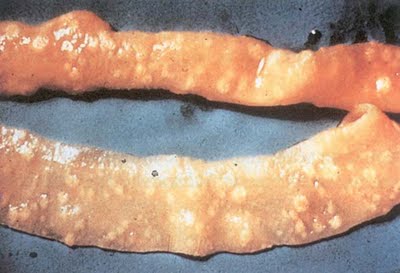
bacteria and fungal diseases-disadvantages of wet litter


Feed and Nutrition Guide for Laying and Breeding Hens

Getting Started

When the question arises about what to feed chickens or about the raising of chicken hens, then there are a number of points to consider. Poultry nutrition and feeds are made in order to fulfill the needs of the chickens in a more effective manner and also for the sake of increased egg production. There are a number of types of feeds that are used in the poultry settings. For example, chicks that have just hatched are given starter feeds. In comparison to this, grower and other forms of feed are given to the chickens in their adolescence. It is quite clear from this that chickens require varying levels of feeds and nutrients in order to grow and develop naturally. Although the ingredients that are used in the making of these feeds might be similar, still they come to impact the development of the birds in a different manner. It is an established fact that the amount of nutrients required by chickens vary in terms of their age and requirements. For example, chickens that lay eggs are required to be given some more effective feeds so that they might continue at the same pace. In terms of the specific nutrients which the chickens and birds requires, all of the feeds must contain proteins, carbohydrates, vitamins, fats and much more, all of which are really crucial for their normal development. Any lack in the fulfillment of these nutrients might lead to numerous problems in the health of these animals. Below are the types of feeds used in the farm settings for  feeding chickens.

Starter Feeds

For a period of 6 weeks after hatching, the chicks are reared making use of these chicken feeds, designed specifically for them. These starter diets and nutriments are made in order to boost the speed of growth for newly hatched chicks. In terms of proteins composition, these feeds contain nearly 18 to 20 % of them. Some more efficient diets might also be used for the meat chickens which demand more amounts of proteins and other forms of nutrition for chicken.

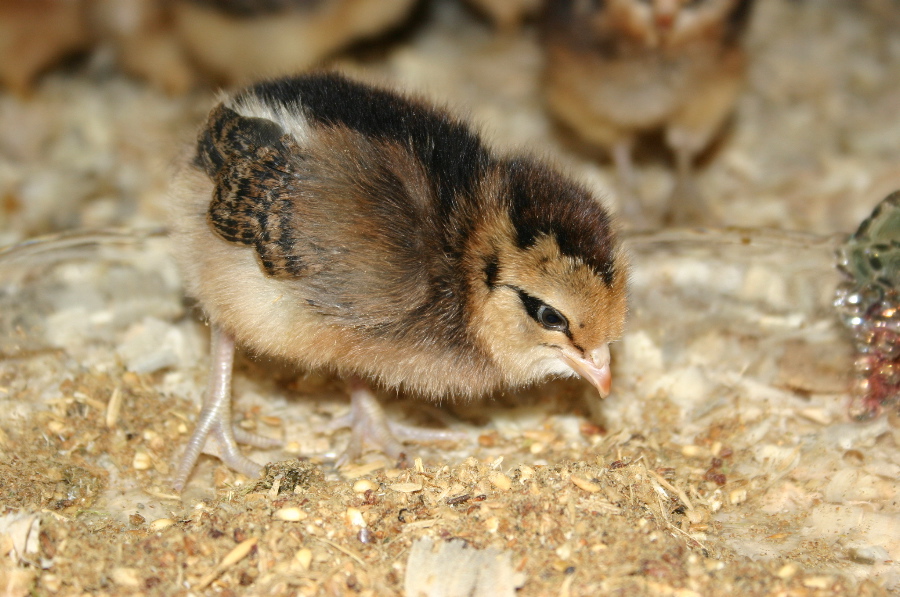
starter feed for chicken

Developer and Grower Feeds

At the time the birds reach the age of 6 weaks, it is now time to change the feeds that are being used. Grower feeds typically contain about 15 % proteins which come in handy for maintaining the levels of growth which the animal is going through. By the time the chickens reach the age of 14 weeks, you might replace the grower feeds with the developer nutrients and feeds. The developer feed is really crucial for preparing the chickens for the stage of egg production. Here it is also important to consider that both of these feeds can also be interchanged within the time spans specified above.

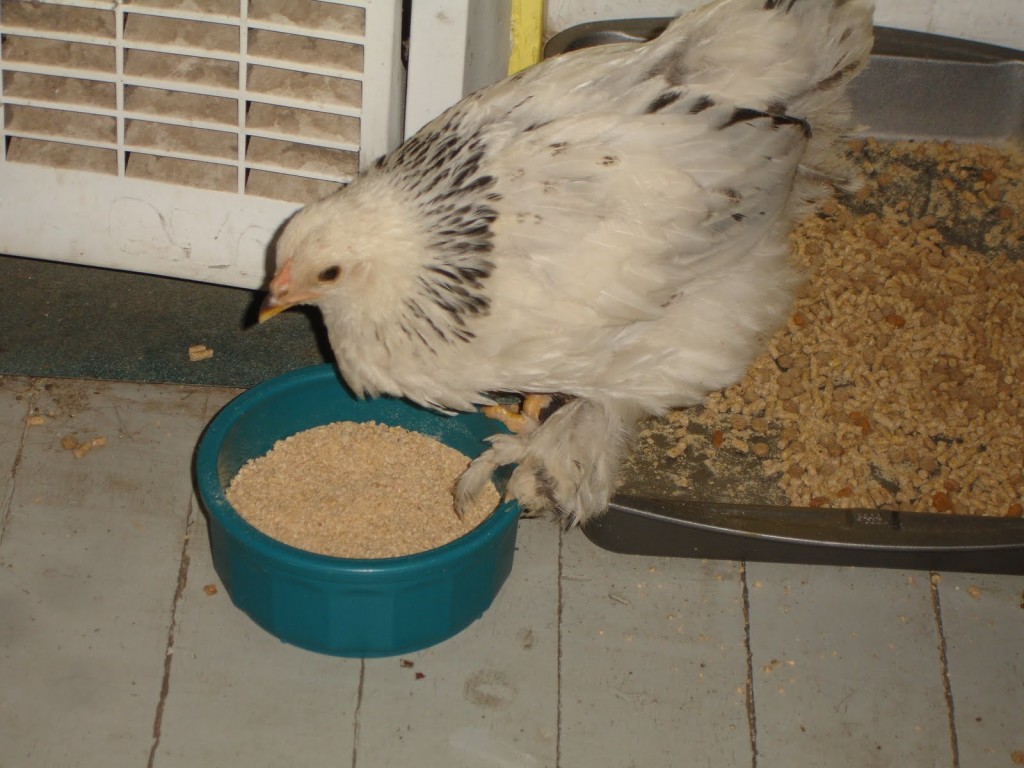
grower feed for chicken

Layer and Breeder Feeds

As soon as the chickens start laying eggs, you have an option of introducing these feeds in the diets given to the chickens at these times. The choice for the required feed depends upon the purpose for which the eggs would be used. The layer feeds are specially designed for the hens laying eggs for home or table use. These feeds contain 16 % levels of proteins and high amounts of calcium so that the chickens might be able to produce better layers for an egg or the eggs with stronger shells on them. On the other side breeder feeds are given to the best laying hens and birds that produce eggs for hatching. These feeds are more or less like the layer feeds, but vary in terms of the higher levels of proteins they contain. In addition, they are also believed to contain some extra vitamins for the chickens in comparison to the layer feed for chicken.

layer feed

Medicated Feeds

Most of the medicated foods and diets are prepared to make the animals immune to the various diseases and virus attack that might come their way. In almost all of the farms in the developed countries, these feeds are offered to the flocks. These feeds aren’t normally present in the layer and breeders feeds. Those which contain some substantial amounts of such feeds are labeled. These medications are also subject to some major researches and analysis due to which you can be assured of their safety. At the same time you can also make use of the non-medicated feeds which are easily and widely available on order.

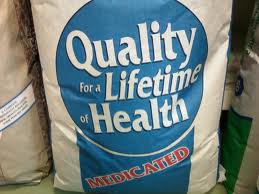
medicated feed for chicken

Water and Scratch Grains

Water is also crucial in terms of the growth and development of the eggs, due to which it should be provided in adequate amounts. Moreover, chickens also love to engage in the process of scratching by making use of their feet. So by making use of such grains, this kind of behavior can be easily reinforced. The feeds used for this purpose are either cracked or rolled.

scratch grains for chicken

Basic Nutritional Facts of Chicken meat and Eggs

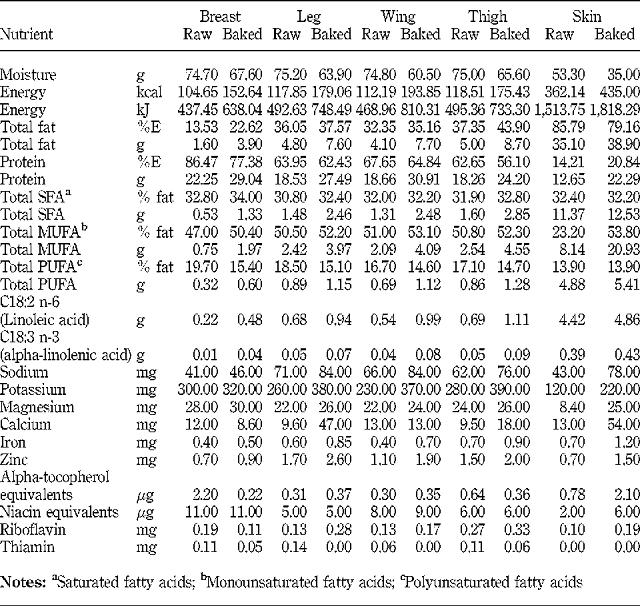
Chicken happens to be the kind of poultry which is high in terms of the nutriments and all other minerals it comes to offer. In terms of the fat levels, the skinless white chicken food is the one which is best suited for those who love to exercise a control on the fats they consume. Surely, human health is best determined in terms of the minerals, vitamins and all other useful nutrients that are available in a certain poultry products. Below are some of the most useful nutrition facts about chicken meat.

Nutrients in chicken

Proteins

Just like the fish, beef and other meaty products, chicken is also rich in terms of the essential proteins. For each ounce of the meat that is offered, 7 grams of proteins is present. In terms of the typical portions that might be consumed, the protein supply falls around 28 grams. In short, the chicken is an all in one protein based product which can comply with all your health related needs. In addition to honing the performance of all the bodily muscles, the proteins in chicken meat is also crucial for the growth of the tissues. The protein in eggs is also one of the reason for which people prefer to use the poultry based eggs.

protein in chicken

Calories, Carbohydrates and all Other Fats in Chicken

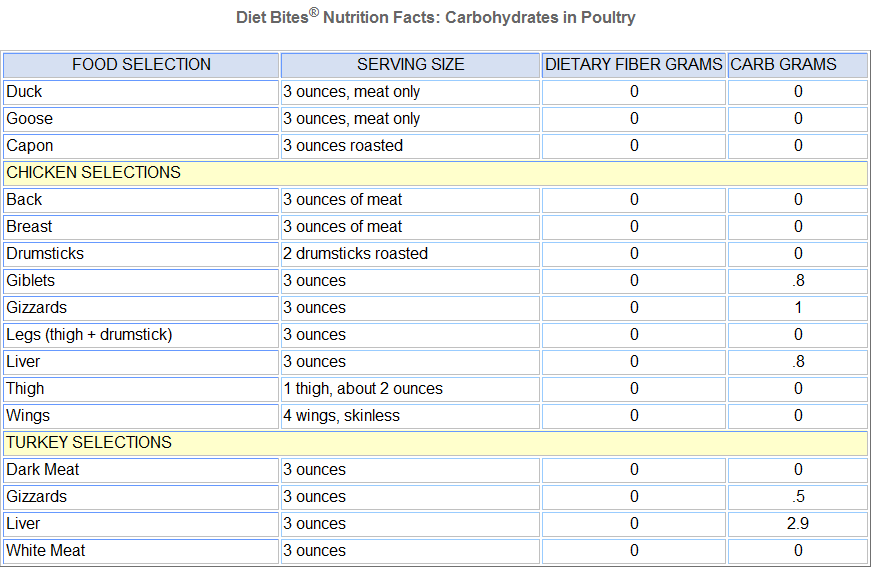
For those who pay a great deal of heed to the levels of carbohydrates they consume, Let me tell you that chicken meat happens to be free from them. According to the most recent nutrition data, the skinless chicken diet ensures that the least amount of fat and calories are allowed to enter into your body. On the other hand, the dark meat is marked for having some higher substantial levels of fat, which can really cause a number of physiological issues. To be precise, if you consume 86 grams of dark meat, then conversely you would be absorbing 165 calories together with 8 grams of fat. Not to forget the 2 grams of saturated fats that you would be consuming.

carbohydrates in chicken

Vitamins in chicken meat

Chicken can be termed to be a prime source of two classes of vitamins i.e. Vitamin B3 and B6. In terms of the recommended daily value of the vitamins, a 4 ounce portion can do it all for you. The Vitamin B3, also known as Niacin, also comes to facilitate the release of the energy from the consumed carbohydrates. At the same time, it also comes in handy in elevating the formation of the RBCS or red blood cells. The role of the niacin based nutriments for the protein metabolic processes can also never be undermined. Making use of the poultry food is definitely worth your health.

Minerals

The 2 prime source minerals, phosphorous and selenium can easily be utilized by making use of a 4 ounce portion of chicken meat. Both of them come to meet nearly 16 and 30 % of the daily optimal or recommended value. The role of the phosphorous involves facilitating the durability and growth of the bones and in strengthening the cell membranes. Moreover, it is also useful in activating the b vitamins which the body requires. In addition to regulating the activity of the thyroid hormone, selenium is also crucial for the performance of the immune system.

Nutrition Facts about Eggs

The eggs happen to be a core substitute to the meat based products. They are not only low in the calorie composition, but are also desired for other basic needs. There are numerous minerals in eggs for which they are widely consumed all over the world. It is one of those versatile foods that were once shunned for the high levels of cholesterol, are now considered to be an integral component of any healthy diet for the individual.

Nutrition Facts about Eggs

Basic Nutriment Values

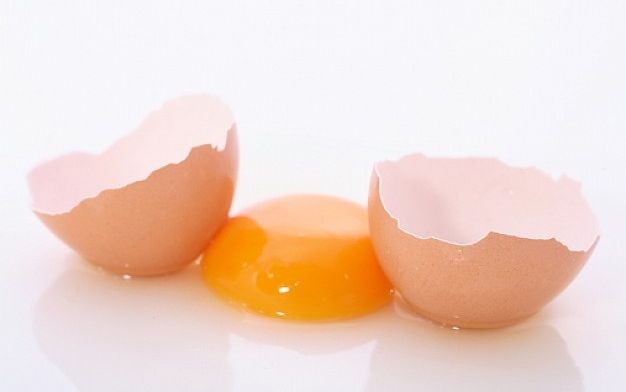
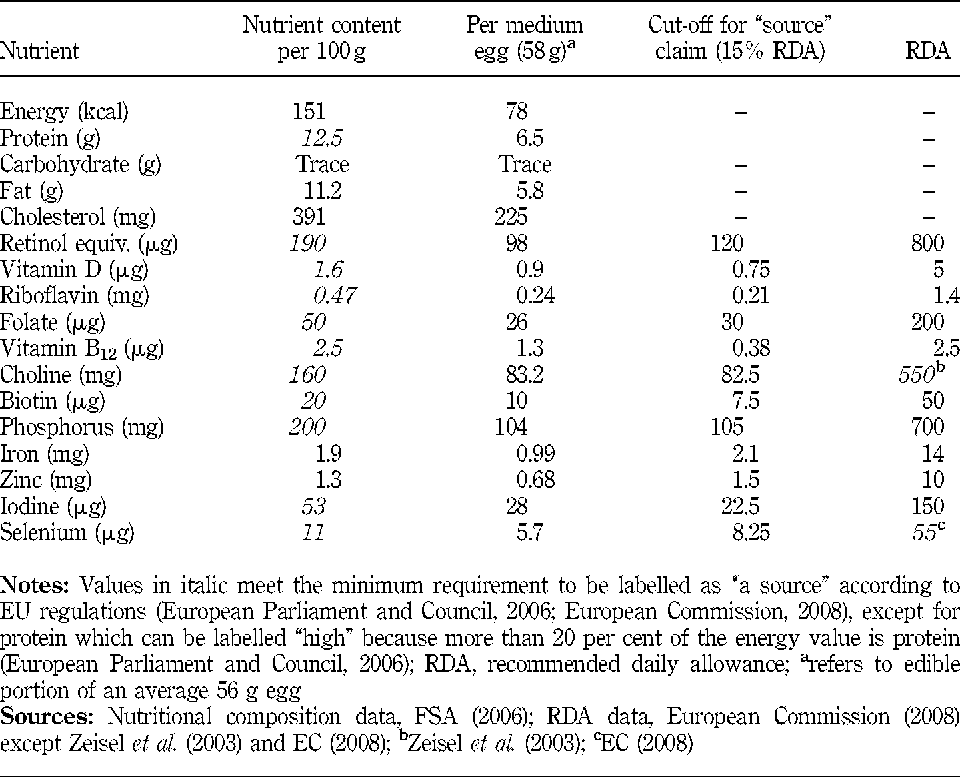
In terms of the nutrient values, one egg contains around 1 oz proteins for red meat. As specified by the US Department of Agriculture, 1 large egg helps in providing 75 calories, 5 grams of fat, 6 grams of proteins, 63 mg of sodium and around 213 milligrams of cholesterol. Moreover, the eggs also happen to be high in terms of the B2 vitamins which they offer. At the same time, the egg yolks have also been proved to be rich in terms of having the presence of 2 antioxidants including zeaxanthin and lutein. Eggs are also considered to be an efficient source of trace minerals including selenium, iodine and molybdenum.

nutrient value of egg

Causes of different types of stress in chickens-how to manage it?


For many of you, it won’t be making much sense that chickens do get stressed – I mean, weren’t humans enough to get stressed that even poultry does? However, if we think beyond what we see, even chickens have their own world like us – they are stressed lives like we do, I know I am being little emotional here but the fact remains true. Indeed, they won’t be having workplace stress or family stress but other undesirable factors make them unhappy.

This excerpt is all about the kinds of stress the chickens face. How can you manage it? Basically the identification and solution, all would be your way.

Types of stress:

Well, it’s not wrong to say that some of the stress types that are identified within poultry seems much more common to humans.

Fear – many fear that they would be chased and actually stab to death. Indeed this is the nature of any living being – the feeling of insecurity causes severe tension.Some times they get stressed after being an attempt by predator to eat them.

Social stress – many times birds hate it when their pecking order is changed – or, maybe when their friends are sent to some other coop. Similarly, if a rooster which was previously attached to one chicken, if goes to any other, tension takes birth among all. The addition of more than required chickens within a certain place also leads to stressed situation which may effects poultry health.

Climatic stress – you must be having an idea that chickens are very sensitive to heat – you must keep a check on identifying the signs of heat stress when the sun is around. Similarly, too chilled winters even spoil the mood of the birds.

Environmental stress – chickens are really moody – they just want things to be there way; even a little change can make them unhappy. Too much light, less ventilation and dirt is the major factor that causes stress amongst the birds.

Nutritional stress – change in diet, short of food, less number of water containers also upset them.

Physiological stress – many times process of egg laying, sexual maturity,egg binding and mating creates stress among-st the fellows.

Causes of stress:

Anything that goes beyond the wish of the chicken makes her unhappy – she tends to think all the bad things and remains sad for days. For example, if the coop as been changed or a chicken has been introduced to new friends, she would feel bad about it. Chickens are not good change acceptors. Similarly, many even hate when the roosters are changed, or their handsome roosters I walk away with another chick, they feel jealous. Likewise, change in diet, even change in the grains cause them bad mood.

Signs of stress:

The most common stress signs include;

  • Loss of appetite
  • Sluggish attitude
  • Lethargy
  • Aggression and fights
  • Less egg production
  • Shedding of feathers
  • Loss of weight

Different diseases and stressful conditions may be responsible for the mortality in today’s poultry industry– make sure; you look after your chicken on the right time so that you can overcome losses.

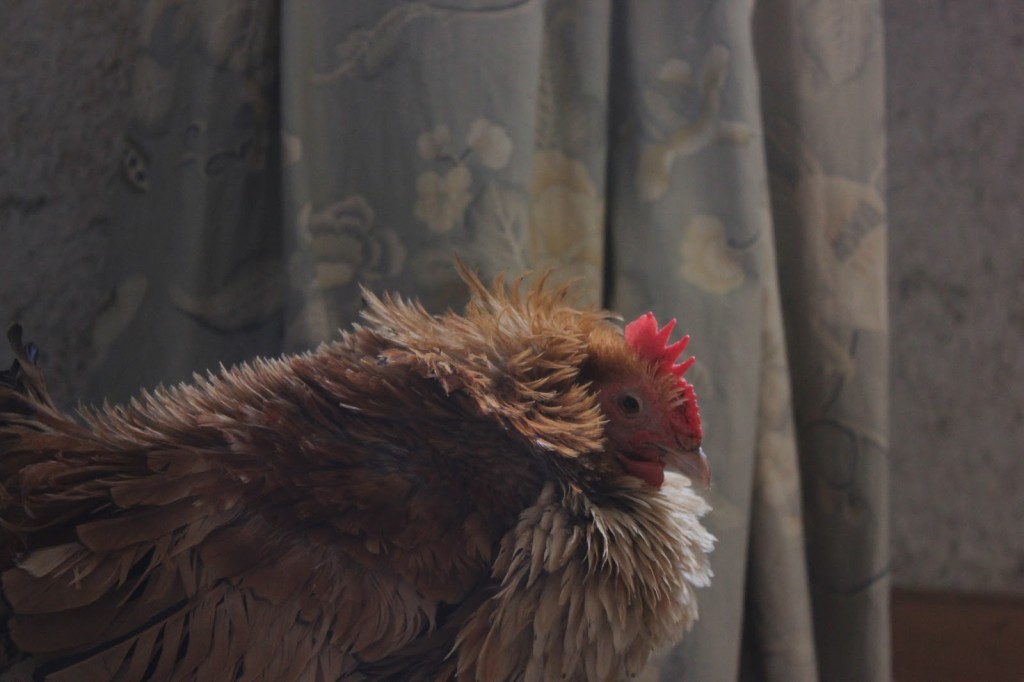
stressed in chickens

Prevention and treatment:
  • Keep your chickens clean and tidy – also make sure that the coop is clean. Timely change the flooring and even the coop.
  • Do not add more and more chickens if there is less space inside the coop.
  • If the flock size is increasing, increase the number of food equipment.
  • During severe heat, try to keep some frozen water gallons or ice packets near the chickens to protect them from heat– they would love it.
  • During winters you must place or bulbs so that they can feel warm.
  • Make sure you keep on getting the chickens vaccinated on time – this would help them in avoiding both viral and bacterial infections. The entire flock would remain healthy and safe.
  • If you are intending to change the diet, make sure you do it wisely. You can start giving new grains and old grains together. Make them habitual and eventually stop giving the old ones, they won’t mind.

Obviously you cannot talk to the chickens and teach them the ways of stress management. Normally, a bird can handle a certain level of stress easily and also it depends upon type of breed you have, but too much can be really dangerous, even cost lives.

How to get rid of Bad Smell in Chicken Coop-litter management in summer

I was loved by nature and beautiful creation of God. My interest drove me to tame various animals including cats, rabbits, horse, dogs and alligators as well. I used to treat all of them as my own babies, trust me; I was their mother because most of my time and attention was devoted to my small farm. One fine day I went to take some milk and eggs from the nearby farm and fell in love with the adorable chickens. They were so cute, so adorable and so naughty that I decided there and then that I am going to make my own little chicken farm.

It was not tough for me to spend some dollars and obtain a mixed flock, the chicken coop and other necessary equipment. Without much knowledge about the coop care, maintenance and other related issues, I blindly jumped into the trouble myself. What happened after some time was all beyond my thought. Those were hot summer days, I never knew that my carelessness would cause this kind of trouble – I would feel the chickens were annoyed and there is some sort of bad smell in the coop. I thought it would get away itself and ignored. Eventually the odor got over the entire coop and the farm started stinking.

I ran to the professional poultry farmer nearby for help, he was an amazing person. He came along to teach me what went wrong and how to carry out the corrective measures.

Wet weather and humidity are enemies:

You all know the coop flooring is really sensitive and most of it when gets wet cause bad smell. Many times while filling up the water container spills water, this causes moisture in the flooring and it gets tacky. All you have to do is, take care of the spills and remove or turnover the wet litter each time after filling the containers. Also, make sure the containers are not too big that miss chicken thinks you have arranged a pool for her – be careful.

Ensure air circulation:

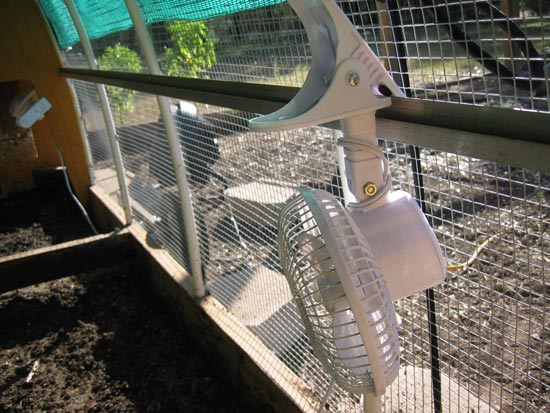
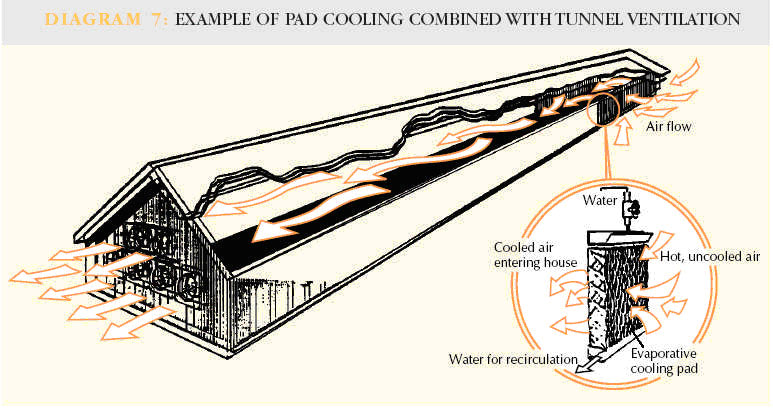
The chicken coop must have proper ventilation; it never means that must have big door and windows, but box fans. It depends upon the size of the coop and your sense of looking at the things. The proper air inflow and outflow would keep the flies, mites and other problems away. To some extent, you would be sure that the chances of bad smell are low. The air would also keep the chicken coop cool in summers; ultimately, you are preventing heat stress too.

fan in coop

Use of fresh flower:

You can use or sprinkle fresh flowers in the coop each morning so that tacky smell can be avoided – this would cheer the birds too because bad smell is even a torture for them.

Change the bedding frequently:

It is mandatory to change the chicken coop bedding after a week in the summers that goes damp. There are many types of beddings to choose from – look for the one, which dry quickly and easy to mange. In short, there are chances of bacteria development and bad smell. This affects chicken health also and you would never want to lose your adorable birds just for the sake of a few dollars.

Use of Diatomaceous Earth:

The best type of bedding for summers is hay; you must use it with diatomaceous earth powder so that it can absorb all the unwanted dirt and smell. The chicken poop and other issue regarding the decomposition during the summers can be handled this way easily.

DE in coop

In addition, it is said that we must keep lesser flooring during summers in order to avoid the heat instead of deep litter. Even the decomposition causes heat that may lead to severe coop issues. Carelessness especially in summers can lead to bad smelling chicken run and coop which would make the chickens unhappy. God forbid, unclean coop would invite multiple diseases too – I lost my three chickens because of the same mistake. I hope you follow the right ways, keep the coop dry, and clean during summers.
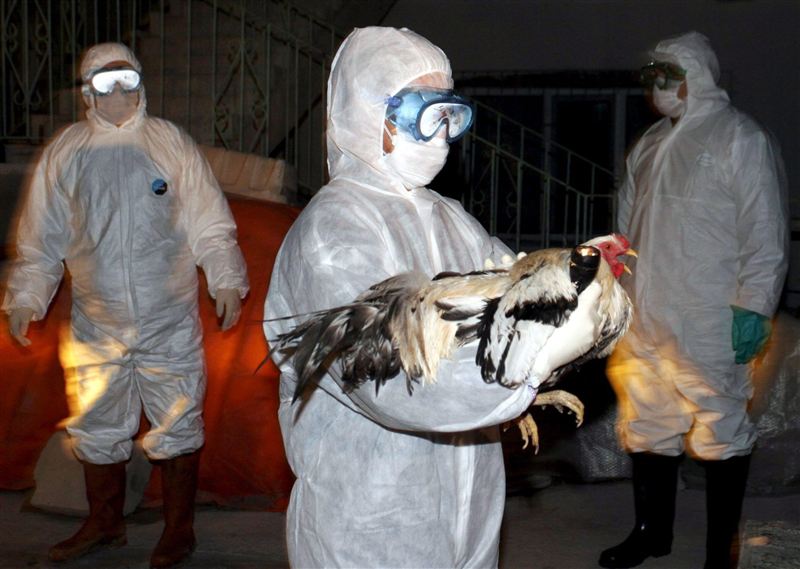
The Effects of Avian Flu(bird flu) on Poultry Sales/humans/birds and its treatment/precautions

The outbreak of any epidemic or the widespread of any disease leads to an inevitable slump in the market. Be the sale in direct or indirect relation to it, the market is affected greatly in any case. So, you can very well analyze the affect on the market if the sale is directly proportional to the epidemic. The product here is directly proportional to the epidemic so you can very well imagine the severe effect.

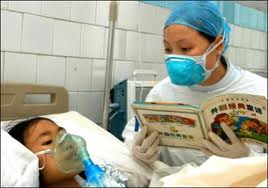
The greatest risk factor for Bird Flu, seems to be contact with sick birds or with surfaces contaminated by their feathers, saliva or droppings. The World Health Organization (WHO) has confirmed a handful of cases of limited human-to-human transmission of bird flu. But unless the virus begins to spread more easily among people, infected birds or material present the greatest hazard. Migratory waterfowl and ducks in particular, carry the viruses that cause bird flu. Often unaffected themselves, the host birds can spread the infection to susceptible species, especially domesticated chickens, turkeys and geese, resulting in severe epidemics that sicken and kill large numbers of birds – sometimes in a single day.
Avian viruses generally don’t affect humans, but in 1997, an outbreak of bird flu in Hong Kong infected 18 people, six of whom died. Since then, human cases of bird flu have been reported in the Netherlands, Canada and throughout Asia. Most were traced to contact with infected poultry or surfaces contaminated by sick birds.

BBC news said that: The \”intense interest\” in the risk of a UK bird flu outbreak could seriously damage chicken and poultry sales, the National Farmers’ Union have warned. This was the headline of an article in the BBC news front page. David Salisbury, head of immunization at the Department of Health, said an assumption was being made that one in four people would be affected by any such outbreak \”The risk is very real, we’re very aware of what’s happening in south-east Asia and are monitoring very carefully the spread of disease amongst birds,\” he told BBC News.

Another date the BBC news front page said: Poultry producers in Wales say their businesses are at risk following a ban on bird sales and shows to lessen the potential spread of avian flu. \”We go to the sales to keep the cash flow going, but this ban has taken 80% of our market away\”. Said the Poultry producer Chris Taylor, which very clearly states the condition of poultry sales due to the ban levied on it.

Hence, the above-mentioned reports very well sum up how the sales have been affected in case of poultry due to this bird flu. This viral infection has been the cause of so many problems. The H5N1 virus currently infecting birds in this avian flu have caused human illness and death is resistant to amantadine and rimantadine, two antiviral medications commonly used for influenza. Two other antiviral medications, oseltamavir and zanamavir, may treat flu caused by the H5N1 virus. Tamiflu is the most effective medicine against this perilous disease. And remember Tamiflu is most effective if treatment is started within 48 hours of symptom onset. So Don’t Loose Time Buy Tamiflu.

types of best/ideal poultry feeding systems and Top suppliers

Poultry Feeding System Overview

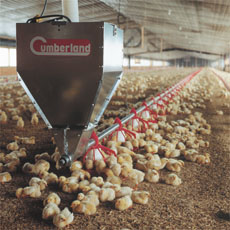
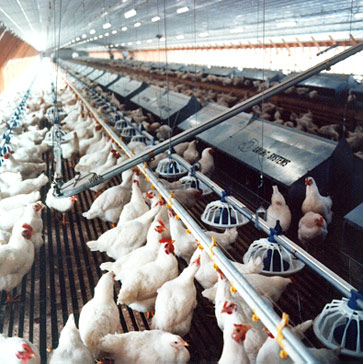
In the past few years, a dramatic change has been seen in the use of poultry feeding systems and the nutrients used in carrying out the process. This development can be seen resulting from the increase in the demand of materials and foods that are used at the poultry farms. Every guide to the poultry feeding system makes use numerous integrating poultry feeding programs and techniques that come to guarantee the most optimum results. A great deal of importance should be paid to the use of various mechanisms and programs in the feeding systems, as they come to determine the levels of profit you can generate from the investment you have made in making the poultry farm. The various types of systems that are now being used include automatic pan feeders, chain feeders, round and hanging tube feeders each of which depend on the number of animals and birds you have on the farm. When it comes to the list of poultry feeders, suppliers and equipment, then China, Denmark, America and some other third world countries lead all others. Let us now have a look at the functions performed by the various feeding systems. It is now more than obvious that the feeding systems are of extreme importance and should be given due priority at all times.

Feeding Systems

Automatic pan feeder

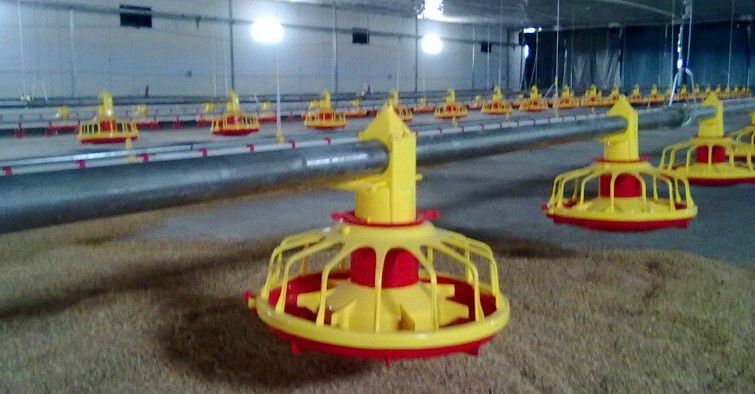
Automatic pan feeders are one of the most reliable when it comes to broiler and animal domestication and rearing. Knowledge about these feeding systems is of crucial importance, especially when you plan to have thousands of birds and animals on the farm. These feeders might include feed hopper, champion and integrated feed chain systems and various automatic feed scales all of which are designed to reduce the human effort and to ensure that all the animals are fed properly and adequately.

Chain feeding systems

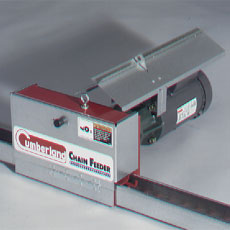
Chain feeding systems are also used for floor and layer management. The prime function of the chain feeder system is to provide the powdered poultry feed from the external feed directly into the poultry house in a balanced and pre-determined amount.

round and hanging tube feeders

In terms of the round and hanging tube feeders, the levels of efficiency and the element of even distribution is reduced, thus it is not the ideal feeding system, but can be used for a number of purposes.  The automatic systems in contrast function under the control of a number of switches and devices each of which has a specific function to perform. Keeping in view the functions of the systems, the breeder must be a person who has some experience in working and dealing these machines and devices. The best and most effective feeding system program is the one which feeds a controlled and balanced amount of nutrition to the birds and animals. Furthermore, it is always useful to hire a professional animal nutritionist who has some adequate knowledge about all the dietary nutrition requirements which must be met at all times.

Best Suppliers and Vendors

As mentioned above, China and United States are one of the top countries when it comes to the feeding system suppliers and vendors. Here is the list of some of the companies which are known for the kind and quality of systems they manufacture and export.

1)    Chore-Time Feeding Systems

http://www.choretimepoultry.com/products.php?product_id=1

2)    Cumberland-Complete Poultry Systems

http://www.cumberlandpoultry.com/english/overview.ht

3)    Cablevey Poultry Feeding Systems

http://www.cableveyag.com/poultry/broilers.html

4)    Jinan Lionpower Poultry Feeding Systems

http://cnlionpower.en.alibaba.com/

10 Guiding Principles To Optimize Poultry Processing

Poultry processing should be taken seriously, especially when you plan to optimize the yield and the profits. In other words, you need to make use of a number of standardized procedures and plans in order to get the best value for your investment in broiler processing. For example, if the lighting is too much in the farm setting, then there are high chances that the birds might come to be stressful and engage in irrational behaviors. For your convenience here are the 10 guiding principles to optimize poultry processing, all of which are to be used in an effective way for increasing the workflow and outputs from the processing plants.

1. Harvesting

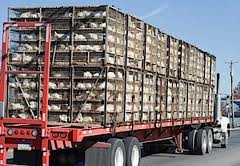
Harvesting is one of the most crucial components in poultry and chicken processing. In caging the birds, it must be ensured that the cages are not too small and not damaged in any away. Furthermore, door less cages are also used, as having a door in them might slow down the output when closing and opening the cages. In times of transportation, it is better to make use of big cages for the accommodation of a large number of birds.

poultry transportation

2. Transport

Having adequate and impressive transport facilities is another key to the success of the poultry processing. There are a number of broiler and chicken processing plants that are unable to obtain substantial results from the yield, all because of the limited transport facilities to various areas. The trucks should also be equipped with proper temperature control mechanisms in summer or winter, so that the birds might not be at risk. Furthermore, proper arrangements should also be made on the arrival of the birds at the respective locations.

3. Hanging the Birds

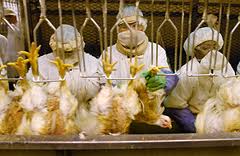
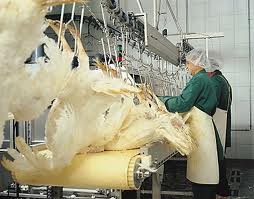
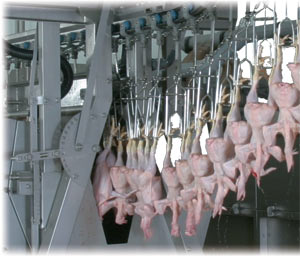
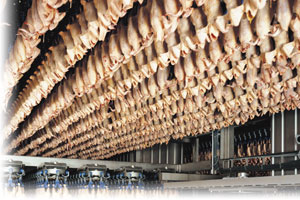
Before going to the full fledge chicken slaughtering process, the process of stunning is performed. So, here it is imperative that the route leading to the stunner should have moderate levels of light. The hanging should be done in a way that the birds may not damage their wings from the nearby metal and also kept safe through the use of breast comforters. The timing for reaching the stunning site is also important here and should not be prolonged.

hanging the birds

4. Stunning and pre-wash before scalding

The place where the stunning is done should not be wet and it should also be ensured that the birds might not get an electric shock from the floor. In other words, the birds should be kept away from having a pre shock that might create a number of problems. When the chickens are slaughtered, a fecal material can be seen on the body, thus creating a need for washing.

stunning

5. Scalding

Afterwards, scalding is done to loosen the weather and for the dilation of the body parts, so that the slaughtering process might come in quick and easy. Moreover, the timing between the movements of the animal from scalding to plucking should also be minimal.

scalding

6. Plucking

The body temperature of the chicken should be higher on entering the plucking process. It is because the follicles tend to open and loosen on high temperature which makes the plucking process easier. If the body temperature of the animals falls before reaching the plucking machine, then this might lead to the deposition of the fecal material on various parts of the body.
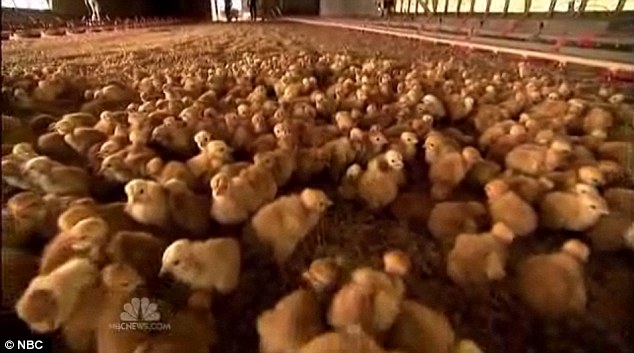
plucker

7. Evisceration

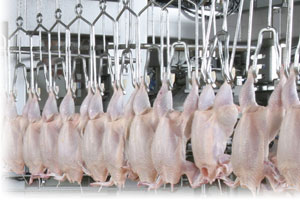
In this phase, the organs and parts of the animal’s bodies are separated on the basis of suitability for human consumption. On collection of these parts, proper chilling should be done for the reduction of bacterial deposition and growth on these organs.

evisceration

8. Chilling Carcasses and Giblets

The poultry processing plant managers should ensure that the water used for chilling should be maintained at 0C, in order to keep the body of the products are prepared for the next phase. Furthermore, an increase in the temperature should be controlled.

chilling

9. Packaging

On completion of the previous processes, the products are then selected for specific type of bins. Each of the products should be packed and processed properly for keeping the quality intact and for minimizing the bottlenecks. Extreme cold temperatures should also not be used, as this might lead to the darkening of the animal skins.

10. Coolers

The ideal temperature on which the carcasses and giblets should be allowed to enter into the coolers is about 4C. Here also, the temperature should always be monitored, as higher body temperatures might slow down the efficacy of all other processes.

These principles are going to act as a poultry processing management guide for you, but only if you follow them respectively and carefully.

Current picture of poultry farming in India 2012

The poultry farming sector of India has attained a lot of success over the past few decades as it has been among the most rapidly growing industries here. The growth and progress has been due the investment that has been poured in by the government and private sector. This exposition is to give you an idea about the various features and trends of development in this industry, the driving forces behind such trends, and developments and the predictions which can be derived about its future.
History and development of poultry industry in india

If you gather the statistics of the past three decades or so, you will find that Poultry farming in India has been a huge success. Stats show a 2 percent increase per annum in the agricultural production during the last 30 years, while the rate of increase or growth in the poultry sector has been a dominant 8 and the recent trend is 12 percent which gives an idea about how well this industry is doing. Its annual turnover is closing in on 10,000 US dollars. If you look at the statistics of the growth in the population of livestock exclusive of poultry, the trends are mixed because there have been a rise and fall. But if you move towards the livestock population of poultry, the rate is continuously on the rise with every passing year. Poultry business in India is now going through various structural changes among which most of them are just in the discussion phase. Emphasis are being laid on devising methods for enhancing vertical coordination between the supply channels that will enable to lower the transaction costs even further. Similarly steps are being taken to maintain the balance between production and imports of poultry item so that the local producer is not harmed and neither the prices are inflated. The main structural change has been the increase in the integrated producers which are merging feed milling, breeding contract growing and are fostering improved production and reduction in marketing costs. So the gist is that the present is showing the same positive indications as the past and the rate of growth is expected to increase even further.

Poultry production and consumption trends in India

Poultry production and consumption trends in India

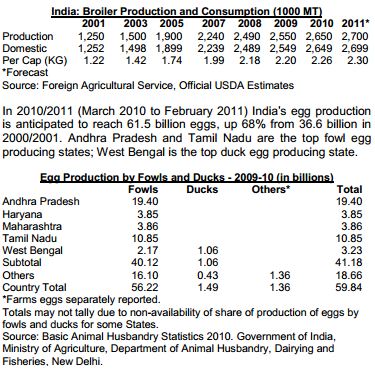
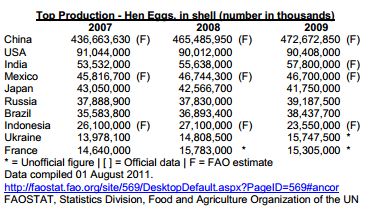
A population of more than one billion and an increase in growth of 3 to 4 percent in per capita income on annual basis, India is proving its potential for commercial Poultry farming. The production and consumption figures for poultry meat and other poultry items have been continuously on the rise. Though the government very rarely publishes authentic data on the growth and production of this sector, the market research by different experts have suggested a substantial increase of 15 percent as compared to the past 10 years. India is among the top three largest egg producers of the world and is also a very prolific broiler producer. The rise in the consumption and production trends has also to do with the approach of the people as they are now getting more inclined towards the use of poultry meat rather than veal, beef and the Buffalo meat. This shift has given investors the urge to invest more and more into this industry and the result is the increased Poultry production in India.

india poultry

Broiler and Layer growth trends and investment opportunities

The annual average growth which is being shown by the broiler industry is about 10 percent and has been characterized as steady but volatile. This steady and effective growth is the result of the expansion in the middle class of this country and the rise in their demands for protein affluent food. Though the demand is increasing but the production faces fluctuations due to factors like overproduction and avian influenza. Year 2008 saw a rapid fall due to A1 outbreaks and rebounded back on the path in 2010 after which the trend has again been a rising one with average between 10 and 15. 2012 has set a new record of broiler production i.e. 3.2 million tons.  Similarly the layer industry is showing increased growth due to increasing demand for protein with low costs. Products of egg powder of India have a strong demand in Africa, Middle East and Asia and this is also promoting the growth. So the country has many opportunities for investment in the broiler and layer industries.

egg and layer production

Significance of poultry meat and eggs in country’s export

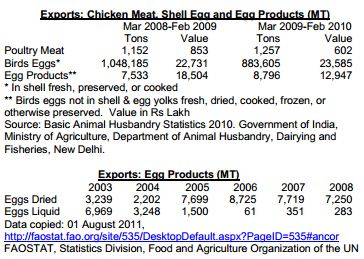
Though India is the leader when it comes to the population of cattle and animals, its exports of poultry meat is not at the most convincing level as compared to its potential. The reason is the undeveloped meat processing industry. Egg exports and exports of other powder egg products have always been on the rise which is due to factors like cost competitiveness and other logistical advantages. The low cost poultry meat which furnishes people with desired protein has increased its importance as compared to other meat like veal and beef. The poultry exports of India for the current year have been on the higher side with 503154 million tons but are low as compared to the potential of the industry here.

poultry exports

Various positive reforms are being introduced to promote the industry even further and provisions for effectiveness of facilities such as environmentally poultry control houses/shed in India are being made.  Poultry farms in India or India poultry farming industry is taking the country to new levels of progress.


Chicken Egg Candling Guide

Candling chicken eggs is an important part of poultry production, especially when it comes to carrying out observations about the growth of egg overtime. There are a number of phases through which egg passes before getting into a complete shape. The procedure used to observe the development of the embryo that lies inside the egg, is mainly done through the use of a bright source of light. It is this light which helps in getting an idea about how much the being has developed inside. The reason for which the procedure has been named candling is all because initially candles were used to observe the development and growth of the egg. Yes, this was indeed quite long ago. The modern lamps differ from the conventional lamps in a number of different ways. The modern lamps make use of a strong beam of light which is concentrated at one spot. Furthermore, now days LEDS are also being preferred due to the ease they come to provide being efficient, powerful and portable.

Why is candling so important

In addition to pointing out the growth of an egg, candling also helps in gaining about the fertility of the egg and the levels of weight loss that might occur from time to time. During the time of incubation, the eggs do need to lose nearly 13 % of their overall weight which should be monitored at all times. Moreover, it is this procedure that is going to helpful in identifying the dead or expired embryos before the egg comes to explode. It is all done to avoid the spread of germs which the exploding might initiate. The process of observing the incubation of chicken eggs is best done when the mother leaves the nest at regular intervals. So, this is the right time to make use of the chicken egg Candler. In times of extremely dry conditions, then an increase in the air sac size might be seen. In such conditions, the humidity of the chamber should also be increased to compete with the dry conditions. If the air space appears to be smaller, then the opposite mechanisms are applied.

Knowing the Viability of an Embryo

In the presence of a candling lamp, the embryo comes to look like a very dark shadow. The embryos which are healthy would eventually come to respond to the use of light. The time required for the movement might vary, but on when the time lies between 30 to 40 seconds, then it is a possible indication that the embryo is not healthy. Furthermore, looking at the blood vessels which are quite visible is also necessary for monitoring the growth. If, in case the embryo dies, then the blood vessels start to deteriorate quickly and soon come to appear like streaks that lie under the shell. Infertile eggs are quite easy to detect and must be discarded at the very first instant. Moreover, as mentioned earlier, the absence of movement is also helpful in knowing about the deaths, but the viable ones are those that respond to the light. Yes, hatching chicken eggs is not as easy as it might initially appear to be.

egg embryo

viable eggs

The Procedure

It is best if you candle the eggs in the evening time. In addition, you can also do the candling when the lighting conditions happen to be dim. Now here we have the equipment which is used for the procedure:

  • Pencil
  • An egg candling device or torch
  • Cartons of eggs

Procedure

  • First of all remove the eggs from the areas of the incubator and then place them in the allocated cartons
  • Dim the lighting conditions or it is better to do this in the evening time
  • Check out the embryo for each egg in front of the candle or the device you would prefer to use with an efficient amount of light
  • Remove all the eggs you find infertile and separate them from the healthy ones
  • Return all the healthy ones to the incubator

egg candler

Timeline for Candling

The best time to initiate the procedure is 3 days after incubation or on the 4th day of the incubation. In case of the fertile ones, you would see a dark spot and even some movement, but that might not be the case with those that are infertile.